

![[공인모] 2022공인중개사 학개론 이영철교수님 문제풀이20강](https://i.ytimg.com/vi/DzMuriugb3k/maxresdefault.jpg)






![Government Intervention and Market Failure [IB Economics SL/HL]](https://i.ytimg.com/vi/yqacPyJPQJo/hqdefault.jpg)



















Cartels are groups of firms that collude to fix artificially high prices by restricting output, but they tend to break down in the long run due to game theory principles like the Prisoner's Dilemma, where each firm has an incentive to undercut others to gain profits at their expense, and the incentive to whistleblow to receive immunity while others face heavy fines.
A-Level Economics Paper 1 Revision Tips & Model Answers
Added:Core microeconomic principles, including demand and supply analysis, consumer/producer surplus, and various price elasticities.
Concepts of market failure, such as negative and positive externalities, public goods, and asymmetric information.
Theory of the firm, including cost and revenue curves, profit-maximizing rules, and characteristics of different market structures (e.g., perfect competition, monopoly, oligopoly).
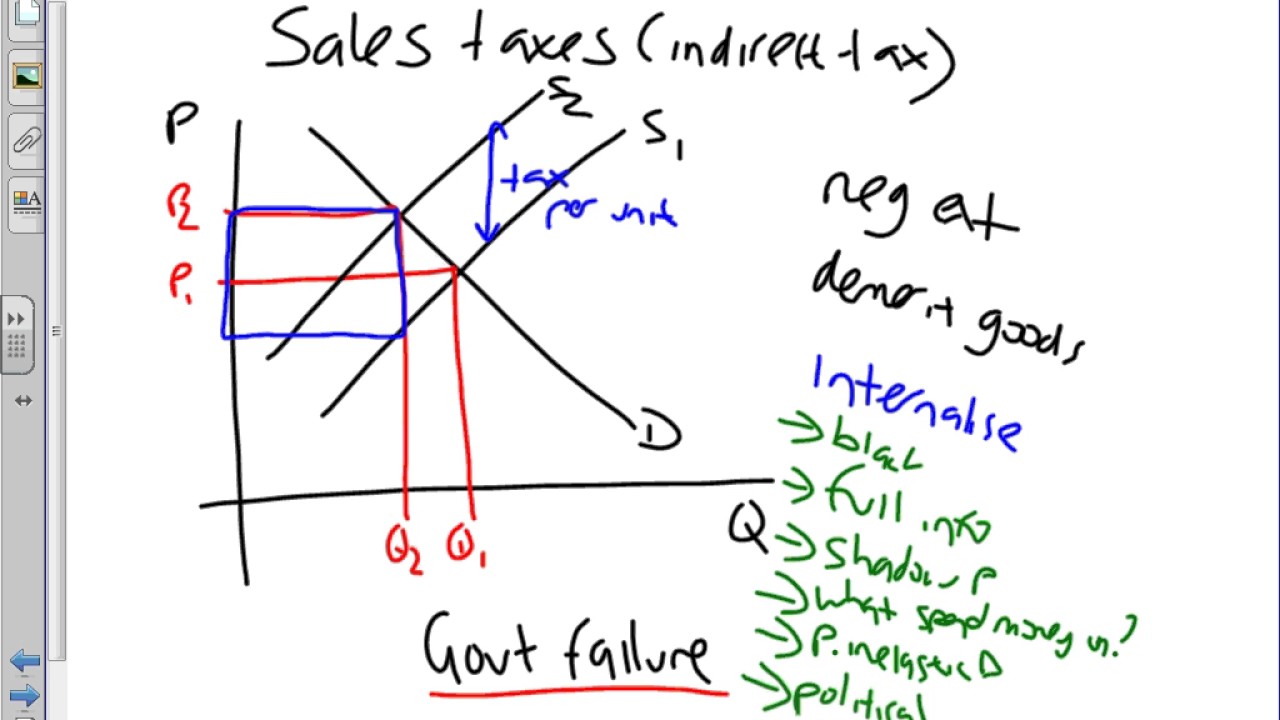
Methods of government intervention in markets (e.g., indirect taxes, subsidies, maximum/minimum prices) and the concept of government failure.
Synthesizing Paper 1 (Microeconomics) with Paper 2 (Macroeconomics) content in preparation for the synoptic Paper 3 exam.
Practicing full-length, timed past exam papers to build pacing stamina and directly apply the model essay structures.
Analyzing real-world microeconomic case studies, such as recent competition policy decisions, mergers, or labor market reforms, to use as contemporary exam examples.
Exploring advanced microeconomic theories, such as deeper game theory applications in oligopolistic markets and behavioral economics deviations from rational decision-making.
8.9K views175likes2:40:06Original Release: 2023-05-15
hi everyone uh welcome along to the paper one uh revision course uh I am having some technical issues just as an FYI so my smart board has decided to not be very smart uh but we'll make do it's all good yeah well the show will go on um so thank you to those of you that have been submitting questions and asking questions um I'll try and cover as much as I can in the session that we have together uh if you guys have any questions as well um just as a note because I know most of you probably are watching it on YouTube um you can leave comments on YouTube I think it should be enabled if it isn't then you can actually join me on Zoom uh the code for Zoom uh the webinar is eight nine zero four three six one six zero five three so again that's eight nine zero four three six one six zero five three and the passcode for that is five seven seven six six one so passcode five seven seven six six one alternative way feel free to go on our website and and you can get inquiries email and send emails over there I will have a look at my phone every now and then to see if there are questions hopefully I cover a quite a range of different things anyway so okay cool let's roll up a little bit with like a sort of a section A type question uh which is drawn from the 2021 paper so I will share my screen to give you guys access to that as well so let's have a look a level economics paper one and I want to have a look at 2021 and the question I wanted to do is a very basic hopefully um supply and demand question just to kind of warm us up a little bit so Section 8 as you know is multiple choices more questions and this is an example of a question that I wanted to look at so it says uh Cobalt is a key metal used in the batteries of electric cars China is the world's largest producer of electric cars but has recently cut subsidies to its manufacturers right what I want you to do is as you're reading this like a question like this is underline the keywords so firstly it's a metal that is used in the production of battery cars right it's the batteries of electric cars China is cutting subsidies right let's think about what that does straight away if we're dealing with like a supply and demand question if they're cutting subsidies normally a subsidy would cause Supply to shift outwards so now it would cause Supply to shift anymore so the number of electric cars is it going to go up or go down well it's going to go down and if they're producing less Electric cars or they demand more or less of this product well they will demand less so the first thing we should be thinking of immediately is demand for this product must be going down okay so that's the first part then it says the Democratic Republic of the Congo produces more than 60 of the world's supply of cobalt from its small scale mines again on the line they Supply basically the majority of the cobot and many new small wines opened in 2018 as a result of improved expectation of profit okay so if there are new minds what's shifting now it's Supply shifting outwards the following graph shows the price of cobalt between 2018 and 2019 June okay what's happened to the price we can clearly see the prices going down right just wanted to address this with reference to the information provided drawer supply and demand diagram to show why the price of probable fell uh between 2018 and 2019. now in an Ideal World I'd be drawing it on my pad um this is not an Ideal World so we're going to basically annotate it uh hopefully it will be pretty clear so you draw a standard supply and demand diagram um yes I don't know why it's in blue but we'll go with it looks nice and you're going to have this and let's label right so we've got S1 and we have D1 okay right please make sure that you also label the axes they've left it unlabeled so price quantity you could just write by the way I write p and Q that's completely fine and then you want to dot down straight away from the initial equilibrium so I'll do my best it's not very nice but it is with a laptop and over here we have the initial price okay now when there is more than one shift and we basically figured out based on reading the data that it's going to be multiple shifts to supply and demand Shifting the best thing to do is to shift them before labeling the final equilibrium in other words don't Shift Supply and then label equilibrium in the shift the mile label the new equilibrium just shift them both in the direction they need to shift and then label the final equilibrium so we know from the data that because they're cutting subsidies to the Chinese the Chinese firms are not going to produce as many of these cars they're not going to demand as much of this product so demand is going to shift inwards so let's shift it inwards but this we'll call that D2 and at the same time there's going to be an outward shift of Supply because new mines have opened in the Democratic Republic of Congo so Supply will shift out now how much you shift it it doesn't actually matter the only thing here is the price the change in the price it needs to be going down and it will because both are acting to reduce the price so here we go Supply and I can label that S2 all I do now is I label the final equilibrium nothing else okay so we have the following so let's pretend that's nice straight lines and that's the thing that is that's not bad okay and the final price then is this it's going to be P2 and YouTube okay be careful by the way sometimes the question is just one factor shifting so only Supply or only demand but sometimes there are two things that are shifting in this case two things shifted if you only shifted Supply or only shifted demand you would not pick up the four marks cool hopefully that's um fairly straightforward in terms of how to approach a question like that right okay let's do one more question that's uh regarded slightly easier and then we'll start jumping into some much more deep and complex stuff um let's stop oh here we go okay right the 2022 paper last year has a five marker had the following questions so just load it up there we go it says with reference to figure one calculate the three final concentration ratio for Branded coffee shop chains right just to clarify the concentration ratio basically is how much of a Market's output is accounted for by a certain number of firms in this case obviously three firms and three biggest firms the most common thing that people get wrong on this is that they add others others is not affirm just to clarify the other thing to clarify is that the this number is always expressed as a percentage which is the only thing that potentially could have stumbled you on this particular question so let's have a look at figure one we want to calculate the three biggest funds okay so if I look at figure one you can tell they made our life easier because they've told you the actual number and this is in terms of the number of shops yeah so I need to convert that into percentages and take the top three and and do it so let's see if we add up the three biggest firms or what do we have well the three biggest firms are obviously Starbucks Costa what cost their Starbucks and caffeine era all right let's do it together so we do two six eight one plus one zero two five plus six four eight so in totality that gives me let me write that number down over here I get four three five four okay that is their total those three added together but now I need to divide that number by the total industry output so I keep adding now let's add another 50.
add another 40. out of 30 and add three seven four eight three seven four eight okay the total industry output is eight thousand two hundred and twenty two how do I therefore calculate this as a percentage very straightforward I now do four three five four divided by the total eight two two and remember it's a percentage so you multiply that number by 100 100 and so you should have got 52.96 if we're going to two decimal places it's not a big deal you could have done this 53 by the way so something along those lines yeah that would basically get you the five marks that is an example of a five marker by the way where I expected to get four marks in far less than five minutes to be able to give yourself a bit more time for other questions okay cool right let's get started in terms of something a bit more uh hopefully challenging and exciting and the question I'd like you to write down is based on the log specimen paper paper three but it's also based on the June 2015 unit 3 paper and in a nutshell if you say something along the lines on um assess the factors necessary for the success of a cartel so on your piece of paper write down assess the factors necessary for the success of a cartel okay right if this were asked in the example Thursday it is obviously very important for you to understand what a cartel is and then be able to set have a pretty much set answer to a question like this so firstly what is a cartel a cartel is basically a group of firms or countries who collude with one another in other words they work together right so that's a nice pretty quick definition of cartel is where a group of firms collude with one another and what is collusion collusion is where firms will fix an artificially high price by restricting their output and behaving as if they were a monopoly okay so if the biggest suppliers in the market collaborate with one another and they all restrict their supply think about it from a supply and demand perspective Supply shifts in and the consequences of that is the price now goes up okay so for a question of this you start off with a very basic definition of what a cartel is like I just defined and I would define collusion as well I would then do the following think about the way you can kind of work through answers like this is to go okay and what topic does this come up where do I see collusion what collusion comes under Game Theory and Game Theory comes under an oligopoly that's a massive hint number one is the market structure must be an oligopoly it would not work in monopolistic competition and definitely not perfect competition the logic is this imagine like the hairdressing industry do you agree the hairdressing industry is made up of thousands upon thousands of funds loads and loads of small hairdressers across the country is it plausible for those hairdressers to work together and collude and have like a fixed price realistically no there are too many of them for it to work in terms of the logistics therefore the more concentrated a market the easier it is for them to collude with one another okay I mean we just calculated the three fund constant race ratio amongst the three big Cafe chains they could probably collude because they own more than half of the market the key thing to understand here is that it's because of the fact that it's logistically more kind of it's a lot more straightforward to organize a collusive agreement when there's only a handful of big farms rather than loads of small firms that's your first analysis by the way and within that point very importantly is to understand that the number one seller the biggest fan in that market must be part of the collusive agreement for it to succeed okay and the context in the UK Supermarket industry a collusive agreement a cartel would not work unless Tesco were involved and the logic of Y is because if Tesco were not involved then all the others started to collude Tesco's prices would now be lower than all theirs and therefore as a consequence everyone will now switch over or large numbers of customers through the Tesco Tesco are big enough to absorb all the extra customers so it would not make sense for the others to collude without Tesco being part of the collusive agreement cool that is without a shadow without number one the first analysis in terms of why collusive agreements didn't make sense let's evaluate every single time we're dealing with a question about collusion or a cartel you evaluate with something called prisoners dilemma prisoners dilemma is best Illustrated through a payoff Matrix so hopefully this is going to work I'm going to just stop sharing here and share the Whiteboard that they use on Zoom haven't used this in absolute ages uh presenting open board okay in one second it's just loading up I'm not sure you guys the board okay if I can't show you guys the board there must be aware I am so incompetent technologically um that's really wrong give it a sec okay I hope you guys can see my board now can you see my board with yourself now on screen that's why why not um I think so right so we're going to go through a payoff Matrix and understand how um you guys see this give me one second let me just check someone can write um all right that's just really slow like load up um someone right on the chat basically they're here you see my board we can see perfect there amazing thank you all right cool right let's go through business dilemma princess dilemma is a really important thing for you to understand prison's dilemma is basically illustrating we're going to illustrate why collusive agreements will break down by themselves pretty much in the long run the logic is as follows so imagine there are two people myself and let's say someone called Jim Jim and I have committed to crimes the first crime is a fairly petty crime the second is a far more serious crime now the police only have enough evidence to charge us for the more petty crime but they suspect us of the more serious crime so what they're now going to do is they're going to put myself in gym into two separate cells and tell us the following they're going to say to me listen Ahmed if you confess and Jim does not confess we will give you immunity and he will get 10 10 years present time in Reverse if you don't confess and he does confess he'll get immunity and you're going to get 10 years prison time in the event that you both confess you're both going to get five years prison time and in the final event that neither of us confess they can only charge us for the petty crime therefore the outcome is that they only charge us for two years present time okay let's actually depict this on What's called the payoff Matrix which I'm sure you guys have by now seen and it will look something like this okay but I know that you guys can see the board a little more comfortable let's do it okay so we are going to have the following so we're going to have one of the players at the top here so let's have gym there okay and over here is going to be the other player which is myself you're good about to spell my name and our moves are as follows ignore how terribly disproportion my lines are here we go okay right so the two moves we had were confess and don't confess so let's put confess over here and I'm going to depict don't confess by DC to just make our life a bit easier yeah DC and over here we have converts and over here why okay so the way a payoff Matrix works by the way they asked the questions last year in the uh in section eight I will go through in a second of asking you to draw a payoff Matrix I will do that in a moment but in a nutshell we describe the following he said look if I confess to the player on the left hand side by the way so me their number is always the number on the left of the box and the right number represents the player at the top in this case Jim yeah so we say look if Jim confesses and I confess both Jim and I are gonna get five years prison time so that's no idea we're gonna get minus five and he's going to get minus five cool in the event that I do not confess and Jim does confess what happens now is that I get 10 years prison time so I get minus ten he gets nothing he gets immunity now I can flip the game over to go to the other side and go okay let's go through the scenario where I confess and he does not confess I now get immunity minus 10 for him and then finally in the outcome that neither of us confess we both get minus two let's do minus two okay right ignoring how scattered my numbers all are if you look at those numbers and you look at the four different outcomes that can arise which is clearly the best outcome for Gemini collectively imagine you don't know us you have no loyalty towards either of us clearly the best outcome for us is this minus two minus two agreed the best outcome is for both of us to not play confess we're going to try to illustrate why that is never the outcome of the game the technical name for that by the way is the Nash equilibrium at Excel can't ask you about that but educast OCR AQA they may ask you about the Nash equilibrium equilibrium is basically a fancy way of basically saying the outcome of the game the what you play the game is as follows let's play as me first and go all right imagine that we're assuming that Jim is playing confess the only thing that we're going to be looking at is where he's playing confess over here yeah so if he plays confess is it better for me to confess and get minus five or better for me to not confess and get -10 clearly it is better for me to confess and get -5 right so all right let's underline that move to illustrate that was the better outcome for me cool still playing as me but now let's assume that Jim is playing don't confess is it better for me to confess and get nothing or is it better for me to not confess and get two years prison time well obviously I'd rather get no prison time than two years present time so the best outcome for me again was to play confess did you notice something did you notice that I played confess irrespective of what Jim died I did I always play confess it was always my better mood I have what we call a dominant strategy right let's flip the game over let's now play his gym and go all right imagine the arm is playing confess is it better for Jim to confess and get minus five or to not confess and get -10 obviously for him it's also to confess this on the liners move and then we go all right imagine almost playing don't confess is it better for Jim to confess and get nothing or to not confess and get minus two obviously again he will confess notice that of the four boxes that we have only one of them has both lines underlined and that is confess confessed it was the dominant strategy for me and it was a dominant strategy for him we both end up playing confess confess our dominant strategy and the outcome the Nash equilibrium of this game is that we both end up confessing now how does that relate to economics and how does that relate to a question about whether a cartel will be successful the reason is is because rather than thinking of it as Jim and Ahmed as an example imagine instead we had the following scenario where we said okay Tesco as them if they play high price high price that is the outcome that is the best for them where they collude but there is always an incentive to break out of that collusive agreement and there are two reasons why one is as they think you know what if we lower our price we're going to gain profit at Tesco's expense but Tesco think the exact same thing so what ends up happening is they both end up playing low price low price the second reason why cartels tend to break down is because there's always an incentive to be a whistleblower whistleblower is basically this Niche right the person who goes to the regulator and goes oh I'm so sorry we've been lying and colluding and all that right why by the way why would you be why would you be The Whistleblower because you get immunity whilst the others in the cartel are going to receive heavy heavy heavy fines so it's likely that collusive agreements will break down now let's develop this by the way in terms of the June 2022 paper I'm going to quickly just share that in a second expose the Whiteboard and let's open last year's paper okay so I think this actually is the paper isn't it uh yes this one so this causes a lot of people a lot of issue so let's have a read of it it says Pilgrim's Pride is the second largest chicken supplier in the US it will pay a 107.9 million dollar fine for price fixing with Tyson Foods and other chicken suppliers The Firm limited production um The Firm sorry the firm's limited production course price higher and harm major consumers including KFC huh blasphemy the Pilgrim's Pride is thought to have gained at least 361 million dollars in total revenue from the collusion draw a simple two firm two outcome game theory model to show why the chicken suppliers may have polluted okay blessings pass by the way you did not actually have to use their numbers I would have I'm not gonna lie like I think it's easier to make more sense to use their numbers but you didn't have to let's draw this payoff Matrix together so if you want to have this paper open June 2022 it's question number four and I'm gonna quickly just share the Whiteboard instead hope this will work and okay what let's have a quick go drawing it so we had the two firms were what [Music] okay so Tyson Foods very soon I'll try Tyson just makes it safe home and pilgrim okay right in the top left Box by the way a decent thing to do is write revenue and it was expressed in dollars and also in expressed in millions of dollars I'm going to do Revenue millions of dollars and now the two moves are think about what collusive Agreements are they're likewise likewise yeah so we're going to have high price and over here low price and over here high price and over here low price again ignore how horrendously I haven't worn this out but in a nutshell these are the things okay the only number that we actually know by the way is the 361. we know that they basically collude and they should both get 361 now we're not told that they both get that but it's easier to make that assumption so I'm gonna go okay Tyson if they play high price they're gonna get three six one and Pilgrim will also get 361. that is my first number from here on by the way you make up the numbers but it has to make sense and actually work so what I want you to do to understand how to draw a payoff Matrix is this the number that they basically get when they collude is the same then you go okay whoever's playing low price so in this case python they are now going to gain more so their number is going to be bigger than 361 and the firm that's playing high price while the others are playing low price they're going to lose out so their money needs to go down below 361. all right let's make our life nice and easy let's do something like 500 so if you basically play a low price you're gonna get 500 million revenue and the other firm will now lose money so let's say they go down to 100 okay now once I've inserted that number my life is made far easier because what I now do is that top right Box flip the numbers you just flip the numbers now so you go okay well now if Tyson are playing high price and Pilgrim are playing low price Tyson are going to lose out they're going to get 100 million whilst program are going to get the 500 million FYI by the way how many marks have I picked up out of out of the four you've now picked up three of the four marks I mean I do still want you to pick up all four mods but reality full marks for a question like that is really okay like it's still gonna add up this will be good yeah the last number is here is low price low price and the way to always calculate it's an easy way to remember it is the number needs to be below what they would gain if they played high price but above what happens in the event that they basically got backstabbed so any number between 101 million and 100.1 I guess to 361 we're good right let's make our life easy let's go 200 200. so we're gonna go 200 200 okay and that is the payoff Matrix that answered that question really well if you look at by the way the examiner report if your teachers have access to this whereby the answer they've got four out of four honestly the numbers were like it was so funny it was like they put high prices like five five and then for low price low price like 2-2 and I can't know exactly what the numbers but like as in they did it in such a simplistic way that will get you the marks okay right back to our essay back to the fact is necessary for a cartel to succeed what you would now say is however cartels however games such as prisoners dilemma illustrate that cartels tend to break down in the long run this is because there is always an incentive for one of the firms to undercut the other to gain profits at their expense there is also the incentive to whistleblow so that they get immunity whilst their Rivals get heavy fines cool that is an exceptional by the way evaluation to collusion it is such a strong eval and it satisfies the criteria if you get a question like in the June 2019 paper paper 3 which says use Game Theory in your answer I'll just use Game Theory in your answer one one let's do the second analysis we need the second analysis for a question like this what are there's one more condition I think is nailed on as always going to be on the mark scheme in terms of what is necessary for a cartel to succeed and that condition is that the good being sold needs to be priced in elastic can I clarify why inelastic as I'm sure you guys know is that the demand for a good is not very reactive to changes in the price in other words when the price goes up demand decreases it falls but less than proportionally if demand for a good was elastic it would not make sense to collude the reason why it would not make sense the collude is because if you collude when something is elastic you raise your price a little bit there will be a more than proportionate decrease in demand for your good and therefore you end up with less Revenue not more Revenue what's the point of that does it make sense therefore you go the good needs to be priced inelastic in the lock specimen paper it was about OPEC and oil producing countries is oil inelastic yes now you justify why why is it inelastic well most cars still run on oil most factories and means of production still use oil it is very very much inelastic at least now yeah I like I said I highly recommend in the old spec unit three there's a data response about Chinese formula milk and there's a 12 marker about why was it possible for price fixing to take place well it basically spoke about how the PED for the formula Mill amongst the foreign companies was extremely inelastic because the Chinese companies their formula milk there was a big Scandal it led to like babies dying and like just all sorts of really bad stuff so if you're if you're a parent do you agree you're almost willing to pay no matter what the price is for the foreign formula milk that you perceive to be safer anything that you can basically use to justify why the PED is inelastic it could be a lack of substitutes in the market etc etc that will allow them to perform a cartel because they now know that an increase in the price leads to a less than proportionate decrease in demand hence they end up with more revenue and it therefore makes sense eval every single time talk about how in the long run it's likely to become more elastic for a variety of reasons so for example oil why my oil become more elastic in the long run well they're basically coming up with different forms of energy like Shale gas and you know fracking and whatnot they're talking about like you know more people are starting to switch like electric cars so just anything in the long run everything becomes slightly more elastic right an example of a Chinese woman milk well over time reputational damage might fade the government in the extract was subsidizing the Chinese firm so maybe their quality will start to improve and people might be open to switching and they might genuinely be substitution etc etc etc you just need to find a reason why in the long run demand might start to become more uh elastic and that's 12 out of 12. hopefully that's pretty clear right I got asked the question I just want to address this since we're talking about game theory in terms of the king domanta do you need it when can you use it is it useful um okay number one is none of the exam boards especially at Excel but not the examples can ever ask you a question directly about the king demand curve it is no longer part of the specification in the sense that they're not allowed to ask they're not allowed to for example draw your device Section 8 or you know what's happening here nor are they allowed to ask a question saying oh use the kingdom after having your answer nonetheless you can use it and if you use it it will be on the mark scheme and it will get credit I'm not a massive fan can't lie I don't think it's an amazing Theory um but it's an easy thing to understand so very quickly I will go through it and then I'll explain once I go through it when you are able to basically use it so let's clear this and just quickly draw the following right it's so much easier if I could do this by hand but technology has abandoned me today right okay right there is a more complex version of this diagram and there is a very simple version of the diagram just because I want to get through quite a lot I want to go through the more simple version because actually you can get all the marks by drawing a simple version and then explaining it in words and and it's not necessity anyway so anyways we've got price over here and quantity over here okay let's assume that this is an oligopolis such as Tesco and let's assume initially they are going to operate at this point here that I'm going to call Point a okay but it's not the prettiest day in the world but it will do at Point a this is the quantity they are producing and this is the price they are charging for their product okay on the Ally the average price let's say oh because they're selling okay right let's summarize what the kingdom Markov is actually going to say and then show how it will show it which is it says look it does not make sense for oligopolis to try to compete with one another through prices they should not engage in pricing strategies any pricing strategy is doomed to fail and it's a really bad idea and this is how they justify that theory the kingdom says imagine that Tesco are initially operating our Conte and now Tesco decides to raise their price above PE what will the other oligopolists the other supermarkets do assuming they are behaving in a competitive manner so what has to do what will test uh Sainsbury's do waitrose Etc according to the theory they will keep their prices unchanged and as a result of that now Tesco's prices are higher than everyone else's and therefore according to the theory loads of customers will now switch away from Tesco to the other supermarkets hence demand above PE is it reactive or not reactive well based on what I just described it is very very reactive it's very elastic so what we draw is above PE like over here demand will be really really really inelastic yeah now what you'll notice is a very small increase in the price if I can point the spotlight there we go a very small increase in the price let's say from PE to where that Spotlight is now if I go across the demand code look at how enormous the decreasing demand is it results in a more than proportionate decrease in demand does it therefore make sense for Tesco to raise their price no because they lose out in terms of Revenue scenario number two scenario number two is if they now decide to reduce their price so let's say Tesco go okay we're operating at PE we've now decided to lower our price what will the other supermarkets do well as the waitrose m s do well according to the theory it makes sense for them to also reduce their price because they don't want customers to switch over to Tesco but if they all start reducing their prices is there going to be a dramatic increase in the demand for Tesco not really yes they might get a few more customers because they're offering lower prices people might consume more but there isn't going to be a dramatic shift in the sense that demand then is very very inelastic there's a tiny increase by the way to describe that is the decrease in the price would lead to a less than proportional increase in the demand so I can draw that by going from point A and making it really really really inelastic something like that right and again if I just kind of get the spotlight up and go okay look imagine they reduced the price from PE all the way down to like over here and you go across can you see the demand hardly shift like there's a teeny tiny increase in demand and there was a dramatic decrease in price does it therefore make sense for Tesco to reduce their price uh below PE well the answer is very much no so in both scenarios Tesco were worse off by raising or reducing their price according to the theory then they should not compete through prices okay I'm not going to get started about why theories rubbish is rubbish but right when can you use it you can use it in two scenarios one I actually think is useful the other I'm not so much of a fan the first is that you could talk about it as a an evaluation for any pricing strategy include inclusion by the way to say look does it make sense for them to engage in pricing strategies not a fan though if I had to take off the box of like use Game Theory 100 business dilemma I think is better right that's the first scenario the only scenario where I can see this being really useful is if the question is about why a firm is not adjusting its price so if you get a question about why is it that let's say the supermarkets are not competing on price so why they're not raising their prices or reducing prices or whatever the question might be this could actually be used as analysis to justify why they might not be adjusting prices does that make sense so that would be um where you'd use the demands curve in all honesty I don't really think you're going to use it but you never know okay cool right hopefully that takes off that box as well right some of you are asking questions in the chat I promise I will get through them uh really quickly labor yes okay all right so on a quick sorry because I just noticed I'm someone's asking about do you have to put 361 as the application marks for the Pilgrims Pride and Tyson Foods uh question no you just had to apply it in terms of the two firms and high price low price or you could have also written by the way collude not collude or even like cheats right um as well that would also count as application okay will you do more lives of paper two and three yes they are on our Instagram page but that's at the end I'll shout out at the end right okay right am I going to dictate what you write or should write notices you go along I don't have time to dictate exactly what's right this is also recorded you will be able to watch it back in your own time on YouTube but try to cover as much as I can in the space of time that I have all right right next question are we ready let's do a 25 marker on a merger hold fun times for us if this comes up can you lucky star this is a dream question if you get something along the lines of evaluate the microeconomic effects of mergers in a markets of your choice we are in full-on like la la land at that point let's go through how we would basically answer a question like that so the starting point in the introduction the introduction by the way in a 25 marker is whereby if you're running out of time it's the least important paragraph just to clarify so it's the one paragraph that you can omit if you don't have time but it's simply where you kind of go through key definitions some of which are explicit definitions sometimes they are implicit definitions what I mean by that is clearly a merger here is an explicit definition and I would probably Define what type of merger this is an implicit definition is so June 2017 paper one has a question about them imposing a tax on soft drinks like Coca-Cola and Pepsi the explicit definition there is obviously tax so it was an indirect tax and it was specifically an ad valorem tax the implicit definition what is implied is what are soft drinks and why are they therefore taxing them they are a demerit good right so that's an implicit definition now if you can pick that out it's pretty impressive not the end of the world if you can't there is nothing but an explicit definition here in our question about the effects of emerge and microeconomic effects of emerging okay let's go through it analysis number one every single time you have a question about two funds emerging with one another you define in the introduction horizontal integration which is where two firms emerge that are in the same industry and at the same stage of the production process and now you give an example I probably give an example of jaguar and Land Rover merging to become jack-o Land Rover very inventive name right um now first analysis every single time now those of you that are taught by myself hopefully I'm about to do something and you'll be like like okay you know exactly what I'm talking about I'm going to do that I'm going to tap and those of you that are new to this tap into your economies of scale economies of scale is such an important concept to understand it is the idea that as a firm gets bigger and bigger and bigger it enables them to actually reduce their average costs so number one by the way the first analysis could be something along the lines of one microeconomic effect of um the merger between jaguar and Land Rover is an increase in productive efficiency my topic sentence by the way the first thing that I say ideally is the overarching point of that paragraph you guys need to plan your essays the 25 markers in particular before you jump into it so you know what your topic sentence is know what your chains of reasoning are going to be right let's go through how we develop in as much detail as possible 25 markers the key to smashing a 25 marker is the level of depth you give it's how many chains of reasoning you can give me and I kind of like sometimes try to like economic black you need to drag the points out so I would go they can they become more productively efficient I would then say this is because the merged firm a better place to tap into the economies of scale that exist in the car markets I would now Define economies of scale economies of scale is where a firm's longer average cost of falling as their output Rises cool once you've done that you now every single time in a 15 12 or 25 I want you to give me an example and if you want to do I kind of always wanted to give you one type of economy of scale that is called purchasing economies of scale purchasing economies of scale as you should all know is where you buy in bulk every firm needs to buy some sort of raw material so this is a really easy one to get application marks you go for example they can exploit purchasing economies of scale whereby they could bulk buy raw materials such as okay tell me what exactly could they bought by what they cannot buy tires think about my steel think about buy engines I don't know like don't give me like a whole list of things but definitely give me two or three things because that counts as Real World Knowledge right easy peasy right now after we basically say that the content economies of scale we can now start showing off a little bit the next thing I would now say is this would enable The Firm to operate closer to it now hopefully you guys will know the bottom of the AC curve has a fancy name it is called the m-e-s which stands for the minimum efficient scale so the firm may be able to operate closer to its mes this translates into the firm being more productively efficient right am I done it's a 25 marker let's go more depth there's more depth and the easy way to develop this point is to go okay these lower costs could therefore be translated or can be passed on to the customers in the form of lower prices and therefore which efficiency goes up allocated just a quick word about allocative by the way allocative you should need to know what the rule is so it's MC equals price well M C equals AR I kind of need to just know when to use it in an exam and it's very often whenever the consumer is better off whether they're getting a lower price getting a better quality smiling more the happier you're going to say allocative efficiency has gone up it's such an easy thing to throw in so here you go consumers might get a lower price therefore allocative efficiency may rise easy peasy oh that is that is kind of number one yeah let's evaluate a very straightforward evaluation now as a 25 marker you can just evaluate with this economy as a scale no issue when you're doing that whatsoever it's totally valid however you can if you had the time broaden the point in the topic sentence to make two points in one that work together but they're not the same thing the overarching point is the same but they're not the same thing you could say however the merger may result in the combined firm becoming inefficient and let me explain why number one is this economy is a scale so you should all know that this economy is a scale is where your average cost is going up as your output is rising because the firm might become too big to manage it might logistically be too challenging to have a firm that spans multiple countries all over the world that has production plants all over the world thousands upon thousands of Staff it may start to lead to like a lack of like coordination between the various offices Etc so just develop this and explain it two is that it may lead to the firm becoming X inefficient and I just want to quickly draw what that looks like in a nutshell by the way X inefficiency is where a firm incurs unnecessarily high costs often it's because of a lack of competition so here if two firms merge do you agree the market becomes more concentrated and that firm has more dominance as a result they don't need to worry too much about minimizing their costs because they dominate the market there aren't many other firms that can compete with them so they don't have to cut their costs as much as they would if they were like loads and loads of funds in the market so let's say you draw an excellent efficiency diagram what we start off by drawing a very straightforward AC curve hope in mind it's not going to be horrendously ugly not bad right here's racco okay with x inefficiency the the way to like to draw this is to pick any point on the on the diagram any quantity you want choose any quantity you want so let's say this is the quantity here so I would okay if this was the cost the quantity they're producing the average cost of this is q1 their average cost should be this right it should be where it hits the AC cover that's what the average cost should be however due to a lack of competitions let's call that point a sorry pardon my horrendous writing but due to a lack of competition in reality what ends up happening is they incur a cost all the way up here at B just because there's a lack of competition so their cost ends up being C two there okay so basically that distance between a and b that is how much they are X inefficient by that distance there makes sense so you go look there is a danger that the firm may become X inefficient due to a lack of competition in the market this is where they incur unnecessarily high costs often due to a lack of uh of competition they also describe this by the way as as organizational or managerial slack State thing yeah so that could be one paragraph of like how the merger results in them becoming inefficient second analysis unbelievably easy second analysis is the merger may also result in The Firm becoming more dynamically efficient and the justification is is you go when the two firms merge with one another they combine customer bases and as a consequence of that AR and Mr will shift out right ideally I would love to have drawn this on my pad for you to see I promise I'll fix my pad before the paper 2 session but um there is a YouTube video of me going through step by step how you guys construct um diagrams literally one step at a time yeah please make sure you watch that and understand how to do that and then once you've done that customer diagram the starting point guys I don't want to like alarm you but I think my board has started working give me a sec let's share screen and hope for the best oh it's life wow I mean okay right oh my goodness I can't believe it's alive let's draw it together right take it back we can draw it so our starting point is this we're gonna have quantity cost slash Revenue all right step by step process of constructing this diagram step one always just do it it's a Nike tick MC step two AR and Mr now because I know AR and Mr are going to shift out I'm purposely not going to start too high up on the y-axis I'm going to start somewhere like over here I'm going to write ar1 equals D1 and this is mr1 cool profit maximization as you should all know is where MC equals Mr that is always the next step by the way though over here dot down that's quantity q1 go up that's the price P1 and then let's draw our average cost somewhere over here you go up from q1 until you hit the AC curve and this is C1 right I really encourage you guys rather than shading in your supernormal profit area to label the corners of the area in letters so we obviously already have P1 and C1 labeled over here label it as a I'm over here or labeling it as B can't tell you guys how happy how this is working now right let's discuss what happens we said AR and Mr are going to shift outwards the easiest way to do that is just pick a higher point on the y-axis and shift AR and Mr parallel so here we go to equals D2 and this is MR2 profit maximization as always occurs where M C equals Mr well there's a new M marker so MC programmer is now here you'll see that this is the new quantity go up until you hit the demand curve that's the new price P2 and then we go up from the quantity Q2 until we hit the AC pair now notice by the way it was a coincidence if yours when you draw it the cost doesn't go down it's not a big deal why did my costs go down my cost went down by the way because this firm is actually experiencing economies of scale I'll explain this in a second so last thing we need to do is the corners of the areas so where Q2 it's there that's D and Y Q2 hits the AC curve that's basically being over here I mean that's not the nicest but it will do yeah so my profit area has gone up from P1 ABC one to P2 d e c two make sense that is basically the uh profit area cool right let's talk about this diagram there's a lot to say in terms of this diagram so the first thing we do is we describe the AR and Mr we'll drift out because the merger list results in the sharing customers and therefore AR and M are shift out you describe as a result the price they charge for their cars will increase may increase from P1 to B2 their sales may increase from q1 to Q2 and their profits increase from P1 abc1 to P2 d e C2 every time you talk about profits going up I now want you to do two things one is you give an example of what they could do with the added profits make it up and two you're going to say they become more dynamically efficient and that's beneficial for consumers so what can they do with the added profits well the additional profits can now be invested into new technology for example they might produce a range of like electric cars they might produce a wider range of cars including cars that might be more affordable for low income households bag stuff like that right um they might be able to produce um or be more Innovative I don't know self-driving car for example blah blah blah blah you then say as a result Dynamic efficiency is likely to rise and bear in mind that benefits consumers as well that is our analysis number two evaluation really easy the merger may result in an exploitation of consumers super easy why why might it result in exploitation of consumers well one do you agree the market has become more concentrated now if there's a merger between two of the big companies in the car market there are less firms as a result do you as a consumer have more or less Choice less choice is the PED for cars becoming more elastic or more inelastic it's becoming more inelastic due to a lack of substitutes in the market as a result they now know that if they raise their price it is likely to result in a less than proportionate decrease in demand and they make more money doing that but that is at the expense of consumers so allocative efficiency and consumer surplus down that is that's it yeah in the Judgment you basically want to talk about whether the net effect of like uh a murder is overall good or bad and you could potentially talk about it depends on the industry so for the car market industry the mes is so hard to reach it requires so much output for you to fully tap into all the economies of skeleton like be able to buy in enough quantity then it's probably a good idea for the car firms to merge as long as that then translates into lower prices for consumers so the regulator should allow mergers to take place in English like that but they should scrutinize or monitor their activities uh to ensure that consumers are not um basically abused or not exploited on the back of the merger cool right mergers done all good right take that off let me go through another question um right I'm going through as many of your questions as I can see um okay mobility of Labor cool right um let's go through very quickly the June 2018 paper so can you you know open I'm going to show off to me now okay June 2018 pick one as a 15 marker on the mobility of Labor I want to go through the answer to get the data you can obviously in your own time then watch the read the data and buy it it's about the UK energy market and it says with reference to extract C and your own knowledge discuss policies businesses and governments and and is in bold by the way on purpose might Implement to reduce labor immobility to benefit the energy sector okay this is pretty much a set answer I don't really want you to have I mean there are loads of different answers that you give me I kind of think this is the answer to go to on a mobility of Labor question first thing about exam technique yeah you will get cats if you only talk about businesses or only talk about the government in terms of the answer but I would not combine them together I would have one analysis just on what the government can do and evaluate that and I'd have one analysis on what the businesses firms can do and I would evaluate that now the data is really helpful here by the way but just to kind of give us a bit more time to do more things the first thing that governments can do but this also by the way would have worked for businesses like government could do is invest into education and training programs that is always on the mark scheme which mobility of labor would that Rectify so we should know there are two types of Mobility there's geographical mobility of Labor and there's occupational mobility of Labor geographical mobility of Labor is basically how easy it is for an individual to move from one area to another to take up a job that could be by the way within the UK but it could also be from abroad that's one and number 2 is occupational mobility of Labor is how easy it is to go from one sector to another to take up a job so educational training which of the two does that Rectify well clearly it's going to be occupational mobility of Labor right so you go one policy that the government could Implement to reduce the occupational mobility of Labor in the energy sector is to invest into education and training programs right the extract talks like extensively about there's a skill shortage in the energy sector it talks about how there's not enough people doing engineering and kind of science-based subjects at University well okay what'd you do then you basically will provide education schemes to try to encourage more people let's say subsidize education um by making it cheaper for people to take engineering related degrees they could for example go and run promotional campaigns as well at univer for Universities at school um it said like especially women were not really part of the industry and they can develop the skills necessary individuals can develop it's still necessary to take up the jobs in this sector and feel the still shortages it says at one point that something like um 29 there we go 29 of employers basically say that they have unfilled vacancies yeah so you basically meet two maybe I've seen it says education endurance yeah that's analysis evaluation is so easy timeline takes ages especially in an industry where the skills required are high and Technical it's not a quick fix this is not something that's going to immediately like be rectified through Education and Training and it literally says in the data again the data is so helpful so it says where is it here we are this these cannot be replaced as a long time period is required for training the developer worker skills in a highly regulated industry this is not a quick fix to the problem that they basically have okay so one analysis one evaluation second analysis now in terms of businesses what can businesses do what businesses might want to encourage people to move so that they are working in that like that's excellence and move from one part of the UK or from abroad to come and take up the jobs here the easiest way to deal with that or to get people to come over is provide housing subsidies housing subsidies is basically a firm paying essentially for the rent of employers that happens all the time by the way like when companies want you know especially big companies want you to relocate they'll pay for your accommodation for the first like six months here whatever it is yeah so you can go another policy that could be used or a policy that could be used by businesses to increase the geographical mobility of Labor is housing subsidies and then you explain that you talk about how this will entice more people to move to those areas where the energy companies work but in particular by the way remember how we talked about the skills we've taken a long time to develop you're going to therefore need to try and attract people already have the skills so here we go recruit skilled workers from overseas how do you get people from overseas to come over offer them housing subsidies make it cheaper for them reduce their cost of living make it more attractive that's analysis evaluation to that every single time two things number one um it talks about this sector being dominated predominantly by older people older people and even if it didn't say this by the way you could always use this in evaluation one of the things that stops you from moving from one area to another or from one country to another is your family and if you have a spouse and in particular if you've got kids it is far easier for you far far more difficult sorry for you to move therefore that means the geographically is still immobile does that make sense so you go however given that this industry is dominated by um workers above the age of 15 to two thirds of the month by the age of 50. it is more likely that these individuals have families and thus it may be more difficult for them to relocate and move so even if you offer them housing subsidies it might not be sufficient to get them to upgrade their whole life get their kids to leave their school and their wife and or husband to basically move etc etc second eval within the paragraph It's still basically dealing with the fact that it might not work is language barriers if you're recruiting skilled workers from overseas they might have the technical skills they might be amazing in terms of like you know uh the energy sector or no all these things but they might not speak English nuclear like you know see like they can't tell you it's exhausting right so that is the go-to set answer for mobility of Labor hopefully now that comes up you're in Dreamland uh very easy to develop very easy to evaluate nice and straightforward right stick off of the list okay right I've got a lot of questions to get through all right you guys thank you keep firing your questions in the in on Zoom um I will try my best to do as many as I can um 2019-68 okay that was actually one of my questions I want to do that right before we do 2019 60 we will in a second I want to show you something about how repetitive questions tend to be in the nxl board in particular and how you navigate your way through so let's start with instead the 2018 pay modulus we have it open 2018 paper amazing right the 2018 paper has a 12 marker which says with reference to extract a discuss the likely effectiveness of measures to open up an increase competition in the UK energy Market 12 marks quick little FYI in terms of 12 markers and I will address this in a moment yeah you know one of the list of things I need to do um tour markers where they explicitly say draw a diagram you only do one analysis you literally just go and explain why you shifted what you shifted on the diagram like last year like 2017 paper three like 2018 uh so 2019 up to 2018 um but anyways we will do that in a second this one doesn't have an explicit like drawer diagram for this question so we need two analysis we need two analysis and two evaluations one really well developed evaluation will suffice but I prefer you to do two to be safe yeah so with reference to extract a discuss the likely effectiveness of measures to open up and increase competition in the UK energy market right spoiler alert just to go through in case you have not read this data everything in terms of the policies they recommend are literally written in bullet points format for you the one I really like is number one the creation of a database designed to help consumers switch energy suppliers rival suppliers can directly contact these customers right let's chat about how you deal with this your first analysis is going to be something along the lines of one policy or one method to open up an increase competition in the UK energy Market is the creation of a database your topic sentence needs to be the point you're making nice and clear you now use the data you go according to extract a and then this the database is designed to help consumers switch supply energy suppliers blah blah blah okay right let's develop how how we can let's explain how we develop this point the reason why this is a great method of Regulation is because it reduces information gaps in the sense that consumers now can compare prices more easily and this creates two things one a really clever thing that you can say here is that it actually makes the market more contestable quick overview contestable Market can be a market dominated by just a few firms but the barriers to entry start to fall or a low in this case the barriers to entry would fall because of the fact that if consumers now are more informed do you agree that there's an incentive or an easier route into the market for a new energy firm by going look my energy is lower than the price that's being offered to you by British gas and Eon and EDF right so that definitely makes the market more contestable and it makes it easier for new firms to enter to developer but the second thing that can happen when a market becomes contestable is the Alters behavior of the existing firms they talk about the existing firms called the incumbent firms so incumbent firms in this case would be like British gas why is it going to alter their behavior well if you're British gas and you now know that consumers have more information what are you likely to do to the prices you charge consumers for your product well do you agree that you're more likely to reduce your price do you agree that you're more likely to treat your customers really well I love you guys stay loyal right in that case then even if new fans don't enter the market but the existing firms alter their behavior and reduce their prices and improve their quality you agree that that is exactly what the customers want it's just a question of getting low prices whether it's through firms entering the market or where whether it's through the existing plans behaving like there is competition who cares if you're now doing the second thing by the way where you say other firms haven't entered but the existing firms alter their behavior there's a great way to wrap this up which they have on the mark scheme is to say in this instance then the CMA would have acted as a surrogate or competition which I know I know sounds really weird but the idea is is they've carried the competition even if you don't get any firms entering the market if the existing firms alter their behavior and reduce their price the CMA has been effective at promoting competition and promoting or at least making firms behaving like there is competition that is an exceptional analysis by the way like I can't tell you how good that is that is your first analysis the go-to evaluation there are two by the way the first is the one that I want you to do for this one because of the data but the second is in the event that you get a 25 Mark about the effect of Regulation how effective regulation is well or what methods of Regulation will be effective you can do the whole database contestibility all of that evaluation number one here is this site this sentence here customers could each save over 300 pounds a year by switching to a cheaper deal but they appear reluctant to do so people tend to exhibit habitual behavior in particular type of Habitual behavior that they exhibit is something called inertia inertia is the idea that you know you could save money for example by switching it to another provider but you just can't be bothered for the effort of doing it do you know who in particular is likely to definitely exhibit inertia more likely to exhibit inertia the elderly and the elderly by the way you could ask it about that paragraph by saying are less likely to be able to use the technology um so it may not be able to use this database because it will obviously be online right so therefore it may not be that effective at promoting competition it might not actually make the market that much more contestable that is the one I want you to do for this question by the way but in terms of the 25 marker you can also talk about how actually even if they have more information kind of at the top of their fingers the barriers to enter the market is still very high because it requires huge amounts of output to be able to tap into the economies of scale that exists in a market like energy and be able to compete on a cost and level price basis with the likes of EDF and and British gas therefore even if consumers are more informed about different prices realistically very few firms will have the money and the amount of like market share to be able to tap into the economies of scale to enter that market so it's it's not going to translate into new folks coming into the market anyways that's our first analysis and our first evaluation second analysis all the ones that are available here I feel like this is the better one it basically has oh this um a price Gap yeah so another policy that could be used to increase competition in the energy Market is to enforce a price Gap right on that note I'm going to quickly do a new share of my now working board and talk about price gaps really quickly it's gone a tangent and deal with what price caps are and how you might get questions on price gaps right there are two types of price gaps that you need to be aware of from the theme three perspective number one is something called RPI minus X let's deal with RPI minus X RPI as you should know from theme two is the retail price index which is a measure of inflation so this is normally regulation that you enforce on like natural monopolies or really big fat or like the energy fans yeah so let's say that in a given year the retail price index the level of inflation was six percent okay now the x that figure is set by the regulator so let's say hypothetically they set an x equal to two percent that means this firm the upper limit of how much they can reduce their price actually increase their price is by whatever that formula comes to so obviously all of you can do six minus two in your mind in your mind and you get four percent in other words the upper limit of what the firm is able to increase its price by here is four percent slightly hard question is is that in nominal terms or in real terms to clarify and make your life easier you know when it comes to RPI minus X and RPI plus K in a second whatever you plug in into that formula and you turn that on the other side is always in nominal terms it is just what the change in the price is I appreciate that's confusing because it uses RPI to get the actual figure but nominal is just the change in the price so here the firm are going to change their price raise their price by four percent so normal terms it's going up by four percent to calculate real you do the following or do I say on your notes by the way real is equal to nominal minus inflation okay let's now plug it in based on what we just did so we said okay in this example over here where RPI with six percent and X was two percent the upper limit of what this fund could raise this price by was four percent so we have nominal is equal to four percent minus inflation what is the inflation in the example I just gave you well the inflation example I just gave you is six percent so what is four minus six percent we get minus two percent in other words in real terms this firm is two percent worse off let's understand why this is the regulation and what they now need to do one of the first definitions that you should have found or kind of you should know very well is profits if I write profit as a formula what is profit profit is equal to total revenue minus total cost now do you agree that the revenue is limited here because I can't raise my price above the four percent in this example what must this firm therefore do to ensure their profits are not falling in real terms well the answer is that they need to reduce their total cost their costs need to come down and how much they need to come down by exactly two percent this therefore represents the x inefficiency that the regulator perceives the firm is has and therefore they have to be less exit efficient they have to cut their cost by two percent otherwise they are worse off in real terms okay um the clever thing about this regulation by the way is that it doesn't just encourage firms to reduce their price or to sorry cut their costs all right it also encourages them to beat the Target that is set for them so for example if the firm manages the colors cost by three percent they raise their price by four percent they cut their cost by three percent that's seven percent minus six percent inflation they will be one percent better off so it makes sense to basically enforce this type of like price Gap because it almost forces the firms to become more efficient that is our first price Gap hopefully that is pretty clear right let's do the second price Gap s right so the second price Gap is going to be it's called RPI it's going to be RPI plus k okay really straightforward RPI plus k this time they're allowed to raise their price above inflation but to be clear by the way they can only raise it by whatever the RPI plus K adds up to so let's say the RPI was three percent and K was equal to let's say two percent while the firm the upper limit of what they're allowed to raise their price by this example is five percent again that is in nominal terms yeah the important thing to understand for RPI plus K is the K factor that percentage they are obligated to invest that percentage of their profits into Capital machinery and that ensures The Firm remains as uh dynamically efficient as possible yeah so again so consumers are going to get a higher price over time they're also expected to get a higher quality over time as well because the firm is obligated to keep investing profit into like new technology and to remain dynamically efficient okay cool right with that in mind really quickly so I'm just talking about um I want to go through what I regard as one of the hardest questions they've ever asked in terms of price gaps just to make sure this makes sense um by going through the 2016 old spec unit three question on a price Gap so let's go back and Excel right unit three okay June 2016 question number eight right let's have some fun question number eight is as follows right let me just leave it a little bit and we have the following in 2014 the UK government announced that there would be a change in the price cap on regulated rail fare increases the price change from RPI plus one percent to RPI plus zero assuming RPI changes are positive regulated rail fares will okay it is so important that you guys underline key words and key phrases as you are reading the question yeah so what I'm gonna do is underline this is so important firstly this that it needs to be positive and that we've now moved to RPI plus zero in all the stuff before about it being RPI plus K RPI plus one is so irrelevant to this question because it's just now the price cap is RPI plus zero so we're dealing with IPL plus K where the K is zero which of the following is true a rise in nominal terms by one percent okay let's figure it out the way we can figure this out by the way is to go okay we don't know what RPI is all we know about RPI is that it's positive pick any random number for me so let's say RPI is equal to I don't know four percent okay so let's say RPI is equal to four percent if RPI is equal to four percent then let's plug it into the formula and remember I said that when you plug it into the formula whether it's RPI minus X or RPI plus K the outcome of that is definitely nominal that is the change in nominal types so let's go okay RPI plus zero percent in this case there's going to be four percent plus zero percent it's really complicated math guys it's obviously four percent right what did I just say are they raising their price by four percent of nominal or real it is in nominal terms that is in normal terms every single time you plug it in that will give you nominal right we could automatically by the way rule out a because it would only arise in nominal terms by one percent if I had done RPI as one percent but we don't know that RPI is one percent it could have been two percent three percent five percent ten percent right let's now plug in this number into our formula that I wrote a second ago which was real equals nominal minus inflation nominal minus simulation okay if I now plug it in I go okay in normal terms we just said that the price has gone up by four percent so we got four percent minus what was inflation in my example what was RPI it was four percent four percent minus four percent equals zero percent okay right that's just to make it really clear do one more random number so give me another alternative number let's say the RPI was instead let's say eight percent seven percent sixty seven so if RPI is equal to seven percent again plug it into the formula so you're gonna go seven plus zero obviously a seven in nominal terms then it's going up by seven percent yeah so nominal equals seven percent cool let's now figure out real we go real equals nominal minus inflation so what does that give us we get seven percent because it changes the nominal terms minus what was inflation inflation was also seven percent seven percent minus seven percent is equal to zero percent hopefully now you guys see what the answer is the most commonly selected answer that was incorrect was people chose C remain unchanged in nominal terms that is not true notice that the price changes in nominal terms by whatever RPI I've said and I know it to be positive the answer is D remain unchanged in real terms yeah Bear In Mind by the way the one that could have also tricked you was e had you not underlined the RPI changes are positive very easily you could have selected e because e would be correct if it were not for that statement four by an amount equal to the changes in RPI Well yeah if RPI was negative then it would be true but it can't be negative based on what they've just told us cool right let's go back to we went on a bit of a tendon there let's go and look at all drawings go back to the question that I was dealing with about the price Gap yeah so what you do now by the way is you describe uh price tag say they can uh kind of increase competition by enforcing a price cap now give an example whether it's RPI minus X or rpr plus K I would always then if I get random numbers make them up so for example if RPI equals let's say 60 and x equals one percent the upper limit of what the firm can raise its price by is five percent uh in nominal terms they therefore have to cut their cost by at least one percent to maintain profits in real terms yeah this protects consumers by the way by ensuring that they can't exploit them through extremely high prices it will limit how much these energy suppliers can raise their prices by and so that protects consumers make sense um now again by the way it doesn't really lead to more competition so it just again it would be it makes sense to say give them this the CMA would have acted as a surrogate for competition as they force firms to behave in a more competitive manner by keeping their prices checked or keeping their prices um down yeah cool that is our analysis the evaluation every single time you have a question about regulation the easiest thing in the world to do is regulatory capture regulatory capture is basically the idea that the regulator and the regulated firm develop a close relationship which results in more leniency towards that particular firm um now it's a bit controversial but we could easily use the following to try to justify where there is you can do it generic thing by the way but I think there's a really good quote here to explain or imply that there might be some regulatory capture here the CMA investigation found no evidence of anti-competitive practices by firm is that so CMA is that so right so you can Chuck that in and be like the fact that they found no evidence May indicate that there might be some regulatory capture kind of going on here yeah and then that will get you to 12 marks why okay right why did I do that I want you guys to see repetition and therefore test your repetition let us now open the 2019 paper and look at 6C and laugh with me laugh at the repetitiveness of their questions so if I look at 2019 A2 right 6E watch this if it will load that'll be great discuss methods of government intervention to protect consumers within the utilities markets such as energy and Telecommunications it is literally the same answer you just give me slightly more depth first analysis is create a database database that reduces information gaps it makes the market more contestable it makes it easier for them to switch between suppliers new firms have an incentive to enter the market because they know if they offer lower prices than consumers are more open to switching to them the incumbent firms are more likely to reduce their prices and act as if there is more competition because the threat of Entry has become real in this instance then the CMA CMA is a government by the way would have acted as a surrogate for competition that's analysis fast evaluation however it consumers tend to exhibit habitual Behavior oh by the way look at the term marker why are many landline older customers not switching to a cheaper telephone provider why do you think habitual Behavior inertia especially the elderly now I know we're not dealing in this question about landlines we're dealing with like the energy supplies but you can use that to support your point you go look it says that they haven't switched landlines because they exhibit inertia well the same thing is probably true in terms of the energy Market they may not be switching or maybe not be willing to switch um because they're not they're not bothered for it they're used to what they they like what they're used to plus the elderly might not be able to use technology effectively second analysis now here I probably would do a maximum price scheme instead of a price cap just because it has a diagram but it's the same point really and also because the evaluations can be very specific to that so can I just quickly go on a tangent and draw a maximum price team to do some theme one revision that's page new share right back to the topic okay right so you should all know maximum price scheme diagram looks like this S1 D1 right the initial equilibrium going to label that as QE I'm going to label this as p e and the maximum price you set it below equipment so that's pmax this is Max price okay every single time you have a price by the way to determine how much is supplied and how much is demanded you simply go across from that price until you hit the relevant curves can you see that I've hit that curve there what curve is that that is domestic Supply or Supply sorry this is in this market so Qs that's how much the energy firms will supply the energy and this is q d right can you see that there is excess demand because demand exceeds supplied by that distance okay in terms of the analysis really straightforward here the extract was talking about how energy suppliers or firms that have been exploiting consumers by charging all your high prices a maximum price scheme if they enforce let's say a maximum price on each kilowatt of energy if you don't know the metric for like energy to say each unit of energy it has a maximum price this will protect especially the most vulnerable people in society who may not be informed or may not know that they're being like exploited through high prices again we could talk about the elderly and low income households in particular are going to be protected here because of the fact that the prices are capped and consumer surplus therefore is going to rise yeah that is our first or second analysis the evaluation here the reason why I think this is a good thing to do is because the evaluations work quite well which is however this is negatively going to impact the revenue and profits for the energy suppliers and if their revenue and profits are negatively impacted one some of the firms might shut down so some of the firms AR might end up being lower than their average variable cost in which case they would need to close down they shut down and two is that they might really needs less investment into the the energy market and consequently it might result in like lower quality output so there's going to be more like power outages and you know the service being provided might be lower yeah 15 out of 15 every single day of every single year hopefully that's super duper easy right that is another one ticked off right let me just um right I said I'll go through 12 Marcus let's let's talk about 12 markers and and just quickly get that out of the way to show you when they have um uh what's it called when they have a 12 marker would explicitly says draw a constant Revenue diagram we'll draw a diagram you are in major luck here is an example discuss one likely reason for the rise in BT's profits use a cost and revenue diagram to support your answer when they have that now they've said it for you very clearly it's one reason yeah in other words you do not need to analysis nor should you ever do two analysis if they are asking for a diagram this is why before your exam on Thursday you absolutely need to nail drawing diagrams so can I just show you the extract and it will be the easiest thing in the world in fact I'm going to be able to use an all diagram in a sec um right you ready so the extract says so the profits are rising Think About by the way straight away if profits arising must be one of two things with both things either the firm's revenue is going to go up or their costs are going to go down or both now you're not going to do both because you're going to do one factor and here we go BT profit Rises oh amazing BT Group which includes the BT open region BT retail reported Horizon profits as Revenue increase following the integration of the consumer mobile business ee oh thank you very much I don't even need to read anything else here this is how you get eight out of eight analysis for a 12 marker like this one straight away you say BT's profits one reason for BT's profits Rising may be due to the murder with EE nice two it says their profits are rising to 500 get some application straight away as extract B States their profits Rose to 566 million pounds in the second quarter of 20 or 2017. now easy peasy the merger with EE is likely to translate in AR and Mr shifting out as they share customer bases you draw the diagram I drew earlier if I could find it um for you guys you know earlier we did a merger question we did AR number shifting out you draw that you now summarize it I go and you summarize the diagram by saying the outage of the AR and Mr causes the output sorry the price the increase from P1 to B2 their sales increase from q1 to Q2 their profits increase that's a good thing here from P1 ABC one to P to dec2 how many marks we just got you just got a Mark that should not take eight minutes that is an incredible question to get in an exam because it's a great time saver to give you more time for the 15 and 25 marker we need two evaluations number one first evaluation you should always know is that whenever there's a merger there's a possibility that there's this economy as a scale there's a there might be coming X inefficient don't do both by the way for a 12 just do one so let's say this economy is a scale plus therefore might be rising so profits may not necessarily be going up one number two it could be that the regulator starts to scrutinize them a lot more and actually if you read the data and you obviously would an exam here it basically talks about this they're being forced to reduce the amount they charge for rental charge for landline only customers from 1899 to 11.99 per month as the regulator attacked existing deals as poor value for money the the merger might result in a greater degree of scrutiny from the CMA and therefore they may limit how much they can raise their price by or even force them to reduce their price as it said in the extract therefore their profits may not go up 12 out of 12. easy peasy right let's do another 12 marketer just so I can show you how easy this is uh let's actually look at paper three to 2017.
right paper three June 2017 12 marker right all right here we go it's the second question about the UK discuss the likely impact of the national living wage on the profitability of firms use a cost and revenue diagram in your answer okay well in the extract it will be very clear what the living wage is but you should already know this the living wage is basically a Top-Up on the minimum wage for people above the age of 25 but 25 years old uh five-year-olds and above right um and okay what does that do to a firm's course well clearly their costs are going to go up right what type of cost is it by the way is it variable or fixed in the market scheme it actually allows you to do either I personally think it's definitely variable and I prefer you to do it as variable because you get to decide how many units of Labor you hire and each unit of Labor is now more expensive that you have to now pay them the minimum the living wage right this is what you do you define national living wage a living wage is basically a top up on the minimum wage and a minimum wage is the legal minimum of firm capacious workers on an hourly basis you now quote to me from the data how much it's going to increase cost by here you go it's going to result in a 0.3 increase in wage cost overall right staff you now draw the diagram and explain before the diagram actually this is likely to result in an increase in variable cost for the uh for bumps I mean draw it let's do it let's go so page right let's go this is how you draw the diagram costs less Revenue step one MC AR and Mr yeah this is Mr quantity is derived by MC equals Mr the price is derived by hitting AR by the way notice how fast I'm doing this this is how fast I want you to throw in the exam mine's obviously on a pad so it's not as nice you guys can draw near than this but it will do and then A and B okay what I know is that variable costs going up should cause both MC and AC to rise to clarify by the way if it's a fixed cost only AC will shift because average cost is made up of a fixed and variable cost it's total cost divided by output which is fixed in variable marginal cost though from the very definition of marginal is a variable concept it's an additional unit of output so if it's a fixed cost to clarify you only shift AC but if it's a variable cost you shift both MC and AC okay the easiest way you know how like in theme one you guys do shifts as outwards and inwards not a fan in terms of theme three diagrams think of shifts in theme three as up or down or here our marginal cost going to be shifting up or down well they're paying a higher salary so obviously it's going to go up so we're going to go step one always shift MC first do not shift AC so you're going to shift MC like this that'll be mc2 profit maximization will occur where mc2 equals Mr which is over here so the quantity they sell is going to go down you then derive the price you go up from there so they're going to charge a higher price for their produce P2 and now and only now do you shift the AC curve up now how much you shifted up by doesn't actually make a difference you can go from a scenario where they make lots of super non-profit to small super normal lots of super normal to normal or even super normal to losses the end game is that profits are going down it doesn't make a difference which one you do yeah I'm going to exaggerate mine a little bit I'm going to like shift it up quite a bit I'm going to have it like really high up here yeah so do that ac2 you didn't have to do that the most important point of my diagram right now is the new quantity once I have a quantity by the way I can tell you everything I can tell you the price by going up until I hit the demand curve I can tell you the cost by going up until I hit the AC curve so I dot up from Q2 it's about the AC curve C2 so my thumb now is making a loss by the way it doesn't have to be making a loss but it's it was just easier for me to show it summarize the diagram you now say MC and AC rise due to the increase in variable cost as a result the price that the firm's charge will increase from P1 cp2 their sales will decrease from q1 to Q2 and their supernormal profits will decrease from area P1 ABC one to in my case a loss of P2 d e C2 how many marks have I got I have eight out of eight how easy is that that's it that's eight marks analysis and now let's evaluate generic evaluation number one it says in the data by the way the data is so helpful for this it said that the living wage only applies to people above the age of 25. what might firms therefore do they might just switch to hiring people who are younger and realistically the skills required for the jobs being done are probably fairly limited so therefore they very easily can switch to younger workers that are not subject to limit living wage does that therefore increase their costs no it doesn't increase their cost so that's how fast an evaluation go maybe actually a profit's model go down it might be that actually they could just switch two every time a firm pays a higher wage too far a tool to workers you can assume that productivity levels are likely to go up and the reason why and again this is in the data the reason why is because the opportunity cost of losing your job is now greater imagine if you were paid six pounds an hour before you're not that fast about losing your job if you're now paid 12 pounds an hour do you agree that you really do want to keep that job because it pays you a lot better therefore you're more likely to hit targets you're more likely to be more efficient and when productivity levels go up costs go down so it can cancel out the increase in cost due to the living wage again if I go back to the extract itself it was a pure coincidence by the way but I think so anyway but watch this it says real um where is it uh hi look it was expected estimated to be higher productivity and you know something productivity levels go up by exactly 0.3 and ironically that is exactly how much wage costs were going up by at 0.3 they can cancel each other out there might be no impact on profitability then 12 out of 12 every single day of every single year with that in mind let's open last year's paper and laugh laugh at the easiness right let's have a look go past it in my excitement uh oh wait that's paper three I lie sorry let's go to paper one okay it's probably open in my tab somewhere but let's clearly find it here 2022 okay right Bob Margaret using the cost and revenue diagram one analysis then no need for a second analysis discuss the likely impact of rising costs for coffee shops on their profitability I mean this one is the most insulting to your intelligence yet because at least in the other ones they kind of needed you to figure out whether it was revenue or cost this time they like it's costs costs have gone up they've gone up tell us what happens oh well guess what it's literally written out for you right here many costs were Rising staff shortages meant Rising wages for Baristas a 6.2 national minimum wage increase for over 25 year olds oh interesting what is that minimum wage for people above the age of 25 is called the living wage do you know what your question now becomes it becomes the exact question we just did it is the exact same answer your analysis is going to be essentially wages are going up they're inducing a living wage cost variable costs go up you draw that wonderful diagram that we just drew you summarize the diagram you get eight out of eight you now basically explain that actually they might switch to by I'm not buying that's too bad hiring younger workers a form might not impact on productivity levels might go up therefore profits might not go down how easy is this let's go right that's what Marcus hopefully out of the way and you can smash it throughout market now if it comes up in less time than 12 minutes by the way um right let me have a look into more questions so you are firing at me um why do wages differentials exist in the UK okay cool uh all right let's go through labor market and just a couple of words about the labor market Lane market in terms of data response is a great topic to come up I don't think it's a problem as a 25 marker I'm not a massive fan of the labor market and the reason why I'm not a massive fan is because I think the theory underpinning it is fairly limited and because of that limitation it makes it a lot harder to flesh it out in terms of sufficient detail for a 25 marker for example the June 2019 paper has a question about wage differentials in an industry of your choice not a fan I would much rather have done the other question also not great for us that year was about like collusion and why collusion Wi-Fi was my collude but anyways can I just clarify in terms of like a smaller question in particular how to deal with wage differentials through more theoretical kind of uh more theoretical perspective and that is to go through the wage elasticity of supply and demand for labor so let me just share my screen and let's go through that together page here we go okay so let's go through lucky streams whereby let's say a neurosurgeon versus a cashier yeah um if we think of like the wage elasticity of demand and Supply so Wes basically wage elasticity of supply that is the percentage change in the quantity supplied of Labor to the over the percentage change in the wage or below in other words when wages in a particular sector go up or down how much this supply of labor go up or down so let's assume the weight is being paid to neurosurgeons goes up by let's say 10 do you expect the supply of neurosurgeons the number of people that are offering their services at neurosurgeons will dramatically increase or not really obviously not really in other words neurosurgeons the supply is likely to be very wage inelastic for two main reasons one do you agree that it takes a very long time to become a qualified neurosurgeon that it takes years and years and years and two you need a lot of intelligence to be a neurosurgeon right there are so many skills needed to be a neuros surgeon there are so many difficult exams that you have to pass I could never be a neurosurgeon therefore the supply of neurosurgeons is extremely weight inelastic contrast that with with audio respect to caches basically how many years ago but cashiers um the supply in that instance is far more elastic why because if they offered higher wages for let's say Packers at Tesco do you agree there's going to be a more than proportionate increase in Supply because of the fact that it's very easy for you to develop a skills you can train someone up within like 10 20 minutes let's say a couple of hours right they are now ready to go so the supply is much more elastic in terms of labor for low skilled compared to high skill right let's bring in the wage elasticity of demand what weight losses demand is essentially the percentage change in quantity demanded of Labor over the percentage change in the wage of Labor remember the demand for labor is through the perspective of the firm right they're the ones that demand works okay again new researchers do you expect the demand for neurosurgeons to be elastic or inelastic obviously inelastic why because they're kind of indispensable to the firm think about like elite football players right so uh you know like second to Arsenal as an example right Shane Arsenal but anyways right um sack up to Arsenal is like indispensable he's such an important player to them therefore if he commands are higher wage they're probably going to give it to him right within reason obviously yeah so therefore neurosurgeons will be demand inelastic because they're so important to the functioning of the hospital um whereas again cash is is the demand for their services likely to be elastic or inelastic well a lot more elastic and increasingly more elastic over the past like 10 years why because of self-checkout machines self-checkout machines means that there are viable alternatives to hiring workers and that's why the number of cashiers is done now by the way in a nutshell then I know this is really painfully obvious and it's like insulting that I'm even asking you this question but why not who's going to get paid more a neurosurgeon or a cashier yes a neurosurgeon by far and we can draw a kind of made-up diagram here but I quite like this diagram we can basically do quantity of Labor and then wage rates over here right so we said the supply of neurosurgeons is very very inelastic so I'm going to do really inelastic supply over here and I purposely restricted the amount of neurosurgeons like so that it's very limited so Supply really really low and I'm going to enable that n to represent neurosurgeons the demand is also really inelastic neurosurgeons and therefore the number of neurosurgeons is low and the wages they get paid is very very high in contrast cashiers the supply is way more elastic so like Supply here and demand is way more elastic as well and so there are loads more cashiers QC C represented cashiers and the wages that they're going to get paid is substantially lower w c make sense that's a pretty good point by the way to make in terms of wage differentials as a analysis um alternative reasons that why wage differences might exist it could be like um the level of migration or that particular sector like if there are loads of people coming over who have these skills then realistically the supply of labor shifts out and so wages will go down um it could be depending on whether um there are multiple firms in the market and therefore you can almost like bid against each other to get those services or if it's dominated by just a handful of big big firms then realistically they exert but not cine power over you an example is the NHS the NHS exerted High degree of monopsony power when it comes to workers in the NHS because the vast majority of jobs available to nurses and doctors and medical professionals is via the NHS therefore the NHS could if they wanted to suppress wages and you couldn't really do much about it yes you could strike as they're doing right now but the power lies predominantly in the hands of the government in that example yeah hope that answers that question in terms of like generic evaluations by the way here is to talk about how certain things might change over time so um even with technology advancing perhaps it gets to the point in the future where neurosurgeons the supply and demand becomes more elastic it might be that you could talk about the minimum wage the government enforce to limit the extent of wage potentials within a market um Etc but again like I said I don't I don't think this is great as a 25 marker and if it comes up as a date response the data will be very very helpful for a question like that okay what um doesn't matter if you label AC or lrse enough doesn't matter um okay well I'm trying to get through is a case study necessary for 25 more questions okay let's talk about this really quickly and then I have a few things that I want to go through uh by the way I am trying my best to get to as many of your questions as I can but I probably will be overrunning beyond the nine o'clock um I can stay alone if you like to stay longer watch it back tomorrow when it's off on YouTube um but anyways um in terms of Real World Knowledge for papers one and paper two you do need to know real world wallet it's not to say that you don't however the extent of the real world knowledge that you need to know is slightly exaggerated you know a lot more real world knowledge than you realize the June 2018 paper they had a question about Apple being a monopoly owning 38 of the phone market smartphone market and it was about whether monopolies are beneficial to Consumers right without kind of delivering or kind of going through that question by the way that's very similar to the amount of merger like tap into economies of scale they're dynamically efficient all of that anyways right um let me show you some examples of Real World Knowledge that count Real World Knowledge is not just a series of stats and facts there are a couple of things on our Instagram page by the way for paper two that we did for every person in the UK one of those outdated because the Central Bank changing based rate two days ago to 4.5 but anyways this is an example of Real World Knowledge firstly you guys obviously know Apple it's not like aliens you and if I say that apple have high profits and therefore I go okay and these profits have been invested to create a wider range of goods and services do you know examples of things that apple have produced obviously yes if you Chuck them in that counts as Real World Knowledge give me examples you can I don't know airpods face ID um iPads um Apple watch blah blah blah blah blah now I'd always list the entire apple drop but the point is is that you go through a handful of them that is Real World Knowledge that counts the Real World Knowledge doesn't have to be oh their market share I mean tells you a market share you can use that as well by the way that other example you know how I'm going to run a paragraphs to be if they're a monopoly so they can tap into vast economies of scale or could they build by they can bolt by like steel they could bought by batteries they can bulk by I don't know whatever that the parts are to produce their phone you're like well you know parts of the phones better than I do that is Real World Knowledge Chuck it in keep talking about it June 2017 is a question about the trigger tax right keep talking about passing Coca-Cola keep mentioning that they have high content sugar talk about how they may have led to like high levels of obesity etc etc etc so you don't need to overwhelm yourself the best way by the way to get Real World Knowledge if I were you is from actual data responses from previous papers all of the data that you're given is factual information and it is all relevant to your exam board because otherwise hacker that ask questions about it if I were doing this by the way I'd have a couple of things about the UK Supermarket industry off the top of my head for example the free phone concentration ratio last time I checked in the supermarket industry it's 56 by the way they're also they're not going to check so within reason like you know as long as it's like a crazy wild stat that you've totally made up they're not going to be like oh how dare you how dare you lie right the 2019 paper by the way wage differential one The Examiner report has an answer that gets I think 21 out of 25 yeah and the kid writes the entire answer on the uh on differences in wages amongst elite football players right they had something in there around like I don't know I think they said like Burnley football players get paid on average 21 000 pounds a month I checked it totally false just not true like it's just completely made up stat but in the examiner report it wasn't really ah Liar Liar we're talking four marks the LIE they don't care like as long as you are trying and making a genuine concerted effort to apply it to the real world and do that regularly throughout 25 marker then you're all good yeah don't worry more worry much more about your theory worry much more about knowing how to answer questions than like having loads of stats in your head I hope that goes through um the question all right let me go through sorry walk through um uh where the price clap would you ever put it on a costly only diagram absolutely not never ever ever never do that don't do that okay um okay cool do you do two evaluations for 12 markers yes to be said you can actually get away with one one very well developed evaluation should actually get you the four marks prefer you to do two but if you're running out of time do one try to develop it as much detail as possible though yeah okay right can I actually kind of not to ignore your questions because there's so many questions on there I have a couple of things that I think are very useful for you guys to know including something that I noticed has not been asked for a long time this is not in any way some sort of prediction or me knowing that this is going to come up um but one of the things I used to they tended to ask a lot in the old spec um especially for theme three that has only come up in paper three as far as I know in June 2018 is I'm pricing a non-pricing strategies that firms could use so on your piece of paper the question I'd like you to write down please is as follows assess pricing and non-pricing strategies that supermarkets could use to deal with the threat of Entry something along those lines now if this comes up as a 15 marker wow amazing stuff I would love this to be your 15 marker and let me explain why so if you get this firstly let's dissect the question here when we say the threat of Entry do you guys know what I mean by that the threats of Entry implies that the market has become more contestable now why it's become more contestable is kind of irrelevant to this question unless the question was why has the market become more kind of wider inventory increased yeah in which case you have to kind of deal with that then it's about how the markets become more contestable so it could be because let's say price comparison websites make it easy for you to compare the average price of a food shop a Tesco compared to asthma and Sainsbury's and so consumers being more informed makes the market more testable blah blah blah anyways that is not really what the question is well the question is dealing with here is essentially what is the implication in terms of what are the pricing strategies that they're likely to adopt now hopefully you will know that there are a variety of different pricing strategies that you could use but this particular question and they're all be on the marketing by the way I think the go-to that you should use is limit pricing not predatory not collusion limit pricing allow me to explain so if I just add a page if I go to pricing if I got a pricing low pricing strategy question like this I will talk about limit pricing as my first analysis by the way good exam technique is use the wording of the question and throw it back in their face so if the wording of the question is pricing will not go one pricing strategy that could be used to deal with the threat of competition in the supermarket industry is to use limit pricing use their wording that's your Topic's going to give them the answer in the topic sentence I want them to know what the topic sentence is is the is the point let's talk about limit pricing and distinguish between limit pricing and Predator pricing limit pricing is basically where Tesco no they could maximize their profits in the short run but instead they are not going to do so what they're going to do instead is they're going to set their price below the average cost of potential entrance to the market to clarify they are not setting it below their average cost they are not making a lot they're either making small amounts of super non-profit or normal profit they're just not maximizing profit how can Tesco set such a low price well Tesco are already in the market and are very big in the market they therefore have the capacity to tap into vast economies of scale right can I just really show what that is you don't draw this by the way but here's the AC guide yeah oh sorry what am I doing here's the AC guy so it costs quantity yeah right do you agree that Tesco because they have such a big market share their output level might be somewhere over here so the average cost is going to be very very very low down here right just for arguments sake let's say the average cost for Tesco is four pounds yeah do you agree that Tesco could therefore offer a price as low as five pounds continue to make profit but it's a very very low price a new firm wanting to enter the market that new firm their output level will be far lower let's say it'll be like over here Q2 whereby their average cost will be way higher than Tesco's at C2 so let's say their average cost is seven pounds yeah do you agree that that firm if they tried to charge the same price that Tesco were charging five pounds they'd be making the loss on every single unit of output they produce does it therefore make sense for them to offer a price of bypass can they offer a price of five pounds not really especially because it's a new firm they would have to shut down right why are Tesco doing this why are Tesco offering such a low price well the keyword that summarizes limit pricing one word is the word Dear Sir they are trying to deter they're trying to put off these firms that are thinking of entering the market you go no no you don't want it to this Market you don't play this game you don't want to basically try to compete with me on a cost and price basis because I can tap into economies of scale that you can only dream of right so if I was explaining this I talk about how in the short run they purposely do not maximize profits even though they could they can do this by tapping into their vast economies of skill briefly Give an example there's a 50 Market definitely a good example if it's 12 no need really you could say therefore if they bulk buy let's say they're they're raw materials um or like Tesco by their produce like eggs and bananas and I don't know whatever right the cost per unit will be very low and therefore they could charge a really low price and new Fair mentoring the market cannot tap into the same level of economies as scale and therefore they cannot offer a price as low as test codes this may deter The Firm from entering the market in the long run once the threat of Entry has gone once basically Tesco have kind of back to like having really strong brand loyalty and the market barriers to entry have now gone up because of the brand royalty that Tesco have what can Tesco Now do well Tesco can now easily raise their price back up to let's say eight pounds nine pounds whatever it is right and now not only make more profit but also make more profit without losing market share that is a great way then to deal with the threat of entry in the market that is exceptional analysis by the way for that for that for that essay evaluation I will clarify by the way what approach by project pricing is in a second because of those who have asked um right entry pricing sorry evaluation to that two things one is it still might not be sufficient to deter firms from entering the market and the reason why is because if a firm enters the market offering a higher price at Tesco but offering a better quality than Tesco customers still may be open to switching customers don't exclusively go for the lowest prices if that were the case people would all shop at little and ALDI no one would go to Tesco don't want to go to like Asda right so that is that it's not just a question of offering a lower price it's also in terms of policy they might still enter and two so Real World Knowledge for you and if the data is about this it will probably have it in the data is that actually some firms are big enough to be able to enter the market despite this the best example I can think of in the last couple of years Amazon Amazon entered the supermarket industry in the UK Amazon Fresh they therefore can compete with Tesco on a price basis because even if they're making a loss initially Amazon is so big it's fine they can cross subsidize from other parts of their operation where they're making vast profits so it is not sufficient to basically stop massive firms entering the market if Google wanted to open up a supermarket in the UK trust me Google could do it yeah that's our first analysis and our first evaluation really quickly before I do the non-pricing strategy Friday the non-pricing strategy let's talk about Prodigy pricing uh with the following example right so when I write it to this I was given the following so I I I obviously can't hear you guys repeating it back to me but I am secretly judging you guys very openly judging you guys based on the following question have you read Harry Potter if the answer is no in a childhood go back and get your childhood back because it's amazing right spoiler alert so you want to close your eyes and ears if you still intend to read it or you haven't seen any of the books but basically one of the characters Dobby he dies right we're gonna resurrect him though we're going to bring Dobby back to life so imagine that Dobby has come back and guess what Dobby has opened up a news agent here we go Dobby's newsagent Dobby across the road from Dobby is Big Bad Tesco now Tesco are not too fond of Dobby because from Tesco's perspective sometimes a lot of customers rather than going to Tesco to buy let's say a pint of milk or a loaf of bread it's just much easier to go into the real news agent and buy it from there rather than going to the massive Superstore across the road and getting it from there they're not too pleased about this because he's eating into their market share basically let's say initially Dobby offers a price of one pound for his milk and Tesco offer a price of one one pound for their milk as well Prodigy pricing is the following Tesco now turn around and go okay we're going to reduce the price of milk to Tempe so that on purpose Tesco are making a loss on every single carton of milk that they are selling they're able to do that because Tesco are massive they're making profits in a variety of different items they can cross subsidize from all their stores Across the Nation there are so many Tesco's Across the Nation that are making loads of profits can they therefore absorb those losses well yeah of course they can Dobby is now facing the dilemma and he has two options option number one is that Dobby decides to keep his price at one pound the problem though is that if the price is one pound when there's milk across the road for 10B do you agree that a lot of customers are going to switch over to Tesco what will therefore happen to Adobe sales they're going to dramatically fall and unfortunately Dobby so we will die I'm so sorry scenario number two don't be like all right then bring it on Dobby reduces his prices as well he cuts it to 10p but Dobby now is making losses on his milk Ken Dobby absorb losses in the same way that Tesco can absorb losses no Dobby unfortunately it dies again no matter what Dobby does Bobby dies therefore one Dobby dies once he's left the market once he's shut down what can Tesco now do to that price Tesco can now raise their price back up to one pound in fact you know what Tesco can do Tesco can go to 1.5 P what can you do about it there's no options other than buying it from Tesco now they now have more market share and more profits to be typically by the way this is super duper illegal yeah like they're not allowed to do this yeah now the reason why I don't think that's a better analysis based on my wording is because the threat of Entry implies they haven't yet come into the market you can still make a disappoint you say like once they enter the market Tesco could engage in like prediction pricing and then kick them out again but I think limit pricing works better yeah okay that's our pricing strategy the non-pricing strategy unbelievably straightforward every single time do advertising every single time advertising basically means that they are going to if a successful have an outward shift of AR and Mr and Drew that diagram earlier with the merger so same diagram again an Advertiser can be that's successful causes Ai and Mr shift out and as a result they're going to get more profits higher profits can be used to invest into new technology and that by the way creates some barriers to entry as well because of the fact that either brand loyalty is a barrier to entry and also by the way advertising is a sunk cost but we're going to use an evaluation in a second but the definition of a contestable market is one in which barriers to entry and exit are low and there are low Sun costs so advertising actually makes the market less contestable because firms wanting to enter the market are they going to have the same budget for their marketing as Tesco are well clearly the answer is no therefore it actually makes the market less contestable advertising is therefore it's really easy but very very effective analysis for a question like that evaluation some cost there is no guarantee that it actually will work um you know it's it's very costly and there's no guarantee that you're going to actually get an increase in demand for for your products two you can all argue that actually advertising is not as difficult nowadays as it would have been let's say um you know about 10 years ago because of social media so these small firms can actually potentially advertise they don't need massive budgets to like I don't know put together Tick Tock right or like an Instagram post or clearly I don't know right that right they market right probably better than I Market myself but there we go that is the analysis that is the evaluation Benito Benito right that is pricing strategy is okay next let's go right quite a few of you've asked me about the question about last year's profit maximization whether it's a sensible objective or whether they should basically um do this the 2017 paper by the way has a question about Revenue maximization versus proper maximization um I personally think that there is a correct and incorrect option when it comes to 25 markers where there is always an easier option I would avoid like the plague a question like that there is it's just really confusing in terms of the main points that you need to do the other question that yeah by the way was a tax on sugary drinks obviously that's the one you should have done in 2018 there was a question about externalities externalities is not not bad if it's a 12 or 15 that's a 25 developing a paragraph about the private cost is pretty difficult like in enough detail but the other 25 marker was about Apple being a monopoly and whether a monopoly is good or bad for consumers Ruby land 100 that's the question you go with yeah there is often a correct option last year for example it was about like wage differential I think in terms of the labor market 25. forget that 25 Market you should have gone for last year was whether a monopoly is efficient yes please amazing that's great so anyways right let's deal with last year's 10 marker then I will share my screen again and it will kind of hopefully address a few of the questions so it says question C profit maximization is assumed to be the business objective of most firms with reference to extract a assess whether this is the case for coffee shop owners okay by the way if the question in a Tim marker is expressed like this the case rather than instead of it saying factors or reasons if it says factors or reasons you must do two analysis if it's a reason a factor a case I personally would advise you to do one developed analysis and one developed evaluation I promise you you will get 10 out of 10. you are there's a misconception that you need to do two analyzes for every single point or every single question if it says reasons factors anything plural yeah you do you have to do two things if it has it something like this I would do one developed analysis all right let's just go through a couple of easy things that you should straight away be able to do that easily get you a couple of marks straight away what is profit maximization profit maximization is where a firm is operating on the level of output where MC equals Mr just writing that should get you a mark That's the starting point and now you talk about wireframe maximizes profit and a lot of it is just logic why would a firm maximize profits well a coffee shop may want to maximize profits as a means of expanding and to ensure that the people who set up the coffee shop are generating dividends if I own a coffee shop or you own a business do you agree that realistically you want to make as much profit as you possibly can that's probably likely to happen right so you go firms are likely to want to maximize profits as the owners who set up the coffee shop would be able to draw dividends from the company if they make profits and they may able be able to use the profits to expand and grow and thus generate even more profits in the long run why if you make loads of profits in the coffee shop what can you do you can expand about opening up another chain you can for example produce or be Innovative like come up with like a variety of different like um uh flavors and and coffee like options so like you know like Starbucks have like Frappuccinos and different like you know Christmas ones and and Halloween ones or whatever like a couple of examples here this all explains why a firm might want to maximize its profits because they want to pay out to dividends to shareholders and they might want to expand the business and keep generating more profit in the long run that that's enough that will get you a decent number of marks just that the go-to evaluation by the way for profit maximization is something called the principal agent problem and the principal agent problem is simply this it is the idea that if you expand and become a really big firm so the example here clearly is going to be like a Costa a Starbucks or a cafe Nero yeah these companies that are now massive companies they suffer from something called the divorce of ownership the divorce of ownership is essentially the idea that the people who set up the coffee shop what a business are no longer running it on a day-to-day basis the person who set up Starbucks is no longer there basically brewing your coffee and giving it to you obviously not they can't be in 100 different or thousands of locations across the world therefore this gives rise something called the principal agent problem and the principal agent problem is the idea that the objectives of the principle shareholders which is to maximize profits might not be shared with the objectives of the agent managers why because the managers their salary often is not linked to the amount of profit that is being generated right they get a certain salary they might get a couple of bonuses for maybe sales maybe for Revenue that's easier normally to like measure right therefore they end up doing something called profit satisficing they the people on the ground the managers running the coffee shop on a day-to-day basis have more information there's asymmetric information here than the shareholders now the shareholders are no longer literally sitting in the coffee shop checking to see that you're being as efficient as you can that you're Brewing as many coffees as you can that your customer services is amazing and all of that right they're not there therefore the agents may end up profit satisficing where they make just enough profit to satisfy shareholders so they make profits but they do not maximize profits they could have made more profits had they basically worked about are they being motivated a bit more they would have been able to make more profit but because of the fact that they don't have that incentive they only profit status by the way profit satisficing doesn't have a rule you know how like profits maximization is a very specific level of output and equals Mr profit satisficing isn't really a particular point it's just not NC equals Mr 10 out of 10.
that's your 10 marker if you get a question like that does that make sense yeah um by the way an alternative evaluation I think my one is better though the principle agent one I think is better because you can develop it but an alternative is in reality firms don't really know where MC equals Mr it's ridiculous to assume the marginal cost equal to marginal revenue can be calculated because costs are changing only like hourly basis think about what are your costs one of your costs is like oil to like you know for the machines that you you operate like the coffee shop machines right well oil prices if you look at a chart they're like doing that the whole time therefore how can you basically you can't constantly keep changing your price you can't be like oh by the way MC to shift it up right you now have to pay me more for your coffee oh look it's gone down now your coffee's cheaper it's ridiculous I assume that in reality fans actually know what the profit maximizing level of output is and what the profit maximizing alert price is therefore it's just a theoretical concept then in reality most firms aren't really Implement they can try to move towards it but they don't really know what it is cool hopefully that addresses that question answer your questions uh uh okay right just in terms of exam technique should read the data in detail and decide how to answer the question or decide how to answer the question and then game the data for quote okay let's go through it um actually you know what can I just go to overview of what you need to do it's out of the exam um what I will do is I will post onto social media in the next two days uh a a document or maybe on our website basically detailing what I recommend in terms of timings in terms of the paper they want and paper two yeah um paper one you should definitely start with section A I know some people in the past come up to me and go why don't I start with the 25 market look I can't force you to not start with 25 marker but I really really don't I don't encourage you to I understand the 25 marker you think of as like the be-all and end-all and like the Holy Grail right there are two problems with starting with 25 mark one is you haven't really warmed up in terms of the exam yeah secondly it is far easier to lose track of time in a 25 marker comparative to the like multiple choice yeah if you do that you might end up in a scenario where you might score really high marks on a 35 marker but then you start marking up Section 8 and in particular section B the 15 the 12 you're told to be running out of time and you might end up writing nothing you are not allowed to write nothing in this exam you must time yourself in a way where you answer every single question missing a question here is lethal answer it by sticking to the times that I will basically publish later on anyways I would therefore start with section A do the 25 marks it's 25 marks by the way it is the equivalent of 25 Market section see so go through Section A do it for the best of your ability guess if you're not sure if a multiple choice obviously educated guess if you're not sure like a three or four marker Define it just attempt it try it there's an application Mark by the way in a three or four marker so just at least quote the data right anyways get through Section A it should take you up to 25 minutes once you get to section B the very first thing I want you to do is straight away go and read the questions and only two questions in section B and they are the 15 and the 12. more often than not from time to time it might not be stupidly obvious but from most of the time you will know what topic it is so here with reference information provider discuss whether the coffee shop Market is contestable I mean obviously we're dealing with contestability so I know what I'm looking for yeah um the impact of rising costs again obviously I know what I'm looking for if I were you guys I would take two different color highlighters into the exam let's say you take the green for the 15 marker and an orange for the 12 marker you now will read the data and you'll read the data slowly you will process the data and you will highlight with the right color for that particular question so if I were looking at like the 12 Mark and I had it in Orange this paragraph is getting orange this paragraph is going to look like an easy to advert yeah because it's all about the rising cost it's all there right and in particular I probably even underline this and decide there and then this is living wage I am going to use this as my point yeah cool anyways once you've done that you now basically go and I don't mind whether you do it chronologically or not as long as you stick within the time parameters of each question and it will be detailed in in the the social media post that will go out in the next after this yeah okay cool but hopefully that was relatively helpful right um so that was exam technique Theory let's go through some um what's the difference between Price Club and maximum price but they're very similar price cap is basically linked to the rate of inflation so it's rpr minus X or rpr plus K whereas the price cap is an upper limit for everyone regardless of what inflation is it's a set price that you're not allowed to exceed okay so they're very similar but that's this like kind of differentiation uh right profit gaps right really quickly in terms of profit caps um a profit cap from the name is an upper limit or the amount of profit that a firm could make June 2017 has a question about a profit cap as a negative marker um what does that do well it may result in lower prices for consumers not necessarily but it could result in lower prices for consumers because because if there's a limit to how much profit a firm can make there's no point in charging really high prices to Consumers to maximize all in increasing their profit because they don't get to keep any of it right so that could be good for the consumer it could help protect them the evaluation to that is actually it might result in The Firm just becoming X inefficient um they start to kind of incur unnecessary costs so that could translate into potentially lower quality to Consumers and maybe prices don't go down it's just that the firm just in higher costs instead of reducing their prices on the other side it could also be that it's um really bad for the firm because of the fact that they're getting less Revenue less profits that limits what limits their profitability they therefore might not invest as much into like r d the quality of their services might go down and therefore some of them might even have to shut down it might be worth being in the market evaluation to that evaluate for that um I think it depends on how high The Profit ceiling is if the profit ceiling is set really high realistically they're not even going to get anywhere near it in which case doesn't impact them really in terms of profitability make sense yeah um okay right I have a few more questions sorry you guys have written loads and loads of questions I I I'm so sorry I will try my best to get through what I can um but there's a particular question that I think is horrendous if it comes up I might actually not in this is the following and you write the following as a 24 marker evaluate the view that a free market economy is always better than or is always more desirable than a command economy so let's have a go at doing this question together right so I haven't actually planned this in advance so I'm going to work it out with you guys so the question is something along the lines are evaluate in the view that a free market economy is always more desirable than a command economy for a question like this I would split it up I would do a good thing about a free market economy and evaluate with a bad thing about free market economy and I'd evaluate and instead of doing an analysis why a command economy might be super good and evaluate why it might be terrible and then and the Judgment decide on which is better okay right a free market economy is basically characterized by no government intervention so you start off with defining what that is um The Economist that Advocates that is Adam Smith and you now in the first analysis could talk about one of the benefits of a free market economy is that it results in higher levels of competition and higher levels of competition could translate into lower prices for consumers now the most extreme form of competition or the most extreme in terms of just being purely theoretical is perfect competition yeah can I just go through very quickly how I would develop a paragraph about this by using competition of competition to illustrate that a free market is great because it would lead in theory to this arising now I know this isn't exactly going to happen but if we move towards like that market okay that is good for consumers because allocative efficiency will be super duper High yeah so one benefit of a free market economy is that it is likely to result in higher levels of efficiency or in firms being highly efficient yeah you could describe how a free market of economy encourages competition and the most extreme form of this in theory is perfect competition right you should all know and if you don't watch my YouTube videos I'll kind of competition there are about three of them but in perfect competition firms are price takers so if I draw the firm in isolation first so if I have cost less Revenue here and let's draw a short run diagram first emcee well you should all know that profit maximization uh sorry that they are price takers therefore this is the market price they sell and mRNA are a constant if you don't 100 watch my video on perfect competition you absolutely need to and let's assume that this firm is initially making super non-profit so let's have it that's over here C1 A and B okay right that's why I was making super no profit of P1 ABC one yeah okay allocative efficiency as hopefully you'll know is where marginal cost is equal to AR same as saying by the way MC is equal to the price yeah and you can explain in words why imperfect competition allocative efficiency always always occurs both in the short run and in the long run so can I just clarify on the diagram m c is equal to AR is there do you agree and that is the level of output they're producing they are allocatively efficient but I need you to understand it now I appreciate there is no Market that completely is satisfying all the conditions of perfect competition but let's assume that the potato Market is an example yeah you gotta look at the potato market and the goods sold are homogeneous um let's assume they're homogeneous they say the potatoes being sold at modernist and for argument's sake let's say the marginal cost of producing a potato is let's say 10 pence okay if anyone in the potato market now tries to charge let's say 12 or 13 B if they offer a price equal to 13 Pence for their potatoes given that there is perfect information there are many small fans because there's so much competition and the good solder homogenous will anyone buy a potato off someone selling it for 13p no because they can get it for cheaper therefore the next firm will come and offer it at 12 feet they'll undercut them and they're all basically I'll go so that then the next film comes along and they now offer 11p until eventually they will definitely all gravitate towards Tempe right they keep cutting their prices they undercut one another until they get to the point where they charge a price of Tempe which is what that is the marginal cost why would they not go below 10p by the way why can they not offer a potato for 90 well if the model will cost the cost of producing a potato is Tempe I can't offer you like an IP because if I did so I'd be making a loss on each potato that I sell every single firm in perfect competition then must be allocatively efficient because they will always give you the price equal to the marginal cost no one can charge above the marginal cost because if they didn't want to buy it off them no one can charge below the marginal cost because they'll be making a loss on each item therefore everyone will set their price equal to model logos always so this is a great competition then a free market where there's loads of competition yields you know high levels of allocative efficiency or you can even describe it and being perfectly addictively efficient yeah um if it was a 25 I could even develop it in even more detail talk about how it also forces firms to become more productively efficient you know what I would probably do here I would now talk about how in the long run and draw the transition diagram between the short run and the long run perfect competition right there is a video on this but can I actually just quickly go through this because this is really important to be able to draw so okay so I'm gonna have two diagrams side by side to illustrate what happens between the short run and the long run in terms of perfect competition so we've got price here quantity here cost slash revenue and quantity so this is the industry these are all of the buyers and sellers on the market and this is the firm right I'm not sure how you've been taught this at school but from now on this is what I'd like you to ideally do please typically what you would do is you would start what I'm about to save might not make any sense you'll see what I mean in a second where you go number one and then two and then three like over here three and then back over here for number four when never gonna do it that way going forward yeah watch my video but I'll show it here as well we're gonna go one start with the industry two firm three firm again then four go back to the industry again right you'll see what I mean the second step one is really straightforward step one is you simply draw supply and demand in the industry S1 D1 and label the initial equilibrium T1 P1 right why why is that step one the reason why that is Step One is because in perfect competition firms are price takers and if the market price is P1 every single firm in the market has no choice but to sell at that price of P1 so an open Dot across step two two over here P1 and that therefore will be Mr one equals ar1 equals D1 so I'm squeezing it in there yeah okay so whether the firm is making super non profits or losses it's dependent on the question in ours we basically made them make super no profit let's make them make super no profit so let's just now focus our energy on the farm and go okay we're on MC curve normally mRNA I'll be step two we have it drawn already output is here q1 and I'm going to draw an AC curve like this and that is the cost C1 yeah this is therefore the supernode profits yeah didn't need to shade it but whatever yeah okay normally you basically go okay I go back to the industry diagram now and I shift Supply and I basically move to the phone.gov I don't want you to do that let's just talk about a lot of it the logic is as follows is that if firms are making super normal profits are other Farmers going to enter the market and start selling potatoes or are they going to exit the market obviously firms are going to enter the market what would therefore Shift Supply or demand Supply because there will be more sellers of potatoes in the market supply is going to shift outwards but I do not want you to shift the supply curve until the end then you'll see why in a second think about though when Supply does shift out what's the wherever right do you agree the market price is going to decrease I know exactly where I need to shift the price to to ensure firms only ever make normal profit and this is the most important step and my step-by-step you now put your pen on the bottom of the AC curve if you put your pen on the bottom with AC cap there and you draw me the new AR Mr I guarantee you that's the answer it is MR2 equals ar2 equals D2 the price is 100 going to be there the bottom of the AC curve is the only point at which a firm will make normal profit it will not occur anywhere else last thing on that diagram before I transition back is I go okay the new quantity m equals Mr is here so this is Q2 and finally I now know the market price I basically okay what is the market price isn't it it's not a cross this is P2 this must be where the supply curve therefore intersects notice now I know where Supply shifts to exactly to ensure they only make normal profit how do you shift its Supply first there is a danger that you shift it too little in which case they continue to make super non-profit or you shift it too much in which case Dynamic losses in the long run they can only make normal profit therefore if you put your pet on the bottom of the AC curve and you draw the new Mr AR that is 100 the new price and work backwards from the new price to get yourself the new price the price for the industry as well cool that is now my the last part of analysis I expand this diagram and I talk about look this therefore means the firms in the long run are also productively efficient because they're operating at the bottom of their AC cap yeah so high levels of efficiency occur in in a free market economy at least in theory yeah evaluation right I think that one of the best evaluations there are a couple by the way is to talk about um free writers and the free rider problem is a really really effective evaluation here because let's just talk about what a free rider is a free rider is someone that derives benefits for a good without paying for a good okay the definition of a public good the common misconception is people think of public goods is public goods are public goods because the government provide those goods that is not true what makes the public good or public good is two characteristics one it is non-excludable and two it is non-rivalous what does that mean non-excludable means that once the good is provided there is no way of excluding or stopping someone from using the good if they want to the best example by the way of a probably good is a Street Lamp so you know when a street lap goes up on a road do you agree there's no way of stopping me from using that Street Lamp if I walk down your road and there's a Street Lamp and I can see right the only way you could stop me is if someone rugby tackles me puts a sack over my head walks me down to the end of the road and goes haha I didn't use my street line I obviously therefore I'm not going to be excluded right makes sense it's non-excludable non-rivalous non-rival risk means that when one person uses the good it does not stop or diminish anyone else's you so if we go outside and I can see because of the Lamb do you guys suddenly go blind you go I can't see your big head is in the way no right therefore it is again non-rivalous whereas for example if I buy let's say a seat at a a full match a piece of Dreams obviously right if I basically buy a football mat that seat is now taken it is rivalous anyways with this in mind these are free right the free rider problem works in the following way imagine you had a free market economy and let's assume hypothetically that in that free market economy there was Zero government intervention and let's assume there are no Street lamps we're all together collectively live on a road right now we get together as a community and go guys like you know hubby keeps walking in to the the trees at night like it would really help if we basically contribute towards getting like a Street Lamp right so what I do is I put a basket and I'm like I'm everyone please contribute to the street lamps let's say half the road Hayes the other half does not pay the half that did not pay do you agree because of the fact that street lamps are non-excludable they will benefit just as much as we do right there's no way of having like the street lab turn off automatically and on someone who pays gets it on right it's once it's up everyone's going to use it everyone's gonna have access to it so then the second month we get together again I'm like okay right one lamp was great but like you know it's a little bit dangerous can we like maybe contribute towards the second and the third lap right again I put the basket up let's say hypothetically the exact same people pay the exact same people don't pay do you agree eventually the people that pay will be like forget this I am paying for this anymore why am I paying for this when you guys are benefiting just as much as us we don't pay for it right therefore the consequences of that is that in a free market economy there is likely to be an under provision of public goods in other words there is likely to be a shortage of Street lamps in a free market economy this is one of the strongest arguments against free market economy by the way in a free market economy if you left the market to its own devices because of Free Riders there would not be enough Street lamps being provided and that therefore is a positive externality by the way FYI yeah you could even draw it at that point but there's not enough of something good now being provided by the market hence why the government needs to intervene so this is an argument of favor like a mixed economy like the government need to do something about it hence why in reality they tax us and they use the tax revenue to basically provide the social Optimum quantity of Street lamps all right let's Now flip the essay and I'll talk about why a command economy might be good well a command economy is pretty good because of the fact that it may result in the government being able to intervene to correct market failures and operate at the social Optimum quantity and ensure that we are at Circle Optimum so that they can limit or eliminate market failures that could arise in a free market so what I would do is I basically do the following diagram I would say look imagine that you had something like um a factory producing carbon emissions yeah or nuclear power in a free market economy the impact of nuclear power all the spillover effects that arise are external costs and nothing is really done about it in a free market economy because there's no government intervention well now if you have a command economy The Government Can intervene and ensure that only the optimal amount of of this is produced so let's draw negative externality again there is a YouTube video of meat going through um externalities so please watch it but here we go right cost benefits right the way to figure out fat Excel those of you that are other examples by the way you guys need to know four different externality diagrams which is technically the right thing for some reason LX I have two I don't know why it's just much easier so the way I wanted to figure out in terms of nxl is as far as you've got okay negative externality is that to do with cost or benefits well negative the word implies costs our costs upward sloping or downward sloping well think about your marginal cost curve as an example MC go down but it goes up straight away so it's going to be upward sloping we're going to have two slightly pivoted upper sloping lines like that and one downward sloping line the downward sloping line we can label straight away marginal private benefit equals marginal social benefit we assume they're constant what I now want you to do always is can you see there are quite two points of intersection one here and one there you dot down from here go down from there and across and across okay right negative externality is always where you are doing too much of something that's bad okay so logically there are two equilibrium or two two quantities that's all the equilibriums number one number two which one represents doing too much logically obviously this one is the quantity is higher this therefore is the market equilibrium so if it was left of the free market this is how much they were produced this therefore I'm going to call it as qso social Optimum yeah I go this is PE then this is PSO okay now we know where equilibrium is occurring we know for a fact that they are overdoing this thing this is the social this is the equilibrium true can you guys see that only one of my upward sloping lines is going through that exact point only this line goes through it that line must be the private cost in any externality private cost equals private benefit every single time at the equilibrium that is always equilibrium so this is MPC this is therefore MSC and now you go from the equilibrium up and this is the welfare lost triangle yeah level over here welfare loss okay in other words if you left this to the free market there will be external costs because marginal social costs really quickly to just clarify model social cost is made up of your marginal private costs so the cost to the firm doing that thing but there are external costs that the free market fails to account for hence this distance is the marginal external cost right okay anyways the point is there are like spillover effects so for example like the NHS costs are going to go up there's going to be a spillover account effect in terms of people's Health it might have a negative implication for let's say like I don't know local farms if there's loads of toxic waste like fishermen their livelihood might be impacted blah blah blah blah okay if you have a command economy then the government can intervene and what they can do is they can make it so that there is a tax or it's more costly to produce it attacks causes Supply to shift in what is the supply curve in the context of this diagram a supply curve in the context of this diagram is marginal private cost modular private cost therefore will shift exactly through that see the search boxing point there that is exactly where I want to shift it to I'm going to shift it parallel I'm going to do MPC plus tax the new equilibrium quantity then where MPC equals Ms um so mmpb there can you see the one now at the social Optimum and the price is the social Optimum price I know it looks like by the way on the diagram that we still have welfare Lots like this but we don't the reason why we don't is because we're not producing Beyond this quantity it would only be welfare loss if we were still producing higher quantity like over here but we're not we're producing this this is therefore eliminating one for loss dominant intervention that they're great to talk about as a hard economy it can help to fix negative externalities like this diagram explain it and therefore Society gets and everything produced at least in theory at the social Optimum quantity okay that is the um uh an analysis uh for why a common economy might be good uh evaluation right there's quite a few which one in particular do we want to talk about um I think one of the main ones you want to talk about is that it removes incentive functions so firms do not have for example now an incentive to innovate they don't have an incentive to invest into like new technology pharmaceutical companies now don't have an incentive to try to create or come up with new drugs because what's the point if you don't get to keep any of the profits because the government now distribute where incomes go where money goes where resources go everything is decided by the government right it removes the incentive the kind of profit incentive and therefore you end up with high high levels of inefficiency in the economy it's likely that very few people will have the motivation for example to do I don't know what's the point of becoming a neurosurgeon now if you're not going to get paid if you're going to get paid the same amount or very similar amount to someone who is you know let's say a cashier why would you just not be a cashier does that make sense so you can kind of talk about something on all those lines I think it makes a bit of sense to evaluate along those lines there may be a better evaluation I'm just not thinking anything right now but anything like that would work anything bad about excessive government intervention oh actually a pretty good one is government so how does the government know where to set like what social Autumn is very subjective it's hard to decide what external costs are external costs can be caused by a multitude of different factors so the government intervening could easily result in unintended consequences so for example if they tax cigarettes that might incentivize you know what that spoke about they tax cigarettes two things might happen one it might incentivize people to turn to the hidden economy and the hidden economy means they might get those cigarettes the government don't collect Revenue so that's the first issue and two is the government might end up pushing people to the hidden economy and the products they end up buying are unregulated so they might be even more harmful to them that's bad something like that you can also talk about how intent and like it could result in like unintended consequences like um indirect taxes are always regressive it's good evaluation by the way because it will always impact low-income households money that impacts High income households a 10 tax or 20 tax on soft drinks impacts someone who is on a minimum wage way more than it then it will impact the multi-millionaire right therefore indirect taxes are always regressive and therefore widen income and equipment government failure again hopefully that answers the question in terms of judgment by the way I think there's a really easy judgment here is to say neither free market nor command economy mixed economy all the way right that if you left it to the free market yes you can get competition and Innovation and low prices and all that good stuff however you can also get market failure and externalities therefore the best combination is to leave it predominantly to the free market but intervene to correct market failures and ensure that they don't abuse like monopolies don't abuse their power or something along those lines exactly right let me have a look at some of these questions I will do my best I am going to wrap up a little bit soon I am so tired um but let's have a look um how do you know whether you should Define keywords at the start of the answer or not I mean uh if you can clearly see there's a definition Define it if it's not clear there's no definition just jump into the essay yeah don't worry about it it's really not important example June 2018 paper three has a question about the microeconomic and macroeconomic impact and if it's been three but like of an increase in demand for coffee what am I defining that coffee demand nothing there's nothing to find just jump into the essay in that example right but if I was doing a question about let's say last year's paper about a monopoly and efficiency I'm probably the final Monopoly uh by giving a couple of characteristics or probably the productive and allocative efficiency in the introduction as well to give some context around you know the the question um should you start with definition of section B questions yes very quickly yeah imagine it's not an extra one if you're running out of time don't worry about it it's not important but yes if the question is let's say price discrimination then very quickly Define price discrimination and then go into kind of the answer right let me have any whisk through some of your questions and see I'll kind of prioritize any that I think uh will help the majority of people um you don't use database um you should probably use the data as often as you can even if it doesn't say with reference to the data throughout your data response answers um your own knowledge is completely valid as well and if you have Real World Knowledge you can't Chuck it in but I don't know you're really going to do that you're more like you're just gonna do that 25 marker use the data as much as you possibly can um all right right difference between discomics and efficiency hopefully I clarified it earlier if I haven't let me know or watch back the video because I hopefully explain it this is when we scale in a nutshell is basically where you're still on your AC curve but you're on the upward part of the AC curve whereby as we're Outpost Rising so is your average cost because the company is basically pretty difficult to organize and like manage whereas X inefficiency is that you're not even on your AC curve anymore you're operating I love your AC car due to a lack of a competition you're basically being I'm very very inefficient because of the lack of competition right right right right right right right backwards bending supply curve is not part of the nxl board and for those of you that are at eqa you guys can do that I don't know if we have time to go through that but in Excel if you've been taught that and you are not to write about that in an exam you don't need to um do I have any guesses about what topics will come up I mean my guess is as good as yours yeah I personally think that a couple of topics are slightly Hot Topics in terms of not being asked for a while regulation being one I think another one is pricing on pricing strategies that I covered with you guys earlier um I also think potentially mobility of Labor maybe as a 10 or 8 marker would would honestly I don't know yeah um right uh in terms of shutdown diagram you will not draw a shutdown diagram you will basically be drawn a shutdown diagram and basically be asked to figure out in section A that's a really quick example then I'm going to do one more essay and then we'll wrap up um January 2011 um actually 2012 I think it might have been no 2011 I like unit three I'll just show you very quickly an example of a question about shutdown and then you can attempt it by yourself in your own time after the course um for this but here you go so Jan 20 you know what's not about myself it's a number 11 or 2012.
this is the question yeah here's an example of a question about shutdown yeah attempt this question later on okay cool right I'm gonna do one last Essay with you guys uh to wrap up which one should I choose um I lied I'm gonna do two things but very quickly one out loud really fast um one of the questions that could be asked is that what's better attacks or or pollution climate yeah you know the diagram I just drew a second ago or I you know what I wish here um I could have drawn this from the perspective of attacks but I can also by the way do this diagram as that plus apartments if you get a question about what is better that or that your analysis just do one analysis about what the good things are about permits and then evaluate what are the good things about tax evaluate and then in the Judgment basically take a side and I'll tell you which side personally I think you should take here so if you've got a question like this well permits one of the key things about permit is that it internalizes the external cost associated with pollution so if they for example issue permits to the airline industry so for example they get them to have to buy permits to enable them to pollute up to a certain amount and any excess above that they get fined if they exceed their allowance and they now the permits as you hopefully will know are tradable meaning that the government give them out for free in the first phase and then between yourselves as firms you can now buy and sell permits from one another okay right what that does is that it incentivizes firms to switch the green energy it also incentivizes them to try to reduce their carbon emissions because if they reduce their carbon emissions below their permit allowance they can then sell the excess permits for a profit analysis number one evaluation to that could be something along the lines of um it's a pretty good one it is difficult to attach a monetary value to external costs it's therefore difficult for the government to actually know how many permits they should issue you know uh carbon emissions are not caused exclusively by the airline industry there are other very pollutant Industries in the world and actually you doing it in your country is just your country pollution is obviously a global issue right so you could talk about that and you can say therefore the government may not know how many permits they should issue in the first phase if they give out too many permits then that each permit will be fairly cheap right if there are loads of permits in circulation it's very easy to get a permit because like loads of companies can have excess so the price of a payment will be very low the impact in terms of cost for firms will be very limited if on the other hand they restrict the number of permits quite a lot then it actually might backfire because of the fact that the permits can become so expensive that some firms cost go up so much that those firms cut down and unintended consequence there that is government failure one analysis one evaluation taxation very easy you can draw a tax diagram and you can maybe actually you know what I would do I would actually if I was 20 be dealing with the tax diagram as a cost and revenue diagram taxes would cause mcnac to go up yeah so you draw that talk about how some firms basically profits are going to go down they have less money to invest and they may have to lay off workers they might even shut down um it may incentivize consumers now to switch to Alternatives like to substitutes so instead of using like a a plane I don't know take a trainer but that's also really pollutant I guess cycle cycle to France right it's a rubbish example right but like don't take a plane I don't know right whatever like people might basically have an incentive to do something other than maybe go on holiday right rather than going on holiday do a staycation stay stay here and just stay on YouTube and watch my videos and have a have a wonderful time over summer right all of that cool right the evaluation to that very easy Effectiveness depends on the PED of that particular good if it's inelastic it's highly ineffective because the incidence of tax will form mainly on consumers I've shifted over to the consumer um you can also talk about how taxation is always regressive like I did earlier that works really well so therefore it might result in income inequality because it will impact low-income households more than high income for example here low-income households might be priced out of going or going on holiday now whereas High income households can continue to pollute and go on holidays obviously that is regressive and therefore it worse as income inequality government failure if value so judgments what would I do in the Judgment here be clever if you can in the Judgment by the way it is not a conclusion yeah just to clarify you're not going on in conclusion or to conclude you will write something along the lines on the balance of evidence and here I think you should definitely take aside and the side that I want you to take for a question like this is taxation is better than permits and the logic is this do you agree that taxes cause the number of units the price sorry to go up yes but so does a pollution permits do you agree that both pollution departments and Taxation cause the number of units consumed to go down but so they do the same thing there's one difference the one difference is that attacks the government also generate tax revenue which they can fancy word time hypothecates hypothecate basically is a fancy way of saying the government pledge that whatever tax revenue they generate they invest back into the market failure so for example they might be subsidizing Alternative forms of like energy or maybe subsidizing firms themselves who might want to take up like Greener forms of aircraft Etc make it cheaper for them to buy that technology etc etc et cetera so that's why our tax is probably better because you get the added benefit of the government generating tax revenue okay last last essay and then I will leave you to go to sleep and and enjoy the rest of your lives um of choice of essays let's say you've got a 25 marker on the following 25 Market says the following it says evaluate the view the price discrimination is always beneficial or harms consumers or something to that effect evaluate the effect of price discrimination on consumers in a market of your choice let's deal with this to wrap it all up so firstly what is price discrimination well price discrimination is where a firm is charging different consumers different prices for the exact same good or service which is really important to understand yeah let's break it up in terms of how we would Analyze This by being clever with our plan to ensure that we don't limit ourselves in terms of points yeah so the question is just about whether it's beneficial for consumers this is what I would do I would start by describing price discrimination with the introduction and then I will talk about how price discrimination should lead to higher profits for the firm and this is where we have to draw the diagram let me draw the diagram and explain the diagram to you guys in a way that hopefully makes sense um by the way this diagram causes a lot of controversy that is a diabolical attempt at drawing the diagram because I'm running out of space let's try this again let's go right okay so I'm going to have three diagrams side by side so by the way the industry that I'm going to do is the rail network I think it makes a lot of sense on purpose because I could say a lot of things in terms of my depth and Analysis so imagine we have so cost slash Revenue cost slash Revenue cost Revenue quantity quantity quantity okay these are the sub markets so that the sub-markets I'm going to divide this up into is students adults and over here is rail company okay the first thing to understand about price discrimination is that the marginal cost for the firm is constant let me explain why if I go on the train and I sit on the chair does it cost the rail company cost by the way importantly any more or less if any of you sit in that chair not at all the cost of them giving off giving up that seat or providing that c let's say cleaning it up is the same no matter what so the cinema Market as well as an example the cost of the cinema providing that seat let's say cleaning up the seat is the same regardless of whether it's an adult sitting there or a student sitting there therefore the first thing I want you to do is basically draw a constant MC curve markets but to make my life easier I also want you to set it equal to AC now I appreciate that certain textbooks will have MC like there and then AC above it not bothered for that it will get credit I promise you will get credit there are like three or four variations of this diagram just do this it will save you time so you go MC equals AC and finally here MC equals AC okay the third diagram is where you can kind of show off a little bit the third diagram for the rail company what I want you to do is start off at a really high point on the y-axis and initially when the price is really high do you agree it's a fair assumption to assume that only adults can now afford to go on the train the students are priced out because they don't have as much money as adults so demand starts off being really really inelastic like this but then at a certain point at any random point just as long as it's above the marginal costs like over here yeah now the price is low enough that we can assume the students can enter the market if the students enter the market is the demand amongst the students elastic or inelastic well the demand amongst the shooting speeds elastic and we'll talk about why in a moment therefore the demand curve now becomes more elastic so it will kick outwards you know not the kingdom article just to clarify but it will go like this because the students have now entered the market modern revenue is half the slope of AR so roughly like this yeah okay watch this profit maximization we're looking at MC equals Mr you go this is QE and the market price would basically your price will be the SP supernormal profits is therefore this area here cool okay from here on the diagram becomes really straightforward the add-on Market is elastic or inelastic well realistically adults are likely to be inelastic in price so in demand sorry so you start off really high up on the y-axis like I did and make it really inelastic so like they are who's these there module Avenues there that was not very beautiful but it will do this is Q2 so might as well really squash together because of being on a pad and this is P2 make sure you draw big diagrams in your exams by the way I forgot to mention this earlier it is really important that you draw neat really big diagrams yeah okay so that's the Supernova for the extract there now the adults we know are good so the students are going to be elastic you see where our Kink the demands go over there and started a relatively similar point and make it fairly elastic that's AR R equals d um this is Emma from maximization there you go q1 prices therefore this P1 I'm not super normal puppet okay can I just try to find something like this diagram because there are a lot of misconceptions about this the common misconception is that this diagram plus this diagram equals this diagram that is not what this is showing what this is actually showing is you see that third diagram the real company that is the amount of profit they would have made if they had set one universal price PE if they had just set one price that price that is the amount of profit they generate but by Price discriminating and charging different prices to adults and students do you agree they make substantially more profit by adding these two together compared to that that is what this diagram is showing and I need you to understand that because you can explain that yeah by the way if this was a data response rather than a 25 marker you could be really clever here by having application marks you know in the figure they'll normally tell you the price of like an adult ticket and price of a student ticket write the number in it's double application application for the diagram but application for writing in the number as well so let's say the price here with 105 pounds like 65 pounds you're right about it anyways bus analysis first analysis is now to say this is that one reason why consumers May benefit from price discrimination is that the firm may become more dynamically efficient you now draw the diagram and explain the diagram in detail but what you explain it is as far as you go the demand among students is likely to be price elastic now an easy way of developing 25 and 15 markers is to ask yourself a very basic question in the exam and that question is why why why is it elastic why did that thing happen if you justify why it will give you another two three chains of reasoning easily or at least one chain of reasoning so here we go why why is the demand among students likely to be elastic well they're less likely to have income they're more likely to rely on pocket money so you can go this is because they're less likely to have a stable job or income and therefore if it's the demand is elastic what should you lose your price therefore a decrease in the price by the rail company for the student Market would lead to a more than proportionate increase in demand and higher revenue for the rail company that's student Market still the adult market in terms of the adult market and why is it inelastic because the demand is in elastic why adults are more likely to have an income right therefore an increase in the price would now lead to a less than proportionate decrease in demand hence again they would make more Revenue by Price discriminating they would generate more profit than if they had set one universal price PE these higher profits can now be invested in time for you to add some real World Knowledge what can the trading company do with the actual profit well they can invest into improving let's say their services by becoming more reliable they could invest into faster trains they could invest into I don't know an app to make it easier for you to book your train tickets I don't know whatever right they could make it easier I don't know comfier seats and AC blah blah blah don't go too crazy but now you talk about how this is beneficial for consumers and as a consequence of that the consumer is benefiting due to Dynamic efficiency going on analysis one let's evaluate easy evaluation here I chose a rail company on Purpose By the way because you can just you could try to argue that profits might not go up because there are two things that occur one is there's an added cost for the firm The Firm have to now police this they have to ensure that actually students are are really students right the people buying student tickets are genuinely students there is a high chance of something called seepage in this market seepage is a fancy way of basically saying infiltration between the sub-markets in other words if adults are able to buy student tickets that is seepage and why is it likely that secret will occur now because do you agree that the vast majority of tickets are now bought either by it you in the machine at a station or online it is not a human being that's going to be there going can you show me your student ID therefore is seepage likely to occur big time yes right and therefore if enough adults take the risk and get away with basically paying for a student ticket rather than an adult ticket the rail company might be losing profit rather than getting higher profits and actually maybe if it's so costly for them to have loads of inspectors on every single train checking all the tickets the added costs they get might offset the actual Revenue they get so they might not make more profit so then actually consumers might not necessarily benefit they're not going to get better quality if anything profitability might go down and the quality might end up going down analysis email second analysis second analysis is now to zoom into the sub-markets who benefits well clearly the students benefit right in particular then you could talk about well people in the sub Market the elastic sub Market will benefit through lower prices if it were not for price discrimination they would not be able to offer them that is lower prices and this is highly beneficial and this is where you can show off your economic knowledge I chose the rail company on purpose why because rail allows me to now say by offering lower prices to students the better my students by the way typically goes up to like the age of 25 that's normally what they're categorized as like the students it improves the geographical mobility of lever and for people who've just graduated out of University who may not be able to afford living in places like London they now can live outside of London but can travel into London to take up those jobs geographical mobility of Labor yes please right it is also really beneficial for people because it will mean that they can use that service or the train services to get around Etc et cetera like as in that that's pretty thorough by the way especially when you develop a point about geographical Mobility well that's excellent eval obviously the eval is now the adults and you're talking about how they're going to be worse off is it true that every adult is likely to have an income no of course not a lot of adults are going to be unemployed and this is therefore going to be really problematic especially because low-income households now may be priced out of using the trains and how we can develop this in even better detail and show off do you agree that train services and train like travel generally is likely to be an inferior word where it's y and e will be negative if you had income you probably or if you had high income you would like to have a car you might like to travel without public transport but the moment your income goes down typically you demand rail travel more but if you now make it so that there's a higher price for oil travel amongst the adults this is going to basically be really detrimental to low-income households it worsens income inequality and it may accept so that people in that group can't even access the train Services anymore and are now completely geographically immobile probably more judgment and your happy rates yeah the Judgment basically could be something along the lines of whether it's beneficial for consumers depends on the sub Market they are in and whether the profits are invested if the profits are invested the adults might be willing to accept the higher prices because they also get higher quality right um but if it's the case that actually price discrimination is mismanaged and results in lower profits or they pay out the profits that like shareholders in the form of higher dividends then it's overall probably detrimental and not a good thing for consumers cool right I hope that was helpful uh sorry for those of you that I I didn't answer some of your questions I I'm so sorry that I didn't um I I will be back for a paper two session next I think Saturday exactly not myself but it's it's on the on Instagram um so please fire your questions ahead of macro good luck for the people with paper one exam you guys I hope will do absolutely amazingly well I'm majorly rooting for you and and I hope you do incredibly well um and yeah hopefully see you guys with other people too session and then for paper three maybe down the line as well all right thank you good night
Up Next
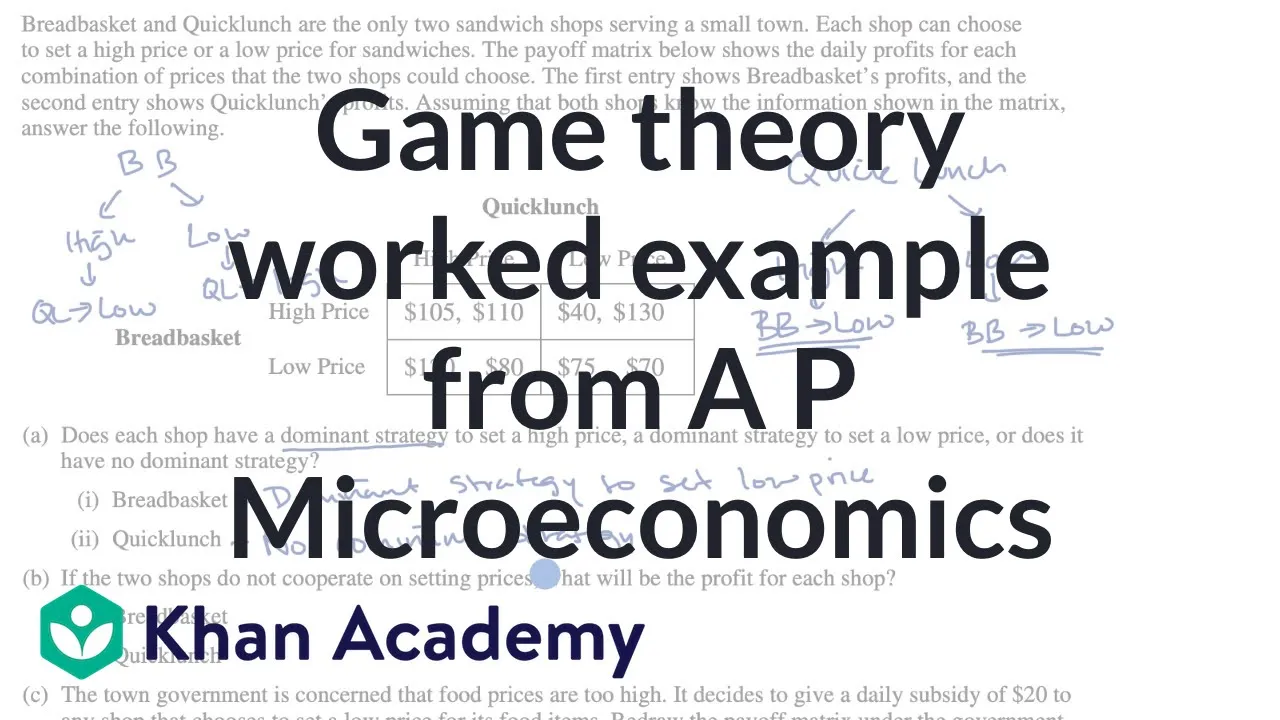
13:32
Game Theory Worked Example: AP Microeconomics Payoff Matrix
@khanacademy
116.2K views•2019-03-22

5:07
Impact of Yuan in Indo-Russian Trade Amid Sanctions
@WION
261.9K views•2022-07-01
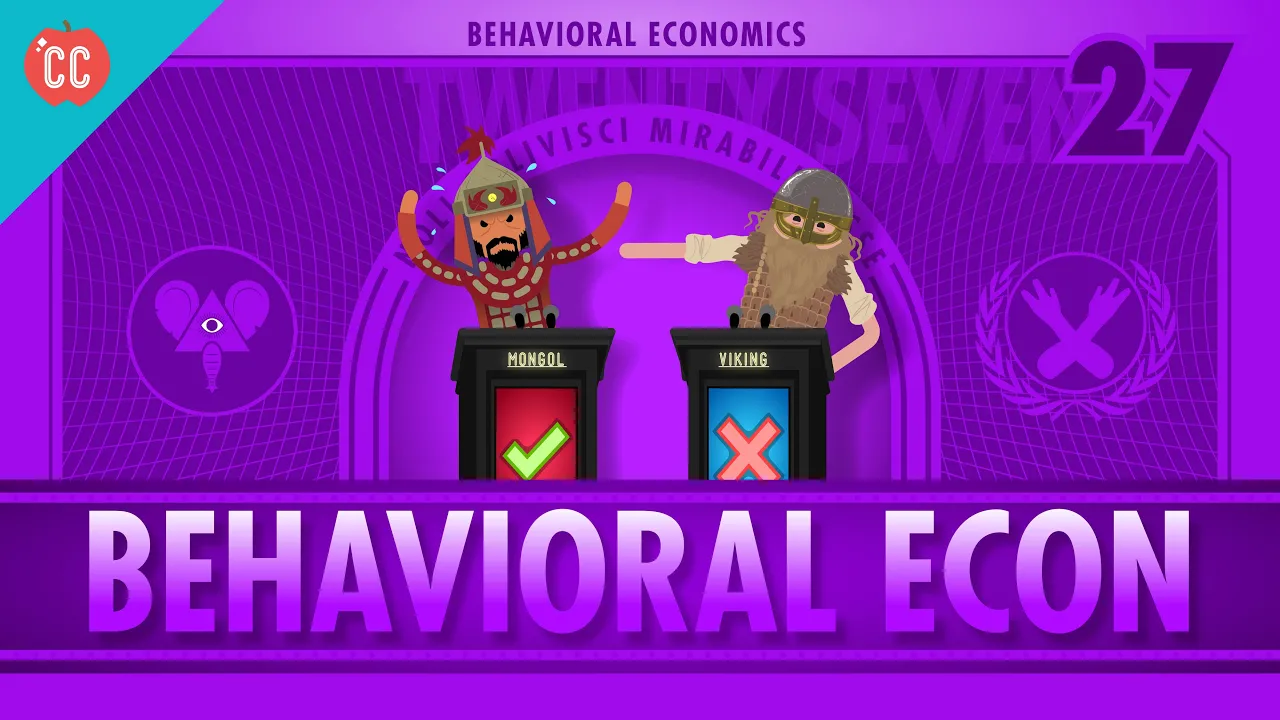
10:33
Behavioral Economics Explained: Rationality, Nudges, and Risk
@crashcourse
1.1M views•2016-03-12

113:18
The Age of Easy Money: Fed & Inflation | Full Documentary
@frontline
21.2M views•2023-03-15
Related Study Plans & Knowledge Roadmaps
Structured learning paths in Economics
economics
Sovereign Debt: Defaults, IMF & Restructuring
01Introduction to Sovereign Debt & Government Bonds
02Debt Sustainability & Credit Ratings
03Anatomy and History of Debt Crises
+ 2 more learning modules
12h5 modules
Explore Roadmap
economics
Market Design: Matching Theory & Gale-Shapley
01Introduction to Market Design and Price-Free Markets
02Two-Sided Matching & The Gale-Shapley Algorithm
03School Choice Systems and Mechanism Design
+ 2 more learning modules
10h5 modules
Explore Roadmap
economics
Impossible Trinity: Forex, Capital & Policy
01Introduction to Monetary Policy and Central Banking
02Exchange Rates and International Capital Flows
03The Mundell-Fleming Model
+ 2 more learning modules
8h5 modules
Explore Roadmap
economics
Healthcare Economics: Market Failures & Systems
01Introduction to Healthcare Markets and Market Failure
02Asymmetric Information and Adverse Selection
03Moral Hazard and Insurance Design
+ 2 more learning modules
12h5 modules
Explore Roadmap