






















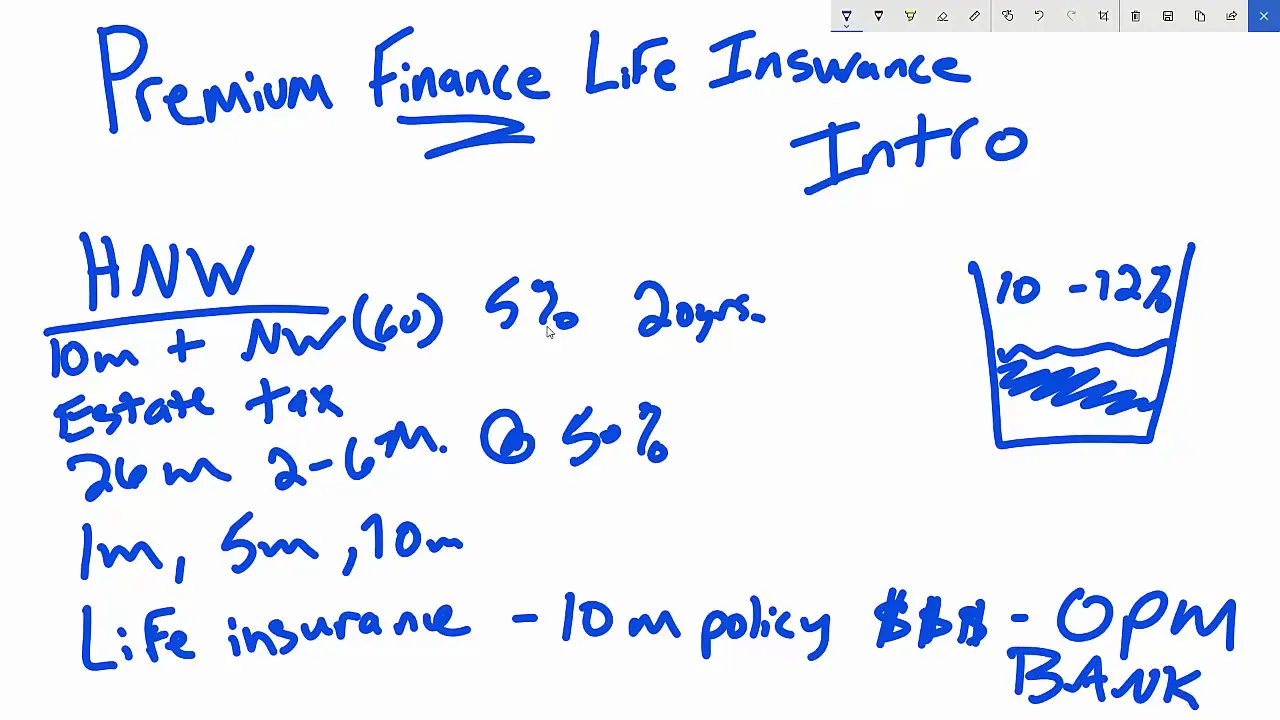








Wealthy individuals use Irrevocable Life Insurance Trusts (ILITs) to avoid estate taxes by transferring life insurance policies into a trust, which removes the policy from their personal estate and prevents it from being subject to estate taxes upon death. This estate planning strategy is particularly important for those with significant wealth, as it helps preserve assets for heirs and prevents forced asset sales to pay estate taxes, as demonstrated by cases like Prince and Michael Jackson who lacked proper estate planning.
How the Wealthy Use Irrevocable Life Insurance Trusts to Avoid Taxes
Added:Understanding the basics of federal and state estate taxes, including how gross estates are calculated and the concept of tax exemption thresholds.
The fundamental difference between revocable and irrevocable trusts, specifically regarding the legal transfer of asset ownership and control.
The basic mechanics of life insurance policies, including the distinction between policy owners, the insured, and beneficiaries, and how death benefits are paid.
The concept of the federal gift tax and how the annual gift tax exclusion limit operates.
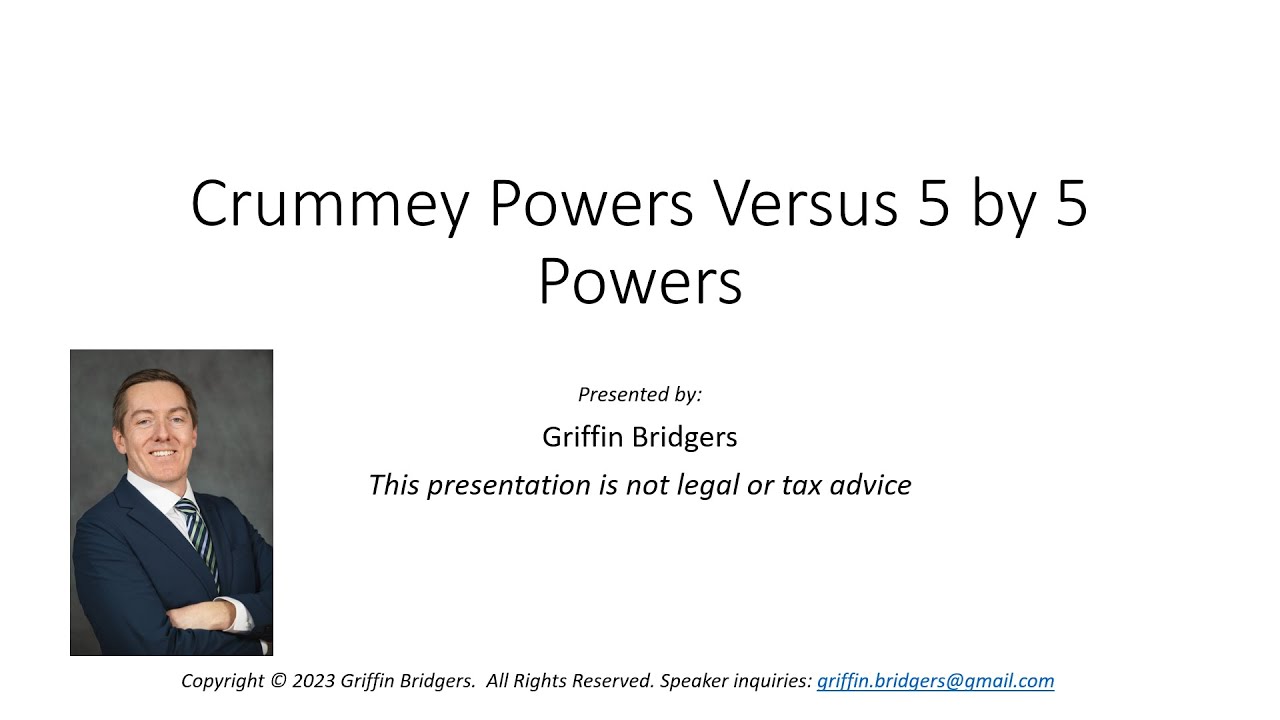
The mechanics of 'Crummey Powers' and how Crummey letters are used to qualify premium payments to an ILIT for the annual gift tax exclusion.
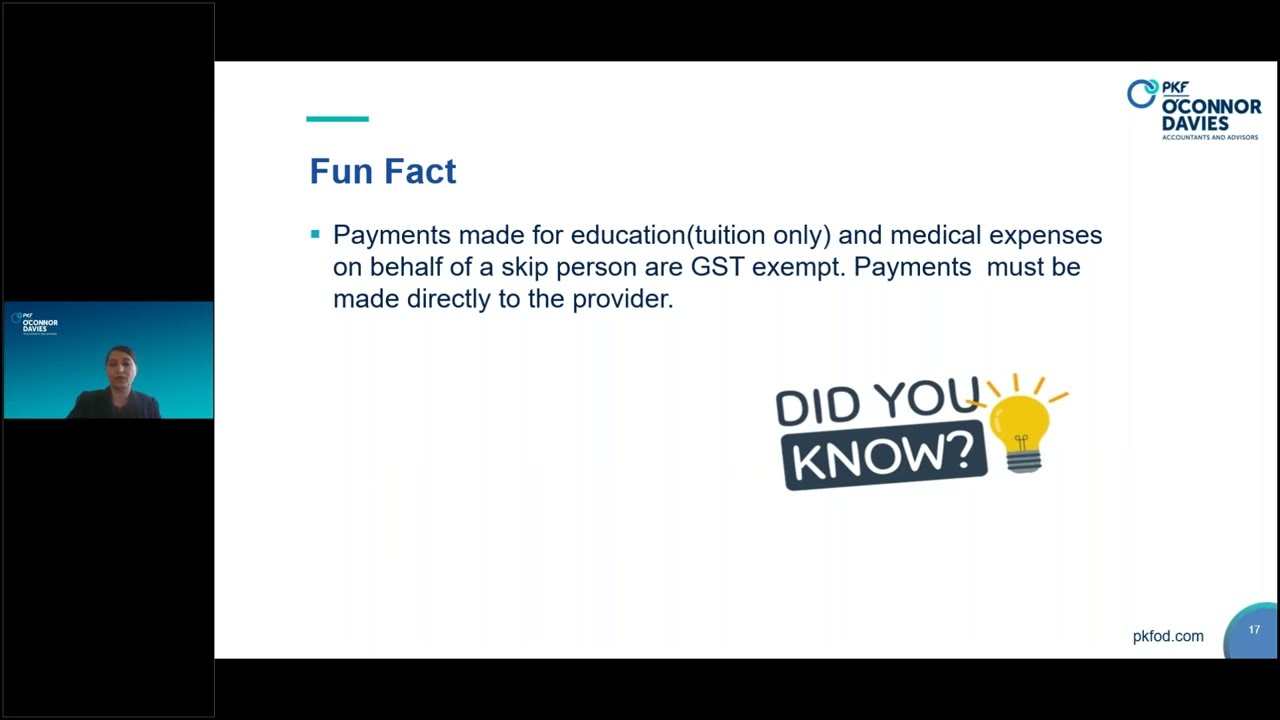
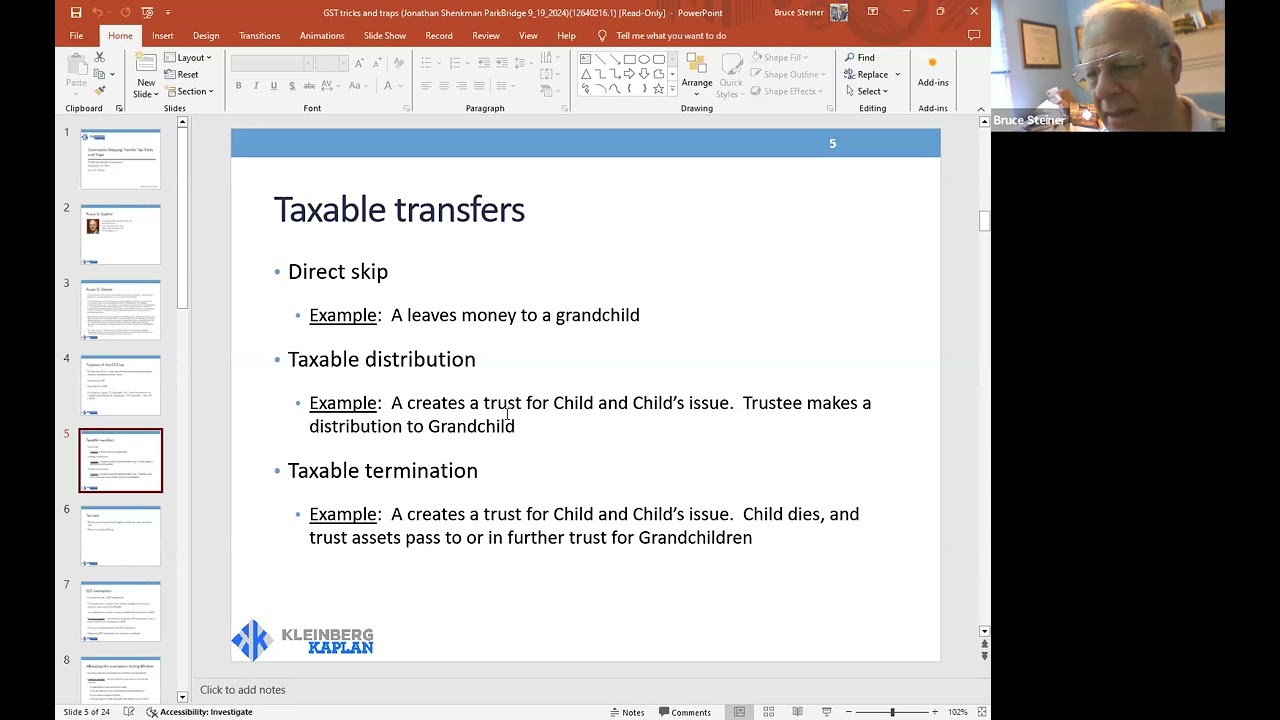
The Generation-Skipping Transfer (GST) Tax and how advanced trusts leverage ILITs to preserve wealth across multiple generations.
Asset protection laws and the legal boundaries of shielding irrevocable trust assets from future creditors and lawsuits.
Premium financing strategies, where high-net-worth individuals use third-party leverage to fund large life insurance premiums within an ILIT.
Comparing ILITs with other advanced wealth-preservation vehicles, such as Grantor Retained Annuity Trusts (GRATs) and Family Limited Partnerships (FLPs).
21.1K views1.3Klikes11:36Original Release: 2023-01-05
I wanted to say something because I posted something on Instagram and um it got a lot of traction and it was it was actually an old post but um what I realized is that a lot of people you know don't catch the information when it comes out or they might be new or they just forgot so I have posted about um islet irrevocable life insurance trust and uh this is something that I think is important for people to understand just the trust period we should probably at some point bring a lawyer on to talk about trust um and estate planning because it's extremely important especially when you're talking about wealth but the whole point of a trust is to take things out of your name and this is why when they always say how you always hear that cliche like oh what is it uh oh nothing control everything yes um and that's you know that's kind of where that that comes from with you know a lot of wealthy people they they don't really and they're not really in a hurry to have their name on everything and this goes back to even that versus Battle um with uh Jeezy and Gucci and um when Jeezy said he owns half Atlanta and then you know of course people on social media um they got to Googling and they was like well it actually comes out that he only owns one house in Macon Georgia then there's another wave of social media people that was like well you know you don't just because your name is not attached to it doesn't it that's actually more beneficial because just how you found out that he owns that house like don't you think that it would probably be beneficial that you wouldn't be able to find it out and it's like you know that's why people own things and trust and llc's and different things of that nature for protection on a legal side but also to take things out of their personal um a state because there's a thing called estate taxes so this is extremely important where it's like okay as you're accumulating wealth and you become wealthy um this information might not apply to you right now but God willing it will apply to you in the future and this is the whole point of why you're watching Market Mondays right so when you're 10 million up and when you're 20 million up now you got a whole different set of problems it's not like your problems aren't money your problems are keeping money yes that's extremely important getting money is one thing keeping money is a whole different ball game and that's the part that they never taught you they never really taught you how to get money but some people are smart enough to figure it out but you definitely wasn't taught how to keep money because even if you get money it could just be a fluke they'll let you have money for 20 years 30 years but that's not really no real money because ultimately you're just gonna give it back in 30 years anyway when you die your family your the IRS everybody's just gonna come and then you know one generation you back to where you started so this is extremely important to understand so when you hear the word trust it's a it's just important I wanted to kind of give that groundwork no nothing there's no I just want to know if there's notepads on yeah let's do this thing let's do this then let's do this one yes money green let's go honey cream The Money Team um so there's a difference between tax evasion and tax avoidance let's put this out there right away because I I don't I don't I'm not going through this with you oh this tax evasion is a federal crime that you will be penalized for and you'll probably go to jail if you ever get caught this is when you're purposely avoiding paying taxes and you're lying on your income and you're not reporting income that is tax evasion that's illegal and you shouldn't you should never do that under any circumstances tax avoidance is the practice of minimizing the taxes that you owe in a legal and efficient manner this is something that smart people doing wealthy people have been doing for a very long period of time tax avoidance is not tax evasion they're two different things right and we can have a conversation about Donald Trump at some point if you're interested but that's a different conversation all together well duck that's straight everybody out of scene everybody out of camera so the whole point your whole point is to pay as little taxes as possible there's nothing wrong with that and this is why it's important to be a business owner this is why it's important to have deductions this is why it's important to have employees because the tax code once again is not set up for employees the tax code is set up for entrepreneurs and investors landowners these are these are who do you think writes the tax code this is this is something that people don't fully understand and one thing that you you can't do if you're trying to become wealthy you can't beef with information don't argue with information don't forget legislation yeah but the thing is like if you're not qualified to speak you have to listen if you're not qualified to speak you have to listen this is where humility comes into play so all right having said that the island irrevocable life insurance trust very important to understand why this is even important so the irrevocable life insurance trust is when you have a life insurance policy but you're not the owner the trust you have a trust set up and the trust is the owner of the life insurance now why is this important because if you own life insurance in your own personal name right and you die now that gets added into your estate now if you're worth five million dollars and you have a five million life insurance policy now you are actually your state is 10 million dollars is actually a issue because now you have what's called a state tax you can study what happened to Prince you can study what happened to Michael Jackson when you don't have an estate plan the government comes and they want money within 90 days so now you have to this is why the whole estate sale when you see a lot of musicians like Elvis Presley they selling his guitar because they don't have enough money so now you gotta do a fire sale and start selling things start selling autographed jerseys start selling homes because you got to raise money to give it to the IRS that's because they didn't do estate planning extremely important to understand this So to avoid the life insurance causing an issue then you can put it in a trust and being that it's in a trust it doesn't get added to your estate because you don't own it the estate owns it yeah that is the benefit of it now what it also can do is pay a state taxes because if you have taxes that are due now you can use a portion of the life insurance policy that's owned by the estate tax-free to pay your estate taxes in a variety of different other things that you can actually do to set it up so like I said it's not for everybody um but a lot of people listen to Market Mondays so I'm assuming that some of the people probably are in that situation where they are wealthy you just buy the number of 100 000 people listen to this some are wealthy yeah that's just the law of the law of large numbers and like I said if you yourself are not wealthy that's okay at some point stay with us long enough when you are there it's better to have the information as opposed to not having the information we saw it happen rest in peace to take off he didn't have a will didn't have any estate planning to face his parents I guess they're they're not together anymore and now allegedly they're you know fighting over his situation and it's in Probate and it's the whole thing so it's like these things keep happening they keep happening it's been it was happening in the 60s with Jimi Hendrix it happened but Prince had happened with Michael Jackson and it happened as recently with takeoff this is Generations keep making the same mistake because they're not educated and they're not informed and you're not planning for your death because you're thinking that is superstitious that if you if you think about death you're gonna die well news flash you're gonna die that's 100 it's 100 chance you're done you're gonna die that's the thing about it it's 100 chance I've never met a person that has not I've never met a person that's that's that is a 300 years old 500 yes they're not that proof I've never met a person that's Immortal yep never met a person that has Elon Musk all the money he's I've never met a person that has become immortal yet who knows maybe maybe they maybe they are I just never met them I've never met an immortal person before I've never met somebody with some of them babies they put like in that Matrix room they'll be able to live for 300 years put them in a bubble The Matrix pod the real bubble that's the other big podcast boom we're gonna see yeah reach out to your trusted lawyer get your estate plan in order this is extremely important and this is what I'm doing myself as right now I'm getting my estate plan in order so even if you're not at the level to get a trust make check your beneficiaries yeah get life insurance get a power of attorney get a health care proxy get your estate plan order we're at the top of the year everybody's setting a new year's resolution this is a this is a good resolution yeah for you to have um have a conversation with your family have a conversation with your children you know sometimes you got to have uncomfortable conversation so yeah just wanted to talk about that I'm sure we'll probably like I said at some point we should probably bring a lawyer on and we can have an even more in-depth conversation but important to keep in mind New Year's resolution check your paperwork update your paperwork fam look listen there somebody put it on you good two years ago and y'all broke up you may want to take her name off for Bernice to get all your money and all your three kids on the side be mad hey this happened I know somebody who I ain't gonna say your name I love you I was in love with her why was you in love with what she was doing to you okay great great think with your hair but not your head right never updated this paperwork nice little policy came through for the side joint not the main joint or the kids and then one last one last thing because people ask what's the best type of policy there's a variety of different type of policies but the policy that I'm using personally is guaranteed protection universal life because that's a lifelong policy where it doesn't it's not designed to build cash value um so it's a it's a cheaper premium than a whole life or iul um but you don't want to do term with this because term is going to run out so you need a permanent type of policy so for all you people that's like well whole life isn't a good investment well I'm not here to convince you that is a good investment but if it runs out you never get the benefit that's a great finesse and I'm pro-term in some cases but if you don't expire before the 20 years or 30 years and then they get to keep all the premium that is a big that's like options for the broker challenges yeah yeah 20 years is here yeah expired but the guarantee protection is it is another choice where you don't it's like a hybrid between term and whole life where it doesn't it's not designed to build cash value but it's going to be here for the rest of your life so you don't have to worry about it expiring so how much coverage are you getting [Music] [Laughter] all right my graduates from my school being Forbes backdrop backdrop a mic drop back drop [Applause]
Up Next

54:12
Estate Planning Strategies for Wealth Preservation Explained
@BetterWealth
3.8K views•2024-11-03

12:54
Triumph of Orthodoxy Icon: Byzantine Art & History Explained
@BenCallan
2.1K views•2024-08-06

9:49
FastAPI vs Flask vs Django: Choosing the Right Python Web Framework
@TechWithTim
302.5K views•2024-05-26

1:42
Game of Thrones Opening Credits: A Cinematic Analysis
@gameofthrones
46.3M views•2011-04-18
Related Study Plans & Knowledge Roadmaps
Structured learning paths in General & Interdisciplinary Studies
general-studies
Elevator Engineering: History, Physics & Cities
01From Hoists to Safety Brakes: The Dawn of Vertical Lift
02Hydraulic vs. Traction: The Engineering Physics of Elevators
03Modern Speed, Safety, and Algorithms
+ 2 more learning modules
12h5 modules
Explore Roadmap
general-studies
Rubber: Material Science, History & Geopolitics
01Origins of Natural Rubber & Mesoamerican History
02The Chemistry of Natural Rubber & Vulcanization
03The Geopolitics of the Rubber Boom & Colonization
+ 2 more learning modules
12h5 modules
Explore Roadmap
general-studies
Containerization: Evolution, Logistics & Trade
01Ancient Trade & Bulk Cargo: Amphorae to Barrels
02The Industrial Revolution & Cardboard Packaging
03The Containerization Revolution: Malcom McLean
+ 2 more learning modules
12h5 modules
Explore Roadmap
general-studies
Textile Tech: Evolution, Labor & Global Impact
01Pre-Industrial Textiles: Handloom & Cottage Industry
02Mechanization: The Spinning Jenny to the Power Loom
03The Factory System & Global Labor Transformation
+ 2 more learning modules
10h5 modules
Explore Roadmap