























When buying a business with an SBA 7A loan, buyers must demonstrate financial depth commensurate with the deal size, have industry experience or transferable management skills, and present a realistic plan for business operations; lenders evaluate factors including net worth, debt service coverage ratio, outside income sources, and geographic proximity to the business, with closing costs typically ranging from 1.5% to 3% of the transaction value.
SBA Loan Business Acquisition: Expert Guide to Buying
Added:Basic financial literacy, including how to read balance sheets, income statements (P&L), and cash flow statements.
The fundamental difference between debt financing (loans) and equity financing (investors).
An understanding of what the Small Business Administration (SBA) is and its role in mitigating lender risk.
Key financial metrics used in lending, specifically EBITDA (Earnings Before Interest, Taxes, Depreciation, and Amortization) and Debt Service Coverage Ratio (DSCR).
The basic concept of business acquisition (buying an existing entity) versus starting a business from scratch.
How to conduct thorough financial, legal, and operational due diligence on a target business.
Business valuation methodologies (e.g., earnings multiples, discounted cash flow) to determine a fair purchase price.
Structuring the acquisition deal, including negotiating seller notes (seller financing) and earn-outs in conjunction with an SBA loan.
Drafting and negotiating legal transition documents, such as Letters of Intent (LOI) and Asset Purchase Agreements (APA).
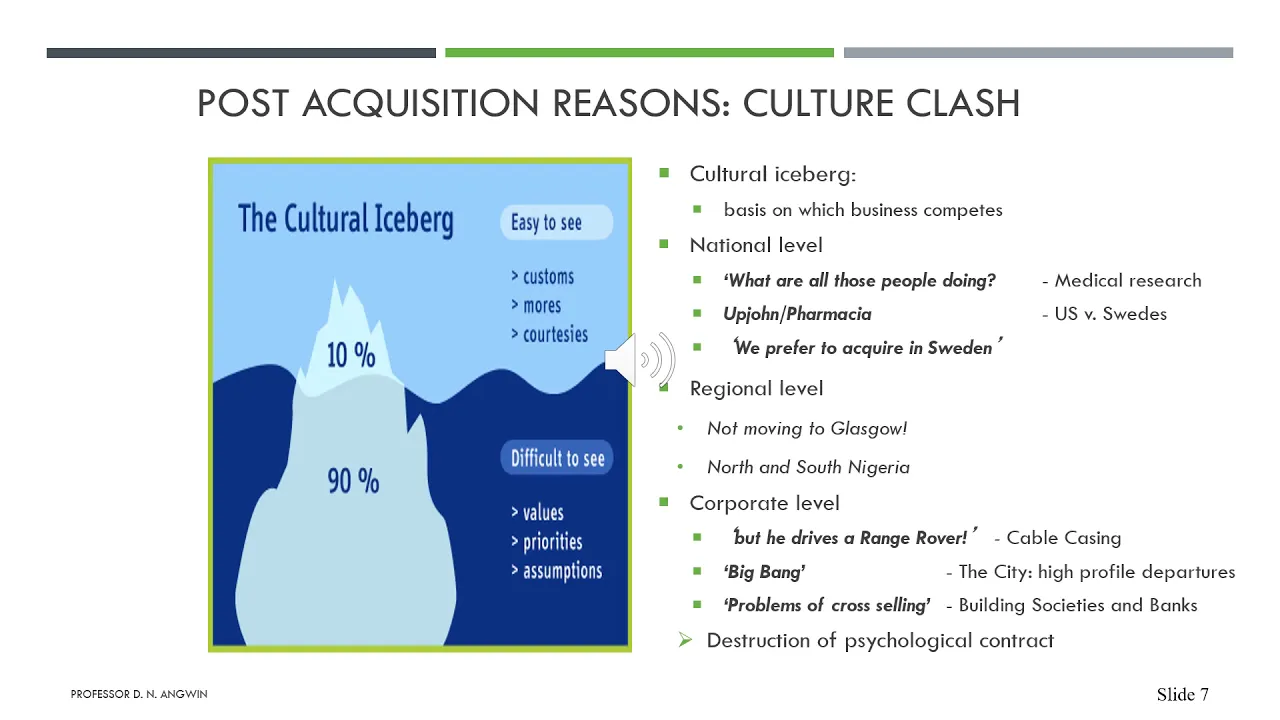
Post-acquisition integration strategy and managing the transition of leadership, staff, and customer relationships.
18.4K views468likes56:26Original Release: 2023-06-09
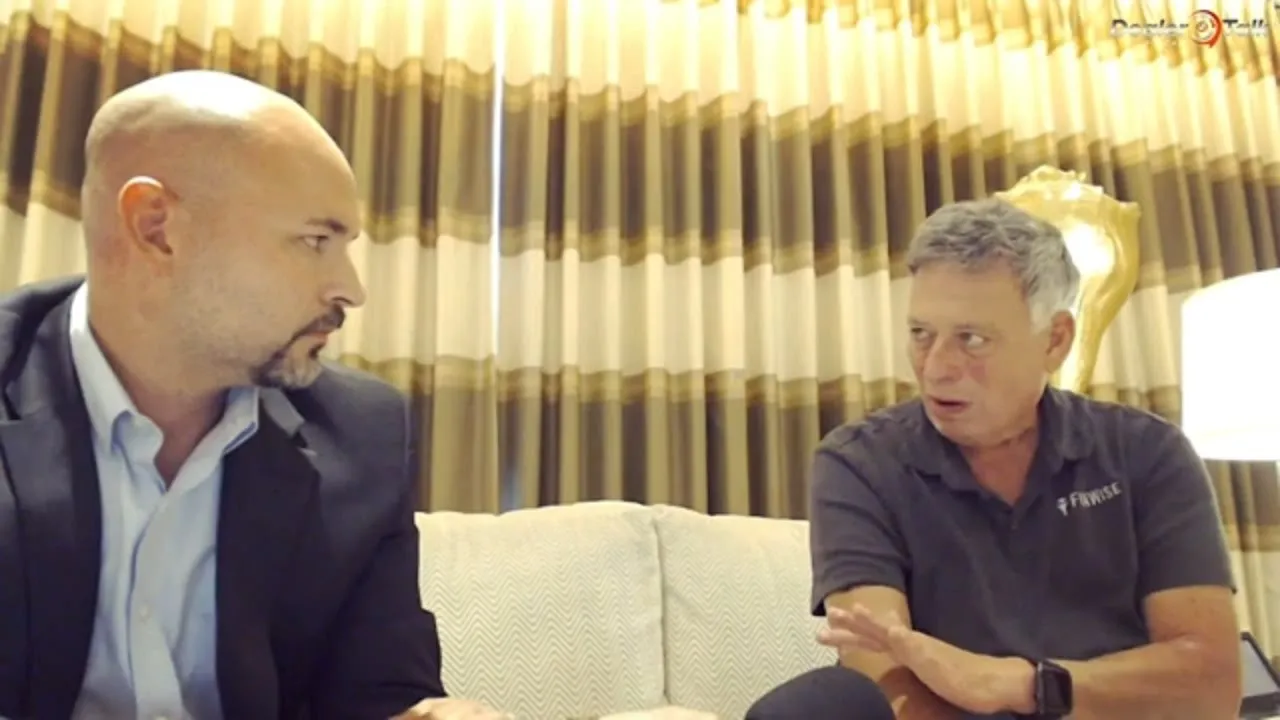
if you're looking to buy your very first business using a SBA 7A loan you're in for a treat watch me today as I sit down for a one hour long interview with Bob Porter from Plumas Bank one of the top Community Banks in the country doing SBA 7 line loans today I sit down and get answers to the top 20 Questions buyers are asking me throughout the country let's get to it honey welcome to my channel I am your host leolandeverdi business broker and Commercial lender helping you buy and scale a profitable business if you are a small business owner looking to diversify your wealth by buying a profitable business or a W-2 employee looking to leave the right race behind by becoming the CEO of your own company by buying a profitable business you are in the right place please subscribe to my channel don't forget to hit the Bell you'll be notified every Thursday when new videos come out hey everybody well welcome back to another one of our shows um really delighted to be here today and I got you guys are in for a treat because today I have Bob Porter from Plumas Bank in the house say hello to everybody there Bob thanks for having me today Leo I appreciate it you're very welcome I am excited please you know that if the excitement doesn't come out of the screen I mean I mean you'll you'll know why I'm excited about this so set things in perspective for those who are watching me all over the country I'm going to give you a little context a little bio I think you would help to know for you guys to know who Bob Porter is so I'm going to read from his uh bio began his career as an SBA lending in SBA lending since in 1989 after graduating from the University of California State University in Sacramento with a degree in finance for the past 34 years Bob has acted as vice president and Business Development offers for four Banks including um Sacramento Commercial Bank Bank of the West Comerica and most recently for the past 15 years Plumas Bank uh and during this period has successfully negotiated and funded are you ready for this approximately 434 million dollars worth of SBA 7A 504 and non-spa commercial real estate loans without further Ado there is Bob Porter you ready for this all right so here's what we got for you guys today um I we have I have about 24 questions from you guys who will subscribed to my channel there have either been comments emails that I received uh messages and or comments on Instagram or Facebook and I have basically curated this list and put it down into these topics they are the buys buyer topics and they're the Target business topics I will do my best to cover in the time that we have we probably not want to exceed um about an hour and if we if we there's stuff that we don't talk about I may just have to have Bob come back and I hope you guys are okay with that so without further Ado I want to start off lead us off with the one of the questions that I get a lot is what about industry experience um do does the buyer need to have like for like industry experience and please you know tell us what you think absolutely yeah so it's really a common sense issue here can you run the business you intend to buy or in some instances start that's really what it boils down to it's a common sense can you argue to me and my underwriter that you have the ability transferable wise for example if you are going to buy a full service sit-down restaurant you better know what front of the house means back of the house means Etc you better have not just eaten in a restaurant but worked in a full-service restaurant sit down if on the other hand you want to buy a simple franchise whether it's a Subway sandwich at Togo's or something more basic that's a little bit more homogeneous a little simpler to run and you've got the franchise training no we're good with the franchise training in that instance but industry industry experience is very critical in certain industries if you want to buy a general contracting business you better know how to run that business as a general contractor in the trades whether it's HVAC Plumbing Heating you know plumbing and heating electrical Etc if you want to be a bridge builder you better have built Bridges right good good point and you know what this this happens and I think a lot of people get misinformed when they're doing their research for instance we know that the traits are can be very very profitable right the the HVAC the the you know the plumbing the electrical and they have their licenses requirements but just a different question that I'll ask in a little bit but I'm just throwing some things on the wall right now so let's say you have somebody who has 20 years worth of management experience uh maybe not necessarily an HVAC but has run build P Nails manage 40 people has a lot of the management experience in p l jurisdiction and know some of the traits but not necessarily in that maybe in that industry could someone like that make a case for like hey I may not have run a 5 million dollar HVAC business but I have run a 20 million dollar manufacturing for instance it can that can a case be made absolutely the case can be made the downside the trade-off is the licensing and we have to that's another conversation that we have to deal with but yeah the the case can be made because you're probably dealing with a very financially uh deep borrower they have the debt depth and breadth financially they've saved they've saved both cash they've saved in retirement they have personal assets they own a home they may own some rentals they have exceptional credit and they hire arcules have a deep resume that has done many many more things I'll use another example if you are a mechanic you are not always the best buyer for an auto repair facility whereas you and I might be a better buyer for an auto repair facility where we're hiring mechanics we're hiring ASE certified but that mechanic may not be business as business inclined not to say he's not or she's not but they might not be as business inclined as a business person coming out of corporate America who is going to oversee and work on the business not in the business very very good question so that you know that is the difference between this the operator and the Builder right uh absolutely a builder is going to buy a larger business probably on multiples of adjusted ebitda who is Gonna Wanna have in our a responsible management person in place and that's a different mentality that somebody who wants to get their hands dirty and change oil right a good really good point so you talked about it a little bit and I think it's just very repeating the businesses that in the state of whatever state you are uh we're in California and the licensing requirements now that is it comes up as an issue right so if you have somebody with has a great background but not the license how do you guys go about Bridging the Gap you know the the whole concept of responsible management officers so you want to talk about that so the rme are responsible responsible managing employee for California in particular and every State's a little bit different we're pretty conservative contractors license wise we historically have dealt with it where we've allowed certain buyers to buy a business as long as there was at least 10 percent seller financing in the deal so a buyer might put 10 20 10 15 20 down a seller might carry 10 or more we have a financial hook in the seller to stick around to act as the army or responsible managing employee for 15 Center until yes that's the hook right you need a financial hook and a seller to play nice right to stick around because the buyer is operating under the seller's license for a period of time now here's the problem it might take it might take up to four years to get that license for an inexperienced buyer so we're going to vet that process our goal is that it takes two years or less but historically SBA has said if seller cannot stay involved in a business for more than a year now coincidentally right now sbas changed their standard operating efficiency procedure their Sops and that sop is changed to the tune where a buyer can buy let's say 90 of a business 95 80 85 whatever not a hundred any longer this is just new literally a week new right and that may allow the seller to stay on for that period of time under ownership and the licensing is not an issue at that point because the seller is carrying the license the seller is still part and parcel to the business in an ownership role and then you have this whole thing about the guarantees right so long as there is a less than 20 percent ownership so with the seller that it stays on with the seller carry and if it is 10 and they still have to personally guarantee on the loan yeah so this is an open question right now that I do not have an answer for here is why historically if a if you and I are buying a business I'm 90 you're 10 you're not a guarantee a guarantor on that loan I I am the sole guarantor on that loan because you own less than 20 however if you are the contractor's license holder and we are buying an HVAC company you are a key employee ah and you may then that may then trigger your need for guaranteeing the loan because role okay so that's really key you can't have somebody who doesn't know what they're doing going in to take it over and you being a shell buyer and being skirted from having to guarantee the loan even though your important role in that transaction because you're the license holder this is really good stuff I don't have a definitive answer yet except to say um we're using common sense right now we're going to test them over the next month or three as we see those deals come in yeah and we're going to pointedly go to SBA with a with a scenario and save this is the transaction we're working on here's the ownership structure here's the finances here's the money here's the brains here's the brawn whatever the roles are what do you want us to do that's what we're going to ask SBA do I need Leo's do I need the license holder Leo's uh guarantee he's only 10 percent right Bob's buying 90 of his business or Bob and Leo are buying the business together but he's the license holder for example so we don't know what that looks like yet awesome so let's let's transition now to location is another topic that comes up quite a bit how far is too far how close is too close right if you got if somebody lives in a small town and I know you said that there is a there is a jurisdiction in which you know you service x amount of States I'll let you talk about that when we but let's say is it if we are in California I'm in the Central Valley Bakersfield is 200 my 100 miles south Modesto is 100 miles north to give the our subscribers a reference what from the bank's perspective what makes what is your take on the geography um I go I go back to Common Sense can you run that business from afar what is the nature of that business what involvement is the seller playing now what role what role will you play and what's your long-term plan I have a transaction right now in Bakersfield borrowers in Fresno that's a that's a bit of distance borrower wants to move to Fresno okay well what did I say if the deal is so the buyers impressed but they would have to move to Bakersfield or wanting to move to correct okay it's the other way around buyers in Bakersfield wants to move to Fresno buying a business in Fresno but he will not move for two or three years okay so what we've done in this case is what involvement does a seller play what involvement will he play what business does he have now in his town what's his long-term transition and we have factored in a small housing stipend for his visits so he's he's not going to drive back and forth every day but he may come up two days a week so we factored in about 10 as an offset to renting we said he's going to travel he's going to stay in a motel or hotel Airbnb Etc what's it going to cost and so we factored in a little bit of money for it this is a really good uh I'm glad that you brought that a specific example Bob because I want you guys to think through as a buyer watching my videos it is really a circumstantial case for the best case scenario how can you present yourself as a buyer something that is plausible that makes sense common sense is what we're coming up here with with what we're talking about how will the lender feel comfortable with the game plan right uh the ultimate game plan can you you know and the reality is that the lender wants to make loans it really is up to the buyer to make a case that makes sense it can be Pie in the Sky situation you have to understand I am gonna go from employee to employer I'm gonna be responsible for a 20 30 person for FTE payroll and how am I gonna ensure that this business is going to be successful you fill in the blanks right as a buyer so absolutely awesome so let's get that's question number two of 24 with the women have to have you back man but this is really good I I you're bringing so much actionable knowledge already to our buyers I guarantee you you're gonna get you're gonna get some feedback all right let's go on to the next uh net worth I know that there is some misinformation out there that if you don't have real estate you cannot you know because the the whole collateral situation how does you how in your experience what have you seen in terms of you know sbab in a cash flow lender and then with their collateral picking it up and somebody does it own property how do you work that in um the buyer's net worth needs to be commensurate with the deal if you're fresh out of school don't have a lot of money to work with don't go chasing a five million dollar business okay it needs to be commensurate with your financial depth and breadth you need to have ample down payment investment wise enough skin in the game that we're comfortable with the transaction enough additional working capital available to run the business after you take over and it can't be Pie in the Sky nobody's going to do 100 financing nobody's going to finance a five million dollar transactions yeah nobody's going to finance a five million dollar transaction for somebody who has a hundred thousand dollars to their name doesn't own real estate doesn't have any retirement assets and has a bunch of debt it just doesn't make sense so buy at your level buy at your level Chase something that is within your reason don't Pie in the Sky this is great because it takes let's play us in there you're here what about somebody who is a business owner with say a service business with a strong balance sheet you know and then we get into the strong current ratio debt to equity ratio great profit margins solid year over year performance and then it it may want somebody to diversify maybe one or two degrees away from the early do to just build some wealth right they have the management experience in the payroll to prove that they have the management experience um and this comes up a lot say you have a situation in which states you know what I am getting older I own a engineering firm solid profitable throwing you know great cash I know in the excess of 300 000 now and they want to get into an asset class A like Self Storage right you know that that okay list so self storage it you know well you're running an engineering firm and there's okay let's talk about what would happen in a case like that and somebody just say does have that hundred thousand dollars for a ten percent commitment on the equity side and then how do you look at this I know what you know the global debt service coverage racial management experience versus the cash flow coming from the deal I want to hear your take on that so we love that borrower's professionalism education presuming their credit's good I'm sure it is yeah we love outside recurring income that supports the household's needs to live financially business that they're buying stands on its own and cash flows nicely we still want them to put a down payment into the transaction to have a skin in the game on that new team sure and depending on that deal it's going to range 10 or more percent uh down payment as far as collateral is concerned on that self storage facility we're going to take Adida trust in the property yeah for what it's worth in that industry a generally and on business assets which there really aren't any um maybe some office equipment table shares Etc it's a real estate yeah right and if they own a home we're going to cross collateralize with their home in many instances it depends on the loan we put them in in that case it could be an SBA 7A loan where we have to cross collateralize when there's Equity available in other real estate but on the 504 loan we don't always have to cross-collateralize it's rare that we do actually so that was just yeah that is less applicable to business acquisition only it's more applicable to real estate transactions which is going to happen so um and you know everybody's and let's get you know I'm not even sure that this is this is even but this is let me tell you something this is something that's top of mind for a lot of my viewers is okay Leo I am I I want to be out of that rut race a little bit at a time I I don't want to go in buying a three million dollar I have the down payment a 725 per score I have the two million dollar net worth I just don't want to buy HVAC I don't want to buy but I do want to get into something like a car wash or a uh coin operated laundry or uh something that does not need me to be there 40 plus hours a week how do you evaluate those buyers well how what what are the situations in those we love them in a sense that they're keeping their job they have that outside recurring income that I've mentioned yeah so they're they are if you're quitting your job and you are solely 100 reliant on the income associated with a business one it's got to feed your family two it's got to pay us back and there needs to be a little buffer above and beyond that okay in the instance where you're buying something and keeping your job we love it because there is recurring income it is semi-passive income sell storage uh coin off laundry Etc uh some car washes and it's a fabulous Play Just as I would liken that to a spouse or an investor who has rental properties they have outside recurring income so you might buy a business leave your job no income longer but if you're married and your spouse has an income it's fabulous it's a huge help to offset you know somebody who's solely buying a business in their 100 reliant on the businesses income to survive obviously is a little bit riskier than if there's outside income to the household no matter what it is yeah and you know it's all common sense you know I help buyers analyze you know I have a lot of the same tools and I have developed my own tools you see some of the tools that I have and it I'm when I people ask me Leo when I'm looking at a deal how do you know it's going to feed my family it's going to pass a sniff test by the SBA lender right and really what I when I'm looking at a deal is is it priced appropriately for debt service coverage meaning do you if you pay in excess of three or four times as the ee or adjusted ebitda and it's not going to give us a healthy meat on the bones one two three 1.5 or more debt service coverage ratio with nice cash flowing down the line to feed your family it may not be a deal you want to look at right if it is too thin a barely 1.2 that service coverage ratio why will you leave your corporate job it's it's just going to make you feel a little antsy right Absolutely I'll go a little further if and I see it all the time I'll see somebody who needs to make 100 150 000 dollars a year to live on and they come to me and there's a business making 80 or 100.
well first off you're accustomed to making 100 to 150 now you're going to make a business you're going to buy a business that makes 80. but that isn't The Debt Service yet that's just what it makes on an adjusted cash flow basis so how are you going to feed your family as you have historically and pay us back for whatever debt load it may have on it it needs to be again common sense commensurate with your needs overall on a global basis what do you need to make to live can you pay us back Bob this is gold all right there's so many golden nuggets here that we're going to turn into like probably 20 reels in in YouTube I mean this is gold forgive me if I get excited this is this is what I love but you guys hear from me you know I talk about deals but to hear from an actual Bonafide lender with 35 years of experience this is gold Bob and I cannot thank you enough for this so let's let's let's move on a little bit Let's cross over to the to the to the bright side with the caches which is the Target business okay all right so businesses with rapid growth right so it may be a good problem to have but it can work the other way around with the working capital so let's say you have a business that has been hockey stick growing you know one million two million four million seven million in in the seller wants to you know capture exit just when you think it's gonna go up when you're how do you evaluate a deal that is you know on paper on an accrual basis making really good money they're not skimping on the taxation side they're reporting or their income what comes to mind when you're looking at deals that have rapid growth my simple answer is this buyer is not my typical leveraged SBA buyer they are stronger they are stronger financially absolutely okay they own a home okay they have equity in the home they might get a line of credit on that home ahead of my third deed of trust on that home for collateral to use that half a million dollar line of credit to run that business post-closing or we might do an accompanying SBA Express line of credit so we Finance the business only with an SBA 7A loan to buy the buy the business but we may do an adjunct um SBA Express a line of credit for I don't know a hundred thousand to five hundred thousand to run that business for working capital exactly I in the last three years I financed two large uh nursery plant nursery operations okay plant nurseries just went crazy boom during covid people weren't going to work and weren't doing some other things or going to Hawaii on vacation Etc so they started gardening they started planting and those businesses went ballistic but they have a seasonal need one and they were growing gangbusters so they have a need for a line of credit because of their seasonality their growth season their off season right now everybody's buying plants putting them in the ground it being May um but in January nobody's buying plants and putting them in the ground a few people are landscape people are but you and I as homeowners are not and so you may need a line of credit to get through the winter and so that buyer who is buying a business with substantial growth which was your primary question needs some deeper Financial Pockets to support that growth okay I just came back from the International Business Association in the ibba conference in Orlando you know that was you know the concept this I went to a session talking about working capital exclusively what to do about working capital how to properly uh factor in what about X is working capital and burn rates so as a I know it's probably not here I'm sorry I'm just excited because I you know working capital is something I think about all the time how do you do you factor when you're doing your spreads like uh at which point do you start to think okay where's the working capital coming from is the seller going to leave it behind right is it going to be is it going to be if it is a stock transaction an equity transaction is it going to be enough cash in AR much healthier than AP to make our working capital for the first 60 days or so if not is the buyer have it bring in the working capital or is the bank so talk to me about you know what how do you decide which way to go so it's it's a general rule of thumb that Banks don't love to lend working capital and the reason we don't and the reason we don't is very simple we are leveraging a buyer into a transaction anyway let's call it 85 maybe 90 financing if a buyer is buying a million dollar business and putting 100 150 000 down and request 300 in working capital net net they don't really have any skin in the game because we've lent them back in working capital right so yeah they have deal they have money in the deal but it's almost a farce in that it's we've lent them back a bunch of working capital to offset that it's not our preference to include working capital whenever possible but I will tell you a business that carries substantial accounts receivable is by default a huge indicator of a business that needs working capital to float those receivables it's my preference um and it should be yours and the sellers and the buyers that the buyer purchases a large amount if not all of those receivables from the seller whether it's an asset purchase transaction where ARS are typically not included and cash is not included you're not buying the balance sheet or it's a stock purchase where you are buying let's call it a Polaroid of the situation a moment in time it was stuck trying to figure out how to buy a business how to connect the dots what comes first what comes later if you want to know more schedule a time to chat with me I'm scheduling free complimentary calls and kind of help you along with your journey of buying your first business all you have to do is drop me a comment below or email me directly my email address is in the description section of this video come on let's get to it buying you know let's most transactions are asset purchases fewer stock purchases one benefits the seller more than the buyer and vice versa on an asset purchase there's no reason to sell a buyer can't purchase 100 200 300 000 in ARS so if at any one time a normal AR um accounts receivable balance for sellers let's just say on average three hundred thousand dollars there's no reason that the buyer can't Finance or purchase 250 of it and finance 85 or 90 percent of that 250 in addition to the purchase price then they have the built-in working capital there anyway I argue this a lot of sellers say I don't want to sell ARS well who's going to collect those ARS for you well the buyer is they the customers are not going to send them to the seller's home after a close of escrow they're going to send them to the business anyway right if they're sending checks for example they're going to send them to the business so the buyers getting all this money and saying boy I wish I had this money for working capital purposes but no once a week they've got to package those checks up deposit them send that money to the seller that's silly Finance 85 or 90 of that over a 10-year loan term you're leveraging into that into your working capital as well there's absolutely no reason to do that the difference in timing of getting paid the seller's going to wait 30 60 90 days the buyer can amortize those over 10 years and have built-in working capital in the deal and then we don't have to fund it either and the buyer doesn't have to have it they just have to have the 10 or 15 percent to buy those additional ARS I think that's money guys that that's gold again and you know what I think this there Comes A Time right now I I want you know if you're if you're watching this video it just came into the last 10 minutes well we have Bob Porter from Pumas Bank um you may not know you you have to go back to the intro to find out more about it why don't you take a couple of minutes right now about and tell us why would a a this is when you do your pitch why Plumas Bank how can you take care of our buyers sure I appreciate it so I I work for a small Community Bank I've largely always worked for a small Community Bank and what I like about it over the big Banks is it's much more intimate you know I have a small group of 11 here a few Underwriters a few processors some servicing side and some other business development officers like myself I can literally call well the credit our our credit decision people are both in my office and the president of the bank is a phone call away it's not this hierarchy of management it's a very quick decision so in all fairness whether whether a buyer chooses me as their lender and a small community bank or a big Bank a part of me let me rephrase that whether they choose me personally to work with I would urge them just to choose a small intimate relationship that they can have pull over those decisions okay that's probably the best for me it's always worked as an employer to work for a small community just because of the small intimacy I have so much more control over that I don't have to go to corporate in New York or other other states it's all here it's all centralized um the other plug that I'll give myself for what it's worth is I'm not only a lender of 34 years since I graduated college I was also a borrower I built one of the largest with a partner I built one of the largest rock climbing gymnasiums in the country in Rancho Cordova California it's called Granite Arch Climbing Center I've since sold that but for nine years I own that and not only did I get an SBA loan to do a startup of that six Banks declined my loan before the seventh Bank approved my loan I subsequently went yeah I subsequently went to work for that bank because their aggressiveness and Common Sense are businesses successful we exited fine um paid back the loan but six Banks said no shamefully and the Seven approved it so it tells you a couple things one is I'm not only a lender but I sat on the borrower side and two is don't ever stop chasing your dream that's wonderful and you know what uh for those of you watching in the description section of this video we're gonna have the link so you can get to Bob directly you don't have to come through me and if you if you don't find that information just send me a comment here I want to talk to Bob I'll connect you without I want you to talk to them and speaking of which and thank you there is a geography uh scope that you have in I want to tell what states do you service we are not in we are not a national lender which is one of the disadvantages of a small Community Bank we want to lend in states that we know well enough we can travel to very quickly if necessary do site visits meet with clients really know the demographics of so we land in California Oregon Washington Nevada Arizona Utah and Colorado only those seven Western States well that's that's good to know I mean if you have a deal uh in those seven states by all means I would want you to reach out to Bob um okay I'm gonna throw one maybe I'm gonna be here sometimes you know buyers are representing themselves they're not working with a buy side broker they want to take on the other side and when the seller may may or may not be represented by a a broker a listing broker say that you have a buyer who wants to put their best foot forward they got their resume they got they know what to say they have some industry experience whatever industry vertical they want to go into but they're lacking some type of endorsement from an SBA lender will you be open to the idea of saying hey although you know you cannot fully pre-qualify the buyer if you if you were to talk to a buyer and say kind of a letter or support would you be willing to do that uh and and to to a qualified buyer based on you know what you know what to ask I do and I do it every day of the week um it's a lot of work I know I mostly pre-qualify listings for business brokers and listings for sellers directly um although the latter is not that common but working with Brokers like you I'm pre-qualifying a lot of listings yep but about one of ten that I do is the pre-qualification of a buyer honestly 70 to 80 percent of our decision is based on what a buyer is purchasing it's cash flow and its price commensurate with its cash flow does the deal make sense the pre-qualification of a buyer I have to be honest is not always worth the paper it's written on and the simple task is this if 80 70 to 80 percent of our business or our decision is based on the business you're buying only 20 30 percent or so is based on the buyer the reality is do you have the money to do the deal do you have the experience do you have any collateral if it's even applicable yeah does the deal make sense and how is your credit you can't come to us with poor credit you have to come with enough money to do the deal and excess liquidity to run the business post-closing and you have to have the financial depth and breadth commensurate with that deal again I go back to the five million dollar deal if you have a hundred thousand dollars to your name you're not buying a five million dollar business you're buying a 200 000 300 000 business that's the reality and and that's that's awesome I pre-qualify buyers really to let them know almost to give them a comfort level that yeah I've looked at your I've looked at your resume I've looked at your credit I've looked at your cash this seems to fit go chase a business but don't chase don't chase a business it's too large of businesses more so and is the coaching too I mean you know and I get it I don't wanna you know you and you you and I both know the statistics that only about 10 percent of buyers buy you know a lot of them are Tire kicking you know a lot of you guys are looking at businesses business Buy sell this is my frustration right buyer comes to me and says hey you know I've been looking all this business and you ask a series of very simple questions and uh Miami 640 I'm making about 60 000 a year I got a little bit of debt no I don't own a home and then you started thinking where is the where is the meat on the bones where is the management experience where is the wherewithal right um and okay so and the you know there's a lot of questions and we and we're actually 20 minutes away from finishing anything you want to talk about from this uh that you wouldn't want to talk about from these questions just let me know and I and I'll ask you that what do you think would be exciting to talk about to our buyers right now that they haven't heard from me yet um who's the best buyer for a business all right who's the best buyer for business the best buyer for a business although unfortunately generally I'm generalizing and I'm hoping not to offend too many people the best buyer for a business is the existing manager of that business or a key employee of that business it's been there for three to ten years okay the biggest problem I face with most businesses is that buyer doesn't have any money they have not planned ahead they are not entrepreneurial enough or they haven't made enough money over the years to plant that seed if you are thinking you wanna turn you're working in an industry you love the best business you can buy because you can probably get the best deal on it is the business you work for now if they plan to sell in the next three to ten years you plant the seed with the seller you start saving the money you get the necessary coaching you prove yourself you make that business better now there's a catch-22 if you make the business too good then you're buying all the value you created in it right right so if you make them an extra dollar and it's a three multiple you got to pay extra three dollars for the business for every dollar on net profit yeah but at the same time you know it's part of the learning curve for it but if you're if you're out looking to buy a business um I'll give a few things is one is save every penny don't buy some fancy new car don't take out new credit cards pay off those credit cards Bankers hate credit cards we treat them in the worst way possible don't rent a sick you know we're in California so don't rent a five six seven thousand dollar a month house live a little further away drive a little further and pay a little less in rent we tax that you know everybody needs to make a certain amount of money to live on okay and we calculate using what we call a 45 debt to income ratio calculation works for most people we all have to make a certain amount of money well that money that we have to make to live is based on our lifestyle so if you have a mortgage for rent payment of 2 000 a month you've got a car payment of thousand a month you've got ten thousand in credit card debt we take all that all that data and we extrapolate what you need to make to live using a forty five percent debt to income ratio the less that number is the more of a one the more of a business you can buy the great the larger business two is the more up to where we're going to finance that business because the debt service coverage ratio is stronger it's not weak because you buyer needs to make more money the less you need to make to live according to our calculation the better it is for you to get financed again and I go back to where we started when you have outside income that net draw need for a buyer for instance if you need to make a hundred thousand dollars a year to live and your spouse makes sixty you only need a net 40.
there's a whole lot of businesses you can buy out there for 40 or more yeah on the other hand if you need to make 150 a year to live and there is no outside income you've got to buy a pretty large business to support your personal needs um you know incidentally um what industries today you know in May 2023 whenever you watch this video this we're recording on May 25th 2033.
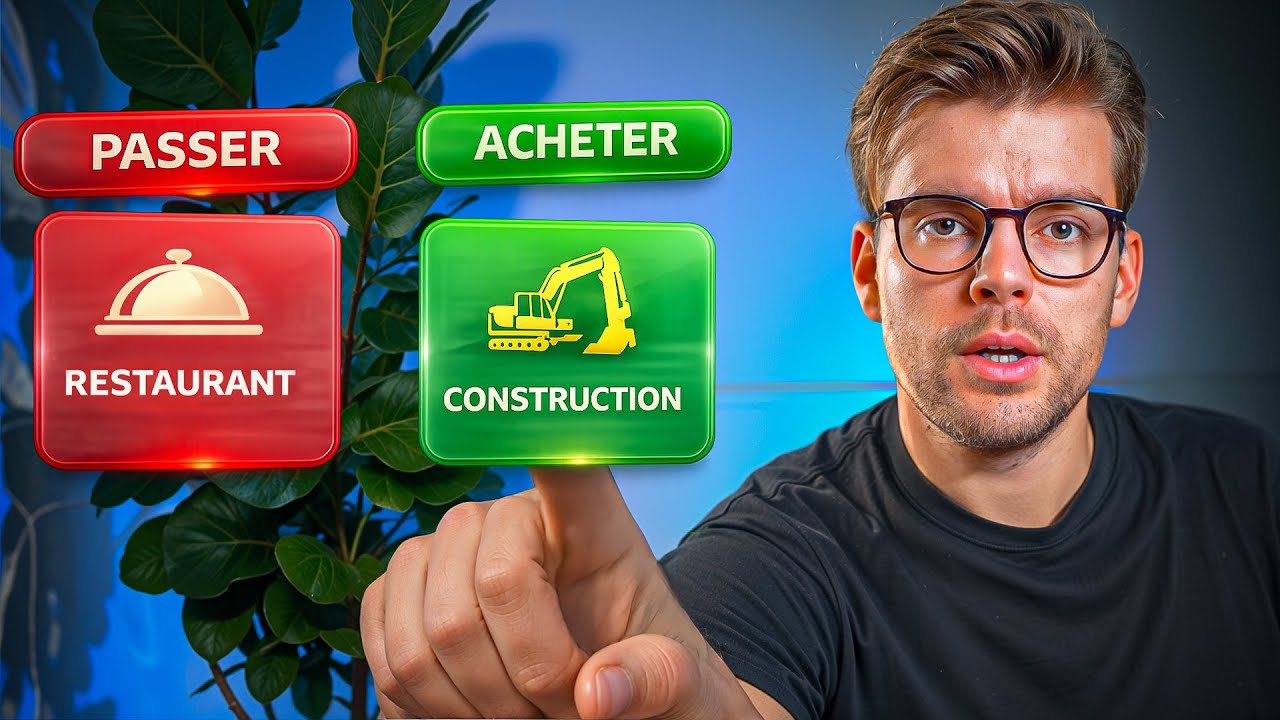
um what industries are you seeing a lot of deals in right now what industries anything construction related really so you're seeing deals Construction here's my theory in the Great Recession the industry got destroyed okay and basically and it bottomed in 2011 2012. all of those people did not get to retire and they wanted to many of them wanted to retire they literally had to wait for the last 10 years to retire and so they're retiring a little later than they wanted to Baby Boomers and word apique or you know in theory last year we peaked about this time about 11 months ago we peaked as far as the construction related industry for most construction related in California I'll say and so the HVAC the plumbing the electrical and other specialty Granite Cabinetry Etc we're seeing a lot of those deals right now yeah some of them pencil some of them do not what I'm finding in general is that most of them are overpriced in their listings because the seller every seller thinks that their business is worth a million dollars okay and not every business is worth a million dollars some of them are worth six hundred thousand and the reality check just needs to come in which is where you play a role as a broker correct to get reality check to a seller hey your business is not worth a million dollars if you want to sell it for a million you need to bring it up to a million but it's not right and this is what I say to every seller when I said look based on the analysis on the spread of your financials can the business afford itself I want you to put yourself in the in the in the shoes of a buyer if you were to take your seller hat off and put a buyer hat could you afford that business based on the cash flow generated evidence by tax returns right that does it make sense is it making the money to support itself with a 10 down payment to a qualified buyer is that a good question to ask that's a perfect question to ask the common sense of it would you sell or buy this business for this price right and I guarantee you ninety percent of them would say no no I'm not going to pay that much well why do you why do you think you deserve that much so that's the reality check um the other industry that I see a lot of right now and I also work a lot in the industry is I finance a lot of restaurants it's probably about 40 of the deals that I do um I love the industry I grew up in the industry I chased the industry I love eating at the restaurants Etc and I think I know the industry pretty well so I see a lot of restaurant transactions um a lot of the PPP allowed restaurants to survive they a lot of them got ppp1 ppp2 stimulus they got eidl loans which afforded them a lot of capacity and so tours are buying second and third locations right now we're building them with a lot of that stimulus if they weren't terribly affected by covet somewhere some were not okay and um conversely what industries are you not into is your bank not interested in for whatever reason um we don't shy away from any industry I mean the obvious ones that are not eligible for SBA are anything cannabis related anything they call imperient so you can't I can't Finance you know strip clubs and those type of businesses what is it what is it exactly yeah yes that one that that word so um but no we don't shy away from Industries we we do gas stations car washes liquor stores convenience uh again restaurants we finance a lot of restaurants it really just has to make sense that's all is a business ever too small for you guys purchase price um our loans range typically 150 000 to 5 million I'll tell you most lenders don't want to do deals under 250 000 loan amount right so if somebody came to me with a purchase price in the 200 range and they were putting say 50 down maybe a little less maybe 180 putting down 30 000. we would do a loan of 150 or better it's those deals you know somebody comes in and says I want to do a hundred thousand dollar uh I have a hundred thousand dollar purchase price will you finance it I will tell them immediately if you're financing a small amount of money figure out an alternative to SBA SBA is a full doc process it is very cumbersome it is very lengthy and it is the last place in general it's how I make a living it is the last place somebody wants to go for a loan that is small it's not worth it to borrow a little amount of money get the seller to financing get friends family and fools to finance home equity loan uh whatever don't use credit cards don't use silly financing mechanisms but definitely opt for seller financing over an SBA loan for a small transaction it's not worth your time well well said last question this is the last question before we sign off uh on today's interview and I didn't get to ask you to any other questions I wanted to ask you but um closing costs right since you've done so many deals this question comes up and I don't think I ever put it here on average when when you're doing say a million dollar purchase assuming there's a three times cash flow cash flow in 350 uh a year you feel good spreads nicely grid debt service coverage ratio um what what as a percentage of the transaction what are you seeing as closing costs I would say for the buyer it's going to range between one and a half and three percent I think a safe number is two to three percent one of the things that a buyer needs to factor in you know Banks don't charge a lot of fees they're very small fees ours is a whole all of fifteen hundred dollars whether it's a hundred and fifty thousand dollar loan or five million dollar loan but you've got escrow fees you've got an appraisal of the business in most cases you if you own a home we're going to appraise the home you've got title fees associated with the recreation of the deed of trust on the home depending on how you allocate the purchase price you might have top sales tax associated with the fixed assets depending on the business if you've got Rolling Stock vehicles for instance a heating and air conditioning plumbing company is going to have two to ten uh vehicles that are purchased or trailers but titled Motor Vehicles you've got sales tax fees you've got DMV fees and then you've got lease deposit everybody forgets about those ancillary costs but they they add up the SBA charges anywhere from zero to about 2.6 percent of the loan amount depending on the size of the loan so right now may have 23 the SBA is charging zero for loans of 500 000 or less it's very small up to a million about point four percent and then over a million dollars it gets to be pretty substantial at about 2.6 percent of the loan amount so that's why the range of closing costs is going to be in the one and a half to three three percent range uh I I'm sorry there's one last question say you get us a deal signed both ways and you got a deal we're about to open escrow you have looked at the deal say you represented in this case you pre-approved the deal on the sales side so you know the deal right and you got a qualified buyer what how long is it taking nowadays from underwriting to closing on to removing the contingency on the loan on your case I'll give you a couple of different time frames most transactions for most lenders and I've done this 34 years take 60 to 90 days that's just a reality okay everybody says 60 to 90 that's a long time well there's not seven days a week there's only five for most people business owners there's eight days a week lenders escrow companies appraisers there's five days a week there's a lot of holidays in there Etc I've done deals in 11 days I've done deals in 25 months the reality is 60 to 90. okay more common is 60 for a transaction that does not have a liquor license and the involvement of ABC and the transfer of that license much closer to 90 days for the liquor license transaction restaurant bar Etc as far as removing contingencies I would say no less than 30 days 45 is ideal we we kind of have three phases I as a business development officer pre-qualified transaction I'm Marrying the buyer's data with the seller's data and sitting down with my credit manager despite my experience I sit down on every deal it's a five to thirty minute conversation who what where when and how are we going to do this deal yes here's how we're structuring it here's what it looks like here's what our needs are I issue a pre-qualification letter I send it to the buyer they accept it I hope um we've gone far enough along where we all know what's going on right they send a good faith deposit in I build that credit presentation six to eight hour process I submit it to underwriting that underwriter takes three to ten days to underwrite that transaction they're juggling a couple of deals they're juggling some other things that's why it doesn't take four hours it takes three to ten days they approve that loan a commitment letter is issued the borrower signs and accepts it in a perfect world I've done a good job to where my pre-qualification letter looks identical to the commitment letter and we have not made any changes we have not increased any requirements we haven't decreased the loan we haven't increased they're down we haven't changed the collateral I haven't missed anything that's the perfect world and that's most common once that commitment letter is sent back to us we move that loan to processing and processing then issues a very lengthy and I will say that uh closing checklist and that includes articles of organization bylaws business license fictitious name statement Insurance lease who's the escrow and Title Company Etc we order business valuations we order home appraisal if applicable and that is now moved to that third phase of let's gather all the items necessary to draw closing docs get them to Escrow sign and close the Steal so this is wow I I got a lot more than I then I thank you and can you guys really tell 34 years of experience you don't have to think about the answers they just come flowing out of you so with this we're going to wrap it up any final thoughts that you would want a buyer to know you guys are going to be able to reach out to Bob directly any final thoughts um I don't actually I appreciate being on here this has been fabulous thank you for the opportunity well Bob it was a it was a thrill to have you on my show uh you are a stand-up guy a classic guy and no wonder we work together so I it's no it's no secret that I get to work with Bob Porter and on we got a deal going on right now so um so that we're gonna sign off for now guys we're gonna say goodbye I'm gonna hang up now uh Bob and then um I'll be in touch and um you know once they hang up It's Gonna Cancel so this will be edited out all right thank you so much for a limited time I'm giving away my cash flow calculator this nice little Excel workbook has helped thousands of people like yourself trying to figure out how much cash flow is left after you have a loan to buy a business cap rate and cash on cash returns it is used to keep all you have to do is follow the links below and this my gift to you the cash flow calculator get it now
Up Next

19:25
Seller Finance in M&A: Equity Structuring for Healthcare Acquisitions
@JasonPaulRogers
15.9K views•2019-10-21

46:36
Retention Habits of Top DTC Ecommerce Brands Revealed
@SendItPodcast
44K views•2026-03-03

15:23
Decoy Effect: How Pricing Psychology Influences Consumer Spending
@bobinvestsUS
90K views•2026-01-05

17:30
The Planned Obsolescence of Light Bulbs and Tech
@veritasium
25.3M views•2021-03-26
Related Study Plans & Knowledge Roadmaps
Structured learning paths in Business
business
Pop-Up Retail: Strategy, Design & Execution
01Introduction to Pop-Up Retail & Strategic Goal Setting
02Budgeting, Site Selection, and Legal Essentials
03Experiential Retail Design & Visual Merchandising
+ 2 more learning modules
15h5 modules
Explore Roadmap
business
Reg CF: Startup Funding, Marketing & Launch
01Introduction to Equity Crowdfunding & Reg CF
02Platform Selection & Legal Preparation
03Crafting High-Converting Campaign Assets
+ 2 more learning modules
14h5 modules
Explore Roadmap
business
Productized Services: Scaling Solo Freelance
01Foundations of Productized Services
02Packaging and Scope Definition
03Pricing and Subscription Models
+ 2 more learning modules
15h5 modules
Explore Roadmap
business
Gov Procurement: Find, Bid & Win Contracts
01Introduction to Government Procurement & Business Setup
02Small Business Certifications & Set-Asides
03Finding and Analyzing Contract Opportunities
+ 2 more learning modules
14h5 modules
Explore Roadmap