

















Digital payment systems enable consumers, businesses, and organizations to transfer funds through various instruments including banking cards (debit, credit, prepaid), Unified Payment Interface (UPI), mobile wallets, internet banking, Aadhaar-enabled payment systems, and point-of-sale terminals. Domestic systems like UPI and mobile wallets have gained widespread adoption in India, while global systems like SWIFT, global card networks (Visa, Mastercard), and cross-border payment platforms facilitate international transactions. These systems offer benefits including 24/7 accessibility, speed and efficiency, cost-effectiveness, enhanced financial inclusion for rural and low-income populations, improved security through digital footprints and OTPs, and support for government initiatives like Direct Benefit Transfer. Digital investment platforms in India include mutual fund apps (Groww, Coin by Zerodha), stock trading platforms, robo-advisory services, Gold ETFs, hedge funds, and real estate investment portals, which provide lower fees, automated portfolio management, and accessibility for small investors. However, risks include market volatility, fraudulent apps, and lack of human advisory. Paytm exemplifies integrated digital financial services by combining banking, payments, and investment platforms in a single application.
Digital Banking Payment Systems and Investment Platforms Explained
Added:[Music] Good morning all. I am Dr. Ganjali Bhut Sharma from Utakhan Open University.
In the last section we discuss about the digital payment services.
That was the part one and in this part we will continue with this where we will discuss about the investment platform and payment system. So this is the second part of the same lecture that is digital banking payment system and investment platform. So the topics here in this we will cover are about what's what is about the payment system the concept of payment system the types of payment system benefit of payment system and what are the digital investment platforms in India and what is the risk in the digital investment. So first of all starting with the payment system overview. So what is a payment system?
Uh so basically the payment system refers to the arrangements that allow consumers, businesses and uh any organization to transfer funds usually held in an account of any financial institutions to one another. This includes the payment instruments such as cash car cash card checks and electronic fund transfer which customer use to make payment.
So simply the digital India program is a very uh flagship program of the government of India with a vision to transform India into a very digitally empowered society as well as a knowledgeable economy. So the this can be a faceless paperless and we can say cashless is one of the professed role of digital India. So simply as a part of promoting cashless transactions and converting India into a less cash society various modes of digital payments are available. So now let's discuss uh to the what are the types of payment system the types of payment system are divided into two factor two main streams like domestic as well as global. So first of all we will learn what are the domestic types of payment system. So the first domestic type of payment system is banking card. Banking card can be debit, credit, cash, travel, others. It can be used for any purpose.
So the banking cards mainly offer consumers more security, convenience and control than any other payment methods.
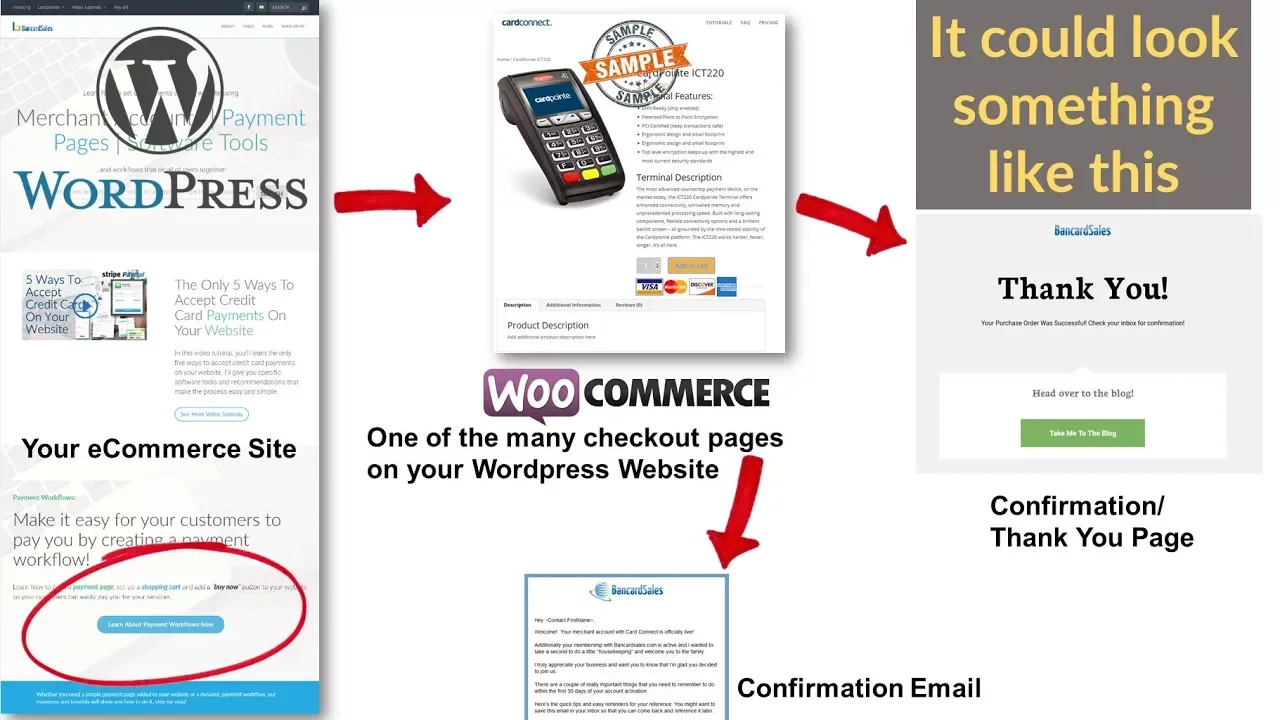
There are the wide variety of cards available. We can say including it can be uh we can have a credit card, debit and prepaid also which offers enorm enormous flexibility to the customers and uh this cards uh provides us two factor authentication for uh secure payments and example secure pin we have a secure pin and OTBs also uh so uh some examples of card payment system can be rupe visa Mastercard. These are the payment systems, card payment system. And next is unified payments uh interface. Uh we already discussed in the part one uh of this uh same lecture that is unified payment interface. This is a very uh digital payment system that uh link multiple bank accounts to a single mobile app and uh it allows seamless fund transfer, merchant payments and pair-to-pair transactions also. It also supports schedule payment request uh sometime and each bank offer its own UPI enables app for um different uh means app for the Android or iOS and uh window platform. So unified payment interface is familiar everybody is familiar with this uh interface and uh nowadays everybody's using means uh 80% of the people are using using this unified payment interface and next is mobile wallet. Mobile wallet we can say e-wallet also. So this uh store uh money uh digitally in an app used for mobile recharge when we want to do our mobile recharge or any bill payment or we can use it in shopping also. Example uh PM PM wallet is there and in Amazon pay we have a wallet so can we can store their money and whenever we we need we can do payment payment from there. Next one is internet banking uh net banking we can say. So internet banking access to banking services uh via bank websites and it enables fund transfer like already we I told you that NFT RTGS bill payments we can enable the fund transfer through internet banking. Another is Aadhaar enabled payment system that is APS and this allows uh basic banking use using Aadhaar number and fingerprint and uh mostly used in the ruler areas with micro ATMs the Aadhaar enabled payment system. Another domestic system is POSOS. POSOS uh point of sale terminals you can say. Uh this is uh the m uh this can be a machine used by merchants to accept their card payments and this can be used for the debit credit and as well as this can be used for the UPI transactions. So basically the merchants keep this keep it this point of sale terminals for uh doing any transactions.
Now let's discuss uh some of the global payment system. What are some global payment systems? So the first global payment system which has been using worldwide is swift. Swift uh stands for society for worldwide interbank financial telecommunication. And uh this swift is a global messaging network that enables financial institutions worldwide to securely communicate and uh exchange the information and it is widely used for international money transfer and communication related to the financial transfer also.
Uh another is uh global card network.
The global card network, major global card networks such as Visa, many people are having visas. Um, Mastercard, American Express and Union Pay. This uh facilitate cross enabled card card holders to make payment internationally.
So in the international level also we can do the payment through such um uh cards like Visa and Mastercards.
There is also one uh more global payment that is crossborder AC. AC is automated clearing house system. Uh some regions have established a uh cross electronic fund transfer between bank in different countries and uh this system aims to streamline the crossber payment.
There's one more one more global payment system is cryptocurrency and blockchain which is very popular uh in this uh era like cryptocurrencies like bitcoin and blockchain technology are being uh explored for the crossber payments due to their potential for faster and uh this also help in the most cost effective transactions. Now comes to the global uh mobile mobile payment platform. Global mobile payment platform is a mobile payment platform with global reach such as PayPal and Alip pay enable users to make uh cross various currencies. There is one more uh domestic payment system that is international money transfer services and uh this helps in the companies like western union money and transfer wise uh specialize in facilitating internationally money transfer and as well as in the remittance facilities.
Now these were the global payment system. Now moving on to the benefits of payment. What are the benefits of payment? So the benefits of payment is uh it is very convenience and accessibility. we can uh the services are available 24 hours and the customers can access banking from anywhere from home office or they can use their mobile phone. So it is not need to we need need not to visit to any physical branches for it. And uh second is the speed and efficiency uh when we do the transactions like fund transfer, bill payment and account management. Uh this happens very instantly. This will uh uh not only reduce the paperwork but it's also helps in the in the time management also. So we will there will be no delay and we can do it in a very speedy manner. And next is cost effective. It also reduces operational cost for bank.
There is no need for physical infrastructure for every service. So it is a cheaper and often free services for the users. Next, next one is it enhance financial inclusion. How it enhance financial inclusion? So, it brings banking services to the remote and rural areas also. This will help low-inccome groups and access credit, insurance and saving facilities. It also helps in the security and transparency like digital footprints and OTPs are very secure, ensures secure transaction. This will reduce the risk of threat as well as corruption and audit trails make tracking very easy. This helps in the better record keeping like automated records of all transaction easy to track our income, expenses and uh even to generate reports. So it helps in uh doing financial planning and as well as tax filing. This supports for government initiatives also. So enables direct benefit transfer DBT like subsidies, pensions. This will promote schemes and nowadays the schemes are launching Jandhan, Yojna, PMKasan, Yosja. These supports these government initiatives schemes also and the one important factor is it also boosts the economy. So it encourages digital transactions and the formal economy which uh helps in increasing the tax collection and financial data for planning. This will support the growth of fintech as well as digital innovation. Now what are the coming up to the types of digital investment platforms in India? What are the digital investment platforms in India? So the first is mutual fund investment app like grow and coin by zerodha make it easy to invest in equity we can invest in dapp and tax saving funds through phone only through your phone only you can do this so they offer features like uh digital KYC SIP options and gold tracking making mutual fund investing simple and beginner friendly.
So nowadays most of the people are uh using the SIPs and they are doing and this grow and coin by zerodha are very popular mutual fund investment app through which the customers are doing their um are able to do their investments.
Uh second is the stock trading platforms are same as uh zerodha and upstocks let users they can let them to buy and sell share online easily they can buy as well as they can sell their shares uh in a in from these platforms and this will offer low fee this is very low fee and realtime market data and tools for beginners and experts also and this is uh anybody can use it a beginner can also use and and expert in that field can also use this. So these platforms have helped more people in India starting in the investing in the stock market because it become very easy to invest there. There are also robo advisory platforms nowadays which are online investment platforms that use uh these are using a automated software robots to give us any financial advice and manage our investment. They ask uh they ask the customers a very few questions about income uh any risk level or goals and then they create and manage a portfolio for a customer without any human advisor. So from through the robots we can uh we can easily get what we want and what from where we have to according to our income and according to our risk level. The robocan advisor and the robo advisor are smart online tools.
They help you to invest your money automatically uh based on your needs only and they are also low cost easy and even very easy for the beginners.
Example grow. Grow is um popular and uh very significantly using uh people are using it and it has also a robo feature which it's so it advised sometimes when customer needs so grow as also a robo feature. Now the next is gold ETFs exchange traded funds. Uh so these are investing platforms that these investing platform let you invest in the digital gold. So instead of buying to a physical gold you can buy the units of gold. we can say it like shares that are traded on the stock exchange. Uh these gold ETFs are very safe and they are also very easy way to invest in the gold online without storing our uh physical gold anywhere. They reflect the price of real gold and you can also buy and sell them any any time like stocks. So this is the facility. Now there is one more thing that is hedge funds. Hash funds are privately managed investment funds that uses advanced strategies like uh short uh like short selling we can say leverage and derivatives uh so that we can uh earn a high return. Hash funds are very exclusive investment platform where wealthy investors put money. Those who have more money they can put money and the expert you use risky but very smart techniques to try and earn more profit even when there are the problem of falling market and when the market is low then also they can invest in through the hedge funds. Uh one more there is real estate investment. Real estate investment means putting money into properties like house uh or shops, land or building to earn uh rent, rental income or any profit from selling later.
So these digital investment platform are online portals or uh mobile apps that enables users to invest the financial products uh such as stock, mutual fund, SIP uh without needing any physical broker. Now um let's uh discuss and coming up to the uh benefits of digital investment. So the benefits of digital investment is it's very the one of the most important is lower fee. Digital investment platform offer charges significantly very lower fee compared to the traditional financial advisor or brokers. So this is mainly because there is no need for any physical office or any manual operations. Most processes are automated reducing uh administrative cost. So they offer zero commission traders or minimum charges for services like uh I told you that SIPs or ETF. So this will help the investors keep more more of their return. Uh second is the automated uh portfolio management. So many digital platforms use robbo advisor and algorithms to manage their portfolios and the system will automatically invest based on the users goals and risk tolerance. So uh this will reduce the human errors and emotional decision making also. So this will makes the investing smarter. It will make it more efficient even for the people who are beginning to use these platforms. Uh another factor is the accessibility for small investors also.
So the digital platforms has uh democratized investing by allowing investment with a very little or we can say any rupees 100 or less units also.
So offering user-friendly apps that guides even the firsttime investors. Uh this will eliminate the need for deep financial knowledge or large capital and this inclusion boost financial participation among the among the youth people ruler users and even the middle class also. Now apart from this uh still there are some risk in the digital investment also. So the risk is uh market volatility means that digital investments are affected by a sudden market fluctuation like automated tools may not respond well to unpredictable economic or political changes or leading to any somewhere some potential losses also. And uh second is the fraudulent apps. There is a growing risk for fake or unregulated investment apps. Today many of the illiterate people are also being trapped in this u uh fraudulent apps. So users may fall victim to scams or they can lose their money if they invest through the non-verified platforms. Some sometime they trapped in the fraud apps. So this is also the one of the risk and the last one is the lack of human advisory. Most digital platforms rely on algorithm and l lack personal finance financial advisor. So this will make it very hard for users to get tailored advice and or we can say for complex or any emotional financial decision we don't have any human to advise us. So this is the risk. Now discuss that one of the success story or we can say the case study like PTM. So how PTM has integrated the these three of the factors that is uh banking, payments and investment. So PTM is a very um success story we can share here.
So I can share the success story of PTM.
So which is prevailing in India. So PTM is supported for digital banking. How PTM supports digital banking through PTM banks like uh this is PTM bank's RBI license. This offers fully digital banking via the app and zero balance account. So we don't need any no minimum balance required. Easy mobile best based opening digital debit card instant virtual rupe card for online uses there physical card option uh physical card optional optional is there physical card and there is a bill payment uh we can say we can use it from the ptm bill payment also like uh pay electricity bill or any uh mobile bills directly from the account uh fixed deposit facilities there FD facility via app and partner partnership with um MBFC's offering a competitive interest rate.
So, PTM here supports digital banking.
In the same way, it supports the payments PTM system also like PTM wallet uh enables a very fast secure digital payment for shopping, bills or doing any paying any services and it is a UPI integration. we can say that facilitates instant bankto-bank transfer using UPI ID or QR code and it's a QR code payment also we can say the widely accepted across India by merchant street vendors and retail stores also and the facility is POS machine like PTM providers point of sale devices to merchants for card and QR based transactions this is also helpful in utility services utility services. We can say that users can recharge metro cards, fast stack, DTH and they can pay their bill for electricity or any gas services, water bills etc. Now how uh PTM is supporting the investment platform. So already discussed that the mutual fund and SIP.
So this is also one of the platform to use the mutual fund and SIP facilities.
Mutual users can invest in a wide range of mutual funds with options for SIP that is systematic investment plan and starting with the rupees 100 also with a with a very basic amount. So and very basic even minimum amount and uh this PTM also have the platform for stock and ETF trading also PTM money offers uh offers you with the demat and trading accounts allowing users to invest in equities and ETFs directly. So we can open uh from the the demet and credit account also. Uh it also enables the facility of national pay pension system.
Uh this enables users to invest in a very regular retirement savings schemes for a long-term wealth creation. Uh this provide us the facility of digital gold.
We can buy and sell the 24 karat gold digitally and we can store securely on behalf of the users. So uh in this way it supports the investment platform. So how it integrate uh how we can say it integration strength it's providing an integration strength pium is providing integration strength like it's a single app access which combines banking via pay pm banks pay payments UPI wallet QR and investment and ptm money in the only single platform and uh it will also seamless KYC's and transfer like unified KYC's process enables easy on onboarding and quick fund transfer across services.
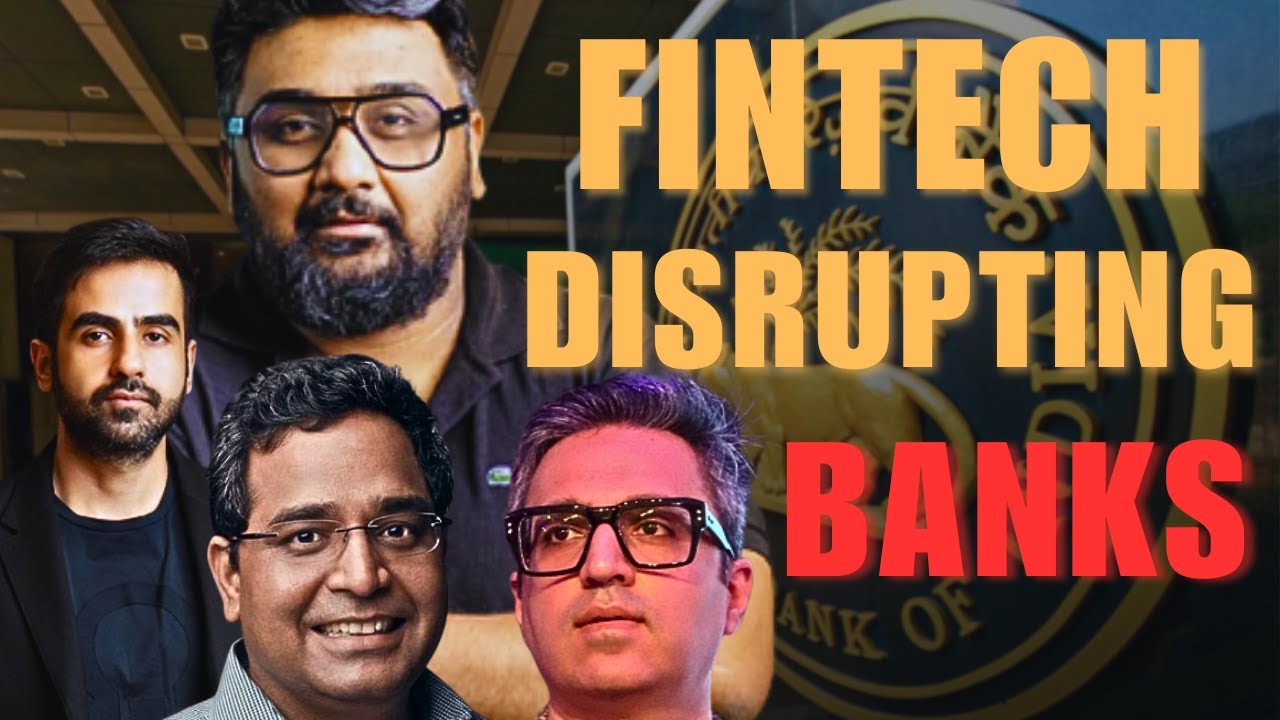
And uh this uh also helps in the user-friendly design like simple interface accessible to both urban users as well as to the ruler population with very low digital literacy. So in this way it is providing a very integration strength. Now uh therefore this is uh about the PTM. So we can say that nowadays PTM has been become the India's largest digital platform which has been um uses use used by millions of users and it has been boosting the our financial inclusion um we can say post demonetization mean it's playing a very key role in promoting cashless transactions after the 2016 de demonetization drive drive and uh thus it is a very however we can say that it's a a dig trusted digital platform uh which recognized for secure convenient and integrated financial services building users trust across India. So this is all about the the digital bank payments systems and investment platform. Now in the next lecture we will learn about the saving and insurance related products. Thank you.
[Music]
Up Next

Airbus Boeing Trade War: How EU US Resolved 17-Year Dispute
@TLDRnewsEU
95.1K views•2021-06-19

Retention Habits of Top DTC Ecommerce Brands Revealed
@SendItPodcast
44K views•2026-03-03

Decoy Effect: How Pricing Psychology Influences Consumer Spending
@bobinvestsUS
90K views•2026-01-05

The Planned Obsolescence of Light Bulbs and Tech
@veritasium
25.3M views•2021-03-26
Related Study Plans & Knowledge Roadmaps
Structured learning paths in Business