![Physics: Waves-- Introduction, Types, Basic properties of waves [Basvaraj Patil Sir]](https://i.ytimg.com/vi/qTguWedqaoI/maxresdefault.jpg)







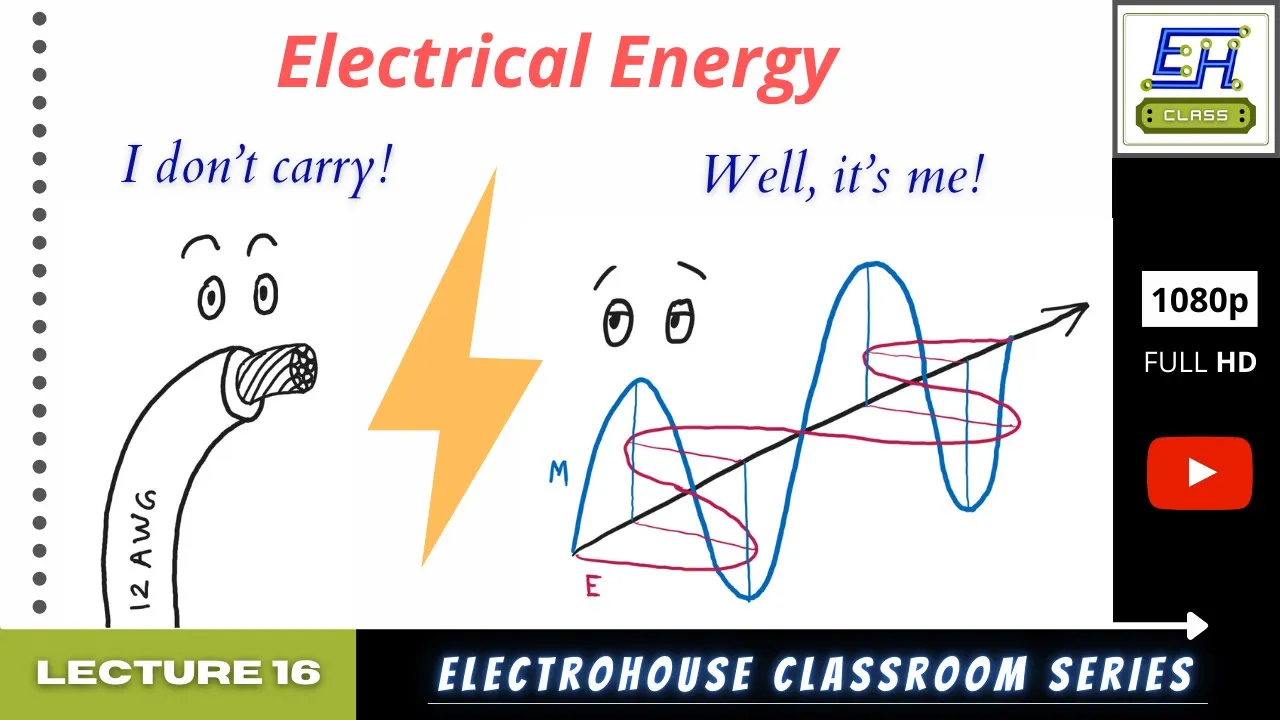









Sound travels at different speeds through different mediums due to molecular spacing: approximately 340 m/s in air, 5,100 m/s in steel, and 200,000 km/s as an electrical signal; the closer molecules are, the faster sound travels, though solids absorb sound energy more quickly than gases or liquids.
Speed of Sound in Air, Solids, and Electrical Signals | Acoustics Tutorial
Added:Basic wave mechanics, specifically understanding how longitudinal waves propagate through a medium via compression and rarefaction.
The atomic structure of different states of matter (solids, liquids, and gases) and how density and elasticity affect particle interaction.
The fundamental wave equation (velocity = frequency x wavelength) and how to manipulate its variables.
An introductory understanding of electrical signals, specifically how electromagnetic energy propagates through conductors compared to physical pressure waves.
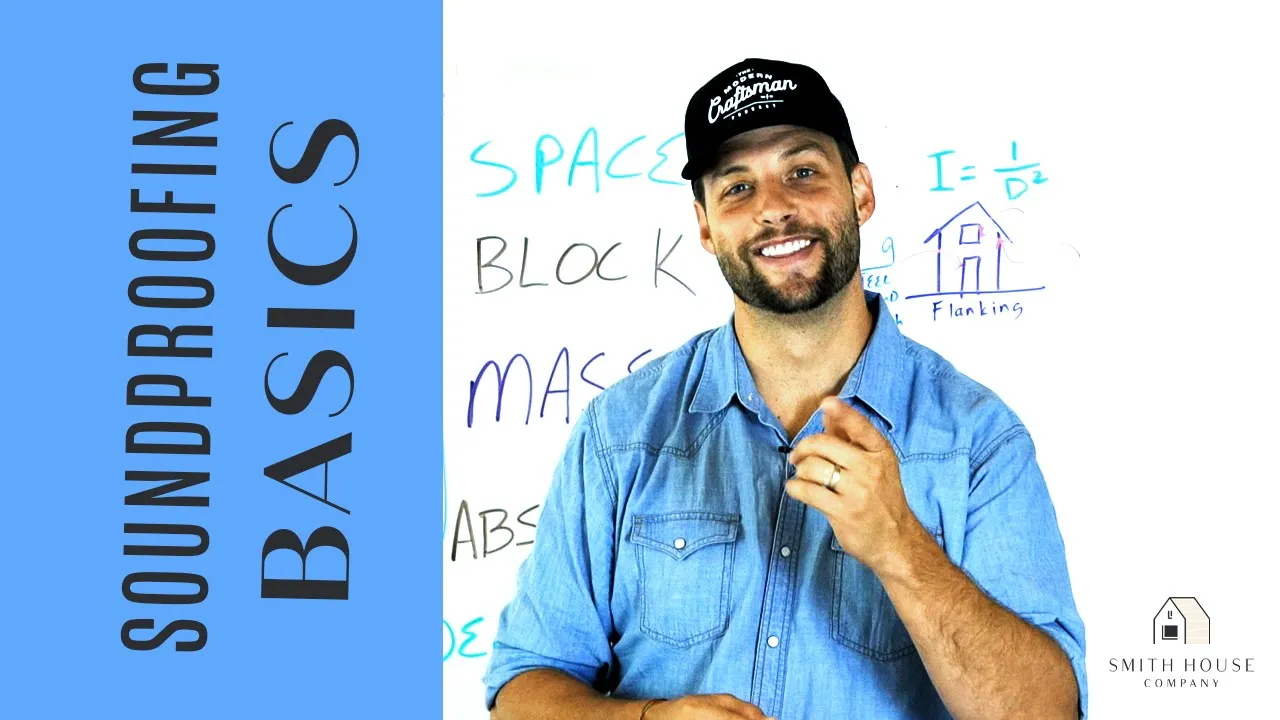
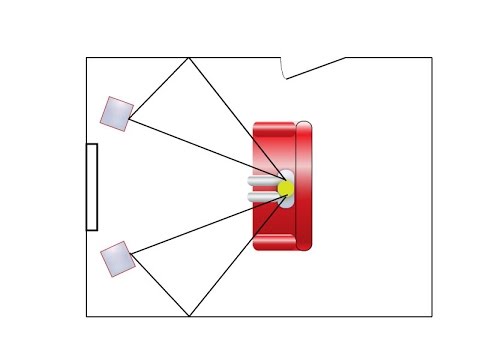
Acoustic decoupling and soundproofing design, using the differing transmission speeds of solids versus air to isolate recording spaces.
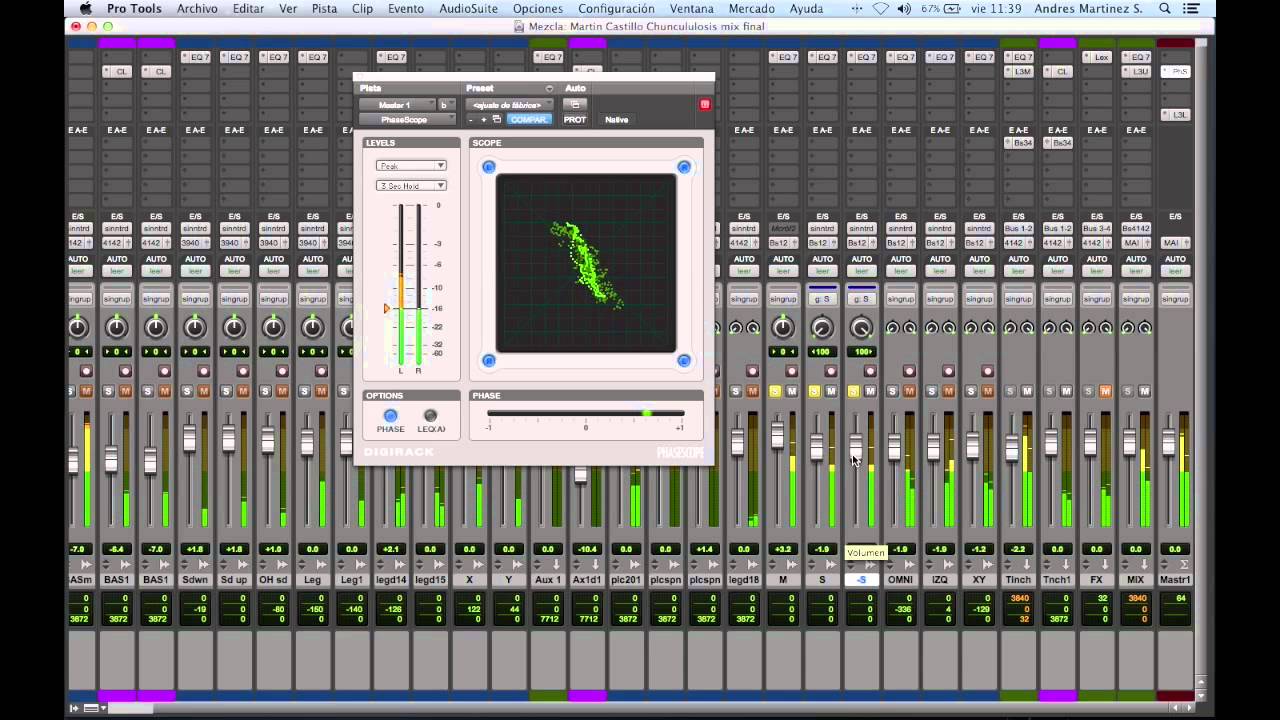
Phase alignment and latency management in multi-microphone recording setups, compensating for the speed differences between physical sound and electrical signals.
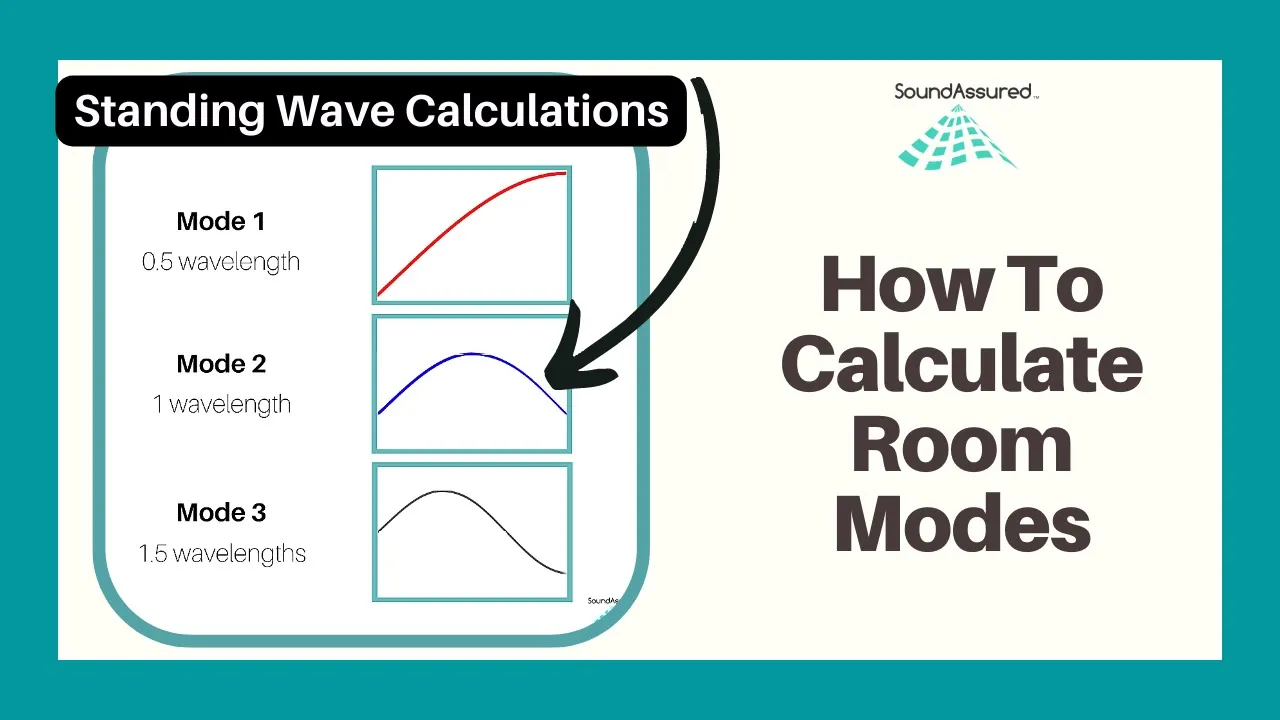
Calculations for room modes and standing waves based on the speed of sound in air at various temperature and humidity levels.
The study of transducer physics, exploring the conversion mechanisms of microphones and speakers between acoustic pressure and electrical voltage.
33.4K views143likes3:56Original Release: 2014-05-17
welcome to this tutorial on the speed of sound it is useful for us to understand how sound travels through different mediums such as the air and solid objects like walls for example we may wish to estimate the differing phase relationships between microphones placed at different distances from a source or the effectiveness of soundproofing materials sound waves travel at different speeds through gases liquids and solids this is because their molecules are spaced differently for example air molecules are much further apart than the tightly compacted molecules of Steel the closer the molecules are the less distance they have to travel or vibrate to transmit energy to one another and the faster the Soundwave can travel sound travels relatively slowly through Air at around 340 m/s which is approximately equivalent to 1T per millisecond although not essential for sound recording purposes it should also be understood that the speed of sound is affected by altitude and temperature sound travels much faster through solid objects through Steel it travels at approximately 5,100 m/s it is important to understand that whilst sound travels faster through solid objects its energy is absorbed faster than in a gas or a liquid it will therefore be either partially or completely absorbed the amount of absorption will depend on the nature and size of the object and the frequency of the sound wave once converted into an analog electrical digital electrical or digital optical signal sound travels much faster the speed of an electrical Soundwave signal is approximately 200,000 km/s it is therefore possible to accelerate the speed with which a sound wave is transmitted from one location to another let's consider the example of a drummer recording in Studio assuming their ears are approximately 2 and 1/2 ft from their snare drum sound will take approximately 2 milliseconds to reach their ears but if the drum is close miked and the drummer is using headphones to monitor the sound via a microphone preamplifier and headphone amplifier the sound will be heard much sooner with a delay of only 12 microc seconds some simple equations relate the speed of sound to frequency and wavelength speed of sound equals wavelength time frequency frequency equals speed of sound divided by wavelength and wavelength equals speed of sound divided by [Music] frequency the script for this tutorial can be found at our website project studio hand.com and finally don't forget to subscribe at our website or Facebook or Twitter channel in order to receive notification of new videos blog posts and member only extras thanks very much for [Music] watching
Up Next

5:16
Sound Properties: Amplitude, Period, Frequency, Wavelength
@khanacademymedicine
691.6K views•2014-01-01

12:53
21cm Hyperfine Transition in Neutral Hydrogen: Radio Astronomy Basics
@AaronRobertParsons
12.4K views•2011-10-13

32:32
NMR Spin Physics I: Zeeman Effect, Resonance Condition & Larmor Frequency
@nptel-indianinstituteofsci8064
2.3K views•2024-01-17

27:14
Entropy and the Second Law of Thermodynamics Explained
@veritasium
27.5M views•2023-07-01
Related Study Plans & Knowledge Roadmaps
Structured learning paths in Physics
physics
Nuclear Physics (Decay, Fission & Reactors)
01Atomic Structure and the Binding Force
02Radioactive Decay and Half-Life
03Nuclear Fission Mechanics and Chain Reactions
+ 2 more learning modules
12h5 modules
Explore Roadmap
physics
Soft Matter (Polymers, Colloids & Rheology)
01Foundations of Soft Matter & Thermal Forces
02Polymer Physics and Macromolecules
03Colloids, Surfactants, and Self-Assembly
+ 2 more learning modules
38h5 modules
Explore Roadmap
physics
Analytical Mechanics: Lagrangian & Hamiltonian
01Mathematical Foundations: Calculus of Variations
02From Newtonian Mechanics to Constraint Dynamics
03The Principle of Least Action & Lagrangian Mechanics
+ 3 more learning modules
28h6 modules
Explore Roadmap
physics
General Relativity (Spacetime & Cosmology)
01Foundations of Relativity: Special Relativity
02The Geometry of Spacetime: Equivalence Principle & Curvature
03Einstein's Field Equations: The Mathematics of Gravity
+ 2 more learning modules
55h5 modules
Explore Roadmap