


















The Direct Method Statement of Cash Flows is prepared by reconstructing T-accounts for each activity category (Operating, Investing, Financing) to directly identify cash inflows and outflows, where Operating Activities include cash receipts from customers and cash payments to suppliers and employees after adjusting for non-cash items like depreciation, Investing Activities track cash flows from non-current assets like property acquisitions and investment purchases, and Financing Activities record cash flows from equity and debt transactions such as share redemptions and dividend payments, with the final reconciliation ensuring total cash flows match the change in cash and cash equivalents.
Cash Flow Statement Direct Method: Step-by-Step Tutorial (Part 2 of 2)
Added:Fundamental understanding of the Balance Sheet, Income Statement, and the basic accounting equation.
The concepts covered in Part 1 of this tutorial, including the general layout of the Statement of Cash Flows.
The core differences between Accrual Accounting and Cash Basis Accounting.
How to analyze changes in current asset and current liability accounts (e.g., Accounts Receivable, Inventory, Accounts Payable).
Reconciling Net Income to Net Cash Flow from Operating Activities (a required disclosure under US GAAP when using the direct method).
Completing the Cash Flows from Investing and Financing Activities sections to finalize the Statement of Cash Flows.
Analyzing a company's liquidity and financial health using Cash Flow ratios, such as Free Cash Flow and Cash Flow Margin.
Handling advanced cash flow reporting issues, such as foreign currency cash flows and non-cash investing and financing activities disclosures.
8.7K views146likes32:54Original Release: 2020-12-21
welcome back assalamualaikum and hello everyone so today we're going to do is we're going to continue with the second part of the tutorial of how to prepare a statement of cash flow using the direct method and we are adopting the six steps color coded approach as you know we are actually at the step three we have done the step three yeah which is to do the classification and earlier on we have also started with step four and they are all together six step here right so if you look uh the step four is what we were doing just to reconstruct the t account so far we have not yet reconstructed the t accounts and we are dealing with the uh cash flow from financing activities and these were the place that we stopped earlier right uh where in my first video if you have not yet watched that you can check down the description below i put the link to my first video discussing on the same question of this preparation of cash flow using direct method so let's look at the the our review or our tracing of our financing activities to see whether there is some cash inflow or cash outflow for the dividend just now as i say it was directly given so now we are going to look at the redemption of the preference shares for redemption you are informed it was redeemed out of profit so let's look at the redemption account here it was redeemed out of profit and you are informed that the reduction is due to the redemption now for your information if there is a redemption normally there will be an outflow of cash to pay to the uh preferential holder so if you look at what you have here i prepared for you what you need to do first is first you need to go and open up your account put the balance right put the balance beginning of the year and then put the balance at the end of the year whether you get the balance is directly from the account right and uh you can see that we want to check what other redemption here so this is what we were trying to check right so we're going to put a tick here again just copy and we paste here because we are doing the checking as well so that you won't leave anything without being reviewed and checked okay okay so after you have done that you put the correct balances there will beginning and the ending balance put it to the correct side the beginning balance or the opening balance should be put on the credit side and the ending balance should be put on the debit side and then the difference between these two balance since there is no information given you would assume this is due to the redemption and the redemption as i said you are going to debit the renewable preference shares and you're going to credit the bank account and this is under again this is under your financing activities and this is giving some outflow so credit bank right and their bid remove preference shares so therefore that will be shown here where in your uh cash flow from financial activities when we say redemption out of profit what does that mean redemption or profit means you're going to transfer an amount equal to the amount being redeemed here which is 60 000 from your share capital to the retained profit so let's look at the share capital balance how much do you have you have this right okay balance you can check that where do i take this again you can go and check your statement here share capital okay so there is a decrease of sixty thousand that decrease of sixty thousand yep uh were the changes here right right and therefore the beginning balance let's just check that how much was the beginning balance uh-huh 1001 and the ending balance is one one six zero so therefore there was a transfer from the retained profit to the share capital so the transfer means debit retained profit and credit the share capital so when you debit written profit credit share capital this is not to nothing to do with the cash right it's just a non-cash transaction and we also need to check if there are anything here nothing right so the total of this account would be one one zero and you need to open up your retained earnings just to show some detail on that here i prepared for you just to show the part that relates to the share capital so this is the one related to share capital i bought it for you so you go and credit the share capital and you debit the retained profit that means that that is redemption out of profits right and the rest of the thing actually you do not need to do because this one you normally do this retained earnings to find the dividend payable but you can also have a go and look at how actually dividend payable um can also be determined so this i'm just going to put it like this just going to show you the part that relates to our question only right next um you will see that our uh there are no movement of share capital in the original capital that relates to cash so we are done with this are we done with that we need to check yeah because we have one more item if i'm not mistaken which is our your written earning check now we need to check on the benches so in the information if you can see here in the statement of financial position there were no changes in the branches balance no changes it's still 200 and 200 000.
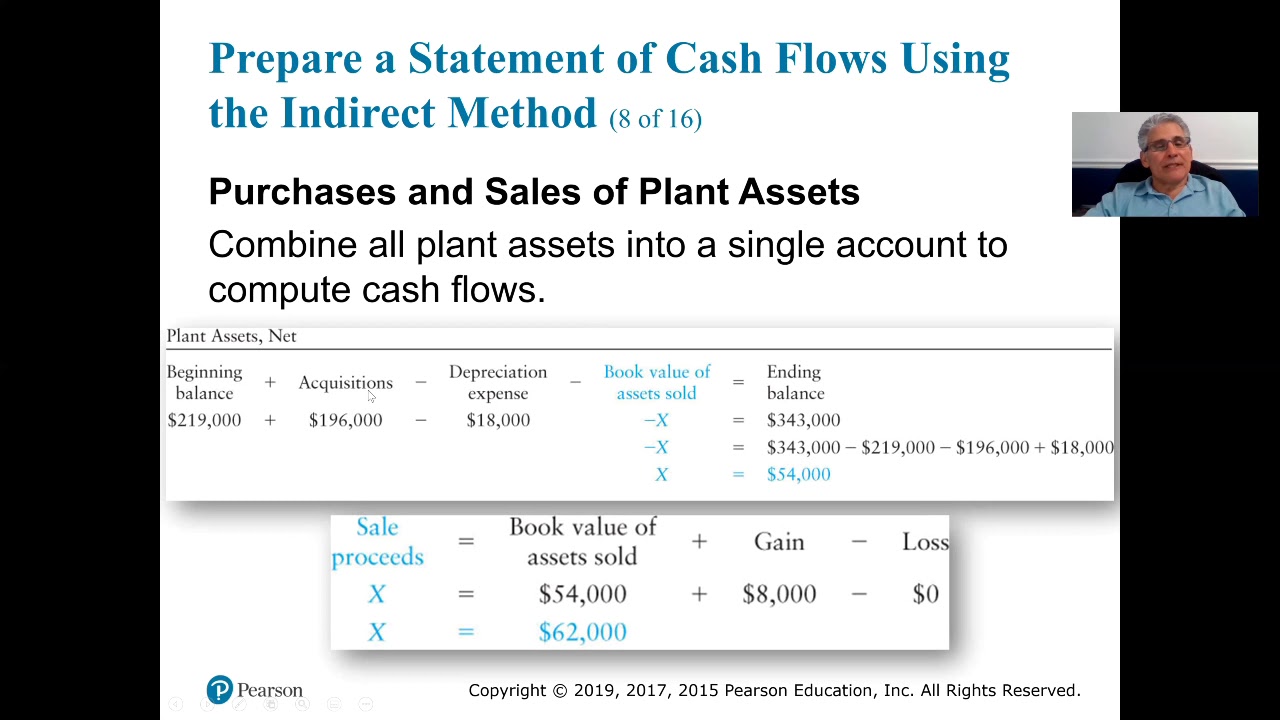
if you check at the bottom here also no information regarding any issuance of eventual so there are no movement of cash um when we talk about net movement of cash for the debenture not even a cash inflow or cash outflow so that has done we all we are done now for our cash flow from financing activities you can now total up so the total up you will total up this two rows only right so that will be the total of cell i 30 30 and total cell i 31 so that gives you these figures which is the net cash flow from invest financing activities okay we color code that as you don't have to do this here if you don't feel like doing but i'm just showing you to make things more uh interesting when you have colors right it's very colorful right next we go on to our cash flow from investing activities remember investing activities is about any movement in your non-current asset and long-term asset like investment so here you only have one item which is property plan and equipment together with its accumulated depreciation so um if you check at the bottom of the information here you are informed that the increase in the property plan and equipment was due to the new acquisition meaning that there was an outflow of cash during that year that has caused the increase to the property plan and equipment there are cash being spent right another one that are given here um the information on depreciation yeah information or depreciation are non-cash i use this color for non cash which is the third course the blue color will be for our investing activities just to make sure that you see the different color so let's put the how much is the acquisition so no information given regarding any disposal so if you check your property plan and equipment here right you can see that there was an increase of 490 000 and accumulated depreciation also an increase of 170 so for the accumulated depreciation the increase is due to the current year depreciation but for the property plan and equipment since there are no information the increase should be assumed as we have been informed at the bottom here right that was due to uh purchase of new property plan and equipment so this 490 thousand we shall put it here yeah we put it here we put purchase or property plan equipment and this will take this 490 but make sure you put an outflow sign there negative or just put a minus sign right for the accumulated depreciation it won't be reported here because those are non-cash transaction so you don't have to include depreciation here right but that deprivation or information might be relevant for us to go and uh focus on our operating activities right next uh we are done with this okay when you are done just put a thick there next accumulated deprivation this one will have to be adjusted later so i will not put a tick yet now investment you can see that there is also some changes in investment there was a growth in investment so the increase in the investment should also be assumed due to the acquisition of more investment so you have more investment meaning that you purchase more investment in that company so that how much is hundred thousand we take it from here you don't have to open up the account with if the things are direct okay one more item which are also related to investing activities is investment income also known as income from investment this can either be from interest income that you receive the meaning that the one that you debit bank and your credit interest income or can also be from the dividend that you receive from the company where you invested in and where you receive the money you ban and you credit your dividend income so in your question here you are given some investment income this one right and investment income is actually an investing activity so that investment income you need to check in your asset section here if you have any dividend receivable should you have any dividend receivable or any other adjustment relating to accrued dividend oh yeah that means you need to go and open up the t accounts or go you need to find out what other balancing figure because you want to find out what are your dividend receive but for today the dividend received is actually the dividend that you earn here so it's exactly the same so that was an intro so you will now add up there are no more yeah of course i said just now the depreciation would have to be used later but at the moment we are done with the investing activities and you should get an outflow of 90 000 now we move on to our uh cash flow from operating activities okay here i put some reference for you if you want to see i can put it here and i just open it up for you yeah these are where i referred to in case you need some reference to get the information this one was directly from software this one was on softp or balance sheet softb this is from working1 yeah if there is working by here no working one but this is actually info i put here info number let me check number five so this one is in four five okay and this one is info info five and info four okay info for doesn't really matter just for a cross reference so that you can check okay now we go to the uh part that is related to cash generated from operation so let's see what you have here okay the thing that you need to find out here is you need to find out if there is any interest paid and text speed to work that out you need to check the information given so if you see here there are no information regarding text nothing so there are no information regarding the vid uh sorry interest nothing was informed here regarding what was paid so to get your figure done and put it in your statement here this part remember these are all from uh operating activities and we're gonna put the color as purple right because operating activities i color code that as purple now you can now open up your taxation account i've done that here let's check the taxation account in this working okay the first thing that you should do is of course to put the title of the account i think you're aware of that for the balance at the beginning if you have a tax recoverable the balance should be at the debit side well this is a tax payable and the end of the year it has a credit balance balance cd70 and you need to find out this which is how much is your cash paid related to the uh taxation how much do you use your operating cash flow to pay taxation to do this you need to go and find out what are your tax charge during the year tax charge during the year is given where is given in your statement of profit or loss so let's go to the statement of profit or loss and see how do i get that two hundred thousand so that state statement of profit or loss is here so this taxation yeah these are all operating activities so these are purple here these are purple right so those taxation 200 000 it should be put in your taxation account after you have done that right after you have done that you will get your balancing figure in your taxation account if you done it correctly make sure you put it correctly it should be on the credit side if you do that you'll get your tax paid to be 190 000 and this should be part of your investing activities i kind of put too much here okay next next one is for the interest we're gonna find out the same thing we're gonna put the do we're gonna do the same thing which is to find out what are our interest payable earlier we've we have already checked this right for our tax we put the balances just now and we get our taxation paid now we're gonna do for our interests for the interest you have accrued interest group interest means the interest that you incurred or you need to pay but you haven't paid so beginning of the year there was none but at the end of the year you have hundred thousand so put that balances in your account and you need to find out how much do you actually paid so if you can see here that interest is 130 000 shown in the soft p as in your sample sorry the way that you did for your account is now you should repeat that for your interest so we have this is how you do it i show you yeah first put the balance if you can check again the question there are no balance the beginning there was a balance at the end you can check your account just now right and then your sample is showing you what was charged or the interest that was your charge for the year which is your expense right right same goes here right that's what you have put that after you have done that the balancing figure here will be your interest paid okay so those two figures must be shown in the cash flow from operating activities sn outflow so should report the same amount that you have in your t account here so you can see here it was 190 and 30 000.
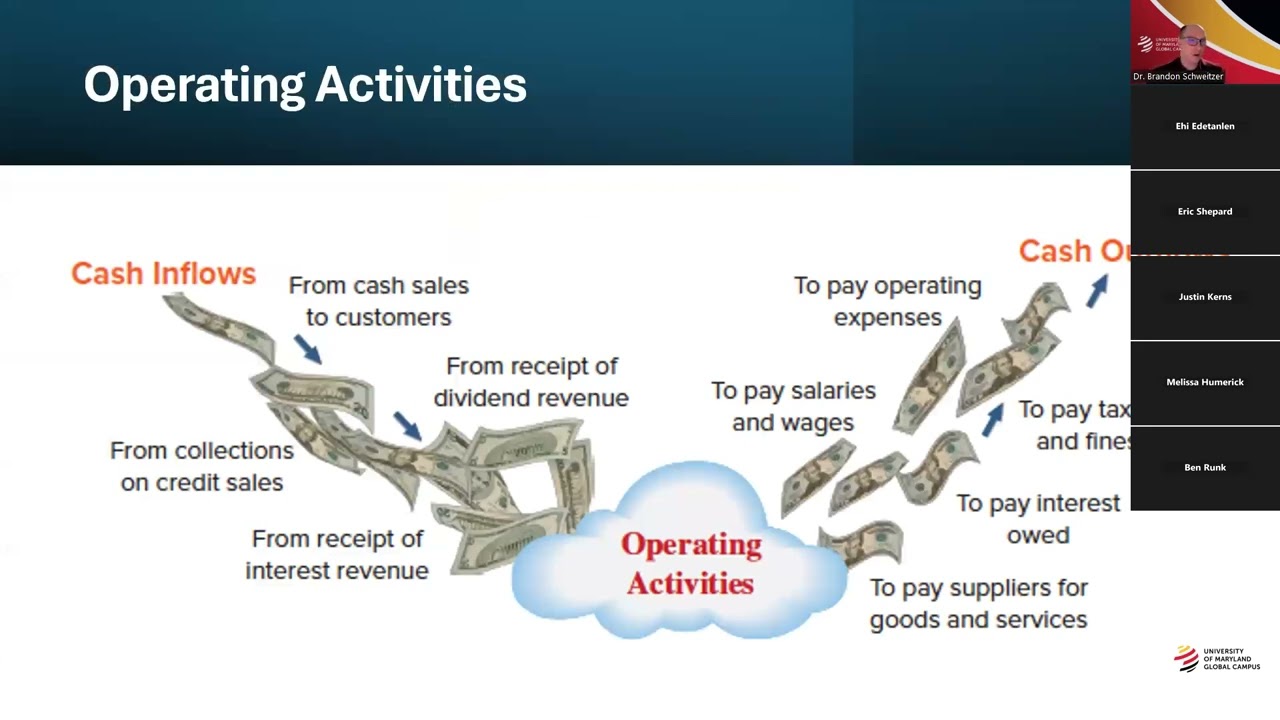
next we go on and find out those things that are making the difference for direct and indirect method is if you can still recall the indirect method starts with the profit before tax or net loss that you have during that year but this is a direct method so we will have to settle this three things here so we're going to do this first which is cash receipt from customer cash receipt from customer will be the one that you collect from your customer from the services that you have provided or from the sales of good that you have made earlier and those collection from them is what you are interested to do this yeah you will do step um we have done step four and now we are doing step step 5 which is to do things on investing activities sorry investing activities and this is not investing this is to do things for cash flow from operating activities so step four is to find out cash flow from investing and financing step five is to find out cash flow from operating so you need to go and adjust out all the don transaction as usual all the non-operating items to review all the accounts that you have in the softb yeah of course now you are left with the operating activities right those operating assets and operating liabilities so you review all those account given you're going to adjust out the affected t account so we are talking about affected t account which are under operating activities right and operating assets and operating liabilities so we're going to finalize how much is the amount that relates to cash payments and cash receipts of that relates to the item so let's look at the first item we're going to do or go and construct our accounts receivable so if you construct your account receivable you're trying to find out the um how much is the amount received from your customer so you're going to put the balance carry it down and balance brought down to the correct site then you're going to put the credit sales if i have to put i put the notes there uh to the uh debit side of the account receivable because sales are credited the currency will start debit right and you're going to close off the account and you get the balancing figure so do that first with the balance at the beginning put the balance at the beginning okay where do you get the balance the balance is from the from here statement of financial position given so you now can do that and then you go and get your sales where do you get the sales the sales is from the statement of profit or loss okay so then with this okay then next um same goes for the sales you just take you need to take the credit sales only you cannot take the but your uh cash sales because cash sale has been collected so we and we are going to focus only on the collection from our customer out of the credit sales okay i've already uh take things that we have done if you notice i'm doing this we have done this right so most of the things we have done right so take the sales put it there so the thing should be repeated for your accounts payable as well so now you can find your cash receipt from your customer and your cash receipt from your customer the balancing figure is going to be five zero four zero five zero four zero and this is five zero four zero here which is in your statement of cash flow so we have this yeah we have this next can i find out what are the cash payments to supply you okay some question will give you the cash payments to supply you uh directly by working out the trade payable account but in this question if you check your information um you can check that in the statement of profit or loss you are given the cost of sale you can take make use of this because of sales and there are no nothing related to purchase account so if there is a point what you need to do is you need to follow my suggestion here is that you're going to set up your inventories account right you're going to set up the inventories account first to find the purchase and then after you have found the purchase you're going to find out what are the uh the cash payments to the supplier so you're going to reconstruct that by uh reconstructing your inventories account sometimes you can also make use of your cost of sales but i'm reconstructing that inventories account so put the balance to take the balance there put the balance at the end of the year yeah here put the cost of sales here where is it you take this now from the statement of financial statement of profit.sorry and then you will get your purchase so i'm going to put some color for purchase to differentiate i'm using some yellow i'm using yellow to show you the purchase and that purchase right is given in the inventories account when you have the balancing figure right and now you put that in your trade table you put it here okay the purchase it must be the credit purchase it must be the credit which is because cash purchase is not in the three table put the balances put the balances so those balances will be from the let me show you here yeah we have done that one for receivable right so you don't have to do that yeah now you know i'm doing things for inventory just now so eventually i've taken the balance yeah oopsie okay and i'm taking the balance for trade payable so beginning ending so take this balance put on the debit credit side this one put on the credit side okay do that with me so that you can understand things better after you've done that you put the balance correctly right okay you'll be able to get the cash payments to the supplier the cash payment to the supplier and that cash payments to the supplier will be an outflow two three nine five cash payments to the supplier how go and total up the credit side and then find out what is the balancing amount by taking the total debit minus all the cred debit entries next is to find out what other last item we have almost done which is cash this one we are done right i put the purple there gonna find out this our last item and uh we will uh you should get this figure for your cash generator from operation so meaning that now if this is the last item that we're going to find cash payments to employees meaning that the salaries that you paid to the employees and any other operating expenses so this one will not include finance costs it will not include taxation will not include the interest paid it will just include the operating expenses so i've set up the operating expenses account here for you you can just have a go here so what you need to do if you have any balances accrued you should put on that credit side any balances that will prepare put on the debit side any accrued credit balance should be on the credit the debit side and if there are any prepayment at the end of the year on the credit side but in our question if you check no information regarding accrued or regarding the prepaid expenses that relates to to our operating expenses so we are done with this yeah we're almost done we just want to relate to the depreciation now and let us look at the information given on the precision that might be relevant to either operating expenses speed so here if you check this one the included in the amine set expenses were depreciation so in your admin expenses it has included the non-cash transaction now you need to go and adjust out just how it means to go and remove from your expenses it has been included you're now going to exclude that so this is step under step 5 where i put here adjust out the affected account with the non-cash transaction right so this one is the hour affected account so the total uh expenses coming from distribution and admin is one four five zero how do you get one four five zero is here in the statement of profit or loss this one these two these two is to color there okay that one you total up right this one i also taken already and mostly done now into the one four five zero and what you need to do is you need to go and remove the depreciation that was in that item so if you were to remove right to remove first you go and put this here because it will be debited to the statement of profit or law so here means that in the statement of profit loss these are what being charged so you're going to put a depreciation where do you get the depreciation the one which is the different that we have done much earlier this one this one this item here okay that item there you will include in your expenses not include you will exclude actually sorry with that glitch there yep you put the deprization and now you can total up here one four five zero minus one hundred and seventy so one two eight zero is the operating expenses speed meaning that that is the payment to employees and other operating expenses so we'll go and transfer that one two eight zero one to a zero transfer it here put it put put it as and outflow so so now you have the total for all your activities the cash generated from operation is 130 65 yep and your net cash flow from operating activities if you total up correctly it will be one one four five and these are where the reference comes from just to show you you can check later i have numbered my working later you can check the answer yeah why the working is being numbered so that for easy reference and then um if you total up this and this is what i call section one right if you watch my videos this is section two this is section three if you total up it should come back if you make the total you can do that here you can just do some sum of this all this and it must come back to the figure here so it is 105 this hundred and five are from here so to cross check what you total up from the three activities should come back to the same figure and with that you are done with your statement of cash flow using the the direct method and this is how you do it do it step by step and the last thing to do is step six that i've forgotten to highlight so step six for you to review all the and transfer all the relevant amount that you have finalized okay in all the t accounts if you if it's necessary all the net changes we have done that all everything in the statement of uh cash flow template where applicable complete the template go and do the subtotal i've done that reconcile the two to have done that yeah all the abc i've done that with that i thank you for watching i hope this really gives you a very good perspective on how to answer cash flow question for direct method and we'll go on by doing more questions later with a more complex situation with that i thank you for watching i'll see you when i will see you and have a nice day ahead assalamu alaikum
Up Next

5:04
Cash Flow Management and Liquidity Forecasting Best Practices
@DeloitteUS
11.4K views•2020-05-21

46:36
Retention Habits of Top DTC Ecommerce Brands Revealed
@SendItPodcast
44K views•2026-03-03

15:23
Decoy Effect: How Pricing Psychology Influences Consumer Spending
@bobinvestsUS
90K views•2026-01-05

17:30
The Planned Obsolescence of Light Bulbs and Tech
@veritasium
25.3M views•2021-03-26
Related Study Plans & Knowledge Roadmaps
Structured learning paths in Business
business
Pop-Up Retail: Strategy, Design & Execution
01Introduction to Pop-Up Retail & Strategic Goal Setting
02Budgeting, Site Selection, and Legal Essentials
03Experiential Retail Design & Visual Merchandising
+ 2 more learning modules
15h5 modules
Explore Roadmap
business
Reg CF: Startup Funding, Marketing & Launch
01Introduction to Equity Crowdfunding & Reg CF
02Platform Selection & Legal Preparation
03Crafting High-Converting Campaign Assets
+ 2 more learning modules
14h5 modules
Explore Roadmap
business
Productized Services: Scaling Solo Freelance
01Foundations of Productized Services
02Packaging and Scope Definition
03Pricing and Subscription Models
+ 2 more learning modules
15h5 modules
Explore Roadmap
business
Gov Procurement: Find, Bid & Win Contracts
01Introduction to Government Procurement & Business Setup
02Small Business Certifications & Set-Asides
03Finding and Analyzing Contract Opportunities
+ 2 more learning modules
14h5 modules
Explore Roadmap