



















Effective cash management requires implementing a 13-week cash flow forecast with cross-functional ownership and governance, combined with a working capital improvement program that identifies root causes through comparing master data against actual invoice data, enabling both immediate tactical actions and strategic initiatives like supply chain financing during periods of high vendor acceptance.
Cash Flow Management and Liquidity Forecasting Best Practices
Added:Understanding the three core financial statements: Income Statement, Balance Sheet, and Statement of Cash Flows.
The fundamental difference between cash-based accounting and accrual-based accounting.
Basic components of working capital, including Accounts Receivable (AR), Accounts Payable (AP), and Inventory.
Key liquidity metrics such as the Current Ratio and Quick (Acid-Test) Ratio.
Advanced scenario analysis and stress testing of cash flow models under macroeconomic shock conditions.
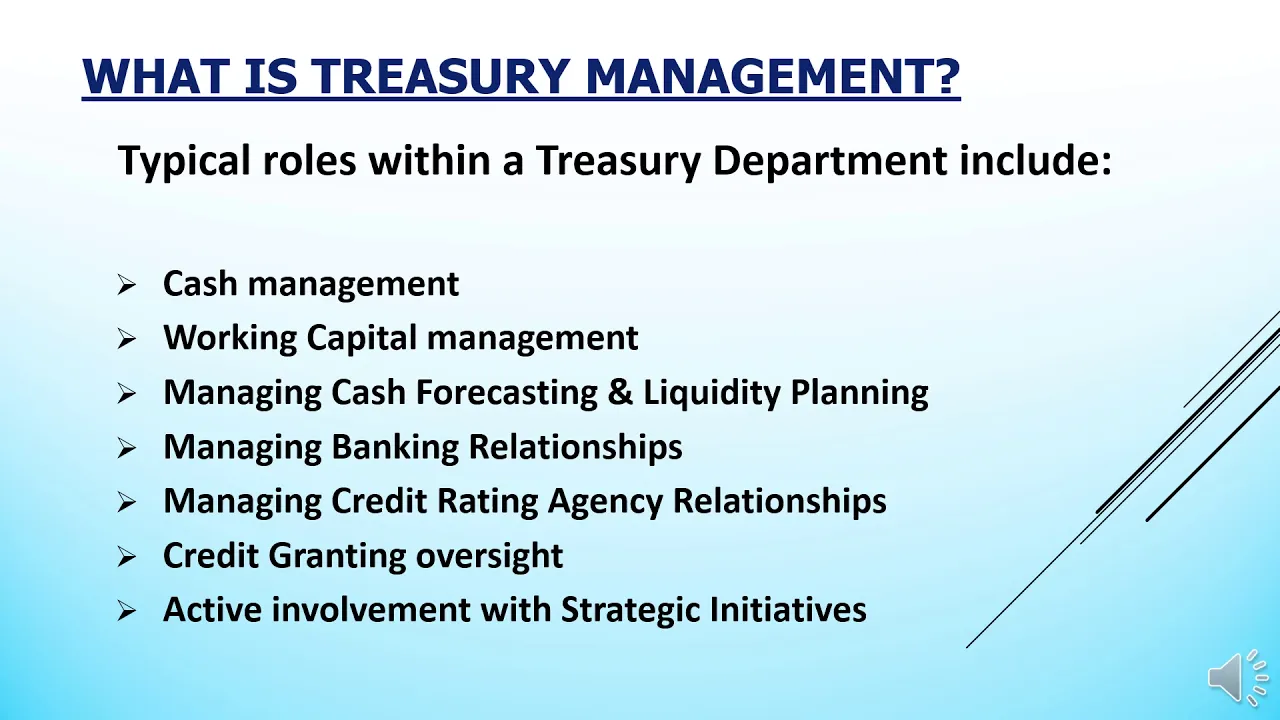
Implementing strategic Treasury Management practices, including yield optimization on excess cash and managing credit facilities.
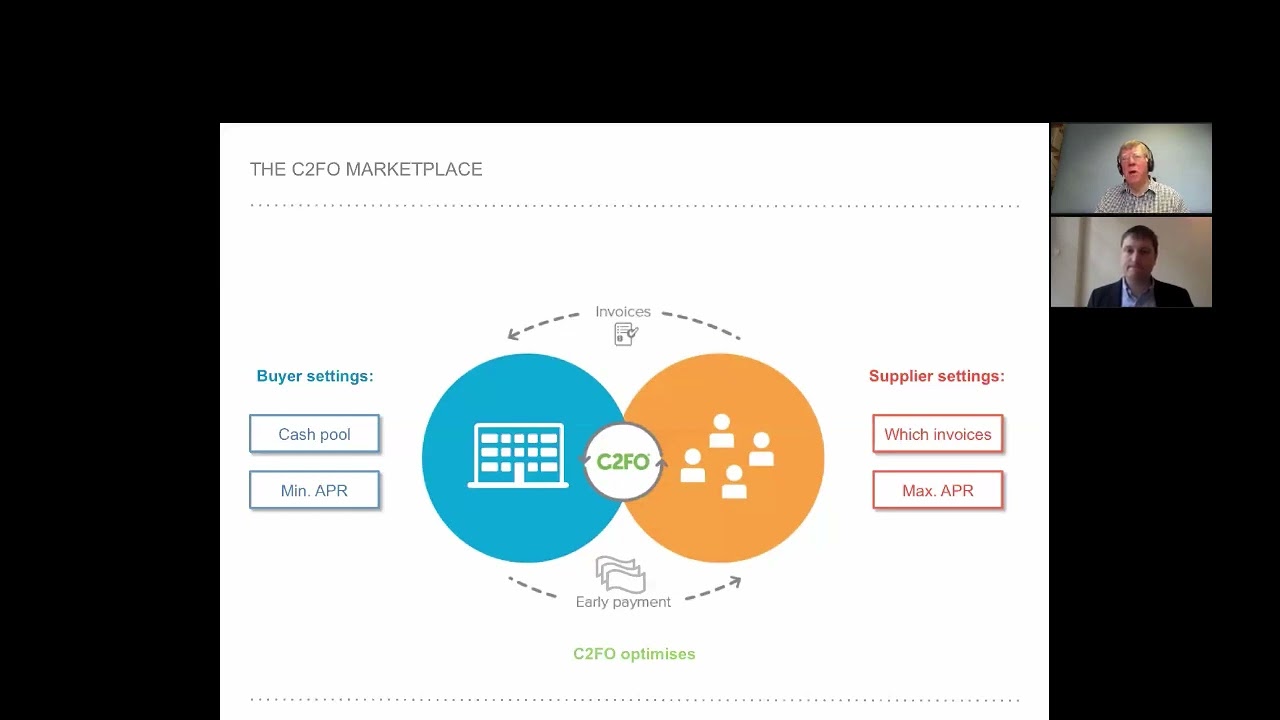
Deploying working capital optimization techniques like supply chain financing, dynamic discounting, and Just-In-Time (JIT) inventory management.
Navigating debt covenants and managing lender relationships during periods of tight liquidity.
11.4K views112likes5:04Original Release: 2020-05-21
hello there I'm will broaden audit partnering of Houston practice I hope each of your families are safe during this time we're going to do something slightly different with thought where you so virtually from our house into yours cash flow management can be a difficult process it can be even more difficult when done so remotely I'd like to turn it over to John little a principal in our advisory practice to talk more in this topic John thank you for that introduction hi I'm John little I'm going to briefly share ways to improve what 95% of businesses are working on right now cash management and liquidity planning and how to make sure you stay liquid that's a big topic and I have just a few minutes so I'm going to cover just two things one creating and using a 13-week cash flow forecast and two executing a working capital improvement program so here we go the 13 week cash flow is a basic tool to manage cash plan for contingencies and coordinate accidents across the organization it's simply a direct method cash flow forecast that shows receipts and disbursements and liquidity sources at a level of detail that's right for the business and many companies this is just a treasury exercise however we suggest to be cross-functional I believe most of you already have something like this but I want to share how we approach the task first we create a map of the model agree on line items to use and how to forecast assumptions then build the model including scenario testing capability and dashboards to highlight key outputs after that test the model versus actuals to see what's working and what you need to change you'll always find something then use it as a management tool so here's an example of a typical 13 week model as you can see it's pretty straight forward receipts and disbursements at an appropriate level of detail and then tie to cash at the end of the week those are the elements build it to suit the business since I suspect many of you have a version of this already I'm just gonna highlight a few key items in our map model mapping process first we strongly suggest you specify the owners of the inputs and that those are executives close to the inputs second established a governance structure those are really basic items but the cash forecast value is highly correlated with executive management's belief in its outputs so they should be closely associated with developing it once the map is agreed to and everyone's on the same page the team should define the level of detail of the forecast and how each item will be forecast over the whole period depending on the time frame some forecast methods will change for instance cash receipts may initially be based on aro ford but switched to sales forecast in the out weeks dashboarding is the next step these outputs should be designed to match your management needs which of course further enhances the usefulness of the forecast the first example shows cash at the entity level useful for managing cash across an organization that may have active cash accounts at every entity the second dashboard is more graphic in nature note it shows a cash need in the out lease one of the reasons we emphasize establishing ownership of the inputs and governance is that in situations like this if the key leaders already believe in the forecast they can concentrate on filling the hole instead of only then challenging the numbers and completely reworking the model that's a good Segway to discussing liquidity improvement in the form of working capital something many of you listening are likely looking at right now some improvement techniques include blunt force actions such as delaying payments those may be necessary however this could also be the right time to implement a holistic program to adjust operations policy data and strategy related to working capital our methodology quickly makes visible the working capital issues that makes the task urgent and then makes it happen and then make it ultimately makes it stick which is important we get to the root causes and size the opportunities by first comparing master data the way you think the vendor and customer world actually is versus the detailed invoice data that shows the way the world actually those worlds actually are so approaching it in this way points to the issues such as potential busts and your processes and controls and generates a lot of other actionable items we don't really have time to fully address here these actions are tactical operational and strategic that you actually may be able to execute right now in the short term however this may not be the best time to execute those strategic actions you may not have time if so that can be your next set of initiatives after this crisis passes however if you're solid financially this may be the perfect time to execute strategic transactions for instance if you've ever thought about putting it in place of supply chain financing or dynamic discounting vendor acceptance may well be at an all-time high right now so that was a lot of information in just a few minutes we're going to offer a virtual discussion soon if you want more information on any of this one more thing if you think you want us to help out on any of this we can even remotely stay healthy and best wishes you
Up Next

19:55
13 Week Cash Flow Model: Financial Forecasting Tutorial
@basicsofbiz
480 views•2024-02-29
46:36
Retention Habits of Top DTC Ecommerce Brands Revealed
@SendItPodcast
44K views•2026-03-03

15:23
Decoy Effect: How Pricing Psychology Influences Consumer Spending
@bobinvestsUS
90K views•2026-01-05

17:30
The Planned Obsolescence of Light Bulbs and Tech
@veritasium
25.3M views•2021-03-26
Related Study Plans & Knowledge Roadmaps
Structured learning paths in Business
business
Pop-Up Retail: Strategy, Design & Execution
01Introduction to Pop-Up Retail & Strategic Goal Setting
02Budgeting, Site Selection, and Legal Essentials
03Experiential Retail Design & Visual Merchandising
+ 2 more learning modules
15h5 modules
Explore Roadmap
business
Reg CF: Startup Funding, Marketing & Launch
01Introduction to Equity Crowdfunding & Reg CF
02Platform Selection & Legal Preparation
03Crafting High-Converting Campaign Assets
+ 2 more learning modules
14h5 modules
Explore Roadmap
business
Productized Services: Scaling Solo Freelance
01Foundations of Productized Services
02Packaging and Scope Definition
03Pricing and Subscription Models
+ 2 more learning modules
15h5 modules
Explore Roadmap
business
Gov Procurement: Find, Bid & Win Contracts
01Introduction to Government Procurement & Business Setup
02Small Business Certifications & Set-Asides
03Finding and Analyzing Contract Opportunities
+ 2 more learning modules
14h5 modules
Explore Roadmap