






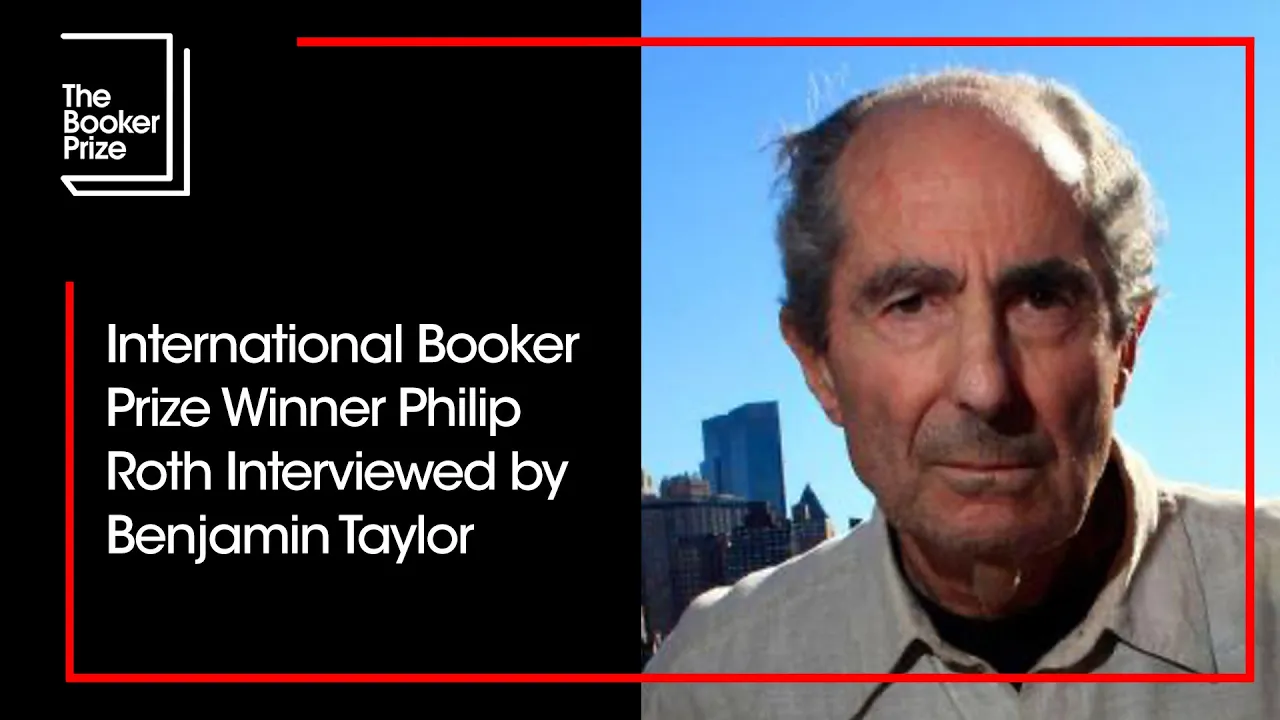






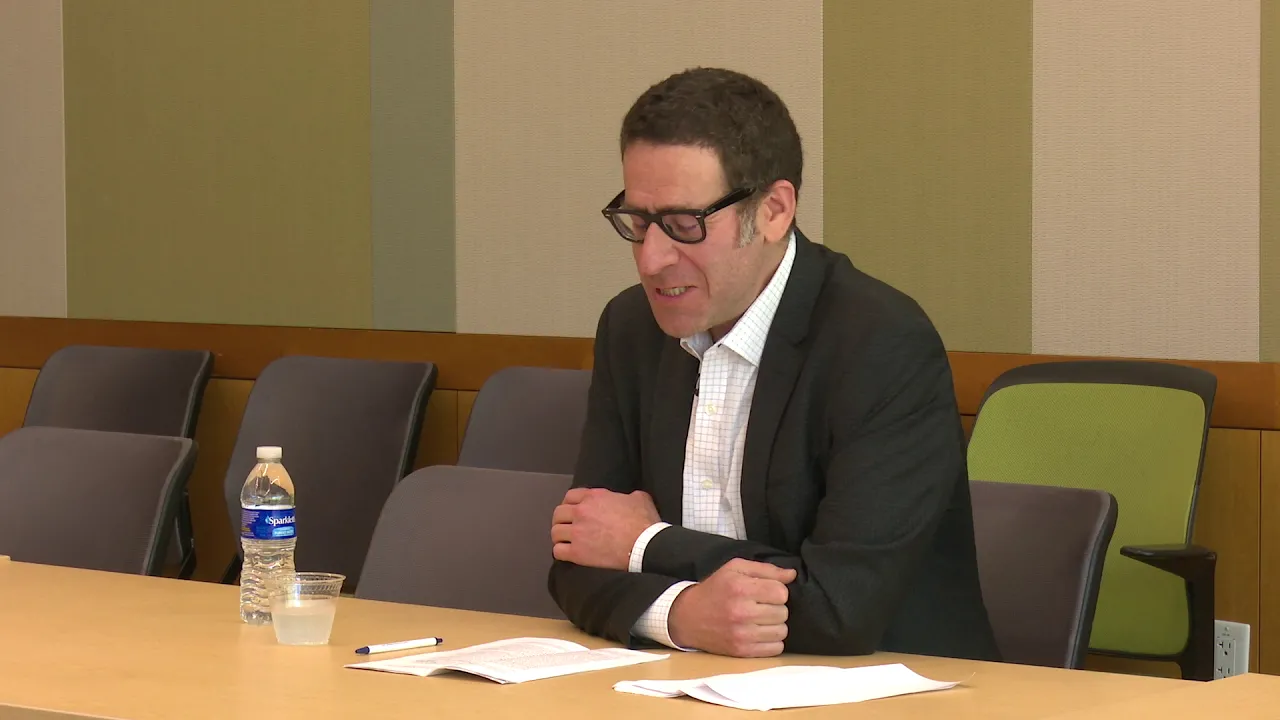


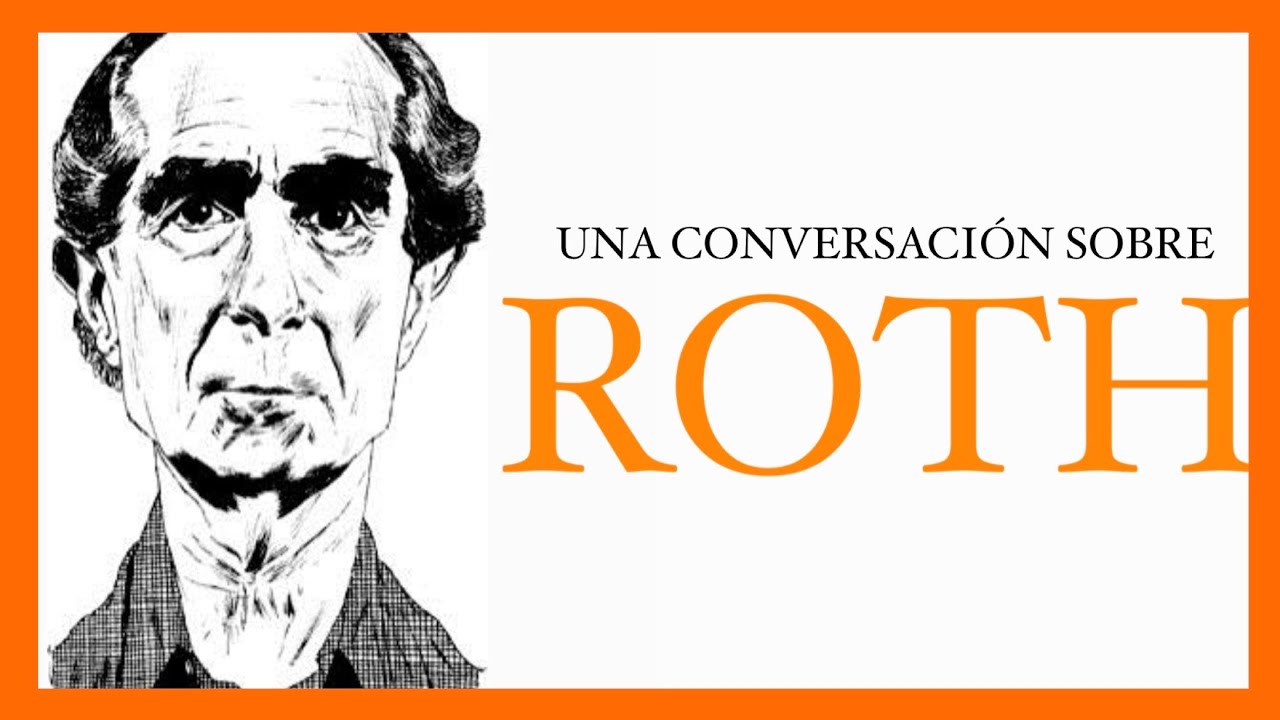










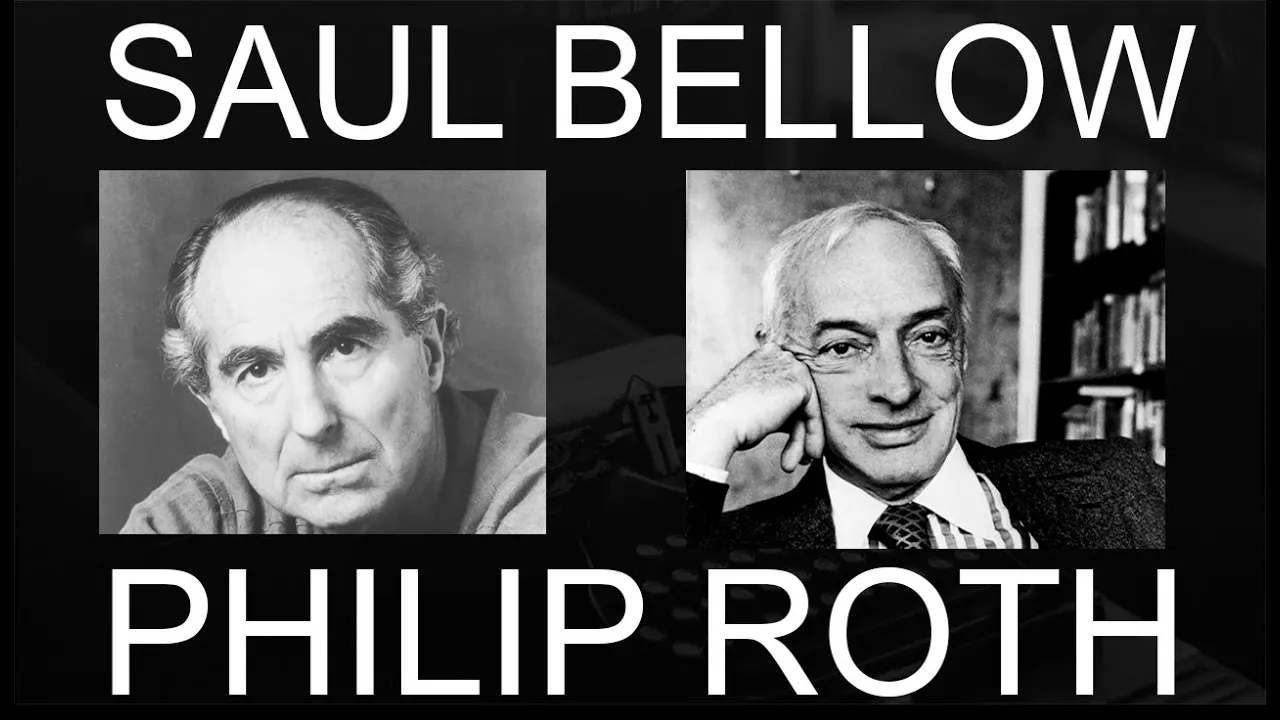




Philip Roth describes Saul Bellow as a literary powerhouse whose works, including 'The Adventures of Augie March' and 'Herzog,' revolutionized American literature through their abundant language, ferocious energy, and deep character portraits of large, energetic figures navigating the 'moronic inferno' of modern life; Roth emphasizes that Bellow, alongside William Faulkner, dominated 20th-century American literature, possessing extraordinary versatility across tools and approaches while maintaining authentic voice and profound engagement with deep issues.
Philip Roth on Saul Bellow: Final Interview & Literary Friendship
Added:Familiarity with the major themes of post-World War II American literature, particularly the evolution of the realistic novel in the mid-to-late 20th century.
An understanding of Saul Bellow's literary significance, including his key works (such as 'The Adventures of Augie March' and 'Herzog') and his Nobel Prize-winning status.
A foundational knowledge of Philip Roth's own career, writing style, and thematic preoccupations, such as American identity, Jewish-American life, and secularism.
Context on the Jewish-American literary renaissance of the 20th century and how it reshaped mainstream American cultural narratives.
Conducting a comparative analysis of the narrative voices, existential themes, and character development in the works of Roth and Bellow.
Exploring the dynamics of literary mentorship, artistic friendships, and mutual influence among mid-century American writers.
Investigating Philip Roth's late-career reflections on mortality, legacy, and his retirement from writing, as seen in his final interviews and novels like 'Everyman'.
Examining the historical and cultural shift in American letters from modernist sensibilities to postmodernism through the lens of Roth's and Bellow's bibliographies.
29.4K views408likes8:39Original Release: 2022-12-07
- I met Saul in the 1950s, 1956.
I was a young 23-year-old instructor in English at the University of Chicago and he came to visit one of the classes that a friend of mine taught and that's when we first met.
And we had coffee afterwards and I was of course in awe of him at that time.
I'd read "Augie March" several times by then.
The first time was in college when it was like nothing I'd ever read before.
And then when I got to Chicago as a graduate student, a few years earlier, I read it again.
It was my guidebook to Chicago.
He was a great literary hero of mine.
Well, he was always dressed very dapperly, very sharp, in the Chicago way.
He was very handsome, had these wonderful expressive eyes, wonderful face.
He could be very biting, as we know.
When I first knew him, he was not really in love with me and so he could be very biting and didn't make any difference to me, I was in love with him.
And we didn't really become friends till Saul and Janis moved to Vermont, which was not that far from my house here in Connecticut and we began to see each other.
And then I would make an annual pilgrimage with some friends to Vermont.
We stayed in a nearby inn and we spend half the week with the Bellows and that was always very precious time.
Then I saw him when he came to New York and we spoke on the phone quite frequently.
- "Augie March" was a revolutionary book.
Its fullness, it wasn't just abundant, it was super abundant, speaking of the language and there was a ferocious energy, there was a kind of inspired carelessness.
It wasn't a weak carelessness, it was an audacious carelessness.
"Herzog" was an ingenious book.
Ingenious in its inventions, especially inventions of those letters that he writes through the great and ingenious in its depth of feeling.
And above all, of course, Saul was a great portrait painter.
The principle fascination in these books is character, not the narrator necessarily, but the great Brobdingnagian figures that surround him, the great big figures that surround him.
And Saul was very moved and excited by large, energetic, audacious people.
And those people wind up in the books and they're great fun to read about.
And this is the Chicago-ness of the books.
He got something of the, what he called the moronic inferno.
I think that's the phrase that Martin likes too.
The moronic inferno of business, of commerce, of popular culture.
All that came through in these large figures, you know?
- Yeah, well, that was monsters in quotation marks.
But yes, he did like transgressive souls.
He did like people who spoke audaciously, who spoke at whatever level of discourse, who spoke creatively, even monstrously.
The monstrous in human life did not delight him.
In a crucial place in "Herzog," he goes to a courtroom, he happens to be in the court building and he has time to waste and he goes into a courtroom where they're trying a man and a woman for killing a child.
The lover of the woman had hurled her little child against the wall, smashed his brains out and Herzog sits there watching and when he leaves the courtroom, he says, "I fail to understand. I fail to understand."
So he was shaken by the monstrousness.
When I see monstrous characters, I wasn't speaking of that kind of violent monstrousness.
The 20th century, the first half of the 20th century in America literature is dominated by two major figures, William Faulkner and Saul Bellow.
Saul extends into the second, third quarter of the century too.
But the two major figures are the backbone of American literature in the 20th century was Faulkner and Bellow.
And you could say Faulkner was a southern writer.
Well, he was a southern writer.
But his importance is a big influence on American writing, and a powerhouse, Saul was a powerhouse.
Faulkner was a powerhouse.
Melville was a powerhouse.
Henry James was a powerhouse.
There are only three or four in each century, you know, who could say have great power and force, conviction, authenticity, range.
- Absolutely, he's the very definition of a powerhouse.
His books knocked you over.
He has great power.
The power of language, the power of creating character, the power of engaging deep issues, power of deep contemplation, the power of considerable erudition.
There are very few tools that he couldn't pick up and use.
You know, he had a big toolbox.
- Yes. He threw his head back.
I think it would roll off, you know?
He'd throw his head way back and laugh.
He loved to be amused.
He was amused often.
He was outraged, just as often.
He could be angry, he could be biting, as I said.
He could be intolerant, I thought.
He could be narrow-minded.
He was a man.
But he had a great capacity for pleasure for the sensuous life, a great passion for music, and for of course, for literature and for thinking.
He had a great mental life.
There was once a joke that Saul liked, that I now remember.
And it was a very simple joke that I told him.
It's about two guys walking down the street.
One guy's coming from this direction, one guy's coming from this direction.
And one says the other one, "Excuse me, do you pronounce the word Hawaii or Havaii?"
And the guy says, "Havaii."
He says, "Thank you."
He says, "You're velcome."
(both laugh) So when you tell me, "Thank you," I was tempted to say, "You're velcome."
It's the essential joke.
It's the first joke I think I was ever told.
(gentle music)
Up Next
13:12
Jane Eyre by Charlotte Brontë: A Critical Analysis
@crashcourse
1.6M views•2014-04-10

13:43
Formalism in Literary Criticism: An Academic Lecture Overview
@mattalberhasky9952
39.1K views•2015-08-05

6:08
Point of View in Fiction: First Person vs. Third Person
@magicalthriftyteacher
153.8K views•2014-03-31

15:25
1984: Orwell's Dystopian World and the Mechanisms of Totalitarianism
@AlternateHistoryHub
7M views•2017-03-04
Related Study Plans & Knowledge Roadmaps
Structured learning paths in Literature
literature
Graphic Memoirs: Visual Art, Trauma & History
01Foundations of Sequential Art and Visual Language
02Autographics and Processing Historical Trauma
03Visualizing Personal Trauma, Grief, and Graphic Medicine
+ 2 more learning modules
14h5 modules
Explore Roadmap
literature
Campus Novels: Evolution, Themes & Critique
01Introduction to the Campus Novel Genre
02Mid-Century Satire and the Post-War Academy
03Dark Academia and the Critique of Privilege
+ 2 more learning modules
14h5 modules
Explore Roadmap
literature
Theater of the Absurd: Philosophy & Plays
01Postwar Existentialism & Historical Roots
02Dismantling Narrative: Esslin & Absurdist Conventions
03Samuel Beckett and Tragicomic Existentialism
+ 2 more learning modules
12h5 modules
Explore Roadmap
literature
Revenge Tragedy: Justice, Madness & State
01Foundations of Early Modern English Theatre
02Anatomy of Revenge: Structural Conventions
03Psychological Complexity: Madness and Melancholy
+ 2 more learning modules
15h5 modules
Explore Roadmap