





















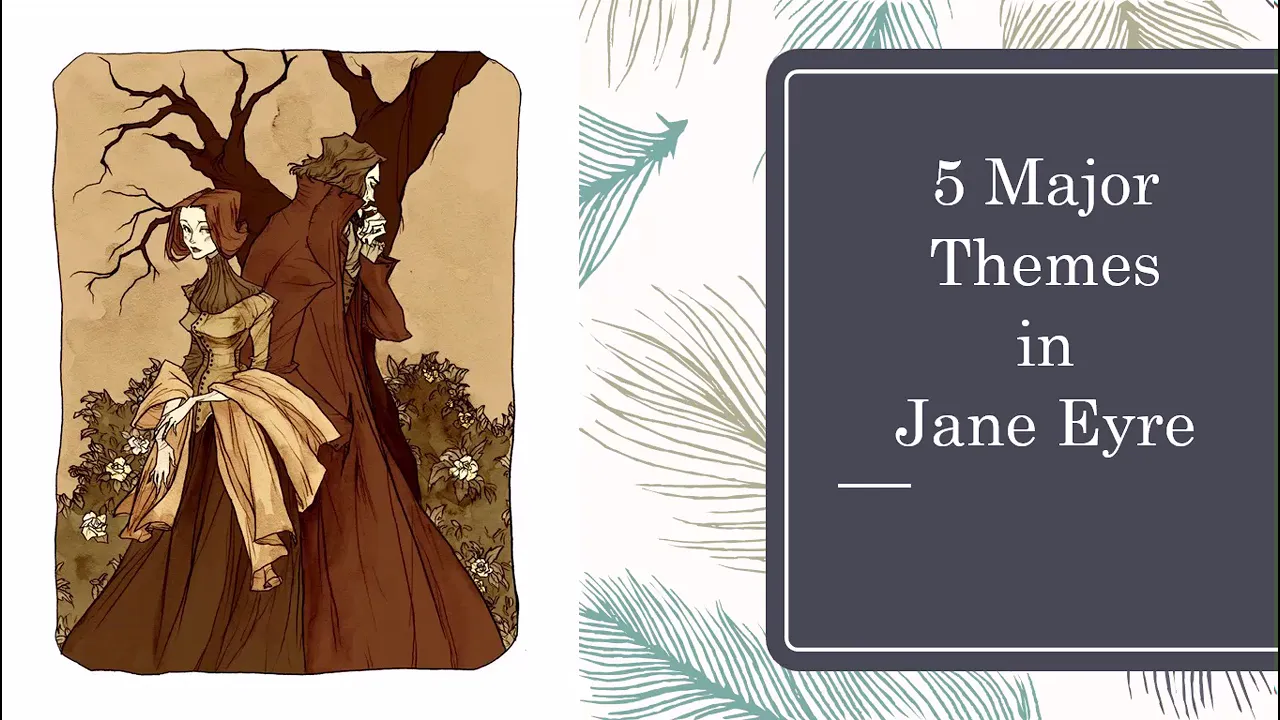
Charlotte Brontë's 'Jane Eyre' (1847) is a groundbreaking bildungsroman that follows Jane's journey from abused orphan to independent woman, blending Romantic and Gothic traditions with psychological realism; the novel challenges Victorian gender norms through Jane's assertion that women need intellectual exercise and career opportunities, while the character Bertha Mason serves as a dark mirror reflecting Jane's repressed desires, complicating the novel's seemingly happy ending.
Jane Eyre by Charlotte Brontë: A Critical Analysis
Added:A foundational understanding of the plot, characters, and key narrative events of Charlotte Brontë's 'Jane Eyre'.
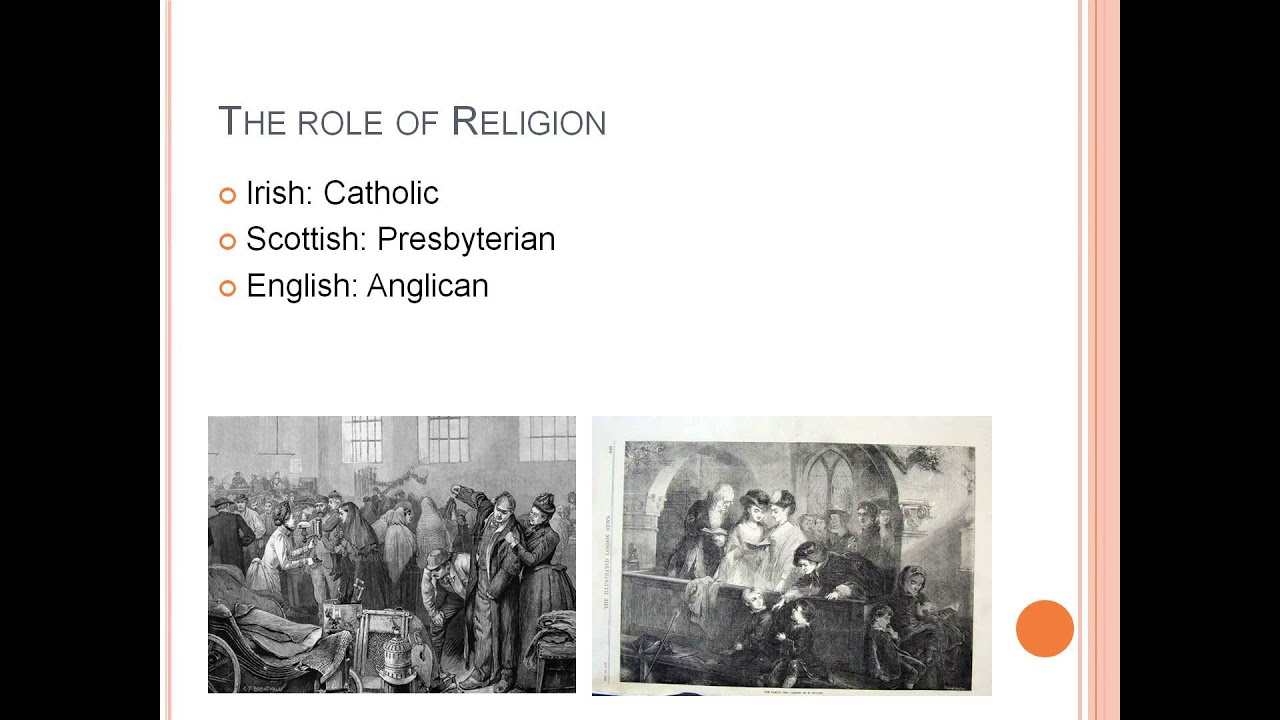
An overview of the Victorian Era in England, specifically regarding rigid social classes, gender norms, and religious expectations of the 19th century.
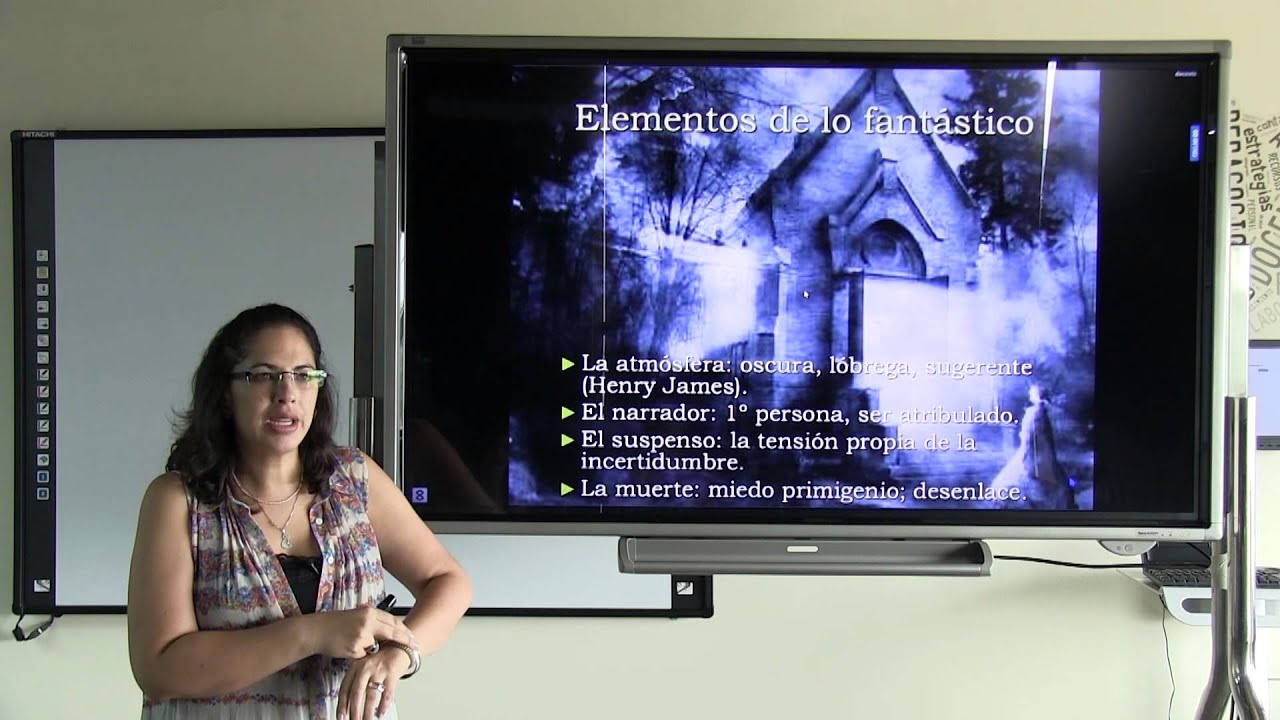
Familiarity with the conventions of Gothic literature, including the Byronic hero, haunted houses, and psychological projection.
Basic concepts of literary analysis, such as identifying themes, motifs, symbolism, and narrative voice (first-person retrospective narrator).
Exploring postcolonial critiques of 'Jane Eyre' by studying Jean Rhys's 1966 novel 'Wide Sargasso Sea', which acts as a prequel focused on Bertha Mason.
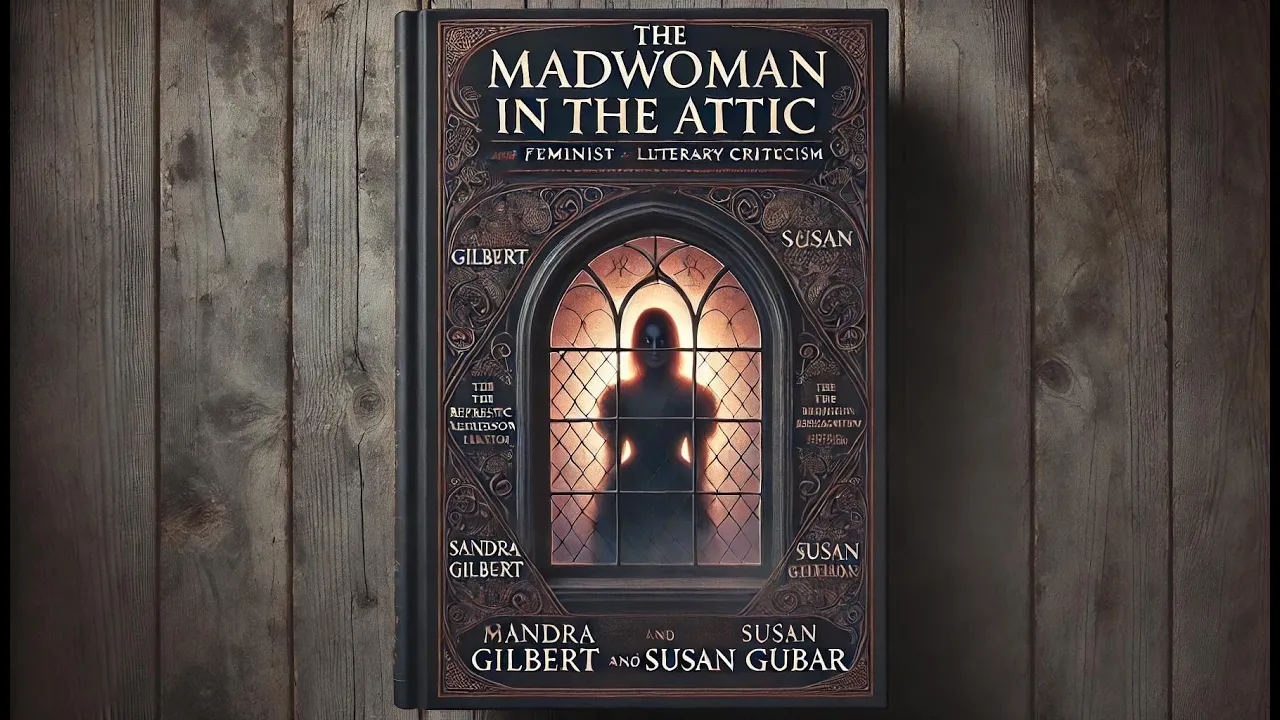
An in-depth study of the landmark feminist literary criticism text 'The Madwoman in the Attic' by Sandra Gilbert and Susan Gubar.
A comparative analysis of the Brontë sisters' works, contrasting Charlotte's worldview in 'Jane Eyre' with Emily's 'Wuthering Heights' and Anne's 'The Tenant of Wildfell Hall'.
An exploration of the 'Bildungsroman' (coming-of-age novel) genre to see how Jane's psychological and spiritual development influenced modern female protagonists.
1.6M views32.4Klikes13:12Original Release: 2014-04-10
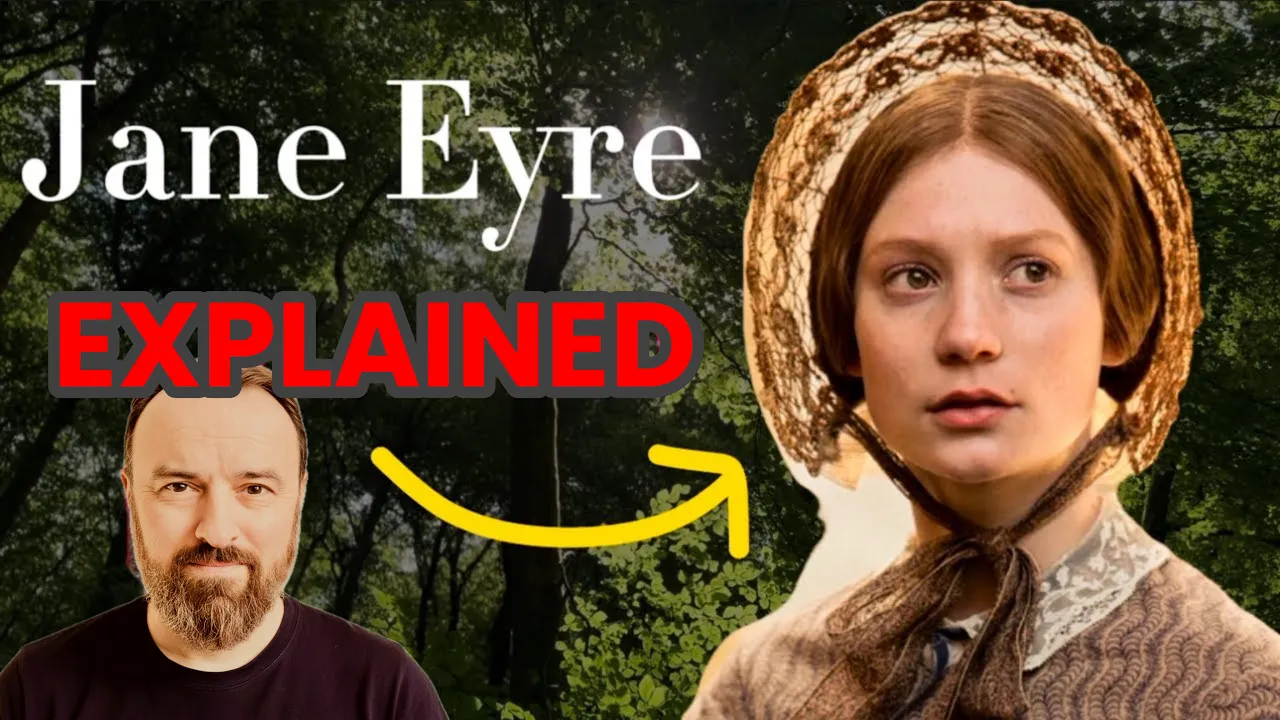
Hi, I’m John Green, this is Crash Course Literature, and today we’re going to be talking about Charlotte Bronte’s “Jane Eyre.” It’s a classic! It says so right on the spine.
Mr. Green! Mr. Green! You sound like Dirty Harry.
Yup, I got a cold, Me From the Past.
Plus, it was just kind of a tubercular era, so I thought I would try to capture it by bringing you my husky voice.
Mr. Green! Mr. Green! You sound like the voice of Death Itself.
You know what, Me From the Past? I know that you skipped school when you skinned your knee, but some of us are committed to learning.
So “Jane Eyre” is full of wisdom, but here’s an important lesson, all you Crash Course viewers: If any of you decide to embark on a career as a governess and you end up, like, working for a mysterious stranger at an isolated house tutoring his sexually precocious illegitimate daughter and this mysterious employer proposes marriage, take a walk up to the attic. Because it is quite likely that you are going to find an insane syphilitic arsonist spouse locked up there. And that’s going to be bad for your relationship.
[Theme Music] So “Jane Eyre” was one of the great successes and scandals of the Victorian age, and as soon as it was published in 1847, people began trying to identify the author who wrote under the alias Currer Bell.
Ugly men of fashion gave themselves “Rochester airs,” ladies adopted “Jane Eyre graces.” Some critics decried the novel as dangerous and anti-religious owing to its outspoken heroine.
But no less a reader than Queen Victoria called it, “really a wonderful book, very peculiar in parts, but so powerfully and admirably written.” Stan, I can’t believe you gave Queen Victoria that voice.
It’s totally unfair to her. She was a lovely monarch!
So Charlotte Brontë was born in 1816 into a typical English family, except that pretty much everyone was a literary genius and died tragically young from tuberculosis and opium and repressed desire. You know, it was Victorian England.
As a child, Charlotte Brontë was sent away to school with three of her sisters, two of whom died while in attendance. So Brontë returned home and she and her surviving siblings created the elaborate fictional worlds of Gondal and Angria, full of intrigue and passion and ridiculous names. Basically Harry Potter. No, it wasn’t really like Harry Potter.
It was more like all that extra Lord of the Rings stuff, you know, like the Elvish dictionaries.
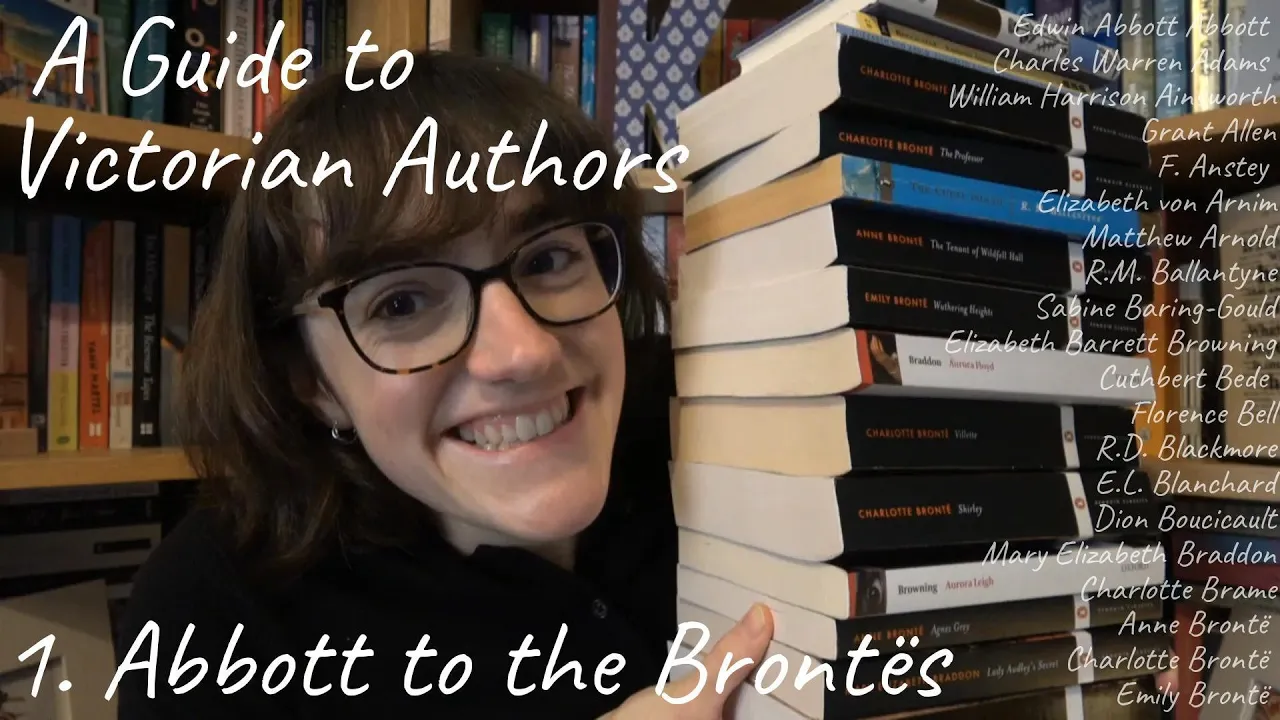
Then Brontë became a schoolteacher and eventually a governess, experiences that she drew on while writing “Jane Eyre,” which she published just after her sister Emily brought out “Wuthering Heights” and just before her sister Anne published “Agnes Grey,” all under male pseudonyms of course. Lest you think all Brontës were brilliant, for the record, their brother Patrick was a terrible writer. I feel a little bad saying that because he died of tuberculosis and opium overdose when he was just 31, but he had no potential. Anyway, Charlotte’s pseudonym was Currer Bell and as she wrote to the novelist Elizabeth Gaskell, she felt that the alias gave her daring. If she relinquished it, she said, “strength and courage would leave her and she should ever after shrink from writing the plain truth.” Brontë lived long enough to publish three more books and get married before dying at the age of 38 from tuberculosis and complications associated with pregnancy. Did everyone have tuberculosis in 19th century England? So, what actually happens in the story? Well, let’s go to the Thought Bubble: Sad orphan Jane Eyre is raised by her mean aunt, who neither likes nor loves her. Jane leaves this miserable situation for a charity school (very much like the one that Brontë attended) at which many of the girls die of typhus. She completes her schooling, teaches at the school for a while, and then decides she wants a wider experience of the world, so she takes a job as governess at Thornfield Hall, the country estate of the gentleman Mr. Rochester. Despite many red flags, including an episode in which Mr. Rochester disguises himself as a fortune telling gypsy woman in an attempt to find out how Jane feels about him, they fall in love Just when they’re about to marry. Jane learns that Mr. Rochester is actually already married — to an insane woman that he keeps locked in the attic. Jane flees and after nearly dying from cold and hunger, she’s rescued by the Rivers siblings who conveniently turn out to be her long lost cousins. She’s at the point of being bullied into marrying one of these cousins when she senses that Mr. Rochester calling her. He lost an eye and a hand when his wife burned down Thornfield Hall, but on the upside, his wife died in the fire, so he is now an eligible bachelor. Jane is free to marry him and his sight is miraculously restored, and everyone not already dead lives happily ever after.
Thanks, Thought Bubble. Now that plot summary may not make it sound like a terribly sophisticated novel, but in fact, I think it’s one of the most sophisticated novels of the 19th century.
Like as with a lot of great works of literature, it’s pretty hard to assign “Jane Eyre” to just one genre. I mean, to get things off to a complicated start, the subtitle calls the book an autobiography. But clearly it isn’t, because it has an author’s name that isn’t Jane Eyre.
But then again, in a more abstract sense, maybe it is. Like one of the book’s first admirers, George Henry Lewes wrote, “It is an autobiography, — not, perhaps, in the naked facts and circumstances, but in the actual suffering and experience—it is soul speaking to soul; it’s an utterance from the depths of a struggling, suffering, much- enduring spirit.” Lewes’s companion, the novelist George Eliot (another female writer who used a male name) described Brontë almost exactly as Brontë would describe Jane Eyre, as “a little, plain, provincial, sickly-looking old maid.
Yet what passion, what fire in her!” And that really gets at something at the heart of “Jane Eyre,” like people assume that women who are plain and provincial and sickly-looking didn’t have the rich inner lives and the fire and the passion that we find in Jane Eyre.
And that’s part of what made the novel so revolutionary and so popular with female readers.
I mean, any reader who learns even a little of Brontë’s biography will notice a lot of overlap between her experiences and Jane Eyre’s, like, particularly in the descriptions of Jane’s time at the charity school and also her sense of the intermediate position between servant and lady that a governess occupies.
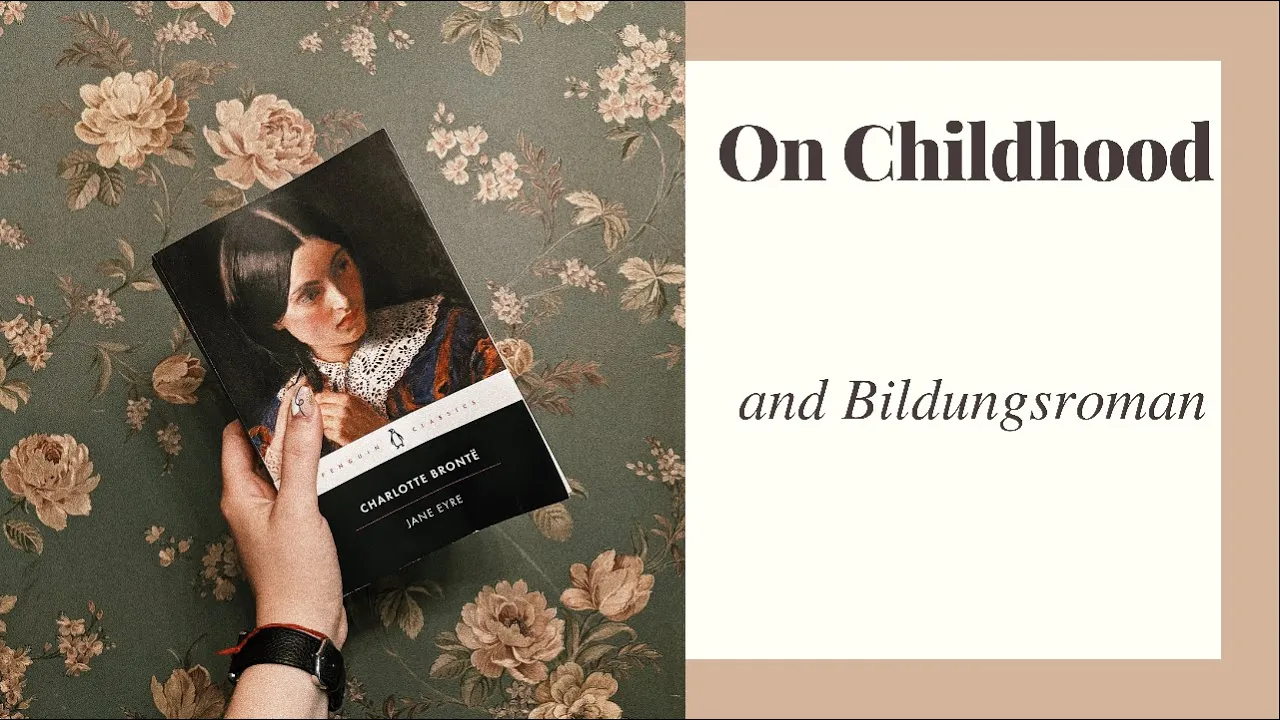
But whether you choose to read “Jane Eyre” as a fictionalized autobiography, it is certainly a great bildungsroman.
A bildungsroman is a fancy German term that we use to describe a novel about a young person’s education or coming of age. So at the beginning of the book, Jane has no education and is punished whenever she tries to think for herself or defend her independence.
But then in each subsequent section of the novel—the school, Thornfield, her escape, her return —Jane learns something that helps her make her way in the world and to assert herself.
And it’s only at the end of the novel, when she can approach Mr. Rochester as an equal partner rather than a dependent, her education is complete.
“Jane Eyre,” like Mary Shelley’s “Frankenstein,” borrows from the traditions of the Romantic and gothic novels, like from Romanticism we get the radical focus on the individual and some of Jane’s interest in dreams and intuition and the supernatural.
And from the gothic tradition, we get the fun page-turner stuff: the mysterious house with the person you don’t expect to be there, the mad wife, the arson, the stabbing, the shock of the interrupted marriage ceremony. These days we associate so-called “genre novels” with a lack of seriousness, but what makes “Jane Eyre” special is its seriousness and its psychological realism. It’s also, and I think this is something that goes underappreciated a lot when we talk about books, really good writing sentence to sentence.
I mean, this book came out more than 160 years ago but the writing is so clear and so precise that it often feels contemporary.
The poet and critic Adrienne Rich wrote of “Jane Eyre,” “It takes its place…between the realm of the given, that which is changeable by human activity, and the realm of the fated, that which lies outside human control: between realism and poetry.” And we noted earlier how for most of the novel, Jane is between servant and lady, Mr. Rochester is between married and unmarried, and Bertha, the mad woman in the attic, is portrayed as being between an animal and human. So all kind of like crazy - oh it must be time for the open letter. Oh look, it’s Funshine Bear. We can’t all be as happy as you are, buddy. An open letter to Psychotropic Drugs.
Dear Psychotropic Drugs, there’s this whole thing about how, like, artists need to be mentally ill and, need to, like, wallow in their illness in order to create things.
But when I read about the way that mental illness was dealt with in Victorian England, I feel profoundly grateful to you. In the end, Psychotropic Drugs, you don’t make me less creative, you make it possible for me to create.
Long story short, Psychotropic Drugs, I am very grateful that I don’t live in a 19th century English attic. Best wishes, John Green. Crazy, horrifying, very gothic things keep happening to Jane, but she reacts to most of them in her level-headed governess way.
Someone tries to burn Mr. Rochester in his bed? Someone bites his houseguest? She stops to ask herself, “What crime was this that lived incarnate in this sequestered mansion, and could neither be expelled nor subdued by the owner?—what mystery, that broke out now in fire and now in blood, at the deadest hours of night?” Jane has these terrible disturbing dreams the night before her wedding and a horrible lady monster thing appears in her room and rips her bridal veil in two? But Jane manages to just put it all aside, and goes through with the ceremony.
It’s not until a man stands up in church and reads out a notarized document explaining everything that Jane admits there’s definitely something suspicious going on. And it takes her another day to decide to leave Thornfield. So we know that “Jane Eyre” isn’t a detective novel, right? Let’s just take a moment to acknowledge that while Jane is a feisty and very appealing heroine, she is no Sherlock.
So why does Jane keep failing to recognize what seems to the reader so obvious? Well, if you’ve ever been in love, then you might have noticed you have an astonishing ability to ignore red flags. For instance, Meredith used to date a ginger (red flag #1), who kept hitting on her roommate (red flag #2), and eventually, of course, you know, it happened. By “it,” I of course mean that he burned her bed. I’m sorry gingers, that was a cheap joke, but I do dislike Meredith’s ex-boyfriend. Anyway, more importantly than any of that, in the middle of the novel, Jane’s education is still ongoing. She hasn’t yet achieved financial independence or independent thought, she hasn’t yet found the strength to give up Mr. Rochester when he proposes that she live with him as his mistress.
And by the end of the novel, she’s much better at reading clues. Like when she hears Mr. Rochester’s voice calling out to her from clear across the country, she doesn’t think, “Wow, that seems improbable.” She goes!
And when she finds him, he’s lost his sight, but of course, Jane has finally learned how to see, to pay attention not just to what’s in front of her, but also what’s happening beyond and beneath the visible world. So when Charlotte Brontë was young, she wrote to the poet Robert Southey hoping for encouragement. He acknowledged her talent, but told her not to waste any more time at it because, “Literature cannot be the business of a woman's life, and it ought not to be.” Now Jane seems perfectly happy to give up writing her autobiography in favor of having all of Mr. Rochester’s babies and her declaration, “Reader, I married him” is probably the most famous sentence in the book. But it’s important to remember that Jane doesn’t marry Mr. Rochester until she can meet him on an equal, if not superior footing. Like earlier in the book he has all the money and all the power and all the secrets, right? By the end of the novel, she has money, and also vision, both literal and metaphorical. Jane consistently rejects men who try to control her and she shows a lot of perceptive critiques of gender dynamics, like a passage in which she declares: “Women are supposed to be very calm generally: but women feel just as men feel; they need exercise for their faculties, and a field for their efforts as much as their brothers do…and it is narrow-minded in their more privileged fellow-creatures to say that they ought to confine themselves to making puddings and knitting stockings.” Sorry, pudding lovers but this novel clearly says to heck with pudding! I’m only making pudding when I can make pudding on my own terms! Also, who would want to wear knitted stockings?
So I think you can read the novel as striking at least a soft blow for gender equality, but many feminist critics, like Sandra Gilbert, sense that there’s something a little more disturbing going on in Jane’s journey from abused child to perfect Victorian wife.
Gilbert focuses where very little of the actual novel does, on that mad woman in the attic, Mr. Rochester’s first wife, Bertha Mason. I mean, was Bertha really the fallen woman that Rochester describes? Let’s remember that Mr. Rochester freely admits to keeping a lot of mistresses, but the novel never really scolds his sexual behavior.
Meanwhile, keeping mentally ill, inconvenient wives chained to the attic, which, by the way, really happened in Brontë’s day, is more or less approved of.
Now some read Bertha, who hails from a tropical island and has dark skin, as a commentary on Britain’s treatment of its colonies. But my favorite reading is to see Bertha as a kind of dark mirror for Jane, of all the feelings and desires that Jane has to repress in order to fit the mold of Victorian womanhood, a creature who “snatched and growled like some strange wild animal” while Jane sews and teaches geography.
I mean, every time that Jane gets upset—like when Mr. Rochester talks about all of his mistresses or fools her with that weird gypsy thing— it’s Bertha who acts out.
And when Jane feels anxious about her marriage, Bertha comes to her room and rips the veil.
And let’s not forget that it’s Bertha—wild, untamed, sexual Bertha—who has to die in order for Jane and Mr. Rochester to finally get married.
Jane has to lose part of her nature to fit into the expectations of her social order and in that sense at least, this happily ever after ending isn’t entirely happily ever after.
Thanks for watching. I’ll see you next week.
Crash Course is made with the help of all of these nice people, and it exists thanks to the support of our subscribers over at Subbable. You can find great perks by clicking that link right there - there’s also a link in the video info below. Thank you for watching, and as we say in my hometown, “Don’t forget to be awesome.” P.S. - There’s now an amazing Crash Course US History poster made by our friends at Thought Cafe, so if you want to get that, there is a link in the video info below. You can support us that way, or support Thought Cafe.
Up Next

6:13
The Color Purple as Bildungsroman | Alice Walker Analysis
@MASSOLITeducation
235 views•2024-08-23

13:43
Formalism in Literary Criticism: An Academic Lecture Overview
@mattalberhasky9952
39.1K views•2015-08-05
12:38
Frankenstein, Part 2: Romanticism and Critical Readings
@crashcourse
1.1M views•2014-04-03

15:25
1984: Orwell's Dystopian World and the Mechanisms of Totalitarianism
@AlternateHistoryHub
7M views•2017-03-04
Related Study Plans & Knowledge Roadmaps
Structured learning paths in Literature
literature
Graphic Memoirs: Visual Art, Trauma & History
01Foundations of Sequential Art and Visual Language
02Autographics and Processing Historical Trauma
03Visualizing Personal Trauma, Grief, and Graphic Medicine
+ 2 more learning modules
14h5 modules
Explore Roadmap
literature
Campus Novels: Evolution, Themes & Critique
01Introduction to the Campus Novel Genre
02Mid-Century Satire and the Post-War Academy
03Dark Academia and the Critique of Privilege
+ 2 more learning modules
14h5 modules
Explore Roadmap
literature
Theater of the Absurd: Philosophy & Plays
01Postwar Existentialism & Historical Roots
02Dismantling Narrative: Esslin & Absurdist Conventions
03Samuel Beckett and Tragicomic Existentialism
+ 2 more learning modules
12h5 modules
Explore Roadmap
literature
Revenge Tragedy: Justice, Madness & State
01Foundations of Early Modern English Theatre
02Anatomy of Revenge: Structural Conventions
03Psychological Complexity: Madness and Melancholy
+ 2 more learning modules
15h5 modules
Explore Roadmap