






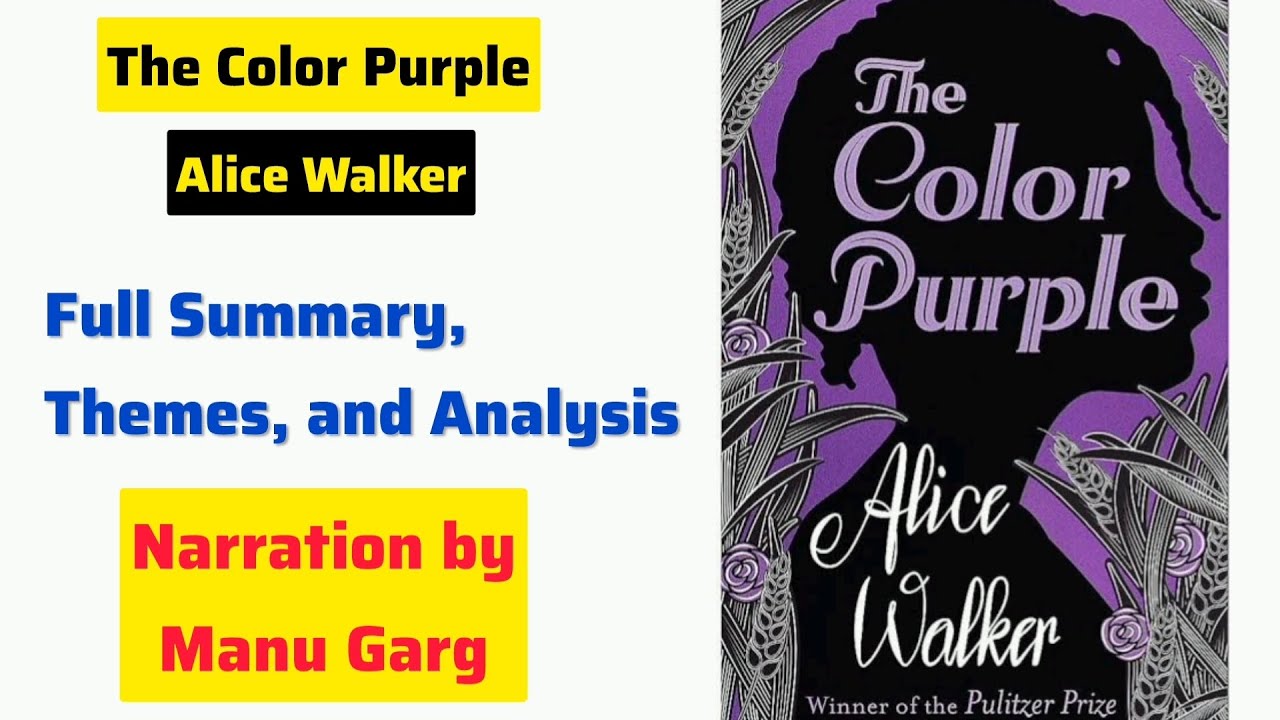


















Alice Walker's The Color Purple adapts the traditional Bildungsroman structure—featuring a protagonist's journey from childhood trauma through conflict and growth toward maturity—while subverting its conventions by centering a Black woman's experience; unlike traditional Bildungsromans where protagonists eventually accept society's ideals, Celie embraces herself and achieves reconciliation with Mister without full societal acceptance, transforming the genre to reflect the unique challenges faced by Black women in America.
The Color Purple as Bildungsroman | Alice Walker Analysis
Added:The definition and traditional conventions of the 'Bildungsroman' (coming-of-age) literary genre, historically centered on male protagonists.
Familiarity with the plot, characters, and historical setting of Alice Walker's novel 'The Color Purple'.
The concept of 'neo-slave narratives' and how 20th-century authors reconstruct the legacy of slavery and post-Reconstruction trauma.
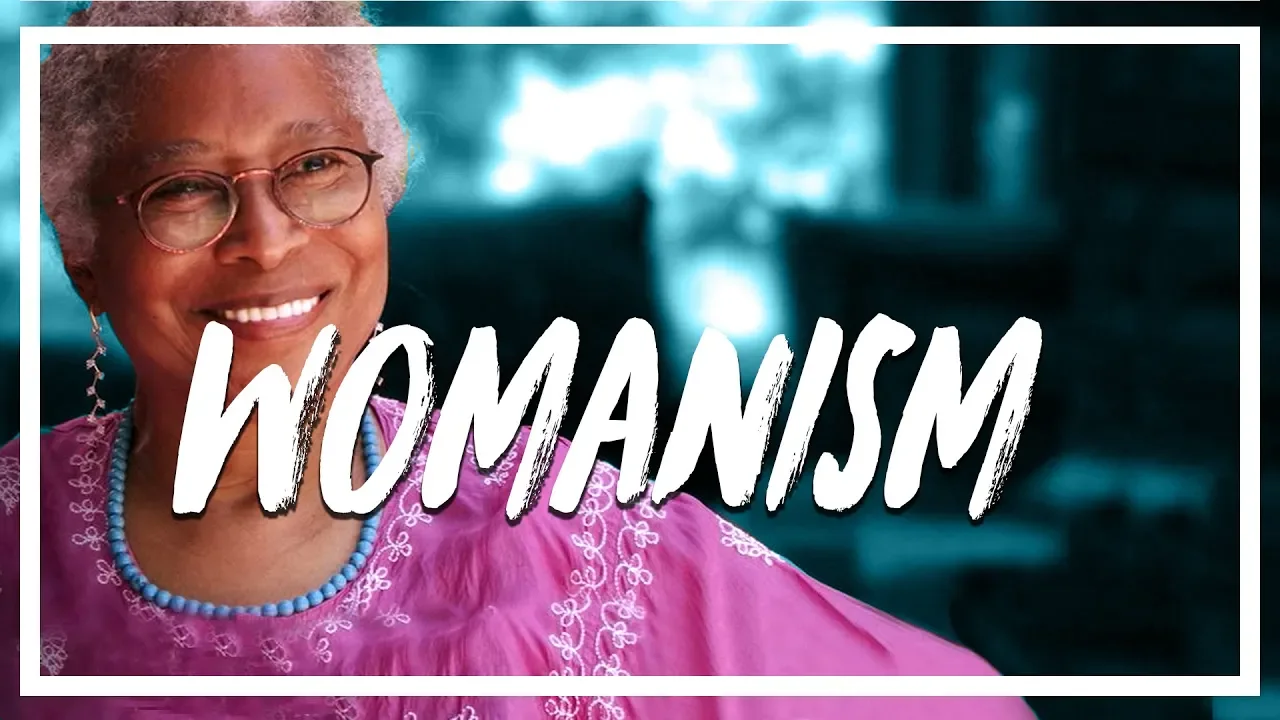
An introduction to Black feminist literary theory and Alice Walker's coined framework of 'Womanism'.
A comparative analysis of 'The Color Purple' alongside other prominent neo-slave narratives, such as Toni Morrison's 'Beloved' or Octavia Butler's 'Kindred'.
An in-depth study of the epistolary novel structure and how Celie's letters function as a tool for reclaiming agency and voice.
Tracing the evolution of the Female Bildungsroman across different cultural contexts, examining how marginalized protagonists navigate societal integration.
Investigating the socio-political impact of Alice Walker's work on contemporary intersectional feminist discourse and queer Black theory.
235 views9likes6:13Original Release: 2024-08-23
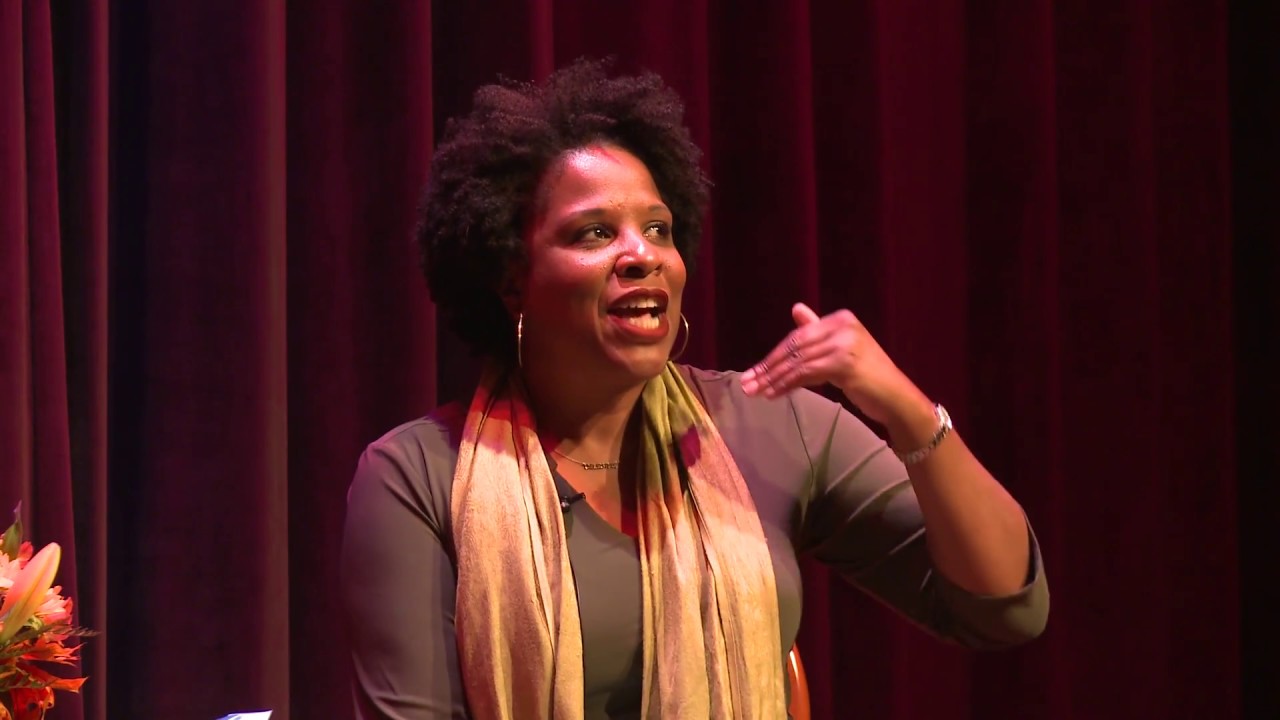
buildings Roman a centuries old European tradition is also one that Walker adopts for the formation of her story William me's Apprentice by Gerta is considered the first buildings Roman novel the word itself transfers as a novel of Education popular novel of this type include Jane air Emma David Copperfield portrait of an Artist as a Young Man and tequilla Mockingbird the general structure of the buildings Roman includes the following loss the central character experiences a profound emotional loss at the beginning of the story or during childhood or adolescence Journey either literal or metaphorical searching for answers to Big questions conflict and personal growth that puts them at odds with Society eventually the protagonist accepts the ideals of society and Society except them maturity demonstrates psychological growth and change part of the maturation process is to ENT enter into the larger World Cosmopolitan exposure the traditional protagonist in the buildings Roman has with few exceptions been male and the structure established by male writers and critics women writers and critics have led to the transformation of the genre Carol Lazaro in the women in the female buildings Woman calling it into question argues that women novelists are redefining the form as a European idealized form subject to formal dictates John fro and others state that women novelists trouble the normativity of the idealized form and promote instead instability of the key terms and Concepts it wishes to Center those key terms and concepts are m masculine gender youthful male ability Cosmopolitan life and education in 1970 Tony Morrison transformed the genre with the publication of The Bluest Eye and Sula in 1972 while The Learning Tree by Gordon Parks 1963 and hero ain't nothing but a sandwich by Alice childish 1973 followed the formal dictates with male protagonist Morrison like zoril Hurston before her introduces female Central characters the building's Roman which focuses on a single character is transformed in Sula because Morrison has two young women Sula and nail on the journey to mat on the journey to maturity Walker followed the formal dictates of the genre more closely except that she too has a female protagonist cel's loss in the beginning of the novel is profound she loses her virginity to rape by a man she believes is her father her mother to death her children taken from her she is 14 years old her metaphorical Journey Begins With The search for answers in a letter to God she writes quote maybe you can give me a sign letting me know what is happening to me her literal journey to maturation begins when she is forced to marry Albert Johnson and goes with her cow from her home to his conflict and personal growth take place in the house of her husband whom she calls Mister scholar Calvin hearnen in his deeply perceptive book book the sexual mountain in black women writers arguably was the first to suggest that the color purple is a slave is a neoslave narrative however the novel does not fit as well into the contemporary definition of slave narrative or Narrative of slavery even though cely is wor cely is forced to provide unpaid labor and sex the central conflict of arises when sely discovers that mister has hidden the letters from her sister netti she becomes enraged and emboldened by her anger she begins to question everything personal growth follows her entry into the larger World by going to Memphis with SH Suge Avery cely says to her abusive husband quote it's time to leave you and enter into creation Memphis is the Cosmopolitan experience for sely it is here that she turns her labor into profit by making and selling folk pants here too is where Walker deviates from the final aspect of the building's Roman because cely is a black woman she is already at odds with society and even if she does accept the ideal of society Society does not Embrace her instead Walker has cely embraced herself and she and Mr reconcile and become friends
Up Next

12:47
Jane Eyre by Charlotte Bronte: Literary Analysis & Themes
@jenvcampbell
29.8K views•2016-04-23

13:43
Formalism in Literary Criticism: An Academic Lecture Overview
@mattalberhasky9952
39.1K views•2015-08-05

6:08
Point of View in Fiction: First Person vs. Third Person
@magicalthriftyteacher
153.8K views•2014-03-31

15:25
1984: Orwell's Dystopian World and the Mechanisms of Totalitarianism
@AlternateHistoryHub
7M views•2017-03-04
Related Study Plans & Knowledge Roadmaps
Structured learning paths in Literature
literature
Graphic Memoirs: Visual Art, Trauma & History
01Foundations of Sequential Art and Visual Language
02Autographics and Processing Historical Trauma
03Visualizing Personal Trauma, Grief, and Graphic Medicine
+ 2 more learning modules
14h5 modules
Explore Roadmap
literature
Campus Novels: Evolution, Themes & Critique
01Introduction to the Campus Novel Genre
02Mid-Century Satire and the Post-War Academy
03Dark Academia and the Critique of Privilege
+ 2 more learning modules
14h5 modules
Explore Roadmap
literature
Theater of the Absurd: Philosophy & Plays
01Postwar Existentialism & Historical Roots
02Dismantling Narrative: Esslin & Absurdist Conventions
03Samuel Beckett and Tragicomic Existentialism
+ 2 more learning modules
12h5 modules
Explore Roadmap
literature
Revenge Tragedy: Justice, Madness & State
01Foundations of Early Modern English Theatre
02Anatomy of Revenge: Structural Conventions
03Psychological Complexity: Madness and Melancholy
+ 2 more learning modules
15h5 modules
Explore Roadmap