



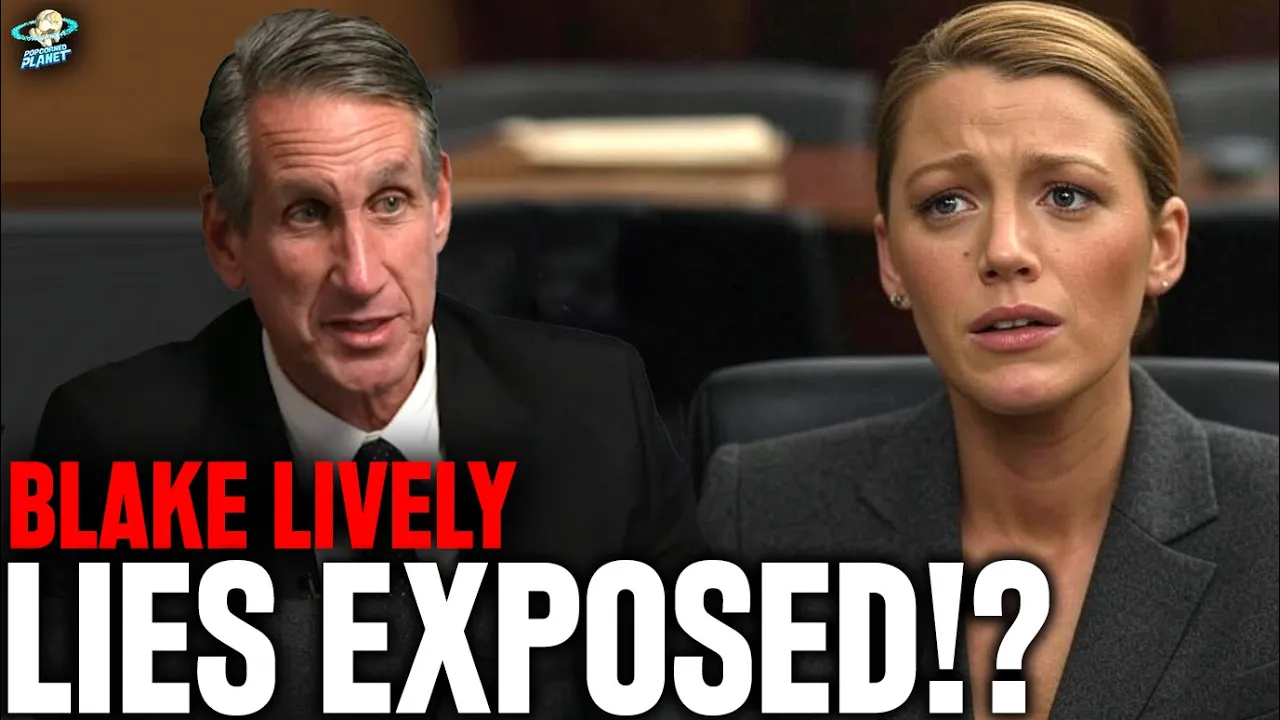

















In legal proceedings, a defendant's own deposition statements can be used as evidence against them, particularly when those statements contradict their testimony or reveal admissions of wrongdoing. In the E Jean Carroll defamation trial, Donald Trump's deposition statements where he misidentified E Jean Carroll as his ex-wife Marla Maples and bragged about his wealth were presented to the jury, demonstrating how a defendant's own words can be used to establish liability and support claims for punitive damages.
Defamation Trial Evidence: Trump Deposition and Legal Implications
Added:Elements of Defamation Law: Understanding the legal definitions of libel and slander, the burden of proof, and the specific requirement of 'actual malice' when public figures are involved.
The Role and Process of a Deposition: Knowing what a deposition is within the civil discovery process, how testimony is taken under oath, and how it can be used to impeach a witness at trial.
Civil vs. Criminal Procedure: Grasping the fundamental differences between civil lawsuits (focusing on liability and financial damages) and criminal cases (focusing on guilt and state-imposed punishment), including the 'preponderance of the evidence' standard.
Admissibility of Evidence: A basic understanding of how out-of-court statements (hearsay exceptions and party-opponent admissions) are introduced and evaluated in a federal civil court.
Calculation of Damages in Civil Trials: Analyzing how courts determine compensatory, nominal, and punitive damages, particularly in high-profile cases involving reputational harm.
First Amendment Boundaries and Public Figures: Examining the legal precedent regarding free speech protections versus civil liability for statements made by political figures and elected officials.
The Appellate Process in Civil Litigation: Exploring how civil verdicts are appealed, the grounds required to overturn a jury's decision, and the legal mechanism of posting bonds during appeals.
Advanced Trial Advocacy and Impeachment Techniques: Studying how trial attorneys strategically use video deposition segments to undermine witness credibility and sway jury perception during closing arguments.
682.4K views38.2Klikes10:47Original Release: 2024-01-25
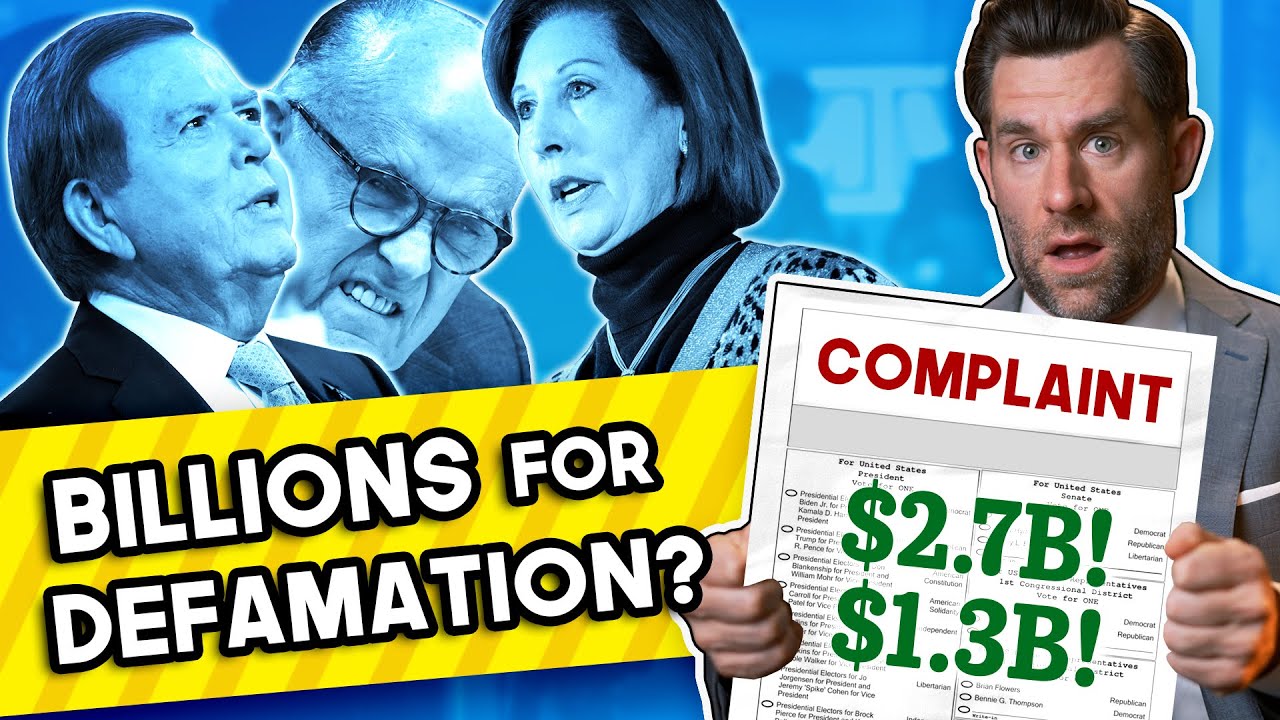
the eege Carrol defamation trial against Donald Trump has finally resumed and it was fireworks right in the morning Donald Trump showed up just as Court was beginning to get started e Carol's lawyers Roberta Kaplan finished presenting the evidence in their case they were showing Donald Trump's own statements statements that Donald Trump had been making recently statements that Donald Trump had made in his deposition let me show you this for example the jury got to see this clip where after Donald Trump said that he would not have raped egene Carol because she was not his type Donald Trump was then shown a photograph with egene Carrol where Donald Trump was in the photo and Donald Trump thought that it was Mara Maples his ex-wife in the photos he had to be coached by his lawyer Alina habba that that's actually eege Carol and then eege Carroll's lawyer Roberta Kaplan went to Donald Trump well would you say that Mara Maples and the women you married are your type so this deposition that I'm this portion of the deposition of Donald Trump taken in the egene Carol action was now just shown to the jury let's play this clip and I'm going to ask you is this the photo that you were just referring to I think so yes and do you recall when you first saw this photo at some point during the process I saw it that's uh I guess her husband John Johnson who was an anchor for ABC nice guy I thought I mean I don't know him but I thought he was pretty good at what he did um I don't even know who the woman let's see I don't know who it's Mara you say Marvel's in this photo that's Marvel yeah that's that's my wife which woman are you pointing to no here Carol oh that the person you just pointed to was car who is that who is that point your wife and the person the woman on the right is your then wife I don't know this was the picture I assume that's John Johnson is that that's Carol car because it's very blurry uh what years were you married to um your first wife of V the Trump so uh about 78 to the early 90s your um your next wife was a woman by the name of Mara mles right and um sitting here today do you recall what years you were married to miss Maples um I'd have to get the exact dates for you I can do that very easily you know how Donald Trump's been bragging also about the value of maral Lago being oh it's way more than what uh the judge in New York claims it's valued at even though the judge used Donald Trump's appraisal valuations and that's how he came to the number between $8 and $27 million but you know how Donald Trump's been saying Mar Lago it's worth a hundred times that it could be worth 1 billion 1 5 billion or even more well in the egene Carol defamation trial they showed that video to the jury and Donald Trump making statements like that in his deposition but statements like the one that um you've been seeing here on the Midas touch Network now why would egene Carol's lawyers show the jury Donald Trump bragging about how rich he is and how valuable maralago is punitive damages one of the factors is the defendants net worth and so if Donald Trump saying that even maralago is worth billions and billions of dollars EEG Carol saying well then the punitive damages need to have a proportion to how rich the person is and here Donald Trump's claiming how rich he is so Trump bragging about how wealthy he is being used against and let me show you this clip right here Donald Trump play it well she said that marago she the judge at maralago was worth in Palm Beach Florida the most expensive land in the world I guess that and the most expensive houses definitely in the world in marago the biggest house the most spectacular place in po of Florida was worth $18 million when it's worth approximately could be close to 100 times that amount and based on that testimony and based on her convincing the judge that marago was worth $18 million instead of a billion to a billion 5 which would sell very easily which we've already proven do you ever feel like money is just flying out of your account and you have no idea where it's going well I know it's all of those subscriptions think about it between streaming services fitness apps delivery services parenting apps it's endless I'm guilty of this so I use rocket money to help me find out what subscriptions I'm actually spending money on and it was eye openening and I had the cancel the ones I didn't want anymore rocket money is a personal finance app that findes and cancels your unwanted subscriptions monitors your spending and helps you lower your bills I can see all of my subscriptions in one place and if I see something I don't want I can cancel it with a tap I never have to get on the phone with customer service they'll even try to get you a refund for the last couple of months of wasted money and negotiate to lower your bills for you by up to 20% all you have to do is take a picture of your bill and Rocket money takes care of the rest rocket money has over 5 million users and has helped save its members get this an average of $720 a year with over $500 million in cancelled subscriptions stop wasting money on things you don't use cancel your unwanted subscriptions by going to Rocket money.com mightest touch that's rocket money.com mightest touch rocket money.com mightest touch and uh this deposition portion was then shown to the jury of Donald Trump's deposition question why did you decide to issue the statement on your social media un trude social on October 12th Trump's response because I was offended At This Woman's lie because I was offended that she could just make up a story out of cold air refus but that she can make up a story just out of nowhere and that I get a phone call asking me about this ridiculous situation the woman there's something wrong with her in my opinion okay but it's a false accusation never happened never would happen and I posted and I will continue to post until such time as then I will sue her after this is over and that's the thing I really look forward to doing and I'll sue you too because this is how many cases do you have many many cases and I know the statements that were made that you made keep Trump busy because this is the way you defeat him to keep him busy with litigation so I will be suing you also but I'll be suing her very strongly as soon as this case ends but I'll be suing you also and then uh Roberta Kaplan egene Carol's lawyer says U okay are you done and then Donald Trump says yeah yeah so the jury seeing that Donald Trump continues to say that he's always going to defame egene Carol forever and that's why Roberto kaplan's going to tell the jury in the closing arguments you need to have a verdict that stops Donald Trump from engaging in this Behavior because he says he's going to do it over and over and over again and then also the jury saw Donald Trump's statements that he made where he defamed e Caroll um very recently um at at some of his campaign speeches one of Donald Trump's things that he talks to those that go to his rallies about is uh he defames the woman who he raped that's the leader of the Republican Party here's what Donald Trump said but and this is what the jury gets to see this play this clip all done by political Opera Reed Hoffman is sponsoring this woman that said terrible things from 30 years ago he took me I owned three four buildings around it I own the hotel next to it I took her a totally fabricated story it's all fabricated and the lawyer is a political operative he used to be very close to Cuomo do you ever hear of Cuomo and a political operative then you find out they fund it and we had a special session on funding when the judge found out that it was true that they're funding it he wouldn't let it as evidence but that's okay it's also worth noting that there was another witness who was called uh before those clips of Donald Trump were uh given to the jury and uh you had a witness who used to work at L magazine Roberta Meyers uh very short witness um didn't take that much time and then uh you had Alina habba try to ask her about gossip what kind of Gossip did you hear which is like the ultimate form of hearsay what was the gossip that you heard Miss Meyers and then EEG Carol's lawyer said objection and judge Kaplan said sustained it's called hearsay that's called hearsay say and then uh Alina Haba tried to object to some of the other documents that were being shown um that Roberta Kaplan was introducing some of those things I just showed you and then uh Alina habas said we we're objecting we're objecting and then judge Kaplan said this just came in without objection and then Alina habba said yes but and judge Kaplan said yeah have a seat have a seat Miss Haba keep you posted on today's developments I'm Ben myell is from the mest touch no can subscribe we're onor way to 2 million subscribers thanks to your support have a good day hey Midas Mighty love this report continue the conversation by following us on Instagram @ mest touch to keep up with the most important news of the day what are you waiting for follow us now
Up Next

10:25
Candace Owens $20M Defamation Lawsuit Analyzed by TYT
@TheYoungTurks
584.4K views•2021-08-25
4:27
US Secondary Sanctions Impact on EU Businesses and Blocking Legislation
@Bureauvandijk
1.6K views•2019-03-20
13:04
Court Upholds Trump Liability in Carroll Case: Legal Analysis
@MeidasTouch
419.5K views•2024-12-31

24:42
Police Interrogation Tactics: False Confessions & Legal Reform
@LastWeekTonight
7M views•2022-04-18
Related Study Plans & Knowledge Roadmaps
Structured learning paths in Law
law
Self-Defense Law: Imminence & Castle Doctrine
01Foundations of Self-Defense Law
02Imminent Threat & Reasonable Belief
03The Principle of Proportionality
+ 3 more learning modules
12h6 modules
Explore Roadmap
law
Defamation Law: First Amendment & Actual Malice
01Introduction to civil torts and the First Amendment
02Elements of Defamation: Libel and Slander
03Public Figures vs. Private Individuals
+ 2 more learning modules
8h5 modules
Explore Roadmap
law
Hearsay Rule: Trial Evidence & Exceptions
01Introduction to Trial Evidence & Courtroom Basics
02Demystifying Hearsay: The Core Definition
03Non-Hearsay: Exclusions Under FRE 801(d)
+ 3 more learning modules
14h6 modules
Explore Roadmap
law
Medical Malpractice: Law, Liability & Care
01Foundations of Tort Law and Civil Liability
02The Four Elements of Medical Malpractice
03Defining and Proving the Standard of Care
+ 2 more learning modules
12h5 modules
Explore Roadmap