



![[정경심교수 판결문 (2)] 주제넘은 검사의 월권조사와 개념없는 판사의 무원칙판결의 합작품, 영국변호사로써 이해가 되지 않는 판결문 #정경심 #사법개혁 #판결문 #사법개혁](https://i.ytimg.com/vi/SPPM3ul1-Fk/maxresdefault.jpg)


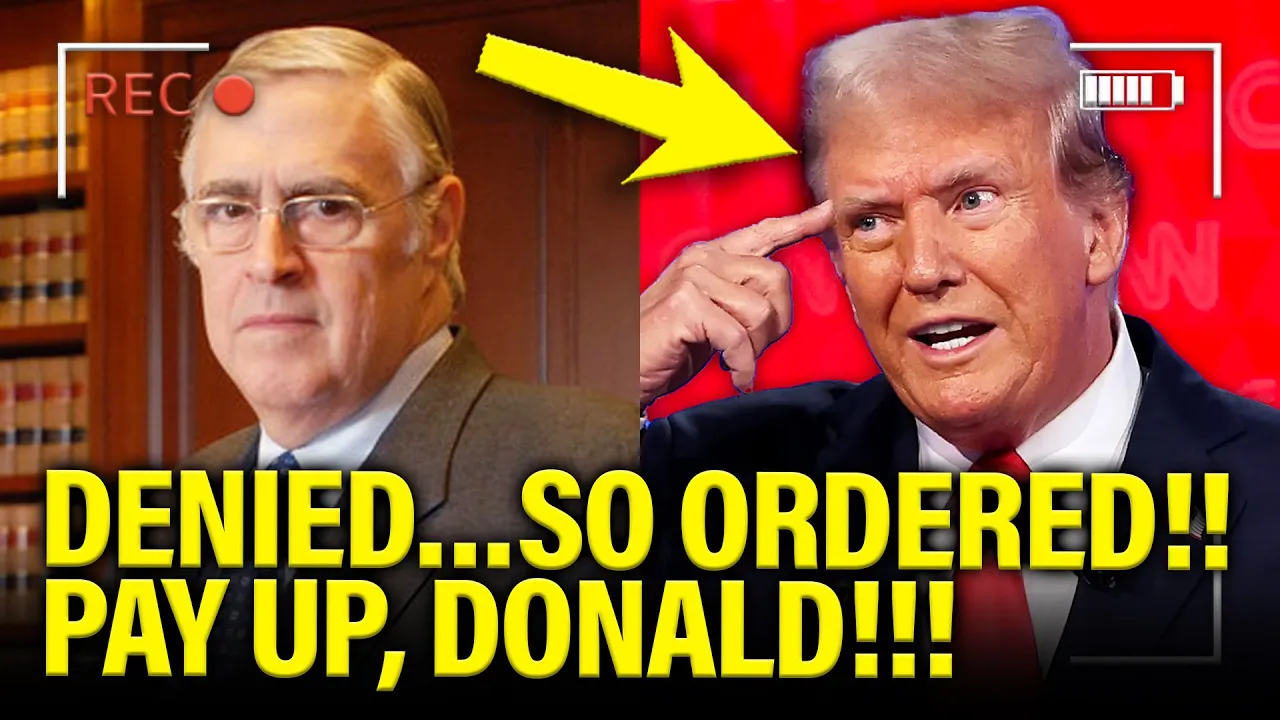



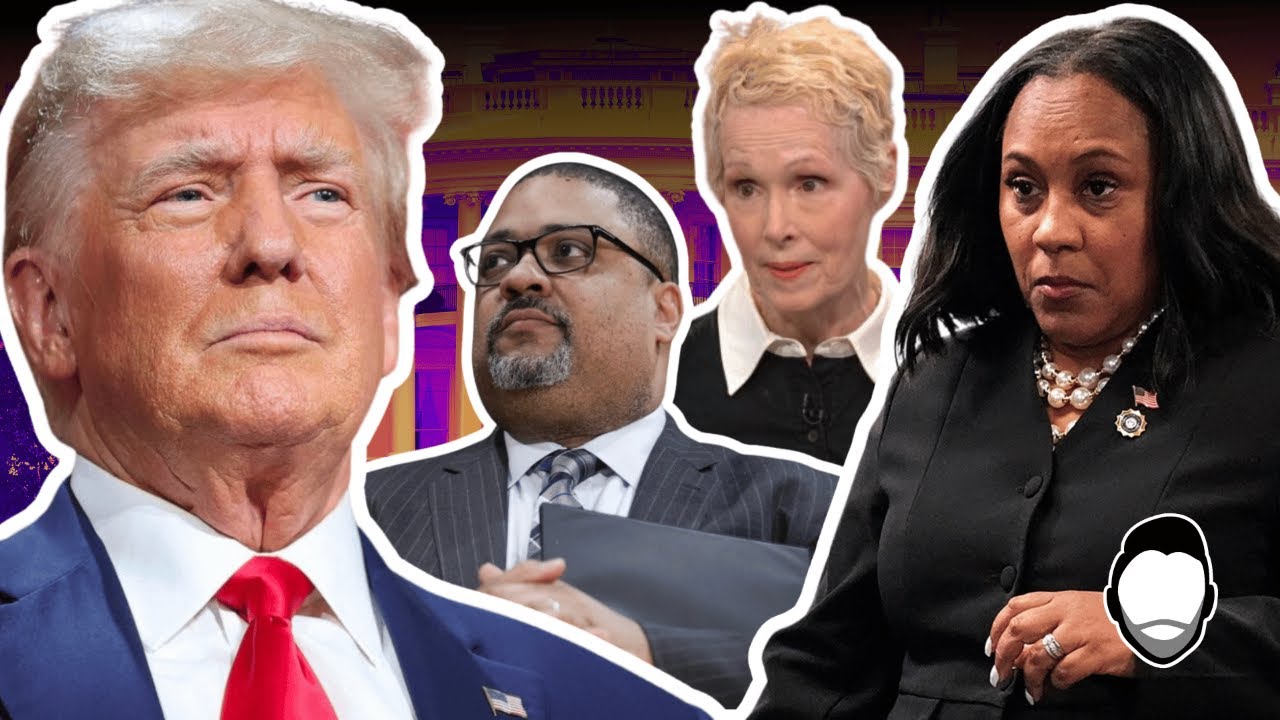


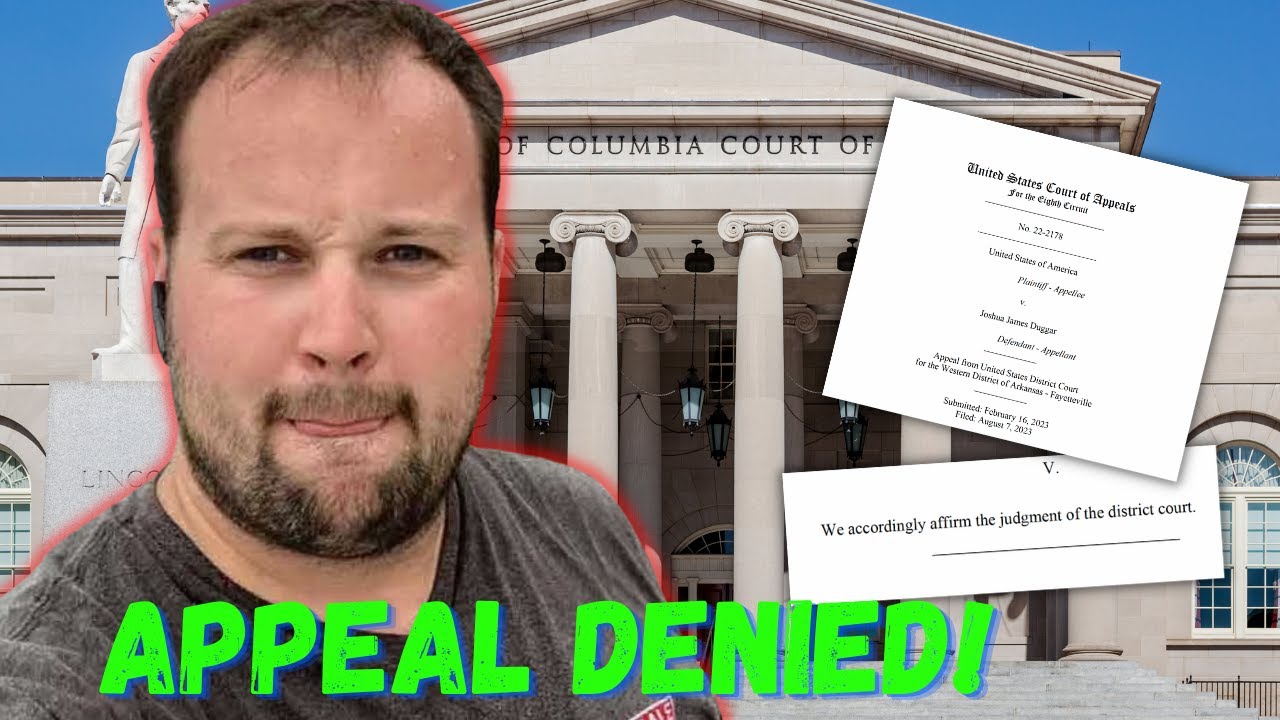





In legal terminology, 'uphold' means a higher court affirms and agrees with a lower court's decision, while 'reverse' or 'overturn' means the higher court disagrees and changes the outcome. In the E. Jean Carroll case, the Second Circuit Court of Appeals 'upheld' the trial court's verdict finding Donald Trump liable for sexual assault, meaning they agreed with the original ruling. This distinction is crucial for understanding court decisions, as confusing these terms can lead to misinterpretation of legal outcomes.
Court Upholds Trump Liability in Carroll Case: Legal Analysis
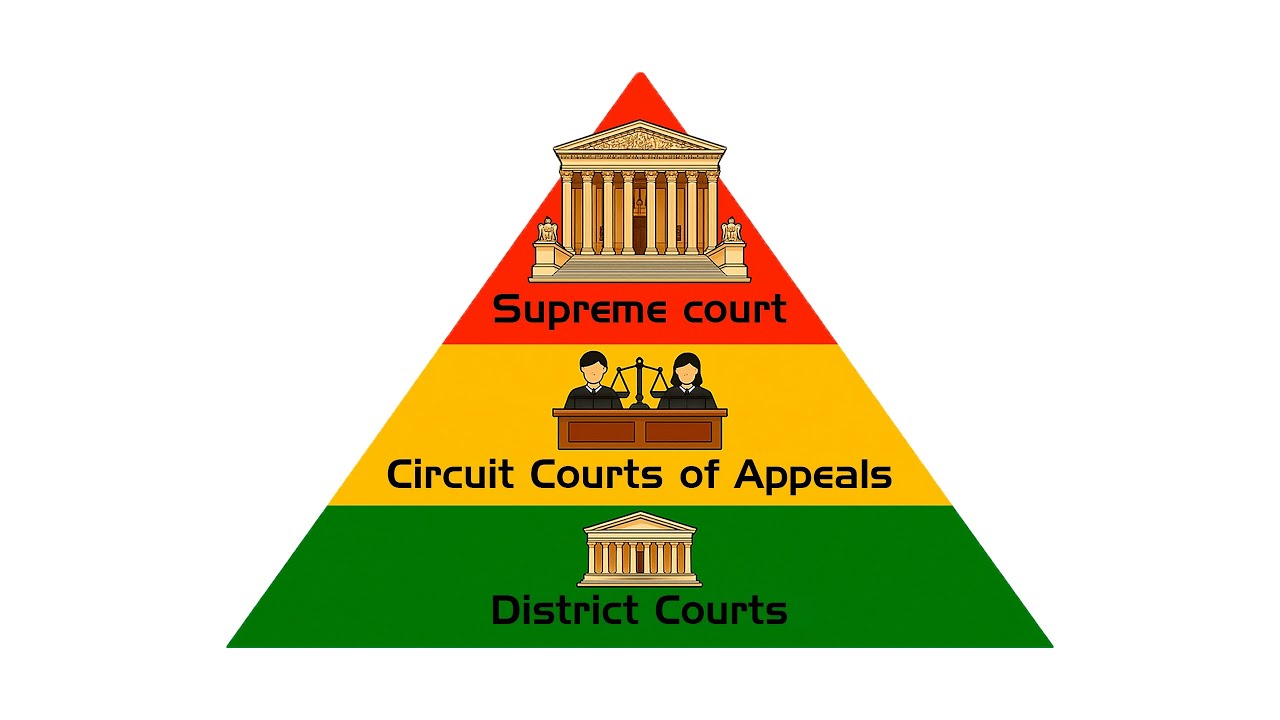
Added:Understanding the structure of the U.S. Federal Court system, specifically the relationship between trial-level District Courts and Circuit Courts of Appeals.
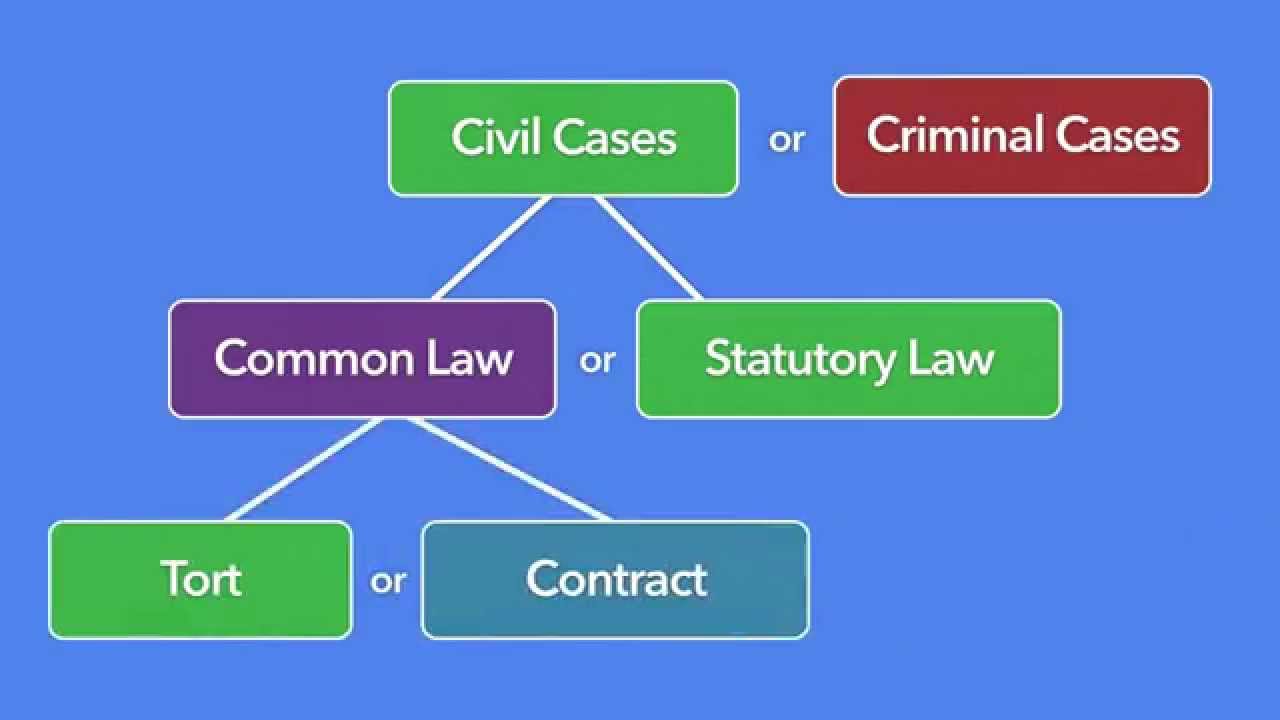
Basic concepts of civil liability, tort law (specifically defamation and civil assault), and how they differ from criminal charges and burdens of proof.
The role of an appellate court, including the concept of reviewing legal errors rather than re-trying factual evidence.
Familiarity with fundamental legal terms such as 'verdict', 'liability', 'damages', and 'injunction'.
The mechanics of civil judgment enforcement, including how appeal bonds work and how monetary damages are secured during appeals.
Advanced appellate options, such as petitioning for an 'en banc' rehearing by the full circuit court or filing a writ of certiorari to the U.S. Supreme Court.
The intersection of First Amendment protections and defamation law, especially concerning public figures and political speech.
Analyzing the socio-political framing of legal outcomes and how legal terminology is interpreted or manipulated in public relations and media campaigns.
419.5K views24.4Klikes13:04Original Release: 2024-12-31
so Maga is accidentally celebrating the fact that Donald Trump lost his appeal in the eege Carrol case and the second Circuit Court of Appeal found that Donald Trump is indeed liable for sexually assaulting egene Carol and mag is like we did it we won because I guess they don't know the difference between uphold and reverse or uphold and overruled I don't know Maga Republican Congress woman Nancy mace responds to this Fox news headline I guess she thought maybe Fox posted it so it must be a win because they only cover good stories about Donald Trump even though they were just reporting on what the second Circuit Court of Appeals ruled on Monday us appeals court upholds Trump verdict in egene Carroll defamation case upholds means they affirmed it they agree with it they said yes Donald Trump did it Donald Trump sexually assaulted eege Carol and the trial court judge did not make any errors in presiding over the case but Nancy mace goes I hope George Stephanopoulos sees this you hope George Stephanopoulos sees this what do you even what does that have to do with anything she thinks that the second Circuit Court of Appeals reversed and overturned the ruling which they did not unless Nancy ma is basically mocking Stephanopoulos which is not what she's doing but if I interpret it generously for her which I will mock George Stephanopoulos for settling that case ridiculously maybe she's saying Stephanopoulos why would you settle a case where Donald Trump was found liable for sexual assault why didn't she even take Donald Trump's deposition seriously I'll read everybody what the Federal Court ruled which is incorporated by reference of course in the second circuit's uh ruling but take a look at other Maga they they think that Trump won they think this was a good deal and these are the people who are making decisions over your health care and your Medicare and Social Security really really you have Gunther Eagleman who is a big magga influencer who goes mic drop boom and responds to Nancy mace Kimberly Frick responds now he gets to appeal the case exclamation point that was the appeal he lost he lost the appeal to EEG Carol Paul responds oh the Supreme Court will dismiss you think the Supreme Court's going to dismiss this this other account goes boom shakalaka might drop they're celebrating this right now Russell harp goes bada bing bada boom Jack Actron goes you mean George Snuffleupagus is that talking about um German cat lady goes did we get upheld confused with overturn uh you may want to figure this one out at least she understood it so let me just remind everybody again what it was that the judge the trial court judge Lewis Kaplan found took place and this is why when you think about Snuffleupagus or snop or whatever Trump calls him or maggot calls him why he settled the case shows to me total and utter capitulation by ABC this is the ruling from the federal judge um whose decision making was just affirmed upheld not overturned by the second Circuit Court of Appeals pull it up the jury did not not award Miss Carol this is what the federal judge Lewis Kaplan wrote in his opinion the jury did not award Miss Carol more than $2 million for groping her breasts though her clothing wrongful as that through her clothing wrongful as that might have been there was no evidence at all of such Behavior instead the proof convincingly established and the jury implicitly found that Mr Trump deliberately and forcibly penetrated Miss Carol's vagina with his fingers causing a immediate pain and longlasting emotional and psychological harm Mr Trump's argument therefore ignores the bulk of evidence at trial misinterprets the jury's verdict and mistakenly focuses on the New York penal law definition of rape to the exclusion of the meaning of that word as it is often used in everyday life and of the evidence of what actually occurred between Miss Carol and Mr Trump in another opinion Justice Lewis Kaplan goes on to say as the court explained in its recent decision denying Mr Trump's motion for a new trial on Damages and other relief in Carol 2 based on all of the evidence at the trial and the jury's verdict as a whole the jury's finding that Mr Trump sexually abused Miss Carol implicitly determined that he forcibly penetrated her digitally in other words that Mr Trump did in fact or in fact did quote rape Miss Carol as that term commonly is used and understood in context outside of the New York penal law again I'm not reading from you an opinion piece of a reporter I'm reading you the opinion the ruling the ruling of the federal judge that the jury implicitly determined that Trump forcibly penetrated her digitally in other words that Mr Trump in fact did rape Miss Carol as the term commonly is used and understood in context outside of the New York penal law that was the finding of the judge and then when we turn to the court of appeal ruling the court of appeal found the following it found on review for abuse of discretion in other words did that judge whose opinion I just read abuse his discretion as a trial court judge in any way such that his opinion should be overturned hand a victory to Trump the court of appeals in a pruum meaning unanimous decision on review for abuse of discretion we conclude that Mr Trump has not demonstrated that the district court aired in any of the challenged rulings further he has not carried his burden to show any claimed error or combination of claimed errors affected his substantial rights as required to Warrant a new trial thus the Judgment by the jury that Donald Trump sexually assaulted egene Carol and you heard what Lewis Kaplan said about it that is affirmed by the second Circuit Court of Appeals talk about Stephanopoulos for a second and ABC and Disney settling the case the relevant standard for defamation of a public figure is set forth in a 1970s case called New York Times V Sullivan what that says is that in a defamation case against a public figure you have to show that the defendant that is sued acted with actual malice in making a defamatory statement in other words that they acted intentionally and or with Reckless disregard for the rights of the individual either intentionally or with a reckless disregard that is a high burden it can't be mere negligence so if you were to say look Stephanopoulos was sloppy he should have talked about the technical distinction in New York law um between this and that it has to be a higher standard than negligent and I read for you what judge Lewis Kaplan said in his opinion so to be clear if you're wondering what was Trump's defamation lawsuit about against Stephanopoulos in ABC Trump was claiming that he was defamed because Stephanopoulos characterized the conduct as genital penetration I.E rape when in fact it was digital penetration as found by the trial court judge and by the jury right um going through what the trial court judge found um and what the jury found when you look through the opinion I'll just say it one more time I'll pull it up right here um it is this is what the judge found um the following that Mr Trump deliberately and forcibly penetrated Miss Carol's vagina with his fingers causing immediate pain and longl ing emotional and psychological harm so Trump's argument was he was defamed and his reputation was harmed because Stephanopoulos basically said it was uh genitals instead of finger causing the situation and so um causing the harm so imagine what that deposition of Donald Trump would have looked like so you are aware Mr Trump that a jury found this you are aware that you're on audio recording saying that you grab women by their genitals okay and so your reputation is harmed because of the distinction between finger and genal is is that what you're saying your reputation was harm and then you go through all the other conduct you think Trump would sit for a 7h hour I think it was think the court ordered four hours anyway you think Trump would sit for a 4-Hour deposition where he was asked about all of his sexual conduct in the past and all of the allegations against him all of the statements that he made how he says that it was a brave and courageous thing when he called grabbing women by their uh vaginas without their consent locker room talk in front of the young Republicans like you think that Trump would have sat for that deposition all I know is that when Michael Cohen noticed Trump's deposition Trump ran away and then dismissed the case so ultimately I think ABC knew that if Trump sat if Trump sat for that deposition Trump would get humiliated and then take it out on ABC and ABC f like a cheap Mara Lago napkin and and wrote Trump that check hoping that Trump would just go away and give them favorable treatment but what did Trump do anyway after that settlement Trump's FCC commissioner Brendan Carr sent a letter to ABC and Disney and said well now that you've settled this case you're basically admitting that you engaged in Def defamatory conduct why else would you settle so now we need to regulate all of your deals with affiliate networks so you need to run that by us we're going to make sure that your deals um are consistent with Trump's vision of the way local media should be and because you can't be trusted because you're defaming Trump as evidenced by Your settlement with him they sent that letter that's why you don't obey in advance that's why you don't appease with that type of conduct you set his deposition you force him to sit for the deposition ultimately he'll dismiss the case he won't sit for a seven-hour deposition on that topic you you're not going to convince me that he will ever sit and you're not going to convince me that Stephanopoulos an ABC's lawyer at Gibson dun who are good law I know those lawyers I know who that I never talked to him about this case but those lawyers at Gibson dun knew that they were going to beat Donald Trump in that case they knew that they would embarrass Trump in the defamation in the uh deposition on on the defamation issue and they were likely getting their orders from Bob Iger directly the chairman of Disney I have almost no doubt about that anyway keep on celebrating Nancy mace for losing or losing things sorry I cursed hit subscribe let's get to 4 million subscribers together love this video make sure you stay up to date on the latest breaking news and all things midest by signing up to the midest touch newsletter at mest touch.com newsletter [Music]
Up Next

17:33
Defamation, Libel & Slander Explained | Law of Tort
@lawschoolbd2181
626 views•2023-02-25
4:27
US Secondary Sanctions Impact on EU Businesses and Blocking Legislation
@Bureauvandijk
1.6K views•2019-03-20
10:47
Defamation Trial Evidence: Trump Deposition and Legal Implications
@MeidasTouch
682.4K views•2024-01-25

24:42
Police Interrogation Tactics: False Confessions & Legal Reform
@LastWeekTonight
7M views•2022-04-18
Related Study Plans & Knowledge Roadmaps
Structured learning paths in Law
law
Self-Defense Law: Imminence & Castle Doctrine
01Foundations of Self-Defense Law
02Imminent Threat & Reasonable Belief
03The Principle of Proportionality
+ 3 more learning modules
12h6 modules
Explore Roadmap
law
Defamation Law: First Amendment & Actual Malice
01Introduction to civil torts and the First Amendment
02Elements of Defamation: Libel and Slander
03Public Figures vs. Private Individuals
+ 2 more learning modules
8h5 modules
Explore Roadmap
law
Hearsay Rule: Trial Evidence & Exceptions
01Introduction to Trial Evidence & Courtroom Basics
02Demystifying Hearsay: The Core Definition
03Non-Hearsay: Exclusions Under FRE 801(d)
+ 3 more learning modules
14h6 modules
Explore Roadmap
law
Medical Malpractice: Law, Liability & Care
01Foundations of Tort Law and Civil Liability
02The Four Elements of Medical Malpractice
03Defining and Proving the Standard of Care
+ 2 more learning modules
12h5 modules
Explore Roadmap