

















Defamation lawsuits require plaintiffs to prove false statements caused actual harm, but the Streisand effect can paradoxically amplify the very statements being challenged, making such lawsuits complex legal and reputational battles.
Candace Owens $20M Defamation Lawsuit Analyzed by TYT
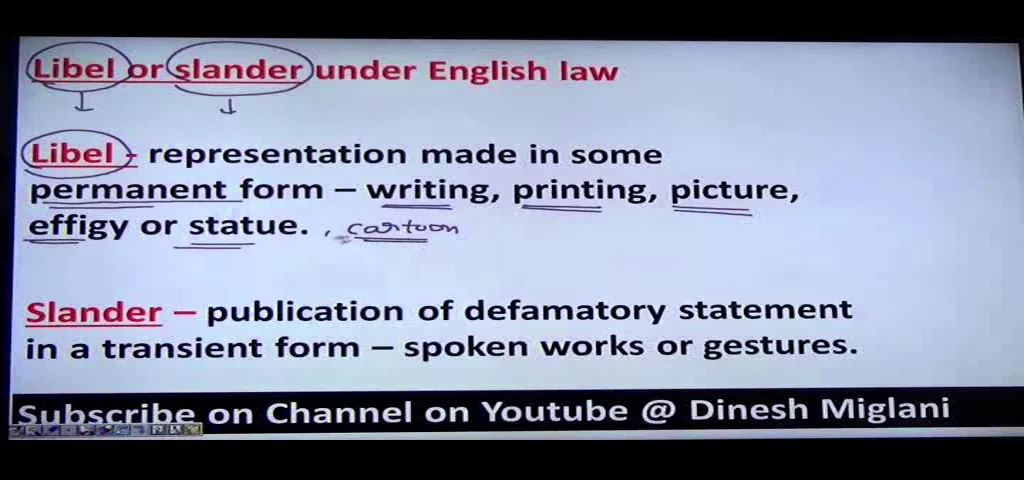
Added:The legal definition of defamation, including the distinction between libel (written) and slander (spoken) statements.
The 'actual malice' standard established by New York Times Co. v. Sullivan, which applies to public figures in defamation lawsuits.
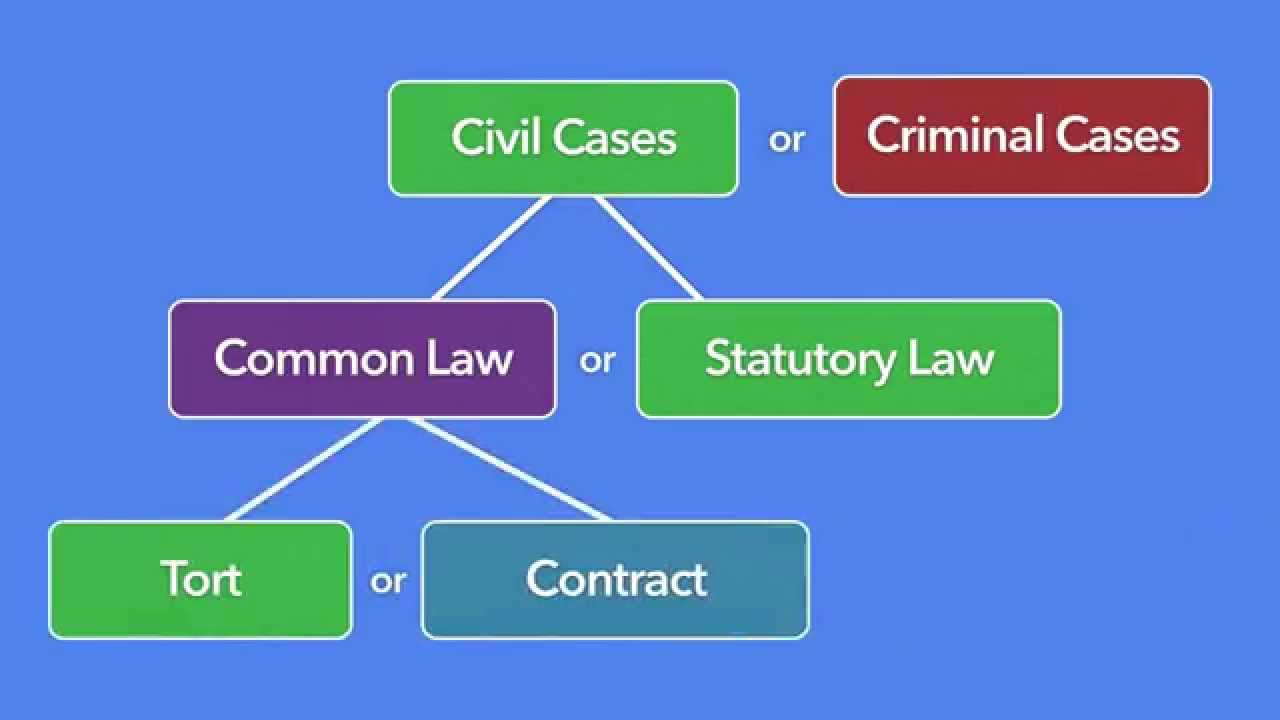
Basic principles of civil litigation, specifically the burden of proof, tort liability, and the distinction between civil and criminal law.
The fundamental protections of the First Amendment regarding freedom of speech and of the press.
The function and impact of Anti-SLAPP (Strategic Lawsuits Against Public Participation) laws in protecting public discourse.
The legal boundary separating protected opinion, satire, and rhetorical hyperbole from actionable false statements of fact.
Analysis of how compensatory and punitive damages are assessed and calculated in high-profile civil lawsuits.
Comparative case studies of modern media defamation lawsuits (e.g., Dominion Voting Systems v. Fox News) to understand broader industry standards.
584.4K views13.2Klikes10:25Original Release: 2021-08-25
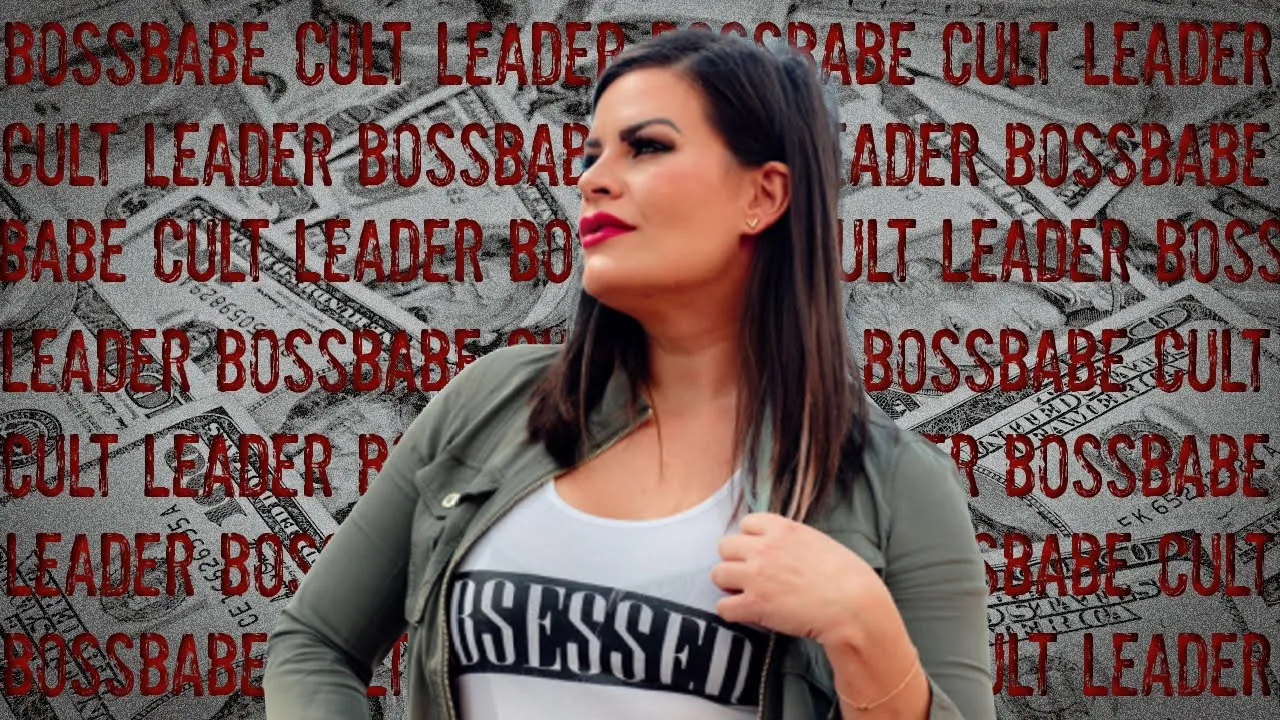
Candace Owens is facing a 20 million dollar defamation lawsuit from a failed GOP candidate by name of Kimberly classic now Kimberly classic now is a pro-chunk pundit uh so they're both individuals that we clearly disagree with politically speaking however this is an interesting case because usually you don't hear about defamation lawsuits against various media figures who just flat out lie about things so they do it over and over again with no consequences now uh this has to do with some of the accusations that Candice Owens Made regarding classic she accused classic of being a strip club Madam who laundered money and so uh that accusation was made in a 44 minute long Instagram video obviously we're not going to show you the entirety of that video but we will show you this clip so I asked her to come on the show and she was very hesitant and said she was booked until August and likes it all the stuff and so I asked her if September would be better when I worked said the word September she freaked out and it was so weird and she was like that's not funny and I was like what's not funny like you just said you were booked to August can you do September and she said oh it was this whole legal battle I had like never mind and I was like what is with this word September like why is this like a Kimberly classic buzzword so I do a little digging and I find out that Kimberly classic was a stripper um named September and that her husband was the manager of the strip club I thought wow this is really interesting because this person attacked me and said that I am a bad look for the black community I'm not good for the black communities I don't want to celebrate Juneteenth and yet the debauchery that happens at a strip club the vulnerable women that are at strip clubs um and the idea that you married someone who is the manager of the club kind of seems like maybe something relative that Republicans should know none of them know this and you've raised 8.2 million dollars talking about family values and the woman came back and she's a you know very proud stripper and she still strips and she said they're 100 not doctored I know her very well I have partied with her um you know her and her husband have been scamming people for millions and she said and I'm going to be very strong that there's no way that I can assembans can confirm this but she sent it to me in writing that they used campaign money um to do cocaine in the strip club foreign wow that was a lot uh so I just let me just comment on Candace Owens pretending to be concerned about family values someone who was a rabid supporter of Donald Trump claiming to be like oh oh this look claiming that classic is the stripper like that's part of the reason why she's being sued for defamation um but putting that aside uh if she were talking about a person who actually was engaged in that uh Behavior or was working as a stripper like judging someone for choosing to do that and then claiming that you know you're just this wonderful conservative who believes in family values I mean like it's the most hypocritical thing uh Candace Owens could possibly say when she built a career off of supporting Donald Trump I'm going to get to Classic's response in just a second but Jake did you want to jump in yeah so look sure we like the Republican on a republican crime uh and um and of course everybody in this story is a hypocrite and ridiculous uh let's always remember Kenneth Owens uh who now claims there's basically no racism uh sued for racism earlier in our life uh she's sued saying she's been the victim of racial discrimination uh later she would uh go on to pretend that the suit didn't happen and that there's basically no reason because her new scam is uh getting uh White Republicans to give her money uh because she's a black person saying racism doesn't exist so that's an old scam she's running that um and look either way that this case winds up either canasons can prove that the Republican politician did do all those things which would be fascinating or the Republican politician proves that Kenneth Owens is a Serial liar and has to pay her damages for lying about her there's a reason for defamation Suits now they're often grossly abused uh and but we'll get to find out right so and honestly progressives haven't done a great job of holding people like Canada so is accountable they lie Non-Stop and there's never any accountability for it but Republicans know how to fight back so hey here's a republican uh looking to hold her accountable in court curious to see how it turns out yeah so let's get to Classic's response uh to what Candace Owen said in that video she made the allegations that we were laundering money and doing drugs and recruiting I guess women to a a adult club which is basically saying that we are uh accused of human trafficking she said in this video that she could not verify any of this information she said that we were partying in a club during the campaign with campaign funds uh Armstrong if she was the detective that she pretends to be she would know that all of the clubs in Baltimore city were shut down due to the pandemic in Baltimore uh so there was no possible way anybody was partying in a club were able to launder money into a club that was completely closed foreign I gotta admit I uh I don't care about any of this so I know why I get it right because they're both bad guys and so like it's hard not to say who cares who wins that mud fight right or that mud wrestling coach if someone look if someone was defense like if there's real defamation here I think Justice should be served right I'm not trying to take that away from um classic if she has in fact been um wronged here and she you look and when you file a defamation suit you have to prove damages in that case and so she's suing for 20 million dollars it's quite a bit of money uh so we'll see if she's able to actually make that case improve those damages she claims that she lost um a book deal uh Republican fundraising that kind of stuff we'll see how it all goes I I guess it's just like the content of the accusations and all of that it just all feels icky well it is of course they're Republicans and and they're you know they're all they're both running the same scam I mean there's I'd love to see Classic's presentation of evidence to defend yourself I'm like if she was the famed I'm on her side in that case right and and likely she was is my guess right and we'll see how the courts decide uh but she's gonna have to present evidence that she lost money because of this the money she'd lose is Republicans basically paying her to tell people that there's no racism oh that might actually be pretty delicious right like how do you get paid for that is it in speeches is it in books that don't really sell that well but you get a big payment from anyway right okay I'm interested okay you might get to see the anatomy of how this scam works uh ironically in this case right good job euger and all of a sudden making me interested this like I gotta be honest like presenting this so far was like pulling teeth but now I'm like oh okay okay you go girl yeah so you filed that lawsuit yeah and and by the way if if she was defamed she's got every right to do that and and I hope she bankrupts Candace Owens if if she's right and and look guys he's suing for deformation is easy proving it is hard uh sometimes because they're making it up uh and sometimes uh because you you don't have enough evidence uh so and you have to prove something called actual malice meaning there was malicious intent um in the defamation right in the statements that were made and that's a difficult thing to prove now truth is a defense and is a good one in BS cases um in this case I don't know how Candace Owens is going to come in and say oh no it's true well then she'll have to come with receipts and then at the same time you know proving malice is normally very difficult but in this case they're fighting very publicly right and so and one is anyway let's see if she can prove it it'll be interesting to see yeah and then the other the other thing I wanted to just quickly weigh in on is the so-called Streisand effect right because I I learned about that through you long long long time ago which is you know someone might say something about you that's untrue but the nature of engaging in this lawsuit makes it more public and it repeats the very thing that you're suing against the very statements that you're suing again so I gotta be honest didn't know much about classic and I'm like I don't know was she laundering money like obviously I'm not accusing her of that don't sue me uh but now every time I see her name I associate it with you know alleged stripping and alleged uh which I don't think there's a problem with at alleged money laundering but Anna that's exactly why deformation lawsuits exist right because it is a really bad smear and and it works because it repeats and repeats and repeats uh partly because of the Streisand Effect so if it's if if kennesomes was lying I'm glad classic is suing uh and I hope she gets a as much money as possible from Candace Owens and and so they're both grifters but in this case if if one is right about the law then I I'm glad that that they're regulated thanks for watching The Young Turks I really appreciate it another way to show support is through YouTube memberships you'll get to interact with us more there's live chat emojis badges you've got emojis of me Anna John Jr so those are super fun but you also get playback of our exclusive member only shows and specials right after they air so all that all you gotta do is click that join button right underneath the video thank you
Up Next

27:49
Marbury v. Madison Judicial Review Explained
@studicata
57.7K views•2019-11-27

6:55
Understanding Copyright and Fair Use in the Digital Age
@techquickie
144.1K views•2016-07-22
5:27
Forensic Phonetics: Speaker Identification in Legal Cases
@nptel-nociitm9240
539 views•2025-03-19

24:42
Police Interrogation Tactics: False Confessions & Legal Reform
@LastWeekTonight
7M views•2022-04-18
Related Study Plans & Knowledge Roadmaps
Structured learning paths in Law
law
Analyzing Mergers: Clayton Act & FTC Rules
01Introduction to Antitrust Law and Market Competition
02Corporate Mergers and Section 7 of the Clayton Act
03Defining Markets and Measuring Concentration (HHI)
+ 2 more learning modules
10h5 modules
Explore Roadmap
law
Self-Defense Law: Imminence & Castle Doctrine
01Foundations of Self-Defense Law
02Imminent Threat & Reasonable Belief
03The Principle of Proportionality
+ 3 more learning modules
12h6 modules
Explore Roadmap
law
Defamation Law: First Amendment & Actual Malice
01Introduction to civil torts and the First Amendment
02Elements of Defamation: Libel and Slander
03Public Figures vs. Private Individuals
+ 2 more learning modules
8h5 modules
Explore Roadmap
law
Hearsay Rule: Trial Evidence & Exceptions
01Introduction to Trial Evidence & Courtroom Basics
02Demystifying Hearsay: The Core Definition
03Non-Hearsay: Exclusions Under FRE 801(d)
+ 3 more learning modules
14h6 modules
Explore Roadmap