













![[5급공채] 2025 박도원 행정법 GS2순환](https://i.ytimg.com/vi_webp/jgpCcbbDkZw/maxresdefault.webp)





![The Supreme Court in Action & How It Can Be CHECKED [AP Gov Review Unit 2 Topic 10-11 (2.10 & 2.11)]](https://i.ytimg.com/vi/DFq7J5hl_Xw/maxresdefault.jpg)

Marbury v. Madison (1803) is the landmark U.S. Supreme Court case that established the principle of judicial review, giving the Supreme Court the authority to declare laws unconstitutional when they conflict with the U.S. Constitution; Chief Justice John Marshall crafted a brilliant legal opinion that avoided direct confrontation with President Thomas Jefferson by ruling that while William Marbury had a valid claim, the Judiciary Act of 1789's Section 13 was unconstitutional because it expanded the Court's original jurisdiction beyond what Article III of the Constitution permitted, thereby establishing three foundational constitutional principles: the rule of law, the Constitution as supreme law of the land, and the judiciary's power to review legislative and executive actions for constitutional compliance.
Marbury v. Madison Judicial Review Explained
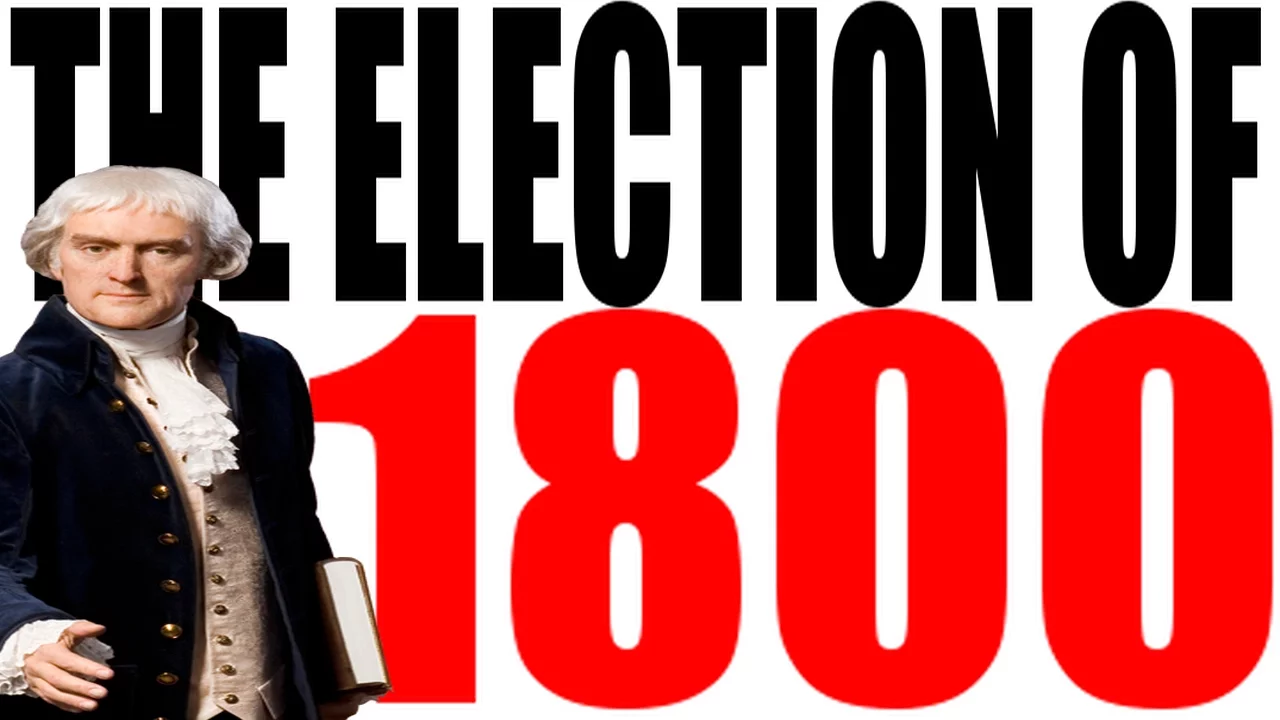
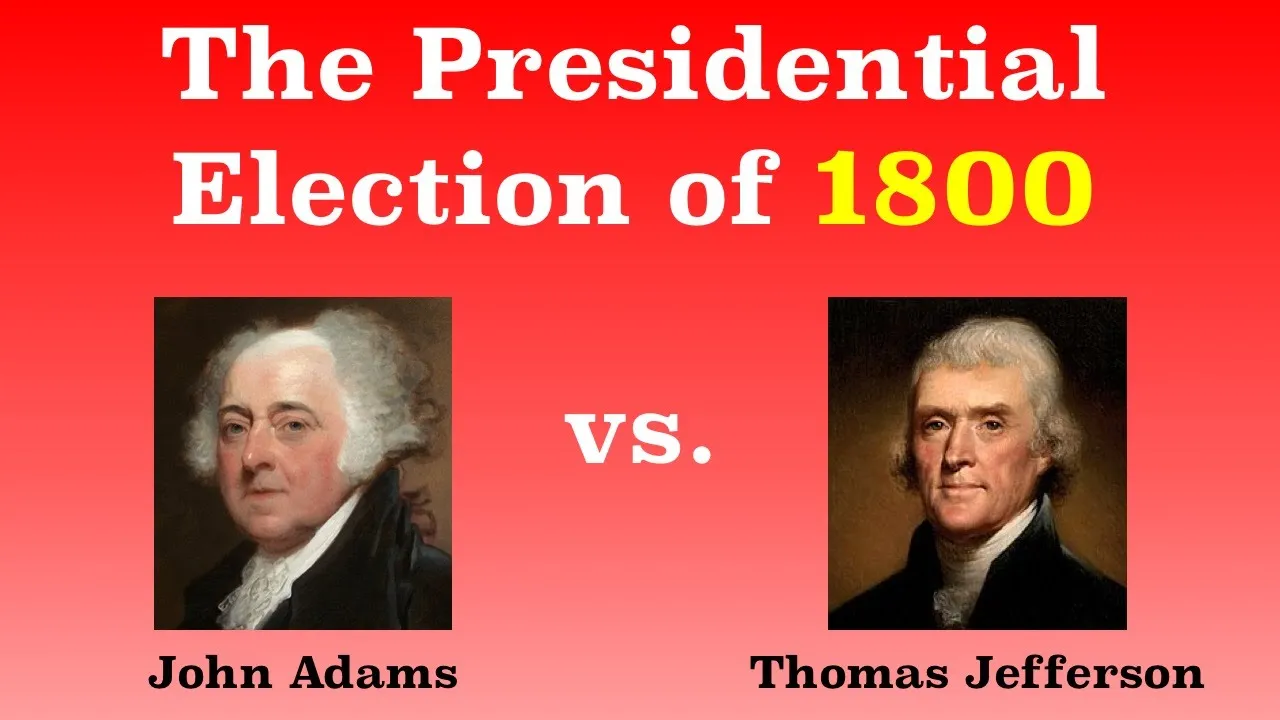
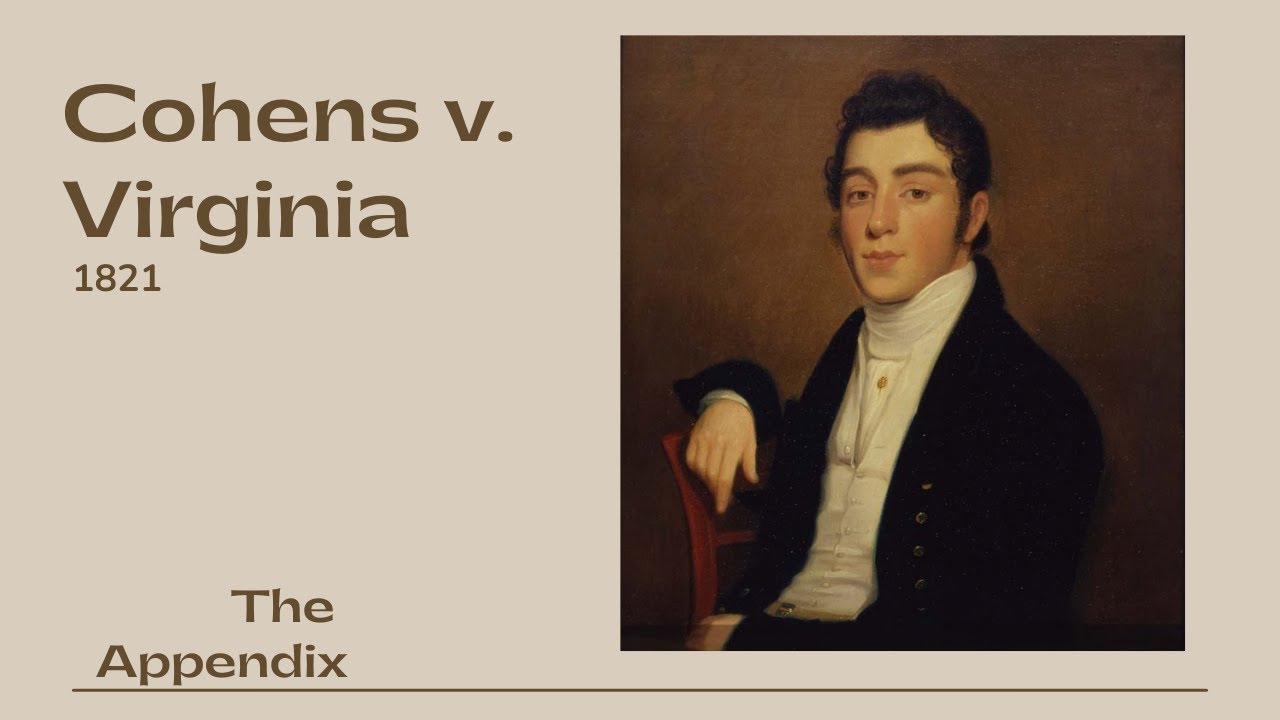
Added:in this video I just want to briefly go over Marbury vs. Madison and the nature of judicial review now according to most constitutional law of scholars large Barre vs. Madison is probably the most important case in the history of constitutional law here in the United States so it is a very seminal case it's a very landmark case it's a really important case to understand in terms of constitutional law because it does establish very core very fundamental principles not only of law but of just you as government in general so we want to make sure that we do understand Marbury vs. Madison and detail right but the one caveat here to make about Marbury vs. Madison and the nature of judicial review is that on an actual constitutional law fact pattern right this is typically not an area that can really be tested in a lot of detail right unless you actually have a fact pattern that is set in the 1700s or something right all of this that we're going to talk about is very well-established law today so this isn't something you would usually need to discuss in a lot of detail in an actual constitutional law analysis but it is good right to build our foundation and understanding of constitutional law in the United States we want to know about Marbury vs. Madison and because it is something that you're going to cover in a lot of detail in any constitutional law course you know we want to make sure that we do go over it but again as long as you understand these takeaways at the end we're going to talk about you should be in good shape in terms of in actual analysis on a constitutional law fact pattern right just one brief note I wanted to make before we jump into Marbury vs. Madison but we didn't go ahead and get into it right let's just break down the facts first of Marbury versus Madison you know what's going on here so important to recognize kind of the starting point of Marbury vs. Madison in terms of the historical context here is that we have the 1800 president election right then at the time and 1800 right the incumbent president is the Federalist John Adams okay then we have the 1800 presidential election and the Democrat Republican Thomas Jefferson actually defeats the then president who is a federalist loyalist John Adams right so the first thing we got a note here is we have the presidential election and we have a shift in power right the Federalist John Adams is leaving the office right of the White House and Democrat Republican Thomas Jefferson is coming and right this is akin to nowadays where we have two main parties right Democrats and Republicans in the 1800s right we had Federalists and Democrat Republicans as the two kind of competing parties so we have this power shift like we have when Obama goes out of office who's a Democrat and Trump comes in who's a Republican same idea happening here right in the 1800's we have this power shift among the parties okay so in the final weeks of Federalists control right Congress passes an act the Organic Act of the District of Columbia right this act allows the still president John Adams right he hasn't left office yet to appoint 42 new justices so of course what does President John Adams want to do it's his final days in office right he's a federalist loyalist what does he want to do with this act well he wants to appoint as many justices as he can that are going to be loyal to the Federalist Party right it's his final days of office he wants to solidify or at least get some justices appointed who are going to be loyal to the Federalist Party even after he's gone and Thomas Jefferson comes in so he starts up pointing as many justices as he can that are going to be loyal to the Federalist Party one of these justices is William Marbury okay but something interesting happens here right Secretary of State who interestingly enough right this is John Adams the still President Thomas Jefferson hasn't come in yet John Adams the Federalist is still President of the United States his secretary of state is John Marshall who also happens to be serving as the Chief Justice of the Supreme Court but acting as Secretary of State right John Adams gives John Marshall the signed Commission of Marbury and others in the closing hours of his presidency right so he's going to Commission these 42 new justices so what does he do he gets the Commission papers and he starts signing them in his final hours to get all of these Federalist justices into office one of them of course being William Marbury so he signs these papers he hands them to the then Secretary of State John Marshall and then this is all in the final hours of his presidency and then his presidency ends and Thomas Jefferson comes into the White House to take office of course Thomas Jefferson sees all of these signed Commission's right from John Adams and he looks that means like well I don't want all of these Federalist judges to be appointed so he actually orders right when Thomas Jefferson comes in he sees all these remaining signed Commission's that haven't been delivered including Marbury signed commission and he orders that these Commission's not be delivered right so of course now what happens well we have William Marbury sitting there right he's been told that he's going to be appointed as a justice he's waiting on his commission papers to come in his signed commission paper from John Adams but it never comes right he's just waiting around and his commission never gets delivered to him so he of course comes to find out that Thomas Jefferson has ordered that these Commission's not be delivered of course he's not happy about this so he wants to seek some sort of redress right he wants a legal remedy because his commission is never delivered to him right so pursuant to section 13 of the Judiciary Act of 1789 Marbury sick seeks a writ of mandamus directing Thomas Jefferson's Secretary of State James Madison to deliver his commission okay so a lot of things to break down here right first of all what's a writ of mandamus right a writ of mandamus for our purposes in this video right is typically going to be where a court is ordering a government official or compelling a government official to execute some official duty that that government official has so right here Marbury right is going to the Supreme Court he's seeking them he's seeking a writ of mandamus from the Supreme Court right so he wants the Supreme Court to issue a writ of mandamus that's going to compel Thomas Jefferson's Secretary of State James Madison to deliver his Commission paper to him right that's appointing him as a judge right so he wants to have the Supreme Court issue a writ of mandamus that's going to compel James Madison to deliver his commission that he's waiting on right and he can do this pursuant to section 13 of the Judiciary Act of 1789 the judge the Judiciary Act of 1789 under Section 13 allows for this exact type of thing right this was passed by Congress the Judiciary Act of 1789 and section 13 says hey look and warranted cases the Supreme Court can issue writs of mandamus to compel government officials to take action right and warranted cases right and that's up to the Supreme Court's discretion right that's what section 13 of the Judiciary Act of 1789 is all about so again Marbury is relying on section 13 of the Judiciary Act to go to the Supreme Court and ask them to compel by issuing a writ of mandamus compel Thomas Jefferson's Secretary of State Jane madisyn to deliver his commission okay so when he goes to the Supreme Court seeking this writ of mandamus this is how we get Marbury vs. Madison right this is 1803 so this reaches the Supreme Court right and the Supreme Court is faced with a tough decision right because just to give a little bit more historical background here at the time right at the time the Supreme Court has kind of a public perception of being weak or not living up to the prestige that once was thought of as the Supreme Court so there's a little bit of pressure for the Supreme Court to establish its power right it needs to gain back that public perception it really is looking to establish power as the Supreme Court of the United States so there's a problem though here right either way the Supreme Court decides right we have Chief Justice John Marshall writing the opinion making this decision right so Chief Justice John Marshall if he finds form are very right if he looks at it and says yeah look this even though your Commission wasn't delivered right it was signed so you probably should be provided some type of redress here we're gonna compel the delivery of your Commission right he finds for Marbury he risks a confrontation with Thomas Jefferson in the executive branch right Thomas Jefferson is ordering that these not be delivered as president of the United States he's ordering that the Commission's not be delivered so if the Supreme Court finds for Marbury right he's risking a confrontation with the President of the United States Thomas Jefferson not something the Supreme Court wants to do not something Chief Justice John Marshall wants to do here on the other hand if he finds against Marbury basically saying hey look this is beyond our scope of power of the Supreme Court he looks weak right and this narrative continues to grow that says the Supreme Court is weak and power and doesn't have that prestige right so he's kind of stuck between a rock in a hard place either way he decides now Chief Justice John Marshall does something that most constitutional law scholars describe as genius or brilliant where he actually finds a way to kind of avoid issuing a decision on the merits he avoids a confrontation with the presidency but also establishes power for the Supreme Court right and a really really brilliant move on his part so if you look at the opinion right he starts by talking about the merits of the claim and he says hey look Marbury has a very strong case on the merits here right even though his commission was never actually delivered to him the president the then president John Adams had signed it and when President John Adams signs that Commission paper at that time Marbury had a vested property interest so the fact that it was never delivered to him is probably not really dispositive here and therefore Marbury should probably be entitled to some form of relief or redress right so they basically say look Marbury has a really strong case on the merits but there's a problem with his claim right then they move into a discussion of jurisdiction and they say look Marbury relied on section 13 of the Judiciary Act of 1789 to bring this claim to us at the Supreme Court the problem is section 13 of the Judiciary Act of 1789 is in conflict with article 3 section 2 of the US Constitution basically what John Marshall is saying here is that section 13 of the Judiciary Act is unconstitutional right section 13 of the Judiciary Act is trying to expand the power of the Supreme Court or expand the jurisdiction of the Supreme Court beyond the jurisdiction that's established in the US Constitution under article 3 section 2 right so what is article 3 section 2 all about right if you have your pocketbook Constitution like I do now is a good time to flip to article three section two but we'll also put this below the video in case you don't have a pocketbook Constitution but if you flip to article three section two you'll remember this probably - if you think back to Civil Procedure article three section two basically says there's two types of claims that federal courts are going to have original jurisdiction over right remember cases that arise under federal law in cases where we have diversity of citizenship remember and Civil Procedure we talk about this as subject matter jurisdiction right federal courts have to have subject matter jurisdiction to have the authority to hear and decide a case and remember we say there we're looking for either cases that arise under federal law or cases where we might have diversity of citizenship right now here right so that that end by the way and so article three section two then says look if the court the federal court doesn't have original jurisdiction under one of these two kind of types of jurisdiction the only way the court can hear the case is through appellate jurisdiction right so what section 13 of the Judiciary Act in effect is doing is providing another way for somebody to have original jurisdiction in the Supreme Court right you can go directly like Marbury's dooming here to the Supreme Court asking or seeking a writ of mandamus right so essentially this is expanding that jurisdiction of the Supreme Court or at least this is what Chief Justice John Marshall is saying look section 13 of the Judiciary Act is really expanding our original jurisdiction beyond the limit established in article 3 section 2 of the US Constitution in article 3 section 2 we talked about having jurisdiction in cases that arise under federal law or in cases where we have diversity of citizenship not anything about writs of mandamus right and cases that might be warranted this is really a broad you know expand of our original jurisdiction that was invested to us in article 3 section 2 of the US Constitution so the ultimate holding is for this reason even though Marbury you might have a strong case on the merits here we can't issue we can't hear and decide this case because the statute you relied on to bring this case to us right it's unconstitutional right it's in conflict with article 3 section 2 of the US Constitution so kind of a tough result therefore Marbury right you have a good case you're probably entitled to some relief but essentially this is outside of our jurisdiction right so that's the breakdown right the facts in the whole holding of Marbury vs. Madison but there's some takeaways here that we can dissect that make this case really important when we look at okay what does this finding this holding actually mean or the Supreme Court moving forward right and our first takeaway right the number one thing we have to think about here is what what this holding really says is that the US government must be based upon the rule of law right so what is the Supreme Court doing here section 13 of the Judiciary Act of 1789 actually expands the power of the Supreme Court this is a beneficial law for the Supreme Court this gives them another way to hear cases right this is an expanding this is an expansion of their jurisdiction right so even though section 13 of the Judiciary Act of 1789 is beneficial to the Supreme Court they're striking it down anyways they're adhering to act to article 3 even when it costs them to do so because they're saying look the rule of law is more important right our government our system of government has to be based upon the rule of law if we're not going to follow the Constitution you know who are we right so they're establishing or solidifying this idea that US government must be based upon the rule of law and they go with this even when it in a way hurts them to do this because this Act that's passed by Congress is really beneficial to the Supreme Court right it gives them more jurisdiction but they're striking it down saying no we're gonna stick to our guns it's in conflict with article 3 section 2 of the US Constitution we're going to adhere to the rules of law right so that's kind of your first major takeaway that this case kind of stands for next is the idea that the US Constitution is the supreme law of the land right this case Marbury vs. Madison establishes a clear hierarchy right they're saying here that the US Constitution is above all law right it's the highest law of the land even though you Congress are important right Congress is the ones who passed this Judiciary Act of 1789 right even though Congress is a big deal you guys are creating federal law it's important but it's not at the level of the US Constitution right the US Constitution is the supreme law of the land so if there's conflict right if Congress is passing law that conflicts with the US Constitution we're gonna say that the Constitution controls right this is one of the first cases that really solidifies that the US Constitution is the ultimate supreme law of the land right and finally and maybe the most important takeaway of this opinion is the third one here on the board right the holding solidifies that the judiciary has the power of judicial review right if you look at article 3 of the US Constitution nowhere in there does it say the Supreme Court has the power to review acts passed by Congress to determine whether those acts are consistent with the US Constitution right that's not in there right article 3 that's the power of the judiciary and this Court in the federal court system but it doesn't say that the Supreme Court gets to review law to determine whether the law is consistent with the US Constitution right that's what Marbury versus Madison is really solidified as establishing this power this very important power in the US Supreme Court right they're saying with this holding the Supreme Court of the United States may review law passed by Congress to determine whether the law is consistent with the US Constitution right before this case maybe it's not a hundred percent clear whether the court can actually do this can the court interpret laws passed by Congress to determine whether that law is constitutional or not constitutional right and when you really think about this third take away something that's really interesting and why this is a really bold opinion is who are the people who wrote section 13 of the Judiciary Act of 1789 right who are all the people in Congress in 1789 right this is the same crew who that wrote the US Constitution right they wrote all these members basically of Congress who passed this act in 1789 are the same people who actually drafted the US Constitution so when you're saying to this Congress right that passed this act right you would think that obviously Congress knows whether they're passing a law that's in conflict with the document they wrote ten years earlier right but nonetheless the court saying we don't care Congress if you wrote the Constitution yourselves if you pass a law that's in conflict with that document you wrote we're gonna strike it down we have the power to do that as the Supreme Court really a bold holding when you think about it from Chief Justice John Marshall right again though these are the takeaways and the biggest one and the most important takeaway to come away from Marbury vs. Madison with is that the Supreme Court has the power of judicial review right the Supreme Court can look at law that has been passed by Congress and determine whether that law is consistent with the US Constitution or not consistent and if it's not consistent they can strike that law down as being unconstitutional right that's what Marbury vs. Madison is all about right so even though the Supreme Court is giving up a little bit of power right they're saying section 13 of the Judiciary Act is unconstitutional right this act that expands their jurisdiction a little bit they're giving up this power that's section 13 of the Judiciary Act for a far greater power right the power of judicial review which they know will go into the future forever as a very important power the power to be able to review law and determine its constitutionality right it's going to be more important in the long run than section 13 of the Judiciary Act which is giving them a little bit of an expansion in their jurisdiction right so really cool case that's Marbury versus Madison now again like I said in the beginning of the video the interesting thing here about Marbury vs. Madison is that on an actual constitutional law fact pattern on a constitutional law exam right you probably don't have to run through this as an actual analysis unless you had a fact pattern that was like based in the 1700s or something that's pre Marbury vs. Madison that might force you to kind of discuss some of these issues but for the most part right what do you need to know from Marbury vs. Madison in terms of an actual analysis on a constitutional law fact pattern right only that the Supreme Court has the power of judicial review right they're allowed to review cases and determine whether they're allowed to review law and determine whether that law is constitutional or not constitutional right you can sum it up very easy right Marbury versus and gives the court the power of judicial review right and for that reason it's not something that you typically have to go into in a lot of detail in an actual constitutional law analysis but it is important to know right and from here what happens after Marbury vs. Madison right there's a lot of case law that kind of takes different nuances to this it solidifies it doubles down this holding after you get through some of these cases that are related to Marbury vs. Madison where the court doubles down on Marbury vs. Madison you get two more questions right when you get to Fletcher v Peck and Martin versus hunters let's see right Aaron V Cooper all the way up to Bush v Gore right you probably read all of these cases in constitutional law when you're studying the nature of judicial review a lot of those cases deal with questions is to write if we're saying in Marbury vs. Madison we are establishing that the supreme court can review law passed by Congress and review federal law to determine whether federal law is consistent with the Constitution what about state action can the supreme court review state law to determine whether state law is consistent with the US Constitution and the answer again is yes of course we all know this and today in modern time the Supreme Court does this all the time but again that was what the evolution the case law is in Fletcher v Peck Martin versus Hunter's let's see it's why you read all of those cases right and then after that it's just state action in general what about state court decisions can the Supreme Court review state court decisions and determine whether Court decisions are constitutional or not constitutional the answer is yes the Supreme Court can do this and they do do it all the time right so I am summarizing a lot here if those cases probably have importance in a law school setting but in terms of actual analysis on a constitutional law fact pattern that's why we're not going to go into a whole lot more detail of the nature of judicial review because the conclusion is all there right as the court can do this they can review state action federal action to determine whether that action is constitutional right that's Marbury vs. Madison in that whole line of cases from Fletcher V pact of Martin versus Hunter's lessee Aaron and Cohen and all the way up even to Bush v Gore is probably the most recent case you would study in a constitutional law class it all gets to the same idea right so for that reason we're not going to go into a ton of detail we can put a little bit more information about those cases in that evolution a little bit below this video just to touch on it but again the more important part of this analysis right is going to come in the second half right where we get to standing timeliness mootness ripeness all of that stuff the case or controversy requirement is going to be the far richer part of your analysis on a constitutional law fact pattern so that's where we're really going to start breaking down step by step what to do and we'll get into that in our next video but until then guys I do wish you all the absolute best and I'll see you at our next video
Up Next

Scalia & Breyer: Constitutional Interpretation Debate
@UARIZONALAW
801.5K views•2019-01-24

US Secondary Sanctions Impact on EU Businesses and Blocking Legislation
@Bureauvandijk
1.6K views•2019-03-20
Hearsay Exceptions: FRE 801(d) Statements Not Hearsay
@studicata
63.6K views•2018-10-25

Police Interrogation Tactics: False Confessions & Legal Reform
@LastWeekTonight
7M views•2022-04-18
Related Study Plans & Knowledge Roadmaps
Structured learning paths in Law