












![ECONOMIC Developments in the Industrial Age [AP World History] Unit 5 Topic 7](https://i.ytimg.com/vi/nhjr5eZ05gw/maxresdefault.jpg)



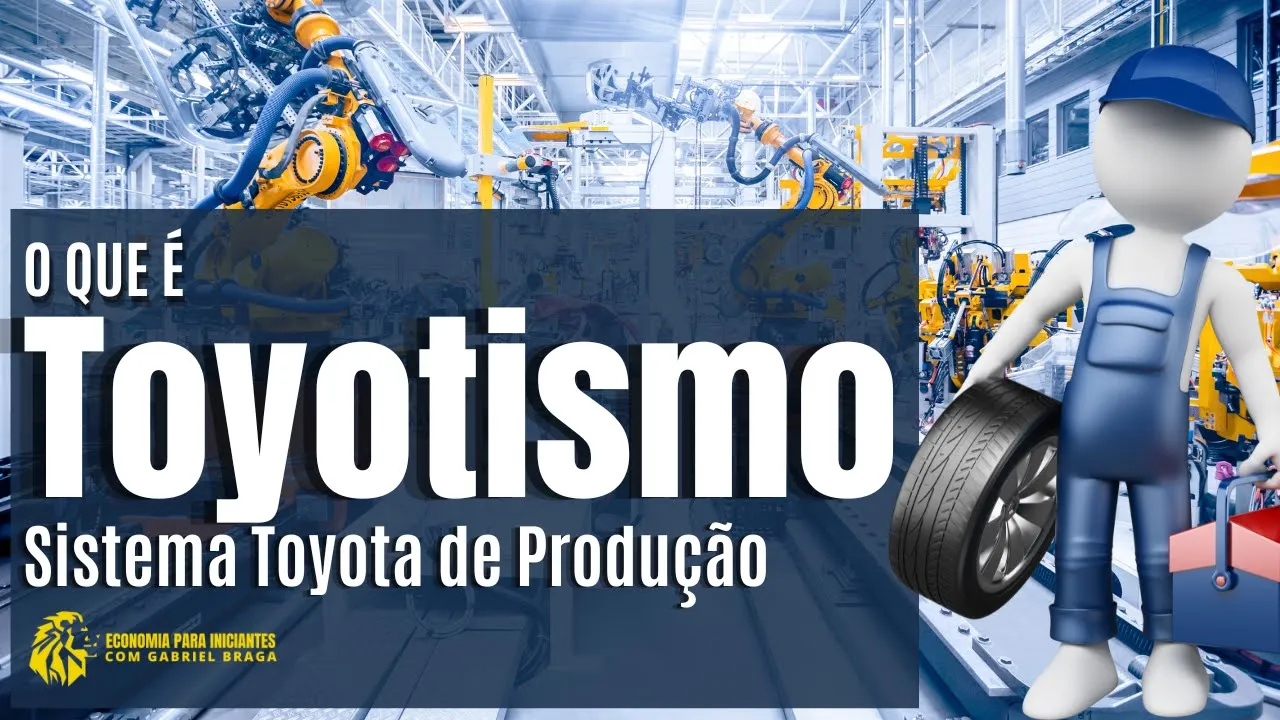














Fordism represents the third major phase of Western industrialization, characterized by mass production and mass consumption through assembly lines, where workers were tethered to steadily moving lines to produce affordable goods at high volume, exemplified by Henry Ford's Model T which reduced car production time from 12 hours to 2 hours; Post-Fordism emerged as a response to Fordism's limitations, particularly the inability to offer product variations, by shifting toward flexible production that manufactures in smaller batches using computer-aided design, prioritizing customization and consumer choice over standardized mass production, as seen in modern examples like Nike ID and the Toyota Production System's lean manufacturing philosophy focused on eliminating waste and empowering workers for problem-solving.
Fordism vs Post-Fordism: Mass Production to Flexibility
Added:okay fordism versus post fordism fordism is all about mass production and mass consumption it was the third major phase in the industrialization of the western world and during this time clear workflows were established which tethered workers to a long steadily moving assembly line this was also a time where high volume mass production of goods were perfected the primary goal of the assembly line was div vision of Labor and production speeds increased dramatically the concept of mass production also made affordable products and workers were paid Higher Living wages so that they can afford to purchase the products that they make fordism was named after Henry Ford a Ford morar company founded in 1903 a job on the assembly line of an automotive company was served as an icon of factory work for decades Henry Ford and his Engineers introduced Innovations new Innovations and Factory layouts on a regular basis in order to streamline operations and minimize the time required for assembly for each car cutting the time it takes to produce a product was one of the key importances of the assembly line improvements in car designs better engineering and lower prices led to an increase in demand car companies like Ford responded to this Demand by introducing mass production techniques to increase Supply while saving as much time as possible aircraft companies went from building a full of planes at a time to building them by the thousands on assembly lines manufacturer for manufacturer Factory for factory worker for worker America outproduced its enemies by 1944 each American worker produced more than twice of his or her German counterpart and four times the output of a Japanese worker the Ford Model T was the first affordable car created in 1908 ever since the creation of this immensely popular model the company rapidly added new plants to expand capacity sorry to expand capacity and Implement new systems of workflow management from this and because of the nature of fordism and mass production model T's were made fast enough and were affordable enough for your average Joe to own one when Ford Engineers introduced the assembly line to Model T production in 1913 the amount of Labor spent making a single car dropped from from 12 hours to 2 hours and about half a year later model T's rolled off the assembly line at the rate of a th000 per day so there was an increase in demand for cars and increase consumption which made people want to purchase cars more mass production and low prices were not enough to stimulate levels of consumption which is what Ford lived by the US government then stepped in and established a minimum wage to increase spending and stimulate demand and assist in maintaining a stabilized economy with the creation of the assembly line by Ford mass production was a possibility with low and affordable prices so with post fordism post fordism was brought out by the limitations that were seen in mass production which was perfectly captured by the Ford's famous Model T which could only come in the color of black this inability to create variations of design also known as production in flexibility was a key factor that led to cons consumer dissatisfaction and a drop in demand individuals began to desire choice and well-designed products and was also in favor of flexibility and customization in production flexible production involves manufacturing products in batches rather than large quantities and this was aided largely by computer assisted design or computer aided manufacturing so rather than being viewed as a mass Market to be by mass production consumers began to be viewed as different groups who pursued different goals and could be better served with small batches of specialized Goods Mass markets became less important while markets for luxury and customization became more significant production became less homogeneous and standardized and more diverse and differentiated as organizations and economies of scale were replaced with organizations and economy economies of scope one example of modern computer specialization is Nike ID if you do not like one of the color options Nike offers you you are able to customize a pair of shoes on nike.com a customer is able to design their own shoe using a template and choosing the specific colors and materials although this does cost more and takes longer to make and ship it allows consumers the option to get exactly what they want so instead of producing generic Goods firms found it more profitable to produce diverse product lines targeted at different groups of consumers appealing to their sense of taste and fashion instead of investing huge amounts of money on mass production of a single product firms now needed to build intelligent systems of Labor and machines that were flexible and could quickly respond to the whims of the market flexibility and Variety in the skills and knowledge of core workers and the machines used for production allowed for the specialized production of goods so the Toyota production system was an example of lean production and this was a system that is steeped in the philosophy of the complete elimination of waste and imbus all aspects of production with his philosophy philosophy in pursuit of the most efficient production method the main goal was to eliminate every form of waste and to ensure the activities performed added some sort of value to a product this encourages workers to engage in engage actively in problem solving and employees are hired for their intellectual and physical capabilities in 1944 Levi straw started custom fitting individuals needs by getting four key measurements waist inseam hip and Rise a customer's measurements were inputed into a computer and then a customer was recommended what type of genes they should try on after that other alterations could be made to give them the perfect fit the end thank you
Up Next

UK Childcare Crisis: Underfunding, Closures & Reform Prospects
@theGuardian
287.5K views•2023-09-18

Impact of Yuan in Indo-Russian Trade Amid Sanctions
@WION
261.9K views•2022-07-01

Behavioral Economics Explained: Rationality, Nudges, and Risk
@crashcourse
1.1M views•2016-03-12

The Age of Easy Money: Fed & Inflation | Full Documentary
@frontline
21.2M views•2023-03-15
Related Study Plans & Knowledge Roadmaps
Structured learning paths in Economics