







![[1] RISE OF EL CID: SPANISH KNIGHT (Castille) Campaign for Crusader Kings 3 (Historical Lets Play)](https://i.ytimg.com/vi/t0vfdcV7cXs/maxresdefault.jpg)



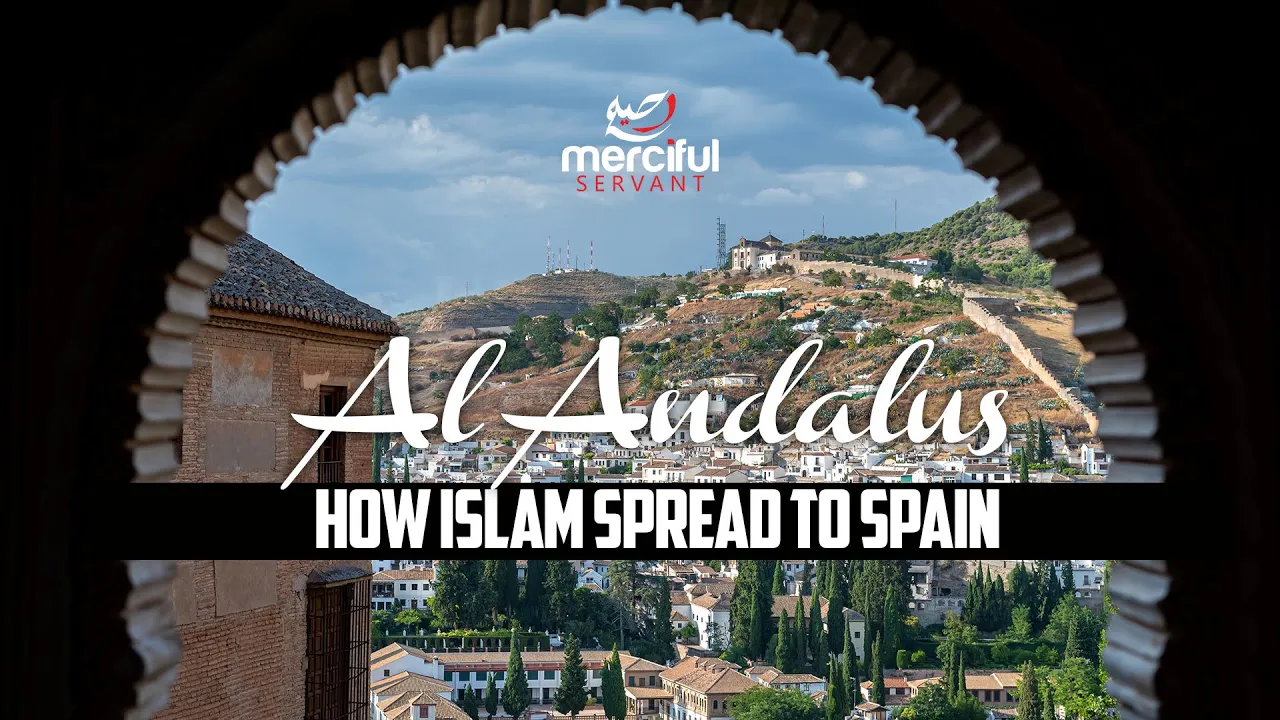
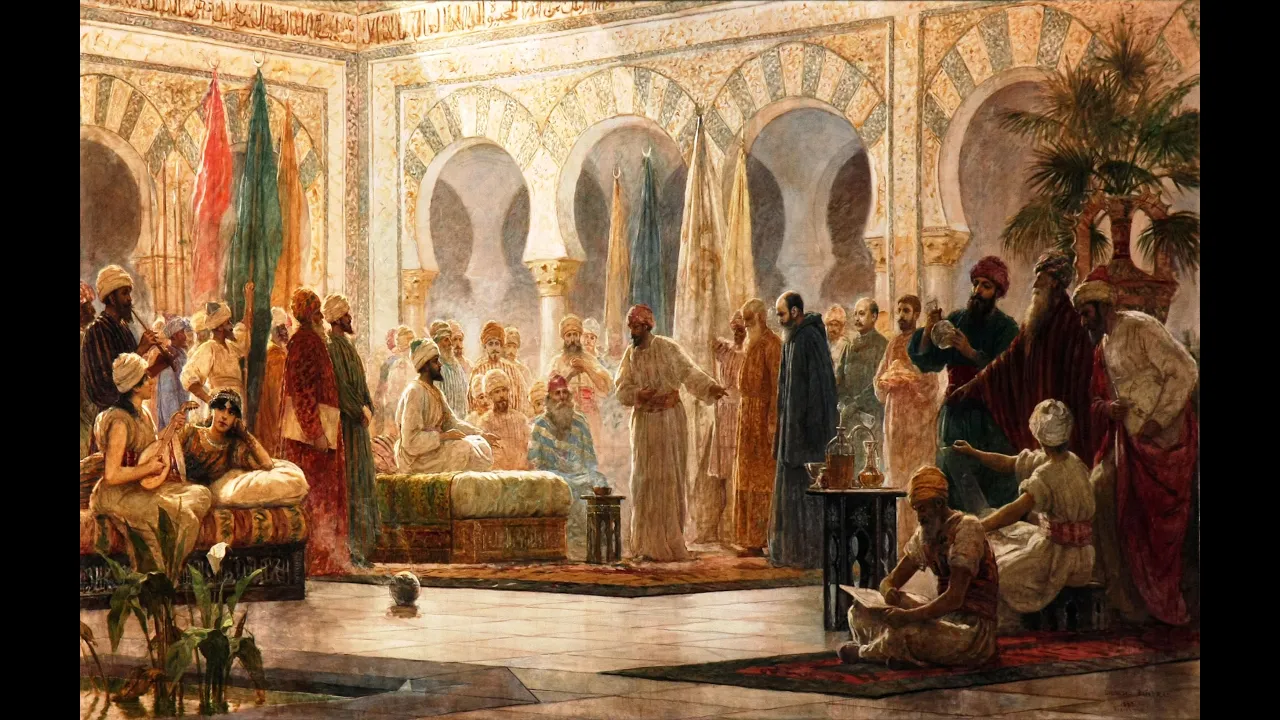

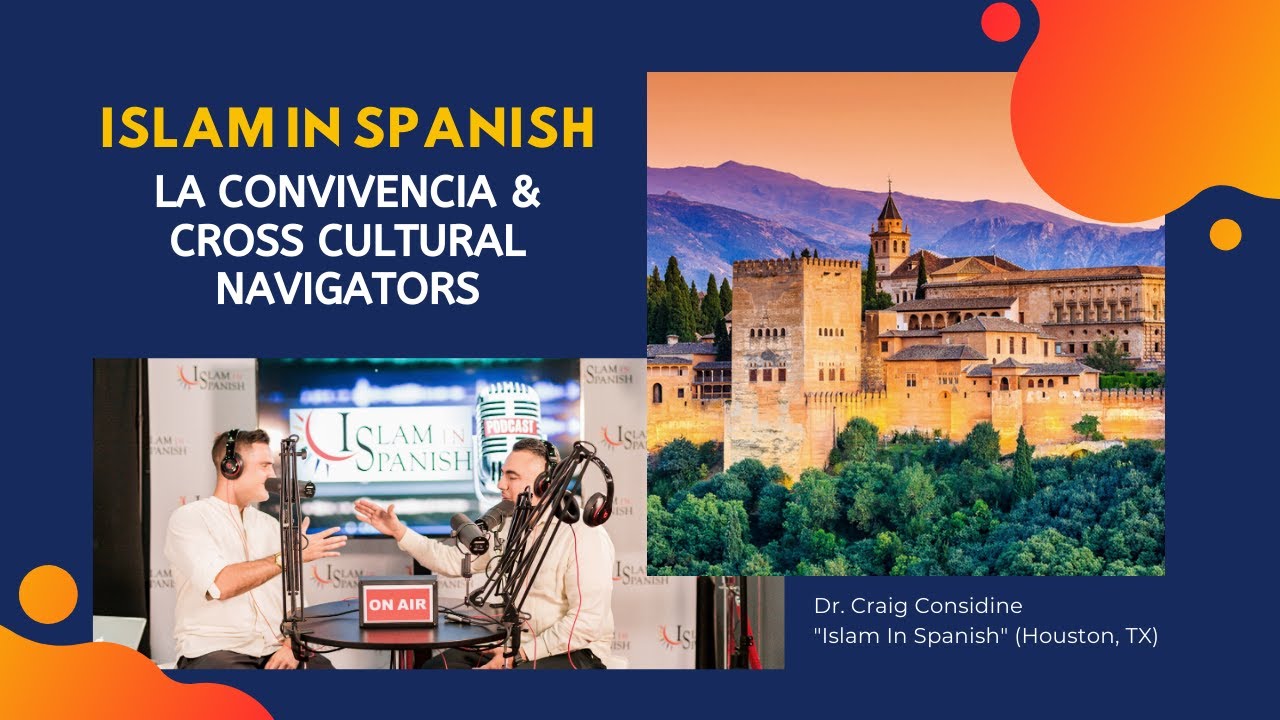





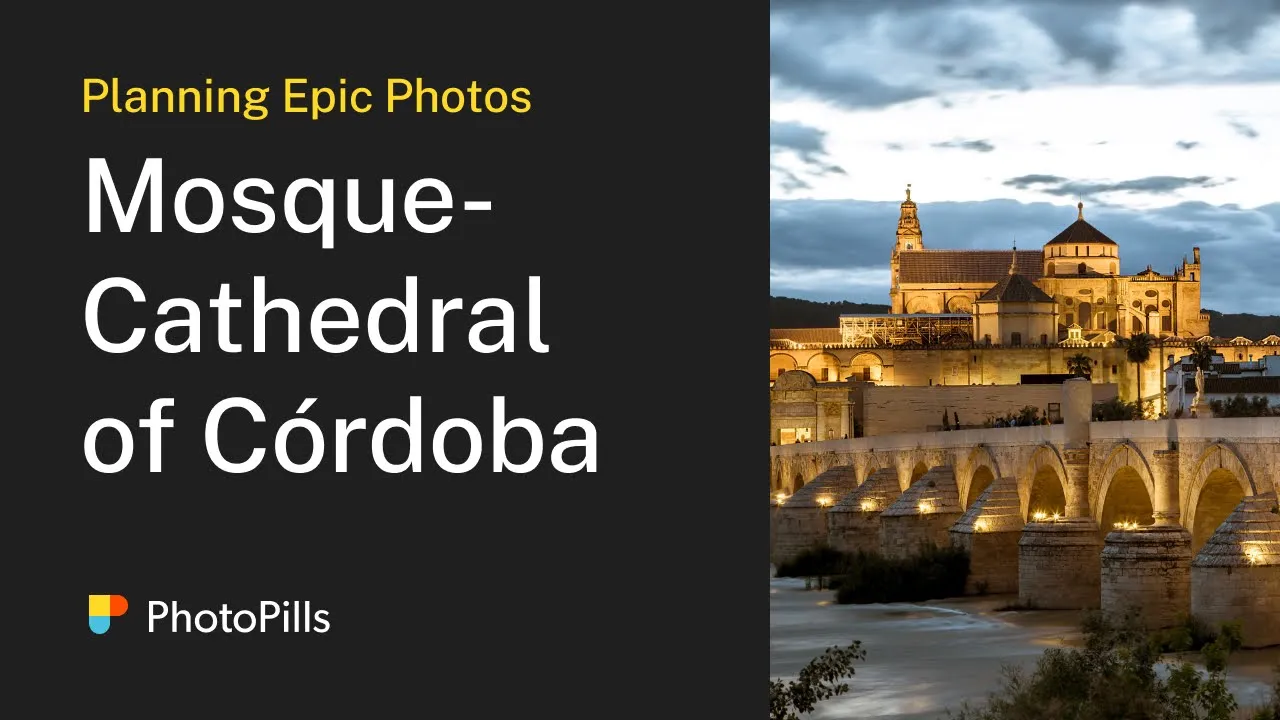
The Great Mosque-Cathedral of Córdoba, originally built as a massive mosque in the 10th century and later converted into a cathedral after Christian conquest in 1236, exemplifies the remarkable spirit of religious tolerance and cooperation that characterized Al-Andalus during its Golden Age, when Jews, Christians, and Muslims lived together peacefully as one unified culture sharing common language, cuisine, and traditions.
Córdoba's Mezquita: A Mosque-Cathedral Symbol of Spain's History
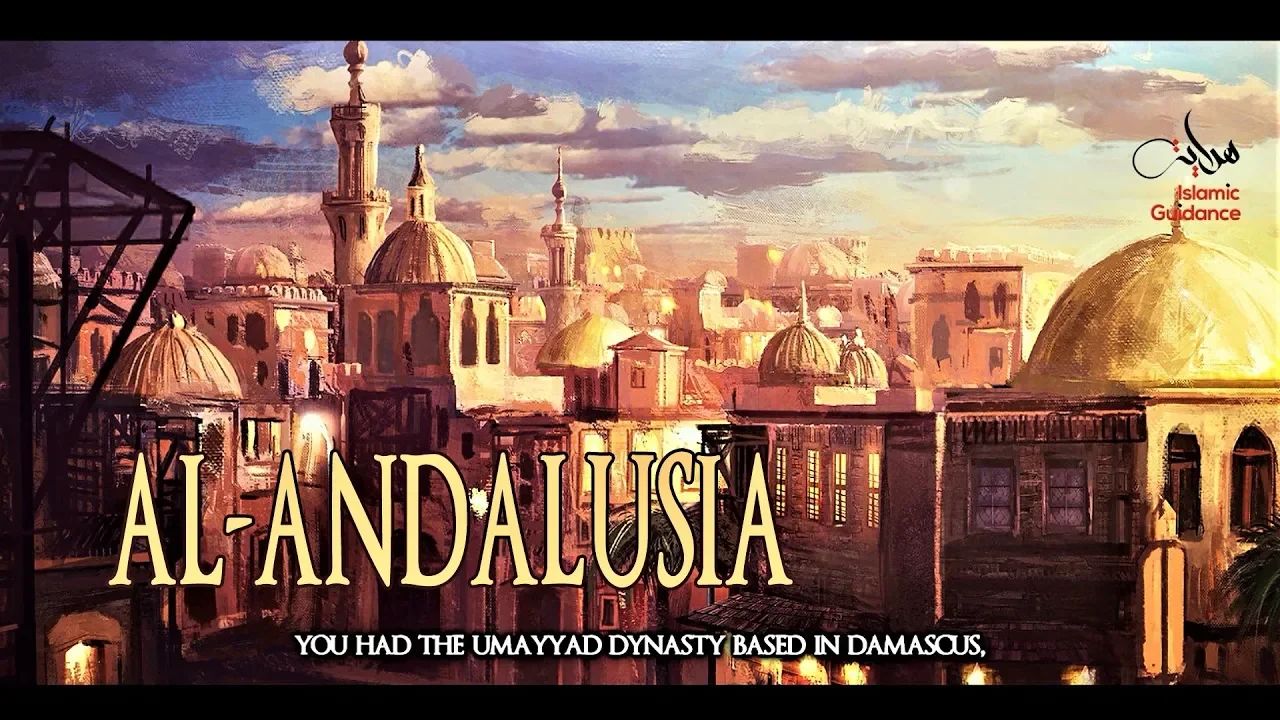
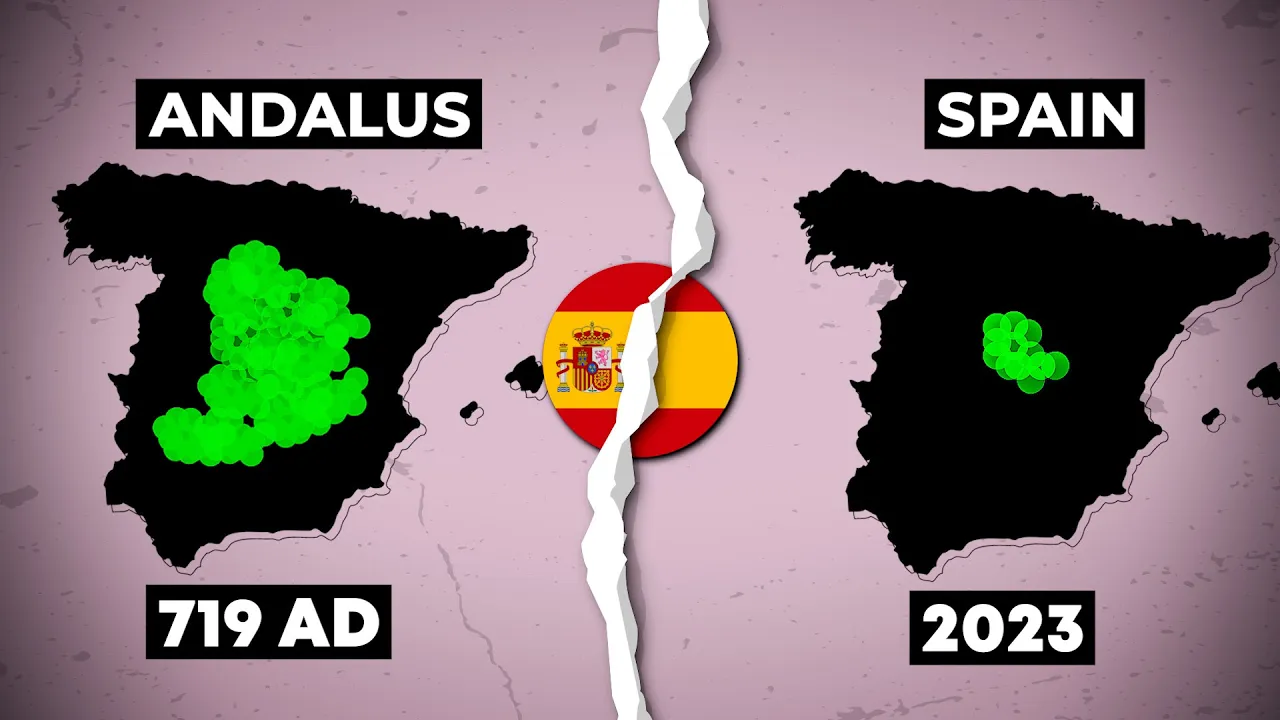
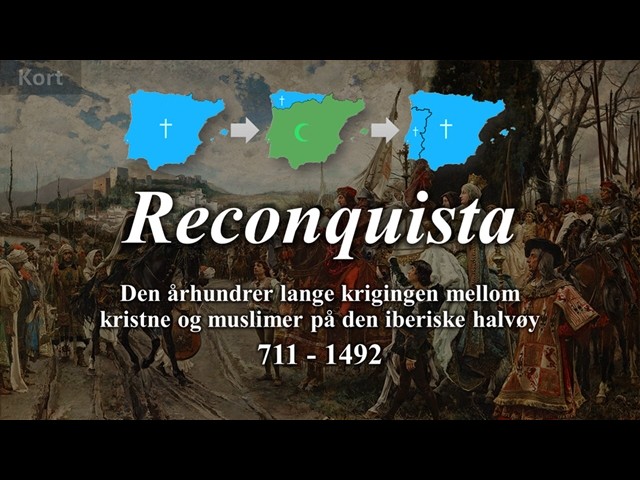
Added:The historical concept of Al-Andalus, which refers to the territory in the Iberian Peninsula under Muslim rule between 711 and 1492.
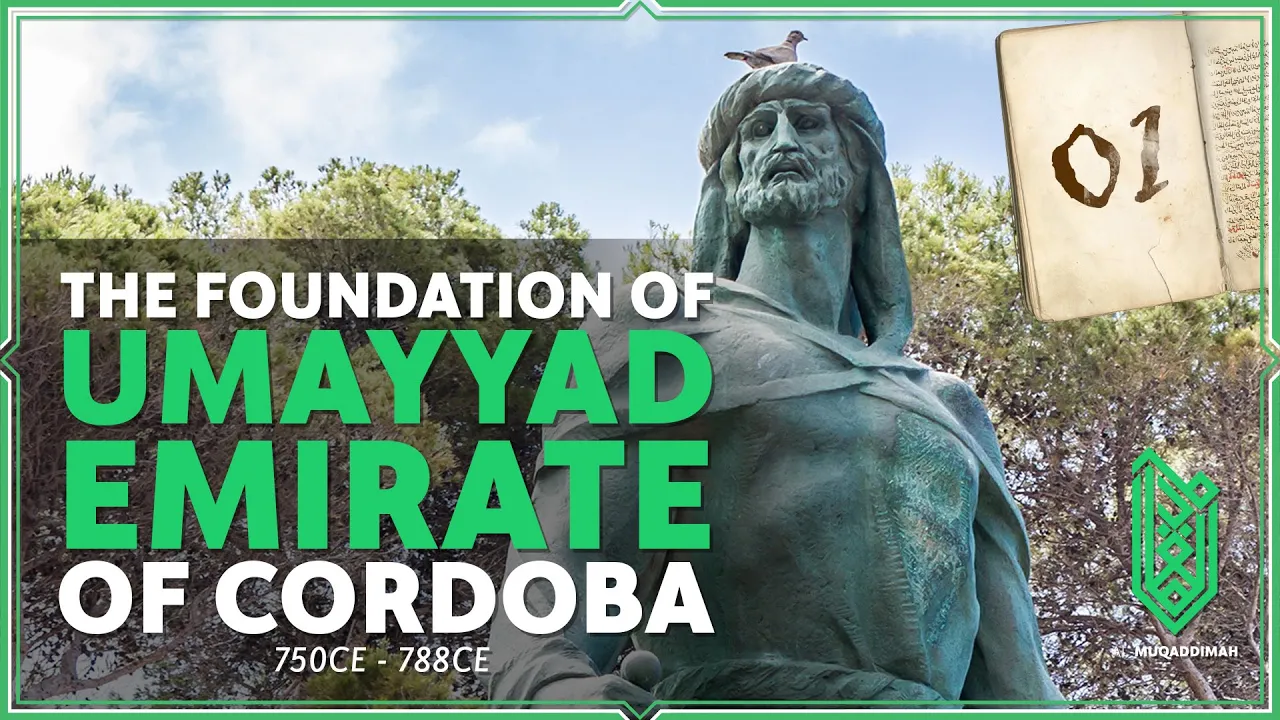
The rise of the Umayyad Dynasty and its establishment of an independent Emirate and subsequent Caliphate with Córdoba as its capital.
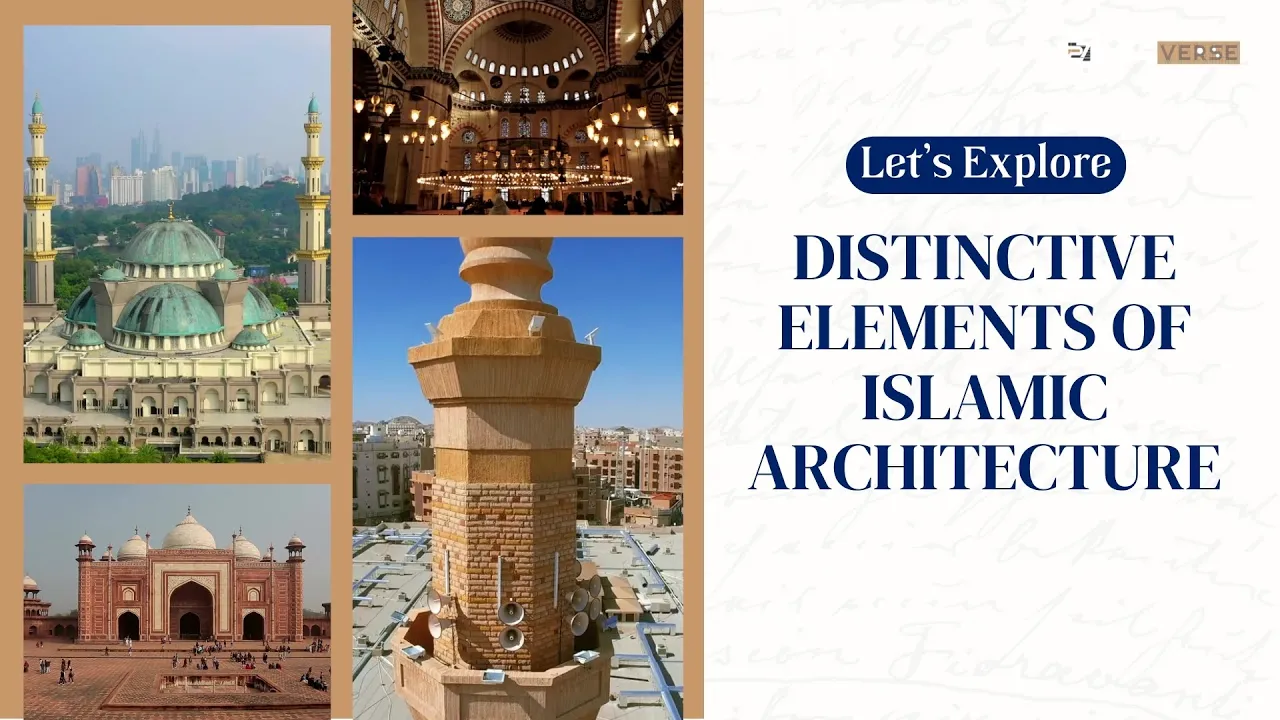
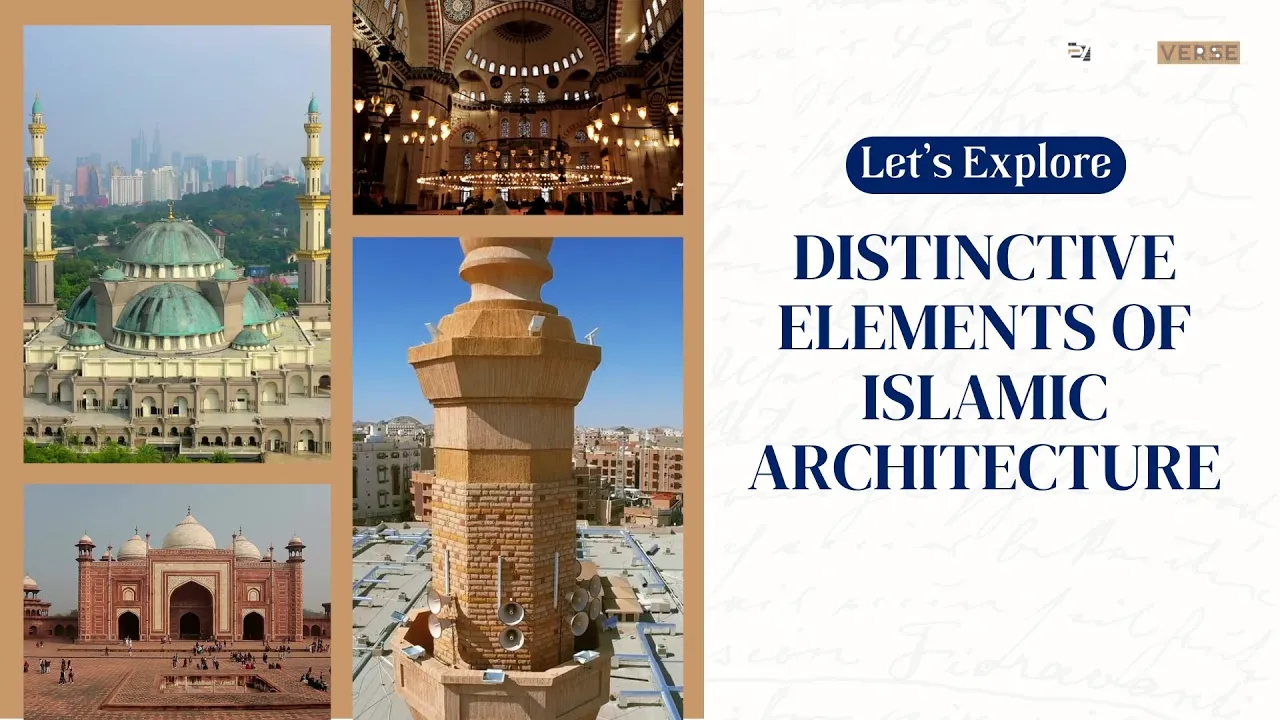
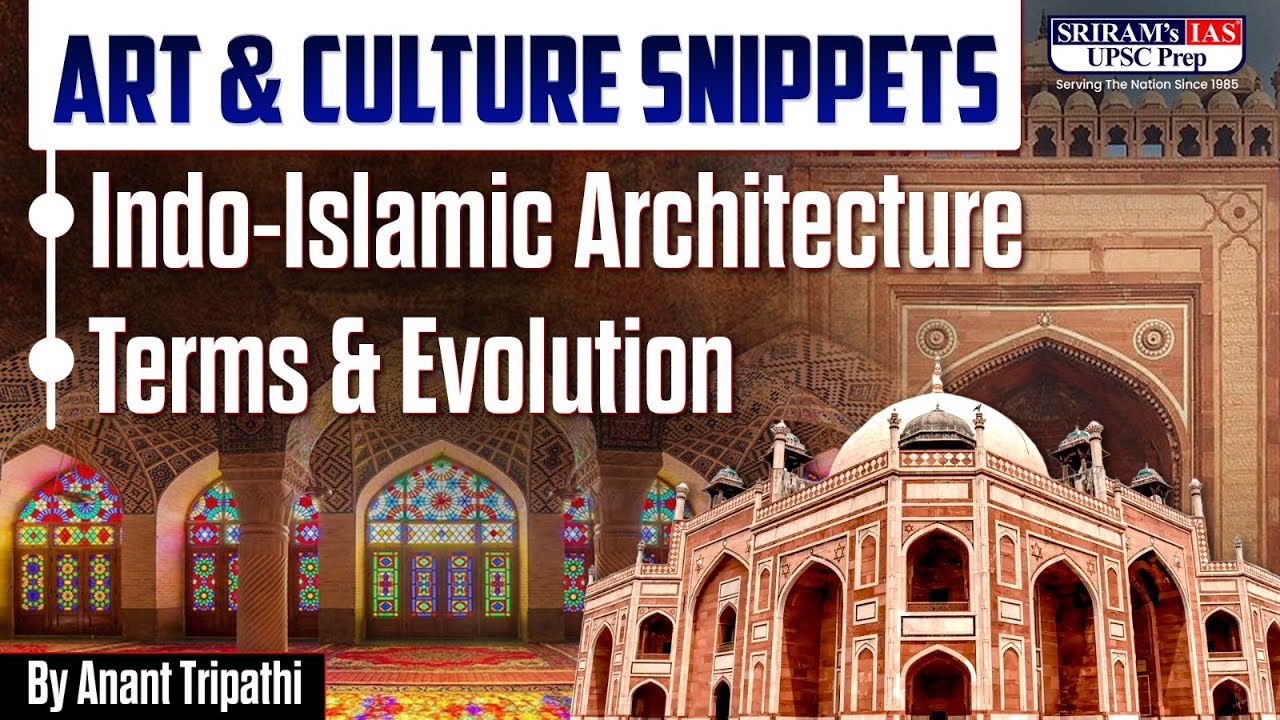
Fundamental elements of Islamic religious architecture, such as hypostyle halls, horseshoe arches, mihrabs, and qibla walls.
The historical context of the Spanish Reconquista, the centuries-long campaign by Christian kingdoms to reclaim the Iberian Peninsula.
The concept of 'Convivencia' (coexistence) and the cultural, scientific, and philosophical exchange among Muslims, Christians, and Jews in medieval Spain.
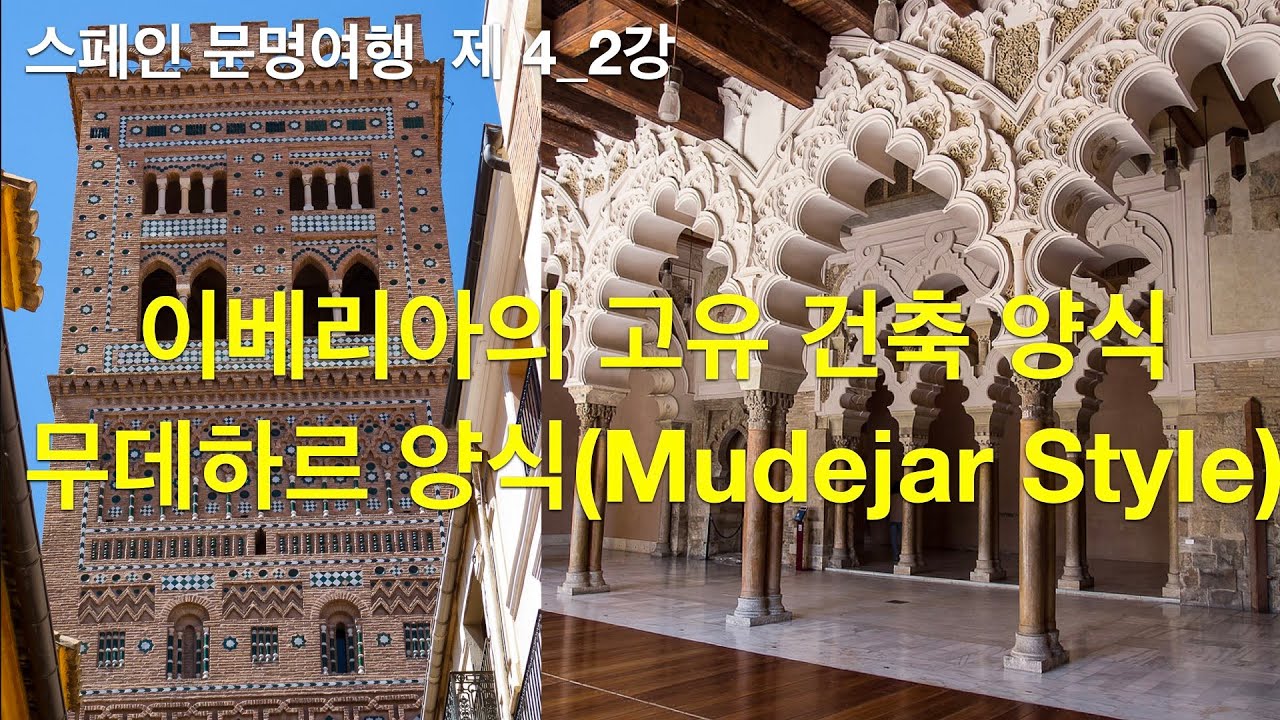
Mudéjar architecture, a unique style that emerged in Christian Spain incorporating Islamic decorative elements and construction techniques.
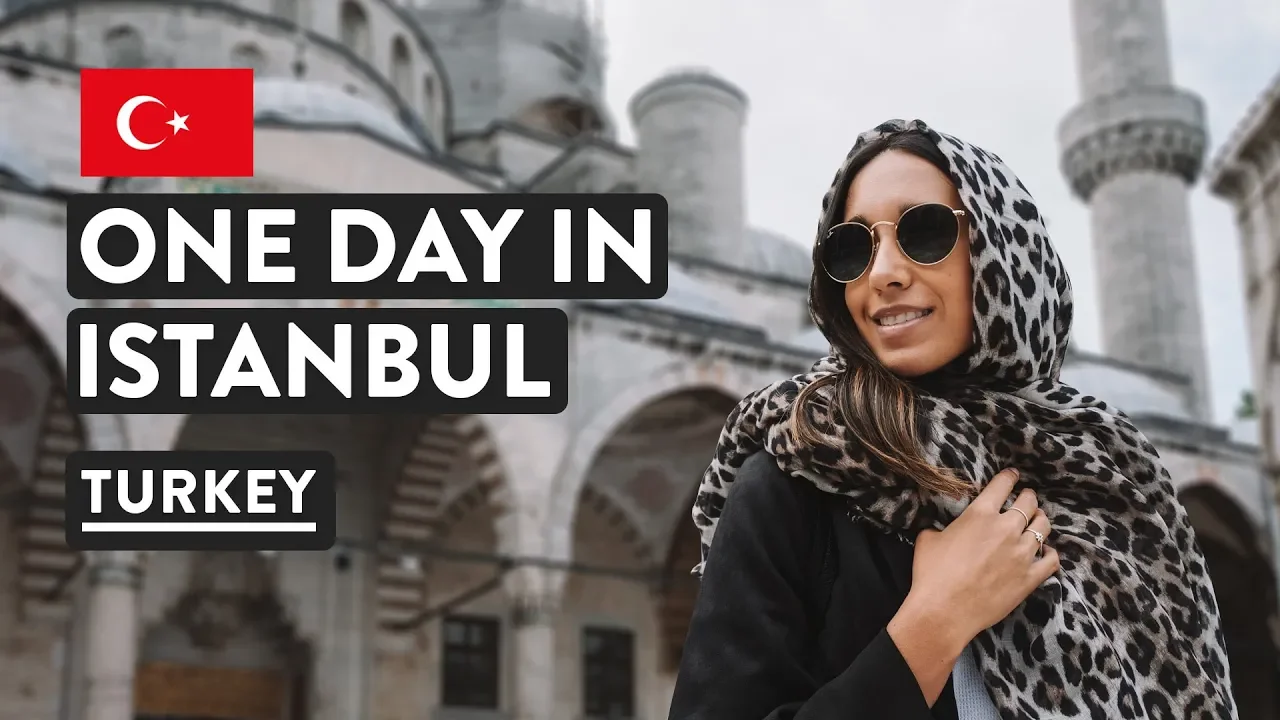
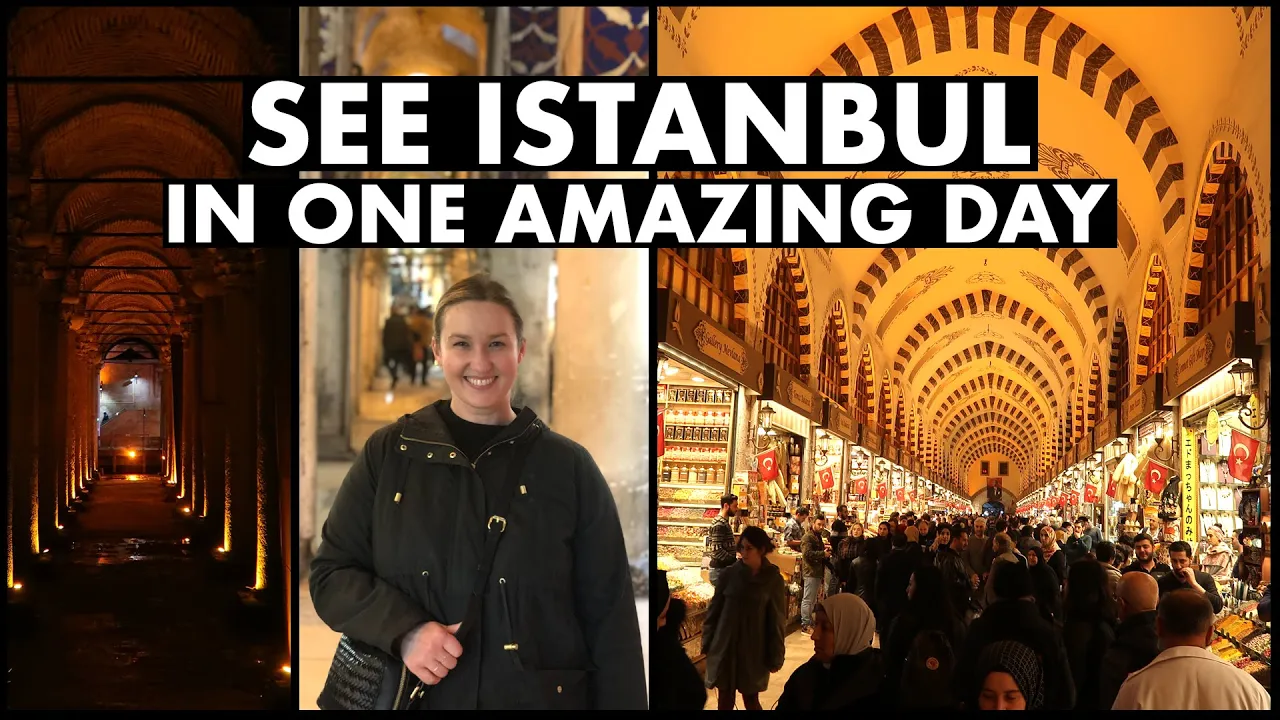
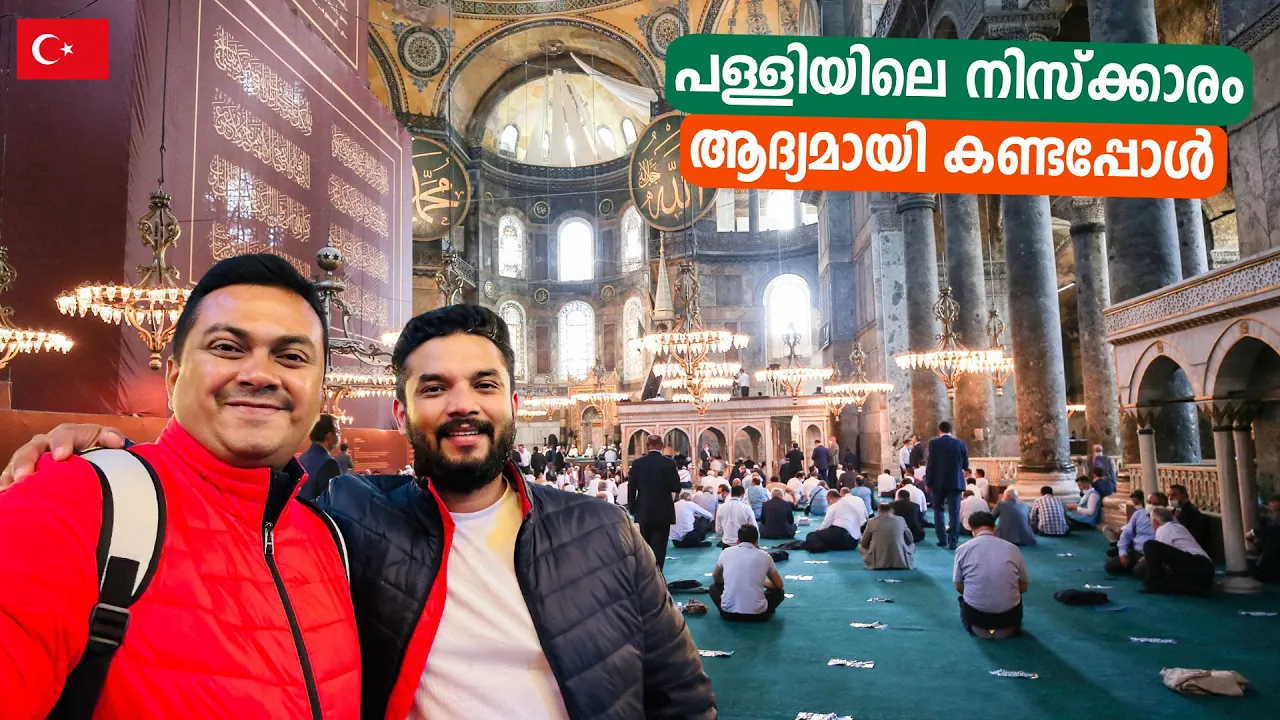
Comparative analysis of other dual-heritage sacred spaces globally, such as the Hagia Sophia in Istanbul, Turkey.
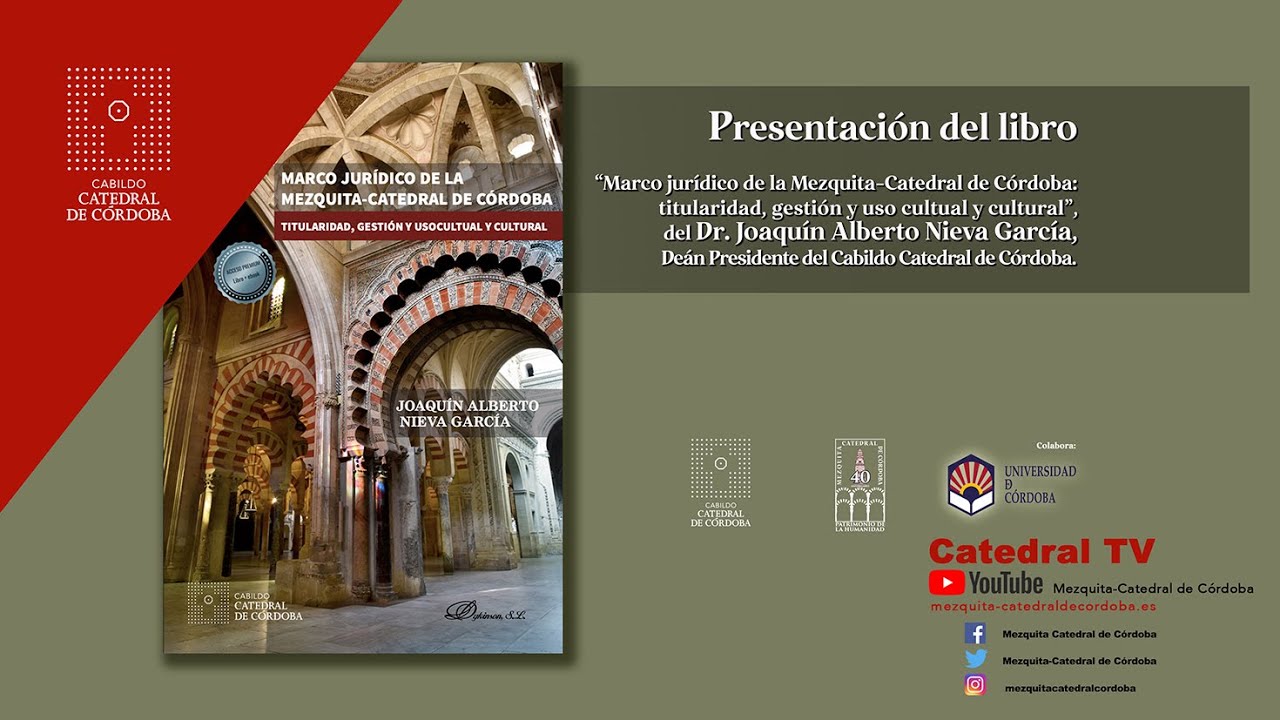
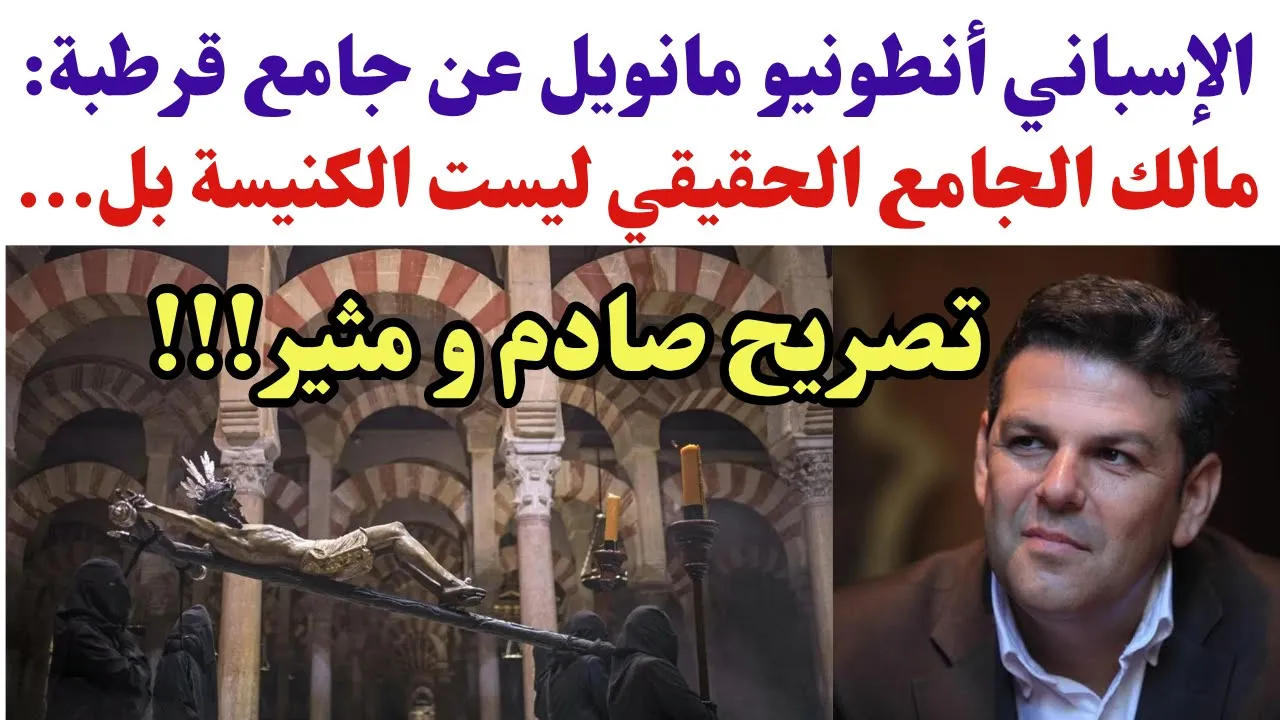
The political and cultural debates surrounding the modern ownership, conservation, and religious use of the Mosque-Cathedral of Córdoba.
243.6K views1.4Klikes4:06Original Release: 2012-01-17
WHILE GRANADA WAS THE LAST MOORISH CAPITAL, THE CAPITAL THROUGH THE GLORY DAYS OF MUSLIM RULE WAS CORDOBA.
TUCKED INTO A BEND OF ITS RIVER, CORDOBA HAS A GLORIOUS PAST.
WHILE ITS OLD WALL EVOKES A TOUGH HISTORY, ITS ELEGANT CITYSCAPE AND CONVIVIAL SQUARES SHOW A MODERN PRIDE.
AS IS TYPICAL OF ANDALUCIA, IT'S A PEOPLE-FRIENDLY CITY FILLED WITH ENERGY AND COLOR.
CORDOBA'S CENTERPIECE IS A MASSIVE FORMER MOSQUE, OR, IN SPANISH,MEZQUITA.
THIS HUGE RECTANGLE DOMINATES THE TANGLED MEDIEVAL TOWN THAT SURROUNDS IT.
GRAND GATES LEAD TO THE COURTYARD.
IT WAS HERE, WHEN THIS WAS A MOSQUE, THAT WORSHIPERS WOULD GATHER TO WASH BEFORE PRAYER, AS DIRECTED BY MUSLIM LAW.
ENTERING, YOU STEP INTO A FOREST OF DELICATE COLUMNS AND GRACEFUL ARCHES DATING FROM OVER A THOUSAND YEARS AGO.
AT ITS ZENITH, THIS MOSQUE WAS THE CENTER OF WESTERN ISLAM AND THE HEART OF A CULTURAL CAPITAL THAT RIVALED BAGHDAD AND CONSTANTINOPLE.
A WONDER OF THE MEDIEVAL WORLD, IT'S REMARKABLY WELL PRESERVED, GIVING TODAY'S VISITORS A CHANCE TO APPRECIATE ISLAMIC CORDOBA IN ITS 10th-CENTURY PRIME.
THE COLUMNS AND ARCHES SEEM TO RECEDE TO INFINITY, AS IF REFLECTING THE IMMENSITY AND COMPLEXITY OF GOD'S CREATION.
THEMIHRAB,THE FOCAL POINT OF WORSHIP IN A MOSQUE, WAS BUILT IN THE MID-10th CENTURY.
IT'S RICHLY MOSAICED, WITH 3,000 POUNDS OF TINY, MULTICOLORED GLASS AND ENAMEL CUBES.
A PAINTING IN THE ADJACENT TREASURY TAKES US BACK TO 1236, WHEN CHRISTIANS CONQUERED THE CITY AND EVERYTHING CHANGED.
HERE WE SEE THE SPANISH KING, ACCEPTING THE KEYS TO CORDOBA'S FORTIFIED GATE FROM THE VANQUISHED MUSLIMS.
ACCORDING TO LEGEND, ONE MORNING MUSLIMS SAID THEIR LAST PRAYERS IN THE GREAT MOSQUE.
THAT AFTERNOON, THE CHRISTIANS SET UP THEIR PORTABLE ROAD ALTAR AND CELEBRATED THE FIRST MASS IN WHAT WOULD LATER BECOME THIS GLORIOUS CATHEDRAL.
AS IF PLANTING A CROSS INTO ITS RELIGIOUS HEART, THIS GRAND CATHEDRAL WAS BUILT IN THE MIDDLE OF THE MOSQUE.
TAKING TWO CENTURIES TO COMPLETE, THE CATHEDRAL IS A GLORIOUS MIX OF GOTHIC, RENAISSANCE, AND BAROQUE STYLES.
A STATUE, ACTUALLY CALLED SAINT JAMES THE MOOR-SLAYER, STANDS NEXT TO THE ALTAR.
SWORD RAISED AS USUAL, JAMES IS BUSY CONQUERING MUSLIMS.
OTHER ART IS LESS PROVOCATIVE.
THE BAROQUE ERA CHOIR STALLS ARE MADE OF NEW WORLD MAHOGANY.
WITH EXQUISITE CARVING, IT'S CONSIDERED ONE OF THE MASTERPIECES OF 18th-CENTURY ANDALUSIAN BAROQUE.
AND, TOWERING OVER THE FORMER MOSQUE, A BELL TOWER MAKES IT CLEAR THIS HUGE EDIFICE NOW HOUSES A PLACE OF CHRISTIAN WORSHIP.
IN THE 10th CENTURY, WHEN A MINARET STOOD WHERE THE BELL TOWER STANDS TODAY, CORDOBA WAS ARGUABLY EUROPE'S GREATEST CITY.
IT WAS A CULTURAL CAPITAL WITH PROBABLY 10 TIMES THE POPULATION OF PARIS.
IMAGINE THE CITY, WITH PAVED STREETS, LIT AT NIGHT BY OIL LAMPS, PIPED IN RUNNING WATER, HUNDREDS OF MOSQUES, PALACES, AND PUBLIC BATHS.
IT WAS A CITY OF POETS AND SCHOLARS.
WHILE THINGS CHANGED LATER, THE GOLDEN AGE OF AL-ANDALUS -- AS THIS SOCIETY WAS CALLED -- WAS MARKED BY A REMARKABLE SPIRIT OF TOLERANCE AND COOPERATION AMONG ALL RELIGIONS.
TO LEARN MORE, I'M JOINED BY MY FRIEND AND FELLOW TOUR GUIDE, ISABEL MARTINEZ.
SO, JEWS, CHRISTIANS, AND MUSLIMS, ALL LIVING TOGETHER PEACEFULLY HERE.
YES, CERTAINLY, IT WORKED OUT, DURING CERTAIN TIMES, ESPECIALLY DURING THE 10th CENTURY.
THREE DIFFERENT CULTURES, TOGETHER?
WELL, THAT'S WHAT MOST OF THE PEOPLE THINK, BUT I THINK IT'S MORE CORRECT TO SAY IT WAS ONE CULTURE WITH THREE RELIGIONS, BECAUSE AT THE END, ALL THE PEOPLE HERE TALKED ARABIAN LANGUAGE, COOKED THE SAME DISHES, AND WORE THE SAME CLOTHES.
OKAY, ONE CULTURE, THREE RELIGIONS.
EXACTLY. AL-ANDALUS.
Up Next

40:18
Mathematics in Game Design: From Asteroids to Portal | Indie Game Lecture
@hamish_todd
50.3K views•2013-05-24

12:54
Triumph of Orthodoxy Icon: Byzantine Art & History Explained
@BenCallan
2.1K views•2024-08-06

9:49
FastAPI vs Flask vs Django: Choosing the Right Python Web Framework
@TechWithTim
302.5K views•2024-05-26

1:42
Game of Thrones Opening Credits: A Cinematic Analysis
@gameofthrones
46.3M views•2011-04-18
Related Study Plans & Knowledge Roadmaps
Structured learning paths in General & Interdisciplinary Studies
general-studies
Elevator Engineering: History, Physics & Cities
01From Hoists to Safety Brakes: The Dawn of Vertical Lift
02Hydraulic vs. Traction: The Engineering Physics of Elevators
03Modern Speed, Safety, and Algorithms
+ 2 more learning modules
12h5 modules
Explore Roadmap
general-studies
Rubber: Material Science, History & Geopolitics
01Origins of Natural Rubber & Mesoamerican History
02The Chemistry of Natural Rubber & Vulcanization
03The Geopolitics of the Rubber Boom & Colonization
+ 2 more learning modules
12h5 modules
Explore Roadmap
general-studies
Containerization: Evolution, Logistics & Trade
01Ancient Trade & Bulk Cargo: Amphorae to Barrels
02The Industrial Revolution & Cardboard Packaging
03The Containerization Revolution: Malcom McLean
+ 2 more learning modules
12h5 modules
Explore Roadmap
general-studies
Textile Tech: Evolution, Labor & Global Impact
01Pre-Industrial Textiles: Handloom & Cottage Industry
02Mechanization: The Spinning Jenny to the Power Loom
03The Factory System & Global Labor Transformation
+ 2 more learning modules
10h5 modules
Explore Roadmap