![[Kuliah Online] Manajemen Keuangan #2: Analisis Kinerja Perusahaan / Analisis Laporan Keuangan](https://i.ytimg.com/vi/zVmKBwq8g5s/hqdefault.jpg)




















The Direct Cash Flow Method records actual cash transactions (cash received from customers and cash paid to suppliers, employees, and others) to generate the cash flow statement, while the Indirect Method starts with net income and adjusts it by adding non-cash expenses (like depreciation) and accounting for changes in current assets and liabilities; the Direct Method is more accurate and requires less preparation time but is less commonly used, whereas the Indirect Method is predominantly adopted by companies despite being slightly less accurate due to the need for adjustments.
Direct vs Indirect Cash Flow Methods: Key Differences Explained
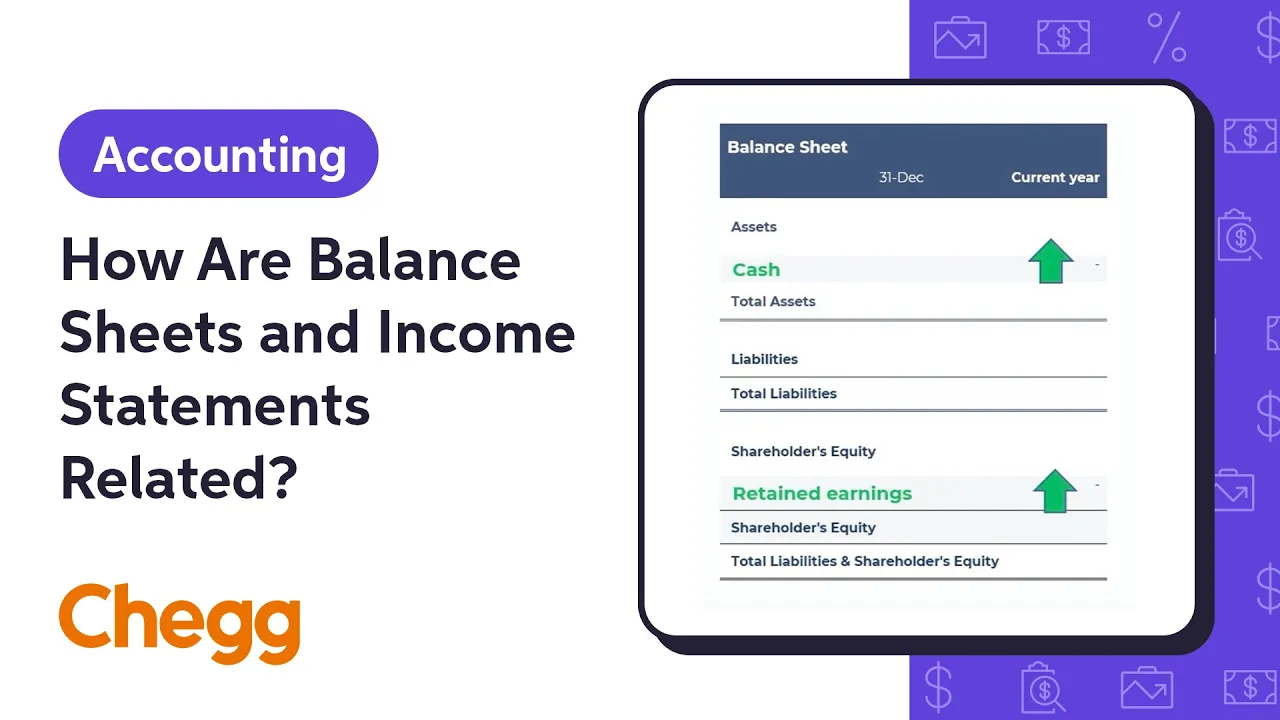
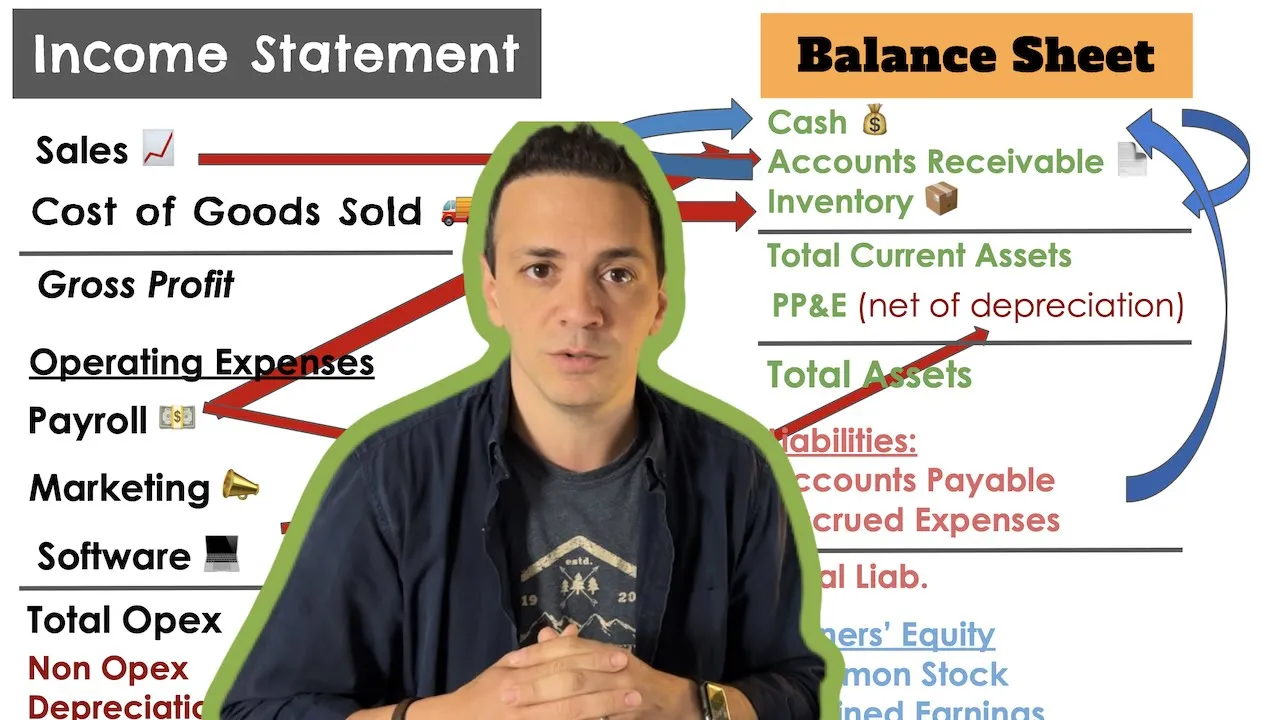
Added:Understanding of the core financial statements, specifically the Balance Sheet and Income Statement, and how they relate to one another.
The fundamental difference between Accrual Accounting (recording revenues and expenses when incurred) and Cash Basis Accounting (recording when cash changes hands).
The purpose and basic structure of the Statement of Cash Flows, including its three primary sections: Operating, Investing, and Financing activities.
How changes in Working Capital assets and liabilities (such as Accounts Receivable, Inventory, and Accounts Payable) impact overall cash position.
Hands-on preparation and drafting of a Statement of Cash Flows using both the direct and indirect methods from raw financial data.
Analyzing GAAP and IFRS regulatory preferences and disclosure requirements, including why the indirect method is more widely used in corporate reporting.
Performing Advanced Cash Flow Analysis to assess a company's financial health, using metrics like Free Cash Flow (FCF) and Operating Cash Flow ratios.
Reconciling Net Income to Cash Flow from Operations, focusing on the treatment of non-cash expenses like depreciation, amortization, and deferred taxes.
5.7K views52likes8:10Original Release: 2019-05-28
hello everyone hi welcome to the channel of WallStreetmojo watch the video till the end and if you're new to this channel then you can subscribe us by clicking the bell icon friends today we have a topic which is Direct versus indirect cash flow methods so there are two kind of methods that are used in the cash flow statement in case of calculating the cash flow from operations so when we see that we have for direct versus indirect costs that the request is indirect cash flow methods that have been involved let's try and understand this method in a detailed format now if you see the Direct versus the indirect cost methods in the direct cost and the adjustments are made to the indirect method there is adjustments that are made to the net income and there are no adjustments that are made to direct with the net income in the direct method okay let me go through what we call as Inception level now companies prepare the income statement using both the expenses and the revenues direct Versus indirect cash flow methods wants to look at their overall performance for the period of time likewise the CFS the cash flow statement is another financial fin statement that every investor should look at so the cash flow statement contains a 3 set 3 sets of activities much we said its operating its investing and third is financing so usually the investing in the financing sections are calculated in a very similar manner but when it comes to calculating the CFS the cash flow from the operations to methods of calculations are majorly used one is the indirect method and another one is the direct method first the indirect method the indirect method of the cash flow uses the what we call as the net income as the based and it does not the adjustments that are needed that is you know adding and subtracting the variables to convert the total net income to would the cash flow from the operations the direct method of the cash flow in operation activity includes the cash that has been received from the customers and the cash that has been paid to the suppliers and the employees and others so the cash can also be paid for the income tax interest and various other variables the direct method of cash flow it starts with what we call as cash transactions such as cash received and cash paid while ignoring the non-cash transactions and if we see the indirect cash flow method on the other hand the calculation starts from net income and then we go along adjusting the rest let's understand this with the help of the infographics to get more insight the cash flow from the indirect method and the cash flow from the direct method the indirect method uses the net income as the base and then it adds up all the non-cash expenditures like depreciations amortization and then deduct all the non-cash incomes like profit on sale of scraps and then the changes in the assets and liabilities that is the current assets current liabilities to produce the overall cash flow statement so all those changes will be adjusted here to get the final amount and the direct method only uses the cash transaction that is the cash spent and the cash received to produce the cash flow statement now the net income it automatically gets converted into cash flow after making all the adjustments adding back and then making the final adjustments into that to get the final amount but the cash flow from the direct method the reconciliation is done to separate the cash flow from the others that is used to reconciliation is done to separate the cash flow from the others now what are the factors that are taken all the factors are taken into consideration when we talk about the indirect method every other factors and only non-cash transactions like depreciation are ignored the rest all the cash transactions are covered here how the preparation is done see preparations are mainly needed during the conversion of the net income into the cash flow statement when you convert the net income into the cash flow statement that's when the whole agenda or the efforts has gone and there is no such preparation as required because it's a straight fault process the accuracy the cash flow statement under the indirect method is not very accurate because you see the adjustments and the adjustments they may or may not create some differences which is subjective in need while under direct method is very accurate that there is no need for any adjustments it's a straightforward game it's a bullet shot determination of the cash what is the time taken it takes less amount of time compared to the direct method it takes more amount at a time because you know you have to record down each and every item over here over here it's just the adjustments that you need to do now what is the popularity this method is predominantly used by many companies and it is used compared to the indirect they are only used by very few companies that use this weather the more importance is placed on indirect method because of the way it has been disclosed the way the things have been added back so that you know all those expenses do not come into picture and the adjustments they show the right picture of the cash flow from the operation but that doesn't go well with the direct method now we will try and understand some of the we'll try and understand some of the key differences between our Direct and indirect method of cash flow direct cash flow method and IDC the first one one of the key differences between the direct cash flow versus indirect cash flow method is the type of the transaction used to produce the cash flow state and the indirect method uses the what we call as the net income as the base and convert the income into the cash flow through the use of adjustments so direct method only takes into account the cash transactions into account and produces the cash flow from the operations the cash flow of the indirect method use indirect methods basically make sure to convert the net income in terms of the cash flow automatically cash flow from the direct method on the other hand you know records the cash transactions separately and they produce says the CFS the cash flow from the indirect method needs the preparation as the adjustments that have been made to require then it requires really great amount of time and the preparation time for the cash flow for the direct method isn't much since you know it only uses the cash transactions the accuracy of the cash flow from the indirect method is little less as it uses the adjustments comparatively the cash flow from the direct method is more accurate as the adjustments are not used here so what's the difference between the direct and the indirect cashflow method let's have a look the difference that we are supposed to be supposed to look we have already done we have tried to incorporate every single differences so let me give a final conclusion on this both the direct and the direct and indirect cash flow method is useful in different points and they can be used depending on the situations in the requirement the indirect method you can say that the indirect method is most popular among companies but it takes a lot of time to prepare before recording and it's not very accurate as many adjustments are if you see for the direct method on the other hand it does not need any prep time other than segregating the cash transactions from the non-cash transactions as it is no more accurate than the indirect method that's it for this particular topic if you have learned and you know liked the video if you think that you know if you have enjoyed and learned watching this video please like comment on this video and subscribe to our channel for all the latest updates thank you everyone Cheers
Up Next
32:54
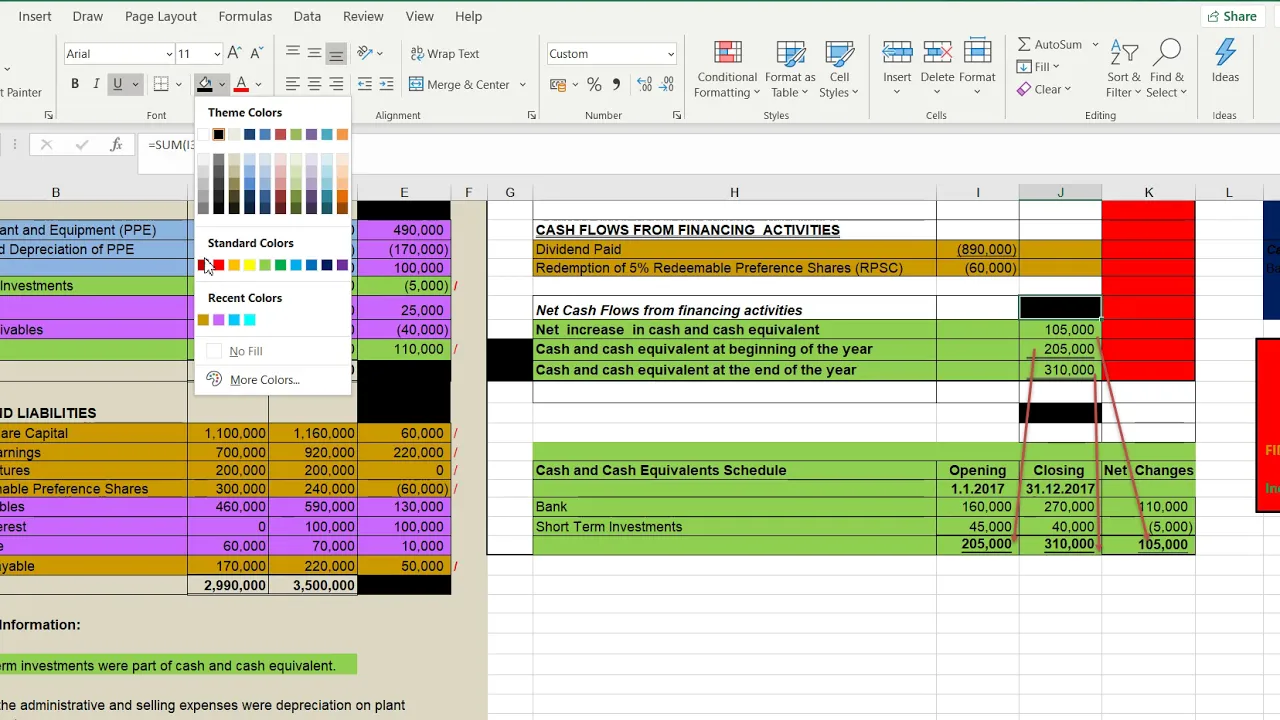
Cash Flow Statement Direct Method: Step-by-Step Tutorial (Part 2 of 2)
@YusnalizaHamid
8.7K views•2020-12-21

46:36
Retention Habits of Top DTC Ecommerce Brands Revealed
@SendItPodcast
44K views•2026-03-03

15:23
Decoy Effect: How Pricing Psychology Influences Consumer Spending
@bobinvestsUS
90K views•2026-01-05

17:30
The Planned Obsolescence of Light Bulbs and Tech
@veritasium
25.3M views•2021-03-26
Related Study Plans & Knowledge Roadmaps
Structured learning paths in Business
business
Pop-Up Retail: Strategy, Design & Execution
01Introduction to Pop-Up Retail & Strategic Goal Setting
02Budgeting, Site Selection, and Legal Essentials
03Experiential Retail Design & Visual Merchandising
+ 2 more learning modules
15h5 modules
Explore Roadmap
business
Reg CF: Startup Funding, Marketing & Launch
01Introduction to Equity Crowdfunding & Reg CF
02Platform Selection & Legal Preparation
03Crafting High-Converting Campaign Assets
+ 2 more learning modules
14h5 modules
Explore Roadmap
business
Productized Services: Scaling Solo Freelance
01Foundations of Productized Services
02Packaging and Scope Definition
03Pricing and Subscription Models
+ 2 more learning modules
15h5 modules
Explore Roadmap
business
Gov Procurement: Find, Bid & Win Contracts
01Introduction to Government Procurement & Business Setup
02Small Business Certifications & Set-Asides
03Finding and Analyzing Contract Opportunities
+ 2 more learning modules
14h5 modules
Explore Roadmap