









![[한국교육개발원] 한국 교사 전문성의 패러다임을 바꾸다: 교사 전문성 기준 국제 사례 분석](https://i.ytimg.com/vi/kl_YLhMoyF0/maxresdefault.jpg)


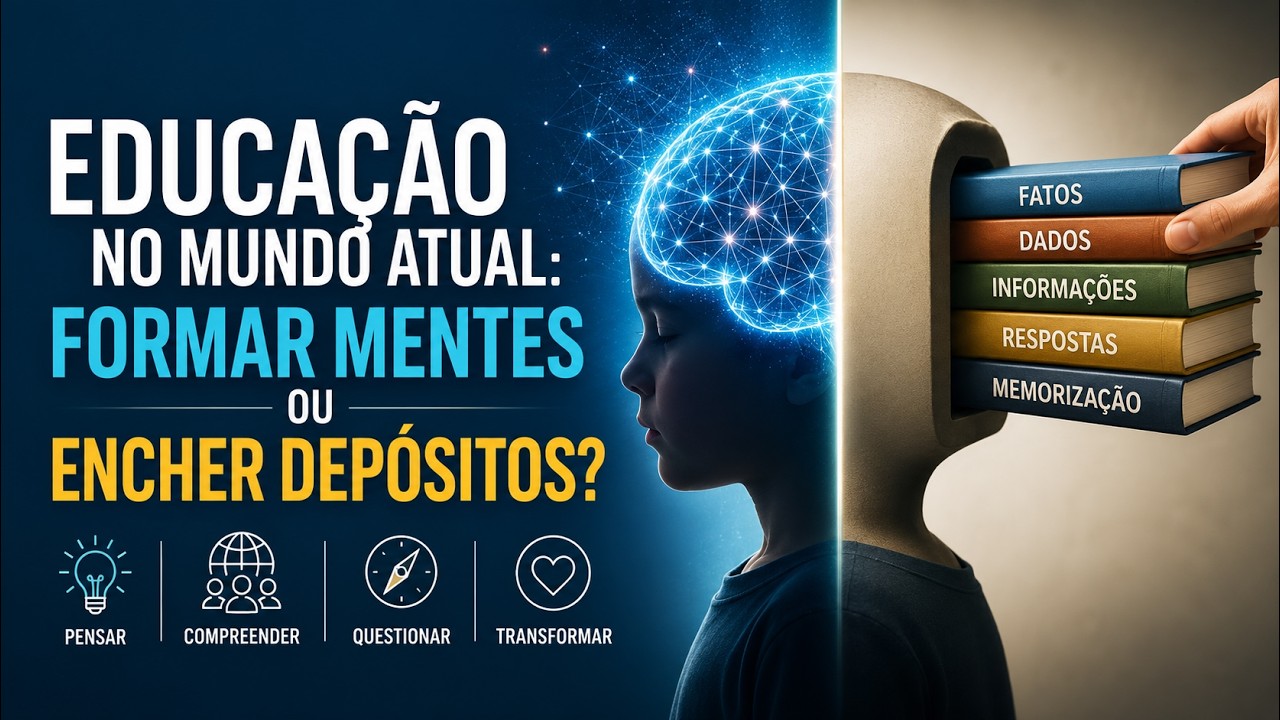


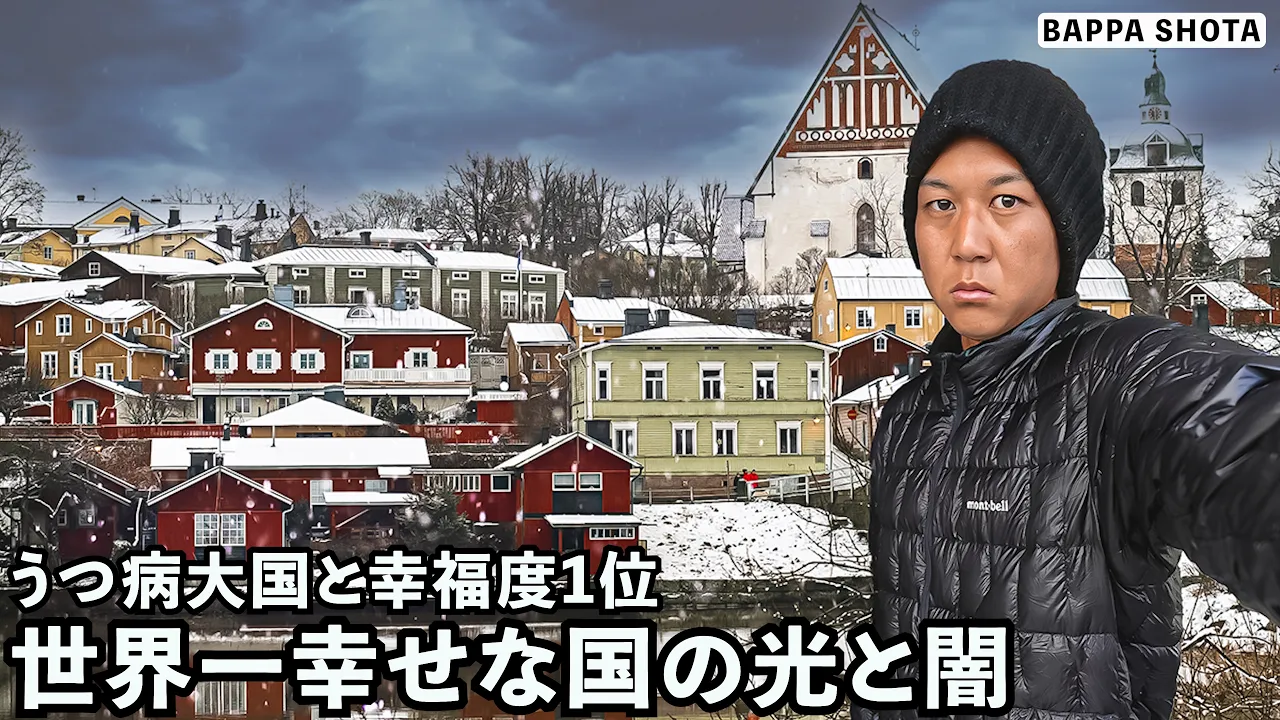





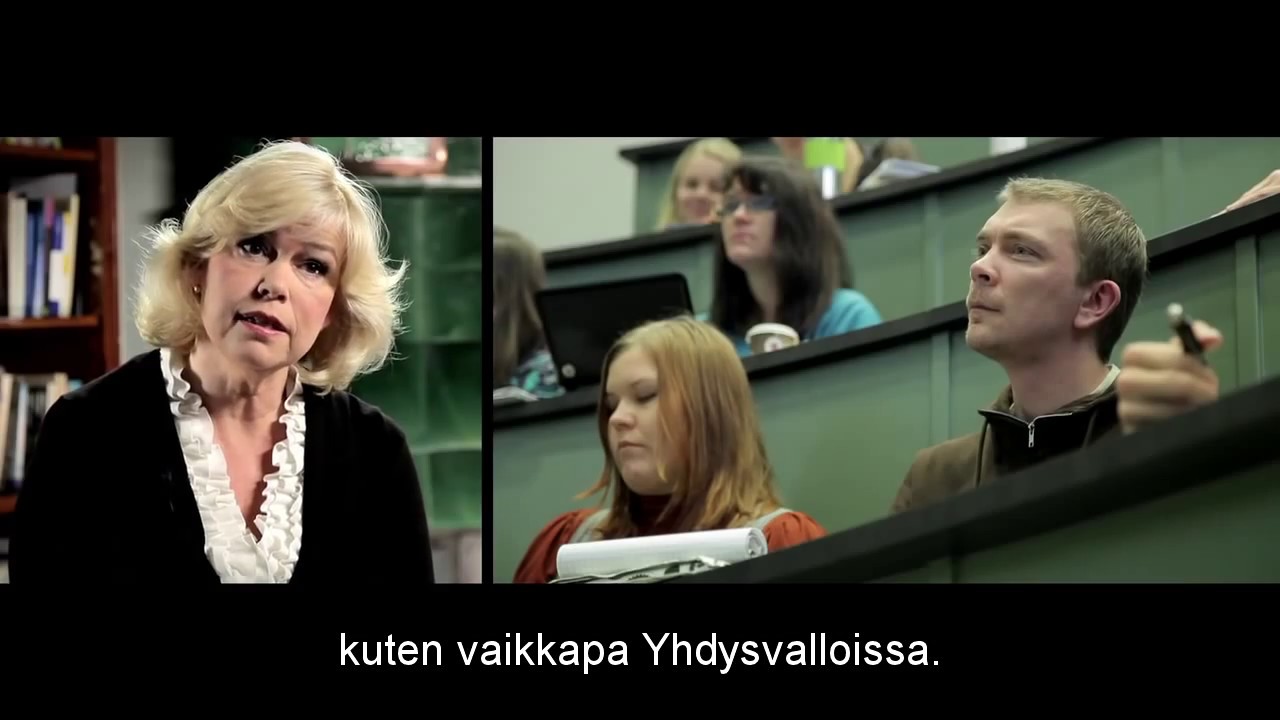
Finland's education system achieves top global rankings through several key factors: teachers hold master's degrees and enjoy significant classroom autonomy, students spend fewer hours in class (20 hours/week at age 7), schools receive equitable funding from taxation without private fees, school lunches and excursions are free, and there is strong societal trust in teachers that minimizes parental interference in educational decisions.
Finland's Education System: Why It Outperforms Most Schools
Added:Understanding the conceptual difference between educational equity (distributing resources based on need) and educational equality (distributing resources evenly).
Familiarity with global educational benchmark metrics, specifically the OECD's Programme for International Student Assessment (PISA).
Basic knowledge of the traditional, standardized-testing-focused education models common in countries like the United States or East Asian nations.
The concept of teacher professionalism and how teacher certification and training standards differ globally.
An in-depth study of 'Phenomenon-Based Learning' (PhBL), a holistic teaching method pioneered by Finland that replaces traditional subject-divided instruction.
Analyzing the relationship between the Nordic welfare state model (social safety nets, healthcare, parental leave) and academic outcomes.
Evaluating the challenges of educational policy transfer—specifically, why exporting the 'Finnish model' to different cultural and socioeconomic contexts is highly complex.
Researching the design of teacher education programs, focusing on how Finland integrates mandatory research-based master's degrees for all educators.
8M views185.6Klikes6:48Original Release: 2020-01-31
it's 8 a.m on a cold morning in the suburbs of helsinki and these primary school children are getting ready for class this morning's lesson ancient history well they are reading with prayers some texts about egyptian ancient life they are reading and then i'm gonna ask something what what did they find out from the book i think we all are ready now this is a school system that for years has been among the world's best and then what about this gold one yes and yet these kids will spend half as much time in a classroom as australian children when you go to the first grade when you are seven years old the amount of hours is 20 hours a week it's the minimum and then it gets more hours the older you get but it's still less than in many countries in europe or in the world in finland it's individual teachers who decide how the curriculum is taught including how much technology should feature in their classrooms classroom [Music] eleven-year-old mintu latomaki asks to leave class to work at the school's own student-run cafe you can go yeah that's okay hello one cake for the cameraman one cake for me and two coffees how much is it two euros and sixty cents how much change uh two euros and forty sets ketos perfect is there a tip jar do you have tips no in finland school lunches like books and excursions are free the kids select what they want sit down with their friends and teachers to eat before they clean up after themselves the children rug up again to play outside some play a raucous version of soccer some play basketball while others wait for the hockey rink to open there are plenty of options for bad weather days too the facilities in this school are just amazing outside we saw an ice skating rink and in here where the kids can play at lunchtime there's a ping pong table a pool table and in here for the cold winter days they've got a room full of bean bags and couches and there's even a playstation in the corner it seems like it's such a rich school you must get more money than other schools no we don't it saved money for everyone actually they take and borrow books in finland schools are not allowed to raise private funds or to charge fees from parents all schools are equitably funded from taxation and in our system everything is free for the students actually we don't collect any money from from the parents we want our schools to be equal and have the equal opportunities to arrange the education so therefore also the finance system need to be equal and treat equally all the schools yes it is older brother levi is in year seven and this afternoon he's got maths we have like the last chapter before we have the next exam there are regular exams in finland but the results of these tests are not published and shared we have national tests but the big difference is we don't compare schools that this is not good school this this is bad school and we just use the information that we evaluate ourselves but perhaps the single biggest difference in finnish education is the standard of teaching levi's maths teacher una anes speaks five languages and has post-graduate qualifications so every one of us we have to have a master's degree to to be teachers so like for example me i'm math and chemistry and physics teacher in finland a career as a teacher is highly sought after to enter the studies in university actually it's really hard they take something like 10 to study teaching if you really want to be a teacher it can't be your second or third or i don't know what kind of option it has to be your first i believe that they know what is the best for our children i'm not a teacher i don't have that education so we don't interfere their work in finland there's little anxiety about finding the right school for your child we trust that they have very good school so we don't need to do any research work or i think that is not a question finland is a vastly different country with a tiny homogenous society but its education success must surely offer some lessons for australia i would like to say that try to build the system that you trust the people and its investment in teachers seems an obvious place to begin the society respects the teachers it means also the parents respect the teachers and they don't question the teachers and that's in finland a really huge thing [Music] [Applause] [Music] hi i'm lee sales thanks for watching this story if you'd like to watch more of 730's stories they are on the left of your screen and tap on the button below to subscribe and get the latest from abc news
Up Next
4:54
The Racist and Eugenic Origins of Standardized Testing
@DemocracyNow
88.9K views•2019-08-13
20:08
Hollywood Fantasy Orchestrator RPG Expansion Pack Tutorial Walkthrough
@HighResolutionJapan
1.1K views•2024-03-08

9:49
FastAPI vs Flask vs Django: Choosing the Right Python Web Framework
@TechWithTim
302.5K views•2024-05-26

1:42
Game of Thrones Opening Credits: A Cinematic Analysis
@gameofthrones
46.3M views•2011-04-18
Related Study Plans & Knowledge Roadmaps
Structured learning paths in General & Interdisciplinary Studies
general-studies
Containerization: Evolution, Logistics & Trade
01Ancient Trade & Bulk Cargo: Amphorae to Barrels
02The Industrial Revolution & Cardboard Packaging
03The Containerization Revolution: Malcom McLean
+ 2 more learning modules
12h5 modules
Explore Roadmap
general-studies
Textile Tech: Evolution, Labor & Global Impact
01Pre-Industrial Textiles: Handloom & Cottage Industry
02Mechanization: The Spinning Jenny to the Power Loom
03The Factory System & Global Labor Transformation
+ 2 more learning modules
10h5 modules
Explore Roadmap
general-studies
Pharmacology: Botany, Patents & Biopiracy
01Foundations of Ethnobotany & Traditional Medicine
02The Birth of Synthetic Chemistry: Aspirin & Penicillin
03The Battle Against Malaria: Quinine to Artemisinin
+ 3 more learning modules
12h6 modules
Explore Roadmap
general-studies
Writing Surfaces: Papyrus, Parchment & Paper
01Ancient Foundations: Clay, Stone, and Egyptian Papyrus
02Parchment, Vellum, and the Rise of the Codex
03The Chinese Rag Paper Revolution and the Silk Road
+ 3 more learning modules
9h6 modules
Explore Roadmap