




![[Trò chuyện cùng SEA #326] VI SINH VẬT giúp cây và đất bằng cách nào?](https://i.ytimg.com/vi/MPrtOGWqyzw/maxresdefault.jpg)
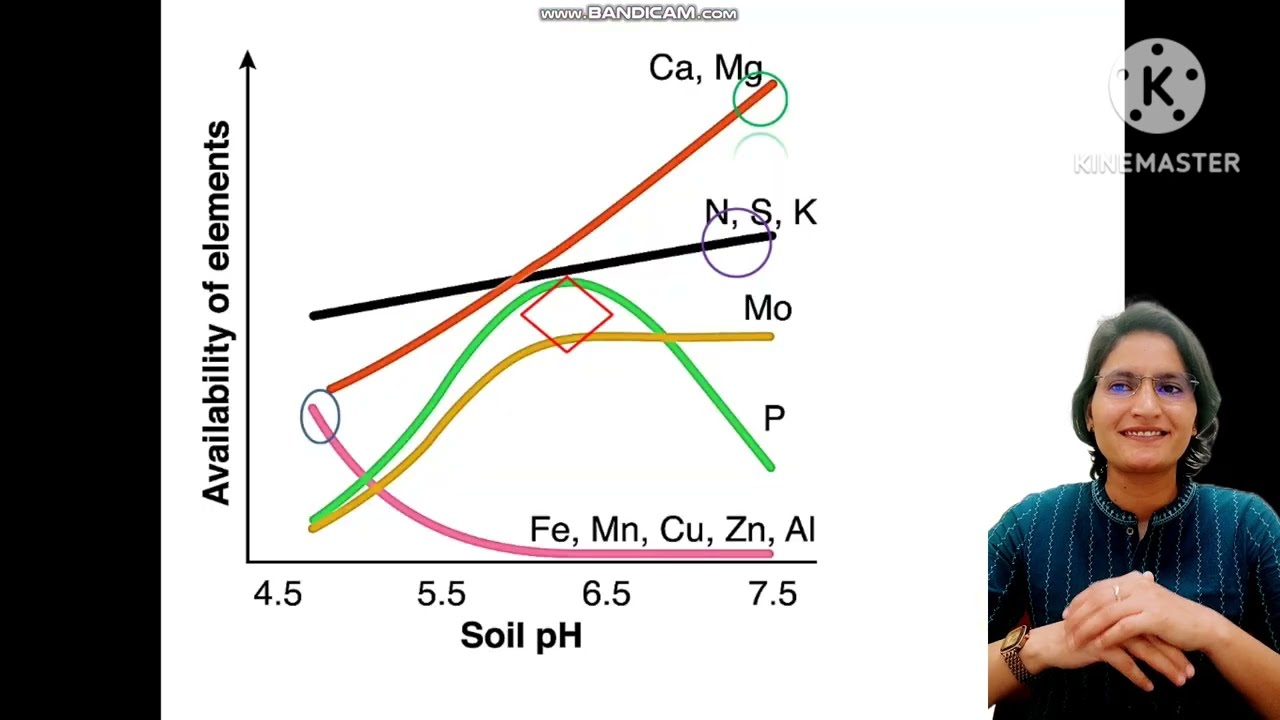


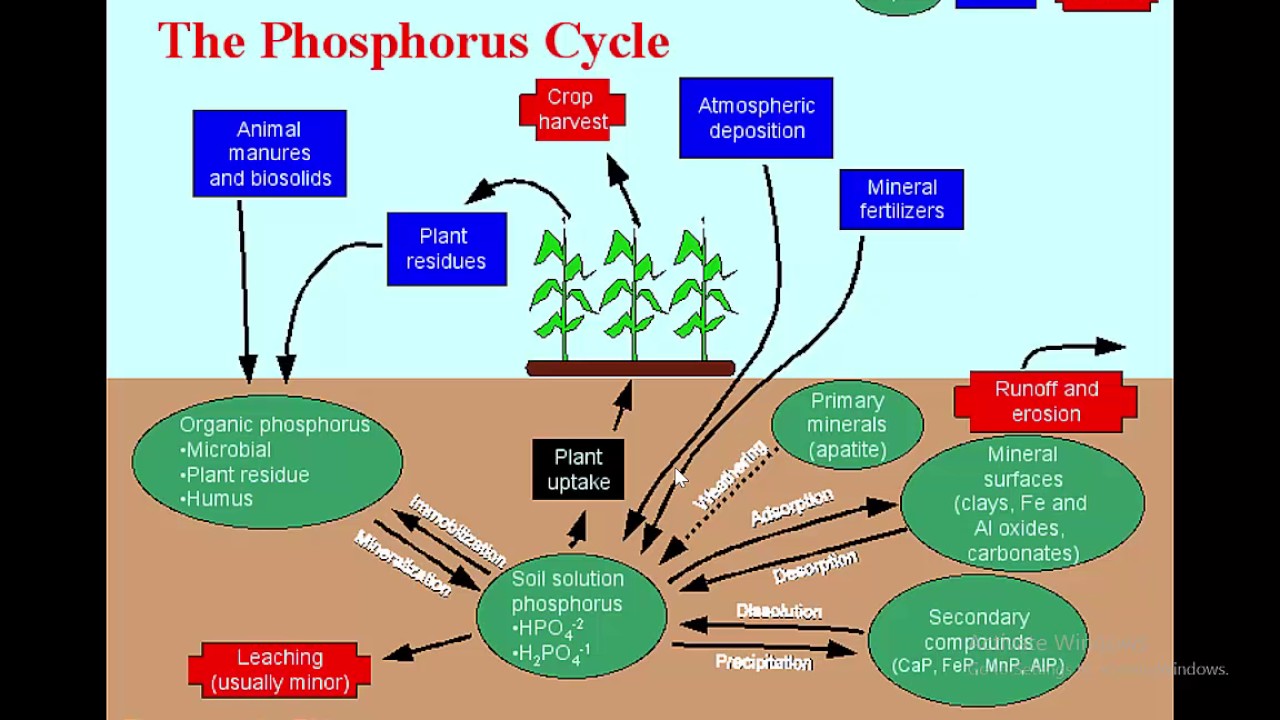


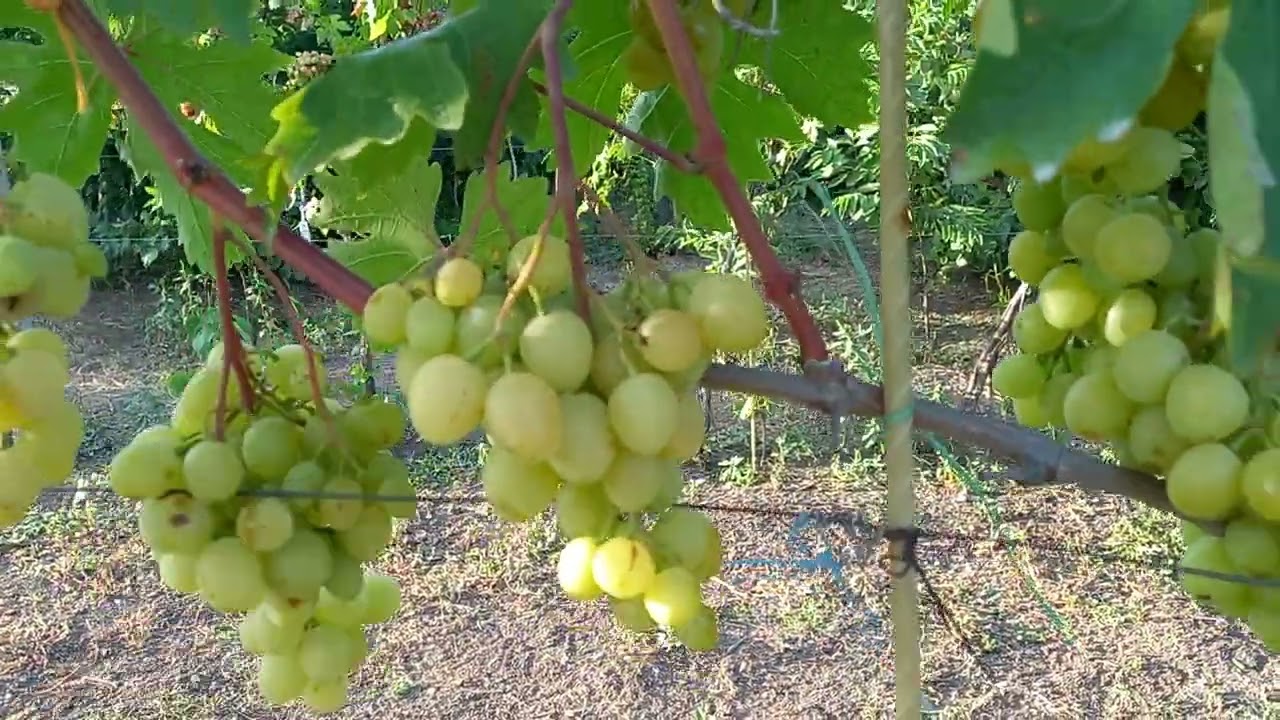
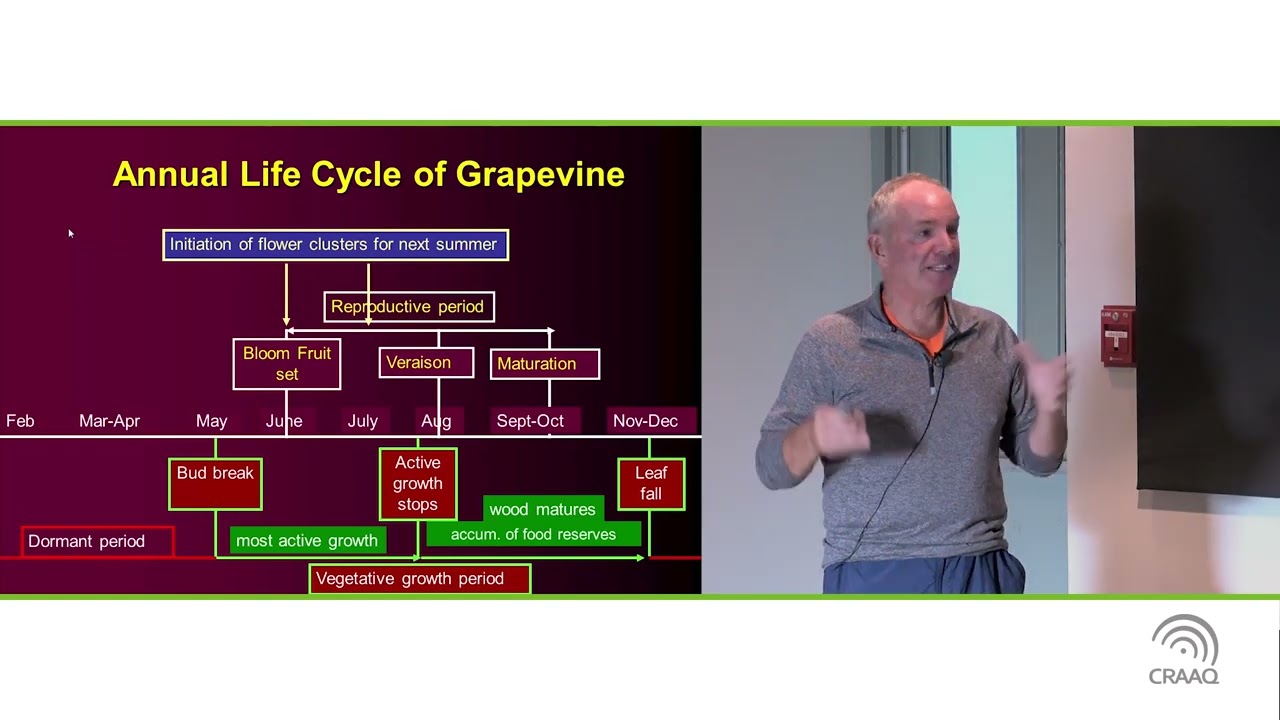



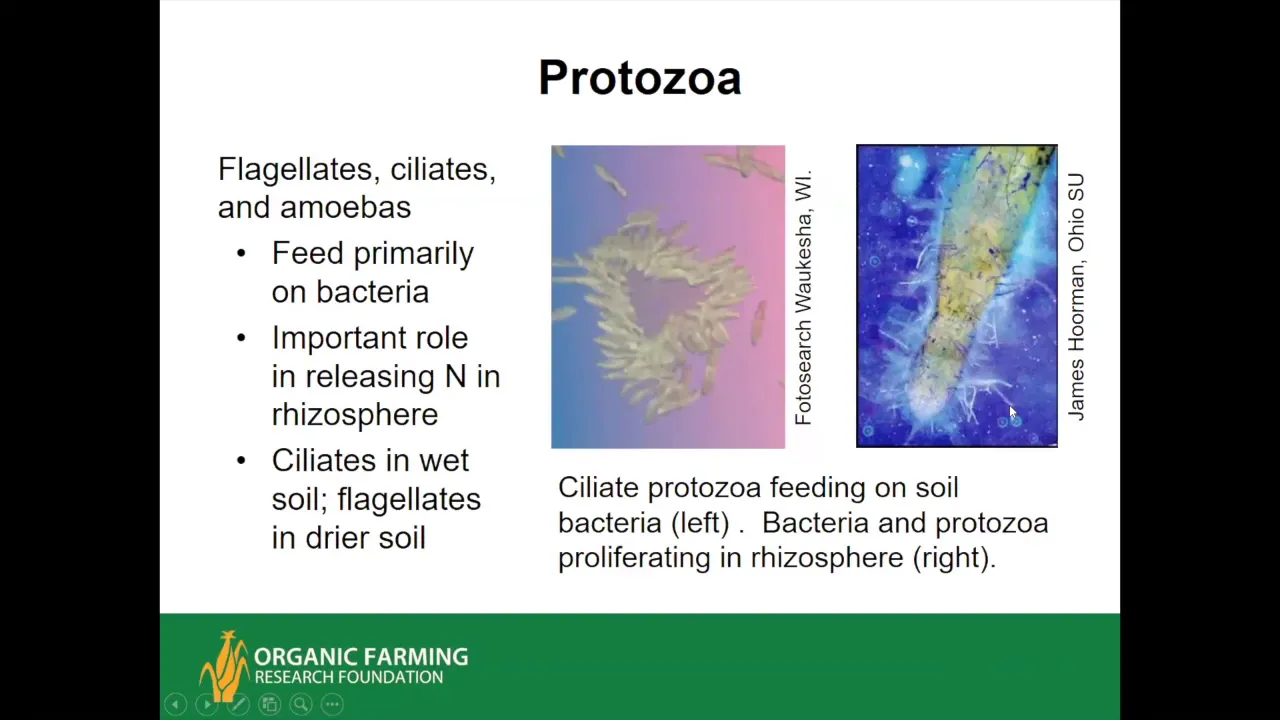



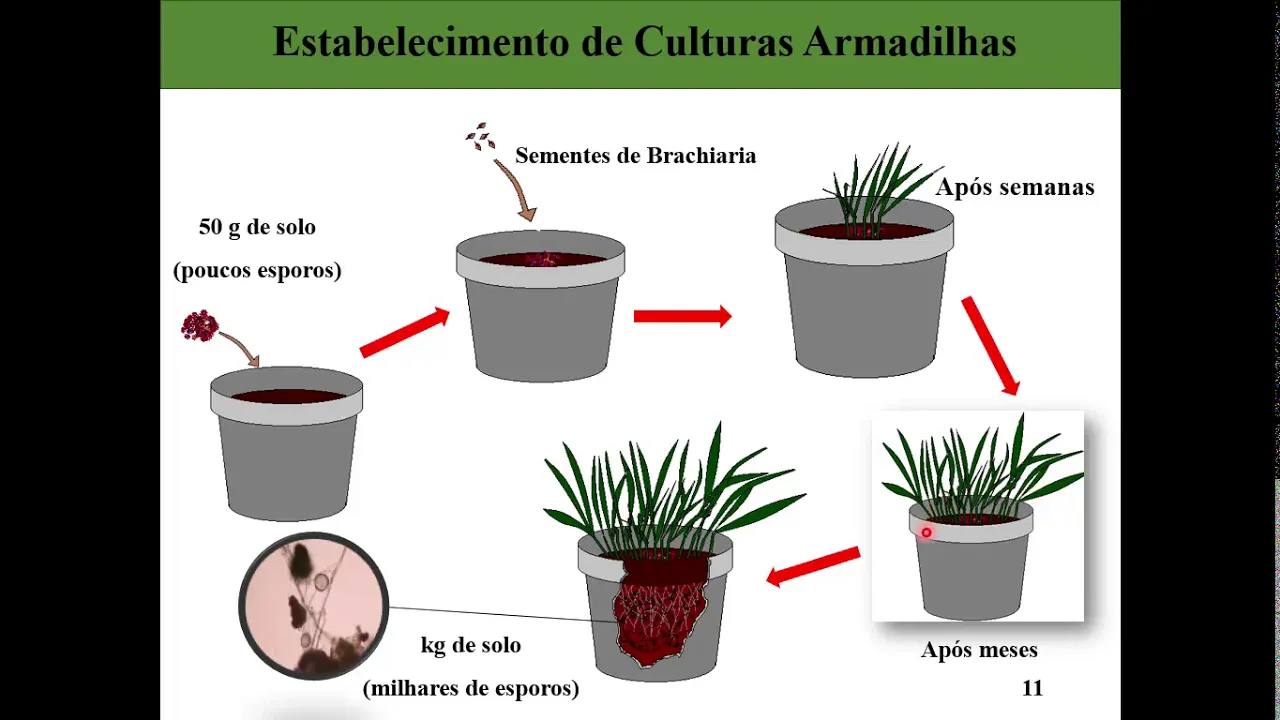

Mycorrhizal fungi form symbiotic relationships with grapevine roots, acting as extensions of the root system to enhance nutrient uptake, particularly phosphorus, while excessive phosphorus fertilization can suppress these beneficial associations; testing for mycorrhizal presence requires specialized root staining techniques and is not commonly performed in commercial vineyards.
Mycorrhizal Fungi and Vineyard Health: Nutrient Uptake Explained
Added:Basic plant anatomy and physiology, specifically root structure and the mechanisms of water and nutrient uptake.
The concept of biological symbiosis, particularly mutualistic relationships between plant roots and soil microorganisms.
Fundamental soil science, including the composition of the rhizosphere, soil pH, and the mobility of macronutrients like phosphorus.
General viticulture principles, including grapevine growth cycles and the impact of environmental stressors on grape production.
Practical vineyard management techniques to support native mycorrhizae, such as cover cropping, reduced tillage, and organic fertilization.
The use and efficacy of commercial mycorrhizal inoculants during vineyard establishment and replanting.
The influence of mycorrhizal networks on grape berry chemistry, crop yield, and the broader concept of 'terroir'.
Advanced climate change adaptation strategies in viticulture, focusing on how mycorrhizae mitigate extreme drought and soil salinity.
124 views2likes10:50Original Release: 2025-07-09
And I'm so thrilled now to welcome Dr. Paul Shriner to the show. Paul is a fellow Penn State alum. Uh we are Penn State, right? And he recently retired from the USDA where he worked as a research plant physiologist in the horiculture crops production and genetics improvement research unit in Corvalis, Oregon. He specializes in research on grapevine physiology with a focus on plant nutrition and the functioning of roots and our muscular microisal fungi. So we're going to talk about that today quite a bit. So hey Paul, thanks for taking the time to join me today for a conversation.
Thank you for having me Fritz. I'm glad to be here and hopefully we'll have a fun conversation about some of your friends below ground.
Yeah. Yeah. Well, this is the Vineyard Underground podcast. So, this is really our chance to dig underground and talk about what's going on down there because most people can't see that with their eyes. And uh it's something that I think needs to be explained. I think there's a lot of visual that could go with this.
So, our job today is to explain microisal fungi without visuals. And I know we can do it. So, but what I'd love to do first, Paul, is, you know, get to know you a little bit and introduce you and your background. So, I'm curious how you got interested in plant physiology and specifically focused on grapevines and microisal fungi in the vineyard and just nutrition in general. So, how'd you get how'd you get to where you are?
I'm not a typical scientist case maybe because I I didn't have a plan on what I was going to do, you know, I went to college. Uh, in fact, when I when I graduated high school, they were like, "Oh, you're good at math, so be an engineer." You know, so I didn't know what an engineer was. Uh, so that's where I started. And then I'm like, "Okay, this is not for me."
Yeah.
Um and moved into biology and then that's it just kind of went in that direction. And then, you know, at Penn State um I got a BS in biochem.
And then I realized after I got the BS, I can't really do anything with this biochem degree except go to grad school.
So that's what I did. And you know, I I didn't really want to work on human beings or animals. So plants and understanding plant biochemistry seemed like a good opportunity. And so that's kind of how I ended up being in plants.
I want to start off by just um explaining a little bit about microisal fungi. You know, what are they? Why are they important to vineyards? Um there's there's different types. So maybe we can just start with that.
Okay. Yeah. So, microisal fungi are uh grouped into about six different types.
Okay. The two main ones that most people know about are called ectoicorisy and then vicular arbuscular microisy.
That that's the old name vam. Right.
Yeah. I remember when I was in school it was vam and now it's just am. Right. So, what happened? So the deal with that is um early on they these fungi the vesicular arbuscular type made both vesicles and roots and arbuscules and roots. Um but as they learn more certain species or genre of the fungi do not form vesicles.
So they don't all form vesicles. So then the name became just arbuscular microsal fungi. So, it went from VAM to AM. Um, but I think AMF is maybe a better acronym or buster microal fungi.
AMF. Got it.
And so, the AMF fungi um probably helped the first land plants actually establish on the land on on soil. Like, um, it's pretty interesting. Um there's 400 million year old fossils of very very early land plant roots that have been cleared and stained and believe it or not they have arbustles in them.
Oh wow.
So yeah I mean it's it's amazing that it was even possible to see that in in a fossil but um yeah so I mean they've been around since the dinosaurs. Um and in fact if you look at the evolution of this group of fungi based on molecular clock which is a different approach right it's you know the accumulation of mutations um they probably date back a billion years when they really evolved from other fungi so they're very old um they've been associated with plants ever since plants have come onto the land um and so that's you know it's a very interesting situ situation and basically they act as an extension of the root system and help plants obtain nutrients from soil um and probably water in some cases um that's less clear um but um the e the ami fungi um are different than the ectoicrozo fungi.
So the ecto microazal fungi are much more common particularly in forest trees um conifers um and a lot of the ectoical fungi evolved much later than the am fungi and they're in completely different classes of of you know the fungal guilds you know based on the tree of life.
Good old Dr. Jonathan Lynch was my plant nutrition professor there. Blew my mind about the world of nutrition. He talked about microisal fungi. And I remember distinctly in his class. He mentioned that uh there's been studies showing if you apply phosphorus it can actually be detrimental to the associations of these fungi. So it does beg the question if we already have ample phosphorus in the soil. But more importantly, if we do plant tissue analysis and we show that the phosphorus levels are sufficient in the plant, is it a is it a bad idea to add a little phosphorus to the soil just in case or is it going to actually hurt our microisal associations? Or if people put out like um a triple 13 fertilizer and they really only need the nitrogen and potassium but they're throwing phosphorus out there too. Does that disrupt this relationship if there's a lot of phosphorus in the plant or if there's a lot of phosphorus in the soil?
The microofal fungi are not so necessary, right? Um and so you know you could ask the question, can plants survive without microofal fungi? Yes, they can. especially if you give them a bunch of phosphorus.
Yeah.
Okay.
Um but the plant itself does have some control, right? And so if you have a lot of phosphorus, the plant is sending signals that say, I'm, you know, I'm phosphorus sufficient.
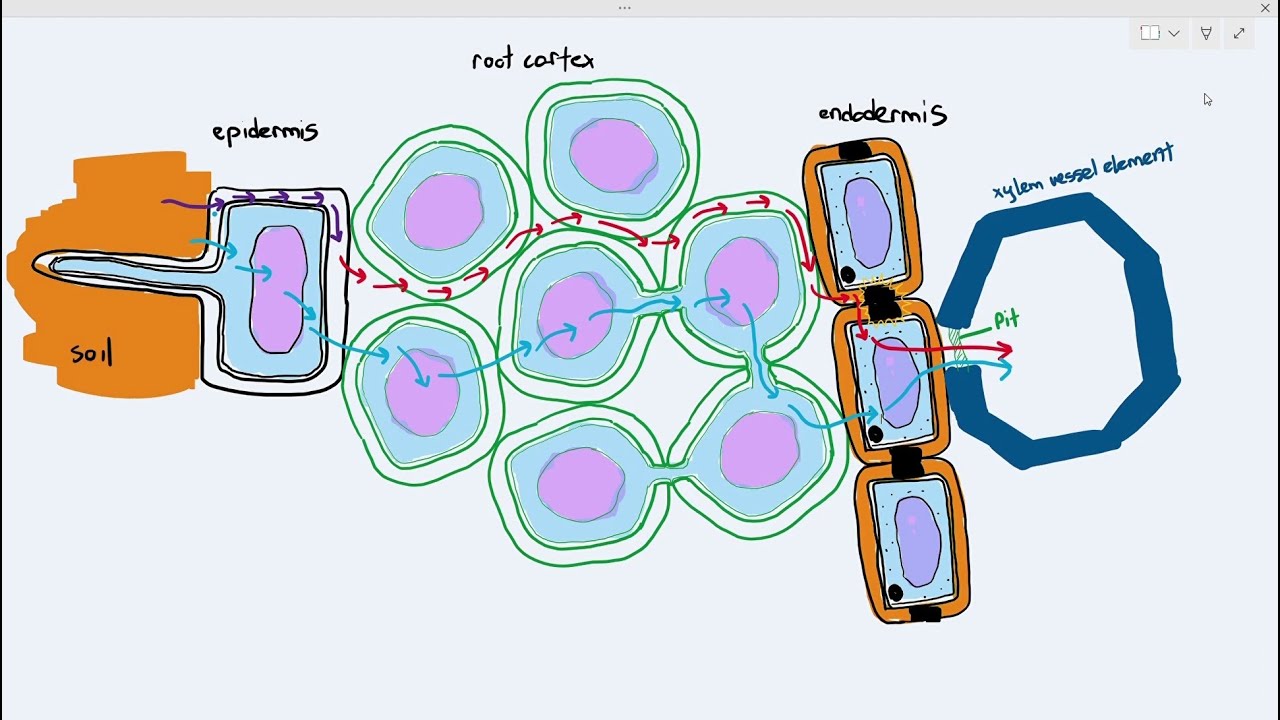
And so those signals that are going down the root system are telling those roots, we don't need phosphorus, so we're going to put less sugar down here. Less sugar means we're going to turn off microisal fungi to some degree, but there's also much more definitive regulation. Um there's in fact uh in most plants there's a specific phosphate transporter, at least one, probably more than one that is specific to microal fungi. So that when microal fungi colonize the root, the phosphorus goes through this particular transporter. Um, and if you knock that transporter out, like make a mutant plant, it can no longer use that transporter for phosphorus that that it uses for micro fungi.
It colonization stops.
So, the plant has some control.
Question is, how much control does the fungus have? And that part we don't quite know yet. Um, but the fungus probably has some control as well. Um, and so that's where this whole arbuscule thing comes in. So the arbuscule we know is the site of exchange between the plant and the fungus. So that's where carbon is going from the plant to the fungus.
And let's just for now talk about phosphorus. Phosphorus is going from the fungus to the plant. Um, and so that happens at this arbus which is this highly branched structure. It obviously takes immense amount of energy to make this because both organisms are building all these membranes and cells and all you know not not cells but membrane around Mhm.
this treel like structure to accommodate each other you know so a lot of energies happening there. Um and so uh if you knock out the phosphate transporter the arbuscule no longer develops or you know they won't develop anymore and then the fungus can't get carbon and the plant is not getting phosphorus through that um through through the microal channel. So, you know, most plants also have other phosphate transporters that are on the epidermis of the root cells that are trying to get phosphorus just out by itself, like not using the microal channel.
Can you test your soil or your plant roots? Or if you don't have grape vines yet, can you test the native plants there, the grasses, trees, and other things that form these associations?
Anyone doing anything like that? Or is it possible? or maybe it's possible, but no one does it because it's too costly or or just not common.
Well, yeah, I think the bottom line is it's it's very costly to do. It's it's a it's a very technical thing. I mean, it's like it's like other lab analysis things. I mean, it's technical. Um, but there's just not a lot of people doing it. And, you know, there's there was a company here in Oregon that was doing that for people doing assessments.
Um, in order to know if you have microal fungi, you basically have to dig up roots and clear them and stain them and then that reveals the microal fungi inside, you know. So, it's it requires a bit of equipment. Um, and not a lot of people do this and I think part of that is there's not great demand. Um, so can you get it tested? Yes. uh you might have difficulty finding anyone in your area to do that. Um and for the most part it has been more of a thing done by scientists.
[Music]
Up Next
29:18
Techniques in Mechanobiology: Microfabrication | Cell Shape Control & Traction Force Microscopy
@introductiontomechanobiolo8900
757 views•2017-10-08
14:12
Quantitative Real-Time PCR (qPCR): Principle, Method & Data Analysis
@animatedbiologywitharpan
129.2K views•2023-09-06
23:33
Microbial Degradation of Plastics: Biodegradation Pathways & Sustainability
@majeedhammad
2.9K views•2021-04-11

16:04
CRISPR and Genetic Engineering: How Gene Editing Works and Why It Matters
@kurzgesagt
30.5M views•2016-08-10
Related Study Plans & Knowledge Roadmaps
Structured learning paths in Biotechnology
biotechnology
AAV Production: Transfection, Prep & qPCR
01Introduction to Gene Therapy and AAV Biology
02Mammalian Cell Culture: Suspension HEK293 Cells
03Upstream Bioprocessing: Triple-Transfection Optimization
+ 2 more learning modules
18h5 modules
Explore Roadmap
biotechnology
Building Gut-on-a-Chip: PDMS, Cells & TEER
01Foundations of Microfluidics and Gut Anatomy
02Cleanroom Fabrication & PDMS Soft Lithography
03Epithelial Cell Culture and On-Chip Seeding
+ 2 more learning modules
26h5 modules
Explore Roadmap
biotechnology
Optimizing CFPS: E. coli Extract & Yield
01Fundamentals of Molecular Biology and Translation
02Introduction to Cell-Free Protein Synthesis (CFPS)
03Preparing E. coli Crude Lysate (The Extract)
+ 2 more learning modules
19h5 modules
Explore Roadmap
biotechnology
Haematococcus PBR: Design, Stress & Astaxanthin
01Biology and Life Cycle of Haematococcus pluvialis
02Bench-Scale Photobioreactor (PBR) Design and Engineering
03Culture Media Formulation and Inoculation
+ 2 more learning modules
15h5 modules
Explore Roadmap