





















Southern literary studies has been dominated by the plantation narrative, which focuses on the relationship between elite planters and enslaved African Americans, leaving little room for poor whites, working-class Southerners, or other social groups. This static racial narrative has prevented scholars from adequately analyzing the intersection of race and class in the South, as the plantation model continues to shape how Southern literature and history are understood, even as contemporary Southern society has evolved beyond plantation culture.
Race & Class in Southern Literature: Beyond the Plantation
Added:Understanding the 'Plantation Myth': The traditional, romanticized literary and cultural narrative of the antebellum US South.
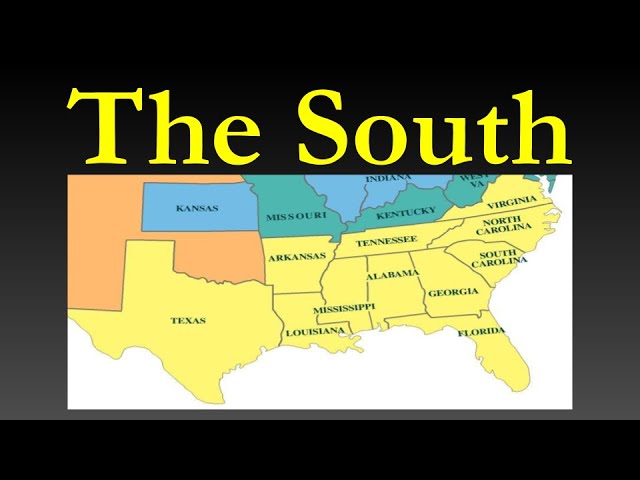
Basic socio-economic history of the American South, including the stark class divides between wealthy planters, landless poor whites, and enslaved African Americans.
The core concept of intersectionality, specifically how race, class, and socioeconomic status interact to shape identity and power dynamics.
Familiarity with the traditional Southern Literary Canon (e.g., works by William Faulkner, Flannery O'Connor, or Thomas Nelson Page) and its historical framing of Southern identity.
Exploring 'New Southern Studies,' an academic framework that de-centers traditional narratives to examine the US South in global, transnational, and multi-ethnic contexts.
Analyzing the literary and cultural construction of the 'poor white' trope (such as the 'white trash' stereotype) in American literature and media.
Investigating historical and literary depictions of labor movements and class solidarity across racial lines in Southern industries like textiles, timber, and mining.
Applying critical race theory and Marxist literary criticism to analyze post-Reconstruction Southern texts and their depictions of labor exploitation.
209 views0likes9:16Original Release: 2015-02-28
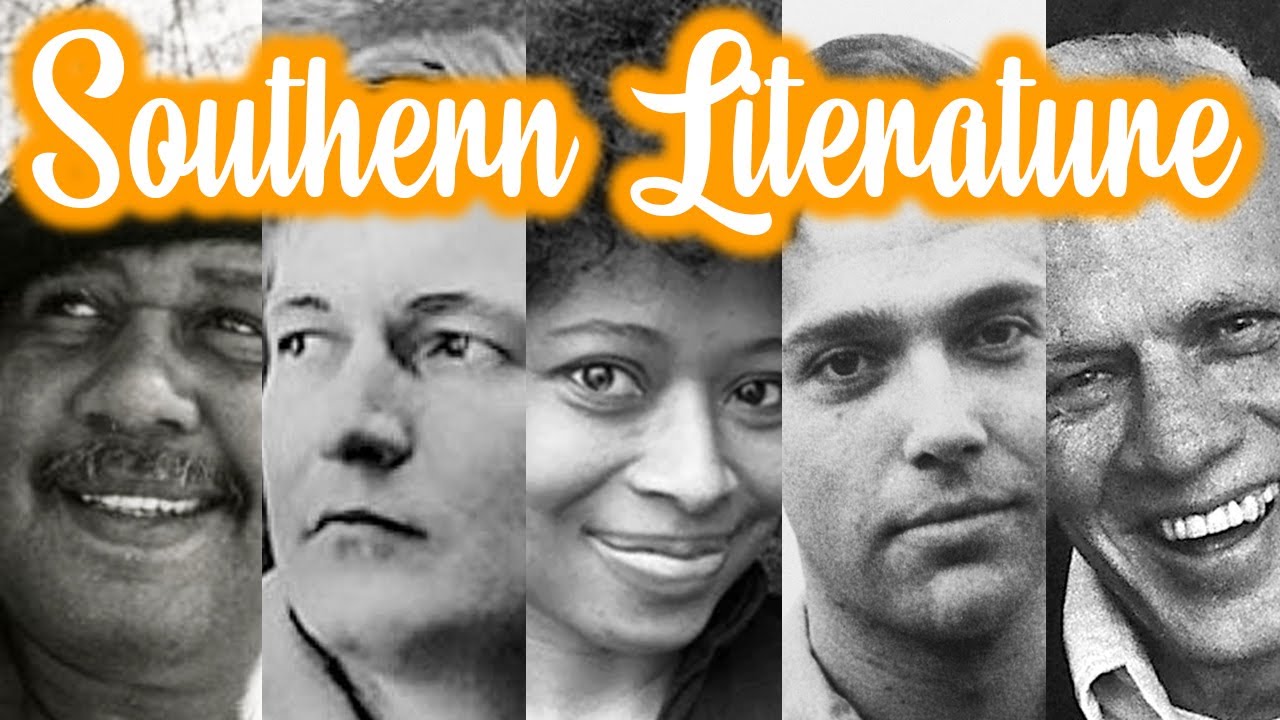
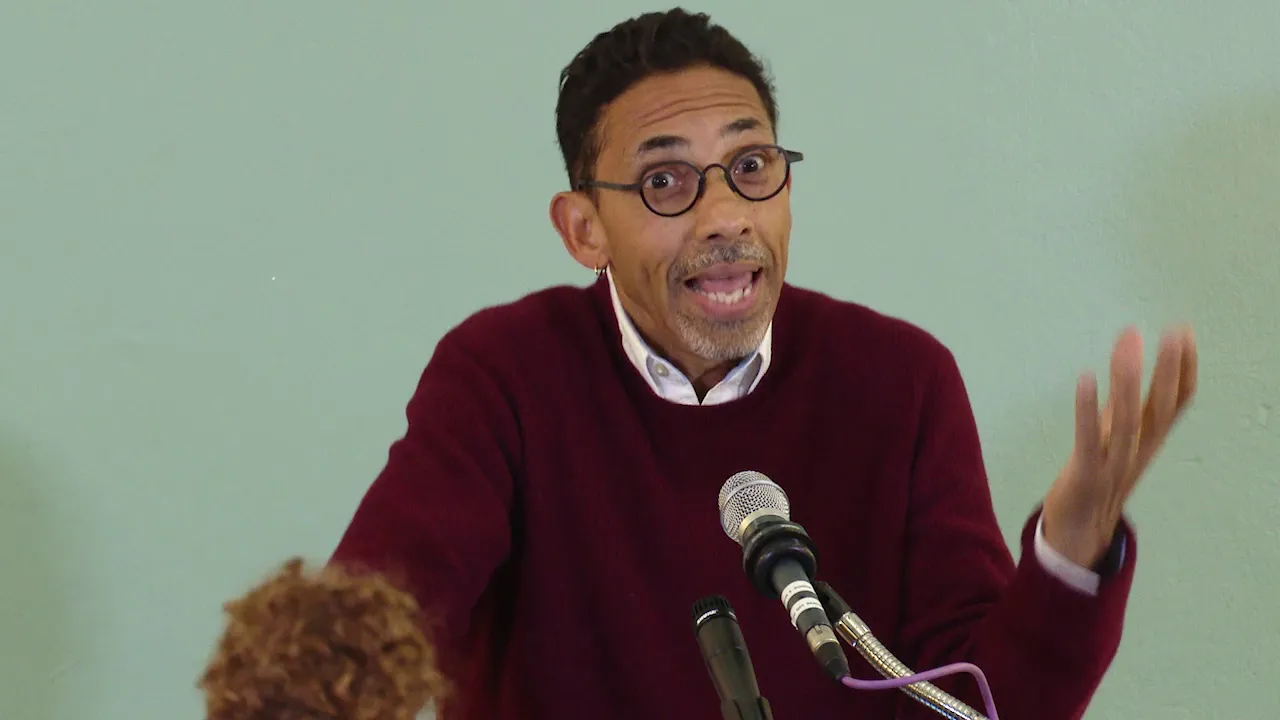
uh we have very special guest with us this afternoon Barbara lad Barbara lad and this is also the first of our um American status collum Series this semester um and uh welcome um I'm going to say a few words about at this point uh she's professor of English at em University one of the topnotch American universities uh she specializes in southern literature which will be um a topic uh this afternoon U including William Faulkner uh trans South Atlantic studies and realization in in the US uh sou uh she has um a book uh in progress and understand that the lecture today is a part of this project uh the the title is globalization the grotesque and the local in the US uh South uh and also another book project which uh uh Bob is co-editing with Fred Hopson the Oxford handbook to Southern literature which is forthcoming uh from Oxford University press uh she has published other books including resistant history resisting history gender modernity gender modernity and authorship and William fker zil K and udor wey as well as nationalism and the color line in George W cable Mark Twain and uh William falter she has a very impressive uh long distinguished list of Publications to her name I I cannot uh possibly um do just just uh know read out uh the list to you uh she has um edited special issues of South Atlantic uh review and also of fuler Journal um and uh so we are uh uh hosting today and it's a great honor to to have you a very distinguished um uh literary scholar uh with a very uh great uh expertise on lit of the American sou uh the talk uh today is titled beyond the plantation writing at the edge of the swamp and I give you Prof Barbara lad she's uh here by way of Prague today where she's full bright Professor uh at Charles University welcome and cl thank you first I want to thank uh Professor Vu uh and I think that my pronunciation is awful uh but thank you and uh for hosting this for inviting me and uh organizing this and I want to thank annaa yes good uh for your hospitality yesterday in um um showing me around uh old town and new town and thank you thank you so much uh I'm delighted to be here I want to thank all of you for coming out this afternoon I'm sure there are any number of things that you could be doing other than than sitting here so uh thank you thank you very much uh I'm a little winded because I got off the metro and started in the wrong direction and stopped to ask directions of someone who thought that I was going in the right direction so I ended end up going about a mile in the wrong direction and then time was passing and I come back so I got here about 15 minutes ago and I'm a little bit um winded so I will recover uh uh but uh yes and I'm delighted to be here thank you all for um for coming out this afternoon uh as uh as you've been uh told I'm uh speaking today uh from a book in progress it is very much a work in progress so I would appreciate you know any sort of uh questions or comments from you uh when I finish uh uh I'm working on revisions um uh it is entitled beyond the plantation race and class at the edge of the swamp leis D Rubin Jr one of the major figures in US Southern literary studies often told the story of trying to find a director for his dissertation at John's Hopkins University in Baltimore in the ear early 1950s he approached quote an American literature scholar of some reputation who liked very much to think of himself as a southern gentleman and proposed a dissertation on Thomas Wolf the professor responded that Thomas wolf was not a southern writer that he belonged quote in spirit among the midwestern writers why because he was not a gentleman and Southern Literature Like the South itself was defined according to this professor by its aristocratic ideal Reuben not to be dissuaded found someone else to direct his dissertation and went on with some others to define the field of Southern literary studies in terms somewhat different from those of the John's Hopkins Professor when it comes to matters of class in the next decade in the 1960s in a very famous essay Southern literature of pedmont art Ruben wrote that the major Southern writers of the century were quote Outsiders to the aristocratic ideal not poor but not rich either more like Thomas wolf whose mother ran a boarding house in Asheville in Western North Carolina more recently we have seen the flourishing in the south of a powerful working class in poor pight literature I'm thinking here of writers like Harry Cruz Dorothy Allison Jim Grimley and Larry Brown but in spite of the work of Ruben and his generation as it's called meaning the generation of the mid 20th century and this more recent flowering of a redneck or poor white writing you could say that the Aristocrat continues to exert a definite hold over the kind of work undertaken within the academy at least in so far as the representation of black white racial conflict is concerned so that the idea of the plantation with its inevitable Narrative of class in the south is chiefly a matter of Elite planter and black slave with little to no room for anyone else has continued to predominate to the point where we've seen something of a naturalization of the idea of the Contemporary Us South as a post Plantation culture and have come to use the term post Plantation too broadly I think to talk about everything from the Civil Rights Movement to conditions facing immigrant labor in the Contemporary South to Southern literature and literary history to put it bluntly this is a narrative in which African-Americans constitute an underclass always always in relation to the elite one of the unfortunate consequences is that it becomes very hard to talk about the intersection of race and class in the South as it shapes the lives of most Southerners today who are and have been middle class working class or poor in other words the Contin preoccupation with the Aristocrat and the plantation home of the Aristocrat may have something to do with our inability to get past the static racial narrative and I do think it's a static racial narrative that continues to shape racial discourse in literary studies in short we have yet to see a well-developed narrative of class specifically one that Accounts at any satisfactory or truly historicized way for the racial realities of life among Yan Farm fers and landless whites or poor whites in the US as you know we're much more comfortable with race and gender and more recently ethnicity as analytical categories a few Scholars coming from the field of whiteness Studies have done some relevant work on class I'm thinking of Grace hail Matt Ray and John hardigan Jr but none is especially interested in literature and it's not that we never treat poor whites or as they're some sometimes called white trash in the books and articles we publish it's just that when we do we seem more interested in the local color aspect of their presence in southern literature the Snopes plan always gets a laugh or too willing too quick to Simply accept unquestioning the brief account of Southern Poverty we've all come to know the editors of the new encyclopedia of Southern Culture volume on social class for example published just a couple of years ago call Poor whites quote the most elusive and enigmatic of the social classes in the US South and describe them as quote illiterate transient and sickly
Up Next

12:37
To Kill a Mockingbird Analyzed: A Classic Novel's Modern Critique
@pbsstoried
126.6K views•2021-08-25

13:43
Formalism in Literary Criticism: An Academic Lecture Overview
@mattalberhasky9952
39.1K views•2015-08-05

6:08
Point of View in Fiction: First Person vs. Third Person
@magicalthriftyteacher
153.8K views•2014-03-31

15:25
1984: Orwell's Dystopian World and the Mechanisms of Totalitarianism
@AlternateHistoryHub
7M views•2017-03-04
Related Study Plans & Knowledge Roadmaps
Structured learning paths in Literature
literature
Graphic Memoirs: Visual Art, Trauma & History
01Foundations of Sequential Art and Visual Language
02Autographics and Processing Historical Trauma
03Visualizing Personal Trauma, Grief, and Graphic Medicine
+ 2 more learning modules
14h5 modules
Explore Roadmap
literature
Campus Novels: Evolution, Themes & Critique
01Introduction to the Campus Novel Genre
02Mid-Century Satire and the Post-War Academy
03Dark Academia and the Critique of Privilege
+ 2 more learning modules
14h5 modules
Explore Roadmap
literature
Theater of the Absurd: Philosophy & Plays
01Postwar Existentialism & Historical Roots
02Dismantling Narrative: Esslin & Absurdist Conventions
03Samuel Beckett and Tragicomic Existentialism
+ 2 more learning modules
12h5 modules
Explore Roadmap
literature
Revenge Tragedy: Justice, Madness & State
01Foundations of Early Modern English Theatre
02Anatomy of Revenge: Structural Conventions
03Psychological Complexity: Madness and Melancholy
+ 2 more learning modules
15h5 modules
Explore Roadmap