

















![Dr. Lair Ribeiro - Aula [Lesão Cerebral Traumática e Panhipopituitarismo]](https://i.ytimg.com/vi/cjiR4OZ2qJA/hqdefault.jpg?sqp=-oaymwEmCOADEOgC8quKqQMa8AEB-AH-BIAC4AOKAgwIABABGFIgZSgVMA8=&rs=AOn4CLC6bfQh3jwRqqO6fepWrPY61gHAdA)










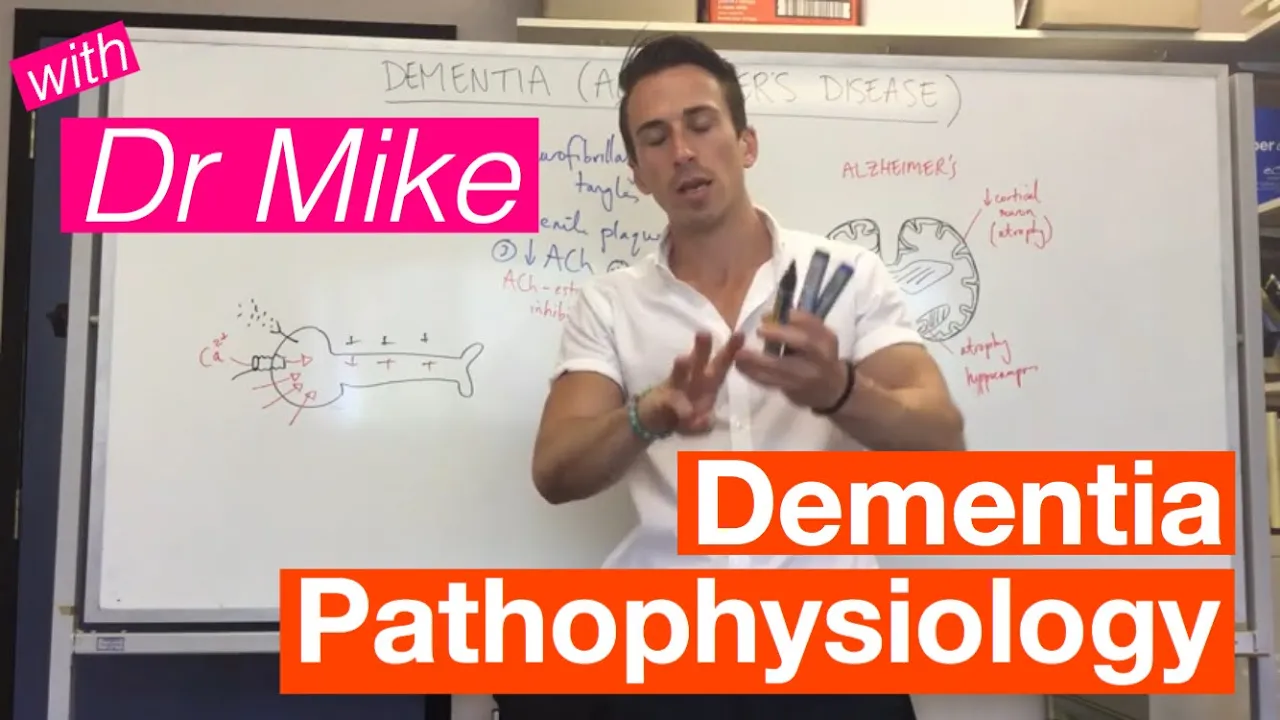
The MIND diet (Mediterranean-DASH Intervention for Neurodegenerative Delay) is a dietary pattern designed to prevent dementia and cognitive decline by combining elements of the Mediterranean and DASH diets. It encourages consuming 10 brain-healthy food groups including green leafy vegetables, berries, nuts, olive oil, whole grains, fish, beans, poultry, and wine, while limiting 5 foods such as butter, cheese, red meat, fried food, and sweets. Research suggests that following the MIND diet may reduce oxidative stress and inflammation, decrease harmful beta-amyloid protein accumulation, and lower Alzheimer's disease risk by up to 53% in those who adhere most closely to the diet.
MIND Diet Explained: A Beginner's Guide to Brain Health & Dementia Prevention
Added:Core principles of the Mediterranean Diet, including its emphasis on healthy fats, whole grains, and lean proteins.
The purpose and guidelines of the DASH Diet (Dietary Approaches to Stop Hypertension), particularly its focus on reducing sodium and blood pressure.
Basic understanding of neurodegenerative conditions, specifically Alzheimer's disease and dementia, and how they affect the brain.
The fundamental role of systemic inflammation and oxidative stress in chronic diseases and aging.
The biological mechanisms of neuroprotection, such as how specific nutrients cross the blood-brain barrier to reduce amyloid plaque buildup.
Practical meal planning, behavioral strategies, and recipe adaptation for long-term adherence to the MIND diet.
Analyzing clinical trial data and longitudinal studies (e.g., the Rush University MIND diet trials) on dietary patterns and cognitive decline.
A holistic approach to cognitive longevity, integrating dietary habits with physical exercise, sleep hygiene, and cognitive reserve enhancement.
3.4K views74likes12:18Original Release: 2018-04-20
[Music] what you need to know about the mine diet a detailed guide for beginners the mine diet is designed to prevent dementia and loss of brain function as you age it combines the Mediterranean diet and the - diet to create a dietary pattern that focuses specifically on brain health this article is a detailed guide for beginners with everything you need to know about the mind diet and how to follow it what is the mind diet mine stands for the Mediterranean - intervention for neurodegenerative delay the mind's eye Dame's to reduce dementia and the decline in brain help that often occurs as people get older it combines aspects of two very popular diets the Mediterranean diet and the Dietary Approaches the stop hypertension das H dot many experts regard the Mediterranean and - diets as some of the healthiest research has shown they can lower blood pressure and reduce the risk of heart disease diabetes and several other diseases but researchers wanted to create a diet specifically to help improve brain function and prevent dementia to do this they combined foods from the Mediterranean and - diets that have been shown to benefit brain health for example both the Mediterranean and - diets recommend eating a lot of fruit fruit intake has not been correlated with improved brain function but eating berries has been thus the mind diet encourages its followers to eat berries but does not emphasize consuming fruit in general currently there are no set guidelines for how to follow the mine diet simply eat more of the ten foods the diet encourages you to eat and eat less of the five foods the diet recommends you limit the next two sections discuss which foods to eat and which to avoid on the diet green leafy vegetables aim for six or more servings per week this includes kale spinach cook greens and salads all other vegetables try to eat another vegetable in addition to the green leafy vegetables at least once a day it is best to choose non starchy vegetables because they have a lot of nutrients with a low number of calories berries eat berries at least twice a week although the published research only includes strawberries should also consume other berries like blueberries raspberries and blackberries for their antioxidant benefits nuts try to get five servings of nuts or more each week the creators of the mind diet don't specify what kind of nuts to consume but it is probably best to vary the type of nuts you eat to obtain a variety of nutrients olive oil use olive oil as your main cooking oil check out this article for information about the safety of cooking with olive oil whole grains aim for at least three servings daily choose whole grains like oatmeal quinoa brown rice whole wheat pasta and 100% whole wheat bread fish eat fish at least once a week it is best to choose fatty fish like salmon sardines trout tuna and mackerel for their high amounts of omega-3 fatty acids beans include beans in at least four meals every week this includes all beans lentils and soy beans poultry try to eat chicken or turkey at least twice a week note that fried chicken is not encouraged on the mine diet wine aim for no more than one glass daily both red and white wine may benefit the brain however much research has focused on the red wine compound resveratrol which may help protect against Alzheimer's disease if you are unable to consume the targeted amount of servings don't quit the mind diet altogether research has shown that following the mind diet even the moderate amount is associated with the reduced risk of Alzheimer's disease when you're following the diet you can eat more than just these 10 foods however the more you stick to the diet the better your results may be according to research eating more of the 10 recommended boots and less of the foods to avoid has been associated with a lower risk of Alzheimer's disease and better brain function over time 5 foods to avoid on the mind diet the Maya diet recommends limiting the following five foods butter and margarine try to eat less than 1 tablespoon about 14 grams daily instead try using olive oil as your primary cooking fat and dipping your bread in olive oil with herbs cheese the mind diet recommends limiting your cheese consumption to less than 1 per week red-meat aim for no more than three servings each week this includes all beef pork lamb and products made from these meats fried food the mind I've highly discourages fried food especially the kind from fast-food restaurants limit your consumption to less than once per week pastries and sweets this includes most of the processed junk food and desserts you can think of ice cream cookies brownies snack cakes donuts candy and more try to limit these to no more than four times a week researchers encourage limiting your consumption of these foods because they contain saturated fats and trans fats studies have found that trans fats are clearly associated with all sorts of diseases including heart disease and even Alzheimer's disease however the health effects of saturated fat are widely debated in the nutrition world although the research on saturated fats and heart disease may be inconclusive and highly contested animal research and observational studies and humans do suggest that consuming saturated fats in excess is associated with poor brain health the mine diet may decrease oxidative stress and inflammation the current research on the mine diet has not been able to show exactly how it works however the scientists who created the diet think it may work by reducing oxidative stress and inflammation oxidative stress occurs when unstable molecules called free radicals accumulate in the body in large quantities this often causes damage to cells the brain is especially vulnerable to this type of damage inflammation is your body's natural response to injury and infection but if it's not properly regulated inflammation can also be harmful and contribute to many chronic diseases together oxidative stress and inflammation can be quite detrimental to the brain in recent years they've been a focus of some interventions to prevent and treat Alzheimer's disease following the Mediterranean and - diets has been associated with lower levels of oxidative stress and inflammation because the mind diet is a hybrid of these two diets the foods that make up the mind diet probably also have ant accident and anti-inflammatory effects the antioxidants in berries and the vitamin E in olive oil green leafy vegetables and nuts are thought to benefit brain function by protecting the brain from oxidative stress additionally the omega-3 fatty acids found in fatty fish are well known for their ability to lower inflammation in the brain and have been associated with slower loss of brain function the Mayan diet may reduce harmful beta amyloid proteins researchers also believe the mind diet may benefit the brain by reducing potentially harmful beta amyloid proteins beta amyloid proteins are protein fragments found naturally in the body however they can accumulate and form plaques that build up in the brain disrupting communication between brain cells and eventually leading to brain cell death in fact many scientists believe these plaques are one of the primary causes of Alzheimer's disease animal and test-tube studies suggest that the antioxidants and vitamins that many my diet foods contain may help prevent the formation of beta amyloid plaques in the brain additionally the mind diet limits foods that contain saturated fats and trans fats which studies have shown can increase faith amyloid protein levels and mices brains human observational studies have found that consuming these fats was associated with a doubled risk of Alzheimer's disease however it is important to note that this type of research is not able to determine cause and effect higher quality controlled studies are needed to discover exactly how the mind diet may benefit brain health research on the mind diet and brain health the mind diet hasn't been around very long the first official paper on the diet was published in 2015 so it's no surprise there's not much research investigating its effects however two observational studies on the mind dive have shown very promising results in one study of 923 older adults people who follow the mine die the closest had a 53% lower risk of Alzheimer's disease than people who followed at the least interestingly people who follow the mine diet only moderately still seem to benefit from it and cut their risk of Alzheimer's disease by 35% on average the second study found that people who follow the mind diet the closest experience to slower decline in brain function compared to people who followed the diet the least however note that both these studies were observational meaning that can't prove cause and effect they can only detect associations so while the early research is promising it can't say for sure that the mind diet cost the reduced risk of Alzheimer's disease or the slower brain decline however researchers recently received approval to start a controlled study on the effects of the mind diet while this study won't be completed for several years this is a big step toward determining it's a mine diet directly benefits brain function a sample meal plan for one week making meals for the mind diet doesn't have to be complicated Center your meals around the 10 foods and food groups that are encouraged on the diet and try to stay away from the 5 foods that need to be limited here is a 7 day meal plan to get you started Monday breakfast Greek yogurt with raspberries topped with sliced almonds lunch Mediterranean salad with olive oil-based dressing grilled chicken whole wheat pita dinner burrito bowl with brown rice black beans fajita vegetables grilled chicken salsa and guacamole Tuesday breakfast wheat toast with almond butter scrambled eggs lunch grilled chicken sandwich blackberries carrots dinner grilled salmon side salad with olive oil-based dressing brown rice Wednesday breakfast steel-cut oatmeal with strawberries hard-boiled eggs lunch Mexican style salad with mixed greens black beans red onion corn grilled chicken and olive oil-based dressings dinner chicken and vegetable stir-fry brown rice Thursday breakfast Greek yogurt with peanut butter and banana lunch big trout collard greens black-eyed peas dinner whole wheat spaghetti with turkey meatballs and marinara sauce side salad with olive oil-based dressing Friday breakfast week toast with avocado omelet with peppers and onions lunch chili made with ground turkey dinner Greek seasoned baked chicken oven roasted potatoes side salad week dinner roll Saturday breakfast overnight oats with strawberries lunch fish tacos on whole-wheat tortillas brown rice pinto beans dinner chicken gyro on whole-wheat pita cucumber and tomato salad Sunday breakfast spinach frittata sliced apple and peanut butter lunch tuna salad sandwich on wheat bread + carrots and celery with hummus dinner curry chicken brown rice lentils you can drink a glass of wine with each dinner to satisfy the mind diet recommendations nuts can also make a great snack most salad dressings you find at the store are not made primarily with olive oil but you can easily make your own salad dressing at home to make a simple balsamic vinaigrette combined 3 parts extra virgin olive oil with one part balsamic vinegar add a little Dijon mustard salt and pepper then mix well [Music] [Music] you
Up Next

27:12
Dementia Prevention: The Five Key Risk Triggers for Seniors
@SeniorBookYT
621 views•2026-01-28

48:47
Graphic Medicine: Comics for Collaborative Healthcare Communication
@nationalpatientadvocate
189 views•2023-12-04

10:28
Neuroanatomy: Central and Peripheral Nervous System Divisions Explained
@AKLECTURES
136.2K views•2014-09-20
3:05
Stages of Labor and Vaginal Birth | Childbirth Animation
@nucleusmedicalmedia
52.1M views•2017-08-18
Related Study Plans & Knowledge Roadmaps
Structured learning paths in Medicine
medicine
Abnormal LFTs: Diagnostic Workup & Pathology
01Liver Anatomy and Basic Physiology
02Introduction to Liver Function Tests (LFTs)
03Hepatocellular vs. Cholestatic Patterns
+ 3 more learning modules
12h6 modules
Explore Roadmap
medicine
Analyzing Blood Smears: RBC, WBC & Platelets
01Introduction to Blood Components & Smear Preparation
02Normal Morphology of Blood Cells
03Erythrocyte Pathologies & Morphological Variants
+ 2 more learning modules
12h5 modules
Explore Roadmap
medicine
Mechanical Ventilation: Waveforms & Alarms
01Anatomy and Physiology of Breathing
02Introduction to Mechanical Ventilation & Core Modes
03Ventilator Settings and Waveform Interpretation
+ 2 more learning modules
12h5 modules
Explore Roadmap
medicine
Neuro Exam: Localization & Stroke Syndromes
01Foundations of Neuroanatomy and Vascular Supply
02The Neurological Examination: Step-by-Step
03Principles of Neurological Localization
+ 3 more learning modules
18h6 modules
Explore Roadmap