











![[Phonology] Feature Geometry: The Feature Tree](https://i.ytimg.com/vi_webp/25paumHrekI/maxresdefault.webp)






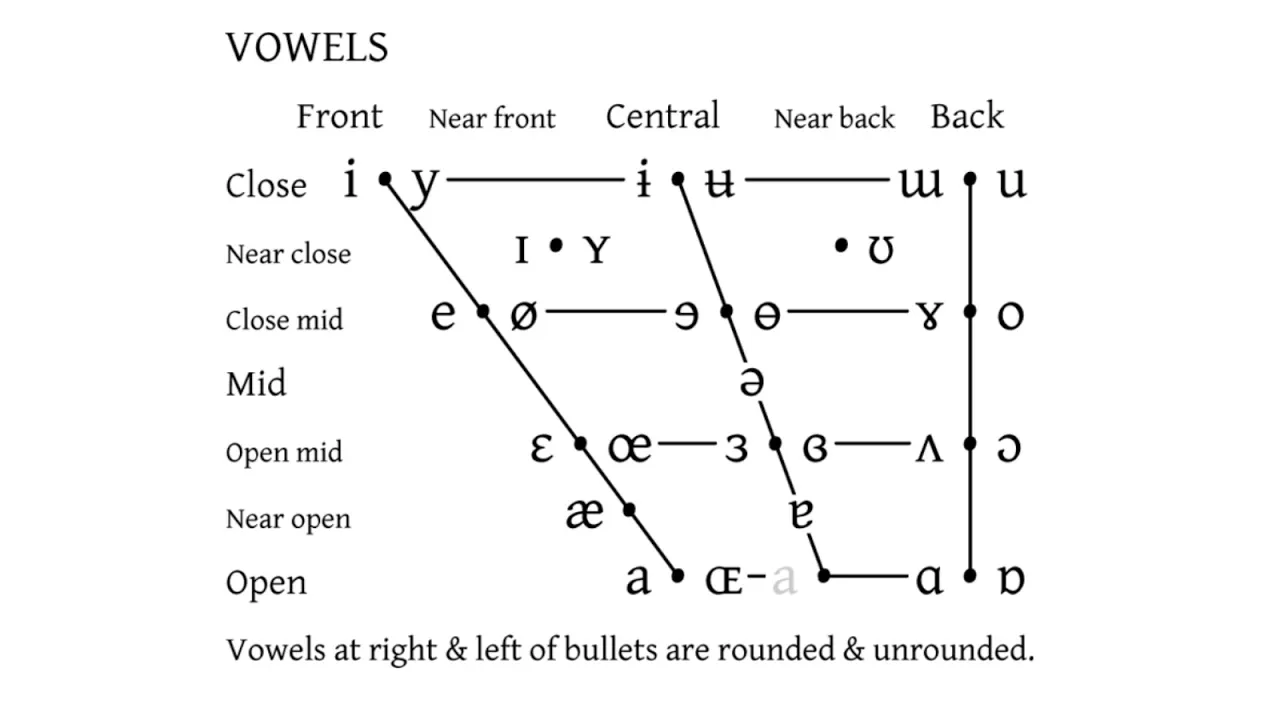



Consonant harmony is a global phonological phenomenon where assimilatory effects occur between consonants separated by at least one vowel, distinguishing it from local cluster assimilation; languages can have multiple harmony systems simultaneously (such as Hausa's three systems), and while languages may not strictly follow the fusional-to-analytic-to-agglutinative evolutionary cycle proposed by M.W. Dixon, assuming an agglutinative phase in conlanging helps generate realistic sound changes and morphological developments.
Consonant Harmony: Assimilation, Typology & Language Evolution in Conlanging
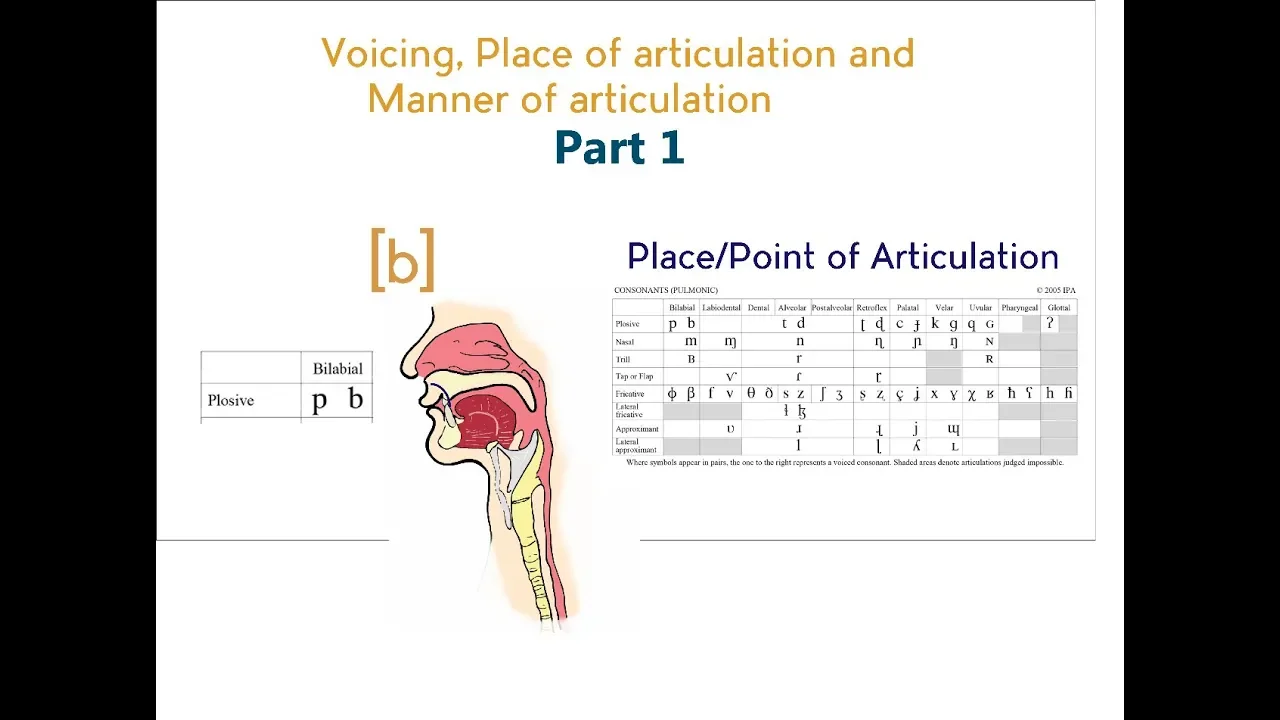
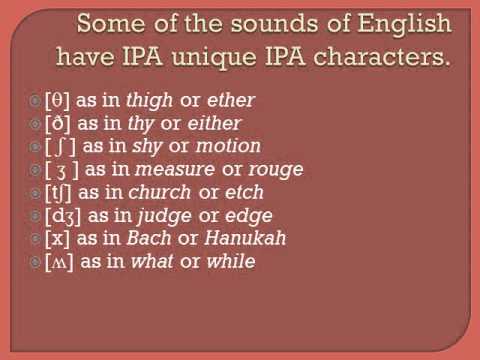
Added:Fundamental concepts in phonetics and phonology, including the International Phonetic Alphabet (IPA) and distinctive features of consonants such as place, manner, and voicing.
The basic concept of local phonological assimilation, where adjacent speech sounds influence one another.
An introductory understanding of linguistic typology, specifically how natural languages classify and group structural features.
Basic principles of constructed languages (conlangs) and the initial steps of phoneme inventory design.
Autosegmental Phonology and Feature Geometry to theoretically model long-distance consonant harmony.
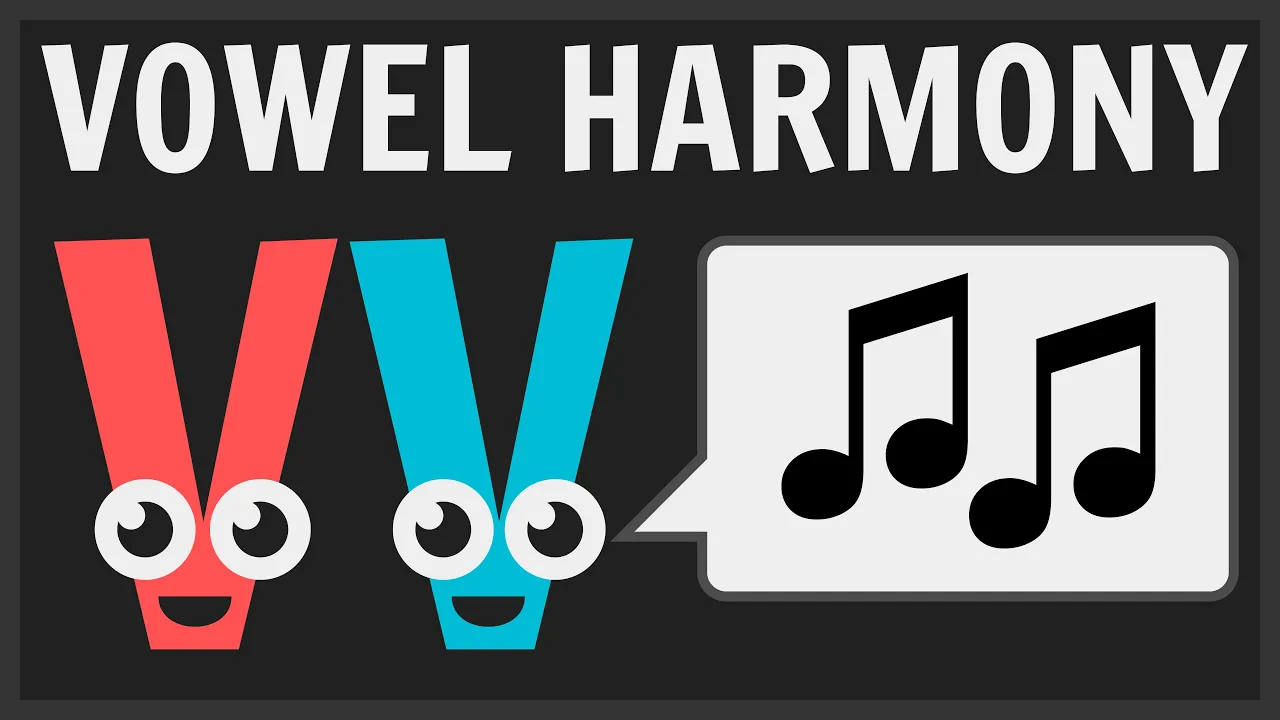
A comparative study of vowel harmony systems (e.g., in Uralic or Turkic languages) versus consonant harmony.
Diachronic phonology and historical sound change, exploring how harmony systems originate, evolve, and decay over time in natural languages.
Implementation of advanced morphophonological rules, including blocking effects and transparent segments, in naturalistic conlanging projects.
13.2K views808likes5:39Original Release: 2021-03-05
good morning interweb this is follow up to my previous video consonant harmony if you haven't already seen the video go check it out otherwise none of this is going to make any sense whatsoever how can we differentiate assimilation and harmony are they even different yes and no harmony is what happens when lots and lots of assimilation occurs that kind of points in one direction harmony is a product of assimilation but not all assimilation is harmony so here's a strict definition of consonant harmony any assimilatory effect of one consonant on another consonant or a simulatory co-occurrence restriction holding between two consonants so there you have it harmony is a product of a simulation where the two consonants can be separated by a string of segments and material consisting of at the very least a vowel this is important because it sets up constant harmony as a global phenomenon and differentiates it from say like the constant cluster assimilation we see in english you know impossible intolerable incompatible these examples in english are assimilation but they're not a harmony system because it's too local harmony is much more global and intervening segments in particular vowels are not audibly affected by the assimilating property that's pretty straightforward if this differentiates constant harmony from vowel constant harmony where both vowels and consonants get changed slightly so i hope that makes sense harmony is a product of assimilation but not all assimilation is harmony like for example i'm working on a vowel harmony system in my free time at the moment and to produce it i have a bunch of um not going on um out isn't a simulatory sound change is it harmony not yet then i also have a bunch of rounding sound changes happening these sound changes are assimilatory in nature are they harmony not yet then i also have a bunch of sound changes that move front vowels back in the mouth those yeah those would be a symmetry in nature too are they harmony no but the combination of all those sound changes together produces a harmony system again hope that makes sense can you naturalistically have more harmonies in your conlang or is it limited to just one harmony because i know that naplans can have multiple vowel harmony systems so it seems logical that they can have more constant harmony systems yes indeed hausa a chatic language has three harmony systems going on at once i think it has laryngeal harmony in it stops root internally liquid harmony again root internally and nasal constant harmony once again root internally so yeah you're not limited to one system multiple things can be a play here given that there are languages like polish and mandarin which have a contrast between alveolar post alveolar and retroflex sibilance is it possible the language with such a contrast could develop a sibilant coronal harmony system that contrasts all three bents none i'm pronouncing that totally wrong a nomadic language from ethiopia does this exact thing alviter post alveolar retroflex oh my god you did an alveolar trill i had so much fun reading comments about my uh pronunciation of the alveolar trill it was really fun to see the people remember that there was a time where i couldn't do it and now i can and the jokes were great so well played internet languages don't really go through an agglutinative phase so i disagree with this or mw dixon in his 98 work the rise and fall of languages proposes that the sort of evolutionary cycle of languages is to go from fusional to analytic to agglutinative bacterfusional of a single language some parts can be agglutinative while others are fusional or isolating i do agree with this part it will be pretty unusual to have like a perfectly analytical language for example english is mostly analytical but also has some inflectional morphology that english is not perfectly analytical doesn't mean it's not analytical nor does it invalidate this cycle and some languages go from isolating to fusional with no agglutination etc so i don't actually know if this is the case but i will take your word first because ultimately it doesn't matter that some languages go against this cycle it doesn't invalidate the cycle you're always going to find examples of some languages doing weird things the question to ask is do most languages do these weird things if the answer is yes then we throw out our theory if the answer is no we keep the theory and we note exceptions so for me languages do go through an agglutins of phase and this is really helpful in conlanging like let's say you'd like your modern language to be fusional what i've always been taught to do is to assume that your protolang is functionally analytical slash isolating so to get from our protoline to our modern line we have to go through this agglutinous phase doing so would force us come up with a whole bunch of sound changes to make that happen and this sort of process can really kick-start the conlanging process and can generate a whole bunch of cool ideas that you wouldn't ordinarily have been expecting to do anyways yes for me languages do go true and the gluten interface and an analytical phase and the fusion phase it's a cycle anyways that was that thank you so much for watching this video thank you so much for watching the main video i hope you enjoyed them massive shout out goes out to all the patrons in particular lykan johann spadka oliver reed spencer brownlee alexander roper andrew petra hill john huyer rip the passe and world anvil until next time edgar out [Music] you
Up Next
18:14
Syllable Structure Processes in Phonology: Deletion and Hiatus
@dr.mohsinewahib9023
17.3K views•2020-04-22
36:52
Constraint Interaction in Optimality Theory: Epenthesis & Deletion
@Vidyamitra
180 views•2018-08-20
8:27
A Comprehensive Guide to Conlang Types: Analytical to Polysynthetic
@Artifexian
301.6K views•2017-11-13

21:32
Accent Expert Explains U.S. Regional Dialects | Part 1
@WIRED
9.3M views•2021-01-21
Related Study Plans & Knowledge Roadmaps
Structured learning paths in Linguistics
linguistics
Optimality Theory: Tableaux & Constraints
01Phonological Basics: Sounds, Syllables & Rules
02Foundations of Optimality Theory: GEN, CON, and EVAL
03The Constraint Inventory: Markedness vs. Faithfulness
+ 2 more learning modules
15h5 modules
Explore Roadmap
linguistics
Morphosyntactic Alignment: S, A & P Systems
01Foundations of Syntax: Transitivity and Arguments
02The Linguistic Variables: Mapping S, A, and P
03Nominative-Accusative Alignment
+ 3 more learning modules
12h6 modules
Explore Roadmap
linguistics
Analyzing Sign Language: Phonology & Syntax
01Foundations of Sign Language Linguistics
02Phonology: The Five Parameters of a Sign
03Morphology: Word Formation and Classifiers
+ 2 more learning modules
14h5 modules
Explore Roadmap
linguistics
Pragmatics: Speech Acts, Grice & Politeness
01Introduction to Pragmatics: Meaning in Context
02Grice’s Cooperative Principle & Implicature
03Speech Act Theory
+ 2 more learning modules
14h5 modules
Explore Roadmap