American family structures have fundamentally transformed over the past 50 years, with marriage rates declining from 72% to 51% of adults married, the median age at first marriage increasing by 6-7 years, and births to unmarried mothers rising from 5% in 1960 to 40% in 2010, while fewer than one in four households now resemble the traditional nuclear family model of a married couple raising their own children.
The Next America: Evolution of Family Structures & Marriage Trends
Added:Deep Dive
Basic sociological definitions of family structures, including the nuclear family, extended family, and cohabitation.
Chapter 004 Mott
350
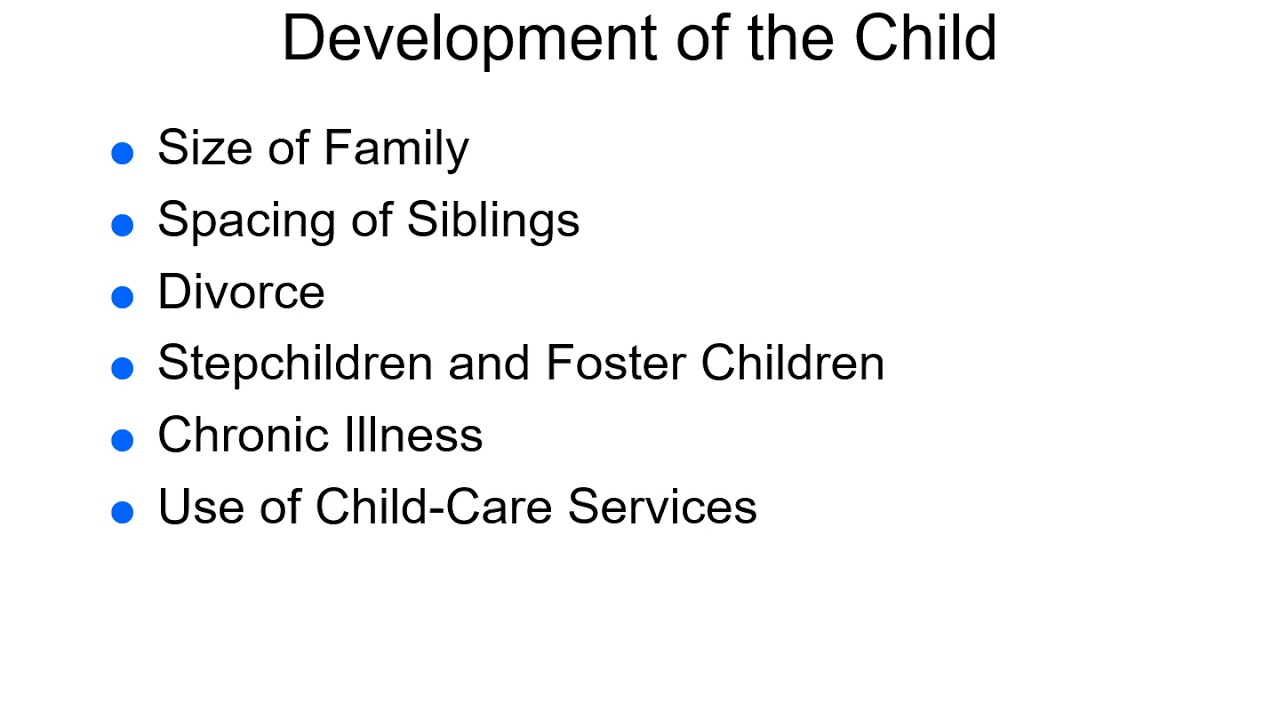
A family is a basic human social system involving commitment and interaction among members, with responsibility for children's physical and emotional well-being. Various family structures exist: nuclear (mother, father, children), extended (cousins, aunts, uncles, grandparents), single parent, foster parent (with potential emotional disparities from instability), alternative families (social networks like co-workers and friends), dual career families (both parents work, creating latchkey children), blended families (stepmothers/stepfathers), polygamous families (multiple spouses, illegal in U.S.), homosexual families (single or same-sex couples with children through adoption, surrogacy, or test-tube babies), and cohabitation (living together without marriage).
Click to watch →
wk 1 part a lecture
391
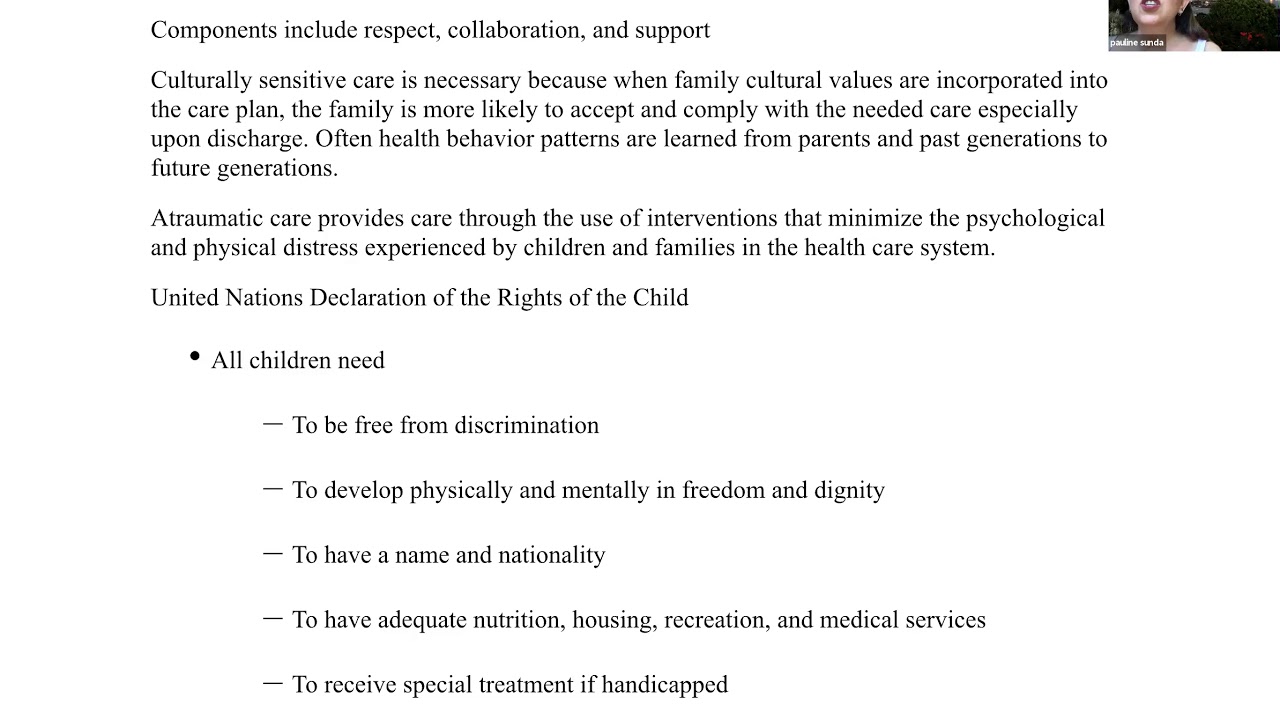
Families are defined as groups of two or more people related by birth, marriage, or adoption who interact with one another in a socially sanctioned way and live together or reside together. The United States Census Bureau uses four definitions: traditional nuclear family (married couple and their own biological children), nuclear family (two parents, may or may not be married, with children who may or may not be biological), blended or reconstituted family (one step parent, step siblings, or half siblings), and extended family (at least one parent and child and one or more people other than the parent or siblings, often grandparents).
Click to watch →

KONSEP KELUARGA
4.8K
A family is the smallest social unit consisting of two or more people living together under one roof with mutual dependence. The main family types include: (1) Nuclear family - husband, wife, and their children (biological or adopted); (2) Extended family - nuclear family plus grandparents, uncles, aunts, and cousins living together; (3) Chain family - individuals with multiple marriages living together; (4) Widow/widower family - formed after spouse's death or divorce; (5) Composite family - one head of household with multiple spouses; (6) Cohabitation family - partners living together without legal marriage. Each type represents different cultural and social arrangements for family living.
Click to watch →

Sociological Theories of Family and Marriage Explained
797.5K
Sociology defines family as groups related by genetics, marriage, or choice who share resources. Families are social institutions organized around mutual support and social status positions. Kinship bonds arise from ancestry, marriage, or adoption. Family formation includes biological ties, legal bonds, and chosen relationships called fictive kin. Two key family types exist: family of orientation (childhood family that socializes individuals) and family of procreation (adult-created family). Nuclear families consist of two parents and children, contrasting with single-parent families and extended families including grandparents and cousins. Marriage involves economic, social, emotional, and sexual bonds, historically motivated by practical concerns rather than romantic love alone.
Click to watch →

AS Sociology | Family | Lec # 02 | 2025-26
364
The nuclear family (parents and children) is the most popular family type globally, heavily influenced by colonial mindset and media. The extended family includes multiple generations living together. Vertical extended family includes grandparents, parents, and children. Horizontal extended family includes aunts, uncles, and their families. Classic extended family has all members living together sharing resources. Modified extended family members live apart but remain connected through technology. These structures represent different cultural adaptations to family living arrangements.
Click to watch →
Deep Dive
Fundamental demographic concepts such as fertility rates, marriage/divorce rates, and life expectancy.

CONCEPTS OF DEMOGRAPHY
6.1K
Demography is the scientific study of population that examines key concepts including stillbirth (death after 28 weeks of gestation), fetal death (death before birth during delivery), family size, child mortality, sterility, parity (number of live births), adulthood (reproductive capability), marriage, contraception, reproductive span (from menarche to menopause), separation, and divorce; these concepts are essential for calculating vital rates such as birth rate, death rate, and natural increase rate, which help demographers and researchers predict human needs and understand population dynamics for community and national development planning.
Click to watch →

CONCEITOS BÁSICOS (demografia 1/4)
1.1K
Demographic concepts include birth rate (number of live births per 1,000 inhabitants), death rate (number of deaths per 1,000 inhabitants), and natural growth (birth rate minus death rate); fertility rate (average children per woman of reproductive age, 15-49 years); life expectancy (average years lived from birth); population density (inhabitants per square kilometer); economically active population (working or seeking employment); and demographic bonus (when economically active population exceeds inactive population).
Click to watch →

Revisão sobre Dinâmicas Demográficas Mundiais do 8º ano
144
This section covers the foundational concepts of demography: (1) Population density refers to inhabitants per square kilometer, measuring how population is distributed across territory; (2) Natural population growth equals birth rate minus death rate; (3) Birth rate measures live births per 1,000 inhabitants annually; (4) Fertility rate calculates the average number of children per woman; (5) Life expectancy represents the average years people are expected to live, reflecting social conditions including healthcare access; (6) Child mortality rate indicates children dying before age one, reflecting healthcare quality. These concepts form the basis for understanding population dynamics.
Click to watch →

Demography of Aging (PSY)
221
Birth rate measures live births per 1000 population annually, while mortality rate tracks deaths per 1000 population. Globally, birth rates have decreased from 37 to 19.1 per 1000 between 1950-1955 and 2050-2055 respectively. Factors driving this decline include high child-rearing costs, female workforce participation, contraception, and policies like China's one-child policy. Life expectancy has dramatically improved—from 26 years in the Bronze Age to 67 years in 2010—due to medical advances, sanitation, and healthier lifestyles. These interconnected factors determine population age structure and shape societal development trajectories.
Click to watch →

UGC NET || JRF 2025 || Practice Set- 07 #populationstudies #mcqs #abhisheksir #ugcnet #jrf #ugc
103
This comprehensive section covers marriage and fertility rate concepts in demography. Crude Marriage Rate (CMR) measures total marriages per 1,000 mid-year population, calculated as (Total Marriages / Population) × 1,000. Age-Specific Marriage Rate focuses on specific age groups rather than total population. Order-Specific Marriage Rate analyzes marriage intensity by order. Cole's notation provides mathematical framework: M_a represents probability of marrying at exact age a, N_a represents proportion never married by age a, and q_a represents proportion marrying between age a and a+5. Crude Birth Rate (CBR) is called 'crude' because it uses total mid-year population as denominator, ignoring age and sex structure. General Fertility Rate (GFR) uses women aged 15-49 as denominator, providing more accurate fertility measurement. Age-Specific Fertility Rate (ASFR) measures births per 1,000 women in specific age groups. Age-Specific Marital Fertility Rate (ASMF) considers only currently married women. Total Marital Fertility Rate (TMFR) is calculated by multiplying Age-Specific Marital Fertility Rate (ASMF) by 5. Total Fertility Rate (TFR) represents average children per woman if current age-specific rates persist throughout reproductive life. Converting TFR to Gross Reproduction Rate (GRR) requires multiplying by proportion of female births. Net Reproduction Rate (NRR) adjusts GRR for female mortality. Replacement level fertility is approximately 2.1 children per woman. Child-Woman Ratio (CWR) measures children aged 0-4 per 1,000 women in childbearing age groups. Completed Family Size is calculated for women aged 45-49. Direct age standardization applies age-specific rates to a standard population. Indirect standardization uses standard population rates applied to study population's age distribution. Postpartum Amenorrhea refers to ovulation suppression following childbirth. Lactational Amenorrhea is a form of natural temporary contraception. Fertility refers to biological capacity to reproduce. Secondary Sterility occurs when a woman has given birth but subsequently cannot conceive. Social Sterility refers to infertility caused by social factors. The Davis and Blake framework includes four variables: intercourse, conception, gestation, and outcome variables, but excludes income. Contraceptive Prevalence Index (CPI) indicates relationship between contraceptive use and fertility—lower CPI means higher contraceptive use and lower fertility. Breastfeeding increases postpartum amenorrhea duration and lowers CPI. Fertility is primarily a behavioral decision influenced by preferences and cultural factors. The Cole model uses parameters M (fertility level) and Alpha (control level) to model fertility patterns.
Click to watch →
Deep Dive
The historical context of the American family, particularly the post-WWII economic boom and the rise of the traditional breadwinner-homemaker model.

The Trad Wife Life Is A Lie
1.9K
The traditional nuclear family model (husband working, wife staying home) was a unique phenomenon widespread during the 1950s largely because of the post-WWII economic boom. Prior to this period, most families required both partners to work to survive.
Click to watch →

Pureza Sexual, Argentina enero 2019
130
After World War II, America became extremely materially prosperous. The economy had recovered from the 1929 crash under President Roosevelt, and World War II further boosted prosperity. This prosperity led parents to want the best for their children, spoiling them and giving them anything they wanted without requiring them to work. In 1950s America, the typical family structure consisted of one working father and a non-working wife. Every family owned a house, and even if the father worked in a factory, the cost of living was low enough and pay was high enough that everyone could afford a home. Most families had one or two cars, and television shows reflected these traditional family values.
Click to watch →

Unequal from Birth: The Case for Universal Child Care
807
The breadwinner-homemaker model (where one parent works and the other stays home) is historically inaccurate as a representation of American society. Historians like Stephanie Coontz have documented that this model represented only a tiny slice of society, primarily benefiting white middle-class families. Women of color, immigrant women, and enslaved women have always worked, often without pay. The current policy debates often ignore this historical reality and the diverse experiences of American families.
Click to watch →

The 1950s
284
After World War II, the United States emerged stronger and more prosperous than when the war began, while Europe and Asia were devastated. Despite social tensions during the war, the fight against fascism unified Americans and gave them a sense of purpose. However, Americans faced new insecurities from the Cold War with the Soviet Union and the atomic bomb's destructive power. In this context, Americans made the nuclear family central to national identity, demanding conformity to that ideal and punishing deviations. The nuclear family was seen as essential protection from both external Russian incursion and internal corrosive elements. For the first time in a hundred years, the age of marriage and motherhood fell, fertility increased after declining since 1800, and divorce rates declined. Nearly half of American brides were under 19 by 1959, with most couples averaging three children. This transformation was economically enabled by post-war prosperity: nearly 60% of Americans achieved middle-class incomes (vs. 31% in the Roaring 20s), strong unions distributing wealth, and government programs enabling families to live comfortably on one income.
Click to watch →

Fox Idiot Calls Childcare 'Soft' & 'An Excuse' For Lazy People | The Kyle Kulinski Show
53.1K
During the golden age of economic expansion in the United States after World War II, families could typically survive on one salary. This economic model supported the traditional nuclear family structure with a white picket fence lifestyle, where the father worked full-time and earned enough to support the entire household, while the mother stayed home to raise the children.
Click to watch →
Deep Dive
An understanding of how economic shifts, such as rising women's labor force participation, influence household decision-making.

Bastardry, budgets and broken promises: Ross Gittins on 50 years covering economics
2.9K
The increased participation of women in the paid workforce represents the greatest single economic change over the past 50 years. This transformation involves adapting a labor force originally designed for men to accommodate women, particularly those with families. The underlying social change began in the 1960s when parents in wealthy countries decided daughters were equally entitled to decent education as sons. This led to women staying longer in universities, performing better academically, completing more years of schooling, and increasingly obtaining better jobs. The change continues to unfold.
Click to watch →

LIVE: Nobel Prize in Economic Sciences is announced
3.1K
Claudia Goldin developed an economic framework where women are at the center of making decisions about whether to work in the labor market given their potential earnings or to stay at home and care for family. The constraints women face at home have changed across generations and also change across the life cycle as women move from being young single and independent to getting married, having babies, watching children grow up, and eventually seeing them move out of the home. These potential earnings are partly determined by decisions made earlier in life, including education choices based on expectations about future career and family paths.
Click to watch →

Changing Families: What Does the Economy Have to Do with It?: Nezih Guner at TEDxBarcelona
18.4K
Economic factors such as technological improvements in household appliances and skill-biased technological change (computers) have driven major shifts in family structures in industrialized countries, including increased female labor force participation, declining marriage rates, rising divorce rates, reduced fertility, and greater assortative mating based on education, with these changes having significant implications for inequality, labor markets, and public policy.
Click to watch →

Steven Horwitz en ESEADE: El Capitalismo y la Familia
288
The rise of female labor force participation was gradual and multifactorial: economic growth created demand for additional workers, female education increased human capital, and technology made women more productive. Household appliances freed women's time, while rising incomes enabled market substitutes for domestic labor. The birth control pill gave women unprecedented control over fertility, enabling career planning. As men and women's human capital profiles converged, the benefits of gender specialization diminished. Marriage shifted from economic partnership to emotional relationship, leading to later marriages, falling rates, and rising divorce as unhappiness became a legitimate reason to leave marriages.
Click to watch →

PhD Economist Reveals How Inflation Broke the American Family
1.1K
Women's labor force participation has increased due to both free market opportunities (property rights, ability to sell labor) and inflationary pressure (needing two incomes to make ends meet). The extent to which women are pulled into labor markets by inflationary pressure represents a net loss for culture and families, as it forces women into work for economic necessity rather than choice.
Click to watch →
Prerequisite Knowledge
- Concept 01Basic sociological definitions of family structures, including the nuclear family, extended family, and cohabitation.
- Concept 02Fundamental demographic concepts such as fertility rates, marriage/divorce rates, and life expectancy.
- Concept 03The historical context of the American family, particularly the post-WWII economic boom and the rise of the traditional breadwinner-homemaker model.
- Concept 04An understanding of how economic shifts, such as rising women's labor force participation, influence household decision-making.
Subsequent Learning
- Step 01The policy implications of changing demographics on social safety nets, such as Social Security, healthcare systems, and childcare subsidies.
- Step 02Advanced studies in family law, specifically how legal systems are adapting to non-traditional family structures, cohabitation, and custody.
- Step 03The psychological and developmental impacts of diverse family environments on child outcomes and adolescent socialization.
- Step 04Comparative sociology, examining how America's shifting family trends contrast with those in other post-industrial societies in Europe and East Asia.
Declining Marriage
Family Shift
Declining Marriage
0:00Playing Section
- 1
Marriage rates have fallen sharply since 1960.
- 2
Median first-marriage age has risen significantly.
- 3
More births now occur outside of marriage.
The Family Stability Perspective and the Value of the Nuclear Family
While modern trends celebrate the diversification of family structures as an evolution of personal freedom, a significant counterpoint argues that the decline of the traditional nuclear family leads to adverse social and economic outcomes. Often championed by family sociologists and advocates of the 'marriage movement,' this perspective emphasizes the unique benefits of stable, two-parent married households. Proponents point to research indicating that children raised in intact married families generally experience higher educational attainment, better emotional well-being, and greater financial security. From this viewpoint, alternative structures like cohabitation and single-parent households are statistically associated with higher rates of instability and poverty. Rather than viewing family evolution as purely progressive, this critique cautions that the de-institutionalization of marriage weakens a vital social safety net and exacerbates socioeconomic inequality, arguing that public policy should prioritize strengthening marital stability.
Deep Dive
The policy implications of changing demographics on social safety nets, such as Social Security, healthcare systems, and childcare subsidies.

The US Population Bust: Why the "Motherhood Strike" is Working
4.9K
The sustainability of social safety nets like Social Security and Medicare depends on the ratio of working-age people paying taxes to retirees receiving benefits. In 1970, the ratio was 5:1, but by 2030 it will be less than 3:1, creating funding gaps that can only be addressed through rising public debt, benefit cuts, or tax increases. The demographic pyramid is changing from a large base of young people to a rectangle with fewer working-age people supporting more elderly. Recent job growth has been concentrated in the health sector, while chronic shortages persist in childcare and senior care. The top 10 growing jobs include home attendants and fast food workers, with most making around $50,000 annually, which is insufficient to live on. Without immigration, the balance will shift dramatically as generations age.
Click to watch →

Podcast: Mensch oder Maschine - Wer arbeitet in Zukunft? | Lanz & Precht
290.5K
Aging populations and declining birth rates create fundamental challenges for social security and pension systems designed for larger, younger populations. The problem is not necessarily economic (markets may not shrink proportionally) but rather the mismatch between demographic reality and institutional design. Rather than incremental adjustments, societies may need to fundamentally redesign their social safety nets. This requires courage to reimagine systems that have worked for decades but may be fundamentally misaligned with current realities.
Click to watch →

CICLO DE SEMINARIOS “Cuestiones actuales en materia de Seguridad Social”. Facultad de Derecho UCM
411
The demographic challenge has two aspects: living longer and the arrival of more numerous generations to retirement. This means we need more investment in healthcare, social services, and attention to dependency. These are not just units of expenditure but also employment sources. The people who work in these sectors are predominantly women, so gender policies in social security to reduce the gender gap from the home and lack of corresponsibility between men and women must act on the point of arrival but also on the points of origin: corresponsibility in the home and the gender pay gap.
Click to watch →

Iran Ceasefire: Too Soon, or Not Soon Enough? Is Trump Committed to NATO? & More | RCPod #885
3.1K
Social security systems were designed based on assumptions of growing workforces and increasing young people entering the workforce. Demographic changes with declining birth rates threaten the sustainability of these systems. Countries with strong immigration systems can use immigration to offset declining birth rates and aging populations, providing a demographic valve that other countries lack.
Click to watch →

Direitos Adquiridos e Regras de Transição (Vídeo Especial para o CONBCON)
118.5K
Social behavior changes impact Social Security funding. Women's increased participation in the workforce and reduced fertility rates (Brazilian couples now have 1.8 children instead of the replacement rate of 2) directly affect the system's funding. Combined with increased life expectancy, these demographic shifts create a situation where fewer people contribute while more people receive benefits, leading to potential deficits.
Click to watch →
Deep Dive
Advanced studies in family law, specifically how legal systems are adapting to non-traditional family structures, cohabitation, and custody.

Eine Autorin fordert das Ende der Ehe - Edition Zukunft
233
Various alternative living arrangements exist beyond traditional marriage: care communities of adults with or without children, group living arrangements (WGs), friendships between two or three people who live together, and patchwork families. These forms of cohabitation and family formation are already practiced but lack legal recognition and protection. Current legal systems are not adapted to recognize and protect non-traditional family structures, such as stepfamilies where step-parents have no legal claim to maintain relationships with stepchildren after separation. Single households face financial discrimination through tax systems, paying proportionally more taxes than married couples. Civil solidarity contracts provide an alternative where people can legally bind themselves regardless of whether they are partners, friends, or neighbors.
Click to watch →

Introducción al Derecho de Familia
26.3K
Contemporary family law recognizes multiple forms of family organization beyond the traditional heterosexual family founded on marriage and biological procreation. The family has evolved from an economic and reproductive nucleus to a space of affection and love. Key forms include: (1) Family convivencial - couples living together without marriage, representing about 40% of couples in Argentina; (2) Assembled family - regulated in the Civil and Commercial Code, involving step-parents and their rights and duties; (3) Monoparental family - protected under Article 14 bis, occurring through single adoption, assisted reproduction, or following union dissolution; (4) Pluriparental family - children with more than two filial relationships, typically involving two women and a friend contributing to parental functions.
Click to watch →

Family Relationships | Family Law
2.2K
Family law must evolve beyond the traditional nuclear family model (one man, one woman with children) to become inclusive of diverse family arrangements including cohabitation, civil partnerships, and same-sex marriages, reflecting contemporary societal changes and individual rights.
Click to watch →

Clase de la Prof. Yael Falótico en torno a la Unidad 1 de la asignatura
13.4K
Family law is a set of norms that regulate both personal and patrimonial legal relationships within families, and it has undergone a transformative shift in recent decades, moving from a traditional nuclear family model (recognized by Velez Sarsfield's Civil Code) to a more inclusive framework that recognizes diverse family structures including homoparental families, cohabitation unions, and blended families, reflecting the cultural evolution of family as a concept rather than a natural one.
Click to watch →

Gran inicio del Diplomado Derecho de familia, procesal familiar y sucesiones | Beatriz Ramirez
412
Family law has evolved from recognizing a single 'family' model (typically the traditional nuclear family) to acknowledging diverse family structures, as evidenced by constitutional and legal reforms that now recognize multiple family forms including cohabitation, non-traditional partnerships, and diverse care arrangements, reflecting broader social transformations in how relationships, reproduction, and family bonds are understood and regulated.
Click to watch →
Deep Dive
The psychological and developmental impacts of diverse family environments on child outcomes and adolescent socialization.

SMOKE!!! Talks Prison Time, Riots, Jail Time, Solitary Confinement, Drugs, Tattoos & Life PART 1
1.6K
Family absence significantly impacts child development, creating conditional attention where children become 'afterthoughts' unless they become problems. Different family environments produce different outcomes: environments with resources but little guidance (like living with elderly grandparents who may lie or trick) can lead to unchecked behavior. Adolescents may gravitate toward street life when they perceive their home environment as disconnected from reality, finding belonging among peers who share similar struggles.
Click to watch →

2B || Dinamika Psikologis Remaja Dalam Ruang Lingkup Keluarga Disfungsional
649
Dysfunctional family environments significantly impact adolescent psychological development, forcing children to assume adult responsibilities prematurely. Research demonstrates that adolescents in such families often develop resilience and independence but also experience anxiety, sensitivity, introversion, and social insecurity. Multiple assessment tools including WISC, Wartek, and FSC are used to evaluate cognitive, emotional, and social functioning. Despite facing poverty, lack of social support, and family dysfunction, adolescents can maintain positive prognosis when receiving appropriate psychological intervention.
Click to watch →

troubles psychopathologiques de l'adolescent
169
Family environment significantly influences adolescent outcomes. Favorable factors include: absence of family conflicts; clear distinction between parental and conjugal functions; parental support and understanding; parents with listening skills who share moments with the adolescent and facilitate dialogue.
Click to watch →

costellazioni familiari e nuove generazioni. archetipi familiari
1.1K
Family climate profoundly shapes adolescent behavior and development. When families experience conflict, tension, or when children face repeated judgment, repression, or neglect (due to parental career focus, traumatic separations, or educational imbalances), these patterns create lasting developmental impacts. Children need to feel important, loved, and able to express their authentic selves. Healthy family environments support choices without excessive contestation, allowing freedom to make mistakes. When children come from narcissistic family environments, they may develop deep insecurities and subsequently seek victim roles, perpetuating emotional vulnerability patterns.
Click to watch →

# Psychology part 6,# Principles of Development # by Ishak Sir/29-06-2020,
164
Family environment profoundly influences developmental outcomes: (1) Family background shapes developmental pathways and life choices; (2) Family heritage and ancestral characteristics contribute to individual development; (3) Family environment affects behavioral development and life outcomes; (4) Family selection in research must be carefully considered for validity; (5) Family environment influences how individuals progress through developmental stages and achieve milestones; (6) Family background provides both opportunities and constraints that influence development; (7) Family environment shapes developmental trajectory and life choices; (8) Family background influences developmental milestones and life outcomes; (9) Family environment provides both support and challenges that influence developmental progression; (10) Family background affects various developmental outcomes including career success.
Click to watch →
Deep Dive
Comparative sociology, examining how America's shifting family trends contrast with those in other post-industrial societies in Europe and East Asia.

Биополитика и некрополитика: рождение и смерть под опекой государства. Лекция в Стамбуле. Часть 1
966.4K
Post-industrial societies see dramatic family transformation: marriage delays, divorce rates exceed marriage rates, and non-traditional arrangements become acceptable. Russia and China show high divorce cultures; Catholic nations maintain stability. The second demographic transition makes single parenthood, cohabitation, and child-free lifestyles socially acceptable. In Russia, positive mortality trends stalled in 2020 and reversed in 2021-2022, demonstrating how temporary crises can undo decades of social development.
Click to watch →

Sociologist Salvatore Babones says to Rajdeep Sardesai, 'India's intellectual class is anti-India.'
18.7K
Comparative sociology is a branch of sociology that studies and compares different societies, cultures, and social systems to understand patterns of social organization, change, and development. Sociologists in this field analyze how different societies function, their social structures, institutions, and how they evolve over time. The discipline involves examining social phenomena across multiple societies to identify commonalities and differences, providing insights into how social forces shape human behavior and societal outcomes.
Click to watch →

The Coming Crisis Between...Divergence of Advanced Nations - Emmanuel Todd
29.9K
Advanced societies are diverging in fertility rates (Germany/Japan at 1.4 vs. US/France/UK/Scandinavia at ~2), reflecting deep differences in traditional family values. Three main family systems shaped modern ideologies: the community family (Russia, China, Vietnam, parts of Europe) features strong authority between generations and equality among brothers, releasing communist values when it breaks down; the Anglo-American nuclear family (discovered by Laslett) features conjugal pairs with children expelled early, lacking precise inheritance rules, forming the basis for individualism and liberalism; the French system adds equality among all siblings, producing revolutionary ideology. France itself contains multiple systems—central France with liberal values versus peripheral regions with hierarchical German-like systems that resisted revolution. Contrary to expectation that modernization would cause cultural convergence, differences persist indefinitely. Germany, with only 81 million people and rapidly aging population, has achieved overwhelming success since reunification: reconstructing Eastern Germany, integrating ex-Soviet democracies, achieving Eurozone supremacy with 280 billion trade surplus (8% of GDP). Viewing Europe through German eyes reveals a well-ordered hierarchical system where unequal workers are integrated into national subsystems, with government unions of left and right ensuring singleness of purpose.
Click to watch →

Theoretical Understanding of Family (Part-I)
267
With the spread of industrialization, other parts of the world began comparing Eastern versus Western family models. Eastern society was visualized as a collective unit where the joint or extended family was the norm, while Western society was considered an individual society where the conjugal unit was the model. The Western individual society was considered more progressive, and the conjugal family was seen as best suited for industrialized modern society. Characteristics included fewer residents staying together, weaker bonds, and less emotional connection across generations because work and industry became more important than family as a unit of production.
Click to watch →

Families in Modern Society
262
Western societies experienced dramatic family changes between 1950-1973: (1) Legitimate birth rates declined significantly; (2) Divorce rates more than doubled; (3) Labor force participation of married women with young children more than tripled; (4) Female-headed households with dependent children tripled; (5) Similar patterns emerged across France, England, Wales, and Sweden, indicating universal transformation rather than isolated American changes; (6) These changes persisted even during the 1970s economic downturn, demonstrating deep structural shifts in family organization driven by economic and social forces.
Click to watch →
Declining Marriage
Family Shift
Declining Marriage
0:00- 1
Marriage rates have fallen sharply since 1960.
- 2
Median first-marriage age has risen significantly.
- 3
More births now occur outside of marriage.
The Family Stability Perspective and the Value of the Nuclear Family
While modern trends celebrate the diversification of family structures as an evolution of personal freedom, a significant counterpoint argues that the decline of the traditional nuclear family leads to adverse social and economic outcomes. Often championed by family sociologists and advocates of the 'marriage movement,' this perspective emphasizes the unique benefits of stable, two-parent married households. Proponents point to research indicating that children raised in intact married families generally experience higher educational attainment, better emotional well-being, and greater financial security. From this viewpoint, alternative structures like cohabitation and single-parent households are statistically associated with higher rates of instability and poverty. Rather than viewing family evolution as purely progressive, this critique cautions that the de-institutionalization of marriage weakens a vital social safety net and exacerbates socioeconomic inequality, arguing that public policy should prioritize strengthening marital stability.
Basic sociological definitions of family structures, including the nuclear family, extended family, and cohabitation.
Fundamental demographic concepts such as fertility rates, marriage/divorce rates, and life expectancy.
The historical context of the American family, particularly the post-WWII economic boom and the rise of the traditional breadwinner-homemaker model.
An understanding of how economic shifts, such as rising women's labor force participation, influence household decision-making.
The policy implications of changing demographics on social safety nets, such as Social Security, healthcare systems, and childcare subsidies.
Advanced studies in family law, specifically how legal systems are adapting to non-traditional family structures, cohabitation, and custody.
The psychological and developmental impacts of diverse family environments on child outcomes and adolescent socialization.
Comparative sociology, examining how America's shifting family trends contrast with those in other post-industrial societies in Europe and East Asia.
62.3K views135likes2:16@pewresearchOriginal Release: 2014-04-30
[Music] for Baby Boomers weddings were a ride of Passage and the first step toward starting a family back in 1960 six out of every 10 Americans between the ages of 18 and 29 tied the knot today's weddings may look different you can thank YouTube for that but the real story is that they are happening less and less frequently in fact 44% of Millennials and 39% of all Americans now say that marriage is becoming obsolete marriage as an institution is losing its customer base if you will uh you go back a half a century and 72% of all adults over the age of of 18 were married today 51% of all adults are married since 1960 the median age at first marriage has risen by 7 years for women and 6 years for men and while young people may have cooled on marriage they haven't stopped having babies there are many things at play here one is that people are marrying later and some people are foregoing marriage altogether but not stop they haven't stopped having children so more people are having children outside of marriage in 2010 I think about 4 and 10 babies were born to unmarried mothers and that's up from about 5% in 1960 it is a change that is widespread among whites the share of births to unmarried women Rose to 29% by 2011 among Hispanics 53% and for blacks 72% when you look back at the over the last 50 years and you think about the typical nuclear family of a married mother and father raising their own children that is not the norm anymore fewer than one in four households look like that there's cohabitation there's divorce there's remarriage there's just this whole sort of plethora of different Arrangements now and the family just look a lot different now than it did 50 years [Music] ago
Up Next

24:18
Domestic Division of Labour: Trends and Causes (Sociology)
@HecticTeacher
201 views•2025-01-28
54:57
Contemporary Sociological Theory: Micro, Macro, Integrative
@NaSESYNC
45.7K views•2016-02-17

19:23
How to Analyze Conversations Scientifically | Elizabeth Stokoe | TEDx
@TEDx
1M views•2014-12-04

9:41
What is Sociology? The Sociological Perspective Explained
@crashcourse
4.6M views•2017-03-13
Related Study Plans & Knowledge Roadmaps
Structured learning paths in Sociology
sociology
Celebrity Culture: From Hollywood to TikTok
01Foundations of Celebrity Sociology
02The Rise of Micro-Celebrity & Digital Platforms
03Parasocial Relationships & Algorithmic Intimacy
+ 2 more learning modules
12h5 modules
Explore Roadmap
sociology
Hostile Architecture: Space, Power & Control
01Introduction to the Sociology of Space
02Social Control and Surveillance in the City
03Hostile Architecture and Defensive Design
+ 2 more learning modules
12h5 modules
Explore Roadmap
sociology
Loneliness Epidemic: Third Places & Isolation
01Foundations of Social Capital and Community Cohesion
02The Death of Third Places and Urban Space Erosion
03The Privatization of Leisure and Atomization
+ 2 more learning modules
12h5 modules
Explore Roadmap
sociology
Sociology of Tourism: Gaze, Power & Heritage
01Foundations of the Sociology of Travel and Leisure
02John Urry and the 'Tourist Gaze'
03Staged Authenticity and Cultural Commodification
+ 2 more learning modules
14h5 modules
Explore Roadmap