





![[Foreseeable Podcast] State of Homelessness in Singapore during the COVID-19 pandemic](https://i.ytimg.com/vi/3ikI0jjKovg/maxresdefault.jpg)
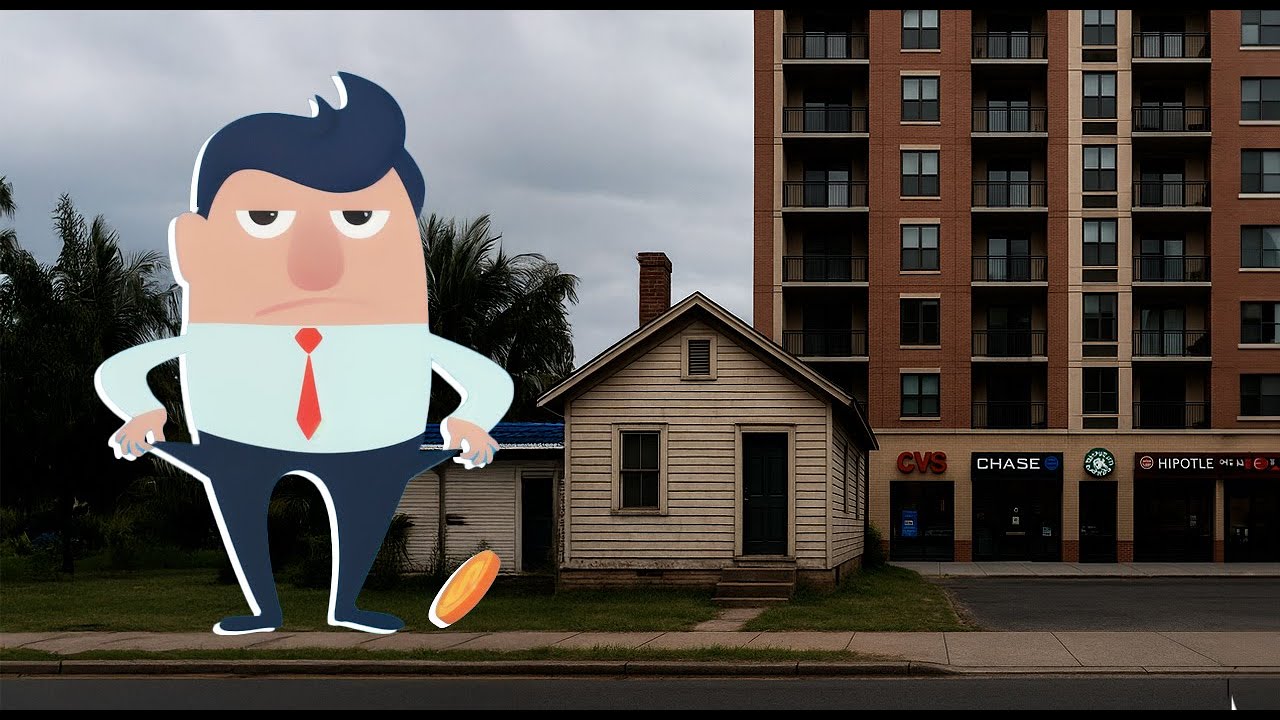













Single Room Occupancy (SRO) hotels provide essential transitional housing for vulnerable populations, offering dignity and stability that street-level shelters cannot, yet face increasing pressure from gentrification and urban development policies that threaten their existence despite their critical social function.
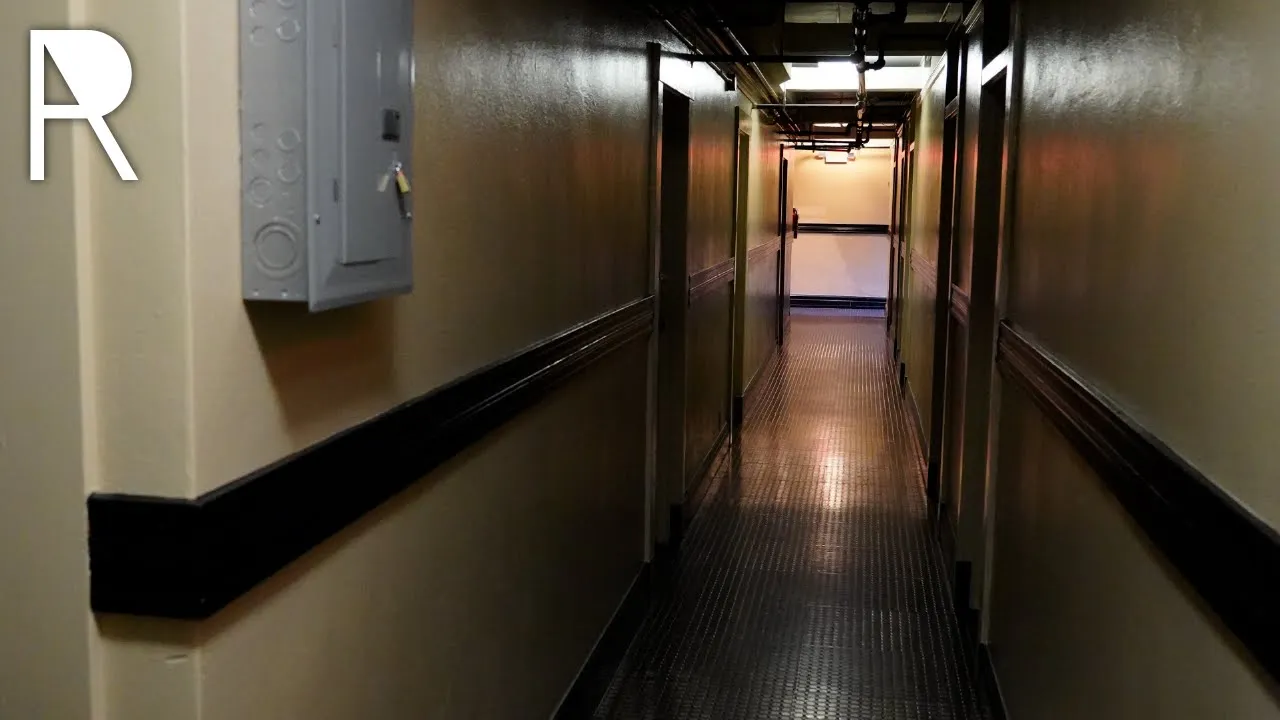
Chicago's Last SRO Hotels: Housing the Near-Homeless | Documentary Analysis
Added:The definition and historical role of Single Room Occupancy (SRO) housing as a crucial safety net in urban environments.
The concept of housing insecurity, including the spectrum between stable housing, near-homelessness, and unsheltered homelessness.
The basic mechanics of gentrification, urban development, and how rising property values lead to the displacement of low-income residents.
An understanding of systemic socioeconomic factors, such as wage stagnation and the lack of subsidized housing, that drive urban poverty.
Analysis of modern housing-policy frameworks, such as 'Housing First' initiatives and permanent supportive housing models.
Comparative urban studies on how other metropolitan areas (e.g., New York, San Francisco, or Tokyo) regulate and preserve SROs or micro-housing.
The economics of affordable housing development, including the role of Low-Income Housing Tax Credits (LIHTC) and municipal zoning laws.
The intersectional challenges faced by marginalized housing populations, such as mental health access, substance abuse support, and elder care in low-income settings.
1.1M views10.6Klikes1:23:53Original Release: 2018-01-01
[Music] yes yes the rates are $15 with a $90 a week 300 of month with you some simple utility the room they look up there see their children wanna be like oh what a scare you I like I'll put it to work I use it you gotta put your stuff to work I mean okay the 31st so what whenever you get to the chick just pay doing long as you felt don't pay it after the tenth of the other month even at us I miss my own place I've had a few places I miss you know being around my family I miss having my own privacy the common stuff to people commonly knew no need you know but once I come in this room shut the door I'm home if they style clothes me equations now if people are paying hundreds of thousands of dollars new condominiums and stuff it'll be that way do you know where she comes from what why does that person there they're gonna be all over the police even call it a flophouse you can call it a red bag a hotel or whatever you want to call it but far as I'm concerned this is where I live [Music] [Music] [Music] [Music] you know I recall instances when I had friends growing up and they say Oh your dad owns a hotel there's something about a hotel that sounds very cool my friends would say to me what hotel is it and thinking that it is one of your a list hotels so no it's not to help no it's not the Drake and I would try to describe what it was and I kind of lost them along the way they didn't understand the nature that you know what type of hotel it hotel maybe is not the most descriptive name that I could apply to SRO housing it's not the type of business that you bring your neighbors and friends over to see and there's my office and here here's my desk clerk and here are my best tenants you know we're not at the Trump Tower here and we're not going to have cocktails after work this is it you're after you're here you're either in a cemetery or an omission nobody grows up goes to prep school college and then chooses to live here but you can't just take a person I'm throwing a garbage can I mean basically that's what the city wanted to do they said we don't care get him out of here it's your responsibility I said eventually the only destiny I see here is a wrecking ball cuz it's gonna come with someone to come down and knock this block down and build a big high-rise here and people who walk by goes oh yeah they used to be you in the annex Hotel cuz I've been fighting for these guys too long I'm not gonna let them come and taken away so it's not only the right thing for me it's the right thing for my people upstairs because you know what like I said after a while they become your family you know money isn't everything that's a tough one you know mmm yeah Wilson men's club you know I don't see it have a long history home time in a day but you said but I'd like to see I'd like to see as much energy to close it as to have an alternative and do you think that will happen no a so the face of that politics is bags no that's how things work you know it's this town isn't it the way it is for no reason you know what I ran the most segregated city in America for Norman you see this didn't happen by accident this happened because of realistic because my real estate has been done two decades for Chicago now minds me of an old almost thing it's easy for a camel to go through the eye of a needle than a rich man to get in the heaven you know that that's the truth you see these people I just jokingly I called it took you all sorry to see them maybe I'm going through the red line or maybe I'm going to the store up you know on my way to do something and like you'll see so-and-so stick his hand in the trash you're like a Christ I'm in the same building as this guy or someone is on the other corner a grand and Wabash looking at girls inappropriately and then you're like Christ I'm in the same dirty business guy this duck so you see them all around the city doing it's just slightly off things so yeah kind of sad but just take a look at his blog and take a look at this place and sort of get a kind of a long-term kind of view you know from the whole block obviously across the street very nice it's all very high-end and all done up and I think you just kind of get the impression um I don't know if anyone's watch Sesame Street in a while but one of these buildings or one of these things is not like the other okay so you can start down there building nice building the Tokyo hotel high-end restaurants historic pizza place so which not like the other um I'll take Tokyo hotel for two hundred nine right now but it just goes to show that I think as these as this block begins to change and begins to upgrade you're going to see more and more pressure happen on the owners of this building to in fact make some changes sixteen stories higher friend of mine who is probably as equal smart ass as I am said that when when this hotel does does shut down you're gonna have like a line of the regulars to Tokyo all-stars if you were all line up and maybe just start to despair and helplessness I say eventually the only destiny I see here is a wrecking it's gonna come with someone would come down and mattress block down and build a big high-rise here and people who walk by clothes well yeah they used to be the Ewing annex hotel eventually you know they say everything changes the world is gonna change the healthy [Music] the Madison Street area was very unique and Halsted Street itself was home to fewer but a number of notorious and colorful and exotic places [Music] the first time you walked up those stairs into this place you remember what that was like yeah it was kind of like it was kind of creepy coming up there but it wasn't the same place in as years now even some of the police officers they work in the area then forgot the place was here before they were here just about every 15 minutes so you have to be patient the number one thing and just keep yo Keaney don't blow don't blow your cool most of the time yeah so what was that like before you took over he used to say that the hallways oh yeah when I first moved in here it was people did in the hallways shooting dice girls and the washrooms turning dates and some of the new offices who work here if they ever have to ask them collie oh I didn't know this place was over here we don't have the police calls in each day my name is Wayne Cohen I got started in a pawn shop is my dad on the west side of Chicago we had total maybe 10 or 15 pawn shops over the last 40 years and when what the pawn shop here above here is a Ewing annex hotel so we were here in this location for a while and then business was decent so I decided we should you know perhaps buy the building so me and my brother bought the building we also took over possession of the Ewing annex hotel and that was a real treat let me tell you it was basically these are the homeless or next step from being homeless people in Chicago the Dola Dola got no place to go you know what you're a disgusting [ __ ] cute okay mr. Cissy right there yeah that sounds okay he's the only guy I knew the flunk first grade three times so what'd I tell you what was that gonna show you anything your first grade hey Randy three first grade teachers say hello all three of them so look I know first pay three times there's a good thing I was born before he was he'd be in trouble [ __ ] I thinks he's funny only morning once take money out of a cash register when we first bought this building me and my brother there was a old Jewish guy for Solomon he was it as he was in his 70s and the 90s and he lived with his mother's who was in her hundreds just the two of them so he him and another partner his who died on this hotel for 40 years and they're just to hand them a guy man as you get running it and it was running very efficiently and for what it was it was it was very a very big need in the south of Chicago back then these guys had nowhere to go I mean I'm South Madison Street or was at West Madison store Eastman whatever it is not Madison Street that's where all the hotels were located at and it was really it was the called Skid Row I never had made a plan should have been dead at 21 I'm even though I'm still alive that's Diggity damn they're homeless oh babe thank God for small favors you look and the people and we have people like I said I've been up there for 35 years living the same room it's it's unique I mean it's there's only a few left and I think after an X I'm sure the next few years when there's black comes down they'll never be in the hotels like this again it's kind of sad actually did you have any idea that there were people living in seven by five by seven cute when I first came to this pawn shop here I really knew those hotel upstairs but I go upstairs until I just thought I was gonna really buy the building and when I looked at it I couldn't believe it people would live in something like this it's like smaller to jail so I mean a lot smaller he told me about it 24 years ago until five you decide to get out there oh really all right I've been known as treat so I was forced to company well now hold on though they told you to get out why why they because I have learning my background in then they thought they'd tell me I didn't know they do feel you're friends now we do you think we're you're pretty please come back talk to my friend please come back did I hate you the murder before Dean Chang would volunteer in volunteer minutes long okay I did my time the day before my food plate came back into my to get out and so they moved me in here okay how do you like it so far maybe um it's not much time until new Friedman is yeah you are yeah why not ah but that's right if you don't even know that no man no you I'll be in reasonable where did you live here before you were here Knutson hall no show no time comes I'll do not forgot top it'll be here with my hell caduceus is like I'm on a breathing machine down there at my breathing machine right here yeah am i freezing machine I'm gonna book who medicines about 19 different smells I went to the shelter to shelter hm I couldn't come in there come on too much medication with my heart my cancer my heart COPD my hip we tried to see a nun things were medically why fighting thing huh didn't they told me that all they did but it set me up in that way unfortunately yeah sometimes is a the last stop for a lot of guys or the first step to a second chance of straightening their lives and what have you and uh you know thank god this place looks such as this available for yeah we require that you have a proof of income when you move any some some people on unemployment and they some people on Social Security some people on disability some all veterans pensions you know some have payees or organizations that are pays and they take care of make sure they get their rent and paid and make sure they have money to eat with and what-have-you and make their doctor's appointments and get their medications and whatever so that's working pretty good we have about five organizations that are handle people's financial affairs do pretty good job come and get them take them to their doctor's appointments when they needed a lot of cases we have all doctors and nurses visiting some of these guys here make sure to do they're taking their meds sure I got one now this comes from from pre donations I didn't have this one moody it tell me this leather coat I didn't have this I got a lot of stuff up here that's great I got my stuff from standing by being a pimp I go to military time sent down yeah I got new clothes but love it I didn't have this search oh yeah it sure they had it slow Joe I'd had the Tomica where these come from the army ID him I had he paid I had this code I came here with this code yeah let's go right here almost he closed hey you know I guess since I've been here now tell me this store Nate when they moved you out of the nursing home and you found out that this was gonna be home what did you think at first I thought about it I prayed to God and thump and take the Lord because I didn't have to be in no shelter I have to get up in the 4:30 5 o'clock in the morning go in the street all day you know when I got here I've seen I was it was and did I have no I mean I don't have a family can penny not a penny to my name and they took me in and I would up to me that was a blessing oh yeah I hang out with the guys in the day room we talked and I would watch TV and you know we like money having family to me could mica I met I don't go by the color cuts mama - nom had a white dude it was fondant and he was he changed a lot of people lives over there now so you're a vet I'm a bad as well that's a blessing for me I don't know what to my of my tea but for me it's a blessed now do you have do your family here at all oh I don't know send miss family because they don't treat me as family and that's another story in itself sure I know laughs but now I'm happy well I was a suburban kid and cities were a place where they filmed you know crime movies and adventure stories and so when I traveled to Europe as a young student in college and had that opportunity I realized they have these places called cities and I began to fall in love with them and I realized that people could plan these cities so I I made that choice as a career and so the irony of the people that are coming back to the big city want this diversity the one of the things when we did this study back in the 1980s is we looked at the neighborhoods where these buildings were located and we looked at where the tenants went to eat and what we found is that the folks if there were enough of these buildings rental buildings along with the hotels they would keep the little cheap eats place alive because they go there routinely and then the middle-class people will only go there once every couple of weeks to get a good deal but but if you get rid of all of this kind of housing what happens is these smaller ancillary shops disappear they love oil food lot of cabbies law degrees I don't need more me crying and this is going to be taken on my hair but is it my coffee is in my cereal then physical demands when we get up and egg everything Campbell they will let me put you out we got my half of that my new to me like me doing and the Bucks my girl here I got a lot of food in my door the shampoo chocolate peanut butter people kick another let me see because the people who really supported are the folks who you they don't have a big kitchen they have a hot plate in a in a refrigerator they go out to eat at these restaurants so the other way to think of it is that these resources these buildings are resources for seeding the sort of fine grained fabric of commercial activity of small shops of vendors and so the fabric of the city that provides part of the background for that noir feel that people have that nostalgic feel it disappears we tend to only think of the homeless guy as the person who's sleeping on the bench or who's begging but there's all sorts of other very long come people who are using that space we just don't notice them as residents of that neighborhood you're kind of the gatekeeper talk to him about how through the years what that's life oh I feel like I accomplished something you know being here change the way you know it used to be here for the better at least it's safe you don't have to worry about getting robbed in here when you go to the washroom like before oh yeah well everyday here is a inspiration for where I've been to where I am now my people will look at me like oh man you just a desk clerk at a fleabag hotel but it's a lot of people out there wish they would have this job I started off cleaning the washrooms and mopping the floors around it and now I manage the place try to make it better for everybody that comes along hello when we think about the people who own buildings like this how did how did that come about well these are business people and some of the owners inherited the properties and there's some interesting cases of what I would call social entrepreneurs owners who for various reasons either by legacy in other words inheritance or through a kind of commitment to a place or to a structure if for historical reasons because the building had certain historical features will make a commitment to the place they are good business people so they care about the bottom line they care about cash flow they care about maintenance they care about operating expenses but they also care about the place and many of them care about the people but for the most part they're business people and they understand their clientele and they're probably not a whole lot different from landlords as a group they they shouldn't be vilified as you know sorted members of the underground engaged in nefarious dealing on stairs we're doing a view here my name is rook itwhen moody ro RK e DWI n mo o DUI the new Jackson let's talk about to new Jackson there's almost absolutely it's one last hotels as our rolls left in Chicago and in this area where an indigent person or somebody that's down on their luck and come here and get a room for a week the four hundred and thirty five dollars and for a month for four hundred seventy five hours and all they need all I needed was an ID and they don't worry about your background and nothing and and it gives you a second chance that at least living a normal life well close to a normal life mm that's when I had to start living in these places and since 2000 I've noticed that the city and the government has been shutting the places down just making people moving and turn them into condominiums and lofts and that's good for the people who got the money they can buy them but for the ones that depend on these type of housing facilities to live you know it's not good a lot of lower-income people or people that are homeless that count on places like this to us you know live to the winter or just to live you know the rest of their life in it and when they shut them down then and then they're back on the streets when you think about it the ones that are homeless everybody this homeless and not addicted to drugs and are not alcoholics things get busy for you win the money comes in this is the I could see it being where you don't see a white card or card permanent card we probably got one two three four five six eight nine nine homes with after round that's not bad for the hotel we got about a hundred rooms so we're probably about what say eighty percent occupied I you know I could see race today a lot of them are losing their jobs losing their homes you know and they're all to find themselves on the street you know in the streets you know for somebody that's not strong will is it's you know they're not gonna make it is the streets don't discriminate the the streets me and homeless homeless this doesn't discriminate it just you're out there you're part of it and if you can't deal with it you become extinct themselves another person's shoes and stop the people from closing all these places or shutting them down because we need these places they want to come to places like this they can afford and and and just have a peaceful night or a week where they don't have to deal with it where they can forget about their problems you know oil just to do the basic human needs take a shower you know lady hair down on a coal instead of a concrete slab but the normal everyday person would rather have their own humble abode even if it's just a room and be able to come and go as they please this is what these buildings give people they give them a sense of dignity they give them a sense of Worth and it's important to be able to after a hard day out on the streets especially if you're just one of the struggling people low income poor people to be able to come home and close your door and be in your house and say okay I'm at home and be able to relax and just forget your worries you guys still gotta pay 35 for the room tonight if you're not gonna pay the 40 and this is where the value of these places come in because see they wouldn't be able to afford to go nowhere else and plus they were behind in rent 240 240 dollars money see oh they get it man back to him okay so another one a weekly the day I told him a long time ago what week is 160 for two people they're better off in 160 they played that $40 for about three months they're losing money so there's no other options for them if they don't really be in the street get on back here too because the other people wouldn't even call the boss either you're Tom come back tomorrow you know yeah I mean if you got 30 I'll just give it to both y'all the 30 tonight and then when you come down the mob that's the last time you see it that can go before I remember and you know we'll stop it so what you did 26 okay all right yeah just take this tell me now I'm gonna tell them that John the Roman and I'm just putting crazy tomorrow in the pocket our 14 14 14 I know you know sometimes when we in these positions even though it's just you know desk clerk we still have to be able to make some decisions on home you know he counts on us to make some button you know intelligent to sit in this little benefit you know the hotel as well as the gas this right here which is the window right next to my room you can see it was spread this place is you know it's not the greatest of places but once you get your room like I've been in this room for eight years now fix it up like it as if it was your home and you live it like this is gonna be your home and you and you keep away things like rats roaches in bed but you can make places like this your home this is what I call my wall a hat you know I got caps all over and I can wear a different cap probably every day for for a couple of months you know because I also have hats in my bags and all that and if you look at the you know the table and stuff you know I didn't clean up cause you were coming and this is normally I'm not always just untidy but I left things the way I normally keep it in and I felt like that was necessary because this is home I mean I don't have any roaches I don't have any rats and I don't have any bedbugs I'm proud of it I got a cat my cat helps make sure that nothing else is in here either because he nothing crawled it nothing moved or crawled in here but me and the cat I got friends that knew me when I was an editor I came from a nice family on with middle class I had in mind we had I didn't have money my dad my mother had money a week and we never wanted for anything when I was growing up so I had opportunities to live you know grow up and never live a normal childhood could get an education all of us graduated from college and you know I've lived in a good life a normal life I wouldn't trade it in for nothing none of my experiences or anything but I still have people that are no there's no me for you than there they say well why do you live like that you've got a kind of degree do something else well I've did everything else this is what I want to do today this is this is what I'm about I wanna I want to get to my second career to be a poor and you know if I if I become famous while I'm alive wonderful and I'm gonna be alive for another fifty years ago plan on dying no time soon I got a pack with my with my man upstairs and I'm gonna be around but if I don't be famous while I'm here I'm gonna be famous one that when I'm gone okay yeah my TV's off less great TV go doll watch go only when you say well we would says do we know who got it we no guy will we take that up with him tomorrow yeah we'll take it we'll take it up with him tomorrow I know there's some rumor this place is kind of on Bauer time go see if you don't start dead I'm just saying you want to get back in the hotel because he said you owed him that much money and I took a day off of that and I'm letting you in there tonight like I say something just don't think things out you know I understand he wants to you've got an idea who took it and they've been doing this for years you know and these hotels that's what happen when people move out a lot of times they don't come back maybe people have too much stuff that's why they came back that's why they treat the money to get in there yeah but listen to me you know as far as the police and stuff just talk to the man if you don't get no satisfaction did Carter polish you know cause called the police tonight ain't gonna do no my name is Darryl Sh Len and I'm the former owner and operator of the new Jackson hotel in Chicago as a family we've been in the hotel business from 1946 until around 2008 just old elevated then will you make pause you got the machine is that right deposit uh yeah I think I was sort of like the guest that came to dinner and decided to stay and stayed for thirty-six years after that my father got involved along with my grandfather and I would say about 1946 1947 but coming out of the war my father had a injury that left him blind in one eye he couldn't pursue his longtime dream of being a dentist and this field kind of presented an opportunity for him to be kind of a entrepreneur and he liked the idea and there was a definite need for that kind of housing which was proliferating greatly throughout Chicago after the war where there were so many people coming back from the war a shortage of housing stock already took a day off y'all take the to 44 41 I'm dead death now you're listening to this man who ain't got nothing to do with this [Music] that's what I'm trying that's why I'm telling him talk to Donna tomorrow you know stop listening to him just go you know do what you got to do tonight do what I asked you to do and take it with upward to be in tomorrow I can't do that one now you asking me to do something extra just take them up to the room Ron geez it's not a business that you plan to get into I'd like to say trip and stumble and fall and that's where you're at a lot of people it's such a specific and a unique niche it's unlike any other kind of housing that you could think of traditionally when you think of a landlord it'd be owning an apartment building you don't operate the place really you may have somebody that lives on premises to fix things but you're basically somebody in an office or your home and you collect the rent check and as long as your bills are paid and your tenants are paying you that's the extent of it the SRO business it's such a hands-on business and if you're not prepared to do it that way meaning be available 24 hours a day seven days a week you're not going to survive in the business so the people that have elected to get into that business and specialize in that kind of housing I think are people that are very comfortable with wanting to be part of the everyday Abin flow of things I have to admit that the nature of a lot of the tenants that we house demand that presence they keep you on your toes I'm putting it in a delicate way municipalities and local governments don't allow the market to build housing that we currently would consider substandard that is higher density smaller room sizes bathrooms that are shared accommodations that allow for people to have affordable rents privacy at much higher densities and we don't allow them to locate in places where they're even near good public transit or near people that are middle or upper middle class I mean cities have always generated social inequality that's usually not what the purpose of cities are they generate opportunity and innovation and excitement and interest and then poor people come to them in order to make a living and to find and build a future that's the story of cities like Chicago and you've got to create places for everybody or that engine that the city it represents will sputter it won't function very well and that's the illusion of well we just can't have poor people living among us whoa no you're going to always have poor people living among us as long as the city is doing its job and so right now he's not on so I had to purchase a little portable heater this otherwise when you be able to be in here it's probably about 15 degrees in there earlier this morning when I woke up when did you start to notice notice what the temperatures it was getting cold when I got off work last night came in here it was freezing last night this is like Antarctica this wrong way especially with all the windows and the wind's coming from every angle you know this time of year it gets brutally cold Bluto so it's like winter you know you can't get to sleep in your clothes and everything that's for blanket an extra comforter and all that and so I knew that I wasn't alone like this and I know that I just got a feeling the heat won't be turned on for one so I know I know the way to you know make it little boys you know just you know see all the silver windows I do what a cat likes to look at the one slide I used to sell all Fabri but I don't do them like that really you've got a little say so now so that's his favorite one hood you can see he looks out that when I leave that window open form in that window a little before him and I still these other three that way he can look out on Hospital Jackson he got a little preference I can't just sell more he's just with the situation going on now with the fact that the hotel will be closing that's gonna cause a little more drama better than lustrous history is over a hundred years old so it should be a landmark if it hasn't been designated one then just one family all did forever morton hit Sunderland then they had an opportunity to sell that I guess I don't so many years on and that they did it's been on a decline ever since you know so it's just sad they don't of building on with this much history would have to uh is you know from the rise to the fall out of new Jackson I guess you know there is a guy it lived here he went to a nursing home a few months ago but he lived here since the 1950s it's the 50s can you imagine since the Eisenhower administration it wasn't a hotel Tokyo then but it was it is as it was nobody grows up those of perhaps Gould college and then chooses to live here I love when people come in here and say well are you on the internet meeting like do we have information about the hotel and the Internet we're not even under hotels in Yellow Page just let me just put it that way but I see people who live here out and about in the city and maybe there'll be a guy an older guy turning around and around with a hood over his head he's here at the Tokyo there's another guy I was over by the Archdiocese of Chicago offices and there was a guy checking out the garbage can he lives here there's people who you see the city that are like oh yeah that's the guy that's out yet there's a guy who was his suit and sneakers the suit is two sizes too big he wears sneakers who was the same thing whether it's cold or hot summer winter see him walking around he lives here so a lot of the characters that you see out on the street live here tell me about the hotel Tokyo and what brought you here originally my situation in life is that I'm 70 now and and a lot 20 years ago things happen in my life that brought me to this hotel most of the homeless out there can't even afford to even stay in this place and this is cheap here you know you have people here that are on Social Security I'm on Social Security we have limited means so we just want to lead our lives quietly or our various reasons other people here that are without family but they are younger but they are unable they usually have their on some kind of stipend from the state and they find this place affordable the person who lives here is not the average person they're not the common man who lives at the Tokyo hotel or the common woman it's just not so again no one really necessarily chooses to live here sometimes you just have I mean I shouldn't say you have to I mean no one's forcing I've got in your head to concur what is one of the big differences between the two owners said Darrell would walk through and kind of play with more hands-on and and and people were more personable with his guests he actually knew knew two guests he spent time with me you know some of one's ahead to smaller checks or income they needed me with a lot of money you know actually to help him get back to the next check cam the new owner and manager of just our business it's about money in the dollars that's all he wanted the money if you you pay the rent you could you don't pay the rent it's like okay there's do we gotta get Ridley you know their deadbeat where's the other owner he you could sit down and actually talk to him and come up with a Brady come up with a plan sometimes arrangement making an arrangement where you could pay him and he would have to worry for this most thing from your mind was you'd be getting evicted see they wouldn't be guys this the first informal thing that you think about it if I'm mr. Winn will I still be able to get my room people who I know will ask me hey so keV like where do you live and I'm like I live down by Grand oh really I'm like yeah I'm just you know like we're about 12 grand in Ohio you know right by state oh wow well that's pretty good yeah and whatever and then I quickly just you know get off that you know so they assume people assume if you live in River North that you know you might you know have a little income to spare and enjoy life with so this is a definitely an anomaly living at the hotel Tokyo you know I think in the 80s everybody decried the rise of like the yuppie class their their their gentrifying and neighborhood and and now we can't live here anymore you know sometimes that's a good thing sometimes it's it's good to you know pump up some devalue property values and and like improve the neighborhood I mean just because you know it was affordable by some didn't make it you know a better neighborhood than it is today but however right here on Ohio Street 19 East Ohio Street where the hotel Tokyo is between Wabash and State I mean I couldn't live here in this neighborhood without living here I think in the past maybe you had a much more I mean there was much more of a strata much more of an income diversity it certainly isn't that now give me an up-to-date what happened here with the status of the new Jackson just kind of give me the running tally what's going on yeah I thought everything was fine during the summer we were working a normal shift we had our three shifts there's normally in one day the manager came in and said we're gonna switch to two shifts 7 o'clock to 3 o'clock shift would be the first shift in 3d be the second surfing I'm told him I don't think that it work because you know so hotels to be 24/7 and he said well if it don't work then we go back to the other other way after that he said meanwhile we're gonna stop renting weekly two rooms on a weekly basis and just read him on a monthly basis and the daily rooms as the people move out we're gonna seal them shut and we'll just rent the suite senator ones with the bear phones and TVs and then after a while he stopped writing no long by summer's end it was well known that you know we were down to two shifts and the hotel the Romans that started sweating them that the hotel was shutting down he was selling the hotel and the manager Timmy came around with with notices and handed an amount of everybody was residing here and said the hotel will be shutting down and in a couple months and they wanted everybody to start looking for housing a place to live and they said hopefully by the end of October you know they'll be in it wouldn't be nobody left in here I think there's there's distinct groups here for example there's the old timers the old guys you know I was raised by grandparents you know I you know I I wish respect the elders I don't really necessarily respect I it's it's not that I don't respect them I don't I'm not in awe I mean obviously there's something wrong if you're here you know and and and and i don't mean that harshly but there were people who were here who I know who have families because they send them letters and packages but I mean they'd they ought to be in nursing homes you know this is not a substitute for an it shouldn't be I don't know what the care is in nursing homes I mean I'm not familiar with that scene that industry but you know there are people who I don't think should be here because they're just too there I mean they need more care you know there are people who die here oh yeah we have we have people died yesterday today another one yeah what's one this thing that we know right no another guy another guy died the one guys up there for 30 years he just died down there in the wild - really yeah when they die yes sir today holy what's one what room was in and sometimes that place could be damaged officers don't they ever heard what one guy got killed there yeah but I murdered about five years ago six years ago one guy was knock on his door as radio was up just turn the radio down he says no make me so guy closes room with a butcher knife goes shut right in his heart and also what's up I get the radio a little to allow for I haven't been to a meeting yet but I need help the first part of the meeting the meeting with the alderman last night the building is being sold so you missed that part I got one I got it from somebody who who has this District Greektown as part of their district so you miss not oh it already has a buyers be it's not going to be an operation of this bill oh it looks like it looks like the building is changing ownership is over several initiatives as soon as he gets everyone we exact so the thing with remodeling the things that that's the person and the new over taker is trying to rehab first of all most of nothing a lot of these people have never been enough like into a debate or participated in a debate or all well they call a town-hall type meeting environment so what somebody speaks if they don't want to hear it they're cursing amount I'll shut it up and you know it's no respect for the other person order on the floor which and so it's and then you got people speaking about other people in this hopefully we can get some type of order about that you know that the organizers should have been on top of that they should ever start now arms that controls that but they said last meeting there was people really drinking taking drinks out of wine bottles and whiskey bottle drives and meeting that stuff enough telling what I can't go on this week there you gotta try him mo when you set it up let him know just a few rules then this man is putting elderly people on the street making them and they're running for their lives in 6/8 Sabinas right and we're gonna than them and seeing this is not doing anything about it you know we're dignified by this Chicago is is is notorious I mean building inspectors for example don't just inspect buildings they're like tools of the administration and I mean they're I mean if someone has your has their eyes on a particular property you know building inspectors go in and try to find something so incredibly wrong that it can't be fixed and has to be shut down they'll go to to police department where I think we're in the 18th district and and the police department you know they'll they'll they'll look at the logs all right how many cause if we had in nineteen East Ohio Street we've had three in a week over the past month we've had 18 call hmm what's going on the city well first of all the city is a city that explains them they want they try to take my property about 15 years ago through another domain I mean the property values were going sky high and we're in a very nice part of the South Loop of Chicago and it's probably values a skyrocket over here over the last few years the city every five minutes give me violations violations violations fix this fix that fix this I just fixed this two weeks ago okay you did this right now you got to do this again they wanted to take my property knock it down give me nothing for it okay literally they want to get me half what I paid for it 20 years earlier and give it to one of the developers to build a big fancy building here so I mean and I had my business here I had the hotel here I have 250 guys up there responsible for I mean this you know you got to move these guys you can't just throw them on the street you know some people don't want anybody to know them here because their shame would being in this environment their shame of it you know but what would be more shocking you in the corner in handy sleeping in this kind of weather you you under wacko like I was some people just take it for granted this is where I'm at this ain't nothing but in the blink of an eye you could be out of this room and in the street and once you're out there you'd be like I still was out back in nanotech which I'm betting man hotel because they and then even having been in this environment that means main actor trying to figure out who the rock who caught a break here hammer give me some more money some people wish there was a community with the comfrey bag hotel some people wish they was in here did you ever envision yourself doing this well not with the hotel I mean I'm basically my main business was the pawn shop but as I got started with it yeah you know I thought I don't mind it I like it the only problem I'd be honest with the city working with the city to go through a loophole with them is it's sickening sickening they're not local passion for anybody okay afford to go which makes a lot of sense you've been here for ten years this has been your in your spot what are you thinking right now little little disappointed that I had to leave I really do language I don't like the neighborhood but you know what I'm I'm I'm looking forward to moving north to I like the north side of the city to something when I'm when I'm moving I'm moving off somewhere on the north side and after having the surgery and stuff them up coming through I won't be going nowhere for two to three months four months maybe because it's gonna take that long for my body to get strong I got my own little stuff here oh this is to kill bedbugs and I get I get this at a table it's called $20 a bottle you know I don't think I should have to do that you know I miss my own place I've had a few places you know being around my family and my own privacy my own live I don't be the common stuff to people commonly knew no need but once I come in this will shut the door I'm home if the new style clothes new places now if people are playing hundreds of thousands of dollars new condominiums and stuff it'll be like where do you go from where is she comfortable what why does that person in there good they're gonna be all over the place didn't call it a flophouse didn't call it a red bag a hotel or whatever you want to call it but as far as I'm concerned this is where I live they almost considered this is still being step away from homelessness but you're paying for the convenience of being there no life no gas no election no no nothing you don't even have to buy your own toilet paper my biggest obstacle right now is that I'm you know in less than a week in fact six days from today I'll be having open heart surgery I woke up one day and couldn't breathe and but I was on my way to be a hospital for my PTSD post-traumatic stress disorder which is a condition I uh I acquired from being in combat in Vietnam and so I was gone for a regular routine checkup there and on the way there took the blue line and got over to medical senator stopped for it took five steps and couldn't breathe literally couldn't breathe so I fell to my knees and why I guess for air and it was like 8:00 in the morning and people walking past me looking at me pointing everything and I was hired drunk I don't know but they were like what's wrong with I'm alone I'm sweating profusely at the point at that time I was having congestive heart failure and didn't even know it then so it took me about an hour to get up the ramp which is me literally like a two block walk from the ramp to the street before I could get to the to the top of the ramp and I just put it in the time I didn't have my cell phone with me I left it at the house so I couldn't make no phone calls and I couldn't hardly talk to anybody I was gasping for air and when I finally got to the top of the ramp just one lady stopped and asked me what was already not between gasping for air and breath I told her couldn't breathe and I'm trying to get to the VA kind of flagged down this bus Dana bus which was going right back up here and the bus driver waited it took me 15 minutes across the street to get to the bus and this is these people on their way to work that was on the bus but the bus driver was kind enough to wait and then he got me on the bus and asked me what was wrong I explained to him he told everybody on the bus at the next up was the emergency room into the area they took me straight to the VA and once I got in there I was trying to make my other appointment they saw many to be straight to the emergency room and once I got in the emergency room I was there and he ran some chest and told me I had congestive heart failure and I ended up in the hospital for seven days that time they ran all kinds of tests on this you know I had to have a open-heart surgery today of a valve replace that were belt is not functioning properly and I have a an artery that was torn as a result a lot of pressure so we had to repair that artery but I don't have cancer I don't have diabetes I don't have high blood pressure so it's a lot of things that don't make up at the resolve to you know so it's a good thing I called them to talk a lot there are people who if you say hi to them you better pull up a chair because you're gonna be there for four hours I all of a sudden they'll be talking to you about Oh God I mean just spin the dial it wasn't like in New York I was going to tell you the truth the more money I made the more I spent and I was just like this couldn't make any headway there there are 18 listings here these are room numbers right here now of these 18 listings these are all long-term and so you're talking about 18 out of roughly 35 to 40 so conservatively and easily 45 percent of the people are way behind so you have the time that they last paid let's just think number one the time to the last paid August 4th away the amount they paid which is the monthly one hundred a week four hundred a month and and this is the last time this is their payment this is the time of their stay here that they paid for so for example this gentleman who we just heard from is up to April 1st Oh 3 so the pathetic perspective we had just now invaded Iraq so he's paid up to the beginning of the Iraq invasion anyway from 303 to for 103 his grand total is behind twenty three thousand six hundred dollars if you go all the way down this list informally it's just gonna be slightly over seventy thousand if you add all this up and I just did a very quickly so I don't yeah my accuracy will be off but it is just over seventy thousand so that's amazing a lot can be done with 70,000 70,000 can pay a lot of bills here they can pay a lot of taxes in this highly packed City until I state and then intermittently I would leave Chicago a little bit Pittsburgh came back looked in by and came back lived in Atlanta came back lived in Davenport came back I mean I use Chicago for several years those you know kind of always coming back to Chicago and it was like a home it was such a bloated country town and I said man I like this when we look at these old hotels do we think of them as obsolete sort of places today can they still function and provide adequate residential places for people who are at risk of going homeless or very poor or working poor well I really think we can the problem is that broader society still believes the stereotypes that I believed when I first got involved they think the hotels are part of the problem partly because they don't look attractive and their owners have on the whole not invested in a additional ornamentation or making them look beautiful primarily because their clientele they want to keep it in expense and accessible to their clientele the way to think of the building's viability is what is the core of their economic success and it's at one level quite simple or it's the relationship between location and density these buildings when you look at where they were located the ones that have disappeared is they've been in very valuable locations meaning very accessible to public transit to urban institutions series about life I'm serious about the surgery in the north of serious surgery but seriously what I would like people to say one day is like when they go to our oak park they say yeah we are my thing at Falconer one of them great writers you used to live here I wonder when they come to a Greek town say you know work moody used to be a poet used to live right there you know now that's something I would like to uh for people to say you know that uh the great 21st century poet you know I used to live there and stayed there for ten years you know you know the the thing that always impressed me about work being a big gentle guy and I at first when I hired him I didn't know if it was going to work out well because at first I thought he was a little too sensitive and too sometimes enmeshed in other people's business the heart and soul of this business is like any other business it's providing a service for somebody and being a landlord unto itself doesn't necessarily have to be this type of a landlord I should say this is a unique niche a very specialized type of housing and clientele and landlord ings kills so to speak and in one way it's not for the faint of heart because again say to yourself going in you're going to deal with the brick and mortar of a building some plumbing issues an electrical issue a bookkeeping issue but then when it goes above and beyond that and you have to get into the people issues that's where it becomes somewhat problematic yeah one with the river oh yeah I wrote a sonnet about this one oh the river and then I'll go to sign in about that three-year do you remember that day when you came when you got back to home from the re we are we call it the day before the planes actually stopped in San Francisco I think before they look somewhere in California and it was hippies and yep he's waiting outside - planning was we got to debark to train the plane it was mom partners would beg the [ __ ] talking to baby killers and you know common with not kind of but baby killers and little did they know everybody was hidden with these bags of dog [ __ ] and the feces dog feces had been in combat shooting at people for you and we're getting shouted for you and it took all the restraint we had not even you know last back at her and some of us was able to bring weapons back for us like handgun 38 I had a 45 some of my friends had 38 and you know we have people with you know you keep forty-sevens you know souvenirs from being over there but we all just maintained our composure nobody retaliated and basically I don't want to do this get back to my house and I wrote up I was missing out a sign I wrote a poem a real dark powerful poem called homecoming about that very incident so yeah I remember the day before I didn't I remember the day I got home I got home to my house this is funny too and my dad was there you know as his mom one night my mom my his wife my my stepmother and I just entered the house and he had while I was going to become a cop he wasn't a cop at first when I went but he's a cop when I came back and he learnt self-defense and he wanted to take me out in the backyard and try so it's self-defense on me yeah so not like we're dead I feel like I just came back you know I don't think I want to play that game you know and my mom would like a cheerleader like go go go go go I don't believe it so what I did I just turned around left his house and called my younger brother Carly mystery man I can't sit with anyone tried to write him he said I should have warned you man he just you try to you say come on over you can still be a couple of days we were fighting so much so that was my first day back in the city fresh out first y'all do things before in San Francisco and in to get home and oh man let me show you what they taught me I'm putting games you know I just got back I'm trying to relax there's no training programs for this particular job you just deal with different people if you're from Chicago and you come in here to 3:00 in the morning and you don't have any luggage you know you know you know the students still go having a warrant in my head you forty years old Oh nightmares and you know you know sleepless nights yeah so uh my little 40-year ward that I'm still fighting this was probably I've been here ten years the best ten years I've had to sleep in the last 40 years have been right here in this engine in this hotel for some reason it's wrong I like I said get a little solace here you know it's as good for my creativity and it's also good for my my sleep sleeping and my rest so but yeah I mean you pretty much know and I mean it's better to walk up to them for example if someone comes in the door I mean like like I could be out and to the first set of double doors by you know like by the time they get there and and I think that that's important not to meet them here but to meet them now to light till I go forward to be on the offense ed I mean listen it's if push comes to shove dirt I mean there's still you know we got all kinds of stuff back here but again I've never have had to do this ever before you know what I'm not as young as I used to be and I mean if they do the right thing and obviously if the city comes and tries to steal again I'm gonna fight him like I've like good lay there the flop before but if they would do the right thing and we they would find places for these people to live and compensate me right I would I would do it that's progress if they come here and say okay we're gonna give you nothing for your property and get get rid of these bums so them on the way I'll find them they do the right thing they find places for these people and I know that they're gonna be okay then they'll be a different story that would be the only way I will let it happen because I I've been fighting for these guys too long I'm not gonna let them come and taken away I sold the property I kept a few mementos of the the building and the business that I later had framed and I didn't really have much in the way of old artifacts they had a lot of paperwork and a lot of pictures and memories but nothing that was old and significant this was a an old business card from the hotel I'm not sure of the year but because of the phone number that's on it I know it has to be pretty old because of the number of digits that are for the phone number a key paddle from the early 1900s with the name of the hotel and back in those days and even more recently because this was a newer panel that we used in later years and both paddles would say unlike today when you have a paddle from a hotel it doesn't identify the name of the hotel necessarily with the room number before our security daily maid service in clean rooms I guess I was thinking about the surgery and when I wrote this you know to open our surgery so a lot of questions you asked me about to open our surgery the apples are probably right here that I didn't tell you directly okay while staring deeply into my soul's eyes I see evidence of super strength I also recognize signs of soft faith good luck to you do I trust guys see I've been talking okay I just want to see what happens after after being here and loving this area and then getting used to this place in there having a relocate to see if that'll be a better environment or if my life will you know improve as my writing will even improve you know forget it might be a good thing sometimes changes for the better not for the worse that changes not always for a bad thing usually a good thing if you're willing to change you know that's the thing you gotta you got to go with the check you know so I'm gonna go with it and see what happens am i afraid of the silencer here will my soul take a leave of absence where where pray tell will that leave me in this life there's gonna be some bigger better things coming up and all I'm gonna do is just chill the reason to just hang in there I'll be back on the set in a little bit and you know I planted you know be it as a diligent with my poetry and a truthful and honest as I can be and I'll continue to write and reach people or know and and share my innermost spirits and feelings and thoughts so just hang in there you know Moody's back alas what sins will encircle my soul will they trumped a few good deeds once give him is the truth so painful I look away is the end of days this last winter will the frost of time cut off my last breath should I make peace with my lord jesus christ while staring deeply into my soul's eyes yeah my name is Lawrence moody Larry I'm the brother of Roarke Moody when I moved away I forget how long it took but maybe a year or two all of a sudden we kind of lost track of each other he lost my phone number and he ended up getting separated and divorce from his wife his second wife so I had no way to get in touch with him and he had no way to get in touch with me and I would still come up here routinely for work at the time I guess he was he was living at the Y on athan that is a Houston Madison something like that so I wouldn't hung out with him one day while he was there and then they ended up closing that down once again we lost contact with each other or no that would have been too early it must have been for a family reunion and I was like I need to go find my brother so I knew from talking to my father that he worked downtown near the old library stay down here until I run into her and I got to about either Monroe or Madison and state and that's when I spotted I spotted him and I said you old African I found you and and they have been abusing the eminent domain law to force people out to put in to allow developers to come in and buy the property for a dollar you know so that it's legal on paper and then they can put up multi-million dollar you know developments and everything and so these are the people daily is only interested in one thing putting Chicago on the international map that that city that elderly here you got people with mental issues you know this place just don't work clothes anybody else I got to get man I mean sometimes they get it kind of arrogant someone don't know Chicago coil it's for the homeless they come behind here talk to us they come back here you know see what kind of condition even being in this building they consider you homeless they love you and they said I think I got some places fake no you hold this hold this I got someplace to stay so now when you went you're hopeless there's a struggle on a day-to-day basis I should and that everything just will be with me I don't put in every building down down down or miss get to see any plans a place they've got a Scott house in 20 when you get it section 8 I'm on the list the vents want to put in certain places where I drink beer you know mostly did talk about this total recovery I don't want to be in a building with people trying to recover and I'll or build a new fence let's see since last thing you've been here a few people in dad for the stretch again I don't know what you guys I'm not seeing everybody come either - I'm not gonna say people come I'm not gonna say people come here I understand a lot of people coming here leaving I don't know how many neighbors in there or any meds doing he'd better longer than me and he treated me right when I got here you know like I got extra stuff in my little bag of stuff up there like to paints cold brushes that ranks you know just in case somebody to come in here think man this is it no no get yourself together pick yourself up I mean I ain't got a care of you [Music] [Music] they're showing a movie on the side of the bay oh I'm in love all creation and the warmth of the car isn't I feel an angel and we where time is alive in the dawn of your face in the battles we've won love's on display in the promise of heaven and the hope of its gains oh I can just see it now [Music] [Music] I've been asked now to speak a few words to the crowd oh I could be sick crack in the porcelain god of the sky brookies the wish I could only and all the leaks through while we've driven the nail to hang in suspended so humid and free from atop others Jerry free service in jail its folding honest [Music] [Music]
Up Next

10:41
Netnography Explained: Advantages and Disadvantages for Research
@TourismTeacher
9.1K views•2022-03-16
54:57
Contemporary Sociological Theory: Micro, Macro, Integrative
@NaSESYNC
45.7K views•2016-02-17
19:23
How to Analyze Conversations Scientifically | Elizabeth Stokoe | TEDx
@TEDx
1M views•2014-12-04

9:41
What is Sociology? The Sociological Perspective Explained
@crashcourse
4.6M views•2017-03-13
Related Study Plans & Knowledge Roadmaps
Structured learning paths in Sociology
sociology
Celebrity Culture: From Hollywood to TikTok
01Foundations of Celebrity Sociology
02The Rise of Micro-Celebrity & Digital Platforms
03Parasocial Relationships & Algorithmic Intimacy
+ 2 more learning modules
12h5 modules
Explore Roadmap
sociology
Hostile Architecture: Space, Power & Control
01Introduction to the Sociology of Space
02Social Control and Surveillance in the City
03Hostile Architecture and Defensive Design
+ 2 more learning modules
12h5 modules
Explore Roadmap
sociology
Loneliness Epidemic: Third Places & Isolation
01Foundations of Social Capital and Community Cohesion
02The Death of Third Places and Urban Space Erosion
03The Privatization of Leisure and Atomization
+ 2 more learning modules
12h5 modules
Explore Roadmap
sociology
Sociology of Tourism: Gaze, Power & Heritage
01Foundations of the Sociology of Travel and Leisure
02John Urry and the 'Tourist Gaze'
03Staged Authenticity and Cultural Commodification
+ 2 more learning modules
14h5 modules
Explore Roadmap