







![[PHƯƠNG PHÁP NGHIÊN CỨU KHOA HỌC SỨC KHỎE] - Bài 13: Đạo đức trong nghiên cứu y tế (P.2) _ CTUMP.](https://i.ytimg.com/vi/h0dcktZ0F4M/maxresdefault.jpg)














![[LAK'18] March 7 Keynote - David Williamson Shaffer](https://i.ytimg.com/vi_webp/LjcfGSdIBAk/maxresdefault.webp)
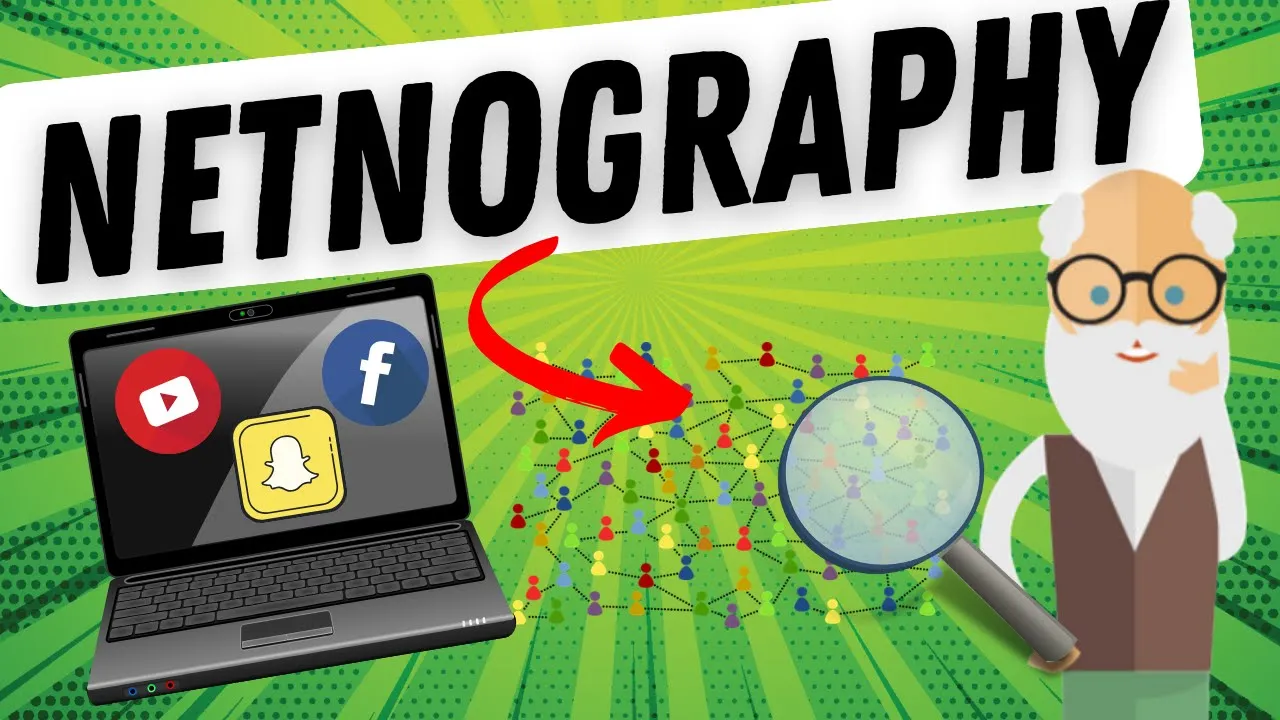
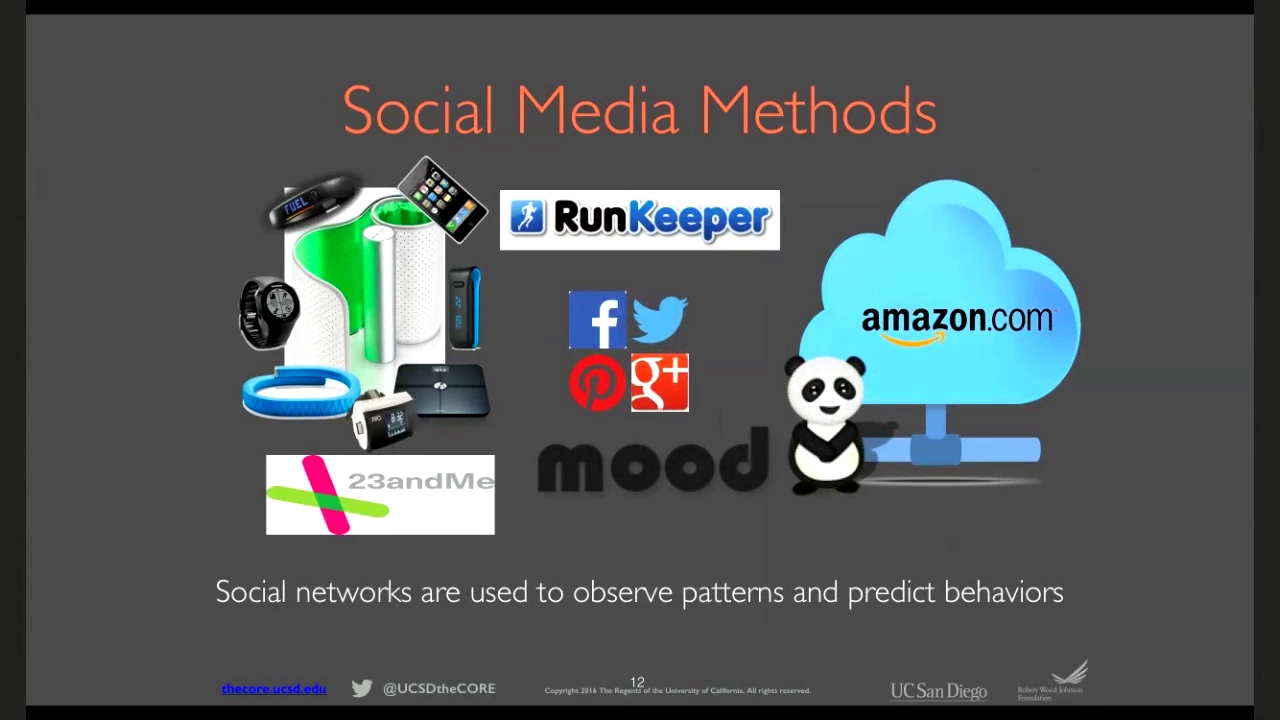
Netnography is a research methodology that adapts traditional ethnographic techniques to study online communities and digital cultures, allowing researchers to overcome geographical barriers and access naturally occurring data from blogs, social media platforms, forums, and online interactions; however, it presents challenges including potential incompleteness of data, ethical concerns about informed consent, and the need for researchers to develop familiarity with digital platforms.
Netnography Explained: Advantages and Disadvantages for Research
Added:Fundamentals of qualitative research methodology, including the differences between qualitative and quantitative approaches.
Traditional ethnography as an anthropological research method, specifically participant observation and cultural immersion.
Basic research ethics, particularly regarding human subjects, informed consent, and privacy rights.
The sociology of online communities, including how digital cultures, forums, and social media platforms function.
Advanced netnographic methodologies, such as Robert Kozinets' specific phases of netnographic research design.
Computer-Assisted Qualitative Data Analysis Software (CAQDAS) like NVivo or ATLAS.ti for coding online textual and visual data.
Advanced digital research ethics, including navigating Institutional Review Board (IRB) approvals for public versus private digital spaces.
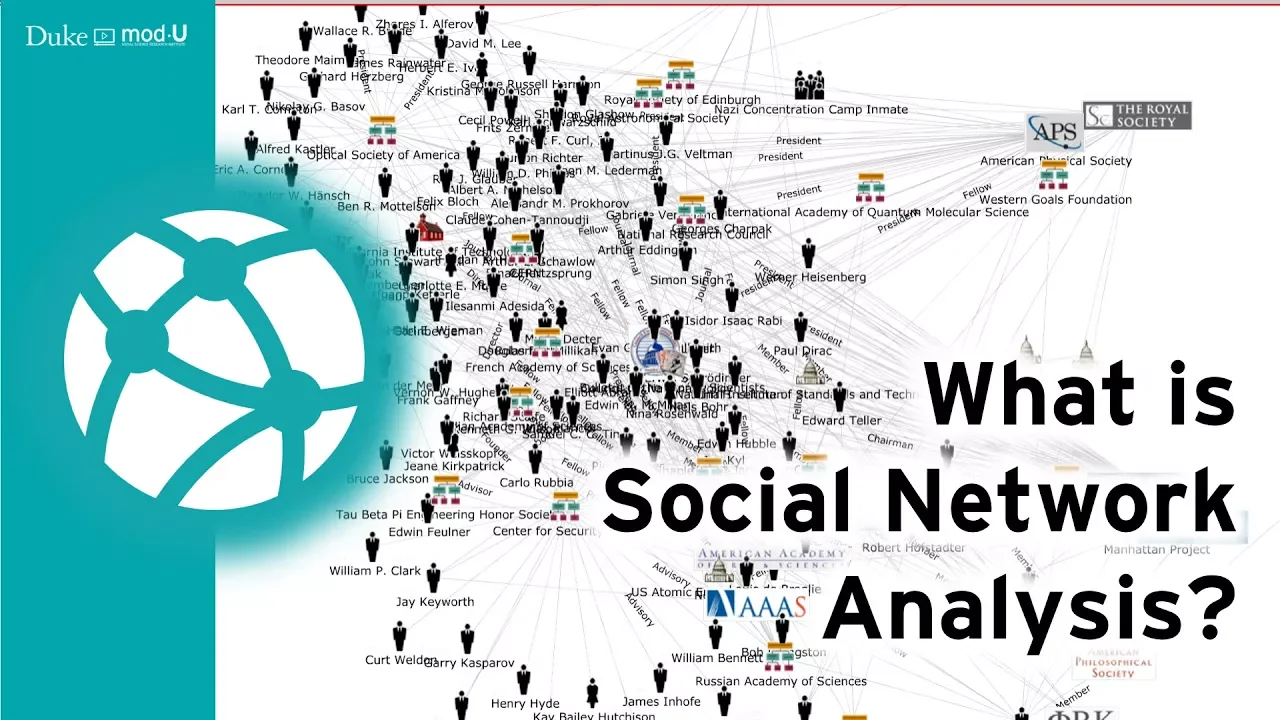
Integrating netnography with quantitative methods, such as Social Network Analysis (SNA) or Big Data analytics (mixed-methods digital research).
9.1K views308likes10:41Original Release: 2022-03-16
when i was doing my phd i wanted to gather information from people who lived in thailand and i didn't have the means to travel to thailand myself so i found these people on the internet now this is something we do every day don't we we connect with our friends and our family etc on the internet on social media or through blogs or websites or whatever but it's not something that we see a lot in formal academic research but this is really starting to change so i did go ahead and use this type of research in my phd and now i'm seeing more and more people starting to do the same and this is called net nography now the title might sound a bit complicated but actually the concept is pretty simple and in today's video i'm going to tell you what necrography is how you can use it in your research and what are the good and the bad things about using nicknography if you're new here my name is dr haley stanton i have taught research methods and dissertations for many years i've marked many many dissertations and research projects and i've made a whole series of videos all about how to write a great research project so if you're new here do subscribe and i'm sure you will get a lot of value out of those videos okay so let's get to it what is this letnography to put it simply netnography is a form of ethnography whereby the data is located on the internet we live our lives or very much of our lives online these days i have more friends online than i do in my physical life i discuss work opportunities almost entirely online these days and since covid and the resounding growth of the shut-in economy i interact with my family online teach my students online attend conferences online it's all happening online so surely it makes sense that we use the internet to undertake our research too of course this isn't entirely new we have used the internet for many aspects of our research for a long time now data analysis techniques and literature reviews are often undertaken using internet programs and software but collecting our data online has not traditionally been so common but as i say things are changing and that's why you're here watching this video right if you're thinking about doing neckography give me a like on this video i would love to know how many of you are out there and i'm not on my own to be honest i don't understand why netongraphy isn't more common to me it seems absolutely logical that we use valuable data that is there on the internet it's usually free and is readily accessible i analyzed blogs for my phd research and it was so much easier than interviewing people or sending out surveys okay so netenography isn't perfect but what research method is what i'm trying to say is that there is a wealth of valuable data online that is just waiting to be exploited letnography was actually coined by somebody called robert cosinet back in the 1990s when the internet was far inferior to what it is now but it wasn't until we reached the naughties that it really started to gain any gravitas at all according to cosinets he first defined in 2002 netography as a new research method that adapts ethnographic research techniques to study the cultures and communities that are emerging through computer-mediated communications since his preliminary writings cosinets has moved towards a more detailed and justificatory approach most recently he redefined netography as a specific set of related data collection analysis ethical and representational research practices where a significant amount of data collected and participant observational research conducted originates in and manifests through the data shared freely on the internet including mobile applications so to put that into sort of layman's terms it's all about collecting our data via the internet but in order to really understand exactly what ethnography is we first must understand the concept of ethnography ethnography is a form of anthropological research in other words it's research about people ethnographers study people's everyday lives and cultures ethnography allows us to study beliefs values behaviors things like that it's a form of qualitative research and it helps us to understand things ethnographic research can be undertaken in different ways and it is commonly seen in interviews participant observation and surveys so netnography is essentially an extension of ethnography it's the studying of people and cultures etc but it's done via the internet one of the major limitations of traditional ethnography is that it is subject to geographical boundaries i.e we can't adequately observe someone who is on the other side of the world more modern-day technologies however have provided ethnographic researchers with an entirely new research realm when examining people online geography is no longer a problem this opens the researcher up to many many exciting opportunities research that is undertaken online essentially extends the traditional notions of ethnographic study it moves ethnography from observation of co-located face-to-face interactions to technologically mediated interactions in online networks and communities okay so we understand that netenography is all about looking at people and behaviors and cultures and that sort of thing and we know that we do that online but exactly how well there are many ways that netnography can be conducted and this is likely to increase as we use the internet more and more in our day-to-day lives some examples of research methods that use netography are blog analysis tweet analysis facebook analysis pinterest analysis snapchat analysis tick-tock analysis wechat analysis instagram analysis youtube analysis examination of behaviour in online forums such as tripadvisor analysis of online teaching and student responses analysis of online conferences or webinars things like that and the analysis of group interactions using video call software such as a choir singing via zoom or a counseling session conducted by microsoft teams and the great thing is that netangraphy doesn't have to be a hundred percent online networking can be pure if the research is conducted all online or it can be blended with traditional ethnographic research by combining face-to-face interaction with that online analysis so why should we use netography why is it so good why am i singing its phrase there are lots of advantages actually these include the fact that there is a high scope of potential for valuable data to be collected it can help to overcome those geographical limitations that i mentioned earlier the data is naturally occurring we're going to tweet we're going to talk on the forum we're not doing it for research purposes there is the opportunity to discover unexpected findings and data may be available online that wouldn't be unearthed in a face-to-face context some people say things online they wouldn't say in person and it is contemporary modern and up-to-date according to cosinet netnography faithfully exports anthropology's set of ontological epistemological and axiological commitments to the study of social experiences within an internet context in other words you get all the benefits of using qualitative ethnographic research but in an online environment however as with any research method netnography is not perfect here's why disadvantages of neta graphic research include that it may not be entirely holistic it may not be the whole truth people might not publish everything that they think online researchers may not be familiar with online platforms especially the older generation who haven't grown up with the social media platforms that we have today etc data collection and analysis might be time consuming as it generally is with a lot of qualitative research and there can also be questions about informed consent is it okay that we analyze someone's tweets or someone's facebook statuses for the purpose of research without them knowing this is a bit of a gray area but whilst there are good things there are bad things there is no disputing that net need is becoming really popular and with the young people of today who have grown up with twitter facebook tick tock etc they are more likely to want to embrace these forms of research methods because they're so familiar with it and they're comfortable with it if you're interested in doing necklace let me know in the comments let me know what type of study you're going to do and why because i'm really interested to learn about how people are using this innovative and quite exciting research method and if you are using ethnography you are going to have to write all of this up in your research methods chapter and i have you covered with this video here
Up Next
40:41
Teen Social Media Use: Implications for Learning & Education
@psutlt
12.2K views•2009-05-12
54:57
Contemporary Sociological Theory: Micro, Macro, Integrative
@NaSESYNC
45.7K views•2016-02-17
19:23
How to Analyze Conversations Scientifically | Elizabeth Stokoe | TEDx
@TEDx
1M views•2014-12-04
9:41
What is Sociology? The Sociological Perspective Explained
@crashcourse
4.6M views•2017-03-13
Related Study Plans & Knowledge Roadmaps
Structured learning paths in Sociology
sociology
Celebrity Culture: From Hollywood to TikTok
01Foundations of Celebrity Sociology
02The Rise of Micro-Celebrity & Digital Platforms
03Parasocial Relationships & Algorithmic Intimacy
+ 2 more learning modules
12h5 modules
Explore Roadmap
sociology
Hostile Architecture: Space, Power & Control
01Introduction to the Sociology of Space
02Social Control and Surveillance in the City
03Hostile Architecture and Defensive Design
+ 2 more learning modules
12h5 modules
Explore Roadmap
sociology
Loneliness Epidemic: Third Places & Isolation
01Foundations of Social Capital and Community Cohesion
02The Death of Third Places and Urban Space Erosion
03The Privatization of Leisure and Atomization
+ 2 more learning modules
12h5 modules
Explore Roadmap
sociology
Sociology of Tourism: Gaze, Power & Heritage
01Foundations of the Sociology of Travel and Leisure
02John Urry and the 'Tourist Gaze'
03Staged Authenticity and Cultural Commodification
+ 2 more learning modules
14h5 modules
Explore Roadmap