






![PHOTOSYNTHESIS [BIO4YOU] CHAPTER 6.3 BIOLOGY MATRIKULASI](https://i.ytimg.com/vi/1aIfIeMIujU/maxresdefault.jpg)















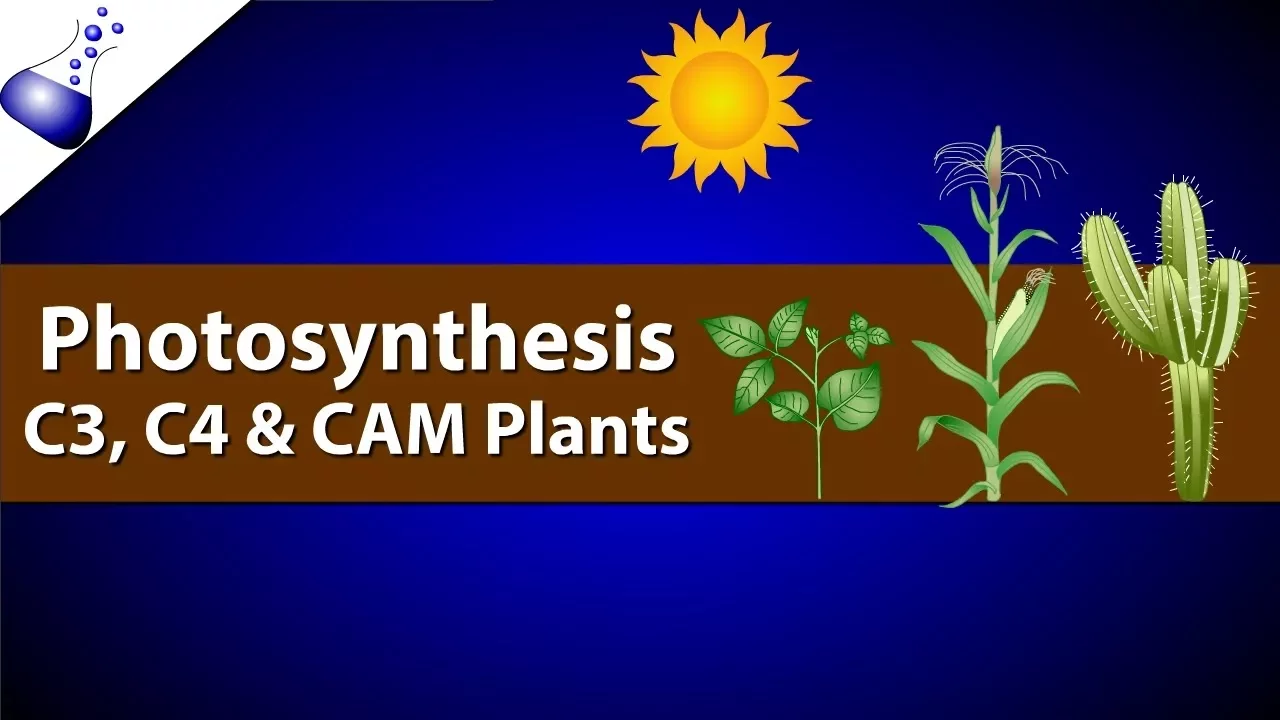




Plants have evolved three distinct photosynthetic pathways—C3, C4, and CAM—to optimize carbon fixation under different environmental conditions; C3 plants (most common, including wheat and rice) fix CO2 directly via rubisco but suffer photorespiration in hot, dry environments; C4 plants (like corn and sugarcane) concentrate CO2 in bundle-sheath cells using PEP carboxylase, reducing photorespiration; and CAM plants (such as pineapples and cacti) temporally separate CO2 uptake at night from photosynthesis during the day, storing fixed carbon in vacuoles to minimize water loss.
Photosynthesis in Plants: C3, C4, and CAM Pathways Explained
Added:Basic anatomy of a plant leaf, including the role of stomata, mesophyll cells, and chloroplasts in gas exchange.
The fundamental light-dependent and light-independent (Calvin Cycle) reactions of standard photosynthesis.
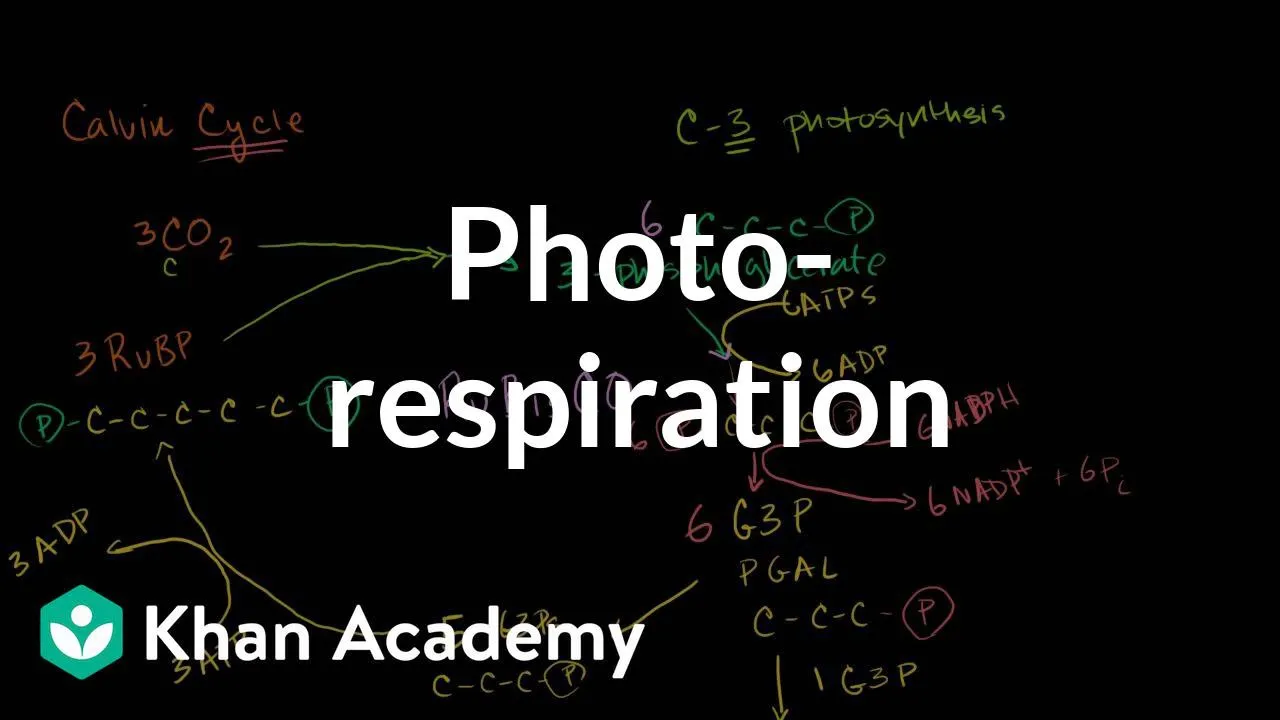
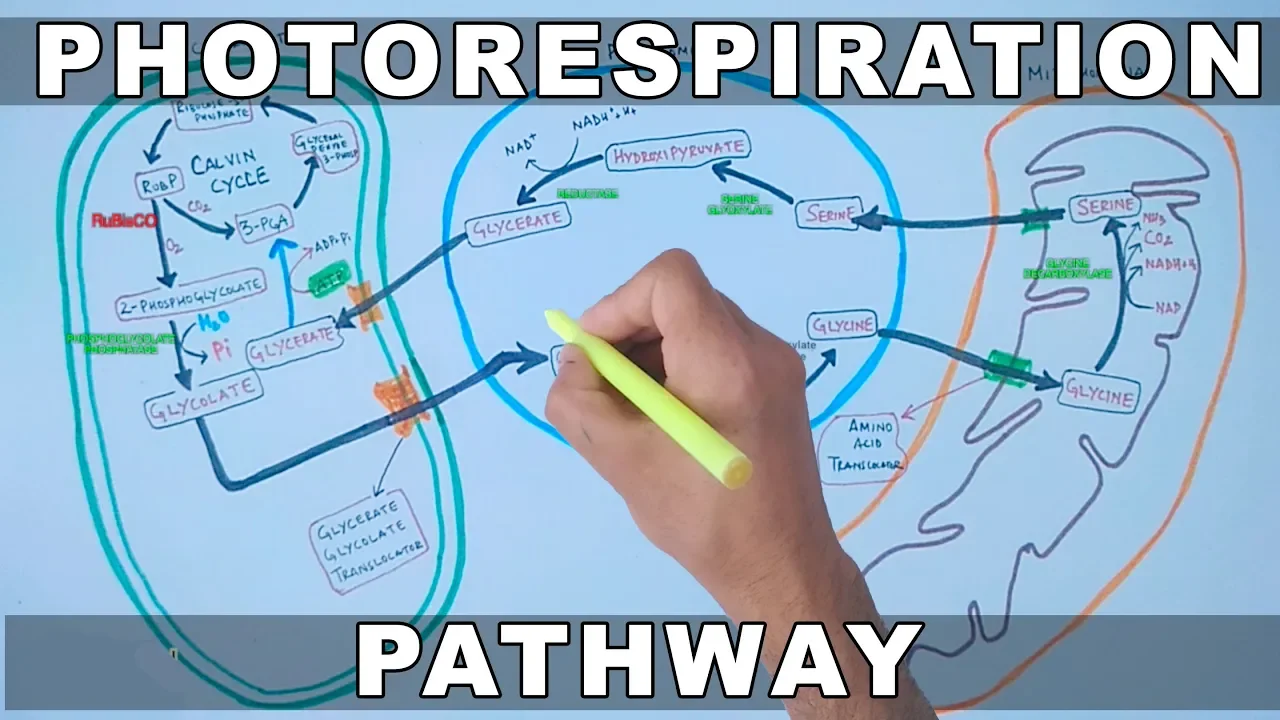
The role of the enzyme RuBisCO and the process of photorespiration, where oxygen is fixed instead of carbon dioxide.
The concept of transpiration and how plants balance water loss with carbon dioxide intake.
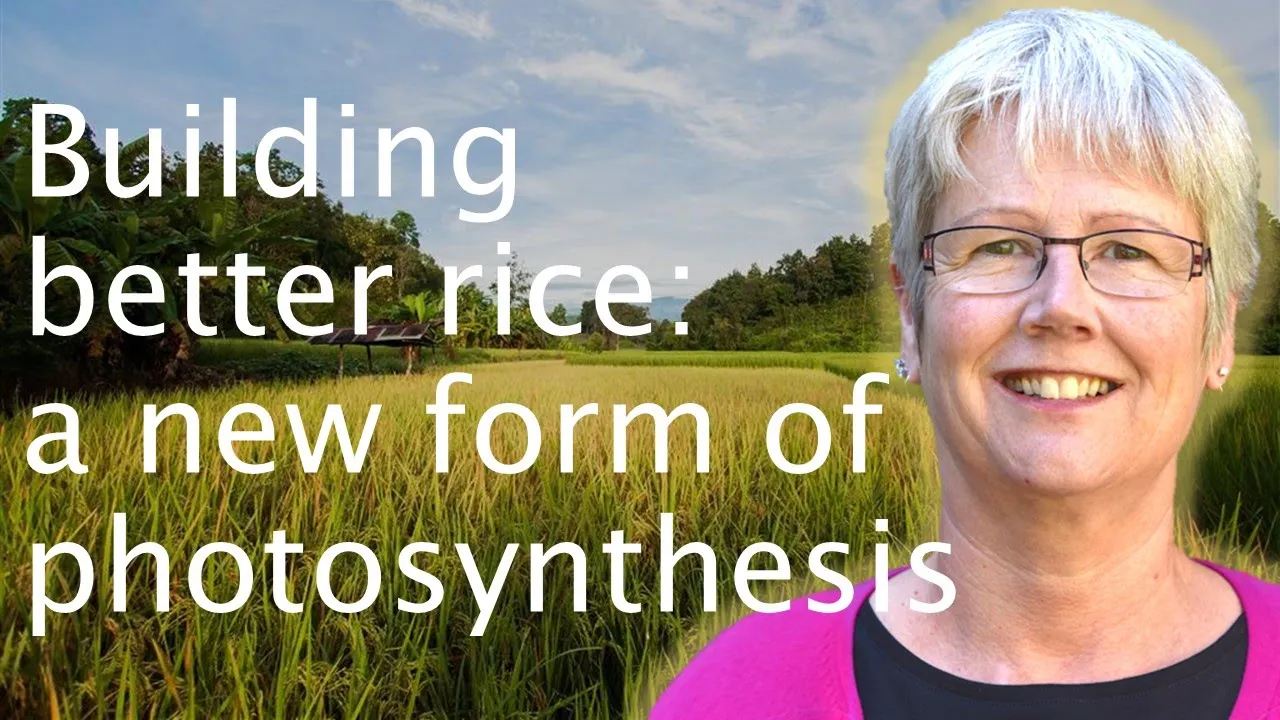
Agricultural biotechnology applications, such as efforts to genetically engineer C4 pathways into C3 crops like rice to improve yields.
The evolutionary biology of plants, specifically the convergent evolution of C4 and CAM pathways in response to arid environments and changing atmospheric CO2 levels.
The ecological impacts of climate change on the competitive dynamics and geographic distribution of C3, C4, and CAM species.
Advanced physiological analysis of Water-Use Efficiency (WUE) and photosynthetic nitrogen-use efficiency under varying environmental stresses.
485.4K views10.3Klikes6:50Original Release: 2021-04-07
We covered the topic of photosynthesis with reasonable depth in the biochemistry series, and we’ve mentioned it quite a bit in this botany series as well. Given that this series focuses largely on the diversity of plants, we need to revisit photosynthesis for a moment. But this time we are not going to focus quite as much on the general mechanism.
Instead, we must outline the major differences between the three different metabolic pathways that lead to carbon fixation in angiosperms. If this term is unfamiliar, carbon fixation refers to the process by which carbon dioxide is converted into more biologically useful organic compounds within living organisms. Again, we already have a general understanding of this process, but there are some key differences between certain groups of plants that must now be elucidated.
In most plants, initial fixation of carbon occurs when the enzyme rubisco adds CO2 to RuBP. These plants are known as C3 plants because the first organic compound produced is the three-carbon compound 3-PGA. C3 carbon fixation is the most common of the three pathways we will cover, so because it is the most frequently studied method of photosynthesis, it is the method explained in detail in the photosynthesis tutorial. The plants that utilize this process include soybeans, oats, wheat, and rice. One aspect of this method of photosynthesis which makes it difficult for plants in dry environments is that when the stomata close to reduce water loss, O2 builds up and rubisco will add O2 instead of CO2 to RuBP. A two-carbon product of this reaction is then broken down to CO2 and H2O in a process called photorespiration. Photorespiration yields no sugar and produces no ATP. Instead it can actually burn through carbon previously fixed by the Calvin Cycle.
So C3 photosynthesis, while the most widespread of all forms of photosynthesis, is actually not very efficient in arid environments. Plants that have adapted to life in hot, dry places have actually evolved alternate methods of carbon fixation that save water without shutting down photosynthesis.
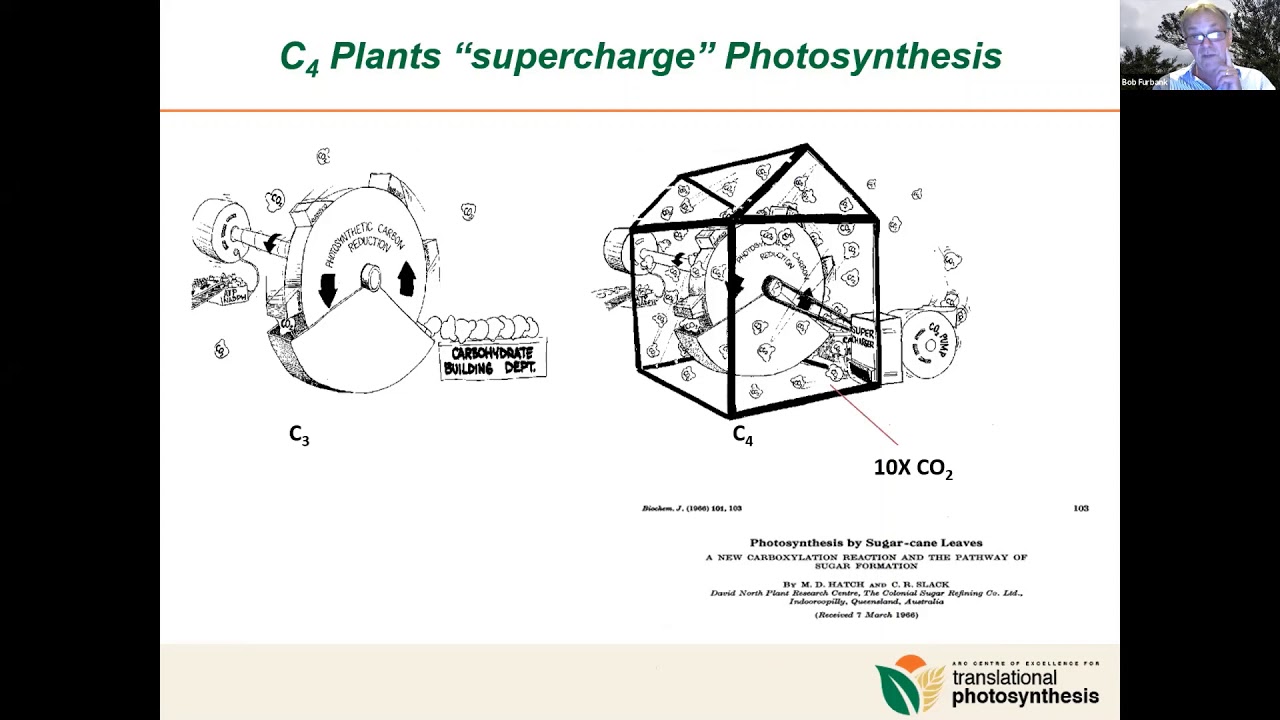
One such method, developed by C4 plants like corn and sugarcane, involves preceding the Calvin cycle by first fixing CO2 into a four-carbon compound. Like C3 plants, C4 plants will close their stomata to conserve water loss. However, unlike C3 plants, C4 plants will continue to make sugars using photosynthesis instead of entering photorespiration. They do this by initially fixing carbon dioxide in the mesophyll cells via the enzyme PEP carboxylase, which reacts the three carbon phosphoenolpyruvate, or PEP, with CO2 to form the four carbon oxaloacetic acid, or OAA. The resulting four carbon compound within the mesophyll then cycles into the bundle-sheath cells and releases CO2, meaning the levels of carbon there will always remain high enough for the Calvin cycle to make sugars.
It’s important to note that the utilization of C4 carbon fixation does not indicate common ancestry. About 3% of land plants use C4 carbon fixation, most of which are monocots. However, C4 carbon fixation has evolved independently at least 20 times in the grass family alone, and is thus an excellent example of convergent evolution.
Another alternate method of carbon fixation developed by plants like pineapples and aloe in arid environments is called crassulacean acid metabolism, or CAM photosynthesis. Plants that use CAM photosynthesis are especially adapted to extremely arid environments.
Unlike most C3 and C4 plants, CAM plants conserve water by opening their stomata and admitting CO2 only at night. When the CO2 enters the leaves, it is fixed into a four-carbon compound through a PEP reaction similar to the C4 plants. However, unlike C4 plants, in CAM plants, the resulting organic acids are stored in vacuoles for later use. Then during the day, the stomata close to conserve water and the carbon dioxide-storing organic acids are released from the vacuoles of the mesophyll cells into the Calvin cycle. This keeps photosynthesis going in CAM plants during the day even though the leaf’s stomata are closed. Like C4 carbon fixation CAM photosynthesis evolved convergently several times in different plant clades, though it is more common in the epiphytes, such as orchids and bromeliads, and succulents, like cacti.
To summarize, C3 photosynthesis is the most common form of photosynthesis in plants, but it is not well-adapted to hot, dry environments. In C4 photosynthesis, carbon fixation and the Calvin cycle occur in different types of cells, while in CAM photosynthesis, these processes occur in the same cells but at different times.
These two pathways are two different evolutionary solutions aimed at balancing the competing priorities of maintaining photosynthesis and conserving water loss during hot, dry days.
And with that we understand a bit about the three known forms of photosynthesis in plants.
Up Next

8:36
CAM Plants Explained: Crassulacean Acid Metabolism Photosynthesis
@khanacademy
309.6K views•2010-02-05

50:12
Bacterial Communication: Quorum Sensing and Biofilm Formation Explained
@JHUAAP
12.6K views•2011-06-28

10:50
Protein Structure Explained: Primary to Quaternary | Biochemistry
@ProfessorDaveExplains
1.4M views•2016-08-27
7:08
Bacteriophages: Earth's Deadliest Killers and Future Antibiotics
@kurzgesagt
34.6M views•2018-05-13
Related Study Plans & Knowledge Roadmaps
Structured learning paths in Biology
biology
RNAi: Biogenesis, RISC & Gene Silencing
01Molecular Biology Foundations: DNA to Protein
02Introduction to RNA Interference (RNAi)
03Molecular Biogenesis of miRNA and siRNA
+ 2 more learning modules
10h5 modules
Explore Roadmap
biology
Mycorrhizae: Signaling, Biophysics & Ecology
01Foundations of Mycorrhizal Symbiosis
02Molecular Signaling and Root Colonization
03Biophysics and Bioenergetics of Nutrient Exchange
+ 1 more learning modules
11h4 modules
Explore Roadmap
biology
Circadian Clocks: TTFL, SCN & Periphery
01Foundations of Molecular Biology & Gene Expression
02Introduction to Chronobiology and Actograms
03The Core TTFL: Molecular Architecture of the Clock
+ 3 more learning modules
14h6 modules
Explore Roadmap
biology
Population Genetics: Math, Drift & Selection
01Genetic & Probability Foundations
02The Hardy-Weinberg Principle and Baseline Models
03Mathematical Modeling of Natural Selection
+ 3 more learning modules
18h6 modules
Explore Roadmap