








![[TACFA EDN médecine 24/25] Conférence 40 : Lecture Critique d'Articles n°5](https://i.ytimg.com/vi/4pSUgfM921Y/maxresdefault.jpg)








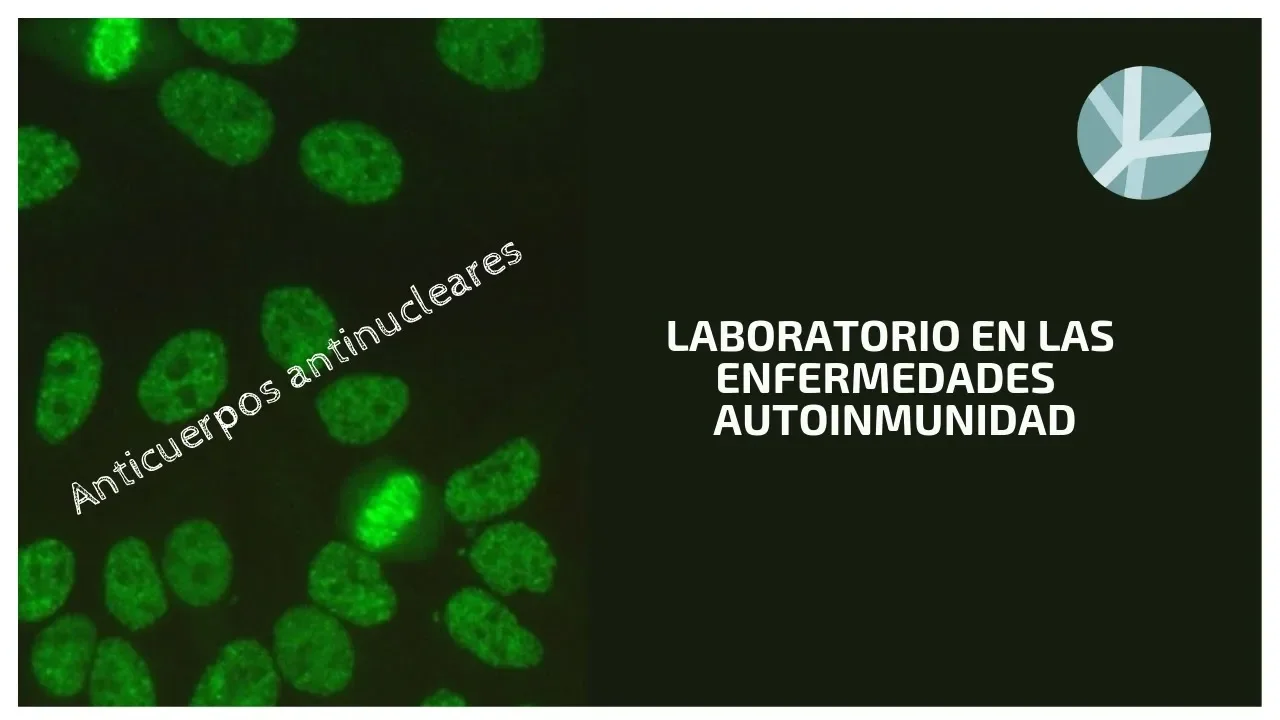

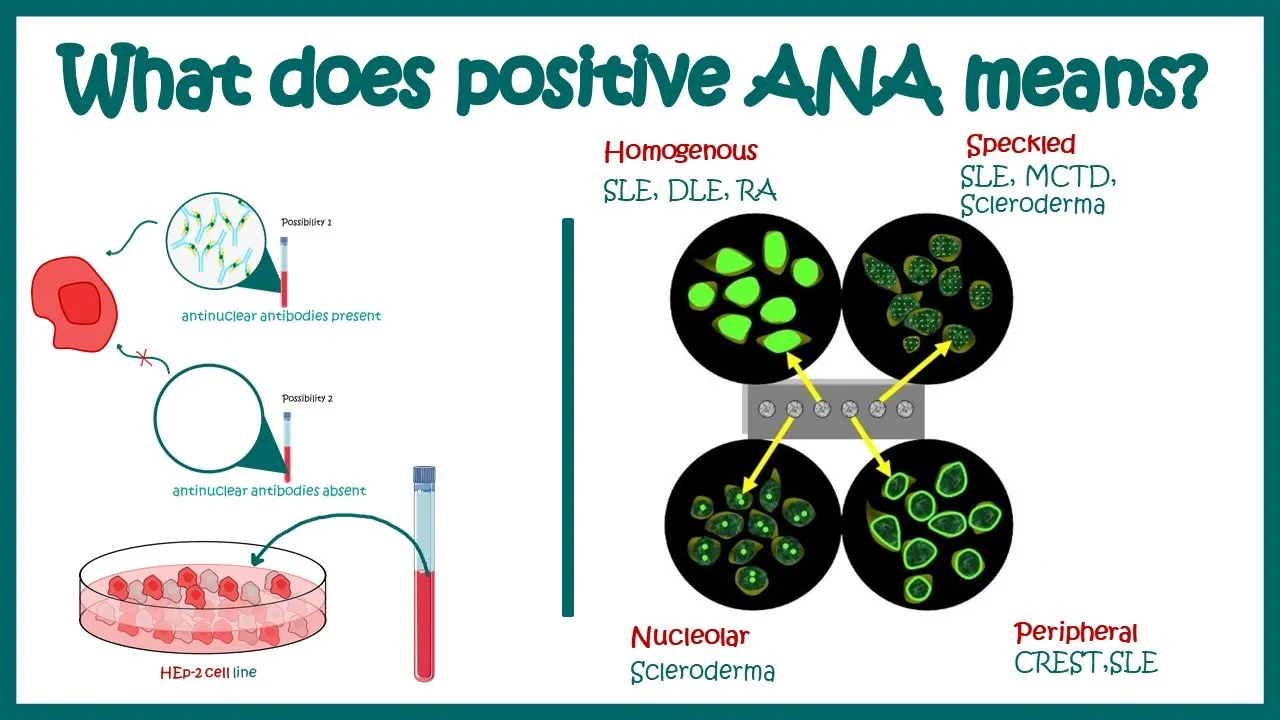


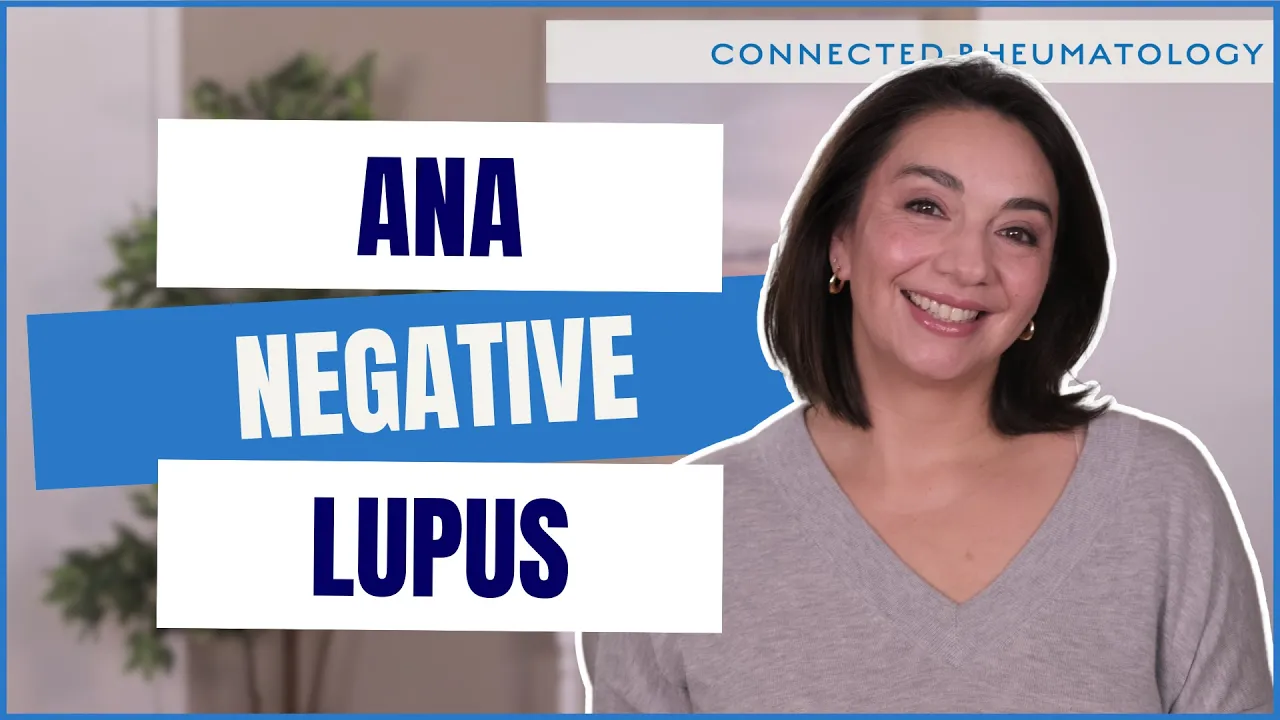






A positive ANA (anti-nuclear antibody) test indicates the immune system is producing antibodies against the cell nucleus, but this finding alone does not diagnose an autoimmune disease; instead, clinicians must evaluate the patient's symptoms, clinical history, and additional laboratory tests (such as specific antibody panels, kidney/liver function, and urine analysis) to determine if an autoimmune condition is present, as positive ANA can also result from non-autoimmune causes like hepatitis, HIV, or thyroid disorders.
Positive ANA Explained: Next Steps in Rheumatology
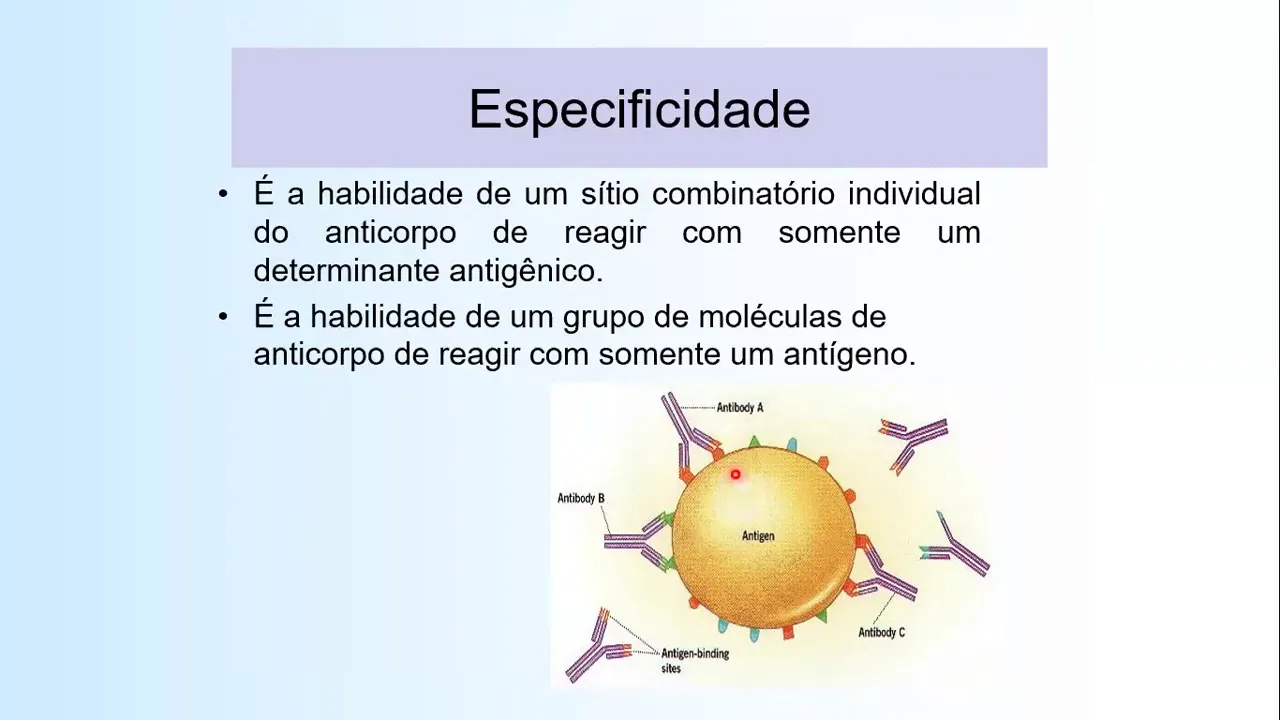
Added:Basic immunology concepts, specifically the difference between normal antibodies and autoantibodies in the immune system.
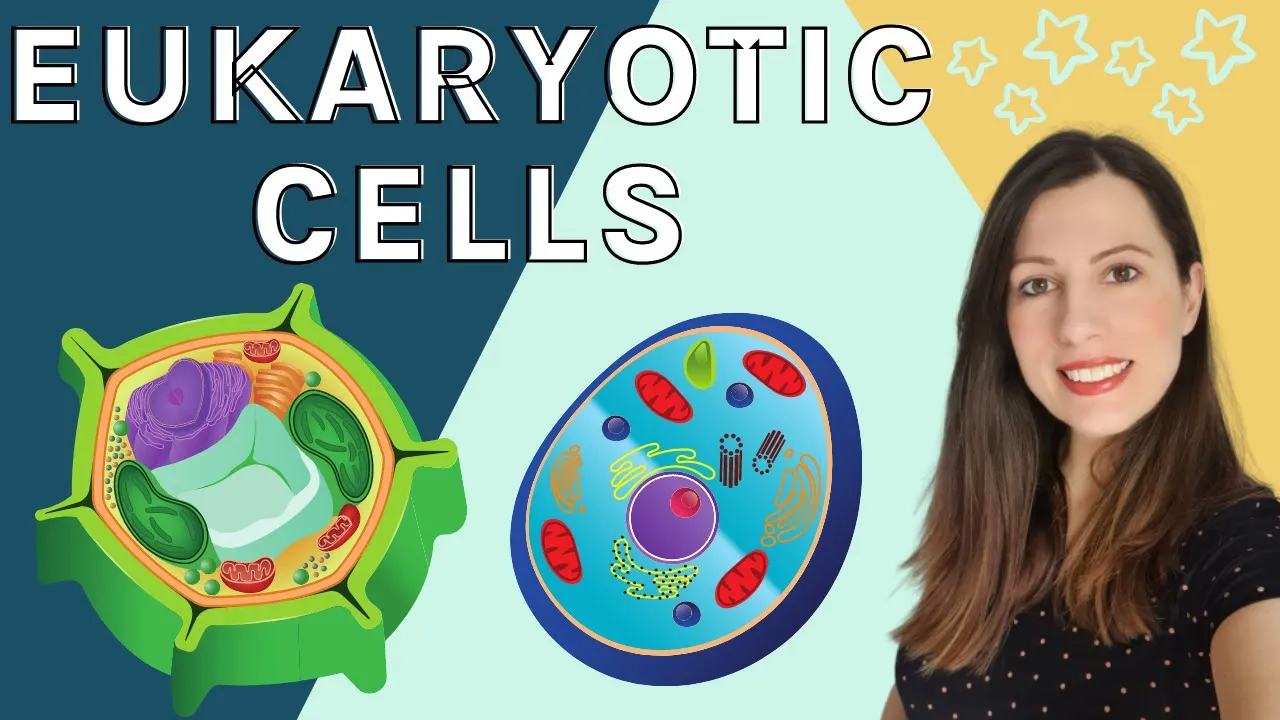
The structure of eukaryotic cells, particularly the role of the cell nucleus and the antigens located within it.
The difference between diagnostic screening tests and confirmatory diagnostic tests, including the concept of false positives.
An introductory understanding of what rheumatology is and the general nature of autoimmune diseases.
Interpretation of ANA titers and immunofluorescence staining patterns (e.g., speckled, homogenous, centromere) and their clinical significance.
Advanced serological testing, such as Extractable Nuclear Antigen (ENA) panels and specific autoantibodies like anti-dsDNA, anti-Smith, and anti-SSA/SSB.
The multi-system clinical classification criteria (e.g., ACR/EULAR criteria) used to formally diagnose systemic lupus erythematosus (SLE) and other connective tissue diseases.
Therapeutic approaches in rheumatology, including the mechanism of action of immunomodulators, biologics, and corticosteroids used to treat autoimmune conditions.
634 views40likes15:41Original Release: 2025-03-05
hello everyone this is Dr amig your friendly rumatologist welcome to another uh raty 101 live and today we're GNA talk about positive Ana and what it means to have a positive Na and how we approach this okay so um very often in my practice I will have patients who have had a test that were run and they come out freaked out because they have a positive Ana and Ana is an anti- nuclear antibody so it's the nucleus of the cell and you're making an antibody against the nucleus of the cell in general in an auto in an immune system what we know is that there is a balance between recognizing the self what belongs to you and recognizing what doesn't belong to you and creating an antibody usually and for for our body is to recognize something that doesn't belong there and that you want to basically get rid of okay so it's kind of the signal for your immune system to say hey this is there shouldn't be there Anda can be positive for many many reason it can also be positive for no reason at all it's kind of like a mole that you may have a mole that means that you've been in uh you've been putting yourself in the sun way too much time and you'll see that you'll have moles you can have a mole that goes and develops you can develop a cancer out of that mole or you can have a totally benign mole that just says you have a mole that's it and we all have that so in so I I had a patient recently asking me what do you do at onab Bridge MD what do you do how do you approach positive an and this question comes so often that I decided to one we're going to talk about it and two we're gonna actually create a website about it positive an.com so we can learn all together I can teach everyone I can teach medical student resident fellows I can teach also people who are not Phat olist I can teach uh patients as well um what is positive and in what categories of conditions they can be positive and what we do with them okay so in at raty in on a brid MD when I have a patient that has a positive an the most important thing for me is to really listen to their story to listen to the story and to ask the right question okay so basically if someone says I have a positive any at that point I'm not actually looking at the numbers at all at that point right I'm just going to clinically understand what's going on because there might be a reason why that Ana was evaluated maybe uh maybe one of the other uh physician or nurse practitioner or physician assistant thought this sounds rat doic let me check an Ana and maybe because they are not specialist they thought it was a like they needed a check on Ana but really they have an issue that has nothing to do with the Ana but still is rogic so at on abmd the way I approach my patients is at this I sit down we sit done and I'm going to let the patient tell the story like since the last time you were perfect what has happened what other medical story do you have what medication do you take what allergies do you have do you have any family history of rogic disorders and then we go into what are your symptoms what are you complaining of are you fatigu do you have joint pain what type of joint pain it is do you have any rushes do you have sensitivity to the sun do you feel like your skin is tightening do you have raino phenomenon which is a condition where you lose the blood flow in your fingers so they become white okay do you have any uh blurry vision shortness of breath chest pain uh do you have any change uh of uh your guts uh do you have blood in the stool blood in the urine FY urine uh do you have um any nerve issu so either numbness or pain do you have any hair loss patchy hair loss all of those oral ulcers all of those are important because they are going to help us figure out if you have anything that sounds autoimmune and the way I approach this is to really ask to first of all hear the story just have the patient talk and tell me what's happening sometime it's going to be you know you know one year ago I developed some joint pain kind of out of the blue or after an infection the pain is worse in the morning it's associated with morning stiffness and there's some selling of the joints right then you're like okay that's an inflammatory arthritis and then we look is there any Rush is there any hair loss is there any ulcers in your mouth or in your nose is there any urine changes is there shortess of breath chest pain in my head if you're a raty student or you know a fellow or a resident you're like okay well this I'm thinking lopus right but I can also think okay do you have suddenly a rod phenomenon so the loss of like it becomes very white um uh the loss of blood flow in your fingers in the cold or changing of temperature if do you have that do you have any good reflux that's new do you have shortness of breath do you have dry cough do you have skin changes where the skin is tightening this is more like Scleroderma I'm putting a pause in case you're like trying to follow then there is also do you have any uh dry mouth dry eyes do you feel like you have pain all over your body do you have the inflammatory arthritis do you have any nerve issues that I'm thinking Su um and then there is also uh the cases of patients who have muscle weakness not necessarily muscle pain but muscle weakness they cannot get up from the floor without using their hands or they cannot get up from a chair without using their hands and they feel like they cannot walk as much as as well as they could before you know there there's clearly like some issues in their muscle that's you know poly myositis so inflammation of the muscle can cause that and it's an autoimmune disorder you also have uh issues with the lungs like is there shortness of breath dry cough um do you feel like you cannot walk without shortness of breath has this been just progressing throughout the years have you had repeated um what would be called infection but actually that may be a rheumatologic disorder right that's anti-sensitive syndrome so we're thinking like that right like is this anti syndrome which is in the category of dmat myositis but doesn't necessarily need uh to have skin issues or muscle issues and right like and so we go like this in like basically looking at your whole body basically looking at what's happening right and at first you let I let the patient talk to me tell me their story who better knows what's going on than our patients no one no one and I think the most important thing for me is to create an environment where my patients know that they have the time to talk they have the time to tell the story they have to tell they have the time to tell me all of the symptoms that are going through so we go there and then I ask questions once the story is told I as them all of those question like the dry eyes the dry mouth the nerve pain the um Ness the shortness of breath the dry cough uh the skin changes the hair loss um the urine and then we then I looked at the an how was it done was it done with imunofluorescence which is the one that I would look at I don't do the direct one direct one are done in batch with Eliza so they cost much less money but they are not great because it's basically just telling us positive negative it doesn't really give us a titter and then also it doesn't tell us which type of an it is which is so important in raty so then we look at the the Ana what titer is it the higher the tier the more antibodies you have so the less likely this is just a red hearing and just something that we found we would say in general if you have a one over 40 that's considered negative if you have a one over 80 um that depending if unless if it's homogeneous pattern then we say it's okay if it's more than one over 80 one over so double every time you double so one over 40 multiply by two that's is one over 80 then you dut it again one over 160 DED again one over 320 and so on right the more like right so one over 320 it's still not that bad but it is positive and then you go to uh uh 6 40 Etc and that's becoming more and more positive and less and less likely to just be there just you know it's positive and it's fine uh and also I always say this if it's a speckled or nucleolar or centromere that's the pattern that when we look at the when we look at the uh at the blood basically we can look at the fluoresence and we can look at the nuclear L because it's an antibody against the nuclear L the the the nucleus of the cell and we can look at how it looks under micro microscope and it might look centr it might look ribonucleic it might look specul or it might look look beautifully homogeneous right or just nucle just the nucleus uh so that's the pattern and they are all associated with different conditions that you know you have to think about right and uh so that's that's what's important is like what you know what tier is it and what uh you know what um pattern it is and then we go then I ask for more blood work I think that when someone comes into a rheumatologist they are asking for answers should I worry should I not worry uh in general I'm going to say don't worry because whether you have nothing that's great whether you have something we can take care of you so no matter what don't worry uh but yeah there might be an action plan that's different depending on what we find and then we're going to order more blood work so I'll order a panel of others antibodies so for example if I'm thinking lopers I'm going to check a dsdna I'm going to check um a Smith and r&p I'm going to check a complement level C3 and C4 because if they are done that's another reason to wonder if this is lopus uh and uh I'm gonna order some other test if it's if I'm thinking that it's your grand so we'll check SSA SSB and so on in general in raty I would say that we tend to order them almost all at once uh just because it's actually more cost effective to do that um and then you know you can be reassured if there's nothing if everything is negative you just has the you just have the Ana that's positive that's pretty reassuring as long as you have no symptoms and as I always say the symptoms are more important than a blood test uh the symptoms are the most important thing one because you're bothered by them and we take care to take care of them and two because you can still have an autoimmune disorder with negative an but that's a different story because in this case you have a positive an or we are in front of a patient with a positive an um and uh from there basically we look at all of those antibodies we also look at complications the potential complications right so we do a baseline how is your kidney function how is your liver function how is blood cell count how are they uh do you have you know uh any sort of electroforesis abnormality which is like how how much you make um imunoglobulin or like protein some the type of protein that are here to help you protect yourself against infection um we are looking at that and then we look at the urine that's very very important because sometimes that's the first sign of kidney issues okay and then at the second visit we go over everything we find all of those results okay and we get a really good sense of what's going on and uh that's where we figure out what is this and how do we treat this sometimes I start treatment before sometimes it's so obvious what's going on that you don't really need all of those blood work and you're just doing it as a baseline some other times you already have some blood work so you have pretty good sense of what's going on and then some other time you're like well no matter what this is inflammatory arthritis I need to treat it anyway right um and so we can start treatment before but in general I would say it's a two-step process the first one really getting a sense of all of the symptoms of our patients then asking the right question then second step is blood work potentially X-rays of the joint chest rays of the chest x-ray um uh chest x-ray to see if there's any fluid uh if we need we can do cardiac evaluation if needed be a pulmonary evaluation we can we definitely need to check the kides okay and then there's one thing I didn't mention I started mentioning about it but it's the fact that you need to also rule out other causes of positive an that are not autoimmune and that's the hepatitis infectious hepatitis such as hepsi that's pretty common HIV can cause positive an and then terid the disorder autoimmune thyroid disorder can cause a positive an but you want to double check that you don't have any of those uh otherwise uh so a lot of information I hope you enjoy this podcast uh this sorry this uh live um if you did please go to YouTube and subscribe to raty 101 lives uh by Dr Isabel amig amig share this with someone else that you think will enjoy this and come back next week where we will talk about this more and we'll talk about another veraty Topic in the meantime I'm just gonna say hi to everyone Nicole Candis oan Losa y Brianne Harman Amit n uh thank you so much for being here for tuning in if you are watching this as a replay put hasht replay and until then have a great week I will see you next week take care
Up Next

53:05
High Yield Revision of Volatile Topics for Medical Exams | BTR Session
@cerebellumacademy
229K views•2022-11-30

48:47
Graphic Medicine: Comics for Collaborative Healthcare Communication
@nationalpatientadvocate
189 views•2023-12-04

10:28
Neuroanatomy: Central and Peripheral Nervous System Divisions Explained
@AKLECTURES
136.2K views•2014-09-20
3:05
Stages of Labor and Vaginal Birth | Childbirth Animation
@nucleusmedicalmedia
52.1M views•2017-08-18
Related Study Plans & Knowledge Roadmaps
Structured learning paths in Medicine
medicine
Abnormal LFTs: Diagnostic Workup & Pathology
01Liver Anatomy and Basic Physiology
02Introduction to Liver Function Tests (LFTs)
03Hepatocellular vs. Cholestatic Patterns
+ 3 more learning modules
12h6 modules
Explore Roadmap
medicine
Analyzing Blood Smears: RBC, WBC & Platelets
01Introduction to Blood Components & Smear Preparation
02Normal Morphology of Blood Cells
03Erythrocyte Pathologies & Morphological Variants
+ 2 more learning modules
12h5 modules
Explore Roadmap
medicine
Mechanical Ventilation: Waveforms & Alarms
01Anatomy and Physiology of Breathing
02Introduction to Mechanical Ventilation & Core Modes
03Ventilator Settings and Waveform Interpretation
+ 2 more learning modules
12h5 modules
Explore Roadmap
medicine
Neuro Exam: Localization & Stroke Syndromes
01Foundations of Neuroanatomy and Vascular Supply
02The Neurological Examination: Step-by-Step
03Principles of Neurological Localization
+ 3 more learning modules
18h6 modules
Explore Roadmap