
![Thorax 8 - Trachée, bronches, poumons, plèvre [Descriptive anatomy of the respiratory tract]](https://i.ytimg.com/vi/fOG_CXzk_Xc/maxresdefault.jpg)


![[#2] MECÂNICA RESPIRATÓRIA: PRESSÃO INTRAPLEURAL E PRESSÃO TRANSPULMONAR | MK Fisiologia](https://i.ytimg.com/vi/oL9R-s3AINc/maxresdefault.jpg)





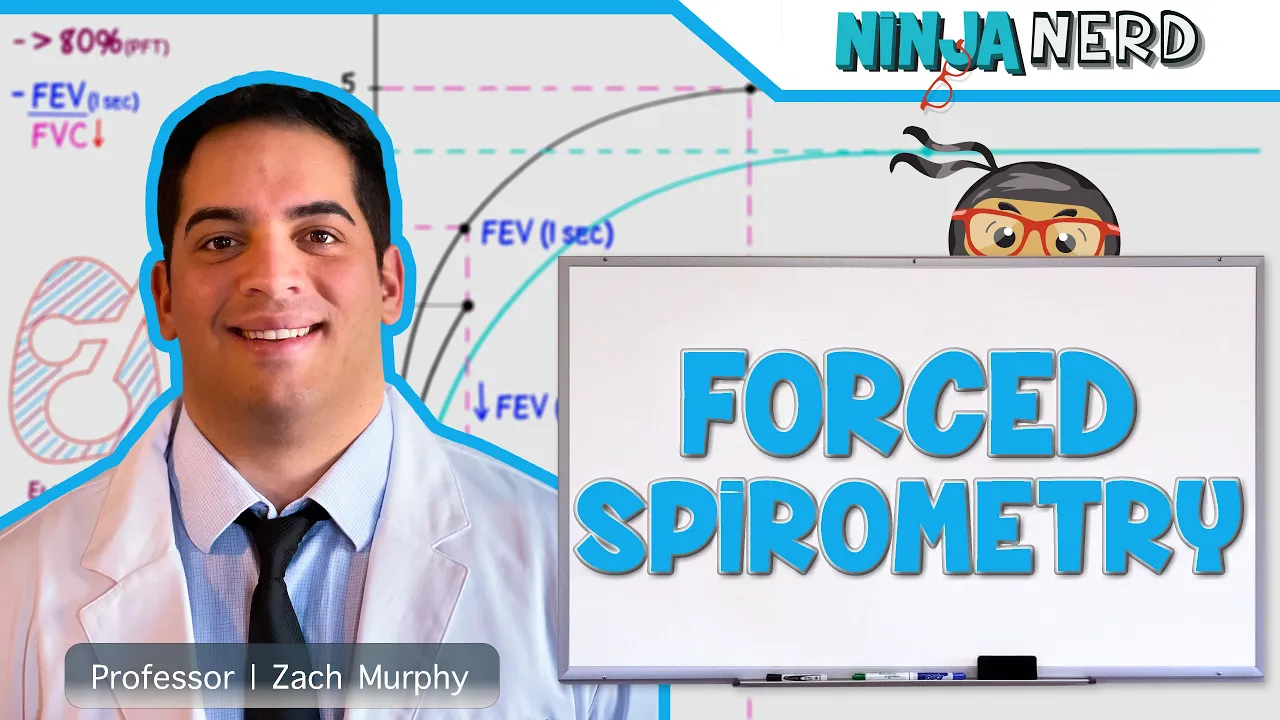

![COMO INTERPRETAR UMA ESPIROMETRIA [Respiratório 07]](https://i.ytimg.com/vi_webp/TZZajZHz5j0/maxresdefault.webp)
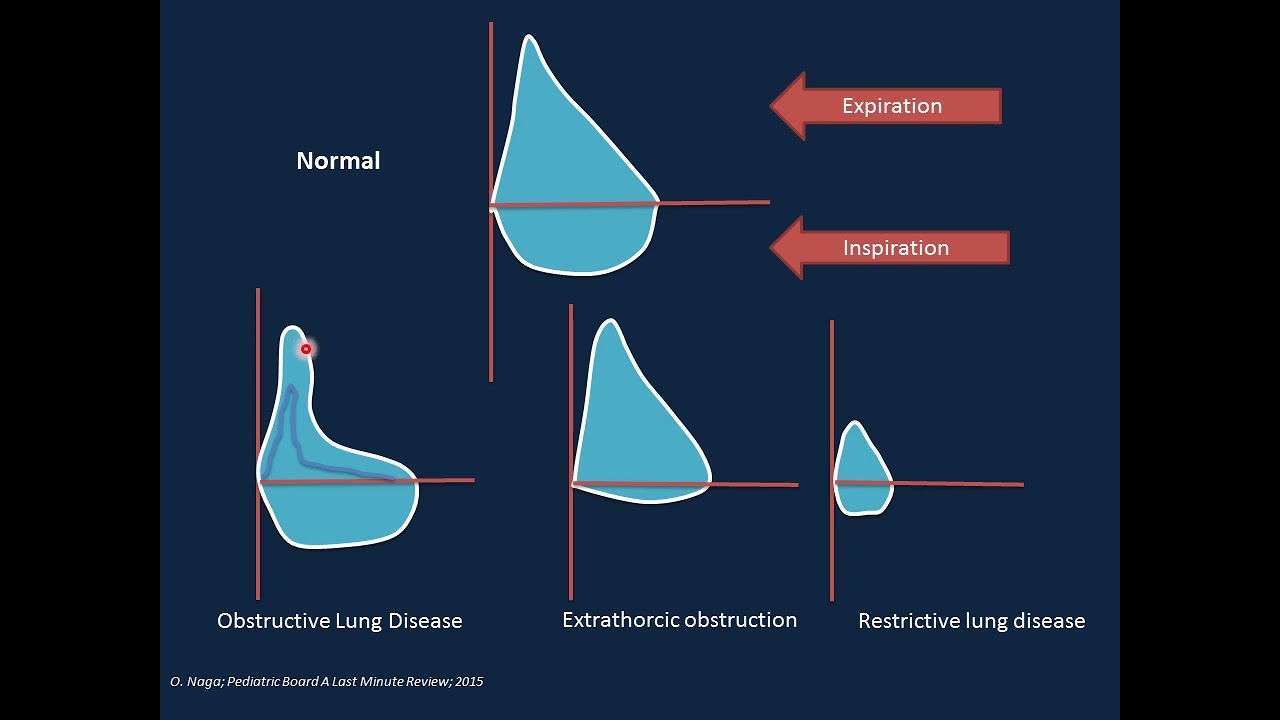




![Obstructive vs Restrictive lung diseases [FEV1/FVC, Flow-volume loops, Lung compliance]](https://i.ytimg.com/vi/m4Mdyi1N8hk/maxresdefault.jpg)
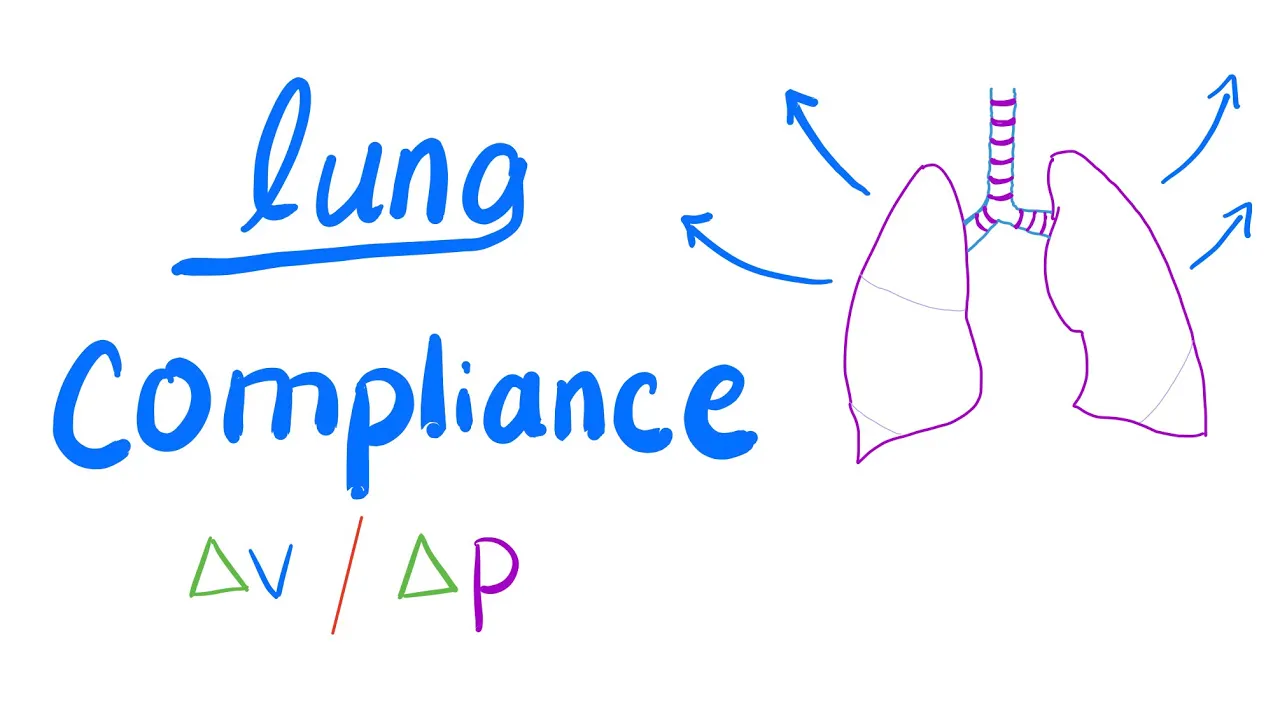






![[ AULA GRÁTIS ] - Oxigenoterapia - Trocas Gasosas - IPEDSS ACADEMY](https://i.ytimg.com/vi/1Cf_D0kJChs/maxresdefault.jpg)
The lungs have four essential volumes: tidal volume (500-750 mL, normal breathing), inspiratory reserve volume (3 L, deep inhalation), expiratory reserve volume (1.5 L, forceful exhalation), and residual volume (1 L, air remaining after maximal exhalation). These combine into four key capacities: vital capacity (tidal + inspiratory + expiratory reserve, ~4.5 L in females), inspiratory capacity (tidal + inspiratory reserve, ~3.5 L), functional residual capacity (expiratory reserve + residual, ~2.5 L), and total lung capacity (all four volumes, ~6 L in males). These measurements are crucial for diagnosing and monitoring respiratory conditions like COPD and restrictive lung diseases.
Lung Volumes and Capacities Explained | Respiratory Physiology
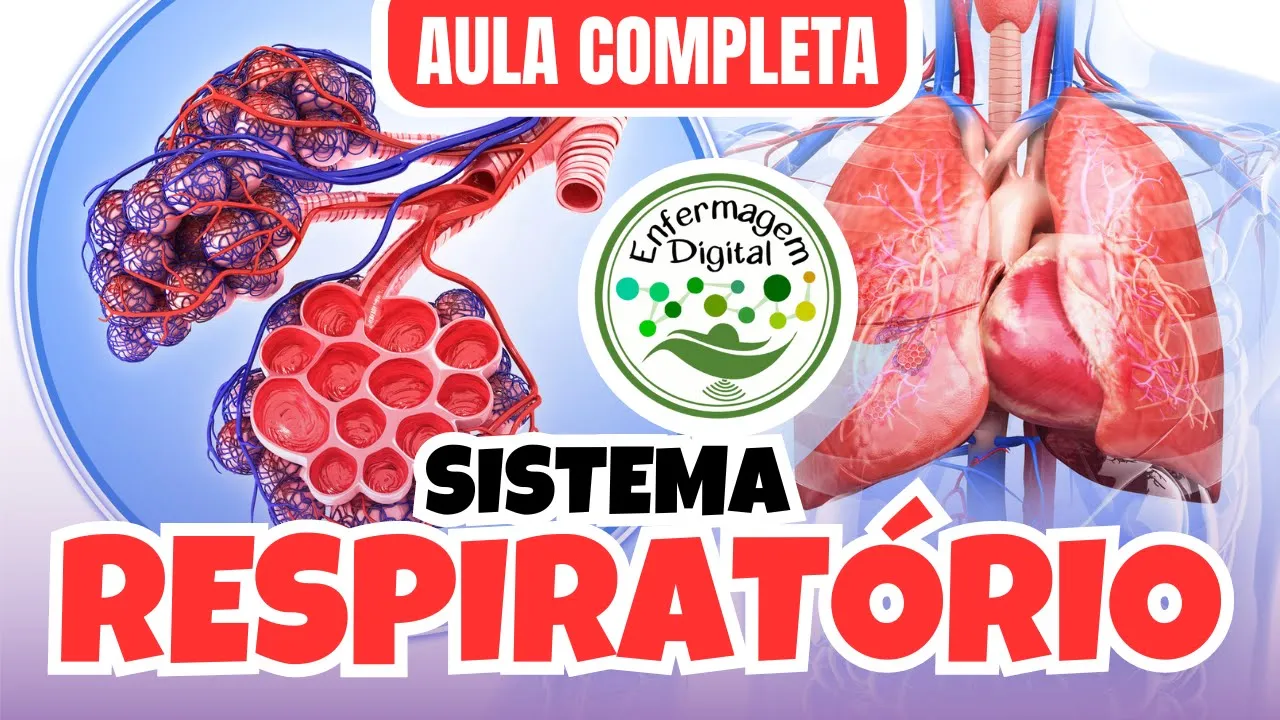
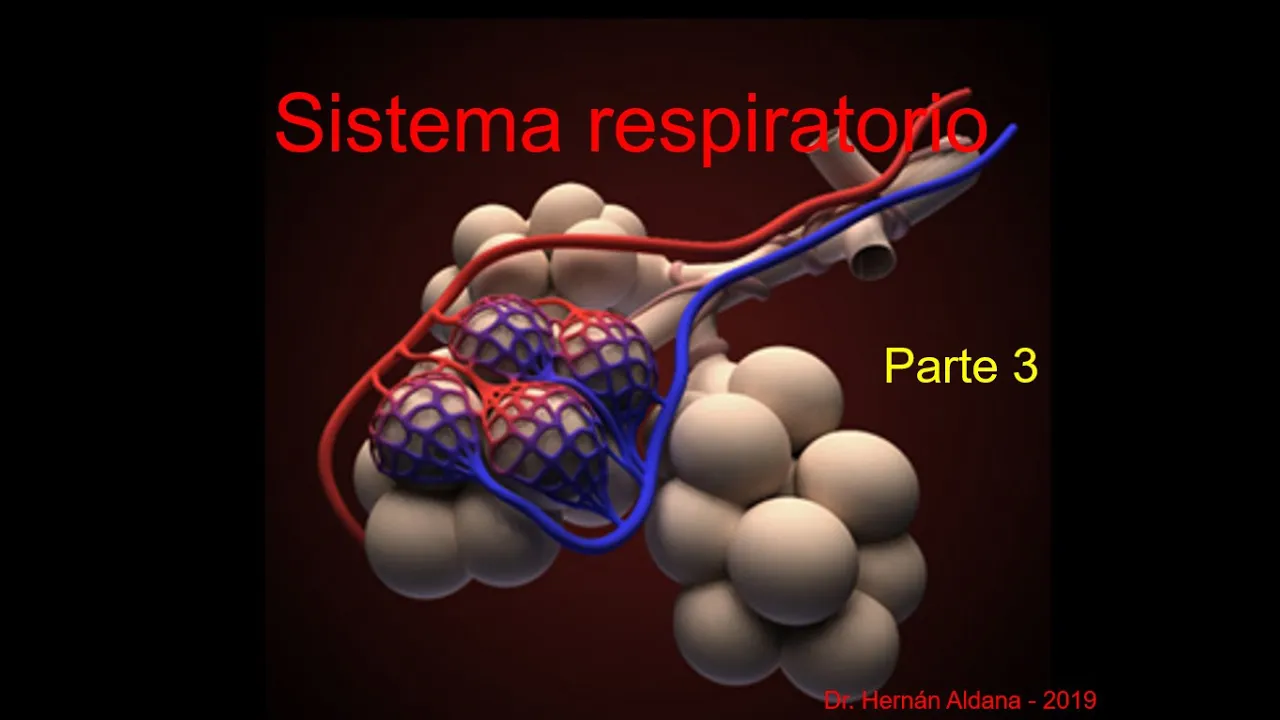
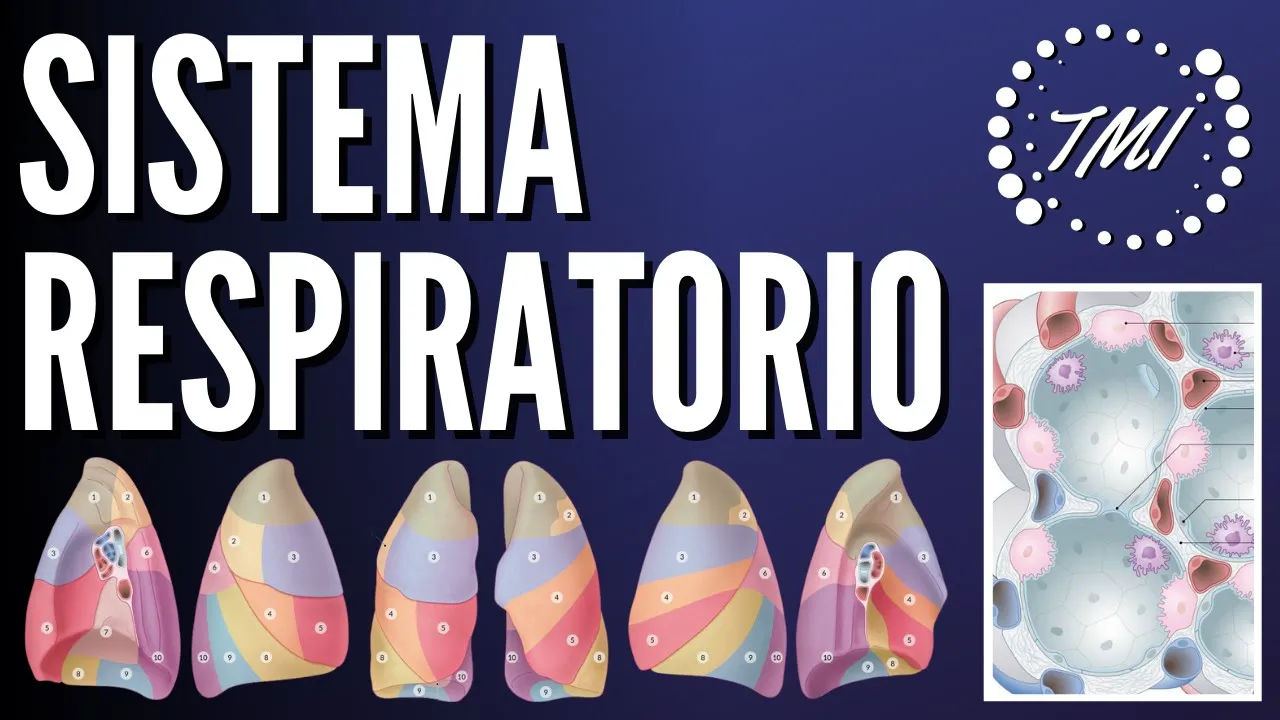
Added:Basic anatomy of the respiratory system, including the structure of the trachea, bronchi, alveoli, and the pleural cavity.
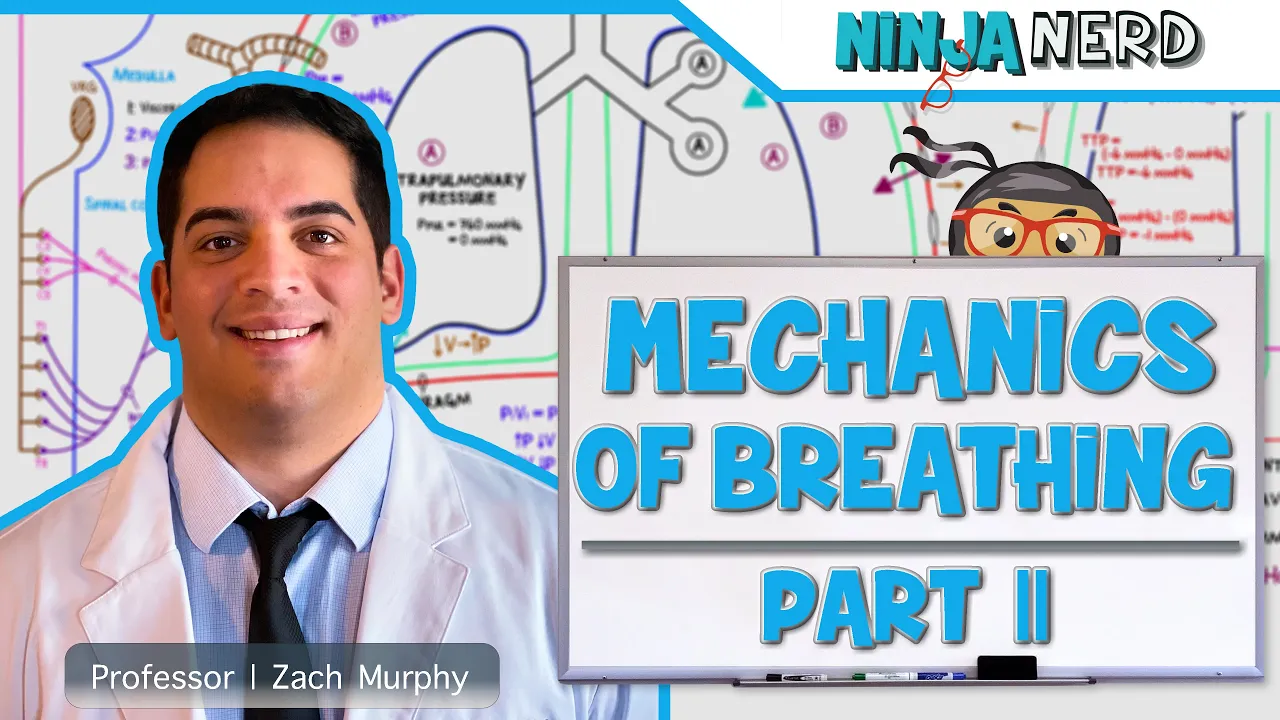
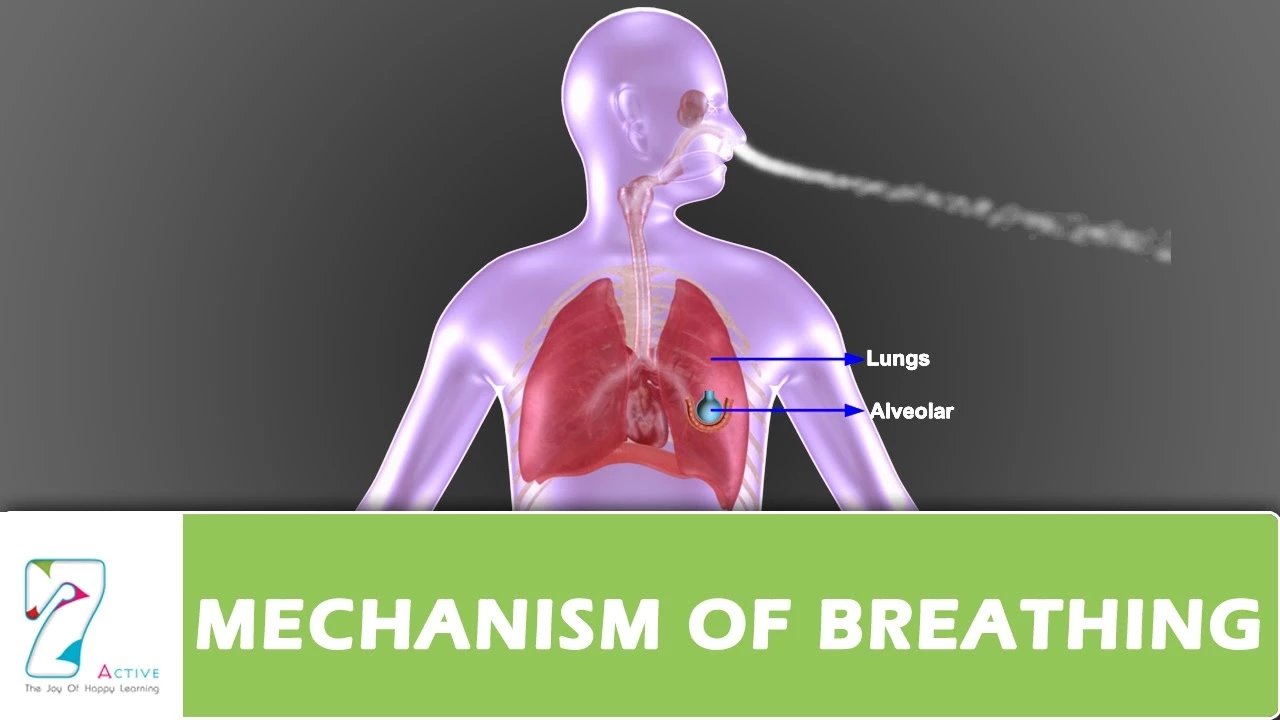
The mechanics of ventilation, specifically how pressure gradients (intrapulmonary and intrapleural) drive inhalation and exhalation.
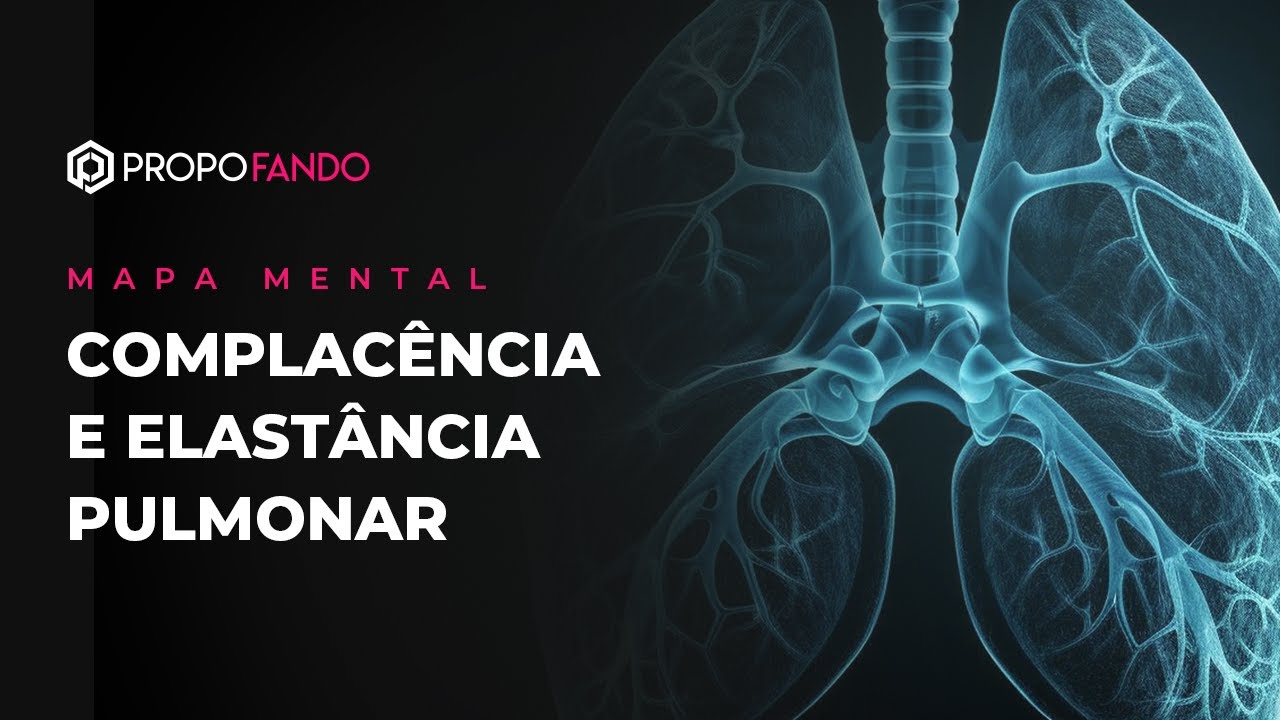
The concept of compliance and elasticity in lung tissue and the thoracic wall.
An introductory understanding of pulmonary function testing and the basic function of a spirometer.
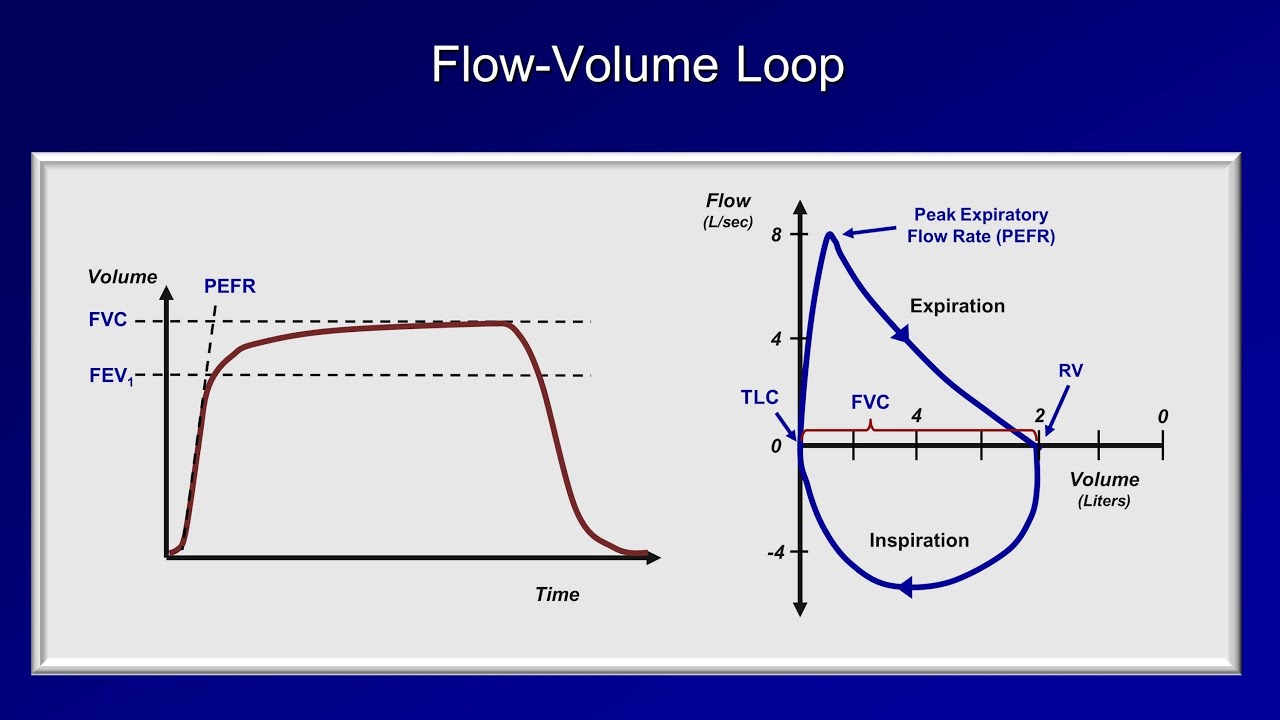
Interpretation of Spirometry and Flow-Volume Loops, focusing on diagnostic metrics like FEV1, FVC, and the FEV1/FVC ratio.
Detailed pathophysiology of obstructive lung diseases (e.g., asthma, emphysema) versus restrictive lung diseases (e.g., pulmonary fibrosis).
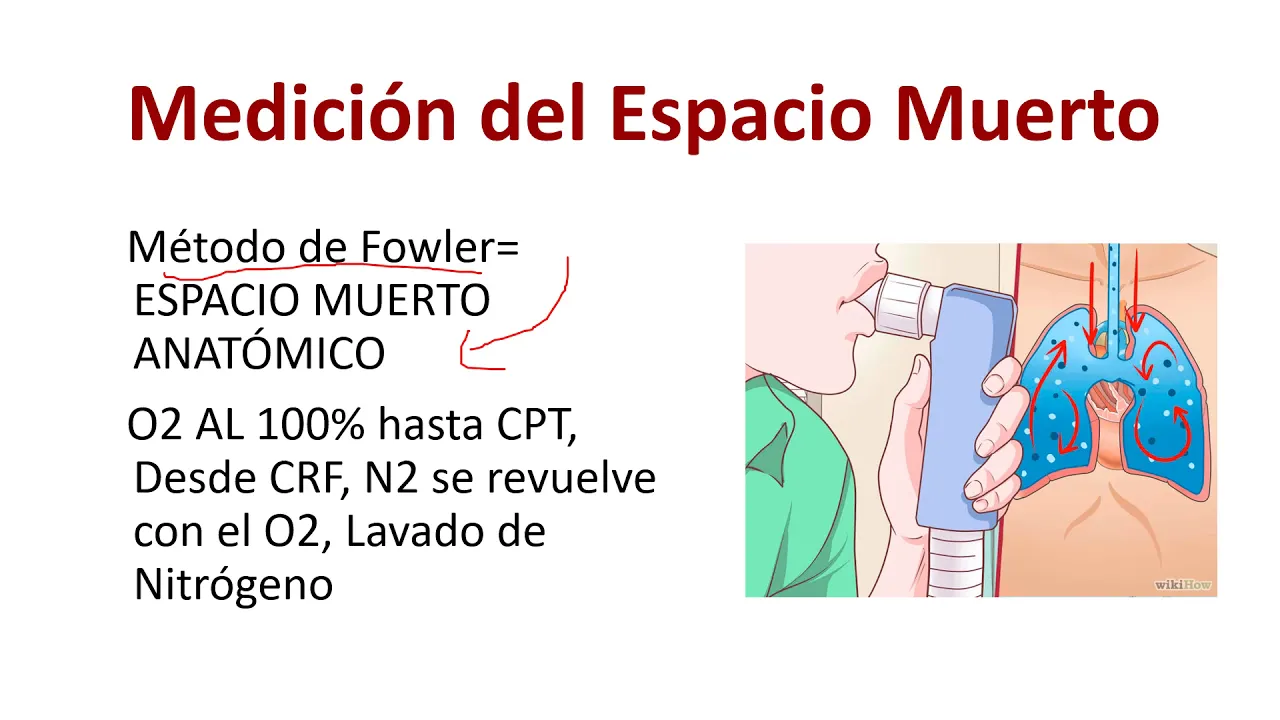
Advanced pulmonary measurement techniques such as Helium Dilution and Body Plethysmography used to determine Residual Volume (RV).
The relationship between lung volumes, alveolar ventilation, and blood gas exchange (PaO2 and PaCO2 levels).
915.6K views15Klikes8:31Original Release: 2018-02-10
hello in this video we're gonna talk about lung function focusing on the four important lung volumes and then talk about the lung capacities and following this video there's a follow-up on spirometry and how it relates to these values so we begin by looking at the anatomy of the lungs here is a person's respiratory system the upper and lower respiratory tract here are the ribs which wrap around the lungs and help protect it the muscular diaphragm which plays a main role in helping with respiration as well as the intercostal muscles the lungs allow us to take in or inspire oxygen and remove or exhale carbon dioxide this is an exchange the exchange of gases occur in the building blocks you can say of the lungs called the alveolus an important calculation of lung function can be gleaned from the displacement of air volume during inspiration and or expiration I'm going to represent the four important lung volumes using the alveoli as an example this is just a concept to hopefully understand the differences in lung volumes we're going to talk about the lung volume of a typical adult male adult females have slightly lower values than the ones that we'll be talking about but here the concept is the main thing so I hope they make sense the amount of air we breathe in and out in our lungs normally can be referred to as the tidal volume typical values of the tidal volume are on the order of 500 to 750 mils however we can also take a deep breath in deep inspiration thus our volume of air in our lungs can increase this is the inspiratory reserve volume the air inspired with a maximal inspiratory effort in excess of the tunnel volume typically the inspiratory reserve volume is about three liters so again we're looking at the four important lung volumes here again is an example of your tidal volume and this is your inspiratory reserve volume we can also exhale more than usual the amount of air we can exhale in addition to the tidal volume is the experi reserve volume this is typically 1.5 liters thus at the end of the day there is always an amount of air or volume remaining in our lungs after a maximal expert or EF eart this is the residual volume and is about one liter when all four of the above of volume components are taken together they make up the total lung capacity about 6 liters and we will talk more about this later there is this also thing called dead space this is basically the part of the respiratory tract or part of the lungs that does not participate in gas exchange now let's learn more about those four volumes by representing it in a graph because these volumes have important implications in health and disease so here is a graph on the y-axis is the lung volume in mil remember our total lung volume is about 6 litres to 6,000 mils in adult males so let's draw it out going up here is when we inspire so inspiration and increase our lot of volume obviously and going down the y-axis is when we exhale air so we are decreasing our lung volume which kind of makes sense the x-axis is just time nothing really specific so let's now first recap our four important lung volumes if you remember the amount of air that moves into the lungs with each inspiration during quiet breathing is our tidal volume typically five hundred mils 0.5 liters just like so remember the dead space we're not talking about this area because it has no role in gas exchange let's just say we are breathing normally and then suddenly take the biggest breath in this is the inspiratory reserve volume and can get up to 3 liters in addition to the tidal volume don't worry here I drew 1200 but it's meant to be our 3 liters it will correct itself soon then let's say we breathe normally so normal tidal volume and then we have a maximal expiratory phase this is the expiratory reserve volume typically 1.5 liters and the air left in the lungs after a maximal expiratory effort is a residual volume which is about one liter so an adult male will typically have a total lung capacity of six liters a female 4.5 liters now different textbooks have different values now just like we talked about those four lung volumes there are four lung capacities I already introduced the total lung capacity which is one of them now let's recap the same graph containing the lung volumes again and also introduce the lung capacities so the amount of air that moves into the lungs with each inspiration during quite normal breathing is called the tidal volume about five hundred mils or 0.5 liters the air inspired with a maximal inspiratory effort in excess of the tidal volume is the inspiratory reserve volume which is typically three liters the volume expelled by an active experia fit of the passive exploration is the expiratory reserve volume which is about one liter and of course you have the air left in the lungs after a maximal expiratory effort which is the residual volume about one liter as well the vital lung capacity refers to the maximum amount of air expired from a fully inflated lung which means that it's essentially the tidal volume plus the inspiratory reserve volume plus the expiratory reserve volume these three components will give you the vital lung capacity the maximum amount of air inspired from the end expiratory level is the inspiratory capacity which is about 3.5 liters so it's essentially the inspiratory reserve volume plus the tidal volume the functional residual capacity which should not be mixed up with the residual volume represents the volume of air remaining in the lungs after expiration of a normal breath so this is essentially the residual volume plus the expiratory reserve volume and the amount is typically 2.5 liters finally the fourth lung capacity that we have already talked about is the sum of all the lung volumes essentially and this is the total lung capacity again in the male's the total lung capacity is about 6 liters and in females about 4.2 liters but different textbooks say different things now that we have a better understanding of the lung volumes and lung capacities let us see how this can be used to diagnose and monitor certain lung conditions what I mean specifically is chronic obstructive pulmonary disease and also restrictive lung diseases
Up Next
28:41
Diffusing Capacity of Respiratory Membrane: DLCO Explained in Physiology
@VivekSirsPhysiology
10.6K views•2019-12-05

39:12
Taste Matters: Why We Like the Food We Do | Professor John Prescott
@smagforlivet-video
409 views•2015-12-07
8:05
Fluid and Electrolyte Physiology: Body Compartments Overview
@armandohasudungan
682.4K views•2018-09-04

7:08
Bacteriophages: Earth's Deadliest Killers and Future Antibiotics
@kurzgesagt
34.6M views•2018-05-13
Related Study Plans & Knowledge Roadmaps
Structured learning paths in Biology
biology
Analyzing Animal Venoms: Genetics & Pharma
01Molecular Biology & Physiology Foundations
02Venom Evolution & Toxin Gene Recruitment
03Neurotoxins & Ion Channel Pharmacology
+ 2 more learning modules
18h5 modules
Explore Roadmap
biology
RNAi: Biogenesis, RISC & Gene Silencing
01Molecular Biology Foundations: DNA to Protein
02Introduction to RNA Interference (RNAi)
03Molecular Biogenesis of miRNA and siRNA
+ 2 more learning modules
10h5 modules
Explore Roadmap
biology
Mycorrhizae: Signaling, Biophysics & Ecology
01Foundations of Mycorrhizal Symbiosis
02Molecular Signaling and Root Colonization
03Biophysics and Bioenergetics of Nutrient Exchange
+ 1 more learning modules
11h4 modules
Explore Roadmap
biology
Circadian Clocks: TTFL, SCN & Periphery
01Foundations of Molecular Biology & Gene Expression
02Introduction to Chronobiology and Actograms
03The Core TTFL: Molecular Architecture of the Clock
+ 3 more learning modules
14h6 modules
Explore Roadmap