











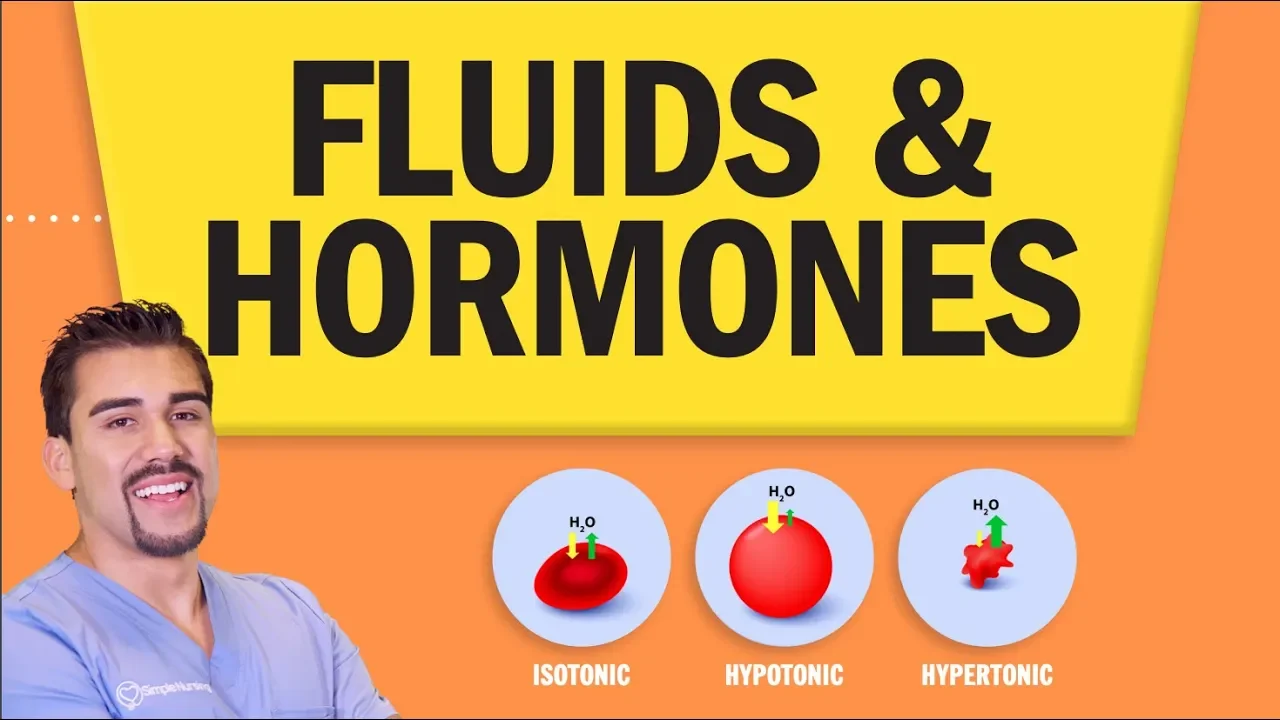





The human body contains approximately 40 liters of total body water in adults, distributed into two main compartments: extracellular fluid (ECF, ~15 liters, including plasma and interstitial fluid) and intracellular fluid (ICF, ~25 liters, inside cells), with water moving passively between compartments via osmosis in response to solute concentration gradients; the major electrolytes include sodium as the primary extracellular cation, potassium as the primary intracellular cation, chloride as the main extracellular anion, and phosphate/proteins as the main intracellular anions, with albumin in plasma helping maintain oncotic pressure and bicarbonate playing a key role in acid-base balance.
Fluid and Electrolyte Physiology: Body Compartments Overview
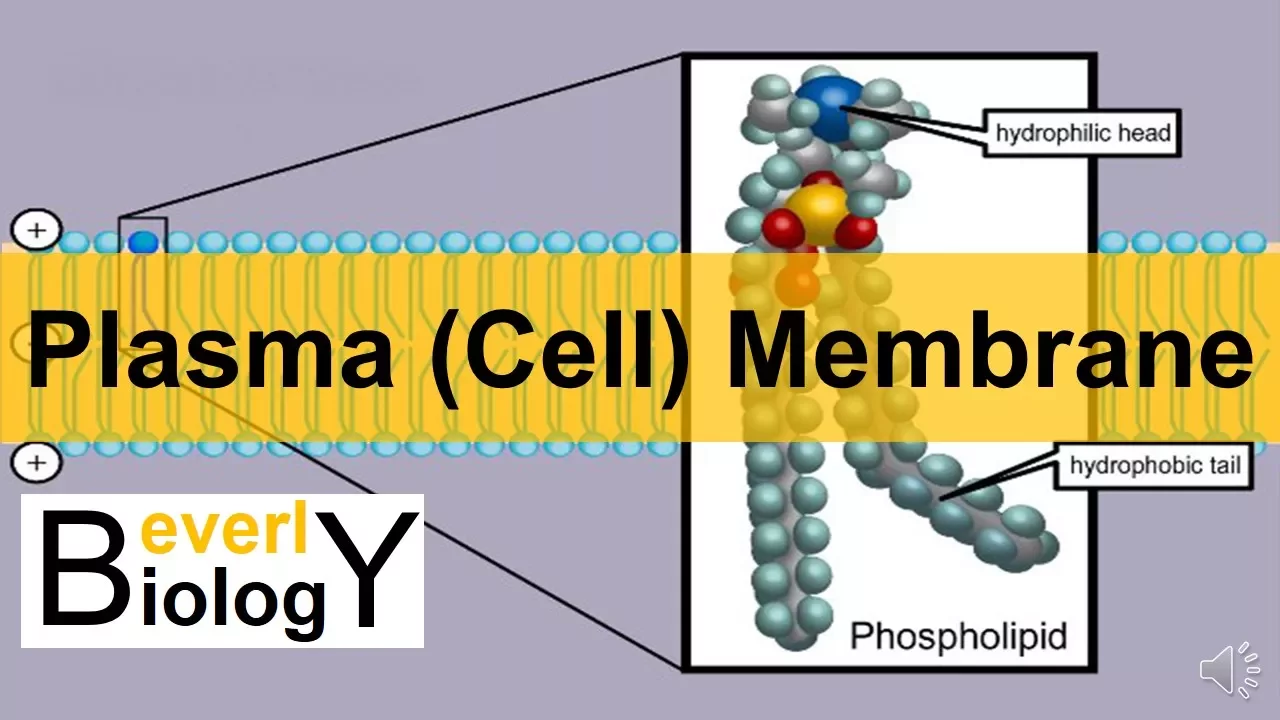
Added:Basic cellular biology, specifically the structure and function of the cell membrane, including selective permeability and lipid bilayers.
The physical chemistry principles of solutions, including the definitions of solutes, solvents, diffusion, osmosis, and osmotic pressure.
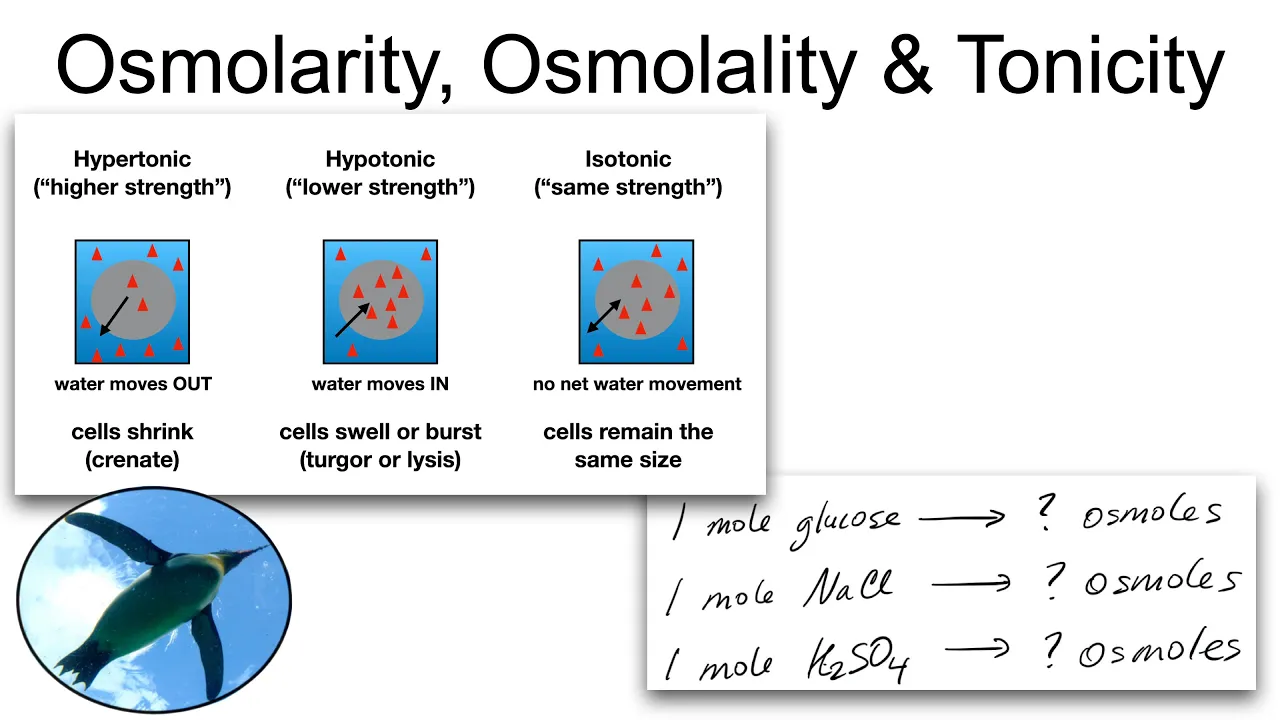
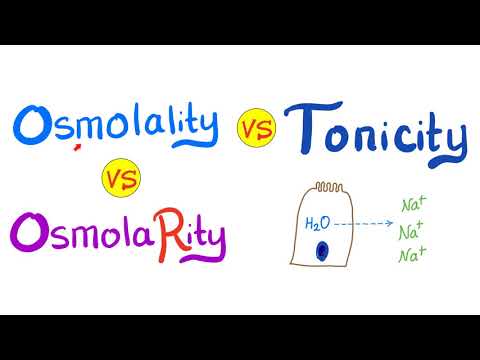
Fundamental concepts of chemical concentrations, particularly the difference between osmolarity, osmolality, and tonicity.
An introductory understanding of human anatomy and physiology, specifically the general organization of the cardiovascular and renal systems.
Detailed study of specific electrolyte imbalances, such as hyponatremia/hypernatremia and hypokalemia/hyperkalemia, including their clinical manifestations and cellular mechanisms.
The endocrine regulation of fluid balance, focusing on the Renin-Angiotensin-Aldosterone System (RAAS), Antidiuretic Hormone (ADH), and Atrial Natriuretic Peptide (ANP).
Acid-base physiology and blood gas analysis, exploring how the body maintains pH homeostasis through chemical buffers, respiratory compensation, and renal excretion.
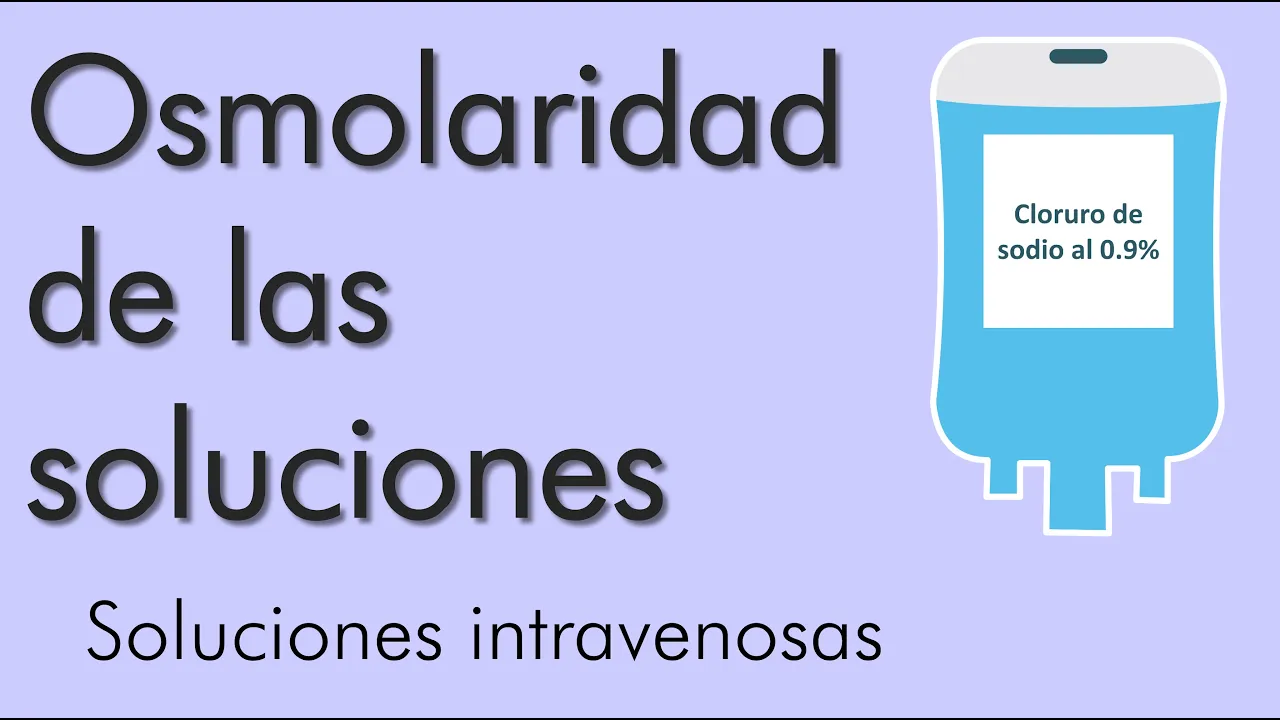
Clinical applications of fluid therapy, including how to select and administer isotonic, hypotonic, and hypertonic intravenous (IV) solutions based on patient needs.
682.4K views10Klikes8:05Original Release: 2018-09-04
hello in this video we're going to talk about body fluid compartments and also touch on electrolytes the body can be divided into solids and water solids make up about 40 to 50 percent depending if you're male or female water accounts for about 60% of the total body weight for an adult male and 50% of that for an adult female this difference between the sexes reflects the proportionality of larger mass of adipose tissue in adult females and the greater average muscle tissues in adult males solids are things such as protein lipids carbs and minerals in this example the total volume of water is that of an average adult male and is about 40 liters the total body water is distributed into two fluid compartments the extracellular fluid ECF and the intracellular fluid ICF ECF is about one third of total body fluid which means about 15 liters let's just say the ICF is two-thirds of total body fluid which is about 25 litres ECF can be further divided into the plasma which is fluid in the circulation fluid in the circulation make up about 20% of the extracellular fluid the remaining 80% is found in the interstitial which is fluid found between the cells the intracellular fluid ICF is basically fluid that's inside the cell and as mentioned is where most of the total body fluid is found inside the cell means basically where the nucleus is and again the nucleus holds the cells DNA we mainly get fluid from drinking water and eating food and so the main fluid input is basically from the gastrointestinal tract we need roughly 2,500 mils per day which is required to balance your average water loss and of course water enters firstly the extracellular fluid first from the gastrointestinal tract water can then move between the different fluid compartments in the body like so interest cellular fluid contains two-thirds of the total body water and again extracellular fluid contains the rest only one-third really important to understand that water moves passively between fluid compartments either via channels or between cells no need for active transport no need to spend energy to move water between fluid compartments movement of water occurs passively in response to osmotic gradients to demonstrate this concept imagine a jar like this represents your body a semipermeable membrane separates the jar into two compartments you have more solids on the right compartment and through osmotic gradient principle fluid will shift to the area with more solutes and this is osmosis we talked about fluid input through the gastrointestinal tract flute output occurs through other routes the kidneys the gastrointestinal tract the lungs and the skin you lose about 2500 mils of water each day sometimes fluid accumulates in the interstitial for example due to disruption in solute concentration a claw across the plasma and the interstitial space the body has ways to fix this and this is through the lymphatics fluid may also travel from the interstitial from the interstitial space to the plasma through the lymphatic vessels that drain into the venous circulation let's now talk about electrolytes now we have many electrolytes that are distributed throughout the body's compartments in the extracellular fluid we can find sodium potassium calcium and chloride which can move between the plasma and the interstitial via semipermeable membranes the concentration of electrolytes in the plasma and the interstitial is about the same for example sodium in blood is about a hundred and forty-five millimoles per liter potassium is for calcium is 2.5 and chloride is a hundred and fifteen on average electrolytes can't just move through the lipid membrane between the extracellular fluid and the intracellular fluid they often rely on transport channels for example sodium and potassium moved via sodium potassium pumps where three sodium is transported out of the cell in exchange for two potassium inside the cell this type of channel requires ATP this sort of mechanism allows the different gradient of ions across the body compartments because inside your cell you have twelve millimoles per liter of sodium and potassium you have a hundred and fifty five million moles per liter interest cellular calcium is less than 0.5 and chloride is four you can see straight away that the main cation in the extracellular fluid is sodium the main cation in the intracellular fluid is potassium the main anion in the extracellular fluid is chloride and the main anion in the intracellular fluid are the negatively charged proteins but the main electrolyte is phosphorus proteins are also found in the plasma but not in the interstitial not in the interstitial fluid the main protein found in plasma is albumin and abdomen helps maintain the osmotic gradient helps keep water in the blood vessels phosphorus in the phosphate form is the main anion in the intracellular fluid other important negative negatively charged ions are bicarbonate which is very important acid-base balance these electrolyte levels are very important to know and understand because if for example you have high concentrations of calcium or potassium in plasma or in the extracellular fluid cardiac arrhythmias can develop and death can result all the homeostatic mechanisms that monitor and adjust the composition of body fluids responds to changes in the extracellular fluid not the intracellular fluid in summary sodium is the main extra cellular fluid cation chloride is the main extracellular fluid and ion potassium is the main intracellular fluid at cation phosphate or phosphorus is the main intracellular fluid anion and bicarbonate is important in acid-base balance you
Up Next
89:06
Cell Membrane Transport Mechanisms Explained | Cell Biology
@DoctorNajeeb
393.7K views•2021-03-18
50:12
Bacterial Communication: Quorum Sensing and Biofilm Formation Explained
@JHUAAP
12.6K views•2011-06-28

5:35
Enteric Nervous System Explained: The Gut's Brain | Neurobiology Lecture
@alumniu6029
438 views•2018-09-12
7:08
Bacteriophages: Earth's Deadliest Killers and Future Antibiotics
@kurzgesagt
34.6M views•2018-05-13
Related Study Plans & Knowledge Roadmaps
Structured learning paths in Biology
biology
RNAi: Biogenesis, RISC & Gene Silencing
01Molecular Biology Foundations: DNA to Protein
02Introduction to RNA Interference (RNAi)
03Molecular Biogenesis of miRNA and siRNA
+ 2 more learning modules
10h5 modules
Explore Roadmap
biology
Mycorrhizae: Signaling, Biophysics & Ecology
01Foundations of Mycorrhizal Symbiosis
02Molecular Signaling and Root Colonization
03Biophysics and Bioenergetics of Nutrient Exchange
+ 1 more learning modules
11h4 modules
Explore Roadmap
biology
Circadian Clocks: TTFL, SCN & Periphery
01Foundations of Molecular Biology & Gene Expression
02Introduction to Chronobiology and Actograms
03The Core TTFL: Molecular Architecture of the Clock
+ 3 more learning modules
14h6 modules
Explore Roadmap
biology
Population Genetics: Math, Drift & Selection
01Genetic & Probability Foundations
02The Hardy-Weinberg Principle and Baseline Models
03Mathematical Modeling of Natural Selection
+ 3 more learning modules
18h6 modules
Explore Roadmap