


![ChatGPT ti sta IMBROGLIANDO [AI e Bias Cognitivi]](https://i.ytimg.com/vi_webp/ua3FKHyXzYQ/maxresdefault.webp)






















High-EQ individuals with empathy and anxiety can leverage psychological frameworks to build artificial relationships and influence others' behavior. The key techniques include stress inoculation through role-playing, creating conversation maps with anticipated responses, and understanding that most people live in their own perception rather than objective reality. By entering someone's 'secret life'—their private insecurities and vulnerabilities—one can establish lasting influence and loyalty. The 80/20 rule applies to conversations: only 20% of interaction time is memorable, and of that, only 5% of the other person's behavior is retained, making last impressions more impactful than first impressions.
CIA Spy on Persuasion Psychology and Social Engineering Tactics
Added:Robert Cialdini's foundational principles of influence, such as reciprocity, authority, commitment, and scarcity.
An introduction to cognitive biases and heuristics that systematically affect human decision-making.
Fundamentals of non-verbal communication, including body language cues, kinesics, and basic micro-expressions.
The basic definition of social engineering and how psychological manipulation is historically used in information security.
Advanced Human Intelligence (HUMINT) gathering methodologies, including elicitation techniques and the 'MICE' recruitment framework.
Deception detection theories and practical applications, such as Paul Ekman's micro-expression training and statement analysis.
Defensive social engineering and cognitive security, focusing on how individuals and organizations can protect against manipulation.
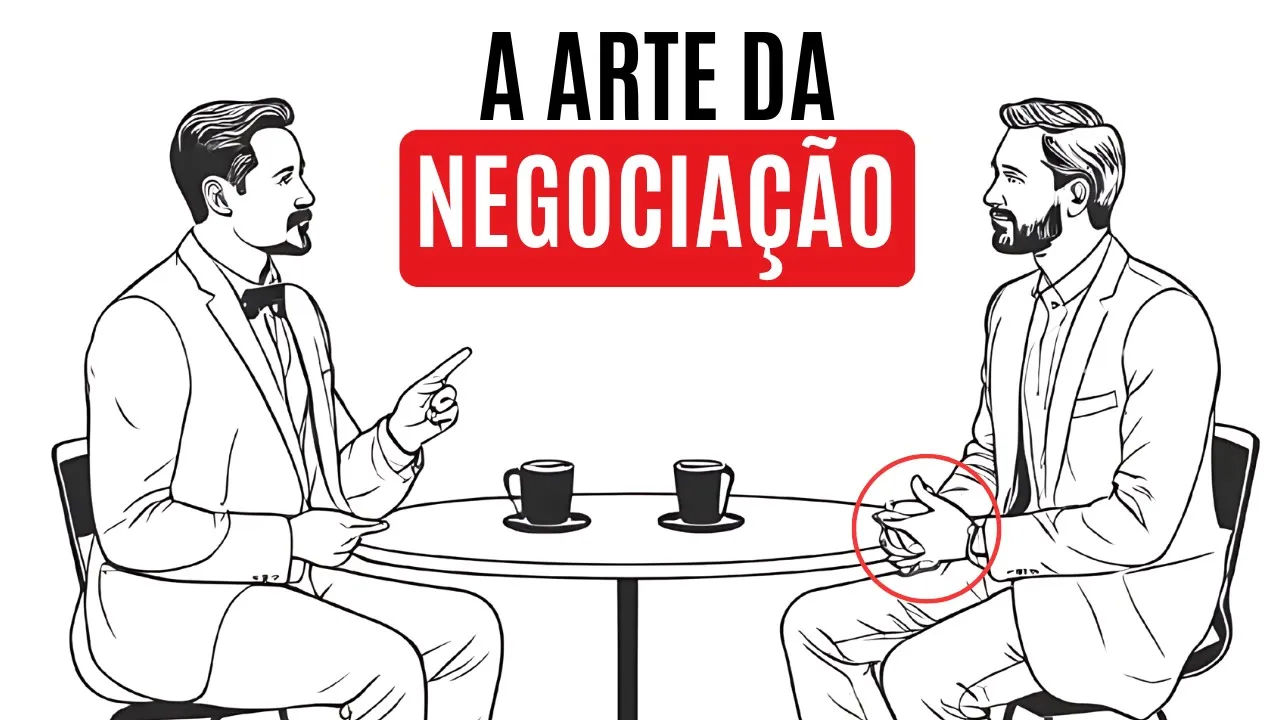
High-stakes negotiation strategies, such as tactical empathy and the Harvard system of principled negotiation.
1M views26.1Klikes1:59:27Original Release: 2024-07-23
people with high EQ and high empathy and anxiety they can pull themselves out of that and tap into and use that same system for their own individual benefit and now they're the Puppet Master you can now create artificial relationships you now know the method for manipulating people to do what you want them to do and that's how you get anything you want from anybody correct in business mental health physical health social friendships and more it should absolutely be illegal it should be toally outlawed so what's your perception of me that you try very hard thank you that is my perception but I mean even just since arriving here right like you've got nervous energy MH and then you can see in like the the pace of your of your breathing and the pace of your speaking that that you also have some nervous energy going on I'm really excited to talk to you but the one of the first questions I was going to ask you you kind of hit on the head how do I stop this from happening in the future for future guests when there's a high level of excitement usually is because there's a high level of anticipation M there's something there's a story essentially that you're kind of telling yourself whether that person is so cool or that person is so smart so what's happening is momentum of your energy frontload the actual experience itself so the same thing happens when you have a guest on your show the same thing happens if you're getting ready for a big interview journalists have to suffer this all the time right imagine being a journalist that gets a conver gets to have an interview with Putin or a journalist that gets to sit down with Biden that's not the kind of thing that you get to do every two weeks right so there's all this this anticipation and this anticipatory energy that they have to overcome so that they don't start the interview strong or with high energy and then end the interview low is are there methods to prevent that yes so what you have to do is you basically have to inoc inoculate yourself against the momentum of energy sometimes we call it stress inoculation so there's two types of stress mental like brain stress there's there's distress okay and there's UST stress distress is the stress that we all know like and hate the the loathing and the not looking forward to something and the the feeling like the world is crushing you down that's all distress UST stress is all the positive stress like when there's change that results in more energy or when there's anticipation or when there's some sort of enthusiasm that's also stressful like it increases your heart rate increases your cortisol levels in increases your body temperature it's the same effect as normal stress but it has a different cognitive impact because of how it how it triggers more energy in a different way so you have to stress inoculate against what you're getting ready to do so for example you can roleplay I'm interviewing Putin next week can you pretend to be Putin uh so like practice the intro and then you sit with them and you're like I'm going to start with this question and then this question and this question if your role player is very good at being a role player which many people need some practice right but if they're very good at being a role player they will put themselves into the role because they know that it's helping you and then if you go through three 5 12 practice questions two or three different intros by the time Putin actually walks through the door you're like go you're just kind of a funny little man instead of this Larger than Life character yeah okay so role playing would be the number one suggestion role playing is the number one suggestion and then the number two is actually to rehearse rehearse out loud it can be into the mirror it can be into into the absolute ether the the darkness of your room whatever you want because what happens is there's a there's a brain mouth muscle connection that often people Overlook why are soccer players good at soccer they have they have muscle memory why are football football and soccer depending on what country you're in the same why is American football why are American football players so good at American football why are tennis players so good at tennis why are golfers so good at Gulf part of it is because of muscle memory their body their hands their arms their shoulders their hips remember the motion the movement the stroke the position right that's just muscle memory training over and over again we have the same problem with our mouths if you don't know what question you're going to say or if you know what question you're going to say but you've never practiced saying it out loud there is no mind muscle connection for your lips so you can stumble over yourself you can say it too fast when you see people clarify over and over again often it's because they know they're not being clear MH so you got to build that routine so when you have a role player you do both skills at once right you inoculate against the stress and you build the brain mouth muscle connection if you don't have a role player you can't inoculate against the stress but you can still build the brain mouth muscle connection interesting so a lot like a presentation you'd want to go before you on a stage you just want to do the same process so then how since but this is a one-on-one conversation so you're almost you need to practice what you're going to ask this is a formal interview but if you're I guess you could still practice if you're going up to a girl before before you talk to her sure what's funny is if youve ever met pickup artists have you ever met an actual pickup artist like real pickup artists people who Pride themselves on the art of pickup do all the things that we're talking about they role play with their boys they practice lines they practice pickups they practice like and they do some research ahead of time to know what they have like goto tricks andols it's it sounds ridiculous except that it works if it if it didn't work it would make the practice ridiculous but because it works the practice therefore is not so ridiculous interesting so if you do meet the person and you got past your rehearsed scene how would you go ahead and gain perspective on that person that individual the whole reason that you practice beforehand is because let's say you practice five questions right this is something that we call a conversation map okay if you imagine uh you've seen like you've seen people create flowcharts in the past right like you do this and it goes to this it goes to that and then you have a yes no situation if they say yes it goes this direction if they say no it goes this direction you've seen flowcharts sure a conversation map is a tool that we use in intelligence collection that is essentially a flowchart for a conversation interesting so I ask you the question hey how's your day going good there's really only two options right there's there's some sort of positive response it's good I'm happy right or there's some sort of negative response oh it sucks it's horrible when you actually build a conversation map you can also like scope out the fact oh probably a 70% chance you're going to say it's good even if it's not good because culturally we say it's good 20% chance you're going to say it's bad well there's still 10% not accounted for so then we also have to build out the neutral response what if you get a neutral response what if you get a response like I'm not sure yet or I'll find out later like that's an unexpected response that still has some probability of occurring M well if you only plan if first of all if you don't plan for the conversation at all after you ask the first question done yeah how's your day it's good uh okay I don't know what to say next yeah so a conversation map gives you the opportunity to know exactly what you're going to say next in all three situations so if you say oh my day is good then my next step in the conversation map is going to be like what makes it good if you say your day sucks my next step in the conversation map is going to be be like Oh I'm sorry to hear that what makes it bad if your answer is something neutral maybe my next step in the in the conversation map is to say oh what would make it a better day now I am two I'm now two questions ahead of your responses MH if I can build myself three four five questions ahead which is surprisingly easy when you actually think about it when you literally draw it on a piece of paper here's my first question draw it in a circle here are the two or three most likely responses here are the two or three most likely responses from each of those etc etc you can get about five questions deep the reason you do that is so that when you actually meet the person and you start the conversation map you only need 30% of your mental capacity to keep up with the conversation the other 70% is going into what we call personal assessment which is creating the Baseline about that person's behavior in that moment in time so then by the time you get through question four and five and you've got five responses worth of input now you start making up new questions now you start engaging in what we would call a deliberate dialogue an exchange of information and through that process now you have more information about the other person because you've got all of their data that they've shared plus all of your assessment data that you've picked up through their tone and their physical movements and their body language let's say that we're talking to somebody that we met at a fundraising event and we went to that fundraising event specifically so we could network with Business Leaders and Community leaders okay all right so so you already know going into that room what time of day it is it's probably night time you know that they're going to have orves in a meal you know you're going to be everyone's going to be there for probably two and a half to three hours because it's a fundraiser there's going to be speakers on stage there's going to be music there's going to be tables there's going to be all this stuff everybody's dressed in suits ties or something that they think looks like relatively formal wear fashionable Formal Wear so that's the scenario okay let's build the first five questions all right the first question is very is very likely going to be either hello or something that about an introduction because that's why everybody's there so your first question might actually be hi my name's Andy or hi my name's Adam right hi my name's Andy I am with everyday spy you know what are you doing here you have no idea who the person is right but you do know that in this room you're going to have to talk to people and people are there to talk to people so you know that you can get away with a conversation starter that something as simple as my name's Andy what's your name so one response is they're going to say their name MH what's another response you say who are you yeah so my name's Andy I'm with everyday spy I I'm the host of the party like a different like a category way explaining themselves so this is this is why a conversation map is so powerful right we all assume that they're going to answer our question some people won't right some people might say something like oh I'm nobody I'm just here with my wife okay right oh I'm I'm nobody I'm just I'm a driver you you don't have to I'm not anybody important man I'm just the waiter right oh I'm here with I'm part of the sound team right you might get a response like that so you have to have a planned response for that right so you've got the the the peer response essentially oh I'm Brett I'm a YouTuber oh cool now we're past the first question then you've got the person that's like oh you don't want to talk to me man I'm nobody I'm just the I'm just Joe's driver MH you have to have a plan for that kind of response too and then you also have to have the response for somebody who's being like unexpected snarky uh somebody who's being funny I don't know how many comedians you know but a lot of times they will turn a situation on their head just to freak you out right so they'll be like none of your business what's your name you've got to have at least those three responses planned for otherwise you're going to get wigged out but you're choosing these based on the social situation and since that's a networking event and the probability that would be okay huh so it's most probable in a networking event that people are going to be cooperative that's interesting it's also possible at a networking event that you'll talk to somebody who's part of the event staff MH or part of the secondary staff mhm it's also possible that you'll talk to somebody who's trying to be countercultural because that is their tool for networking so you have to and there's a there's five or seven or 12 other circumstances that might happen too but let's be ready for those three I don't think you have to be ready for the person who's like who doesn't speak English because that person might be there too I don't think you have to be ready for the person who's got a stomach ache but that person might be there too right those are all lower probabilities it's not worth planning for that outcome but now we're we're only one question deep into this right who are you now we find out their name so now what's your next question so if you find out that somebody's if if you plan for a positive peer response hi my name's Andy or my name's Brett or my name's John or my name's Jake or Adam or whatever else hi that's my name okay what's our next question for that person but also what's our next question for the person who says I'm nobody and what's our next question for the person who says aren't you being nosy who are you what's our next response in each of those three cases and you're just mapping it out based off of the complete environment you're going into so let's let's go through the exercise let's just do it just do two or three questions but now you're seeing it's not an easy process so if it's your name you can say how are you doing okay second one could be do you like the job or what do you specifically do get interested in them and then the third one could be I don't know you probably have to be quick I don't even know that would be hard I wouldn't be ready for that yeah now you're understanding why it is that Intelligence Officers spend so much time planning before they ever put themselves in an operation right because in here's what's interesting all three of those potential outcomes from the first question I'm Andy who are you all three outcomes could be people of Interest gotcha right what if it's the driver of like we're in Phoenix right now what if it's the driver of the governor of Phoenix now you are one step removed from the governor of Phoenix what if it's the driver to the CEO of oing air Aerospace now you're one step removed from the CEO of boing Aerospace like these are these are important people MH they may not think they're important they might think they're just a waiter or a driver or a gardener or whatever else they access interesting you have no other way of getting to the Boeing CEO in your network than that person right now so you've got to be prepared to maximize that opportunity with that person we have a saying at CIA we say everybody is worth a cup of coffee everybody's worth a cup of coffee it's one of the big reasons why whenever I get an invitation to be on a podcast I don't just say no because everybody's worth a cup of coffee you never know what that person might say do or be connected to in some way that can benefit or help or assist you now or in the future so you've got to give everybody a shot you've got to give everybody equal treatment you can't just go someplace thinking I am only here to talk to the super hot blonde chicks that's it they have to be you know between 25 and 28 years old and they have to be like platinum blonde with long hair past their shoulders and they have to be dressed to impress for all you know like it's the brunette who's at that party who's funny and giggly and whatever else whose best friend outside of that party is exactly what you're looking for ah so you're going to limit your future options too correct it's There's an opportunity cost to what you choose to do right now okay fascinating the cool thing you just said was that when you were you do this not just to be prepared and have a good impression but so you can limit processing power in your brain so then you can actually like kind of try to read their emotional state pick up on their ideals and try to see if they're anxious looking over their shoulder you're trying to get completely different reads limits your ability to worry about those initial few conversations correct what you're doing is you're frontloading your your uh repetitive tasks so that you can leave space to process through real-time tasks and there's so much that we do that's repetitive most conversations that we have are repetitive so why why make why let ourselves use our active Ram if you will to process through simple [ __ ] instead save the RAM for the good sh the good stuff and then like just use automate the other stuff make you've got tons of of brain mouth muscle memory for things like how are you what's your name how's your day that shit's automatic nobody stutters over those words yeah okay so most people in the world are self-interested I'd say everybody is self-interested and so a lot of times they're going into these convers conversations thinking about like what's in it for themselves and I think the CIA has kind of identified that in human beings studied it mastered it and now weaponized it against people and away for their benefit yeah I'm really objective I I want to have the most like objective conversation with you and if I feel like I'm going to say things that are going to come off like really like not okay in the world but I feel like that's not the CIA talks and so I would much rather be as like objective as possible here like you guys are trained to get your desired outcome from a human being get information out of them and use tactics and use their psychology against them PE yeah so you're you're using words like weaponized and against you're using these very um incendiary or alarmist terms alarmist huh because think about think about what it feels like to be the person who's hearing the words that you're saying right use it against you well against implies that it's not in your best interest it's not in the Target best interest and against also imp implies that it's against the will of the target everybody makes fun of car sales people right car salesmen but in reality people want to buy cars mhm like nobody walks into a car dealership not [ __ ] wanting to buy a car so why is it that the sales people have such a Negative reputation of being like slimy and scammy and tricky and all this other stuff for somebody who wants to buy the thing that they showed up to buy it's it's not that the sales person is scammy or slimy it's that the sales process rubs the the the Target right the the wouldbe consumer customer the sales process rubs the customer the wrong way it makes the customer feel like they don't have control it makes the customer feel like they have to acques it makes the customer feel like they have to compromise that's how anybody who has anybody who's ever wanted to buy XYZ car and ends up buying ABC car instead that's why they're so disappointed that's why there's buyers remorse what CIA has done is mastered the process of finding somebody who wants to buy XYZ car and then selling them XYZ car in as fast and as productive in as positive a way as possible because what CIA knows is if you help them buy one car once and it's fast it's efficient and it's fun guess what happens the next time they want to buy a car you go to you every single time so you want them to feel happy about giving you information so the whole idea of weaponizing their personality against them is exactly the opposite of what we do well we don't let them know that but in a way like so it's like I see people around in my life like they're just completely emotionally manipulating each other back and forth back and forth in a relationship tip I do this that means you have to buy me this thing you bought me this thing now that means you have to let me play a video game tonight or whatever it is but they don't aren't aware of it and so the CIA is just hyper aware of what x leads to Y and Y leads to Z through a Psy psychology map basically because you're totally right PE people go through life doing what we call they have reactive conversations okay right they have reactive relationships meaning like I'm friends with you for some reason and you're friends with me for some reason beneficial but probably not even talked about what that reason is Right am I friends with you because you're funny and you're cool and you like the same video games maybe but chances are that's not the real reason why I like being around you the real reason is probably something like you I don't feel like you judge me or the real reason is because you also have a job that starts at 11:00 at night so you're like the only person I can hang out with at 2:00 in the in the afternoon who's not at a job like it's it's very real just like you said we all operate in our own self-interest the reason that we're friends in some way shape or form is tied to my self-interest so all CIA does is it says Hey pause time out in a reactive conversation or a reactive relationship between two people the person who stops reacting and starts observing is going to be the person who is in control of the rest of that relationship or the rest of that conversation if you stay reactive there's two risks the first risk is that it's never efficient so you you lose all this opportunity because it's not efficient M but the bigger risk is that the other person is the one that's going to stop reacting and start observing first and once that happens they're in control so what CIA does is it just says hey this is simple there's there's really only two outcomes you're either in control or you're out of control MH it's up to you which one you want to be so you said something interesting on Tom Bilo's podcast where it was like 98% of people are trapped in their own perception 2% are living in reality correct so those 2% that are living in reality do they not have the ability to like just completely manipulate other people's World Views they do and control their outcomes for their own benefit that's exactly what they have yet so then how do you identify if you're in reality how would you identify someone else who's in reality knowing that people that are both in reality know how to make themselves be perceived as they are not in reality politics I'm guess I'm asking where people will maybe this is two separate Concepts so I'll let you think on that one but second one could be politics people go up on stage they say words that make them look good and sound good to the public and you can't refute those words but what they're actually conveying with an underlying message is for their own self-interests like they could say this is for climate change but they actually have a business that could financially benefit from the means of production for climate change I mean really what you just brought up in those two questions was like four or five different Concepts okay but but this is this is actually what I want to talk about so I'm glad man because what you're what you're doing is you're you're putting into words and into this real experience what most of us feel yeah the hard thing about being a human being is that we feel much much more than we think I mean think about it you have five senses M but you only have one rational brain so you can see why you would feel so much more information than what you rationally think yeah but the problem is while we feel all this information while we feel so much we then start to think that because we feel we are rationally correct the opposite is true right there's only one rational brain working to try to make sense out of all five of your em all five of your senses what you see what you hear what you taste what you and that's that's just real time like in this exact moment there's a temperature on our skin that we feel there's a smell in the air that we smell there's a certain level of lighting right like I see you and your background you see something totally different when you look at me and see my background and this is just the real moment what's also processing through our brain is what just happened 5 seconds ago 2 minutes ago two hours ago two days ago the brain is processing all of that also so there's this incredible amount of information that and only one brain to rationally process it that's why people don't have patience to let their brain process they make these radical assumptions based off of their feelings so when you start talking about people who are in control the 2% of people who are in control of their brain or people who live in what we what we termed to be reality right really what that means is they live in a world of perspective not a world of perception perception means this is what my five senses tell me it's how I perceive the world and therefore it's true how you perceive the world is not true it's true to you only based on what you've perceived you could sit in this room and perceive that you're safe but there could be a car that's getting ready to drive by and shoot through the windows right you were wrong so you could perceive that you're safe and not actually we can feel safe and not actually be safe all that the 2% of people do who live in a world of perspective is they're able to actually create assessment based objective uh conclusions off of multiple data sources in addition to their five senses so now it's like oh well I know what the crime rate looks like in this neighborhood on this day this time of year on average I know that there's more crime or less crime when it's this temperature or that temperature right there's there's so now we are now we're building an assessment of How likely it is that someone's going to drive by and shoot through these windows that's an extreme example the same thing's true you sit at a negotiation table right car salesman again if you sit down to negotiate with a car sales on the fifth day of the month guess how much leverage you have almost none because they have a whole month to meet their quota but if you sit down with a car salesman on the 29th day of the month guess how much leverage you have a [ __ ] ton more right living in an objective world where you are living in your perspective means that you're thinking about your schedule and the salesman's schedule and the manager the general manager of the cars the cars um dealerships world and you're living in the CEO's world because guess what you sit in a you sit in a Ford dealership to make a a deal on the fifth day of the first month of a quarter you got the least amount of Leverage of all you sit in the same seat the last day of a quarter you have the most leverage of all right because everybody's pushing the last week of the last quarter the last week of the last month of the last quarter of the year you have an incredible amount of Leverage so it's almost like the more variables you understand about the other party the if you understand their incentive you have more Intel that's the that's exactly right that's what I mean that's when we talk about perspective that's what we're saying here is where most people live in their little fraking world of their five senses where they believe the whole world revolves around them and we've all been there and we all know what that's like and some of us are probably still in that position regardless whether you've been in that position and you are no longer in that position or if you're in that position right now one thing you know for sure is that you're the [ __ ] you know it they typically don't know that they're in that position in the first place they still know that they're the [ __ ] right because when they look at somebody else and that other person does the same thing they're doing what do we say valid that person's an [ __ ] over there right so when you live in this tiny little world you're giving up all the opportunity cost all the space all the advantage to the two or three or 5% of people who have given up on being the [ __ ] and now they're the Puppet Master mhm they're the actual what you might term using your using your alarmist rhetoric they're the [Music] guyy that's funny but that's so now on top of that Foundation that's where you start talking about here's how politicians execute on that here's how uh heads of governments and heads of state or heads of businesses leverage that here's how covert officers who are building influence campaigns here's how they leverage that it's all the same concept foundationally influence campaign that's a cool word yeah so an influence campaign is when you were talking about Ians get up on stage and they say certain words but there's an underlying meaning like they're effective truth yeah right when it comes to an influence campaign that's really all you're doing is you're choosing the right medium that Medium might be words that Medium might be pictures that Medium might be videos it might be music you choose a medium to communicate a message of some sort that message that you want the medium to communicate is always emotional we call that messaging mhm you you've heard everybody talk about there's a narrative The Narrative of this The Narrative of that it shows how ignorant people are in their little tiny space because narrative is actually the Second Step most people talk about narrative if it's the first step right oh that dude's up there spouting lies and he's he's he's building a narrative you don't The Narrative is not something that somebody else builds the message is something that somebody else builds so I know that you are sensitive towards the plight of dolphins yeah so I'm going to start making this a series of emotional messages all about why we need to save the Dolphins how sad is it to see the dolphins in a fishing net did you know that oil spills hurt Dolphins uh did you know that dolphins are suffering from the the the whatever the impact of Plastics in the ocean like three or four or five messages all messages are triggering your emotions right and your emotions are outrage and anger and you know frustration and impotent and all sorts of feelings that you're having because you can't save the Dolphins well then there's a narrative that's formed how to act the narrative is your rational conclusion based off of all these messages what's the what's the narrative the poor Dolphins humans need to protect the Dolphins that's the narrative that's I see I see I see well guess what humans don't need to [ __ ] protect the Dolphins the Dolphins were there long before we were here they will be here long after we are gone Dolphins don't blow themselves up with nuclear weapons happens right but that's that's how a narrative forms a narrative is actually not formed by some influen campaign manager it's or some political campaign manager it's built by the audience themselves in response to the multiple emotional messages that they've been fed so you prime them with messages then you understand that the obvious conclusion from the herd would say this General thesis correct because what's what will most likely happen what happens over and over again is that the popular narrative the the most popular narrative is aired and shaped by the people themselves so uh you start to see slogans you start to see uh um by lines you start to see headlines that come from news agencies or that come from nonprofits or they come from whatever right come from social media where they the audience themselves adopt their own stated narrative in response to the messaging that you've put out there so is that important when you guys are going on a if you have a Target in a different country to lay that down culturally before you meet this person to play into it close it's already there so so you identify what there okay what's already happening and then you fit into that it's Goa that's something that people get wrong because the movies make it look like like somehow CIA is so smart that it can it can seed an idea and then and then cultivate that idea and create a movement in a foreign country we're not that smart what we're smart enough to find that there's 12 different movements already at play and this one is the best one for us to manipulate so let's let's give a little bit of extra resources to this one movement and then enter through there right because it's already there it's the same thing the Russians did to us in 2016 when Facebook was talking about how was it data analytica or right like all all the uh Russian influence campaigns in Facebook I mean Russ Russia's been doing that forever it's just they got caught on Facebook in 2016 they've been doing it for a long long time and they do it they follow the same methodology that we follow there's two opposing groups or more and you fund both sides you give both of them false advertising you create Bots for both of them you create campaign donations for both of them and shell companies for both of them because what you really want is chaos because chaos makes all the other people question the process and if you're somebody like China or Russia or North Korea all you want people to do is question the process of democracy that's how you kill a democ William Proctor and James gamble Henry Wells and Williams Fargo Ben Cohen and Jerry Greenfield three successful business partners who got it done what about the perfect partner for growing your business that's you and Shopify Shopify is the global Commerce platform that helps you sell at every stage of your business from the launch your online store stage to the first real life store stage all the way to the did we just hit a million orders stage Shopify is there to to help you grow what I love about Shopify is that no matter how big you want to grow Shopify gives you everything you need to take control and take your business to the next level Shopify Powers 10% of all e-commerce in the United States and Shopify is the global force behind rois Alberts Brooklyn and and millions of other entrepreneurs of every size in 175 different countries plus shopify's award-winning help is there to support your success every step of the way with one of the easiest dragon website Builders and thousands of free Integrations Shopify is there to help you start your first business or grow your current one because businesses that grow grow with Shopify sign up for a $1 per month trial at shopify.com wgmi that's all lowercase that's shopify.com wgmi thank you for sponsoring today's episode the thing that's so powerful is if I can build an artificial relationship with you it's only artificial to me MH it's very real to you what business the reason that we've been successful at business is because we have taken Espionage Concepts M and we have applied them to marketing so that we can create a simulated on to many artificial relationships so the the millions of people out there who follow everyday spy feel like they have a personal relationship with me they know my kids names and they know my wife and they know where we went to school and they've watched hours and hours of my conversation and they they get me and they feel me and they know me and they like me right they feel like they know me but they don't actually know me but they know me enough that they feel comfortable investing in the products in teachings in the skills and then for a small uh contingent of them they'll actually get closer and closer to the point where they start coming to our live training events and then they will really meet me in person and what's fascinating is how how often people come to our Live Events and they meet me in person and in person it either clicks or it doesn't click and for the people who clicks like we are off to the races and it's the sky the limit but for the people who it doesn't click they they can't help but wonder if there's something wrong with them or with me because they felt for a long time like we had a relationship with or yeah like a anticipated perception of you and there's a mismatch is there like a framework that you guys have for that or a way you think think to combat that like if that person knows who you are and going to talk to them how would you handle that conversation so first of all just because someone knows who I am doesn't mean that I'm going to take my time to talk to them yeah and there's a what's happening there there's there's two things right if you want to dig into it in detail what's happening there is um there's a level of authority that has to be maintained because uh it's a Greek term called uh pathos mhm you have to have power authority over over somebody else mhm and once you have that perceived authority over them if you you can either use it to perpetuate the myth of what they believe they understand about you the Mythos MH or you can use it to break through the myth that they think they have about you and then demonstrate true connection right which is ethos so you've got different options about what you're going to do when you're trying to maintain a business and scalability and when you're trying to serve millions of people at one time you have to lean on the mystery the Mythos General Petraeus David Petraeus was the was the uh director at CIA for a period of time and I was fortunate to be able to know him work with him he was a workout buddy I was a workout I was a workout buddy of his uh when we were there and he would talk about this with me often he would talk about how important it was to control the troops when he was centcom commander control the troops in Afghanistan and Iraq by letting them perpetuate a myth about him that wasn't true and the myth was that the guy was like a machine like he never sleep he could work out all the time like he was like he was a god PR yeah and he was like you got to let them carry on that myth because carrying on that myth kept all of them on a on a uh consistent page they were all in the same they were congruent in what they believed to be true about the general and it was positive so whether they liked the IDE of him being like super strong or whether they were intimidated by him being super strong it didn't really matter it kept all of them in line working towards the same direction did he plant that no he didn't plant it it just built like what happened is he really is awesome in the gym he's a very very fit guy he's I'm I'm totally blowing all your secrets here David he's a very very fit guy in like 11 different exercises because he's been doing the same 11 exercises since he was like 35 years old every morning at the same time of the morning so he's got these Eagle push-ups that he does and he's got this special kind of like abdominal exercise that he does and he's got these leg lifts that he does and he runs the same distance like he does the same [ __ ] every single day and it's he's got 30 years of practice getting stronger and better and it's like second it's muscle memory to him well when somebody comes in that doesn't do those exercises he smokes you and then all of a sudden you got some 60 something year old guy who's just absolutely destroying you in sit-ups and you're like what's wrong with me this guy's a god mhm he didn't plant it what happened is he just he was just himself and then the mystery grew organically around him that's very fascinating and then does he have to lean into it though when he's in person now or just doesn't doesn't say anything but that's exactly why that's that's to answer your question people don't get a chance to talk to him people don't get a chance to work out with him on purpose on purpose cuz the myth has to perpetuate so when he goes down the streets he's got a security detail that keeps everybody away from him so nobody gets to come up and talk to him right I was chosen to work out with him not because I was like special or gifted but just because when he was traveling through my region of the world the senior officers in charge of me were like Andy's one of the better Andy's in good shape send Andy to go work with with General Petraeus and then I would go work out with him with like two or three other people most of them were stronger than I was but we all got to like hang out with him and we all got to learn some of this mindset of his so now I've taken that same concept and brought it to my company so now we put information out because guess what you can control the information you put out where you lose control is when people start asking you questions you lose control and people start applying what they believe to be what you said to what they already believe to be true yeah right like I was at the airport just yesterday weird yeah at the airport yesterday and some dude walked up to me and he started asking me questions and he you know he was like older gentleman uh like mid-50s and he's like oh I know who you are from the podcast let me ask you just one quick question and I'm like okay one quick question I'm sitting here trying to text my wife to tell I'm safe at the airport or whatever else he's like just real quick what do you think is going to happen in November with Biden and Trump was right after the Biden and Trump uh debates and I was like oh well you know I think this I think that I think the other thing and I was like all right it was great to meet you he's like one more question it doesn't stop he one more questioned me like four times until I was like dude I stopped to talk to you cuz you said said you had one question I've got to text my wife I've got to get to my next flight I'm sorry I don't mean to be rude but you got to let me you got to let me scoot away and then because of the Mythos that we have created the myth around everyday spy right as soon as I kind of cut him off and told him my had to like he had to be done he was apologetic and he was like I've already taken too much of your time I really appreciate it man you got a huge fan with me I can't wait to talk to you again and I'll and I'll see you on the next podcast right and he moved on That's The Power of perpetuating the myth so people do it it's common to see it like all the entrepreneurs that you see online like your life is not great and easy and Grand but the image that you portray is always perfect yeah because we've got to perpetuate that myth not because we're trying to lie to people but because we need the message to resonate with the right people and for the right people they will also create a company and a brand that perpetuates a myth that it can't be touched do you think that's better than so you think it's much better to portray the best image of yourself online to keep that inspir like aspirational element to your content no okay I don't think it's important to cultivate the best image of yourself online it's important to cultivate the real image of yourself okay the real image of yourself just always be real be authentic be credible be real because what will naturally happen is the people who are observing will start to build their own ideas build their own myth and then into it Goa you don't need to fake anything but the problem is if you're not genuine and authentic then over time you start to break down yeah people start to see through it yeah and then it does the complete opposite they start to feel like you're weird okay right interesting so you use some alarmist rhetoric when you said artificial relationship that that sounded like some alarmist rhetoric to me okay what is when you say an artificial relationship what is the purpose of is that what is that what you would be doing to a Target correct yeah an artificial relationship cuz compare it to what a real relationship is what is a real relationship the expectation in a real relationship is equality transparency honesty vulnerability vulnerability and an artificial relationship you still want vulnerability and honesty and and connection but only from one of the two people m I want you to have a real relationship with me but I want to protect myself by having an artificial relationship with you and that's because the information flow is supposed to flow from the target to the handling officer not from the handling officer back to the Target and in a perfect perfect case one day I'm going to leave but you're still going to have access to secrets so when I leave I want to be able to meet my buddy Jerry who's also from CIA and bring Jerry in and say hey Jerry meet Brett let's have you guys Brett likes pizza and football and whatever else you guys will kick it off it's like a warm intro correct and now Brett now you have a real relationship with with Jerry but Jerry maintains an artificial relationship with you that is scary do you so but do they kind of recruit people who don't have anxiety and empathy the opposite they want high anxiety High empathy correct High empathy correct okay because what you want is what you want is somebody who can build a relationship what we call an artificial relationship you want somebody who can build an artificial relationship very quickly somebody who puts the other like an officer who can put their target at ease give their target confidence Comfort um is that the order is just like a no no no just these are the the these are the the building blocks of what it takes to build a relationship according to our artificial relationship idea if you are going for high empathetic people at the CIA and you're going for an artificial relationship like I don't see how that clashes so how do they train you to be less empathetic they don't train you to be less empathetic so they want you to be a high EQ High empathy person and then go have like intentionally have an artificial relationship with someone correct and here's how do you cope with that at night like here's here's why it works most highly empathetic person like most people who are highly empathetic don't like other people yeah I I get it so how hard is it to artificially manipulate people when you already don't like them okay interesting yes you see it's it's it goes against what you would naturally think you would think that someone of high empathy is like vulnerable to being in meaningful relationships they're not yeah people who are highly empathetic actually dislike most people but feel some sort of obligation to force themselves to be in relationships often times where they themselves are the ones who sacrifice the most interesting because they fall under a societal expectation and society's expectation is you must have a best friend you must love your mother you must love your father you must do this you must obey your boss you like there's all the shoulds the shoulds the expectation that's put on us by Society well guess what Society was built for dumb shits Society was built for the average of the average of the average somebody who's not very intelligent who's not very motivated who's not very talented who's not very a who's not very empathetic Society was built for stupid [ __ ] because that's what it takes to keep a government alive it takes a whole Army of stupid [ __ ] paying taxes and doing a job they hate day in and day out all the time for the promise that one day they'll be able to retire if you don't have that you have [ __ ] Anarchy so what CIA does is it reaches into the Society of dumb [ __ ] and it puts out it puts out tests to find highly empathetic highly anxious people who are all suffering in the dumb [ __ ] of normal life ah and then it says hey Brett hey Andy hey my wife's name is ji hey ji we may have something that you guys are interested in would you like to come for an interview and then during that interview they'll ask you a few questions to basically confirm that you are not the same level of dumb [ __ ] as everybody else you're a different kind of broken right and then they'll put you through a psychological evaluation and then after you've passed all of their batteries then they will look at you and they'll be like let me tell you the truth the truth is society has been conditioned to be a bunch of dumb [ __ ] and we need that because without the dumb [ __ ] we don't have a tax base we don't have a predictable population that we know is going to show up at 60% turnout rate to vote for the president every four years like without that we don't have a working Society but we would like for you to do this other job that is dangerous and high performing but the only people you're going to work with are other highly empathetic High performers with anxiety like you would you like to do this job or would you like to go back to the dumb [ __ ] pool it's a hard it's a hard Choice that's like a such a perspective shift so fast that's how it works man I can see the intensity would really like convince you too exactly and then and then once you're in there then like they start changing their vocabulary because so they start harsh like that oh yeah they start harsh that they start harsh like that because they already know you can take it because they've put you through a personality and that's how you feel secretly they already know that secretly in your heart that's how you feel right in your heart you already suspect that this is the way it is and then all they do is they validate that yeah and there's power there and then once they validate it then they change the terminology smart so now it's not your high empathetic and your anxiety now instead you're the cream of the crop yeah you're gifted you're talented they'd get my ass too could feel myself falling for it right now cuz your ego just starts going exactly because highly empathetic people are very sensitive in that way yeah and you feel like ah damn it sucks dude it sucks and then like I said 7 10 12 years in hopefully you have an experience where you're like oh [ __ ] I've been twisted and manipulated the whole time too with business the less you spend on operations on multiple systems on fulfillment the more margin you have and the more money you keep but with higher expenses on materials employees distributions and borrowing everything costs more Nets Suite helps you reduce all this Nets Suite is the number one Cloud Financial system bringing accounting financial management inventory HR into one platform and one source of Truth with netsuite you reduce it costs because netsuite lives in the cloud with no Hardware required it's accessed from anywhere you cut the cost of managing multiple systems because you've got one unified business management Suite you improve efficiency by bringing all of your major business processes into one platform slashing manual tasks and errors over 37,000 companies have already made the move so do the math and see how you'll profit with netsuite by popular demand netsuite has extended their one-of-a-kind flexible financing program for a few more weeks head to netsuite.com wgmi that's netsuite.com wgmi thank you net site for sponsoring today's podcast CIA brainwashes very heavily to make you think two things one that you could not possibly serve a a more effective and higher purpose than by dedicating yourself to CIA right and it's dude it's hard when you're the right kind of person to be recruited to CIA and then you go to CIA and then you're trained and you're undercover and you're traveling the world [ __ ] it's hard to not think that you are the best in the best of the best it's hard it's hard to ever even think like why would I ever do anything else like this is what I do I do the thing that people make movies about I do the thing that everybody else wishes they could do and they feed that they feed that Mantra and then guess who all of your friends are other [ __ ] people who do the same [ __ ] yeah so when you guys all get together for like happy hour which happens at at the CIA instead of outside you all sit there and you Pat each other on the back and you stroke each other's egos all day long about how you're the best of the best of the best right it's not until you reach a certain point in your career you have to reach a certain point in your career and have certain career experiences where that bubble is burst where you realize oh I'm not the best of the best I'm a [ __ ] chump that's very well trained who actually would fall for the idea that I'm better than everybody else and now I'm trapped in this cycle where I don't have any actual marketable skills right because Espionage is not a marketable skill like what we do day-to-day at CIA to collect Secrets is not marketable it's Espionage Espionage is illegal everywhere in the world Espionage is illegal inside the United States the only reason CIA officers are able to commit Espionage is because we fall under the executive branch of government and there's a carve out from the president that says that if you work at CIA and execute Espionage on behalf of the National Security objectives set for you by your sworn supervisors you cannot be held criminally uh accountable for your Espionage acts even though that carve out exists it's still mandatory that we get professional liability insurance because the President also has plausible deniability so at any point if we do something and politics change they can point a finger at us and be like Oh Andrew bu Deon just committed Espionage and I need to fall back on P professional liability insurance to be like well he's covered what that's what plausible deniability is all about so just think about think about how [ __ ] blind and egotistical you have to be to live in this world where you're like I'm so important I can be denied I can be plausibly denied it's [ __ ] up dude that's fascinating though they they can do it they probably I wonder if they identified it themselves to come up with that system first so this is what's cool about one of the things I love the most about Espionage and why I believe so strongly in my company and and what we teach Espionage is not new MH CIA is relatively new but Cia learned from MI6 and MI6 has been around for a long time and MI6 learned learn from you know the echelons the kingdoms before them and the kingdoms before them learn from the Pharaohs before them so Espionage the the stealing of Secrets and the stealing and the idea of operatives and deception and controlled lies and artificial relationships this goes all the way back to like the Pharaohs the first documented instance of Espionage was in 3100 BC when somebody on a court for a pharaoh stole something from that Court to make friends with another Court of a different Pharaoh this [ __ ] is old it's been perfected by humankind for centuries we just now get to apply it crazy tools too to business and soci and Society interesting dude are there like books on this that like you could like we write them like this is this is how blue ocean our world is man you guys have books oh yeah oh cool if you so if you go to everydays spy.com I have a whole shopping page my my business is really part e-commerce part live events part digital learning that's essentially how we break down and then we have corporate focus and we have uh directed consumer Focus we even have a direct government education Focus because we've had school districts we've had school districts in New York California and Florida all be like we want to take this and spread it to our our student base right the the end of the day information is like the most valuable asset it's literally what you guys do and now you also have a course that could teach people or digital learning products do you do coaching is High ticket coaching is the one thing so coaching I did for a short period of time but it's not scalable yeah so I got out of coaching I am in the process of certifying people in our content so that they can coach yeah but for me it's just it's not there gotcha interesting so is it like a video learn like platform we have videos we have audio lessons and then of course we have written written lessons and quizzes that are just fully fully text based interesting okay so I still I want to go back to the empathy thing so once that happens once you're like initiated through that process and they give you that frame does that just like like that justifies it in your mind to the point that you're just like solved on on like the empathy side like you're like okay if these people give me permission to feel this way then that's okay and that's how you rationalize it internally close close it's like 80% that 80% of it is just you've you've always suspected it because guess what else I mean High performing anxious empathetic people also usually respect authority so when a position of authority don't get in trouble yeah comes and validates what you've already suspected you just accept it to be true right it's the same reason that we did well in school right because some position of authority said you understand algebra good job and then we're like I must be good at math so the same thing happens there a position of authority comes in and says hey you've always suspected that this is the way the world works you are correct here's the framework that explains it and now we need you to use this framework to keep the country safe the reason that it's so easy to justify it isn't only because it gets validated by a position of authority but then you learn essentially that you have this weapon mhm you can now create artificial relationships you now know the method for manipulating people to do what you want them to do well then like the Peter Parker and all of us is like oh with great power comes great responsibility so then the authority figure is basically like but don't worry you're not going to use this against Americans you're only going to use this against foreign the bad guyh because guess what every bad guy is father son mother daughter you know their world they have their worldview they have their reality they believe that what they're doing is the right thing to they the good guy always yeah yeah fascinating here's a concept if when I leave this podcast I'm going to be so worried about if I like came off the right way to you if I was rude for some reason if that one moment of body language was bad how do you comat that do the CI like tell you like I think there's like this post post- reflection worry in any situation that's just example I'm using for myself here but like after you talk to a person like the anxiety you said your wife has anxiety but like the anxiety of after you talk to a Target if you're worried that you might have blown your cover or something so there's there's a framework it's a super awesome framework right so empirically there a there's a law out there called the 8020 rule I'm sure you know it right so of 100% of anything it breaks into two groups 80% of one majority 20% of another majority right or a minority right so the first thing to understand is the 8020 rule applies to all of our personal interactions as well so if we have a two-hour interview and that's the 100% of our time together is just that two-hour interview right 50% of the time was just 1 hour 20% of the time was what what's 20% of 120 Minutes 24 minutes so 24 minutes according to the 8020 rule there will only be 24 minutes that I even remember out of the 120 Minutes that we were together there's only going to be 24 minutes that I remember on top of that we also have to layer on the idea that people overvalue their losses and undervalue their wins it's another mental model that that's that we know about right well so the losses and the wins that I'm undervaluing and overvaluing are not yours they're mine so of the 24 minutes that I remember I see the majority of those 24 minutes are going to be me remembering the losses that I had yeah the things I screwed up on that's exactly what you're talking about when you're like people go back and they have that anxiety exactly yeah but the 24 guess if I'm worried about the 24 minutes that I sucked at guess what you're also doing mine that I sucked at and think about each other's yeah yeah so then 8020 rule applies again so now what's 80 now in 24 minutes 20% of 24 minutes cuz we're only going to remember 24 minutes 5 minutes yes five minutes is what we're going to remember of the other person and in that five minutes of the other person essentially we're going to remember what they did the best because we're going to overvalue their wins and undervalue our losses that's something called a cognitive uh Distortion where you give people more credit than you give yourself for the same task so just to recap 120 minute conversation both of us are only really going to remember 24 minutes and if of that 24 minutes we're thinking of ourselves we're we're bashing ourselves for 19 of those minutes and for five of those minutes we're remembering the highlights of what the other person did once you understand that then you start to realize that every single [ __ ] that you meet out there every single one of them they're only remembering 20% of 20% of their last conversation with you and and by default they're most likely going to remember the the best parts meaning the most emotionally charged moment it's like the saying that people remember how you made them feel not what they say that is that kind of that's exactly right what that's encompassing so what so that doesn't mean that everybody remembers because we all have plenty of situations where we remember people negatively but that's because in that five minutes that we remember them the most impactful thing they did was made us feel bad you've made me feel good a number of times today I needed that thank you so so the five minutes that I'm really going to remember of this conversation until I watch the the interview later the five minutes are going to be yeah you know Brett laughed at this and he was kind about that and he was friendly about this and that guy made me feel good and I'll go back on his podcast right that's how it's going to work and the same thing is going to happen if you apply this framework to yourself when you leave you're going to be like oh the five minutes I remember about Andy or he was this and he was that and he was this and hopefully those are all good things because the final framework for CIA is always to leave people with a positive taste in their mouth always because if somebody remembers you positively you have two benefits one they're not going to remember you very long we don't we don't value our wins we overvalue our losses right so if they if you have a positive experience with somebody they're going to forget you faster but when the time comes that you want to talk to them again or meet with them again and they recall you in that moment it will be a positive recollection when you leave somebody negatively it actually takes empirically cognitively it takes people longer to forget a negative experience than for them to forget a positive experience so now you are actually remembered longer if you have an if you give somebody a negative experience and then when you come back to them in the future what's what they recall is negative when you say leave do you mean the sum total or the last thing you say the sum total okay interesting because again that's some the last thing you say there is there is is a an element of cognitive value on the way you part rather than the way you meet which goes completely in the face of any business lesson that has ever told you that first impressions are so important yeah first impressions are not important last impressions are The Impressions that last that's what we always tell ourselves at CIA last impressions are The Impressions that last first impressions are a diamond doesen you can [ __ ] up the first impression all the time but the last one is by far the most important compared to the first one however it's the sum total of how you Mak someone feel that really makes them remember you which is why if you've ever had a date where like it started awkward there were some really fun stuff in the middle but then by the end it kind like it fizzled out it fizzled out or somebody got called back home or like oh your sister needs you or oh my mom needs me and it's like a rushed end of a date you still feel good about the date because you don't remember the end you remember all the cool stuff in the middle the same thing is true about any other conversation that we have is there some sort of framework for I think so let's say like there's someone who is really good at something everyone compliments them on that one thing let's say they always say you're so smart or whatever but then they don't feel like they're a very nice person so is there a Insight or some sort of strategy or framework for saying for identifying what someone's always known for but then they secretly feel like they are like they're insecure about one part of them then complimenting that thing that they're insecure about this is a random idea that hit me one time so I don't know there's so it's it's a little disjointed but I think see what you're saying right what you're getting at is understanding that that you're acknowledging the fact that people are not what they first seem to be mhm so if I talk to you and you appear very smart chances are When anybody talks to you you probably appear very smart MH that's part of what we would call a public Persona or a public life or an accepted public profile MH well the tricky thing to understand the the the framework that you're looking for is that what you present to the public what all of us present to the public is not who we really are it's a Persona that we've cultivated over time so that's why when somebody tells you you're smart you're probably like that's not the first time I've heard that before lots of people think I'm smart whether or not you're insecure about being smart or not is irrelevant right now because the public life that you present is a life where you are smart it's what You' have cultivated over time well one ring beyond your public life is something called your private life MH your private life is where your nine-year girlfriend lives she understands what you're actually like she knows when you're worried or self-conscious or she knows when when you take off your shoes your feet stink or she knows that you only brush your teeth in the morning and at night not in the middle of the day or whatever else that's all private life stuff so you haven't cultivated a private life your private life is what you share with your closest most endeared friends Partners parents etc etc it's who you really are when you take off the mask of your public life but that's not who you really are still because there's a third layer called your secret life your secret life is where all those insecurities hide where those guilt feelings of guilt hide shame all that everything that you've ever been too embarrassed to even tell your partner because you're like I know she's been my girlfriend for n years but if I tell her this secret she's going to leave me that stuff lies in hiding in your secret life and we all have a secret life we all have things that we are so ashamed of so embarrassed with so we've kept them so secret for so long that we don't want to tell them to anybody the framework that we learn is that you have to find a way to work through the public life into the private life and then find your entry point into the secret life because once you get into a secret life of somebody you essentially earn lifelong loyalty from them because so few people people ever get into your secret life that the one two or five the very few that in your entire lifetime get into your secret life are people you will never forget I know you have a girlfriend she's been with you for nine years is there any other girl in your mind that comes to memory that isn't your girlfriend yeah sure so that girl or those girls most likely broke into your secret life at some point you let them into your secret life maybe your secret life when you were 13 maybe your secret life when you were 19 who knows mhm but you're going to turn 50 someday and guess what still there still going to remember those girls remember that teacher from elementary school that was so impactful to you yeah got into your secret life interesting yep ever wonder why so it's not even like super intimate details it's just a certain like resonance huh interesting even uh there's you probably have 15 cousins but you really only love or really like one or two of them right most likely so how would you how would you identify how would you be able to pinpoint that you're in someone's Secret Life it's very hard very subjective I would assume it's very hard to know when you're in their secret life because what somebody else finds as triggering as like insecure or or shameful or guilty what they perceive as that is not always what you perceive as that so you never really know when you're in their secret life but what you can tell is when you've made it into their secret life because when you've gotten into someone's secret life they they kind of they keep boomeranging back to you they feel they like you're the person I want to tell stuff too cuz it feels good for them they trust because they feel safe yeah because now it's like you are basically as close to them as they are to themselves so they share they're more vulnerable with you they share their thoughts with you they they share their guilt and their shame with you like if someone's ever sat next to you not someone but like if you've ever had that moment where someone is like crying their heart out to you and you're feeling awkward about it like this doesn't feel normal that's a mismatch you think you're in private life you're Act in secret life they feel so safe and vulnerable that they are exposing their secret life to you and you're kind of like I don't even know this person I don't really want to be here right now not like a drunk person but like generally speaking so this is like kind of the main objective for a CIA agent essentially because that's you can where you can influence people because here's the thing nobody values somebody else's secret as much as they value their own secret so let's say we're talking to a North Korean nuclear missile General right if I can get that North Korean General to talk to me about how his father sexually abused him when he was 11 that's a secret he doesn't want to tell anybody ever yeah if I can get him to tell me that secret I'm in his secret life now when I ask him anything about North Korean nuclear missile Secrets nothing is going to compare to the molestation that his dad did to him when he was 11 so all day long I can be like I'm really sorry to hear about your dad tell me about the nuclear codes here so you could inch that like how do you inch at that how do you inch like inch towards that like there's one specific piece of information you want and you have the worst one on him you don't have to inch so it's if he'll go that vulnerable anything else is anything you can ask Will Come Out essentially will come out fascinating exactly right so you don't want I mean you still want to make it as easy as possible so you want to be talking about like a relevant topic you don't want to be talking to them at a time when they're emotionally compromised right but essentially anything's fair game I mean just think about some of your closest friends think about anybody that the people who are the closest to you in your private life you can literally call them up out of nowhere and ask pretty much anything and know that they're going to answer it and then you're kind of if you're really on top of it you're going to make sure it's 10: a.m. they've just had their coffee they're in their Peak emotional state and then you might be a little more forward about or point the conversation one way and see where it goes you're going to you're going to create an artificial moment yeah that's ideal for them to share with you what you're looking for why does it feel so good to tell people a secret like that like I feel like that's a weird thing between humans that we have it is in part it's because we are tribal creatures by by Nature we're pack animals human beings are still animals don't let anybody tell you otherwise I understand that we have a spiritual element and we're modeled after some God or Yahweh or whatever I get it I get it if you're focused on all that you're focused on the wrong thing we are still CIA agent biological animals yes right which means animals need most animals heard or pack up in some way we ourselves are pack animals which means we like to be in packs that are efficient we like to we like spreading it is safety we exactly we like to we like to bond with other animals that are strong where we believe we're weak so what ends up happening is when you share those secrets with each other you create a bond of where you're weak and then the other person is strong where you're weak so now you feel more survivable so your survival Instinct is satisfied because you feel more survivable because that person is strong where you are not interesting so it's like just sharing that now you have someone to bounce ideas off of you just feel safer objectively you just feel safer objectively that's exactly it right it's just like if you were if you had good if you had good vision and I had good ears like we should we should totally be in the same tribe I need you to hunt during the day and I'll keep us safe at night and it's kind of funny you can subconsciously pick up on that without specifically being like he has good hearing but there's something about him you feel weak you just feel more comfortable when he's there and we've all we've all felt it before like this is going back to the the earlier part of our conversation when we were talking about like the subconscious we don't trust the subconscious to just know what it's doing but you can see how the subconscious is always working to give us the signal in the noise it's interesting that CI CIA like drilled anti-spiritual into you guys like everything that spirituality teaches to be in touch with your soul listen to your heart operate off a feeling it's like beaten out of you guys and what is spirituality Dependable it's very subjective and again we're going about to piss off everybody out there who goes to church I like spirituality but that's fine right but what was spirituality developed out of the masses and what are oh talking religion well the same thing same realm same realm again I love it when spirituality people are like that's religion and religious people like that's spirituality religious people would say spirituality was propagandized and controlled there you go there you go so either way if you start from the foundation that higher level not higher level but complex organizations of human people right complex human bodies MH need to find a way to keep themselves alive whether that's a tax base or a donor base or a voter base complex human organization needs [ __ ] to keep it afloat so whether that's the church or whether that's the politics or whether that's an organization like CIA or whether it's Big Brothers Big Sisters everybody needs a pool of conditioned like-minded Moes informed yeah to keep it alive that's just that's the way it works there's not a single thing wrong with that there's not any the fact that the Catholic church has been doing this efficiently for Generations there's not anything bad with the Catholic Church the fact that the Protestant church has been doing this for the fact that the Jewish church has been there's not a single thing wrong with the fact that they have mastered the process C of getting mopes and dopes to to believe in something and hopefully make a larger contribution because of what they believe in there's nothing wrong with that it's observation but it's still a system of predictable behavior that people with high EQ and high empathy and anxiety they can pull themselves out of that and tap into and use that same system for their own individual benefit in business Mental Health phys physical health social friendships and more and so the initial in to that world is first identifying those patterns that system studying the system and then what is it the rice the rice acronym that's like the initial like yeah the place strategy the place to start with all of it is with rice rice is the four core motivations that exist with all human beings of all ages all Races all ethnicities all educational backgrounds right the four things that make a person tick reward ideology Co verion and ego what will you give me that makes me feel good because that will get me to take action what do I believe in that makes me feel good because that will motivate me to take action I got higher power told me to yeah what am I afraid of okay that's your C right your reward was what do I like your ey was what do I believe in and your C is what am I afraid of Co what am I afraid of that gets me to do gets me to take action and then your as your ego what do I think about myself that gets me to take action that's like more status yeah I mean if you want to keep using the word status keep it a theme but then so you would essentially take one of those like reward could be like you get a girl or it's going to give you a raise and so you'd want to speak to that person in the language of their clear desire right and so if you approach them with a a decision tree and then on the sixth question you say something in the lines of hey I can and your messaging is I'm going to help you get a you don't say that with your words but that's the message then they're going to engage in a conversation with you you build rapport over time with the objective to get into their secret life and that's how you get anything you want from anybody correct and what's really fascinating is I mean you you got it that's that's a great summary of the process with the exception that getting into their secret life isn't always required CU remember when you get into someone's secret life they never forget you so if you want well too deep if you want to be forgotten you don't ever have to go that deep exactly right fascinating always just you can go right up close to it in private life and then get out just I mean think about just flashback to college flashback to your senior year in college you probably had multiple friends you also probably know that of these close friends that you would have said you had your senior year in college you don't remember them all mm I'm not even that far removed in in you know but that's a perfect example like how how is it that you know you had a bunch of close friends but you can't remember any of them [ __ ] maybe two yeah it's because of that whole concept of private life and secret life they never made it into your secret life so they're not memorable intimate details they just fade away fade away and then in 10 years from now you're going to remember them even less than you remember them now that's wild do you guys practice body language at all all the time CU I hear some Frameworks on body language body language verbal cues non-verbal cues tonality all of that stuff right the the thing to understand is that we're again applying it from a very um operational practical way it's not like when you watch some of these Tik Tok people and Instagram people who are talking about micro Expressions what we're talking about is like very practical body language cues like in this in this instant you are leaning forward that shows that you are interested you're also have your arms crossed crossed arms is generally a sign of some kind of uh of rejection or blocking right so maybe we're having a topic of conversation that's interesting to you but maybe you're feeling a little bit removed or distant maybe it's because you're tired maybe it's because you're watching the clock or maybe it's because you're just trying to go through a list of things that you want to talk about to make good short clips out of who knows but but you can see in the body language what's happening there right like you can tell when people have their legs crossed or their arms crossed you can see whether their head is cocked or whether their head is straight on when they're leaning back there's all sorts of different body language cues what does that mean what is the head C CO mean uh head coock can mean that they're thinking about something else instead of listening to you damn I'm doing a horrible job transferring body language that's funny but that's that's what's so useful about it and again it's not Smoking Gun it's not like a silver bullet for sure because I don't know your Baseline for all I know this is what you're like all the time and for all I know right now you're you're on your second Red Bull and you're hyper caffeinated and and this is nothing like you or maybe you're on your second R Red Bull and you're hyper caffeinated and this is exactly what you're like all the time I don't know cuz I don't have a baseline what legs crossed mean legs crossed is just like arms crossed it's another sign of some kind of distancing right I don't want to get too close I don't want to be trusting so if my my Palms are out towards you what does that mean I mean you don't this is not a normal thing unless you're Trump but but Open Arms is open yeah right you got to keep in mind that the the subconscious Energy Center of your body is your chest okay your lungs are here your heart is here right your stomach is here like this is a lot of vulnerable yeah stuff but it's also a lot of what drives your body right your your lungs Drive oxygen to your brain your heart pumps blood through your whole system your stomach is essentially the engine of your whole body so this is like the the center of energetic activity in your body not in a woohoo way but in a true biological way yeah right so when you open this to people subconsciously what you're saying is that you trust people with these vulnerable parts of your body and when you don't trust people with yeah yeah I get that I get that yeah interesting so you said woohoo stuff is that like Aura and like like hippie stuff yeah like like all of your chakras did they not teach you that stuff I mean did they not do they acknowledge that they acknowledge that there are people who believe in it okay and then they acknowledge that there's loose science to support some elements of it but it's not practical yet M so I swear I could feel like if my girlfriend's anxious in bed like I swear I'll feel like getting tent on this side how long have you been together like N9 years that's it's not because of her anxiety that you feel it it's because you've been together for 9 years and so I just what we have all sorts of subconscious verbal and non-verbal cues she be like emitting like a certain tone in her voice and my body's picking it up essentially well your ears right like you could just see it you see that when she like when she feels my wife is the same way my wife has general anxiety disorder I know like I can see it on her skin cuz she'll sweat and she'll get oily so when she's got when she's going through a moment of anxiety I can I can L see the extra shine on her face and I'm like she's feeling something but are you consciously seeing that I'm like consciously meaning I'm thinking about it okay okay okay but I see it and then I know what it means how do they train you on subconscious versus conscious mind what they really train you to do is is distrust your subconscious mind interesting and focus on conscious observables that allow you to lead to create meaningful assessments about what's happening because if you your subconscious is wrong most of the time time right because it's based on your on your feelings because you've got five senses and because the vast majority of data that you're collecting at any given time is emotional or based on some sort of feeling sensation so you can't trust it but it's still data MH so you've heard of catching the signal through the noise yeah most of the information that you're collecting at any given point is noise right so the way that you find the signal in the noise is by being able to apply layers of rational thought over rational feelings mhm and they don't teach you anything like meditation or anything like that we do learn about meditation the the primary form of meditation that's really promoted at CIA is Transcendental Meditation okay which is a specific type of meditation that's like really became popular in the 1970s and it's all about essentially sinking the left and right hemispheres and the frontal and uh and paleo mic regions of the brain so if you think about your the human brain has like six regions but you can basically break it into to left right front back when your brain is in sync you have electrical connections that are firing simultaneously across hemispheres in in a proper way just think of it like uh if you've ever had a bike lock where you have to line up the numbers on the bike lock to get it to open if the numbers you might have the right numbers showing but if they're if they're just a little bit off the bike lock won't open right it's the same way with your brain so what Transcendental Meditation does is is it syns your brain like the process of that meditation gets your left and right hemispheres to connect your front and rear hemispheres to connect and then you have a efficient synchronized brain and in the process of syncing the brain it's also creating a sensation of increased energy in the body it's not actually creating new energy because new energy is calories it's just creating a sensation of increased energy because it's capturing efficiencies in how the brain works so it's technical but it it's a more effective more uh faster to train easier to learn like you don't really ever Master it you just get more and more efficient at it but it's also the kind of meditation that you can do in like 15 minutes anywhere it doesn't require quiet it doesn't require some fancy Lotus pose it doesn't require chakras or meditations nobody has to guide you through it it's it's different just mental in your head like you're going through like a rehearsed speech or close I mean it's a mantra like Transcendental Meditation at its core is just a phrase that has no meaning right think about like like the word Kodak mhm Kodak was chosen for the Kodak camera company Kodak film company because it had no meaning in any language but it was easy to pronounce in every language so that's how they found the word Kodak in a mantra for Transcendental Meditation you are given a mantra that's a lot like Kodak it has no meaning but you can say it in any language and then you just repeat that Mantra to yourself for a period of a set period of time and the goal is to repeat rep the Mantra quiet like in your own head not with your mouth but repeat it in your own head while you push it further and further back into your subconscious you're imagining it deeper you're imagining it deeper you're imagining it quieter you're imagining it slower and that whole process of like singular focus on a word that has no meaning what that does is it keeps your left and your right brain from competing over what's the meaning of that word and what's the value of that word instead it's just a sound that everything focuses on and it brings the hemispheres inan cool and you that 15 minutes huh I'll look that up this is a random question but you mentioned movies did did CIA work with Walt Disney is that like a public thing I don't know I wouldn't be surprised if they worked with Disney if you did but you weren't allowed to say it would your answer be I don't know no if I didn't I had an answer my answer would be that I couldn't tell you okay thank you CIA is a secret organization mhm people just need to [ __ ] suck it up that's the point that's the point it is a secret organization you're not not allowed to know what they know yes they know more than you yes what they know would scare you yes what they know would give you an advantage in your business and your personal life and they're still not going to tell you because they are truly classified Secrets now a classified Secret by law has to fit a certain definition because CIA is still part of a bureaucracy it's still part of a law a legal system CIA falls under the executive branch which is one of the three branches of government all three three branches of government operate according to checks and balances CIA is in the executive branch that means there are people in the judicial branch and people in the legislative branch who are able to see the secrets at CIA to keep it in check and balance but that doesn't mean that you the American person gets to have access to any of that you have to trust that the the right judges and the right legal bodies and the right representatives in the house and uh in Congress and in the Senate that they have that the right people have the right access to keep everything in check and balance because we don't believe that we believe there's a deep State and the Deep state is somehow this combination of people who have violated all the checks and balances in our systems and they are now working in cahoots against us as the people and against the head executive of the like it's ridiculous it's ridiculous it's hard enough to get the [ __ ] government to work right how are you going to get a shadow government to not only work but work in complete secret so you're under the opinion that no one's in control and that's even scarier the economy is in control yeah okay and that's predictable like I'm not scared of the future of the United States I feel like we have a lot of data to pull a very healthy assessment about what the next 2 years 4 years 6 years 9 years 10 years it's going to look like I think when we look at at what the next 10 years is going to look like we all poop in our pants a little bit cuz it looks pretty shitty yeah but we need to just accept that that's what it looks like instead of trying to assume that we're going to all be saved someday when we find out who really shot JFK or when we when we uncover the Deep State because that's not how it's going to work yeah I'm no Tucker Carlson so this is not my domain of expertise at all but I am curious do you think the new trend in a globalist world will be just hopping for what like affluent people just hop like to the next safest country like Dubai is the new place for young and upcoming people and do you think that's a negative uh like attitude to have if you're trying to save America in a way well first of all I think that you're already kind of one season behind the last five years has really been defined by wealthy people hopping to different countries so that's probably going to be instead of trying to Bunker down a savior just the wealthy people just go to the one place it seems like they make they're already doing that is what I'm saying have they been doing that for 50 years I assume they've been doing that for like the last 10 10 yeah I mean there's wealthy people either already have property abroad mhm and this is wealthy people anywhere in the world they either already have property abroad or they have Investments abroad that can be liquidated into property or they have some kind of service that will evacuate them abroad in the event that they need to that's generally how it works right and then it's it's everybody else who doesn't have affluence who's kind of stuck wherever they are doing whatever they do and you mentioned the trend in a globalized world I think the real trend is that as we move forward we're going to become less globalized because globalization Co highlighted the weaknesses of globalization cuz remember when Co Struck it struck it was identified in China first and then China shut down and when China shut down the secondary effect all over the world was significant shipping manufacturing production Plastics all telecommunication tons of things started shutting down all over the world because China shut down what happened is the whole world W up to this is the problem with globalization MH and then the United States started moving in the direction of diversifying Supply chains became a big thing in 2022 is right where now it's like we can still get 60% of our production from China but then the other 40% needs to come from someplace else it needs to come through Latin America it needs to come from from the Far East or it needs to come from oana something like that right but we we can't make ourselves dependent on a single supply chain globalization has been What's led to our rise over the last say 20 to 40 years moving forward the reason there's such a movement towards populist right-wing governments all over the world is because people don't trust globalization anymore but that's temporary right just like we were isolationist before we joined World War II we were going back towards an isolationist phase now but that's just a swinging pendulum interesting okay yeah not my domain but that was was a very that was A New Perspective for me uh so I guess I want to ask you just out of my own interest I'm really into psychology I really like reading body language EQ this whole category of things now the concept of do you guys study the concept of ego development identifying where someone's own subconscious or cognitive development has at what point they're at based on their value and belief system do you categorize people based off of that level like how are you categorizing people like can you pick up on a value system that they have have you ever seen have you ever heard of spiral Dynamics so I I I like where you're going with this and I feel like it's a great chance to to bust a myth about CIA right CIA specialized intelligence agencies in general that work in the in the field of human intelligence or human collecting secrets from human beings we don't focus on psychology like we we use tools that have been developed through the science of psychology but we don't get into the academic nature of psychology because everything we do has to be pragmatic and practical with an operational Focus think of it like applied psychology and I think that's really important because there's lots of people who are interested in Psychology so lots of psychology Majors out there right and there's a reason that most people who have studied or mastered or invested themselves into psychology don't do much with it because the focus around most psychology is academic [ __ ] spiral Dynamics how do you turn that into money how do you turn that into an advantage on the battlefield how do you turn that into some sort of competitive Secret in business or in National Security you can't and even like there's layer upon layer of psychological principle that is clinical academic medical factual but just not practical so that's why you have the rice the secret life okay we have all these Frameworks that we use at CIA that basically Bas on that that pull on the science but make it actionable because even if you could like just think about what you were talking about with categorizing egos if even if you could categorize egos in a practical pragmatic operational way why why spend real tax dollars and real time categorizing egos at all when all you want at the end of the day is for a person who has access to secrets that's that that advanced National Security priorities is all you want is for them to give you those secrets so do I need to categorize you as Xyz or anything else no all I need to know is you have secrets and you tell me those Secrets when I help you get laid or when I help you get booze or when I take you away from your kids or whatever it might be right very very focused and pragmatic the movies make it look like CIA officers are like superheroes and super smart and special and talented and everything and we're not we're just normal everyday people who have learned a literal set of skills that we can use to get the kind of advantage that keeps America the world's only superpower that's a really good Insight how it's like action focused and they only take and they only are going to train you on it if they have like a clear-cut like simplification of it in a pragmatic situation yep one of the biggest problems that happens outside of CIA is people get so into trying to become a master of something like you see it all the time like how many how many people have you met that want to be entrepreneurs but they never actually just take action do it yeah they've most people they've got business plans they've got notes they started the LLC yeah they've got all this stuff but they never just tried to sell the product they had they never tried to just take their product to Market they watch every business podcast and they and they spend tons of money they'll spend money ones they'll spend money on on Vista Print cards right and they'll have 6,000 cards sitting on their shelf not getting handed out right like they'll do everything except actually take action to do the thing they want to do where in contrast the vast majority of successful entrepreneurs I've ever met never did any of the other planning they literally were just like I think I could sell lemonade with grenadine in it and then they tried it and it worked and then they sold now now they have whatever white cloth right that's fascinating I want to ask you how do you have any advice for those people to start to get past that like I do so I I love talking to entrepreneurs because what's what's happening is something called analysis paralysis it's a very real thing it happens at CIA to you are trying to analyze a situation so closely that you lose track of understanding the high impact part versus the low impact part of your outcome so when you're focused on an issue that has high impact it's worth your energy because the outcome is going to have high impact so is it wor with it to change your product and physically try a new prototype yes that's a high impact change once you have a working prototype is it worth it to keep analyzing your working prototype and then improving it 5 and 10% no it's better to take your prototype to Market and get people to start buying the early prototype this is what your tech companies have done so well this is what Android or Google and Apple and Samsung and Sony the thing they always do and the thing they still do to this day that is so so smart is once they have a minimal viable product MVP they take it to Market speaking my language and once that mvp is out there you're making money and getting feedback and getting feedback which helps inform how you're going to improve it in the future but guess who gets to choose when you improve it you do so if you have something that's 85% good and it's got a 7% refund rate and it just keeps on selling put zero [ __ ] dollars into making it better just keep selling it because clearly people want it now when your refund rate creeps up to like 30% and one out of every three that you produce gets sent back now maybe it's time to peel off some of that marketing money and spend it on improving the product but what ends up happening is people are like oh I've got a good product out there and I'm selling it and I've got like a 7% refund rate but I'm still holding back to make it better to make it better and better and better and better like you can't do that the the two pieces of of guidance that I always give entrepreneurs is get to the MVP sell the MVP marketing is MVP so sell the minimum viable product with the minimum viable marketing your cost structure and who you hire and the business and everything is all MVP everything is minimum viable to get it out there and then once it's working maximize sales and maximize Revenue because you'll be able to turn that Revenue into something else that makes the process of the product better not the product itself so first get to the MVP of the MVP of the MVP second understand that just by getting to the MVP you're beating 80% of the competition that's out there 80% of the competition won't even start so you've got to get to the MVP phase so that you can start making revenue and cash flow because once you're there you have an advantage you have a head start over the next person who's going to wake the [ __ ] up and make an MVP of an MVP of an MVP the only Advantage you have over that person is how fast and how long you've been in the market another great example iPhone was the first smartphone to Market it has lost a [ __ ] ton of market share to Android and it lost that not at the beginning it lost that even after having such a huge Head Start in the smartphone industry and that's because Apple had its own issues but everybody remembers when iPhone was the only option everybody remembers when Android first came out and people were like eh like a Samsung phone that's on a different operating system and Now like Apple has to compete to maintain its current market especially different countries interesting so I feel like for me a big problem is I always will come up with a story in my head of why something is like the right thing to do and I'll Think through the entire process like this is going to be the best two-year strategy here and then I just have like confirmed this but then I'm constantly slotting in pieces of it instead of like actually pounding through three months the work that needs to be done yes is there any sort of framework that you guys have or that you had I guess that doesn't apply to the CIA but is there a framework in that field that you could uh think of that would help get past that so it actually it very much applies to to CIA so it's essentially incremental improvements but I'm forgetting what the Spy jargon is for right but it's essentially the idea there's a quote out there by a famous General that says a good plan executed today is better than a great plan executed next week and that's how we operate all the time because the market or the world will tell you whether or not your theory is correct very quickly so when you first step out on a battlefield you'll know very quickly whether or not your strategy is sound or not sound another saying that we have is great plans never survive first contact with the Enemy have you heard of either of those I've heard both those so very very true these are these are lessons forged Under Fire on the battlefield well guess what the business world is it's a battlefield constantly and it has a million different variables when when you storm a beach you've got to think about the weather the day that you storm the beach the weather the day after after you storm the beach if the weather's going to change whether it's daytime or nighttime what the enemy's capabilities are what your capabilities are what their tools are what your tools are where they're stationed and their locations are how you like there's a million variables to consider are there trees is there sand is it Clay is it dirt like all this stuff plays into plays into the calculation of how you attack a beach the same [ __ ] is true when you launch a business there's a million variables you can't control what technology is dominant what technology is emerging what is the tax landscape what is the currency landscape what is going to happen with geopolitics what's going to happen with local politics what if there's another coffee shop down the street that's going to open two days before you do what if there's another coffee Street the risk analysis yeah oh and it's all there you can't control it all you can't assess it all what you need to do is understand that if you can be the first one to the battlefield to get the ground truth with it in your mind that you're then going to change your strategy as soon as you get the ground truth you have an advantage right a good plan executed Now is better than a great plan executed next week because the great plan executed next week is a full week behind where the battle is today so is everyday spy is this like a consulting company is it like a are you working with top performers in the world to like help them understand how to navigate people or kind of explain everyday spy everyday spy is an education platform MH our mission is spy education that breaks barriers for everyone willing to learn as long as it doesn't violate my long-term secrecy agreement me or any of my experts because I have FBI experts Navy SEAL experts I have Tech experts from NSA I have DOD experts as long as none of us violate our sworn secrecy oath to the federal government of the United States everything else is on the table so we teach educate people in those Frameworks and skills just like we talked about earlier oh okay okay to help them break whatever barrier they have and some people the barrier they're trying to break is lose weight some people the barrier they're trying to break is a better relationship with their kids or their spouse some people the barrier they're trying to break is getting a promotion in their current job other people their barrier is trying to get out of a job and get into entrepreneurialism some entrepreneurs are trying to go from 1 million to two million some entrepreneurs are trying to go from 100 million to 500 million we apply spy education to whatever their situation is to break through that barrier so it's actually teaching those actionable Frameworks ah I didn't realize that exactly right for some reason I thought it was for business owners it is for business owners yeah exactly it applies to them correct but it's just general spy tactics what you've learned in the CIA that's actionable simplified Frameworks yes and I wouldn't even say that it's General spy tactics because depending on what barriers trying to be broken we can get very specialized with our spy tactics we have a a high net worth client who runs a very successful um Cent a million dollar company in an industry that is relatively new let's say the last 10 or 15 years became a very hot industry he because the industry is so hot the competition between the players hasn't been heavily regulated so there's a lot of cyber hacking and cyber attacks that happen back and forth right so in the world of Espionage cyber Espionage is pretty Niche it's not like you're going to I don't see a lot of value in creating a special report that I give away for free on YouTube about cyber hacking principles yeah but for this specific client huge impact huge impact so we are able to advise and then operationalize both defensive and operational so both defensive and offensive cyber operations to support and defend his company against the attacks of his competitors but because it's an unregulated Market we can also offensively attack his competition using Cyber Technology it's more refined and advanced than theirs so what is the cia's perspective on bitcoin Bitcoin is a practical tool MH Bitcoin is a practical tool shitbirds use it bad guys use it all over the world [ __ ] and you have to understand that that's how the federal government sees it so because Bitcoin is used to fund terrorist operations human trafficking operations weapon smuggling operations I mean Bitcoin people love to look past this but the truth is all of the initial use cases for Bitcoin were all nefarious when all of your primary use cases were nefarious you're not I mean that's what CIA believes that's what the federal government believes it's a nefarious tool do we still use it hell yes because if you need to get a nefarious actor on your side do you want to use real US Dollars no they want to use fake money unregulated uh cryptocurrencies digital gold that are that are basically only as valuable as the speculation around them that's not something that Federal governments rely on it seems like there's a non-emotional relationship to it like they can acknowledge that what it's being used for and then use it for that and if that just and justify the means for whatever they're trying to achieve it's not the ends justify the means it's economics right think about it so let's say you're CIA and you have a$1 trillion do budget okay when you take down this drug Smuggler you arrest them send them to Guantanamo Bay and you seize all their assets well part of the assets you just seized are $15 million in cryptocurrency through Bitcoin right so now you have a trillion dollar in us and $15 million in Bitcoin dollar you can't trade your 15 million Bitcoin to get US dollars because that's making a profit off of National Security work and it just doesn't work that way right but you oh so you're interesting now you're just $15 million as an organization you're $15 million richer in your operational fund so now when it comes time to buy a Ukrainian tank that costs $1 million if the ukrainians will let you buy that tank in Bitcoin are you going to spend part of your trillion budget or you going to spend part of your $15 million your 15 million Bitcoin C's you're going to spend that Bitcoin first and now you've just protected us tax dollars interesting and that's how it goes so now it's like if you if on a smaller scale you get $500,000 in Bitcoin value from this interdiction operation and then you turn it over to the FBI who uses it for this child trafficking bust and then DEA gains 50 million or 50,000 Bitcoin from this trial trafficker this drug trafficker and they hand it over to NSA who uses it to pay off an informant in so uch whatever be yes okay so it's used objectively as a utility correct because we we know that it has no value for the federal government and we know that it's already essentially it's already blood money so you got to keep it on the blood side of the would the same thing be like for drug money that's in USD like is that still categorized or is that still mes well not just drug money that's USD but any money that's seized that's USD if it's child trafficking dollars if it's uh fraudulent business dollars whatever else it all comes back have you ever seen like have you ever seen a a situation where like a New York City Police or Chicago Police or whatever they have a big raid yeah and then they have a a big press conference and on the table is like piles of cocaine yeah and piles of dollars yeah yeah well the piles of cocaine get sent to the the incinerator the piles of dollars can't be put into normal rotation yeah so instead they're granted back to the police department for use in other police dep Department functions whatever that might be like essentially it's a legal version of laundering money right well can they use it to buy equipment or just oh okay so I can still use it to buy stuff okay cool because it's real US Dollars it's real currency that's owned by the F that's recognized by the federal government interesting Okay cool so I always would wonder if just like if they acknowledge that Bitcoin is like a super valuable asset and they were trying to like AC okay cool it's an investment it's an investment vehicle that's all it is and what you can't do is is leverage and you can't leverage your your government granted you can't take tax budget and use it to make an investment you left like 10 years ago probably around there right and then did you have in mind that you would go start a business afterward no actually when I left CIA I didn't really know what I was going to do I left for family reasons because I had my first child my wife and I were both CIA officers CIA basically put us they had a conversation with us where they were like hey you're going to have to choose between being CIA officers or being parents not like they're going to get rid of our kid but it's basically like you're not going to be home because you're going to be operating or you are going to be home and you're not going to be operating but they were like this is the way it works and this is the way it's always worked at CIA well this is 2014 my wife and I are both uh 34 years old with our first child and we want to have a second child and we were just of the first generation that basically heard that offer and we were kind of like well then [ __ ] you guys we're out and like when we left in 2014 CIA had really never seen that before people who leave midcareer because they started having a family was unfamiliar to them their the attrition rate prior to 2014 was like in the low 2% it was like 1.8% 1.6% very few people ever left CIA and when they did leave it was because they were retiring and then they went through what was called the revolving door retire on Friday come back in on Monday as a contractor working for some big contract company that was basically how people would retire so they were not accustom to mid-career successful professionals just leaving what's the point of becoming a contractor what's the difference like like $60,000 a year you get paid more or less you get paid a ton more you get paid a ton more this is Do You Remember When Donald Trump when he took office in 2016 for like two years after that he he tried to start taking security clearances from anybody who wasn't in government do you remember that yeah he he was 100% right because what happens is you don't make very much money in the federal government and when I say you don't make very much money what I mean is like a senior intelligence Specialist or an SIS officer might be making maybe $210,000 a year after a 30-year career well [ __ ] dude like you know how many 28-year old salese are making $250,000 a year right now like you me 20-year-olds that have made a million dollar a month sit in that seat exactly exactly right so after after a full year of servicing the government for 210,000 being your greatest salary ever you have the super high secrecy or you have the super high clearance you have a huge network of peers at CIA at FBI at DOD and Dia at NSA and abroad with the Israelis and with the French and with the Germans and with the British like you have this giant Network well a corporate for-profit company wants access to that Network your Booze Allen Hamiltons and your Rons and your I see right so then they'll come in and they'll they'll make offers to the retirees and then the retiree will step out on Friday without being an employee for CIA anymore sign on with khaki or sign on with boo Allen Hamilton or or Ron sign a a receipt to start getting a $370,000 salary but all they're doing is they're essentially brokering introductions and contracts s with whoever still inside the building it should one it should absolutely be illegal it should be totally outlawed it's it's absolutely all the problems with abusing the federal system but it's always been overlooked because the the government in the National Security sector sees it as an opportunity to capitalize on the best parts of business without having to get clearance from the people in the business they've already granted clearance to the people on the inside we're back to self-interest huh so then I'm curious if other people because you kill it on podcasts like so fascinating and I'm trying not to ask the same questions because I've watched probably like five of years so like before I even contacted you but I am like very curious if other people have tried to other CIA agents have tried to copy your business because you're I'm assuming you're doing very well for yourself yeah we we are we are in a blue market like in a blue ocean Market it's been pretty awesome um to my knowledge no no body has tried to mimic us yet there's a couple of different reasons why one remember how we talked about taking that first step in building that Head Start we also call it a moat in business terminology you build a moat around your Castle we have a pretty deep big moat so for someone to even try to just for how long you've been at the business right but just like apple right just like the iPhone we're not it's not guaranteed like there could be a competitor that comes in and and poaches some of our space but just by virtue of the fact that that I we started earlier than anybody else with a message that nobody had ever heard before doing something in the Spy education space that no one's ever seen before we've had this huge Head Start and we're trying to maintain and keep that Head Start always right that's the mission of the company everybody from me through my president to all of my employees and staff everybody knows like our job is to just keep pushing the ball forward to build that moat and keep that Head Start someday there will be a competitor who steps out and tries it's going to happen they'll be better looking than me they'll speak better than me they'll be smarter than me and they'll be more relevant because they will have gotten out in they wouldn't they won't be as old right they'll be younger they'll be fresher they'll be cooler good chance they'll also find an investor like our business is cash flow funded we've never had outside investment when a competitor comes out all it's going to take is someone infusing five or seven million dollars into their company and they're going to have the ability to buy all the media that we've earned MH right so we've always got to be prepared for when that comes but so far that competition hasn't presented itself so every single day we're building more moat and getting more of a head start so do you think that a c the because they hire very specific type of people do you think that those people just naturally don't fall in line with entrepreneurship or do you think it's they're like perfectly in line with entrepreneurship and they just don't leave I think they are perfectly in line with entrepreneurship and they believe the brainwashing that happens at CIA it's like this is almost like the concept of setting culture in a business kind of yeah like you need to understand I wonder dang that's so interesting so that's the same thing as hiring like they know exactly who to hire so then they get the exact same culture setting that they know would work to get this essentially an employee yeah that's what's so hard about communicating these techniques to business owners is that the reason CIA does so well is because it goes all the way back to hiring they have a specific technique for hiring and then for training and then for cultivating training and building a community we have this thing called the indoctrination circles they're concentric circles that indoctrinate it's a whole methodology that CIA has that we use with uh that we use all over the world that I teach to business owners this is one of the things that I teach to like Executives right how to create a systematic indoctrination cycle so that you can go from having just a brand new employee to having like a true blue believer in the why of the company like the mission the vision and the objective of the company right and their position and where they fit in that whole thing cuz it's it's a process but it's a fullsome process it's not the kind of thing you can do in 48 hours it's the kind of thing that you have to cultivate somebody over 9ish months of their career to get them to that place your typical [ __ ] entrepreneur is so focused on culture that they lose track of the Core Business like we're all trying to make our people happy MH happy people are not a requirement to keep a business alive cash flow is a requirement to keep a business alive you can always take somebody who understands cash flow first and teach them a new culture but what you cannot do is find somebody who puts culture first and train them to put cash flow first you can't do that so what ends up happening is a lot of good business owners find themselves wasting money and wasting time on [ __ ] shitty employees who are really part of the company because they believe in the culture well they can believe in the culture all day long if they don't believe in the core purpose and core product of the company they're not going to generate the kind of wealth for the company that's required to scale the company grow the company and keep the company alive interesting so are you teaching people to identify a certain type of personality type yep that's something we do all the time what is the type there's multiple it depends on the job depends on the company the role the task order like depends on a lot of different things if you have if you have a career or if you have a company where people need to be focused on um um cognitively challenging tasks where they have to work alone because they're working remotely or something like that um and you need them to solve complex challenges now you're looking for somebody who's a certain personality type that's a mix of introvert data focused and process oriented if you're dealing in a company that's more growth oriented and what you're trying to do is get people to think creatively about how to pitch and sell a product to a wider new audience um with multiple types of variations now you want some somebody who's more extroverted who thinks more intuitively about opportunities and for somebody who's uh probably less on the process side and more on the experimental side how would you find out someone's intuitively looking for opportunities well you you would have to look at their personality profile so you'd have to put them through a personality battery so some kind of personality test is that like Myers Brig or is it Myers Brig is the go-to test for the federal government it's the most it's the most pragmatic of all the intelligence tests out there like dis profile and your and your uh there's like there's like dozens and dozens of these things now right there's all these different like personality testing tools Myers Briggs has the longest history with the least variation in in um factual responses or factual outcomes so that's why pragmatically going back to the whole idea of everything we do is practical Myers Briggs is the go-to solution for the federal government okay I'm sure that's like a whole world that's a whole world and and and all of the academic psychologists out there are pitching a fit and and pissing at themselves right now right because they're like what about this and what about this and what about this and I'm like look guys whether you like it or not put it in English yeah yeah Myers Briggs four four letters everybody speaks the same language 80% done is good enough they get practical yep interesting well Andrew thank you so much dude absolutely thanks for having me this was I was very nervous cuz I was super excited for it and I had so many like actual questions that I'm interested in but but I think uh I think we tied this up pretty pretty nicely so great I appreciate it thanks for having me man dude if anybody wants to find me they can find me at everydays spy.com they can follow my podcast the everydays spy podcast you can find me on social media at everydays spy and I mean this is what I live to do man I live to teach people about how to take spy skills and spy education and use it to break a barrier social barrier personal barrier professional barrier entrepreneurial barrier and and teach that to them and share them so they can have success because the future isn't being created by the [ __ ] out there our future is literally being built and written by the people who can pull themselves out of the average and do something extraordinary so do you think that is what you're working towards like helping people become aware like that's what you're at the end of the day like at the end of the day I am working to help the 5% remember how we talked about the 8020 and the 8020 the 120 minute long interview that turns into 24 memorable minutes of which only five of them are really positive mhm that's 5% that that 20% of the 20% that's what I live for that's the true calling for the company because if you if you take all 100% of the people who I'm going to touch 80% of them won't like me because I'm former CIA I'm Brown I'm male there's a thousand reasons not to like me I I use bad words and I call people [ __ ] checking all the boxes I don't need 80% to like me I need 20% to hear and agree with what I'm saying and then of that 20% 80% are going to hear and agree and do dick all with it they're going to keep [ __ ] masturbating and clipping their nails and doing nothing with their lives yeah but 20% of them will do something amazing right so when it all boils down to it it's 5 minutes of0 minutes it's like 500 people out of 25 million people I don't care that's what it's all about it's all about changing those lives because those 5 minutes that 20% of 20% that which I think comes out to like 6% of people that group is going to shape the future those are the people who are going to be the future's millionaires the future's politicians the Futures leaders the future generals that's what that's who that group is absolutely I want to do everything I can to enable that group to shape the future because that's the future for my children that's beautiful man I see the comment section there's all these scientists and people who are just like H like hon in on one thing you say and they're like trying to criticize or discredit you and I'm like sitting there just absolutely glued to every minute of what you're saying it's just super practical and helpful for my life so awesome thanks for what you're doing brother any day man
Up Next

40:21
Wagner Group Exposed: Prigozhin and Russia's Secret War Company
@wsj
8.9M views•2023-06-09

12:54
Triumph of Orthodoxy Icon: Byzantine Art & History Explained
@BenCallan
2.1K views•2024-08-06

9:49
FastAPI vs Flask vs Django: Choosing the Right Python Web Framework
@TechWithTim
302.5K views•2024-05-26

1:42
Game of Thrones Opening Credits: A Cinematic Analysis
@gameofthrones
46.3M views•2011-04-18
Related Study Plans & Knowledge Roadmaps
Structured learning paths in General & Interdisciplinary Studies
general-studies
Elevator Engineering: History, Physics & Cities
01From Hoists to Safety Brakes: The Dawn of Vertical Lift
02Hydraulic vs. Traction: The Engineering Physics of Elevators
03Modern Speed, Safety, and Algorithms
+ 2 more learning modules
12h5 modules
Explore Roadmap
general-studies
Rubber: Material Science, History & Geopolitics
01Origins of Natural Rubber & Mesoamerican History
02The Chemistry of Natural Rubber & Vulcanization
03The Geopolitics of the Rubber Boom & Colonization
+ 2 more learning modules
12h5 modules
Explore Roadmap
general-studies
Containerization: Evolution, Logistics & Trade
01Ancient Trade & Bulk Cargo: Amphorae to Barrels
02The Industrial Revolution & Cardboard Packaging
03The Containerization Revolution: Malcom McLean
+ 2 more learning modules
12h5 modules
Explore Roadmap
general-studies
Textile Tech: Evolution, Labor & Global Impact
01Pre-Industrial Textiles: Handloom & Cottage Industry
02Mechanization: The Spinning Jenny to the Power Loom
03The Factory System & Global Labor Transformation
+ 2 more learning modules
10h5 modules
Explore Roadmap