







![Iancu v. Brunetti [SCOTUSbrief]](https://i.ytimg.com/vi_webp/rR4OavolQgw/maxresdefault.webp)


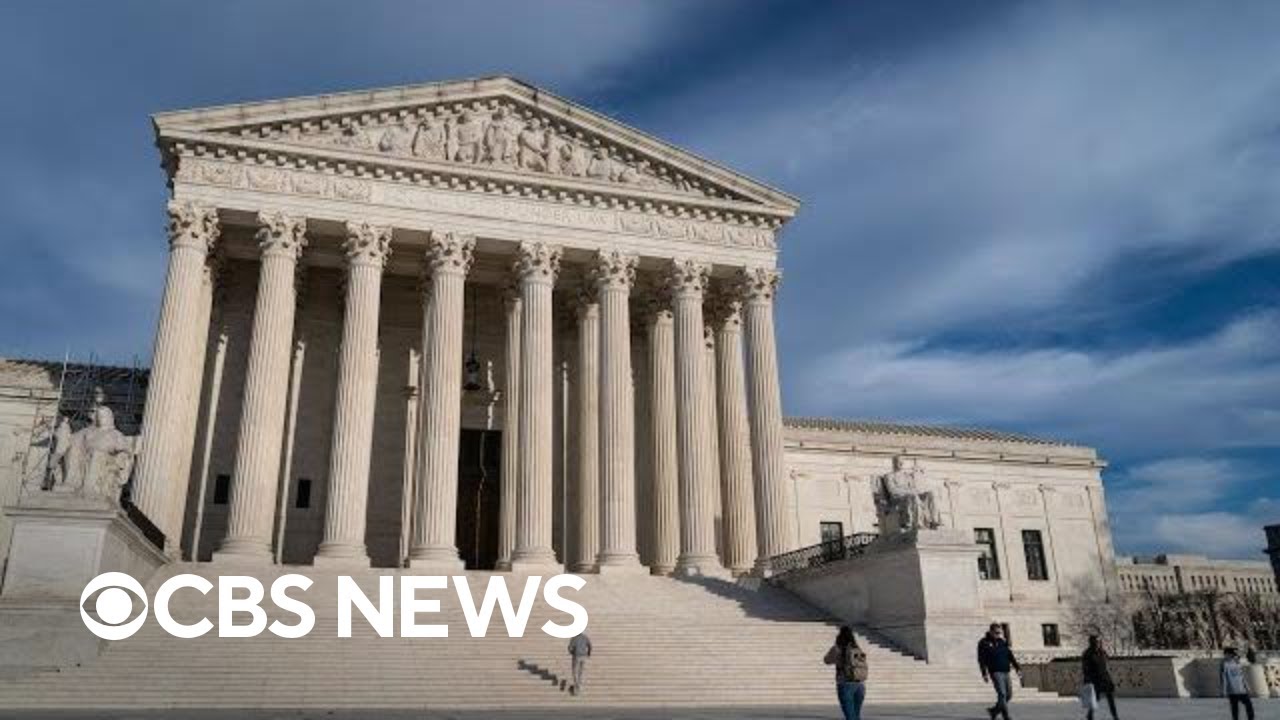



Trademark law and First Amendment rights can coexist when trademarks serve their traditional function as source identifiers, as established in Jack Daniels v. Proctor & Gamble, where the Court determined that trademark protection does not inherently conflict with free speech when it prevents consumer confusion rather than suppressing political expression.
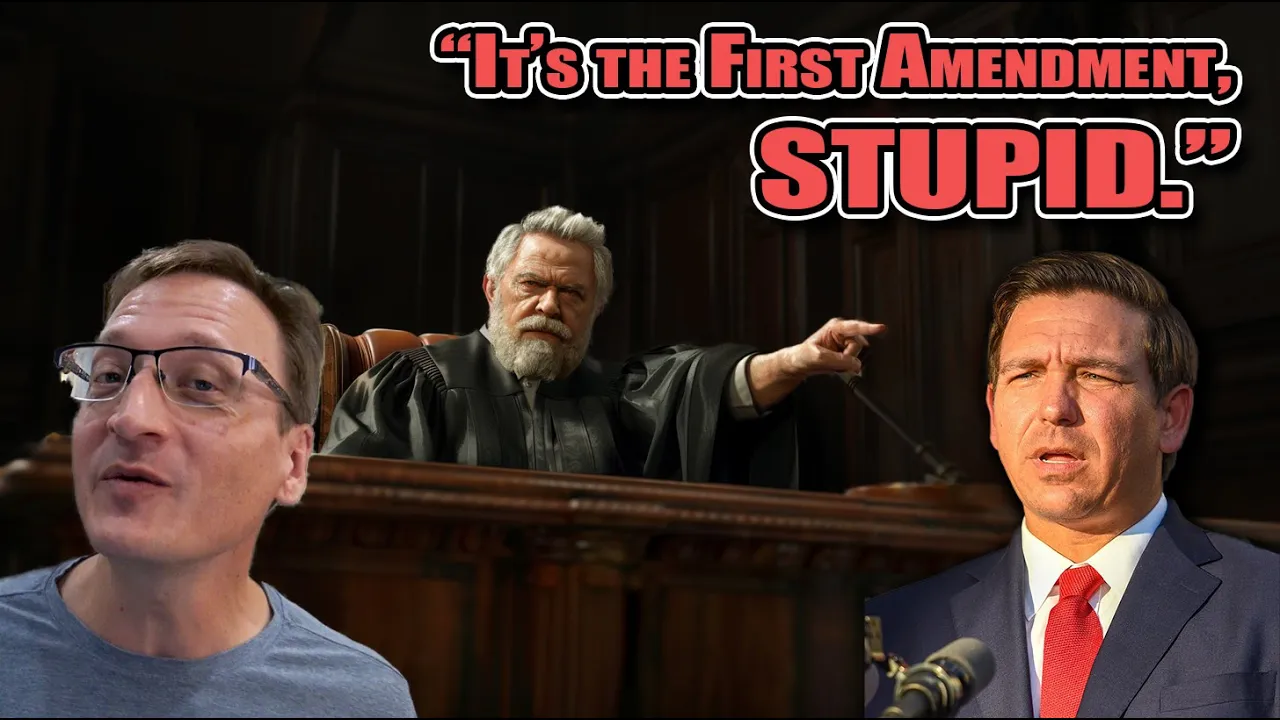
First Amendment Values in Trump T-Shirt Trademark Case
Added:The fundamental distinction between intellectual property categories, specifically how trademarks (which protect brand identifiers) differ from copyrights and patents.
First Amendment principles regarding protected speech, particularly the strict scrutiny applied to government restrictions on political expression.
The core purpose of the Lanham Act and standard trademark registration bars, such as the prohibition on registering names of living individuals without their consent.
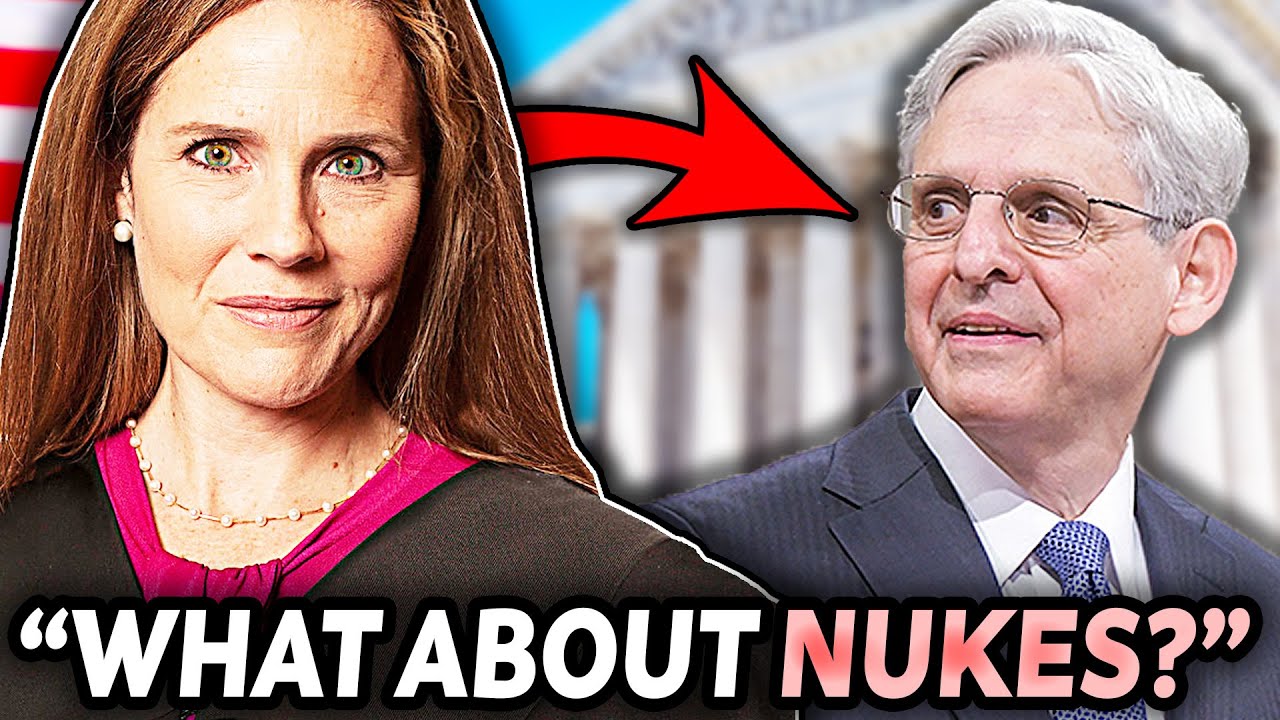
The structure and function of U.S. Supreme Court oral arguments, where justices use hypothetical scenarios to probe the limits of constitutional arguments.
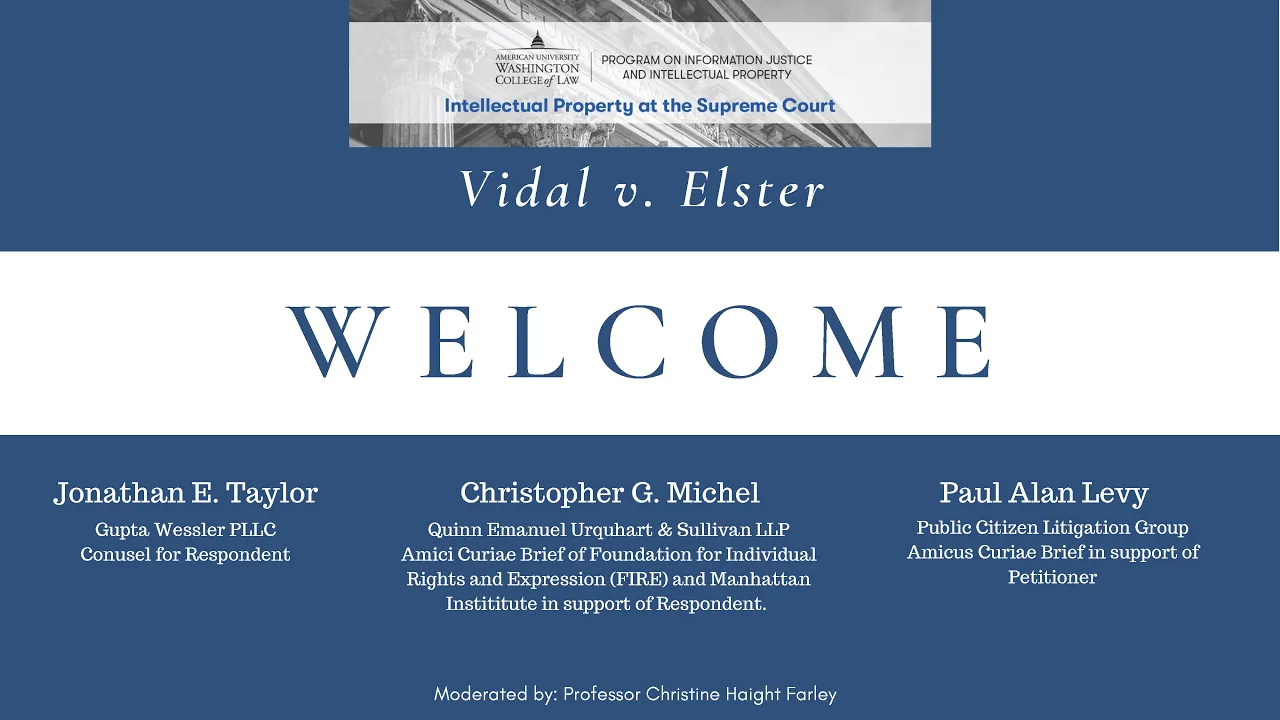
Analyzing the Supreme Court's decision in Vidal v. Elster and its implications for the constitutionality of content-based trademark restrictions.
Examining prior landmark Supreme Court precedents balancing IP and free speech, such as Matal v. Tam (disparaging marks) and Iancu v. Brunetti (scandalous marks).
Exploring the legal standards for trademark parody and expressive use, including how courts distinguish between commercial source-identification and political commentary.
Assessing the practical impact of these rulings on business strategies, political merchandising, and USPTO registration guidelines.
17K views239likes4:02Original Release: 2023-11-25
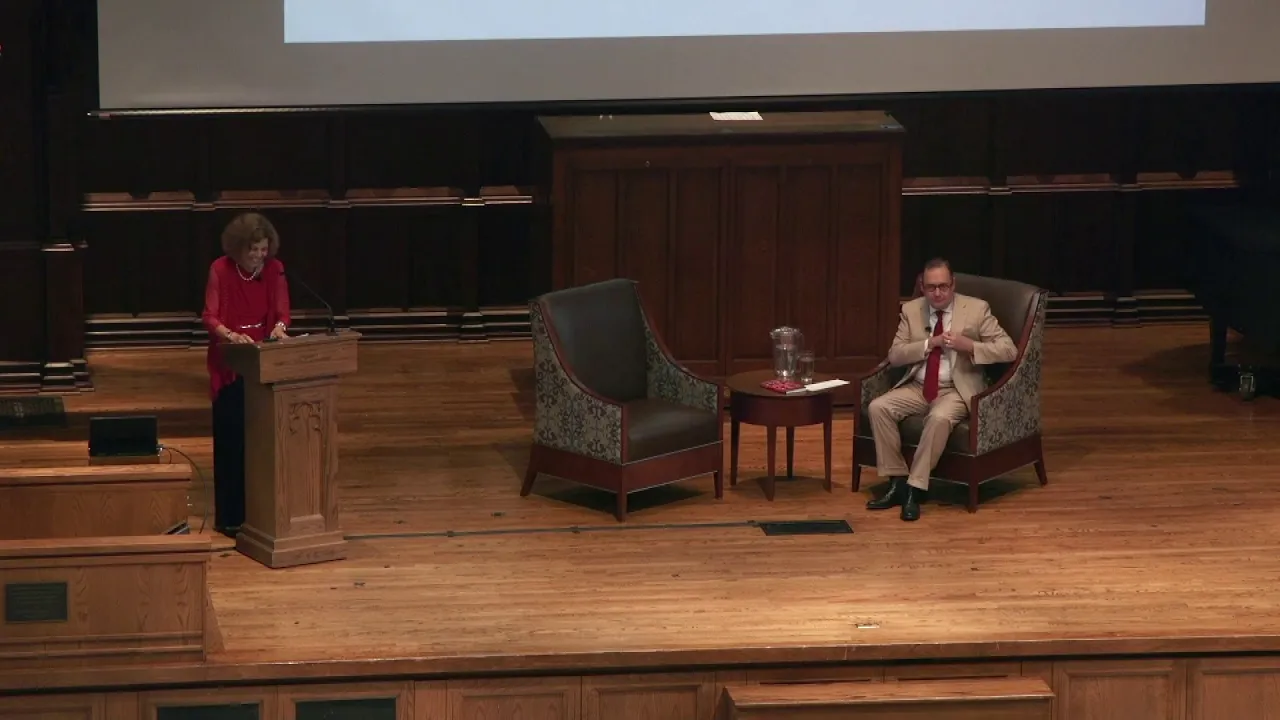
Council what do you do about the government's argument that you're the one who is undermining First Amendment values because the whole point of the trademark of course is to prevent other people from doing the same thing so if you win you know the slogan Trump too small or whatever it's other people can't use it right other people can't use it as a source identifier of their own which I think is perfectly they can't use it the way you want to use it and you say the way you want to use it is to engage in expression um and so and then in tra Mark there things that are kind of close to it that are also prohibited right so we'll have all sorts of litigation I presumably there'll be a race for people to trademark you know Trump do this Trump do that whatever um and then particularly in an area of political expression that really cuts off um a lot of expression you might other people might regard as an important infringement on their first amendment rights yeah so a couple of points on that Mr chief justice I I take the concern and I think it's it's a fair one I think a lot of that concern is is dealt with by the requir that a mark actually function as a Mark that means it's got to bring to mind you know in the mind of the consuming public that it you know that is functions as a source identifier it's you're not just expressing a common message it's why God bless the United States or iHeart DC those kinds of marks don't generally get registered and I think that if in the main many political slogans do not get registered for that very reason and I think it addresses a lot of those concerns so what we have to imagine is a Mark that functions as the mark and so it's kind of distinct enough and unique enough to kind of serve that purpose and satisfies all if yours it's hard to interrupt but if yours meets those requirements it's hard to see what the limitation would be on all sorts of other things except to the fact that they think it's you know whatever they think is a parity or or or a joke and you can certainly find most adjectives and attach them to your phrase and um you know all those would be protected and only a limited number of people would be able to make the you know particular uh com comical expression but carrying First Amendment weight that that you want to uh arrogate to yourself here I think to some degree Mr chief justice that is just built into the regime and so I understood my friend uh in his responses to your question Justice Barrett to to effectively concede that the reason why if the PTO were to register this Mark had for the former president sought registration of it the reason why that wouldn't give rise to First Amendment concerns is because of what this court said in Jack Daniels which is that the First Amendment and trademark law when it sticks to its historical function they play well together now that I understand the concern about there being some chilling effect that might exist because you know someone doesn't want to pick a Mark if they're concerned about being subjected to to infringement litigation and to some degree that risk exists even without registration but I I understand that you know when a mark is registered it it gives the mark holder added benefits I think if that is is a concern that Congress wanted to identify which we're a worlded from that here with this provision which it was clear from the record that Congress was trying to make it so that no one used these marks not that so anyone could use it as a source identifier but if that if Congress did identify that as a problem I think it could try to achieve that narrow purpose and with through a more narrowly drawn uh statute but that's just not the statute that we have here I'm sorry more narrowly drawn like what well I think if the concern is ensuring that political speech or you know political speech that might not give really scream Source identifier anyway uh that that we don't want to register those kinds of marks because there could be some chilling effect that could be a justification once you're in heightened scrutiny for a particular uh prohibition and maybe it would you know uh survive maybe it wouldn't I'd have to see the justification I think that's the beauty of intermediate scrutiny you don't just assume an exception is constitutional you see what the government says and then you see if it uh stands up
Up Next

21:15
What to Do If You Receive a Cease and Desist Letter: Legal Steps
@ElizabethPW
6.2K views•2022-03-29
4:27
US Secondary Sanctions Impact on EU Businesses and Blocking Legislation
@Bureauvandijk
1.6K views•2019-03-20
5:27
Forensic Phonetics: Speaker Identification in Legal Cases
@nptel-nociitm9240
539 views•2025-03-19

24:42
Police Interrogation Tactics: False Confessions & Legal Reform
@LastWeekTonight
7M views•2022-04-18
Related Study Plans & Knowledge Roadmaps
Structured learning paths in Law
law
Self-Defense Law: Imminence & Castle Doctrine
01Foundations of Self-Defense Law
02Imminent Threat & Reasonable Belief
03The Principle of Proportionality
+ 3 more learning modules
12h6 modules
Explore Roadmap
law
Defamation Law: First Amendment & Actual Malice
01Introduction to civil torts and the First Amendment
02Elements of Defamation: Libel and Slander
03Public Figures vs. Private Individuals
+ 2 more learning modules
8h5 modules
Explore Roadmap
law
Hearsay Rule: Trial Evidence & Exceptions
01Introduction to Trial Evidence & Courtroom Basics
02Demystifying Hearsay: The Core Definition
03Non-Hearsay: Exclusions Under FRE 801(d)
+ 3 more learning modules
14h6 modules
Explore Roadmap
law
Medical Malpractice: Law, Liability & Care
01Foundations of Tort Law and Civil Liability
02The Four Elements of Medical Malpractice
03Defining and Proving the Standard of Care
+ 2 more learning modules
12h5 modules
Explore Roadmap