















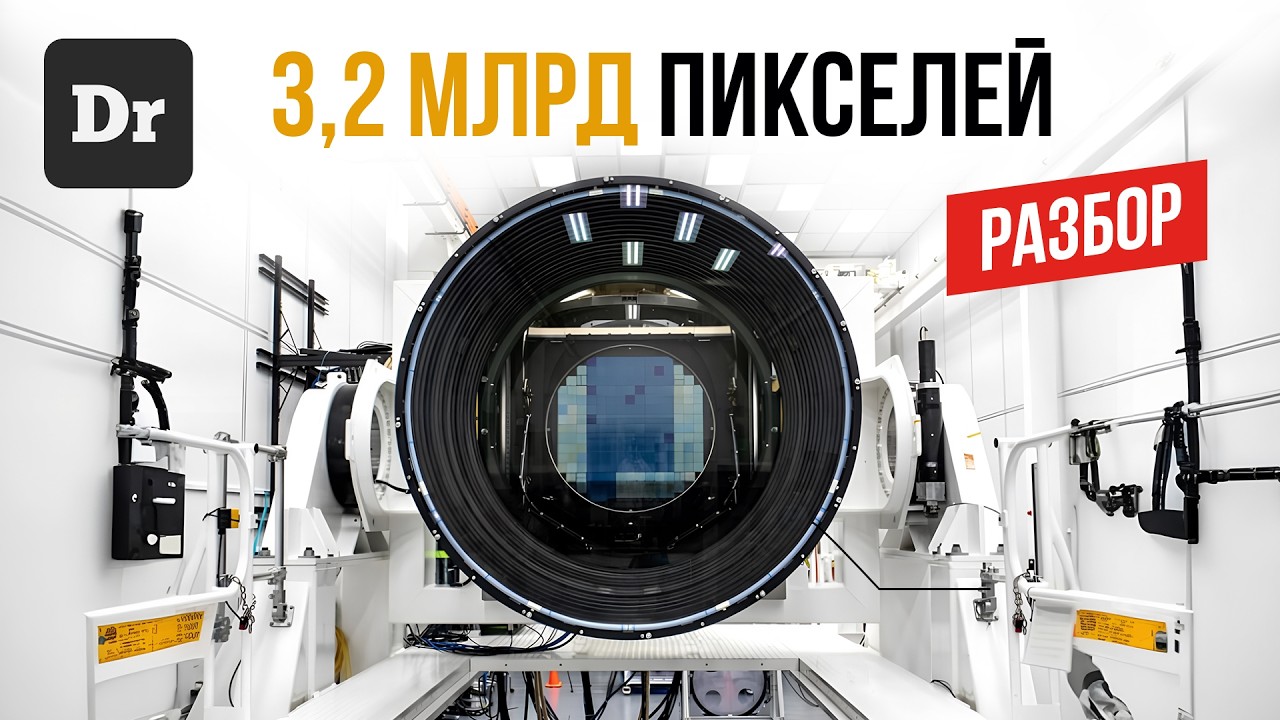

Astronomical telescopes use sky flats—images taken during twilight when the sky is uniformly illuminated—to calibrate and correct for imperfections in the telescope's mirrors, camera sensors, and other optical components; since astronomical detectors (like CCDs) are sensitive to thermal noise that becomes more pronounced at higher temperatures, cooling them with liquid nitrogen reduces random fluctuations that could otherwise hide faint celestial signals, making regular calibration essential as pixel properties and dust accumulation on sensors can change over time.
Isaac Newton Telescope Tour: La Palma Observatory Insights
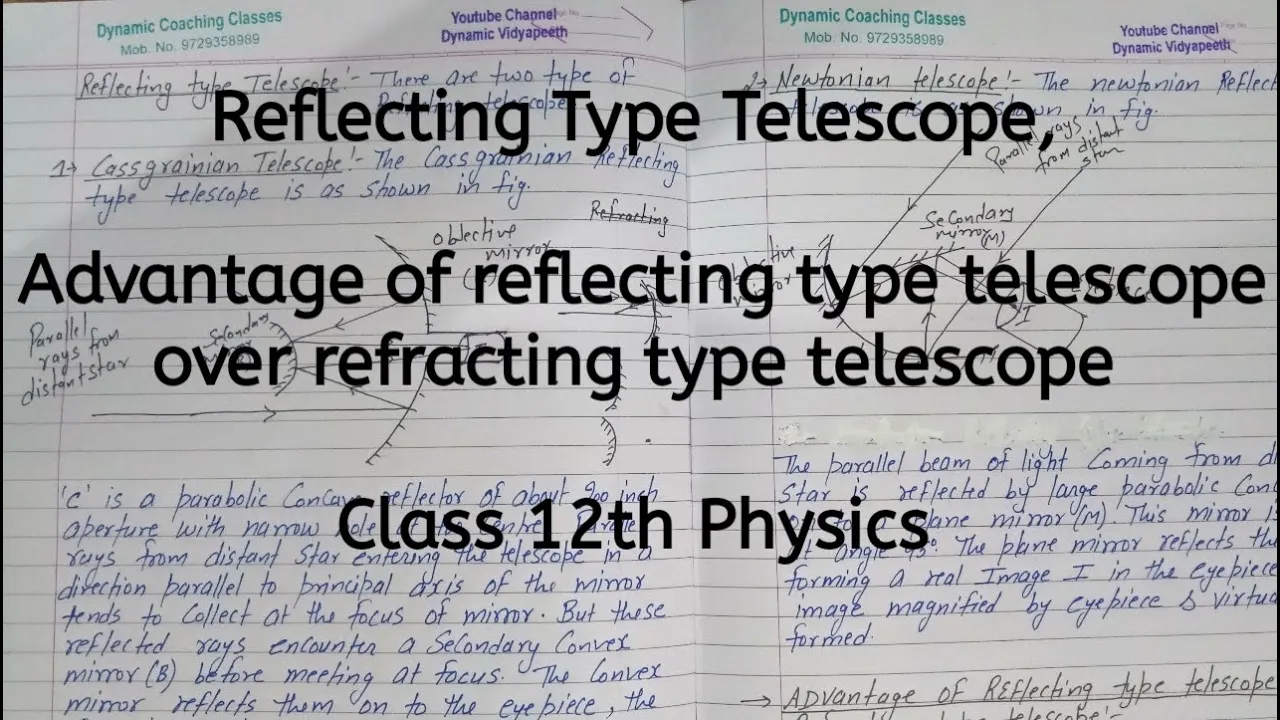
Added:Basic optics and telescope design, specifically the distinction between refracting and reflecting telescopes (such as the Newtonian reflector design).
Fundamental concepts of observational astronomy, including light-gathering power, angular resolution, and how focal length affects imaging.
The concept of atmospheric distortion ('seeing') and why geographical location and altitude are critical for ground-based observatories.
A basic understanding of the electromagnetic spectrum, particularly visible and near-infrared light, which ground-based optical telescopes primarily detect.
Astronomical spectroscopy, exploring how spectrographs attached to telescopes analyze light to determine the chemical composition, temperature, and velocity of celestial bodies.
The evolution of imaging technology in astronomy, transitioning from historical photographic plates to modern Charge-Coupled Devices (CCDs) and digital detectors.
Advanced telescope technologies, such as active and adaptive optics, which compensate for atmospheric turbulence in real-time.
A comparative study of ground-based observatories versus space-based observatories (like Hubble and James Webb), analyzing their respective advantages, limitations, and scientific goals.
88.3K views1.7Klikes11:32Original Release: 2012-01-26
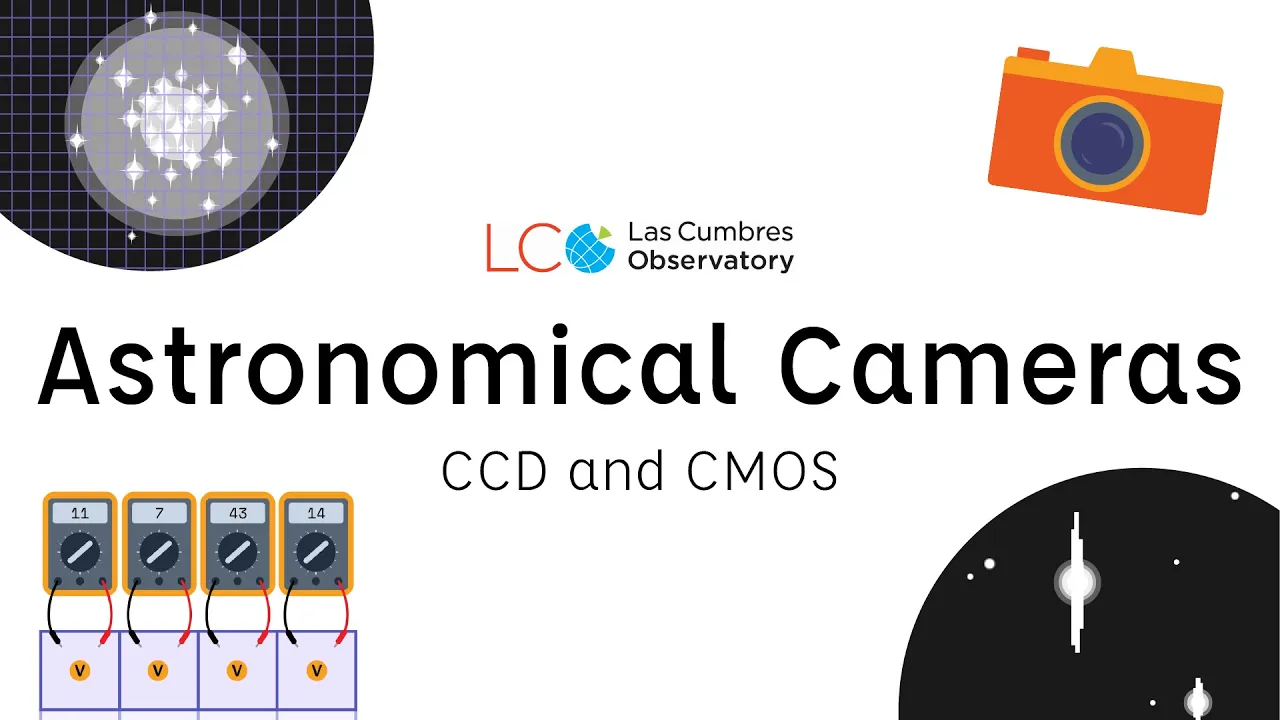
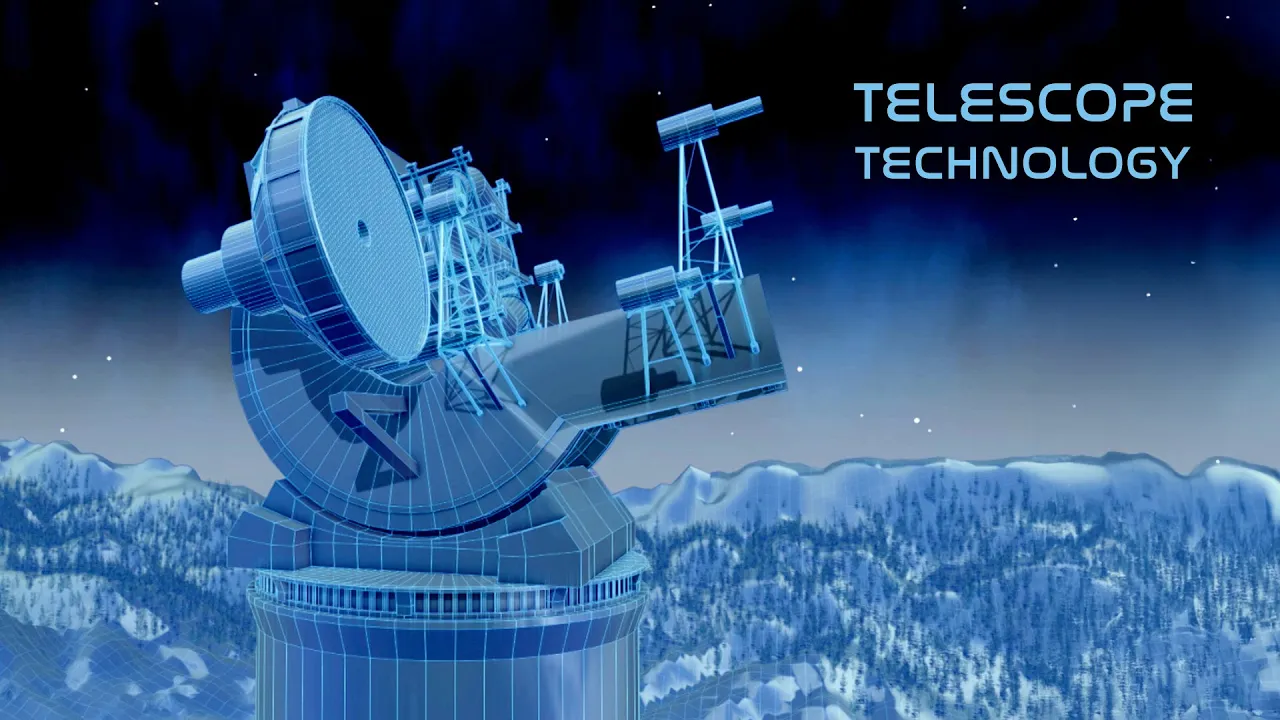
okay I'm in the Isaac Newton telescope in laama and they're about to set up for the kns observing and that is why they're opening the shutter yeah so it's kind of an interesting story that the telescope was built in the late 1960s uh and was originally cited a place called H Moro which is a a castle actually in Sussex and it's a miserable site for doing astronomy from because it's fairly low altitude it's cloudy most of the time but it's England for a start so you know it's got rain and clouds and things to contend with then it sort of became clear with the growth of of air travel and so on that actually in the 1970s it was practical to have an observatory somewhere on a more remote site um and so there was lots of discussion about where it should go and very lengthy negotiations about building this new observatory in lapalma in the Canary Islands so the int was actually relocated from hoso uh to the Canary Islands to laala so it's just starting to get dark there's Rafa Rafa is the Man In Charge tonight the shutter is open it's it's very complicated because actually the because it's a different latitude um that the kind of amount that that telescope has is actually specific to the latitude that the telescope is designed to be operated at and of course if you move it from the north and where hoso is much further south theom you need to build a whole new mount for it uh they actually put up an entirely new building for it um and then to top it all off they actually gave it a new mirror as well it actually grew by 2 Ines it used to have a 98 in mirror and they moved it up to 100 in Mirror when they built the new one for it so there really wasn't very much left of the old telescope by the time they' finished what did they move what what was on the boat I'm not clear I must admit this this is well before my time I I think there was quite a lot of politics going on here I think they were told they couldn't build a new telescope and they managed to convince the politicians look we're going to save you lots of money we're just going to move an existing telescope and then in the small print at the bottom it said but actually we're going to replace the move and build a new building with a new dome and put a new mount on it there's the primary mirror of the telescope and as you can see that's still closed it's got those white petals closed on it to protect it here we go so Raa is actually opening these doors so that air can more easily circulate into the Dome and make the Dome as cold as it is outside I'm up at a higher level now so what's happening here is that's the camera that's being used tonight and refh is using the liquid nitrogen to cool everything down most detectors in Optical astronomy are cool with liquid nitrogen the the kind of detectors we use on astronomical instruments are actually not very different from the little ccds in the back of digital cameras now but one of the problems with those kinds of detectors is they're quite noisy they actually produce uh a lot of sort of random fluctuations when you just read them out when you're taking normal daytime images with a little digital camera it really doesn't matter because you've got so much light coming in a little bit of noise on that makes no difference at all in astronomy because we're trying to squeeze out every last Photon and get every last piece of information we can and we actually have very few photons typically to deal with those random fluctuations can completely hide what you're actually looking for and one of the ways you can deal with that noise effect um is by cooling the detector down as you make the detector cooler just the thermal effects get smaller and smaller so you get less and less of these noise effects so we typically call these detectors to liquid nitrogen temperatures just to eliminate that sorts of noise so quite often with telescopes what happens is the light comes in hits the primary mirror bounces up to a secondary mirror and then goes down there but tonight and quite often with the Isaac Newton telescope our light's going to come in hit the primary mirror and then come straight up to the camera that's what Raph is working on now so now rafh is going down to the control room again to open the petals that cover the mirror so let's get in a good position to watch that being very careful not to touch the camera so here's where the telescope really opens its eyes these days it's actually a reasonably small telescope it's 2 and 1 half meters in diameter it's actually a relatively small telescope and so the amount of sort of Cutting Edge science you can do with a telescope which is that small is pretty Limited at this point that what they decided to do what they made a very good decision which was that that they sort of specialize with the telescope in just taking uh photographs of large areas pictures of large areas of the sky so they built an instrument specifically a Widefield camera specifically for taking images of large areas of the sky on the move It's So Silent of course all these lights here will soon be turned off cuz you want absolutely no light in the dome tonight so there's the control room there's the telescope and very soon they'll pull down a shutter so no light from the control room comes into the Dome here but at the moment that's very handy because rafh is able to keep an eye on the telescope and me presumably it's the Isaac Newton telescope and uh there's a picture of the man himself having a look at us from the control room so just let me show you how close the control room is to the [Music] telescope here we go here's the control room and I'll show you that window that we were just saw darkness in the dome so what ref is about to do next is called Sky flats and this is something I didn't know about before I came to laa but it's a very important part of observational astronomy at the start and end of every night he takes a series of images of the sky around this kind of Twilight time and basically they're used as a kind of test to find all the different imperfection and the mirror and the ccds and all the different technical things that I don't understand and they can use all those imperfections to subtract from the observational images they take during the night and basically clean up the images take away all the stuff that isn't really there and get even more perfect images of what's happening in space any astronomers watching I apologize for that description these the the detectors that we use in astronomy are very good in that they record light very you know they can record very faint levels of light but the detectors aren't perfect and sometimes you end up with some some of the pixels are a little more sensitive than other pixels and so on so you have to take out all those effects you have to calibrate out the effects that some of one of your pixel is a little less sensitive so will record less light so you need to boost the level in there to actually match the pixels around it and so on the way we do that calibration is you want to take a picture of something that's nice and uniform nice and and completely smooth and flat and then you can actually see where those bumps and wiggles are and then figure out what the correction is for your astronomical data there's two ways we do that you can either take things called Dome Flats which basically means taking a picture of the inside of the Dome with a telescope with the with the telescope shut or at sort of Twilight either in the evening or in the morning when the sky is starting to brighten up but it's it's sort of Fairly uniformly illuminated you just take pictures of the sky and you know that that's fairly uniformly illuminated and therefore any um fluctuations that you see in your image has something to do with the detector rather than something to do with the sky and then you can use that to calibrate your data later on so I've walked out on to the roof this is the view at the moment you can see the sun still setting there's a couple of cameras I've set up doing a timelaps for tonight it's still quite bright there's all the clouds over the bottom of La Pala and the Sea and there's the Dome itself and from up here we also have quite a nice view over to the William hersel telescope you can see it's got its shutter open doing Sky Flats as well they do it every night though and they do it every morning surely you could just do it once a month and and apply it to that CCD unfortunately the ccds change with time so sometimes the properties of the pixels change the other thing that can happen is you can get little grains of dust on the surface of the of the CCD and of course during the course of a night even those can blow around and so one of your pixels might be a little Duff one night because it's got a dust Grain on it but the next I that dust grain might have blown away so actually we do have to calibrate reasonably regularly just to take out these effects that vary with time as well you can see now Raff is turning the Dome so quiet Rafa how long does Sky flat take how long does it take you from several seconds some three or four we Expos we we expose a few seconds if the sky is too bright like now no and then at the end of the Twilight should be 2 or 3 minutes is the sky Flats quite a boring part of your job no no no it's the more exciting you have to H feed continuously the exposure time and so no so it's a it's very very the the exposure time have to be recalculated every minute so it's it's a very fast work no I better stop talking to Rafer if this is the most busy important time in his night I should stop asking him questions so Rafa was just telling me this is his final Sky flat you can see a few stars are starting to appear you can't do any more after that and all the focus is sorted as well and he's getting ready for a night of observations quite a lonely night of observations by the looks of it have you got any friends tonight no I think no I'm I'm only here tonight only man here I'll stay with you for a little while only cuz I love your jumper so much so this is an excellent example of some of the things Raph has been doing tonight he's just taking an image of this planetary nebula there's an astronomer who needs to take regular images of it in order to monitor its progress as this explosion expands over time tonight one of those images has been collected here with the Isaac Newton telescope by Rafa nice work
Up Next

57:12
Ethiopian MOE Model Exit Exam: Accounting & Finance Part III
@kebruIFRS
14.1K views•2023-07-08

12:54
Triumph of Orthodoxy Icon: Byzantine Art & History Explained
@BenCallan
2.1K views•2024-08-06

9:49
FastAPI vs Flask vs Django: Choosing the Right Python Web Framework
@TechWithTim
302.5K views•2024-05-26

1:42
Game of Thrones Opening Credits: A Cinematic Analysis
@gameofthrones
46.3M views•2011-04-18
Related Study Plans & Knowledge Roadmaps
Structured learning paths in General & Interdisciplinary Studies
general-studies
Elevator Engineering: History, Physics & Cities
01From Hoists to Safety Brakes: The Dawn of Vertical Lift
02Hydraulic vs. Traction: The Engineering Physics of Elevators
03Modern Speed, Safety, and Algorithms
+ 2 more learning modules
12h5 modules
Explore Roadmap
general-studies
Rubber: Material Science, History & Geopolitics
01Origins of Natural Rubber & Mesoamerican History
02The Chemistry of Natural Rubber & Vulcanization
03The Geopolitics of the Rubber Boom & Colonization
+ 2 more learning modules
12h5 modules
Explore Roadmap
general-studies
Containerization: Evolution, Logistics & Trade
01Ancient Trade & Bulk Cargo: Amphorae to Barrels
02The Industrial Revolution & Cardboard Packaging
03The Containerization Revolution: Malcom McLean
+ 2 more learning modules
12h5 modules
Explore Roadmap
general-studies
Textile Tech: Evolution, Labor & Global Impact
01Pre-Industrial Textiles: Handloom & Cottage Industry
02Mechanization: The Spinning Jenny to the Power Loom
03The Factory System & Global Labor Transformation
+ 2 more learning modules
10h5 modules
Explore Roadmap