










![What's My Line? - Carl Sandburg; Milton Berle; Nick Adams [panel] (Sep 11, 1960)](https://i.ytimg.com/vi/GkJ2-rP78TU/hqdefault.jpg)


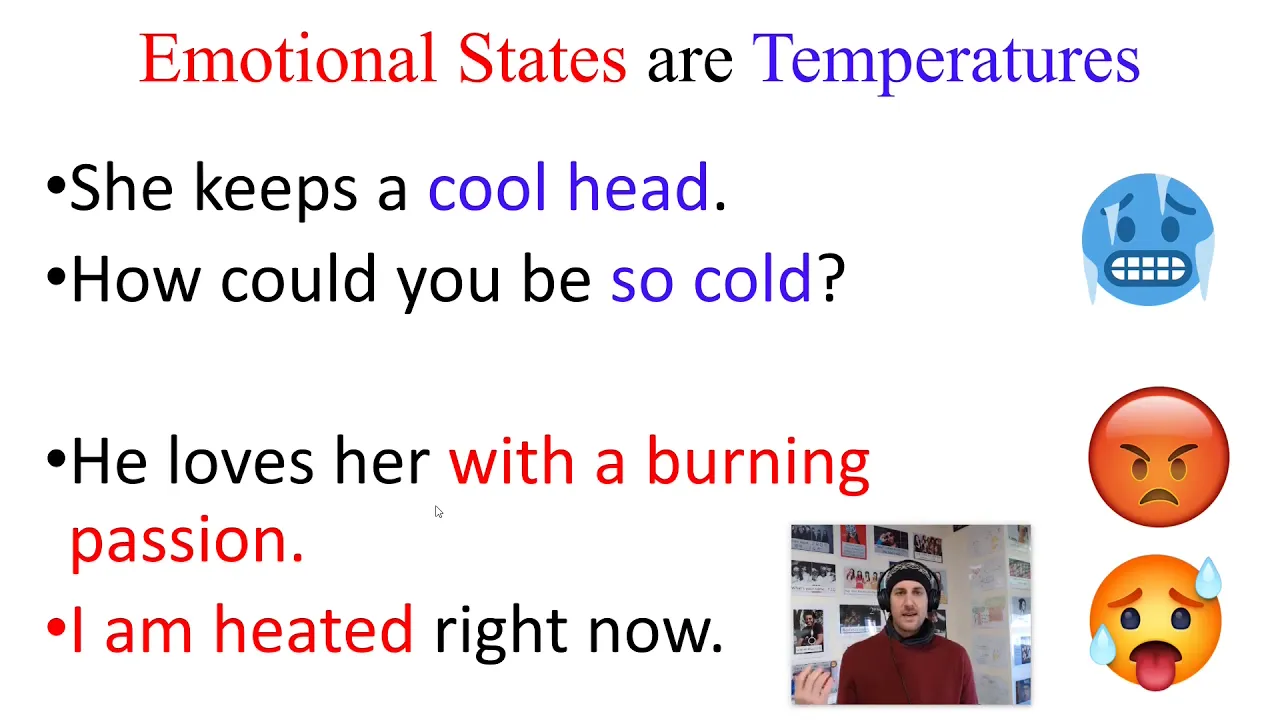







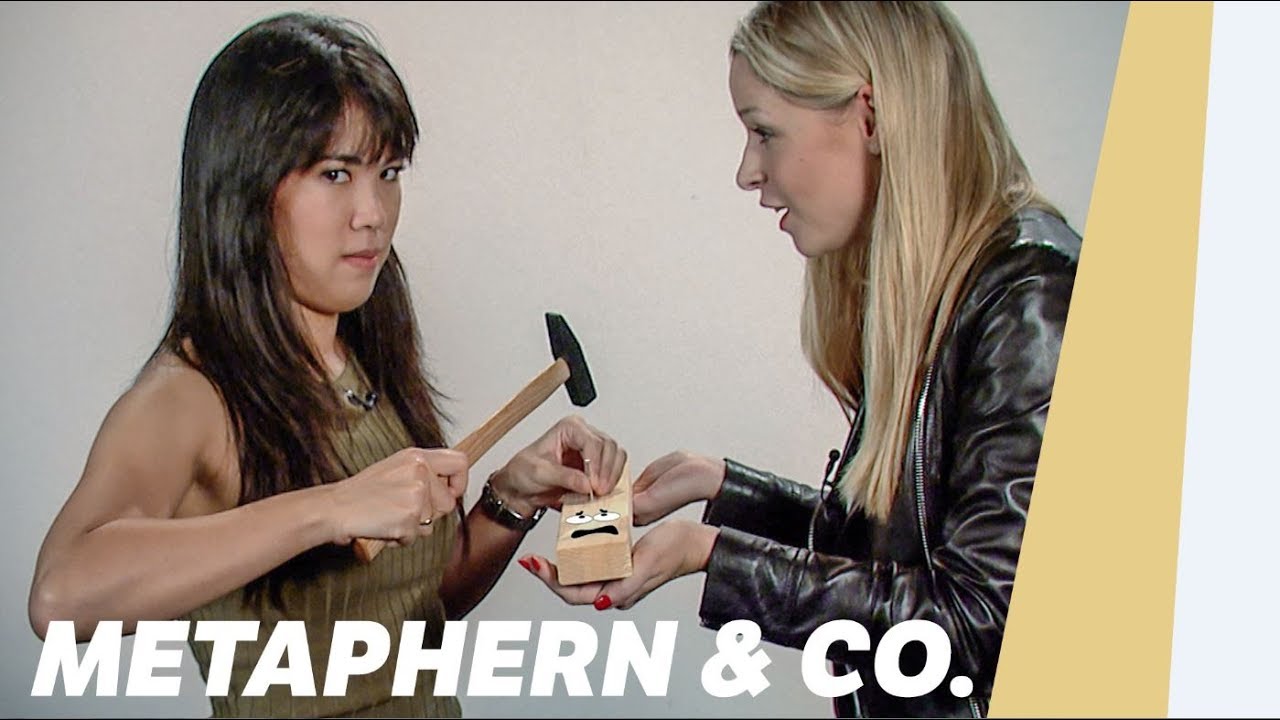





Metaphors are essential tools for human understanding that allow us to grasp abstract concepts by connecting them to concrete sensory experiences; unlike similes which explicitly state comparisons, metaphors create direct associations that bypass logical analysis and engage our innate capacity for image-based thinking, enabling us to feel and know things differently by providing handles to access new perspectives and worlds of meaning.
The Art of Metaphor: How Metaphors Shape Understanding
Added:The basic distinction between literal language and figurative language, specifically distinguishing between a simile and a metaphor.
The concept of 'sensory imagery' and how writers use appeals to the physical senses to evoke emotions and mental pictures.
The fundamental difference between abstract concepts (such as love, time, or grief) and concrete realities (physical objects and environments).
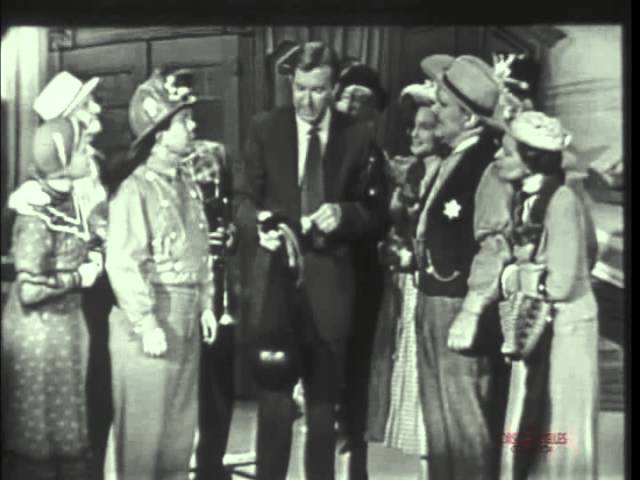
A general awareness of major literary figures like William Shakespeare and Carl Sandburg and their historical contributions to poetry and drama.
Conceptual Metaphor Theory (specifically the work of George Lakoff and Mark Johnson) to understand how metaphors structure everyday human cognition.
The strategic use of metaphor in rhetoric, political discourse, and marketing to frame arguments and influence public perception.
Advanced analysis of extended metaphors and allegories in complex literary texts and long-form narrative prose.
The cognitive science and psycholinguistics of how the brain processes figurative language compared to literal statements.
Creative writing methodologies for generating novel, non-cliché metaphors to enhance descriptive depth in original work.
1.7M views29.6Klikes5:38Original Release: 2012-09-24
Translator: tom carter Reviewer: Bedirhan Cinar When we talk, sometimes we say things directly.
"I'm going to the store, I'll be back in five minutes."
Other times though, we talk in a way that conjures up a small scene.
"It's raining cats and dogs out," we say, or "I was waiting for the other shoe to drop."
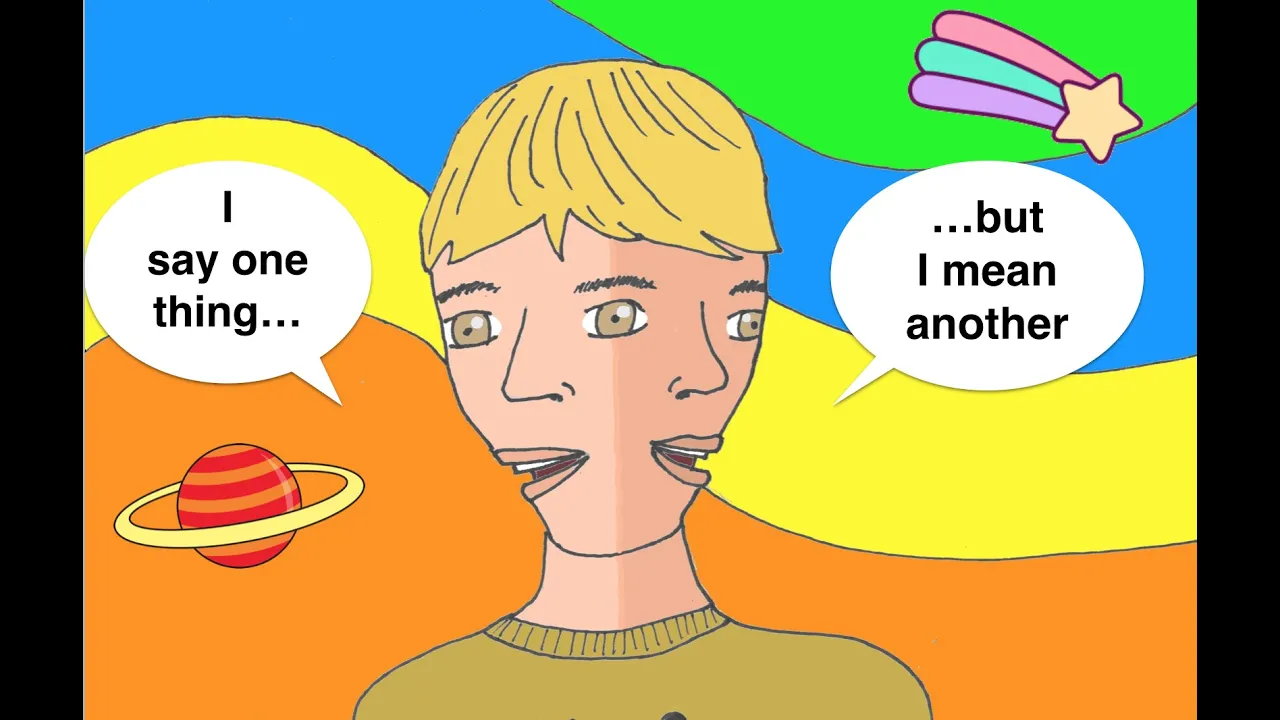
Metaphors are a way to talk about one thing by describing something else.
That may seem roundabout, but it's not.
Seeing and hearing and tasting are how we know anything first.
The philosopher William James described the world of newborn infants as a "buzzing and blooming confusion."
Abstract ideas are pale things compared to those first bees and blossoms.
Metaphors think with the imagination and the senses.
The hot chili peppers in them explode in the mouth and the mind.
They're also precise.
We don't really stop to think about a raindrop the size of an actual cat or dog, but as soon as I do, I realize that I'm quite certain the dog has to be a small one -- a cocker spaniel, or a dachshund -- and not a golden Lab or Newfoundland.
I think a beagle might be about right.
A metaphor isn't true or untrue in any ordinary sense.
Metaphors are art, not science, but they can still feel right or wrong.
A metaphor that isn't good leaves you confused.
You know what it means to feel like a square wheel, but not what it's like to be tired as a whale.
There's a paradox to metaphors.
They almost always say things that aren't true.
If you say, "there's an elephant in the room," there isn't an actual one, looking for the peanut dish on the table.
Metaphors get under your skin by ghosting right past the logical mind.
Plus, we're used to thinking in images.
Every night we dream impossible things.
And when we wake up, that way of thinking's still in us.
We take off our dream shoes, and button ourselves into our lives.
Some metaphors include the words "like" or "as."
"Sweet as honey," "strong as a tree."
Those are called similes.
A simile is a metaphor that admits it's making a comparison.
Similes tend to make you think.
Metaphors let you feel things directly.
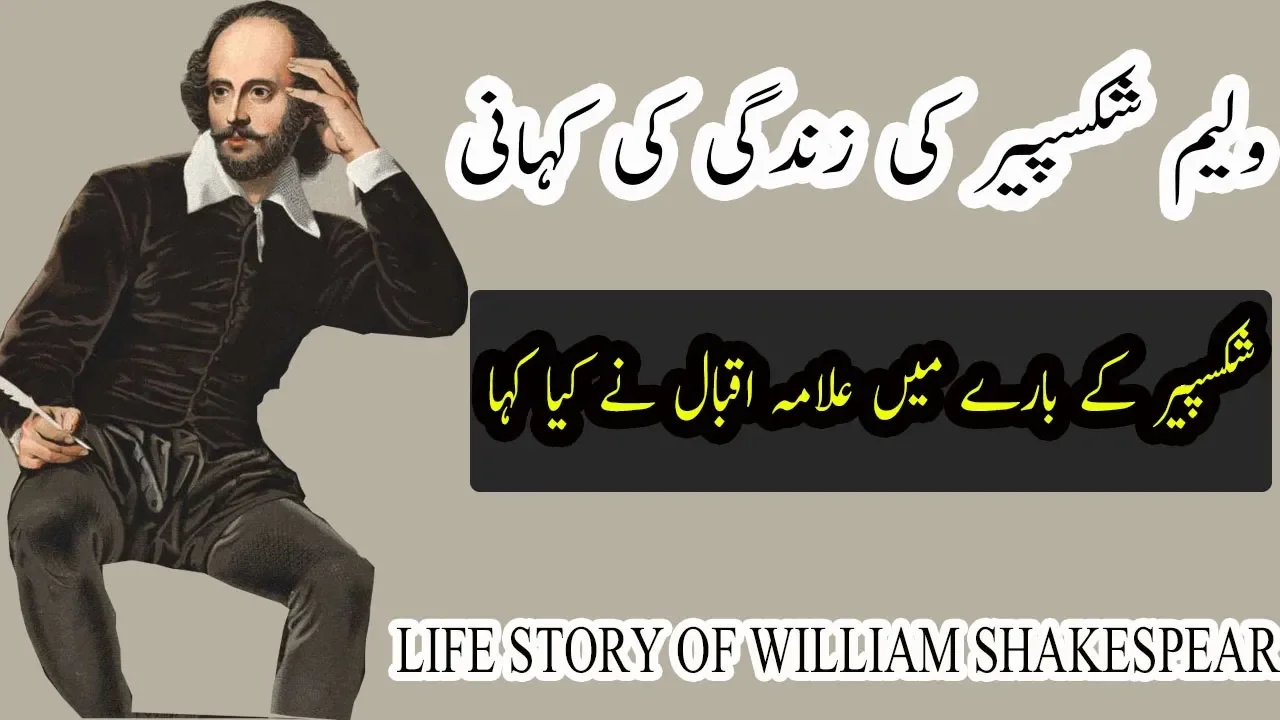
Take Shakespeare's famous metaphor, "All the world's a stage."
"The world is like a stage" just seems thinner, and more boring.
Metaphors can also live in verbs.
Emily Dickinson begins a poem, "I saw no way -- the heavens were stitched --" and we know instantly what it would feel like if the sky were a fabric sewn shut.
They can live in adjectives, too.
"Still waters run deep," we say of someone quiet and thoughtful.
And the deep matters as much as the stillness and the water do.
One of the clearest places to find good metaphors is in poems.
Take this haiku by the 18th-century Japanese poet Issa.
"On a branch floating downriver, a cricket singing."
The first way to meet a metaphor is just to see the world through its eyes: an insect sings from a branch passing by in the middle of the river.
Even as you see that though, some part of you recognizes in the image a small portrait of what it's like to live in this world of change and time, our human fate is to vanish, as surely as that small cricket will, and still, we do what it does.
We live, we sing.
Sometimes a poem takes a metaphor and extends it, building on one idea in many ways.
Here's the beginning of Langston Hughes' famous poem "Mother to Son."
"Well, son, I'll tell you.
Life for me ain't been no crystal stair.
It's had tacks in it, and splinters, and boards torn up, and places with no carpet on the floor."
Langston Hughes is making a metaphor that compares a hard life to a wrecked house you still have to live in.
Those splinters and tacks feel real, they hurt your own feet and your own heart, but the mother is describing her life here, not her actual house.
And hunger, and cold, exhausting work and poverty are what's also inside those splinters.
Metaphors aren't always about our human lives and feelings.
The Chicago poet Carl Sandburg wrote, "The fog comes on little cat feet.
It sits looking over harbor and city on silent haunches, and then moves on."
The comparison here is simple.
Fog is being described as a cat.
But a good metaphor isn't a puzzle, or a way to convey hidden meanings, it's a way to let you feel and know something differently.
No one who's heard this poem forgets it.
You see fog, and there's a small grey cat nearby.
Metaphors give words a way to go beyond their own meaning.
They're handles on the door of what we can know, and of what we can imagine.
Each door leads to some new house, and some new world that only that one handle can open.
What's amazing is this: by making a handle, you can make a world.
Up Next
10:55
The Talented Mr. Ripley: Analyzing the Psychology of a Sociopath
@MingLLC
144.8K views•2025-05-06

13:43
Formalism in Literary Criticism: An Academic Lecture Overview
@mattalberhasky9952
39.1K views•2015-08-05
4:45
Sylvia Plath's Poetry: Why Her Unflinching Voice Still Matters
@TEDEd
2.3M views•2019-03-07

15:25
1984: Orwell's Dystopian World and the Mechanisms of Totalitarianism
@AlternateHistoryHub
7M views•2017-03-04
Related Study Plans & Knowledge Roadmaps
Structured learning paths in Literature
literature
Graphic Memoirs: Visual Art, Trauma & History
01Foundations of Sequential Art and Visual Language
02Autographics and Processing Historical Trauma
03Visualizing Personal Trauma, Grief, and Graphic Medicine
+ 2 more learning modules
14h5 modules
Explore Roadmap
literature
Campus Novels: Evolution, Themes & Critique
01Introduction to the Campus Novel Genre
02Mid-Century Satire and the Post-War Academy
03Dark Academia and the Critique of Privilege
+ 2 more learning modules
14h5 modules
Explore Roadmap
literature
Theater of the Absurd: Philosophy & Plays
01Postwar Existentialism & Historical Roots
02Dismantling Narrative: Esslin & Absurdist Conventions
03Samuel Beckett and Tragicomic Existentialism
+ 2 more learning modules
12h5 modules
Explore Roadmap
literature
Revenge Tragedy: Justice, Madness & State
01Foundations of Early Modern English Theatre
02Anatomy of Revenge: Structural Conventions
03Psychological Complexity: Madness and Melancholy
+ 2 more learning modules
15h5 modules
Explore Roadmap