



![PSYCHOPATH NIGHT! [Channel 4]](https://i.ytimg.com/vi/lmL0zGnW9r0/maxresdefault.jpg)













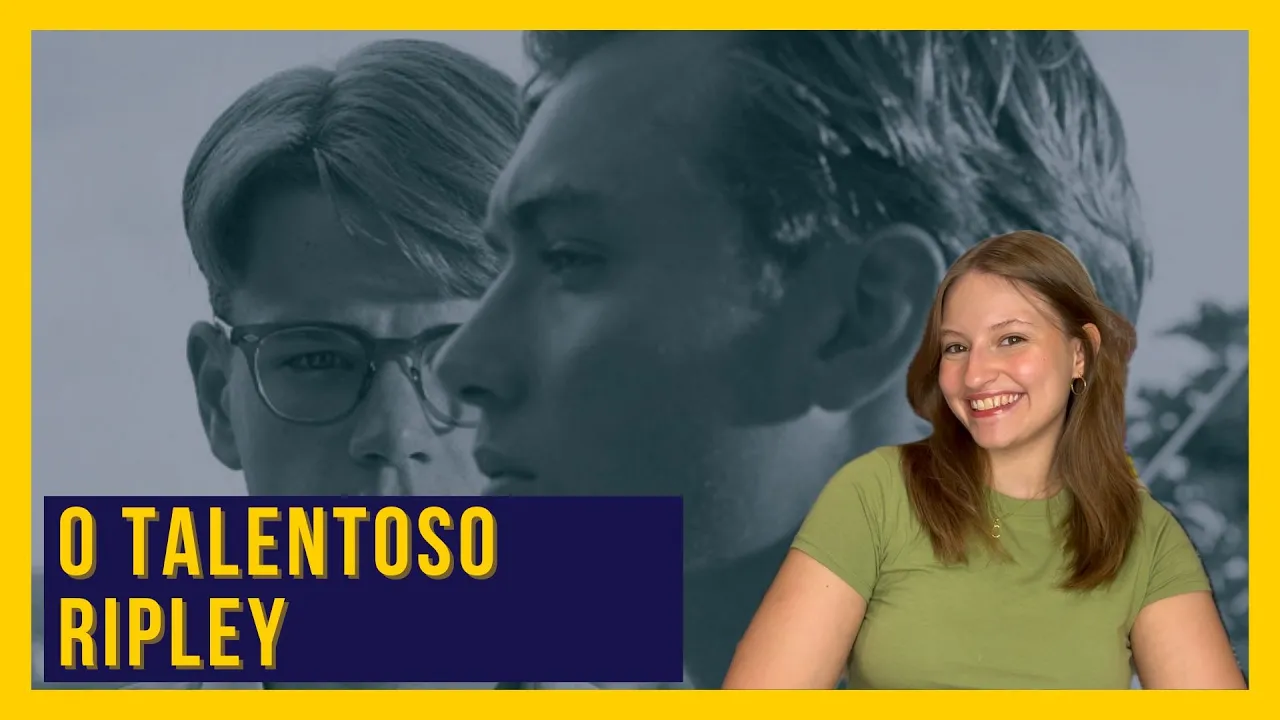


Tom Ripley, the sociopathic protagonist of Patricia Highsmith's novel and Anthony Minghella's 1999 film adaptation, demonstrates how psychopaths can remain remarkably relatable despite their criminal behavior because they share common human traits such as insecurity, desire for belonging, and self-delusion, which makes them statistically similar to everyday people (approximately 3.6% of the population) and explains why audiences often find themselves sympathizing with or rooting for such characters.
The Talented Mr. Ripley: Analyzing the Psychology of a Sociopath
Added:Introduction to Antisocial Personality Disorder (ASPD), including the clinical distinctions and overlaps between the terms 'sociopath' and 'psychopath'.
Familiarity with Robert Hare's Psychopathy Checklist (PCL-R), particularly traits like superficial charm, pathological lying, and lack of remorse.
Basic narrative theory regarding the 'antihero' and how filmmakers use subjective camera angles and perspective to foster audience empathy for morally compromised characters.
The concept of 'impulsive vs. instrumental' aggression in psychological studies of violent behavior.
An exploration of the 'Dark Triad' in psychology—specifically how Machiavellianism, narcissism, and psychopathy manifest and overlap in fictional characters and real-world individuals.
Advanced study of audience reception theory, analyzing why viewers experience cognitive dissonance when rooting for attractive or charismatic antagonists.
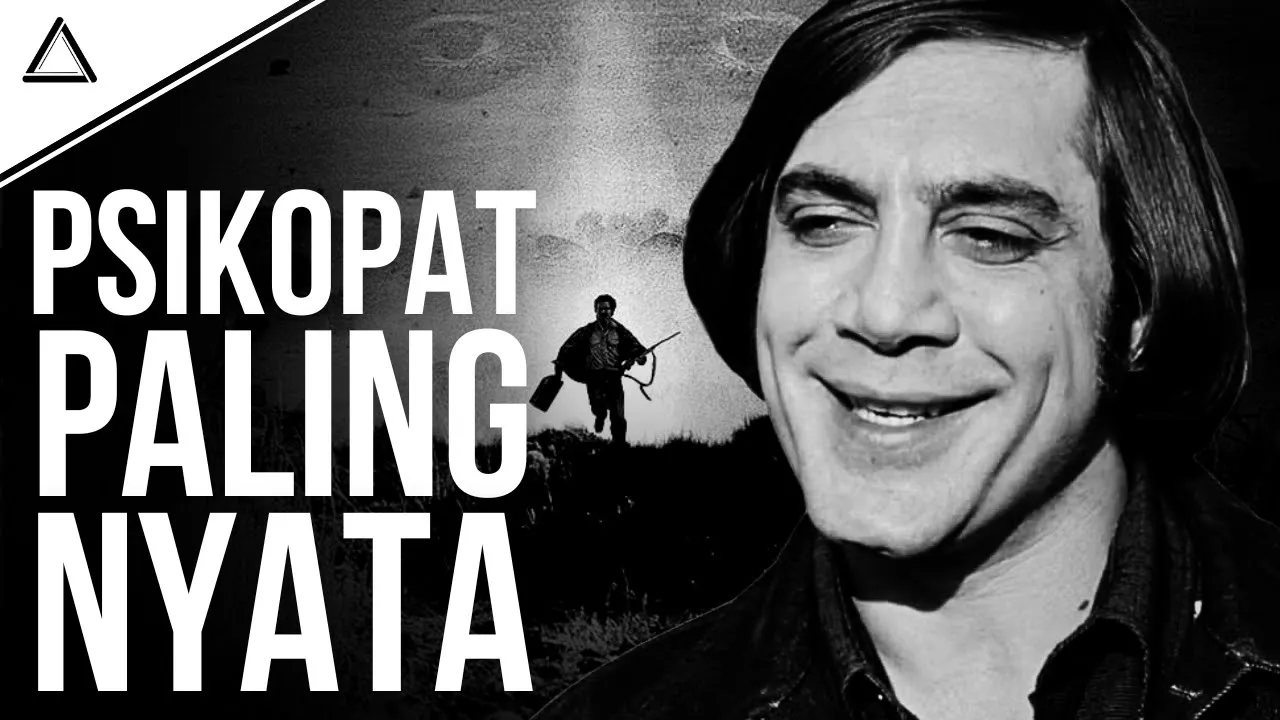
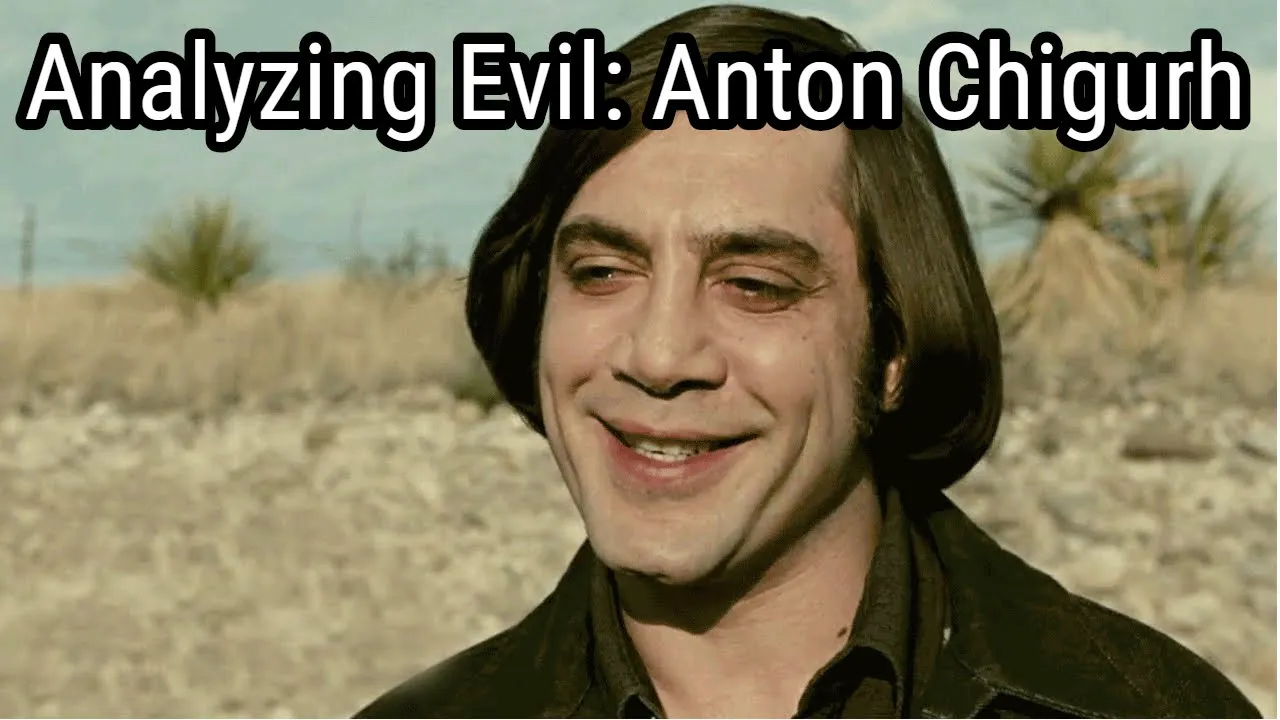
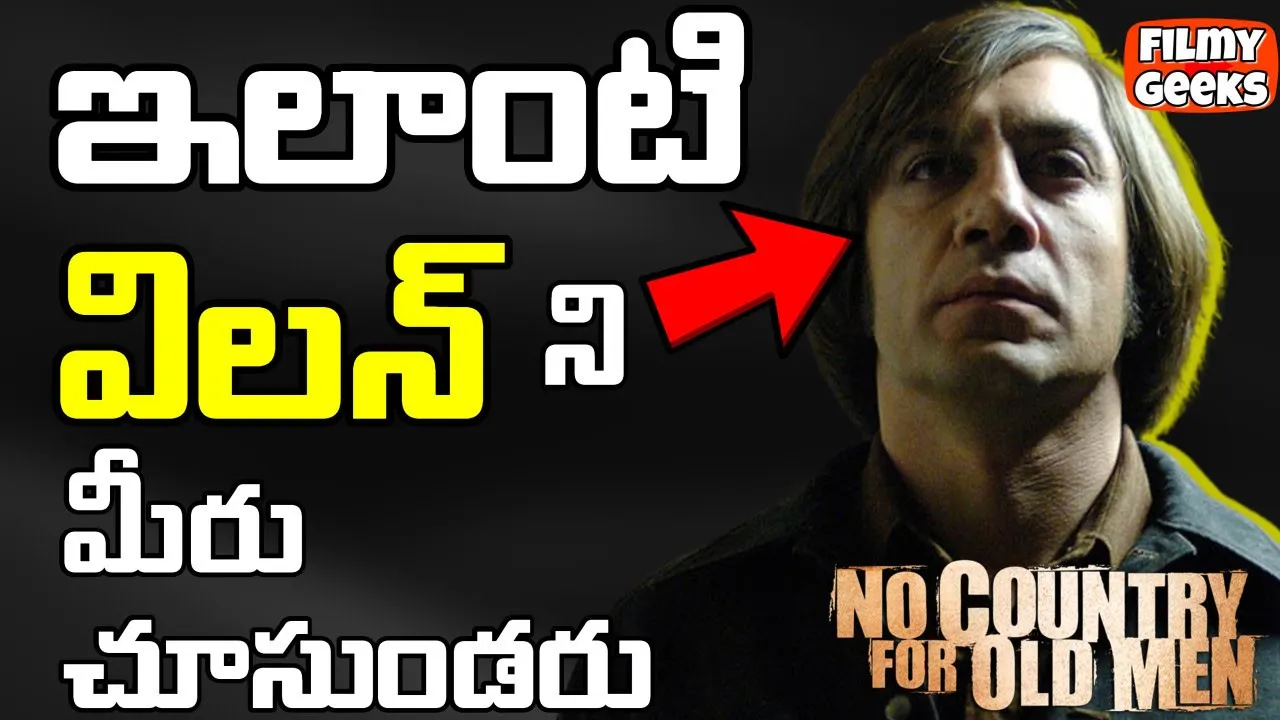
Comparative analysis of Tom Ripley with other cinematic representations of psychopathy, such as Patrick Bateman in 'American Psycho' or Anton Chigurh in 'No Country for Old Men'.
Application of criminological theories (such as Social Mimicry or Strain Theory) to understand how social class mobility and desire for status drive Ripley's criminal actions.
144.8K views3.4Klikes10:55Original Release: 2025-05-06
Everybody should have one talent. What's yours? Forging signatures. This is Tom Ripley. Telling lies, impersonating practically anybody. That's three. And this is Dicky Greenleaf. Nobody should have more than one talent. Ripley is about to become Dicky. This is my face.
By stealing his identity. Now your signature. Not Dicky. Your signature and ruining his life. You see, Tom is a psychopath. It's a suicide note. And a master manipulator. You asked me all these questions and you already read this suicide note. But the most unnerving thing about Tom is that he's also really likable. Fell in love the day I first set eyes on you. May I What are you doing? I was just amusing myself. Sorry. Seriously, Tom is so likable that he's troubled viewers for decades. This movie falls into my cozy even though it has no business feeling cozy because it's actually really messed up. They're making you relate to the sociopath. Am I a sociopath? In understanding him, you're somehow implicated. At the end, you go, "Wait a minute. I was rooting for him." This is a deep dive into one of the most perplexing villains in cinema. Did we know each other? Well, I knew you, so I suppose you must have known me. We'll break down Tom's tactics. You're the brother I never had.
Compare his traits to those of the everyday psychopaths in your own life and explore how despite everything, Ripley remains relatable. I'm going to be stuck in the basement, aren't I? But first, I should give you some context.
It's Tom. Tom Ripley. Tom Ripley is the invention of Patricia Highmith, a gay and reclusive author of thrillers who was herself drawn to troubled people. I think it's more amusing if the reader has to deal with somebody like uh Ripley just because he's neither good nor bad than because he's unusual. Highmith wrote five Ripley books known as the Ripley ad and the character has since been adapted to film and TV seven times.
Mr. Ripley Ripley, but today one movie stands out. We're at Princeton. Most likely you'll know our son Dick. Dicky Green Leaf. I couldn't help noticing your jacket. Yes. Class of 56.
How is Dicki? In Anthony Mangala's 1999 film, Tom is an odd jobber who gets sent to Italy by shipping magnate Herbert Greenleaf to retrieve his son. Could you ever conceive of going to Italy? Tom, persuade my son to come home. I'd pay you $1,000. The role of Ripley was originally offered to Leonardo DiCaprio, who turned it down in favor of the beach. What do you want?
On later casting Matt Damon, Mingela wrote, "Someone cool would have distanced the audience." But Matt has a credibility and warmth and generosity that make you want to go on that journey with him, which makes what follows that much more unsettling. On his journey to Italy, Tom learns the value of the Green Leaf family name. I can tell you the Green Leaf name opens a lot of doors.
So, just like his borrowed Princeton jacket, he tries it on. Hello, Dicky.
Meredith Randall. Um, Dicky Green Leaf.
However, Tom is careful to take the name off again when he meets Marge, played by Gwennneth Paltro. Why is it that when men play, they always play it killing each other. And Dicki, played by Jude Law. Princeton's like a fog. America's like a fog. The role of Dicki, Jude Law learned saxophone. Dicki is he's a very sensual individual anyway because he's kind of living his life through his paws, you while Matt Damon learned a more calculated [Music] instrument and committed to playing Tom with precision. Look, I'm somebody who cares and I work my butt off and if you throw down your eight bucks, then you know what you'll get is something that is aspiring to be great. In act one, Tom appears harmless and friendly. Hello.
Well, I knew you, so I suppose you must have known me. This allows him to grow on Marge and Dicki. No, I like him.
Marge, you like everybody. Study their lives. I like him. Marge, you like everybody. And embed himself in them. So what? Is he going to move in with you?
It'll just be for a little while. You can be He makes me laugh. Ripley's attempts to play old money are also reflected in his clothes. Costume designer and Roth deliberately made Tom clothes that didn't fit, contrasting his aspirations with his origins. In Roth's words, he was very American East Coast, but from Sears. And yet Tom still fools everyone. Hello. Hello. Well, almost everyone. Probably shouldn't. Uh, Freddy Miles in a mesmerizing performance by Philip Seymour Hoffman is classically coarse and arrogant. I mean, hey, if I'm late, think what her husband's saying.
And yet, we respect him because of this.
I want this job of yours, Tommy. You uh stay at Dicky's house, eat Dicky's food, wears clothes, and his father picks up the tab. If you get bored, you let me know cuz I'll do it.
At this point, Freddy is a surrogate for us, the audience, who've also developed a weird, uncomfortable feeling about Tom. By watching Tom mimic wealthy people, we see just how talented he is at learning what a target person wants him to be. Of course, Dicky's idea of music is jazz. Then becoming it. You like jazz. Love jazz. This is the best.
And Tom's target from the beginning is Dicky. You got to like everything about the way you live. It's one big love affair. Not only does Tom learn Dickiy's speech, you like everybody. He also learns his signature. Now your signature and his writing. You always type your letters.
That should be two T's. Which he psycho analyzes to grow closer to Dicki. I think that's the S and the T. Fine.
Vulnerable. That's pain. That's secret pain. Nothing more naked than your handwriting. While preparing to play Ripley that Damon took his imitation of Dicki so seriously that he even designed his training so that he'd look as much like Jude Law as possible. He wanted to maintain a particular body weight so he was the same shape as Jude and so he ran six or seven miles at the end of filming every day. I can't eat this food. I have to learn how to play the piano and a shopping list of things that you have to do every day. Tom's obsession with Dicki is also reflected in Mingela's shot choices. I wish you'd get out of my clothes. Here we see Ripley above Dicki almost as if they were one. And in the first act alone, there are 26 shots of Tom just gawking at Jude Law. Tommy, that's a big thing. Tommy, Tommy, Tommy, Tommy, Tommy. Because it turns out Tom wants more than just to be like Dicki.
I'm the brother you never had. He wants to be with Dicky. I would do anything for you, Dicky. In Highmith's book, Ripley doesn't act on his sexual confusion. Little bit homosexual, I would say. Not that he's ever done anything about that. But in the film, Mingela takes the idea further. It's a film which has a kind of ambivalent sexual element to it and a sort of undercarriage of yearning. It's sexual navigation is strange. In casting Dicki, Mingela was looking for somebody who was charisma on legs. Somebody you could imagine men and women being attracted to, a flame around which all these moths circulate. And that's exactly what he became. Jude Law is the most attractive person I've ever seen in this movie.
Despite being a heterosexual male, Jude Law is like a shining god in this film.
Reminds me of Peter Oul in Lawrence.
Really makes me question my sexuality.
So, if you also get a bit sticky for Dicky, don't beat yourself up. Okay, fine. Jude Law being so charismatic and golden all the time makes it all the more painful for Tom when he realizes Dicki doesn't want him. Marge and I are getting married. Ow, that's absurd. I love Marge. You love me. You're not marrying me. Tom, I don't love you. To be honest, I'm I'm a little relieved you're going. I think we've seen enough of each other for a while. This unleashes Tom's wrath. I can't move without you moving. They say hell hath no fury like a woman's scorn without dicky dicky dick. But I'd argue that what we're witnessing is highly competitive. Tom shoved Dicky so hard here that when you see Jun Law hit the deck, you're also seeing him break his rib in real life. He then gets a cuddle and his identity stolen. You're green leaf. Yes. No.
At this point, Ripley has become a fullyfledged psychopath. I feel like I've been handed a new life. Going off the American Psychiatric Association's DSM5 standard. Ripley would have antisocial personality disorder or psychopathy if he displayed three or more of the following seven traits.
Failure to conform to social norms with respect to lawful behaviors. I don't want too many large bills. No one will change them. Deceitfulness as indicated by repeated lying, use of aliases or conning others. Feel like I pushed him away. Feel like I spoke and he heard you. Impulsivity or failure to plan ahead. Really? Well, that's just swell.
Well, I I No, you're you're way ahead of me. Great. Irritability and aggressiveness as indicated by repeated physical fights or assaults. Dad, reckless disregard for safety of self or others.
Consistent irresponsibility. Now that you're a double agent, and we going to string my dad along, what if we were to buy a car with your expense money? Okay, great. And finally, lack of remorse.
Being indifferent to or rationalizing having hurt, mistreated, or stolen from another. He has so many realities, Vicki, and he believes them all. He lies. Now, I'm no psychiatrist. You may personally think the DSM5 is overprescriptive when defining disorders. But Ripley literally satisfies every criteria point. And the unnerving thing about this is that statistically, you probably know at least one person like Ripley. If the DSM's estimates are accurate, then psychopaths make up 3.6% of all people or one in every 28 viewers of this video. What did I ever do to have her tell you one thing that I've ever done to her, which in a twisted way contributes to Ripley being relatable.
We all know people who delude themselves. I feel guilty. Marge doesn't understand this, but whenever Dicky does something, I feel guilty, if that makes sense. And even the most harmful people probably don't view themselves as the bad guy. You never meet anybody who thinks they're a bad person. In the film, this is the great personal tragedy of Ripley. I'm sorry, Peter. I'm lost.
You see how diluted he truly is, and how in wanting so badly to be someone else, he erases himself. If I could take a giant eraser and rub out everything, starting with myself. The heart of Ripley is somebody who's hiding and giving up on who he is in order to be accepted by a world he'd like to belong to. Something which is common to many people, I think, not just to him and me.
I always thought it would be better to be a fake somebody than a real nobody.
The very things which make you feel strange earlier in your life are the things which make you most interesting as an adult. Suggesting that the best long-term strategy, even for the most ambitious of psychos, is to be authentic.
Up Next
60:35
How to Read Gravity's Rainbow: A Pynchon Study Guide
@BenjaminMcEvoy
74.2K views•2023-11-18

13:43
Formalism in Literary Criticism: An Academic Lecture Overview
@mattalberhasky9952
39.1K views•2015-08-05

6:08
Point of View in Fiction: First Person vs. Third Person
@magicalthriftyteacher
153.8K views•2014-03-31

15:25
1984: Orwell's Dystopian World and the Mechanisms of Totalitarianism
@AlternateHistoryHub
7M views•2017-03-04
Related Study Plans & Knowledge Roadmaps
Structured learning paths in Literature
literature
Graphic Memoirs: Visual Art, Trauma & History
01Foundations of Sequential Art and Visual Language
02Autographics and Processing Historical Trauma
03Visualizing Personal Trauma, Grief, and Graphic Medicine
+ 2 more learning modules
14h5 modules
Explore Roadmap
literature
Campus Novels: Evolution, Themes & Critique
01Introduction to the Campus Novel Genre
02Mid-Century Satire and the Post-War Academy
03Dark Academia and the Critique of Privilege
+ 2 more learning modules
14h5 modules
Explore Roadmap
literature
Theater of the Absurd: Philosophy & Plays
01Postwar Existentialism & Historical Roots
02Dismantling Narrative: Esslin & Absurdist Conventions
03Samuel Beckett and Tragicomic Existentialism
+ 2 more learning modules
12h5 modules
Explore Roadmap
literature
Revenge Tragedy: Justice, Madness & State
01Foundations of Early Modern English Theatre
02Anatomy of Revenge: Structural Conventions
03Psychological Complexity: Madness and Melancholy
+ 2 more learning modules
15h5 modules
Explore Roadmap