
























Exoelectrogenic bacteria, including species from Proteobacteria, Firmicutes, and Acidobacteria phyla, generate electricity in microbial fuel cells through three mechanisms: direct electron transfer via outer membrane cytochromes, electron shuttling using excreted mediators like flavins, and nanowire-mediated electron transfer; power production is influenced by anode potential settings, reactor architecture, and the presence of non-exoelectrogenic bacteria that can disrupt biofilm conductivity, with power densities increasing significantly from 1999 to 2006 reaching up to 1.55 kW/m³.
Exoelectrogenic Bacteria in Microbial Fuel Cells Explained
Added:Fundamental electrochemistry, including redox (reduction-oxidation) reactions, anodes, cathodes, and electron flow in a circuit.
Basic microbial metabolism, specifically aerobic and anaerobic respiration and how cells generate energy via internal electron transport chains.
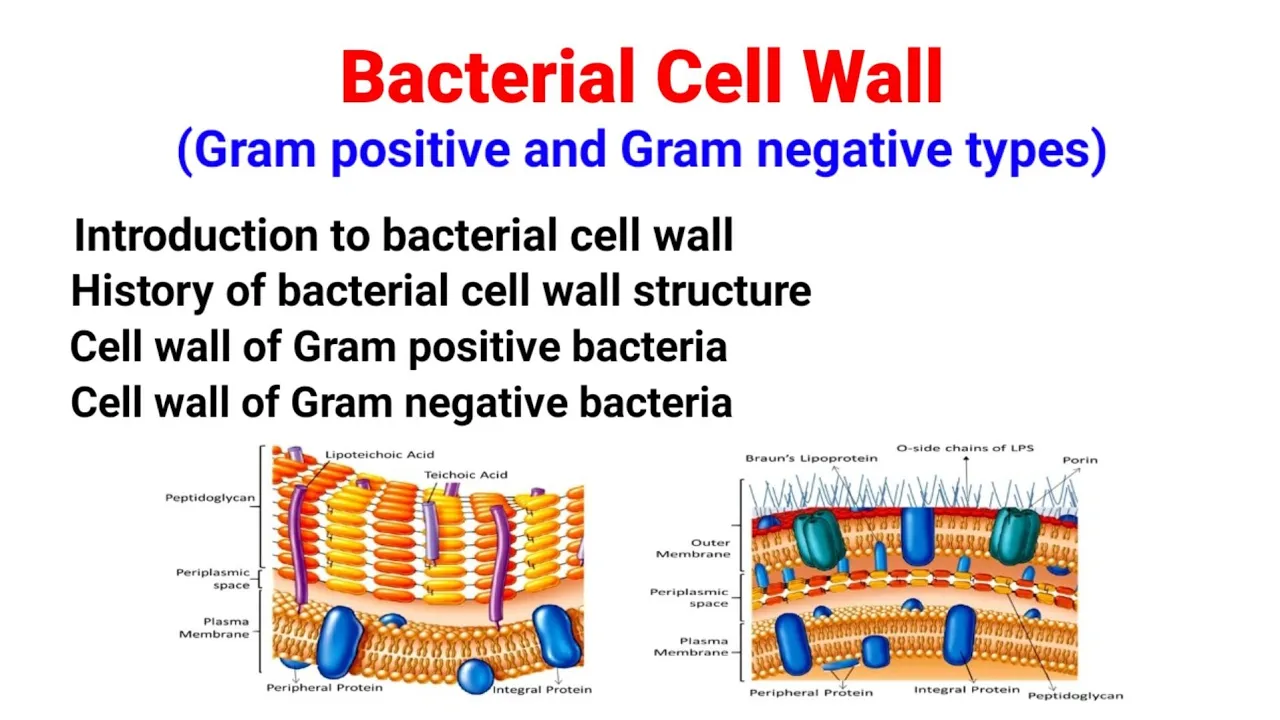
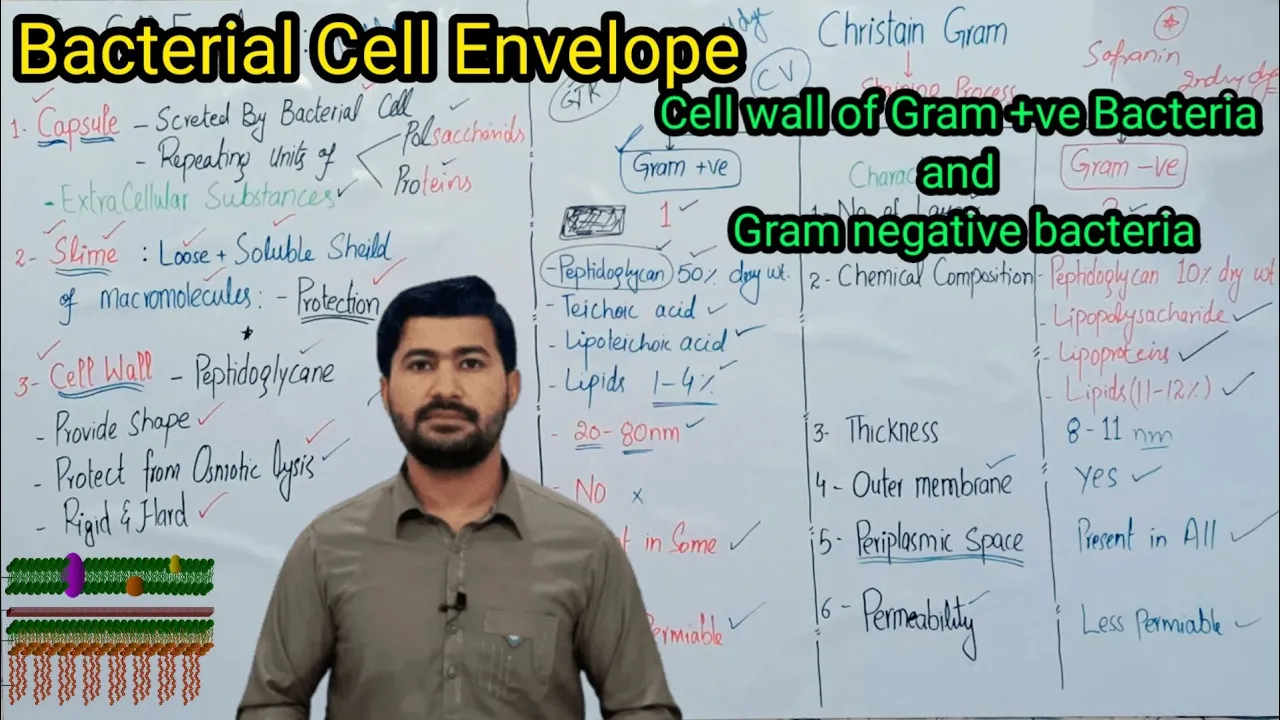
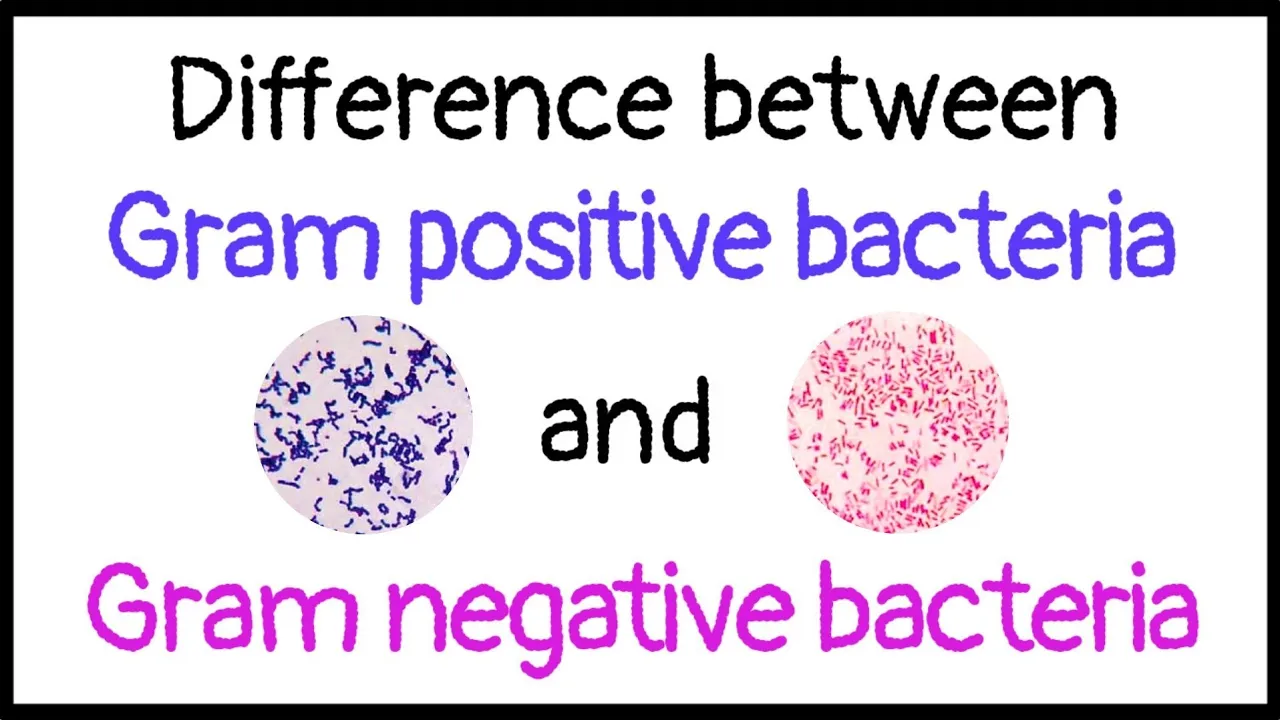
Bacterial cell envelope anatomy, particularly the difference between Gram-positive and Gram-negative outer membranes and the role of membrane proteins.
Detailed biophysical mechanisms of Extracellular Electron Transfer (EET), such as microbial nanowires (pili) and soluble electron shuttles.
Engineering design challenges in Microbial Fuel Cells (MFCs), including electrode surface modifications, membrane fouling, and internal resistance optimization.
Practical applications in wastewater treatment, specifically how MFCs can simultaneously degrade organic contaminants and harvest electrical energy.
Microbial Electrosynthesis (MES) and biocathodes, exploring the reverse process of utilizing electricity to drive microbial production of biofuels and biochemicals.
161 views3likes9:54Original Release: 2022-12-13
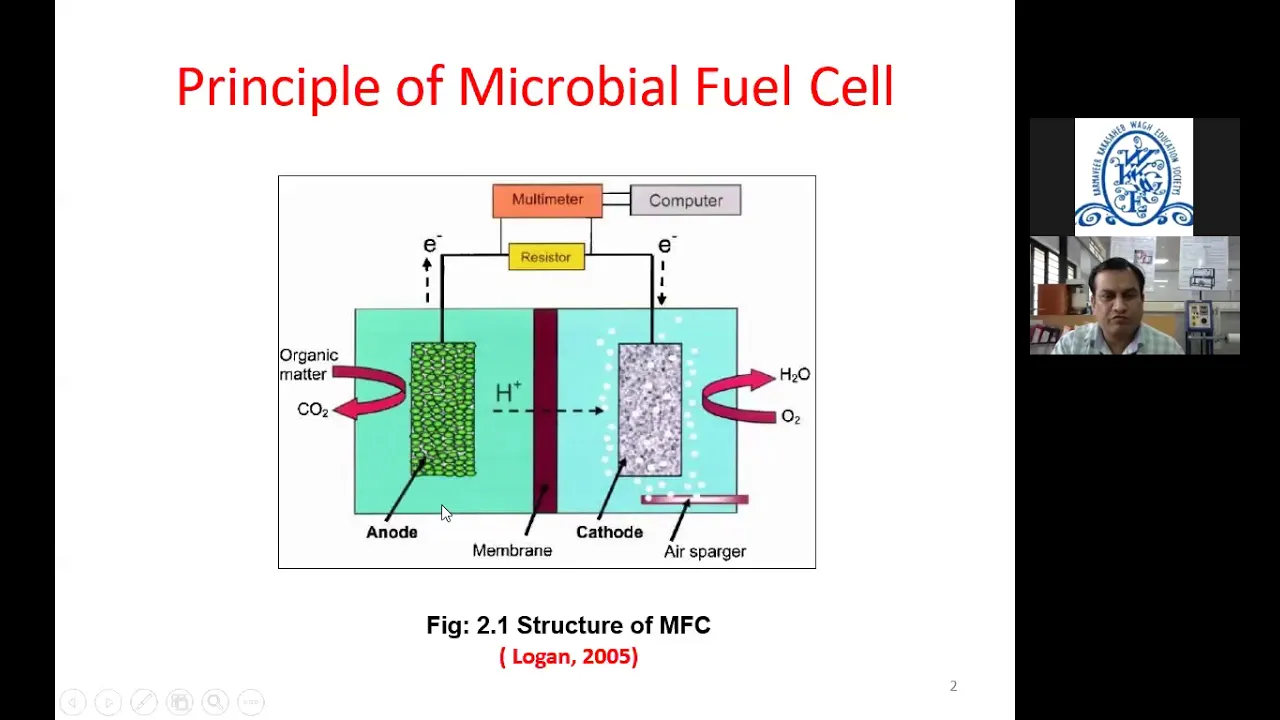
hello everyone I am Tom at a hack in today's presentation I will be presenting the progress article exos electrogenic bacteria that power microbial fuel cells I am doing this presentation under the supervision of Professor saki Jung without further Ado let's start the presentation this progress article explores the underlying reasons for exocellular electron transfer including cellular respiration and possible cell cell communication to understand bacterial versatility in mechanisms used for current generation the paper is divided into the following sections introduction of MFC advantages of exoelectrogenesis high power producing bacterial species setting anode potentials limits in power production and future Direction conventional fuel cells produce electricity electrochemically from chemicals such as hydrogen methanol Etc MFC use microorganisms to produce electricity the process is as follows first microorganisms biologically oxidize organic matter then the electrons are transferred to the anode these electrons flow through a circuit to the cathode the electrons are then combined with protons and a chemical catholite the reduction of oxygen is catalyzed by precious or non-precious metals the microbial fuel cell in the figure uses an electrically conductive graphite fiber brush for bacterial growth on the surface a flat carbon cloth coated with a catalyst is used as a cathode for water leakage reduction a diffusion layer is used a separator is used for allowing charge transfer oxygen is reduced to Water by electrons from the circuit and protons in the water the green cells represent exoelectrogens that are capable of transferring electrons by direct contact purple cells can produce as nanowires blue cells are endogenous that can produce self-produced mediators Brown cells are called non-exoelectrogenic bacteria that live off products produced from other microorganisms in a MFC a voltage of 0.3 to 0.5 volt is usually obtained simple molecule or complex mixtures of organic matter can be used in a microbial fuel cell having a flexible range of fuels makes MFC an ideal technology for renewable bioelectricity generation studies confirmed that four classes of proteobacteria firmicutes and acidobacteria phyla can generate current microorganism capable of exocellular electron transfer are known as exoelectrogens electrochemically active bacteria anode respiring bacteria and they are also known as electricians relation of other bacteria with exoelectrogenic strains and how the mixtures of communities affect power production are still under studies the following table shows culture studies of exoelectrogenic activity without exogenous mediator here are some more similar cases in this section the advantages of exoelectrogenesis are discussed bacteria transfer electron by three mechanisms the mechanisms are one direct contact by outer membrane cytochromes two by excreted mediators also known as shuttles and three by using synthesized nanowire then we have three reasons why microorganisms can use exocellular electron transfer to generate power in MFC firstly cell respiration using solid metal oxides secondly cells can transfer electrons directly to another cell without intermediates and lastly exogenous electron transfer knowledge about bacterial respiration cell cell communication and the fundamentals of electron transfer will be useful in the following Fields medical applications hydrogen gas production and bioelectricity production in this section we will discuss about high power producing bacterial species power density of the MFC are dependent on the following factors instead of specific bacterium the factors that impact power density are specific architecture electrode spacing and solution conductivity power densities produced by a bacterium cannot be directly compared with another bacterium unless the MFC architecture and chemical solution are the same MFC designed with lower internal resistance have allowed examination of a range of factors that affect power production the maximum power produced in pure and mixed cultures is dependent on electrode sizes and reactor architecture now let us discuss about two experimental cases schwannella putrophations was first shown to produce electricity in the absence of exogenous mediators in 1999.
the production of high power densities has been possible under certain reactor conditions chanella have outer membrane cytochromes for direct electron transfer by contact but they can also extrude electrically conductive nanowires s1idensis also produces flavins that can function as electron shuttles despite the possibility that this bacterium could use multiple methods for exocellular electron transfer it produced 56 percent less power than an acclimated Wastewater inoculum in this section we will focus on the importance of setting anode potentials setting the anode potential allows us to measure electrical potentials for electron release without this artificial control of potential the anode potential varies with the load the more negative the anode potential at a set resistance the greater the energy recovery in an MFC and the lower the energy captured by the bacterium using a potential stat to polarize the anode at a specific potential enables us to measure the potentials at which microorganisms can transfer electrons it should be noted that errors in the literature made it seem that higher power densities have been achieved using polarized electrodes in a mixed Community the microorganisms that can respire at the most negative anode potential perform the best the ability of bacterial strains to achieve High current densities at certain anode potentials does not ensure these strains will dominate in an MFC microbial community in this figure we can see potentials compared with reactors with set potentials the anode potential of an operating microbial fuel cell is slightly more positive than the thermodynamic limit for the substrate this restricts energy gains by the bacteria but allows high energy capture since power production is the main objective of a microbial fuel cell the factors that are limiting the power production are significantly important on the basis volumetric or projected anode area power densities for microorganisms has not been achieved in an air cathode microbial fuel cell up to 1.55 kilowatt per meter cube has been achieved between 1999 and 2006 power densities in microbial fuel cell increased by six orders of magnitude to 1.54 Watt per meter Square the reasons are the following improvements in architecture and extraction power from bacteria more effectively factors that can stop us from achieving maximum power densities are the presence of non-exoelectrogenic bacteria and non-active cells that disrupt the electrical conductivity of the biofilm the following factors can help achieve better power density models of biofilm activities understanding the effect of pH in the biofilm and effect of carbon dioxide gradients in the biofilm in the figure data published from 1999 to 2006 are represented by circles data that emphasize higher power densities are represented by triangles in a special case we're anode with a cathode that was 14 times larger was used produced a high power density of 6860 milliwatt per meter square is represented by a rectangle the line indicates a maximum predicted power density on the basis of substrate limited Mass transferred to the anode in this section future advancement that can be made in the field of microbial fuel cell is discussed in the future it is expected that microbial fuel cell can be used as Standalone method of power generation in the United States 1.5 percent of the electricity is used for Waste Water treatment and four to five percent is used for the whole water infrastructure Wastewater contains 9.3 times the energy as energy used to treat the waste water it may be possible to make water infrastructure sustainable through energy recovery from wastewaters using MFC MFC can provide Power in remote locations where it is difficult to replace batteries regularly surface optimization can be achieved by biosensor development and performance of enzyme-based fuel cells genetically engineered electrogenic bacteria can improve current generation here are the questions in an MFC What oxidizes organic matters biologically what is the name of the microorganism that transfers electrons directly to an electrode outside the cell membrane what is the role of the separator in MFC and paying attention and I'm sorry that I was so nervous oh okay [Music] [Applause]
Up Next

6:23
How Geobacter Microbes Produce Electricity | Electromicrobiology
@scicommlab
49.1K views•2023-11-02

50:12
Bacterial Communication: Quorum Sensing and Biofilm Formation Explained
@JHUAAP
12.6K views•2011-06-28

5:35
Enteric Nervous System Explained: The Gut's Brain | Neurobiology Lecture
@alumniu6029
438 views•2018-09-12

7:08
Bacteriophages: Earth's Deadliest Killers and Future Antibiotics
@kurzgesagt
34.6M views•2018-05-13
Related Study Plans & Knowledge Roadmaps
Structured learning paths in Biology
biology
RNAi: Biogenesis, RISC & Gene Silencing
01Molecular Biology Foundations: DNA to Protein
02Introduction to RNA Interference (RNAi)
03Molecular Biogenesis of miRNA and siRNA
+ 2 more learning modules
10h5 modules
Explore Roadmap
biology
Mycorrhizae: Signaling, Biophysics & Ecology
01Foundations of Mycorrhizal Symbiosis
02Molecular Signaling and Root Colonization
03Biophysics and Bioenergetics of Nutrient Exchange
+ 1 more learning modules
11h4 modules
Explore Roadmap
biology
Circadian Clocks: TTFL, SCN & Periphery
01Foundations of Molecular Biology & Gene Expression
02Introduction to Chronobiology and Actograms
03The Core TTFL: Molecular Architecture of the Clock
+ 3 more learning modules
14h6 modules
Explore Roadmap
biology
Population Genetics: Math, Drift & Selection
01Genetic & Probability Foundations
02The Hardy-Weinberg Principle and Baseline Models
03Mathematical Modeling of Natural Selection
+ 3 more learning modules
18h6 modules
Explore Roadmap