











![[MFC Review] From Fundamentals to Applications: Design, Major Elements, and Scalability](https://i.ytimg.com/vi_webp/4te_AV8LnQg/maxresdefault.webp)

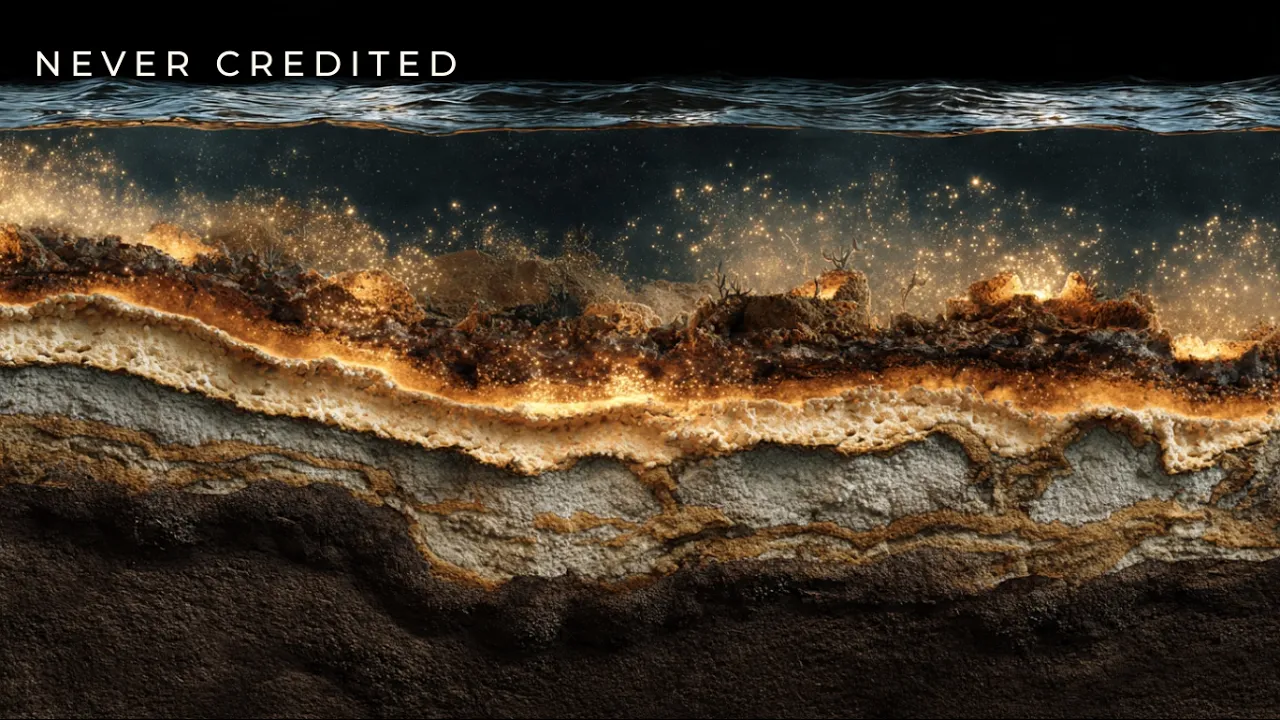






Geobacter microbes generate electricity through unique nanowires that transfer electrons from the cell to minerals in their environment, enabling them to respire minerals instead of oxygen; this process, called extracellular electron transfer, dissolves minerals and releases essential metals like iron, making them bioavailable to support entire ecosystems, and has opened a new field of study called electromicrobiology that explores microorganisms capable of producing, consuming, or transferring electrons externally.
How Geobacter Microbes Produce Electricity | Electromicrobiology
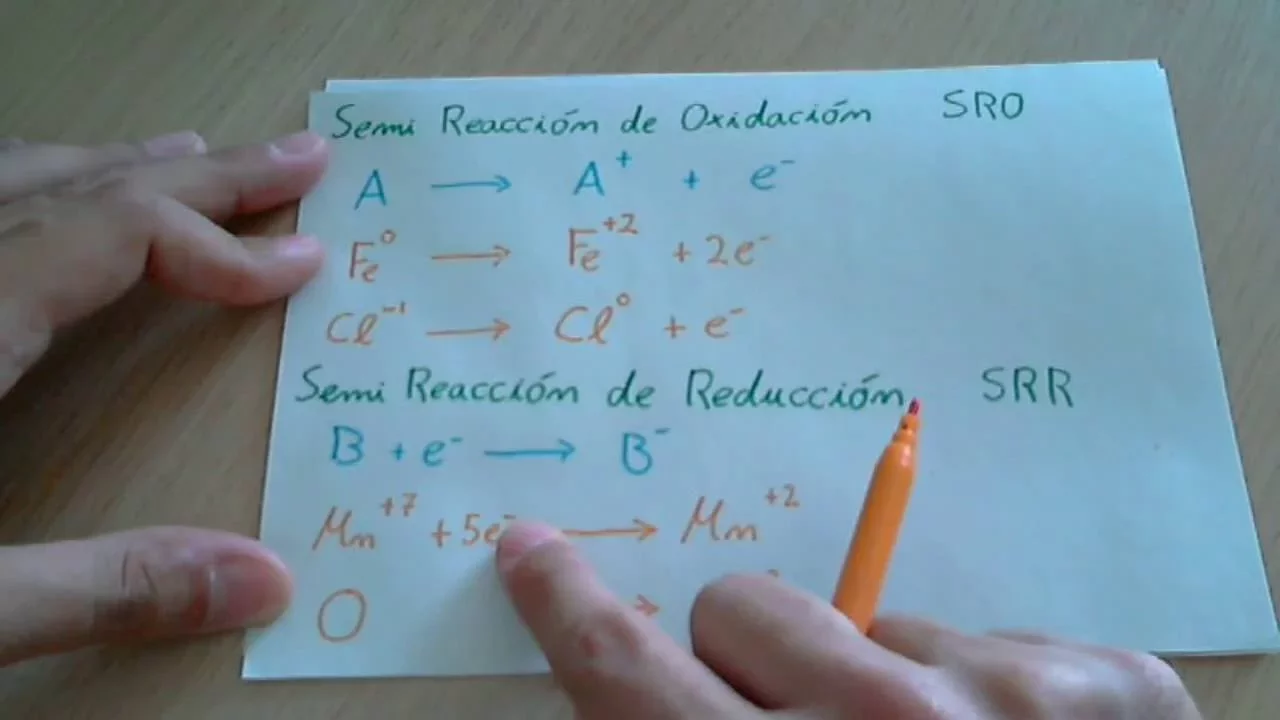
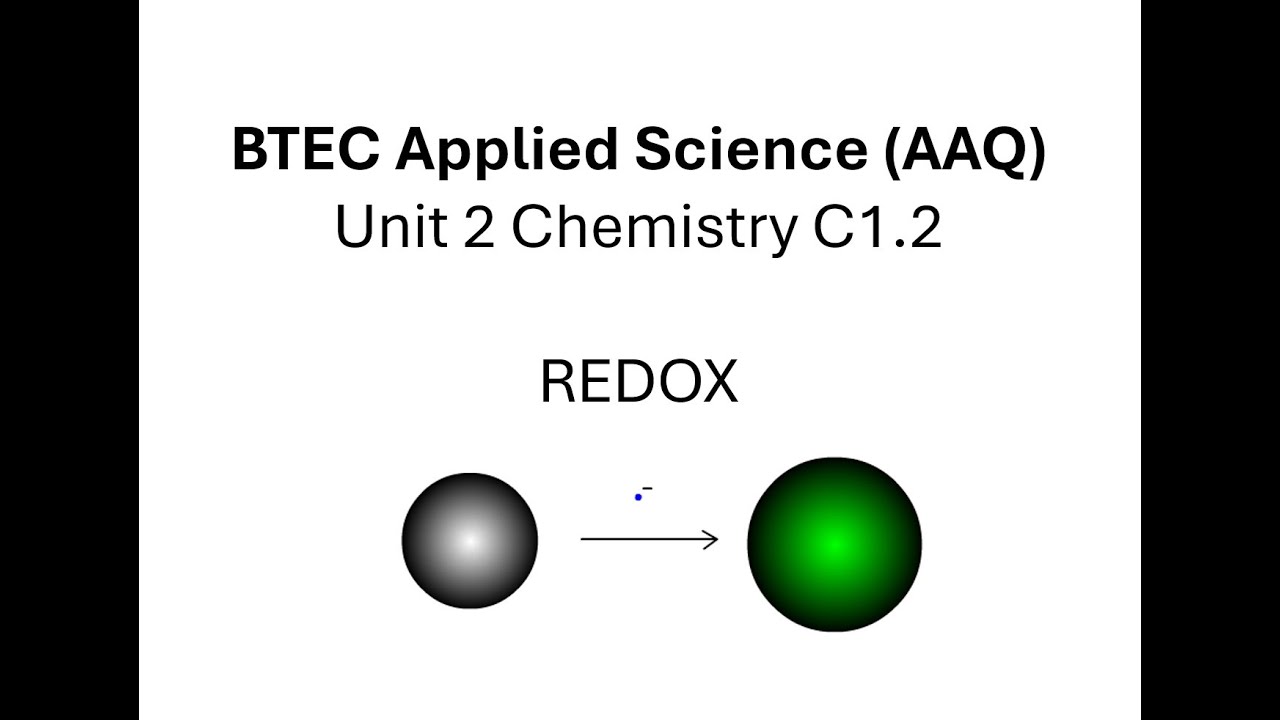
Added:Basic principles of oxidation-reduction (redox) reactions and electron transfer.
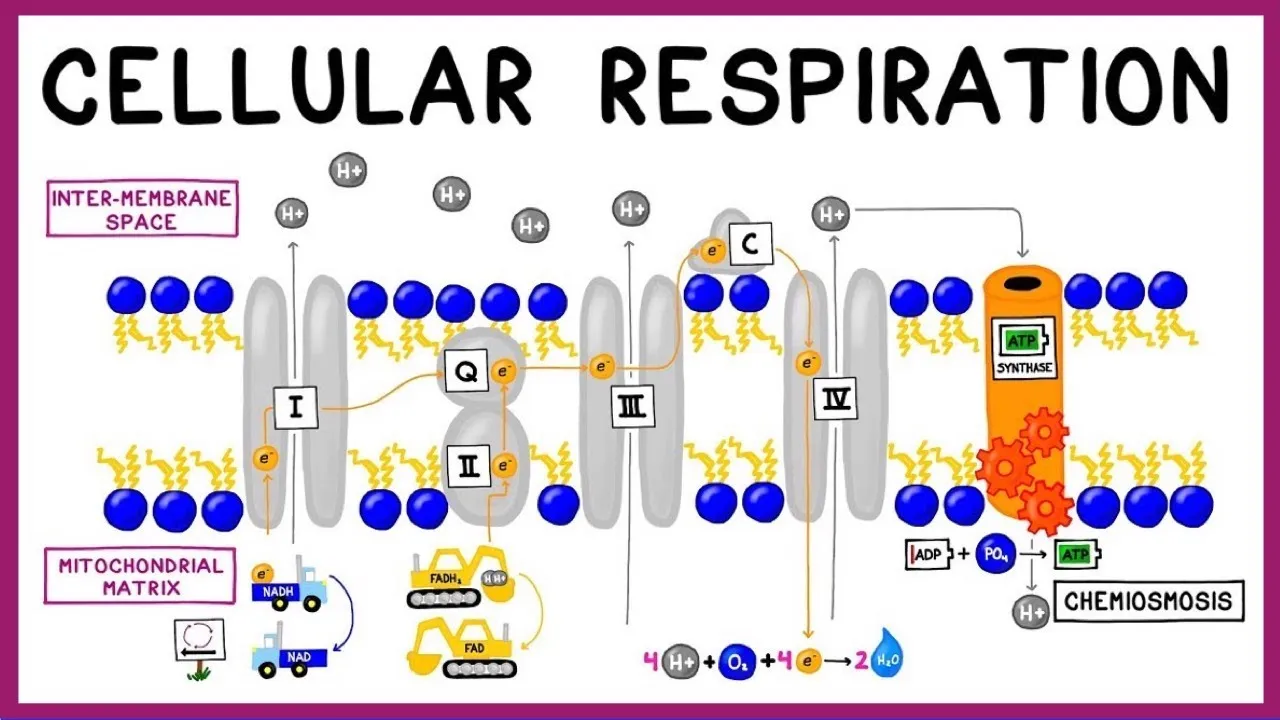
The fundamentals of cellular respiration and the role of the Electron Transport Chain (ETC).
An understanding of anaerobic respiration and how microbes use alternative terminal electron acceptors instead of oxygen.
Elementary physics concepts of electricity, specifically electrical conductivity, current, and electron flow.
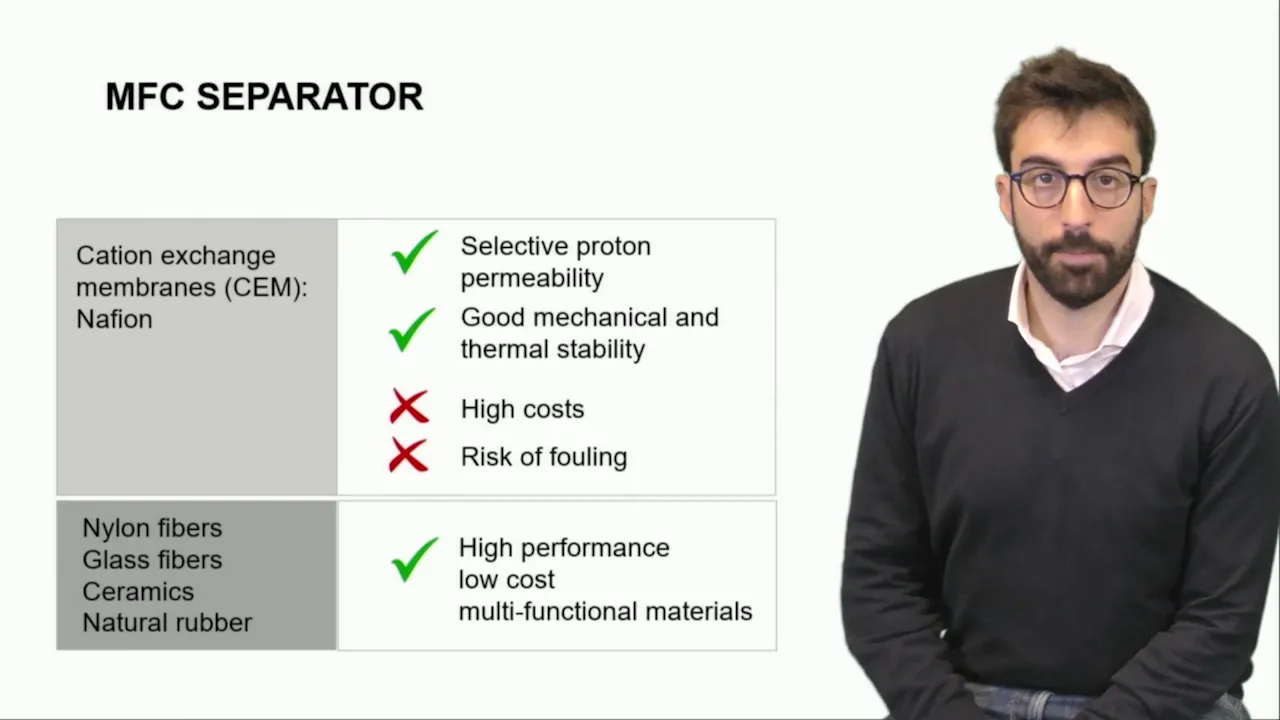
The design, mechanism, and optimization of Microbial Fuel Cells (MFCs) for clean energy generation.
Applications of Geobacter in bioremediation, particularly the reduction and immobilization of heavy metals and radionuclides.
Advanced research in microbial nanowires, including the genetic engineering of bacterial pili to enhance electrical conductivity.
The field of Microbial Electrosynthesis (MES) for capturing carbon dioxide and converting it into valuable organic chemicals.
49.1K views438likes6:23Original Release: 2023-11-02
(light music) - [Interviewer] Why is Geobacter a good star?
- [Gemma Reguera] For many years, electric microbes, microbes that make electricity, was something that was not believed to be possible.
(light music) When we discovered these conductive wires in Geobacter, it was clear that they were making electricity.
(light music) I feel like Geobacter is my firstborn.
(laughs) It has been part of my professional and personal life for so long, and I have built my career on Geobacter's shoulders.
(laughs) Nanowires.
(light synth music) What sustains life is all this energy from electrons moving from one element to another, one molecule to another, et cetera.
That's what respiration really is, a way to actively gain energy for growth.
(light synth music) [Gemma] Geobacter is so remarkable because they actually have managed to respire minerals.
Imagine if we had to put into our lungs minerals and try to really get them instead of oxygen.
(light synth music) (light synth music) Imagine the cell is a sausage, a very little sausage.
They have on the cell membrane, transporters that are actively bringing food.
They love acetate, which is vinegar.
Not very appetizing, but it works well for them.
They are burning that acetate inside the cell, and then the metabolism generates a waste that has to be removed.
Otherwise, you cannot feed anymore.
Electrons are really the waste.
It's electronic poop (laughs) and they need to get rid of it.
(light synth music) What Geobacter has done, and that's why they are so effective, they actually make little filaments that are conductive.
They are wires and they move them.
They retract them, they protrude, and they are very dynamic.
And they are like little whips moving in, you know, in the solution.
(light synth music) And then the moment there is contact with the minerals, the electrons discharge.
(light synth music) They wire the cell directly to the mineral.
And in doing so, they have a fantastic way to constantly discharge the electrons.
(light synth music) When they discharge electrons onto these minerals, they dissolve the minerals.
And all of a sudden, all the metals that are trapped in those minerals become bioavailable.
And the most important metal they make available to other living organisms is iron that we all need.
So this is really this foundational role in supporting communities of microbes that support plants, that support animals, and that support us.
(light synth music) Every step of the way, we've received, "No, no, no, this is not possible."
"How could protein filaments conduct electrons?"
I always take it as a compliment because I know that we are on the right path, and I always tell my students, "This is good, this is good."
"You know, we are onto something new."
"We just have to demonstrate it."
(light synth music) Now there are so many other people understanding that it's not only Geobacter, there are many other electric microbes.
Not only that, there are microbes that actually feed on electricity.
(light synth music) You can actually reverse the reaction and you can make chemicals just by feeding electricity on them.
Some of them actually fix carbon dioxide from the atmosphere.
(light synth music) So basically what we now have is finally after all these years and all the controversy, we now have a subfield of microbiology, called electromicrobiology.
(light synth music) [Gemma] I really think about the many students and postdocs that pass through my lab as the ones, this is their legacy, building a new field in microbiology that we are just beginning to understand.
(light synth music) The world is really an electric world of microbes.
(light synth music) (light synth music)
Up Next

39:03
Microbial Phototrophy: Oxygenic & Anoxygenic Photosynthesis Overview
@appliedenvironmentalmicrob8307
2.7K views•2018-02-04
50:12
Bacterial Communication: Quorum Sensing and Biofilm Formation Explained
@JHUAAP
12.6K views•2011-06-28

42:45
MicroRNAs: Gene Regulation Explained by David Bartel | iBiology
@scicommlab
233.1K views•2014-03-24
7:08
Bacteriophages: Earth's Deadliest Killers and Future Antibiotics
@kurzgesagt
34.6M views•2018-05-13
Related Study Plans & Knowledge Roadmaps
Structured learning paths in Biology
biology
RNAi: Biogenesis, RISC & Gene Silencing
01Molecular Biology Foundations: DNA to Protein
02Introduction to RNA Interference (RNAi)
03Molecular Biogenesis of miRNA and siRNA
+ 2 more learning modules
10h5 modules
Explore Roadmap
biology
Mycorrhizae: Signaling, Biophysics & Ecology
01Foundations of Mycorrhizal Symbiosis
02Molecular Signaling and Root Colonization
03Biophysics and Bioenergetics of Nutrient Exchange
+ 1 more learning modules
11h4 modules
Explore Roadmap
biology
Circadian Clocks: TTFL, SCN & Periphery
01Foundations of Molecular Biology & Gene Expression
02Introduction to Chronobiology and Actograms
03The Core TTFL: Molecular Architecture of the Clock
+ 3 more learning modules
14h6 modules
Explore Roadmap
biology
Population Genetics: Math, Drift & Selection
01Genetic & Probability Foundations
02The Hardy-Weinberg Principle and Baseline Models
03Mathematical Modeling of Natural Selection
+ 3 more learning modules
18h6 modules
Explore Roadmap