






![[AUDIO only] Office Hours LIVE Ep 118: Essential Cultivation Tips, Lighting, Molds, and Humidity](https://i.ytimg.com/vi/1eEHIEzvPcY/maxresdefault.jpg)


![Hybridization techniques [Year-2]](https://i.ytimg.com/vi/s1vPR86tseU/hqdefault.jpg?sqp=-oaymwEmCOADEOgC8quKqQMa8AEB-AGeBoAC1gOKAgwIABABGEUgVShyMA8=&rs=AOn4CLCct71FGo3n-0N_YnxqHR1hVM8PTQ)









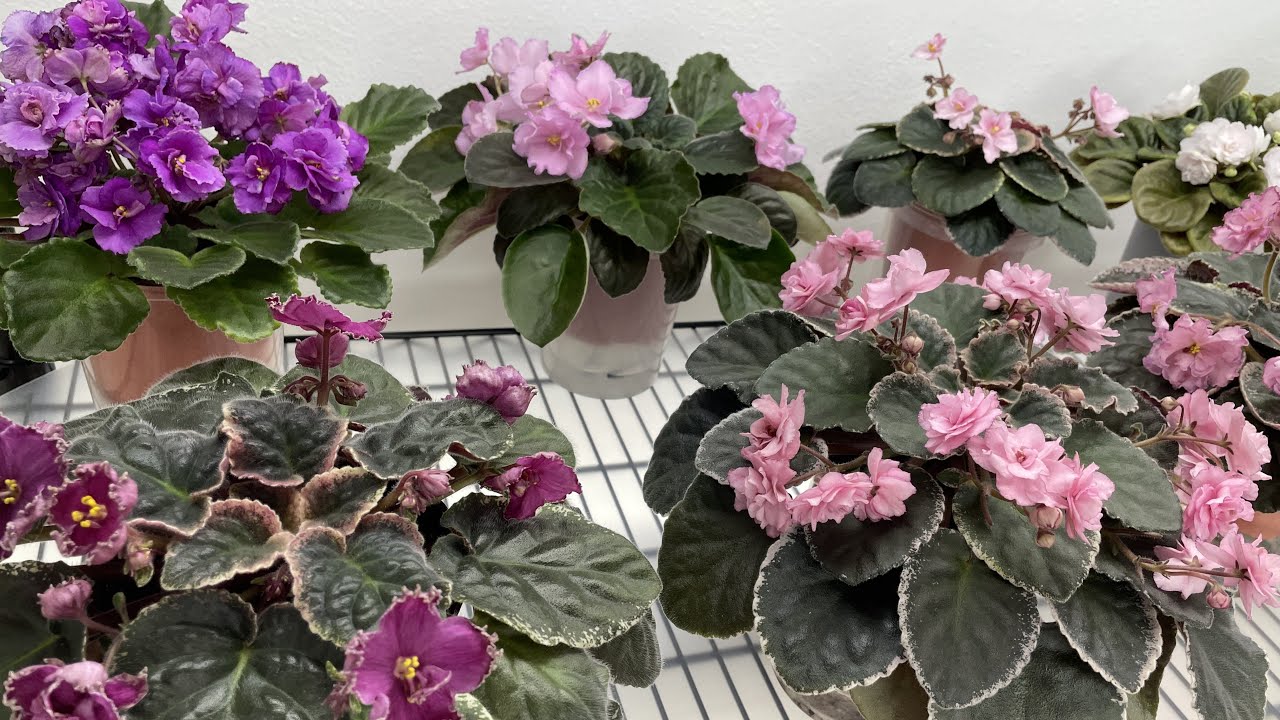


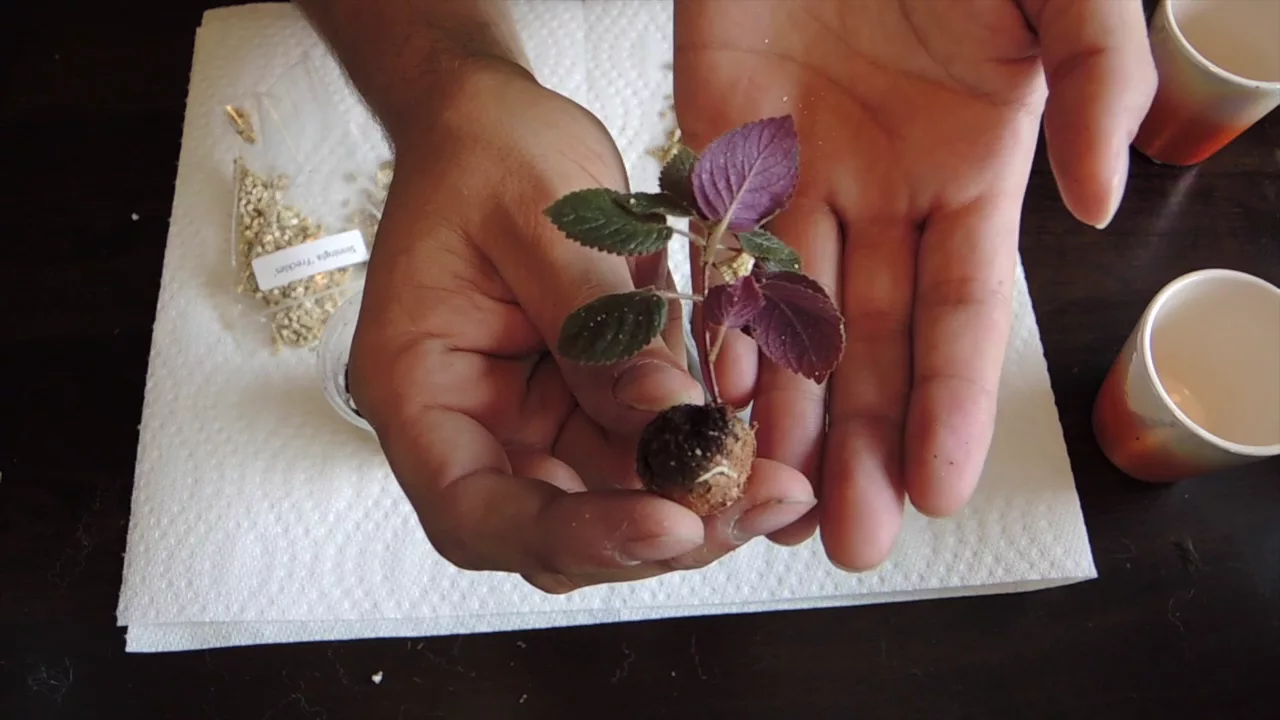

Sinningias are tuberous plants (not true gloxinias which have rhizomes) that require specific cultivation techniques including wick watering systems, proper fertilization (balanced or higher nitrogen formulas without high phosphoric acid), and strategic disbudding of bottom leaves to maximize flower production. Successful propagation involves tip cuttings rooted in high humidity, tuber division with careful wound management, and seed germination with transplanting at 10 and 21 days old. Show plant preparation requires leaching before repotting, removing baby leaves during the second transplant, and maintaining proper light conditions (LED or fluorescent) with 12-hour daily exposure.
Sinningia Care: Propagation, Hybridizing, and Show Plants | Dale Martens
Added:Understanding the botanical family Gesneriaceae, including the general growth habits of tuberous versus rhizomatous gesneriads.
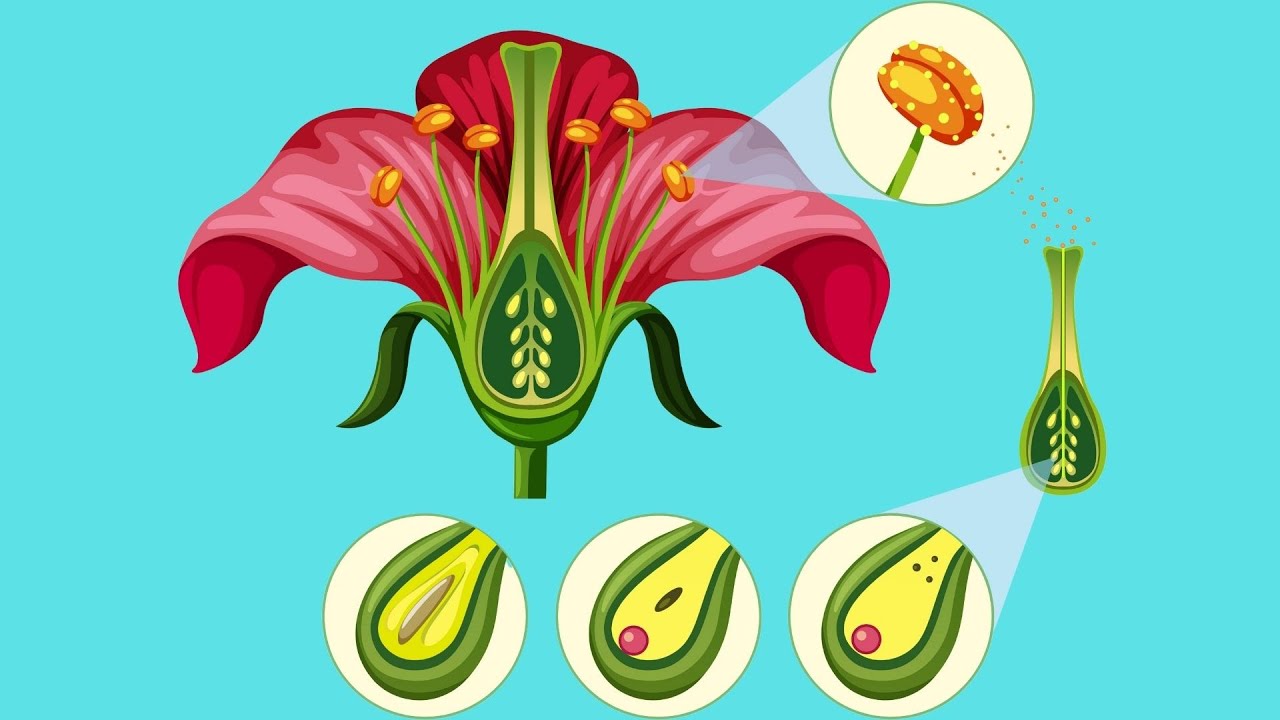
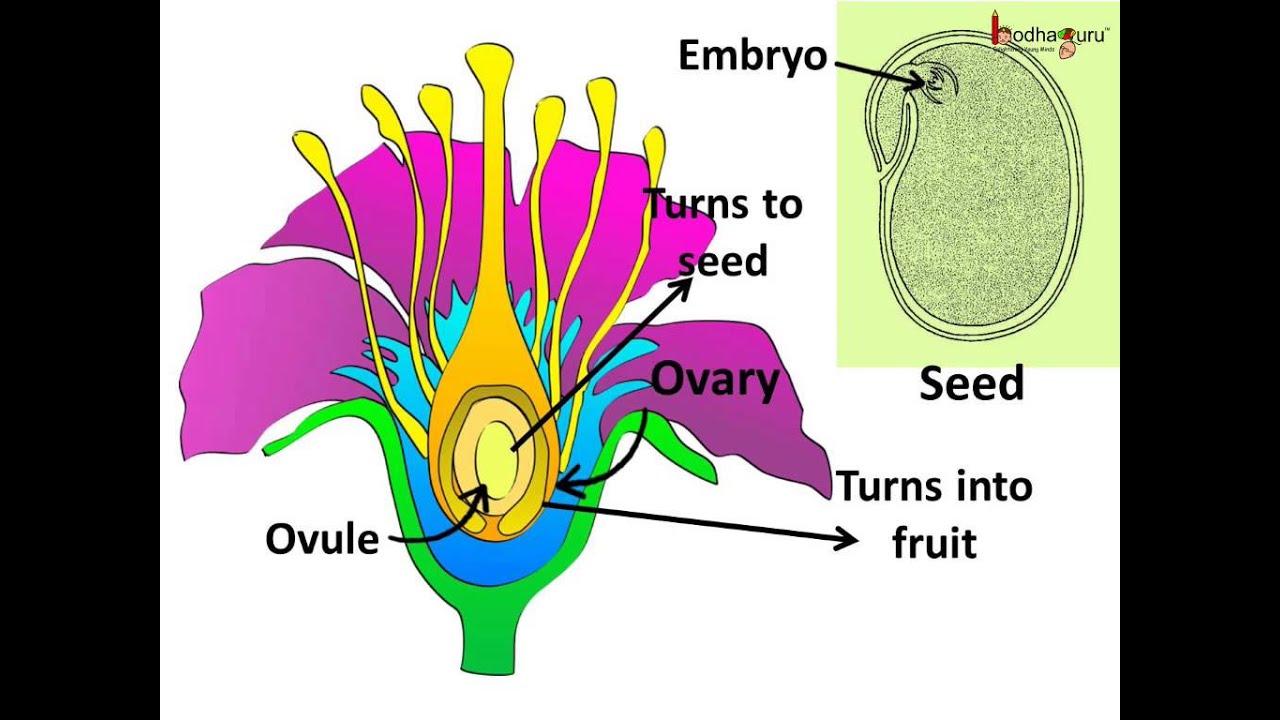
Basic concepts of plant genetics and sexual reproduction, specifically the mechanics of pollination, fertilization, and seed development.
Fundamental plant propagation methods, such as taking leaf/stem cuttings and sowing fine seeds.
Standard indoor horticultural principles, including artificial lighting (LED/fluorescent), soil media aeration, and humidity management.
Advanced hybridization techniques, including pedigree tracking and the official registration process for new cultivars with the Gesneriad Society.
The application of micropropagation (tissue culture) to rapidly clone rare or award-winning Sinningia specimens.
Familiarization with competitive plant show standards, grooming protocols, and judging scales for exhibition-grade gesneriads.
Exploring the physiological differences and specialized care requirements of micro-Sinningias (such as Sinningia pusilla) versus large-growing species.
3.8K views92likes1:12:28Original Release: 2021-05-31
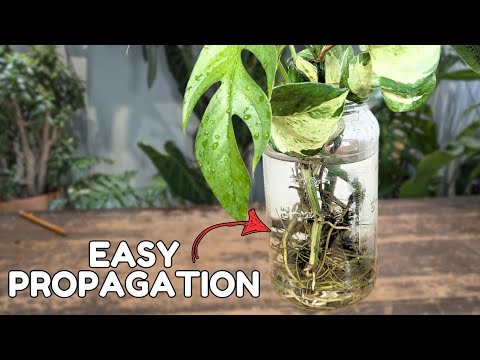
i just want to welcome um dale martens who's going to do another amazing workshop for us on syningias um the last time we learned so much and i'm very anxious thank you so much dale okay well thank you for inviting me uh tonight's program is fun with syninges and on this front page here on the left is the ninja speciosa merry christmas and a lot of people call that a gloccinia but it's not a glycemia because glycemias have rhizomes this is a tuber and it's a syninger saying fluorescloxinia is acceptable i'm just kind of get a little grumpy when they just say oh it's a gloccinia well call it either fluoresce glycemia or syninges speciosa in the upper right is a micro miniature from taiwan called jung's snowy owl and that's the best i've grown it that's in a two inch pot and i grow it out in the open wick watered and underneath it is a wood nymph another micro and i love growing in bone side pots so this is a nice grouping uh just to let you know i'm in iowa uh on the mississippi um in fact our club the quad city african violet society uh is made up of uh people on in iowa and illinois and it's just like 20 minutes away um crossing the bridge is all so it's no big deal so we're in a townhouse in a 55 uh plus age um community and this is the first time in our 52 years being married that i have a basement and i'm thrilled with the basement uh in the upper right i'm very spoiled you see two orange arrows the one on the left is my plant room's walk-in closet so i've got shelving in there that's where i store my pots and and everything i'm i am so lucky and then the orange arrow on the right is because my plants have their own bathroom so if you ever stay with me you'll have to share the plants bathroom uh lower left are three of the plant stands in my room my room's like 16 by 18 i think and you can see that the window shows that the basement's only partly underground and that's kind of a little group of trees back there and we have owls nesting and we have deer the um plant stand with the green trays is a volkman brothers stand that i got when i lived in houston because that's the headquarters for the volkman brothers and i met them and they were very nice i attended a lone star convention in dallas and and they're located in dallas yeah okay this is my uh work desk and i love it i got it for something like ten dollars at a garage sale and um even that chair that swivel chair was only ten dollars um you can see my canning pot on the left so i make i put one part mix and one part pearlite because i wick water and so i keep it in a canning pot there and then on the desk you'll see i've got pearl light in uh well that was a butter tub at one time and it that perlite is soaking wet in front of it is a little solo cup of blue acrylic yarn and that's also soaking wet and the arrow is pointing to a mask because i use a mask when i pour vermiculite or pearlite in my um canning pot there and so i already had a box of masks before the pandemic started and you will never ever see my desk this clean the gallon jugs i push around on that cart we have a place called harbor freight and once in a while they have sails so and then if i've got different fertilizers i'll label on the the jugs i'll i'll put which fertilizer it is okay let's talk a little about fertilizers not just for syninges but for everybody i do not use um the high bloom the high uh phosphoric acid i i don't use that i try to do a balanced or a higher nitrogen like you can see on the upper right there um grow more orchid fertilizer is a 20 10 20 and so again no high bloom and you can see my little african violet there is pretty happy considering i didn't use any high bloom on it but just an eighth of a teaspoon per gallon okay now um what happened was i went to a show in canada and beverly williams had these phenomenal semi-miniature african violets that were so loaded with flowers that um you could hardly see leaves and i asked her well what's your light system and she told me she used led lights and i thought okay i had heard of doing that but didn't know much about it and so i told my husband who's a aerospace engineer and i said to him i'd like to try uh led lights and he said okay so he took that plant stand that you're seeing on the left it's a very tiny it's only 12 inches deep and he took the um the fluorescent tubes and everything out of the fixtures the metal fixtures and then he uh attached the led strip lights this kind of sticky tape so he put that in the fixtures lids and then the silver thing on top of that plant stand is the power supply for each of those lights and it's also on a dimmer and a timer there okay in the upper left because that plant stand is so narrow it's only 12 inches um we decided to start out with that so you can see i've got one set of bright whites and the other one is a warm white and there's only four strips there essentially now the metal the metal fixture the old fixture helps to concentrate light onto the plants the challenge with using led is that the plants right under it will get the benefit of the led light but if a leaf is outside of the fixture it's not going to get uh light unlike fluorescent tubes fluorescent kind of scatters the light led does right below it whatever is right below it and one advantage too i was going to start i love the color green i was going to paint the walls green but i kept them white so that the led light would reflect off the white walls now look at the plants on the right and the only reason i put these here because they don't grow there i put them there to show you that once the tubes are out of those metal fixtures there's quite a bit of space there that's uh very roomy my lights are on 12 hours a day so this is how they look with everything all set up and you can see i wick water and you can see kind of shiny plastic and that's because my wick reservoirs wear diapers um these are uh hefty baggies this the the sandwich twist ties fit in the uh pint reservoirs that one at one time could buy at cape cod and now it's heidi dillon back so anyway these baggies fit in those really nicely and i i started doing that i started it in texas but when we moved to illinois uh what happened was i was on um a septic system and we were told not to use bleach well the easiest way to clean a reservoir is to use bleach but i was we were all told don't do that and so the easiest thing for me is to add water add water until about eight weeks nine weeks then i take off the lid dump the water and toss the baggie and that way i don't have to wash the reservoir i just have to wash the lid so that's real convenient for me and the quart size like a cool whip tub um hefty also makes a gallon uh twist tie bag and i'm told you can get them on amazon i'm really lucky i've got a mom-and-pop grocery store nearby so i can get these hefty things okay for those that don't know or haven't been to a gazinarid show this is a collection and it's by bill price one of the most fantastic growers of gaze nerds in the world and um in a gazinarit show a collection should show a variety like in african violets we probably have in the standards of probably put um you know all variegated or solid green or whatever but in this narrative show they want to see the varieties it happens so anyway this is uh bill's entry and for syninges um a lot of us like to expose the tuber and that kind of means fairly early in the growth of that ninja you should not bury it you should just partially cover it now the roots come out of the skin on the tubers so it needs some burying a bit or or a means of putting roots in something so that it can absorb the water but you can see in the upper left that's that's a pretty neat tuber there but the plant was so top heavy that the exhibitor had to put a couple of really heavy rocks in that pot so that the pot wouldn't tumble and in a show absa uses the judging rules for gazinarids that the guzmariad society has so in a show the tuber can contribute to the ornamental value of a non-blooming syninger okay now of all the gas narratives quite a few syninges have sent syninja gutada in the upper left um has a very very mild scent it's like uh walking into a floral shop so it's just kind of a mixed floral type scent uh pedro lisa under that um that's a a sweet not quite spicy scent and then conspicuous lower right is a citrus and then my favorite scent is the ninja brazilians that is a large flower it's bat pollinated if you see a green gazmarid flower it's probably bat pollinated has a copious amount of nectar in it that just pours out of that flower onto my floor luckily my floor is um one of those water resistant floors that i had put in before we moved in but brazilian i can smell it when i walk in the room it smells like hot toffee cookies right out of the oven the only problem with it is it can get like three feet four feet tall okay now syninges can have a calyx double presentation um let me explain it this way look at the lower photo and in the on the left side is a normal flower and i took away parts of the flower to expose the sex parts and you can see at the bottom of that left flower are the green it's the green calyx now next to it on the right is a calyx double and the mutation is that the calyx sepals turned into mutated into petals now the challenge is calyx doubles have deformed female parts you can see that female part is pretty blobby but it's pollen is fine so you can use these calyx doubles as fathers you cannot use them as mom but you can use them as fathers and about 50 of the offspring will have extra petals now they could have maybe one extra stubby petal or they could be a full like on the upper photos they can be full calyx doubles the one on the right is brandon erickson's hybrid and i took that picture of his hybrid maybe about three weeks ago and on the left is my hybrid called playful porpoise i'm going to take a drink while you admire them so i can use those doubles as daddies okay another fun syninger are the ones that bloom right from the tuber without any leaves and in the upper left you can see defoliata i grew that one and then karen grew the heliowana at that time it was called santa theresa and she sends me pollen quite a quite a bit and so she said to me dale do you want some pollen from the heliowana and i said yeah sure i have some ninja pusilla in bloom so she mailed me pollen and then what happened was i put the pollen on so ninja priscilla and i actually got one pod now if you use a micro as a mom you need to pollinate it and then put it in high humidity normally i grow all my microbes out in the open with the exception of syninja consena which drives me nuts but anyway priscilla i grew up in the open but as soon as i pollinated it then i put it in high humidity now i had about five seedlings out of that and each morning i'm i'm an early bird so i get up about 4 30 5 o'clock and i go downstairs to the plant room with the flashlight and i would look to see if my seedling opened and each day i would report back to karen not yet not yet not yet she knew i was using a flashlight so when it finally bloomed and i told her it bloomed in center pictures it was her suggestion to call it heartland's flashlight and when i first moved uh to the midwest um my club members said to me you're not going to name everything texas are you and i said no i got a switch well so i was trying to think of an alpha name and i came up with heartlands because this is considered the heartlands of the united states and then i get a note from olive from the violet barn and she said to me dale calaria heartland's blackberry butterfly doesn't fit on the label and i went oh yeah that's right so then i decided oh well just name it dale's you know so that was the switch i would say i don't know about six years ago i switched from heartlands to dales so anyway you'll see some heartlands out there now look what happened on the lower right um the second year i grew the plant it bloomed from the tuber just like it's daddy isn't that cute mostly it blooms with leaves how it looks on the left but it will bloom from the tuber so again i wick water i use acrylic yarn you can't use cotton because it'll dissolve you can use mason's twine if you want and it's very important that the reservoirs not be allowed to dry out because the problem is if the reservoir dries out that means the wick dried out and you'll have to stick the pot with the wick in a bowl of water for about 10 minutes so it can absorb water so anyway try to add more water when the water level goes down to about an inch okay i am a retired speech pathologist and um i worked in los angeles with stroke victims and i tried to look pretty nice i wore nylons with skirt and a little jacket and those that know me know that i my hobby is vintage brooches usually coat pins that really big so i had heavy duty jackets so anyway i wore pantyhose and i then had a plentiful supply of pantyhose with runs in it so i would wash a bunch of them and then you can see in the upper left how i cut them and made wicks and what i did is what i do now is i had the wicks soaking in a container the whole time and i added a drop of baby shampoo that helps them stay wet but i love the smell of baby shampoo so anyway always keep your wicks quite quite wet and you can see the pearlite in the upper right is wet too now i've got the solo cups in there to remind me that those that don't know um yarn comes the yarn that i get at walmart has four strands it's four ply but for solo cups i only use two of the four ply and then any then a micro in a tiny pot i would only use one strand but anything larger than a solo cup i'll leave all four strands now bottom middle that shows how i put the wick around a tuber now the top of the pot is only like i don't know half an inch or three quarters of an inch from that acrylic yarn and so it will be covered and what i like to do is if you look at that photo in the center there you're going to see some light colored flecks in the middle those are potential plants it will not send up what is that about 25 or 30 little specks there it will not send them all up it'll it'll send up maybe two or three so what i do is i will cover the wick and most of that tuber with soil but i will keep the center free so those little flecks in there see the light and then when the plants come up the the two three four come up then i will um add more soil around it now if the tuber is already sprouting you can see what i do in the lower right and then i'll put soil up to almost the top of the pot on that okay to start a syninja show plant i often take the tip cuttings and root them and i will root them either in soil or i will root them in old reservoir water and what do i mean by old reservoir water it's water that's uh it's about eight weeks eight or nine weeks and i would normally dump it i only use reservoir water that doesn't have slime i i don't use the slimy one i it's fairly clear just a lot of algae so anyway look at the upper left that's how i take a tip cutting you can see the the arrow is pointing to a node i took off the leaves on the bottom of that cutting now if i bury this in soil i will put it in high humidity otherwise it's it's going to go into shock it'll go limp so i put it in high humidity for about three weeks and until it's starting to make roots now i prefer to just pop the bottom there into the hole in the reservoir now on the bottom left you can see oops i kind of forgot about it and now i have to cut a hole a larger hole in that reservoir because i can't get it out um look at that and you can kind of see the algae there that's that's the kind of limit and it's only another three or four weeks till i get um roots so and then look at the right side um instead of making a large tuber that one decided to make a small tuber but a bunch of little side shoots so anyway don't don't wait too long and be sure to keep the reservoir full of water because if the stem dries out well then you know the roots on it will die so you got to keep it watered and i just add tap water i don't add fertilized water just tap water okay so what's the secrets to creating show plants one secret is when i want a spectacular show plant i never ever allow the bottom four leaves to have flowers i dis bud and it's not like uh an african violet an african violet you know will give you another flower stem a syninja will not and the reason i do this is because when a syninger leaf produces a flower stem energy goes into that flower stem to the detriment of that leaf that leaf that has a flower stem will look a little dull it'll might even be a little bit yellowish or maybe the edges get a little bit brown and so i decided not to let them have any flowers and then that way energy goes into the rest of the plants and it'll make as many flowers as genetically possible and on the upper left you can see i've got an arrow pointing and that's the size i remove it it's so that i can reach in there and pluck it out um in the upper right that is a solo cut that is the size that you want two and a half months before a show if your plant is smaller than that it's probably not going to make the most robust show plant if it's larger than that i would probably pot it down and then don't allow the base four leaves to have any flowers and what you get is something like this and i was really tickled uh to get um best infection a for this for those that know synendya striata that's in the grand parentage there now i included this photo because there are three plants in that pie and multiples are allowed as long as all are the same hybrid or the same species but be careful if it's obvious to the judges that there are three mature plants in that pot and only two of them have flowers and the third one doesn't even have buds in color which would count then they could probably take a third of the quantity of bloom points off so be careful and remember that buds showing color count as open flowers as long as you have one open flower okay i really believe in leaching especially before you go to the next higher pot now why people say to me but you're putting fresh soil around that root ball so why in the world would you do all the bother of leaching okay here's my thought my thought is you bought a new pair of shoes but you're wearing socks and you run out to the mailbox to in your socks to get the mail and so you come back in dirty socks and then you put your dirty socks in a clean shoe well that doesn't make sense what you want is a nice clean root ball so therefore i leach my pots on the potty so that is my toilet there my plant room toilet and so i will put room temperature water i will slowly pour two cups of room temperature water through the pot i don't want any dirt any vermiculite perlite in my toilet so this makes me take it easy and just pour slowly now that streptocarpella on the left is a little bit yellow yeah and so then what i do is um i will then pour some epsom salt water through the pot after leaching i'll put a quarter to half teaspoon of epsom salts in a quart of room temperature water and i'll pour half a cup to a cup of that epsom salt water through the pot now if i'm going to transplant into the next size pot i'm going to let my newly leached pot sit for about 48 hours maybe even three days because i don't want to put a soaking wet root ball into the new pipe okay here we go the plant in the upper left is in a solo cup and so it's been in that solo cup probably about eight weeks so the first thing i'm going to do is leach it since i want to put it in the next higher pot and i believe in taking off what the african violet world calls baby leaves and if you're a judge do not do not penalize for baby leaves this is just something that i do and so anyway so what i've done then is uh in the right photo there is a three inch pot and what i did was i took a clean solo cup and i put it in the three inch pot and then put soil all around it in other words i made a mold and then that way i will take my solo cup plant with the baby leaves removed and i will drop it in the hole left behind after i took the solo cup out if i have a wick i'm not touching the wick i'm not touching the root ball i'm leaving that root ball alone i don't want to disturb it at all and then two and a half months later i've got what you see on the left so baby leaves don't touch the root ball and um at least two and a half months before show and here this is the same idea these could be seedlings these could be tip cuttings um remove the baby leaves bleach out the little pots let them dry for two probably two days because they'll dry out pretty quickly in two days and then slip these into probably um solo cups don't disturb the root ball so here are the plants in their potential show pots and if i want show plants then these leaves the base four leaves would never have flowers i would remove all the buds okay now we're going to talk about the micros and i really like the micros but they can be kind of tricky and i do not disburde the micros and these are some of my entries that's wooden and from the bottom left a lot of people get mixed up with ruffled wood nymphs and wood nymphs but a ruffled wood nymph really has ruffled edges it's very clear and i haven't seen a ruffled wood knife in a very long time uh those are bonsai pots um on my way to work when i lived in los angeles i passed up a bonsai nursery every day off of beach boulevard and um so anyway i i have quite a supply so the upper left that's a nylon wick it's wet it doesn't look it but it's wet and then there's plastic screening and so i put that cover the great big giant hole in the bottom of the pot and the upper right i put my soaking wet perlite on the bottom that's all i'll put is that much and then i'll add some soil i'll not quite to the top i'll add some soil then i'll lay down my nylon wick in there and then i'll add more soil but look at the lower left i never bury a micro tuber that's one way to rot them is to bury them so you can see the little green noses poking up there okay here's an old tired mess on the left and what i do is i just take a pair of scissors and i cut straight across the top and then it's a matter of separating the various stems and the upper right shows a messy stem and so i cut it all the nasty stuff off except for the tip and the lower left shows those are the tops the green part of of what was in that pot above it there and i put the tops in a bowl of room temperature water if you're the type that likes to add some sort of like super thrive or something you can do that if you want and then on the lower right i put each tip into bonsai dishes and then they'll need high humidity because they'll go into shock they don't have any roots so they need to be in a high humidity and for about four weeks until they form some roots and tubers now some have asked me what about cutting a tuber and the answer is yes you can do that see in the upper left there are two separate growths there so i can cut between them think of a potato it needs an eye so each section needs a growth potential so the upper right shows that it took a very sharp knife and i cut straight down and you can see the white potato part and that white potato part is the wound and it's been my experience because i've been growing uh syninges since the 80s that even when this callus is over it's rare that you're going to get a bunch of roots to ever come out of a callus wound roots will come out all over the rest of it all over that skin area now i showed this program to another group and one of the men said that he put cinnamon on the wound and that cinnamon helps prevent it from getting mold and in the past i've i was told okay once you've cut straight down then leave them out overnight callus well i tried that and what happened was i was shocked how much the poor thing shrunk overnight and then the the growth that was on there was limpy so i don't do that what i do is the bottom left that's soaking wet perlite you can see my wick coming up so the lower right side you can see i put the wound next to the soaking wet pearlite and then i put these in a high humidity situation to help prevent shock now some of you will dig in a container and you're going to find that it's produced several tubers so on the left side you can see a arrow there pointing to the new growth on one of the tubers actually the tuber above it has the growth too and on the right that's the same grouping so what i would do with this is because there's a wound there i would put all three of those tubers that i separated into a ziploc baggie with moist vermiculite and pearl light and wait until it sprouted and then the chloride will help prevent any molding on that wounded area and then i would clean up that top and probably root it in in reservoir water now people say can't you just put a leaf down and yeah you put a leaf down but on the left that's what happens you get what's called a blind tuber now that's for a miniature and usually miniatures and micro miniatures will make a blind tuber um i have never had a miniature or a micro give me a plant they've always given me a blind tuber but a lot of the species the bigger species all you have to do is is put the leaf um in a mix and you'll either get more tubers like the upper right or you can see upper center i've got some arrows pointing to new plant growth and this is from syninges speciosa the fluoresce glycemia and look at the lower center number one is the mother leaf and number two are two new plants growing from the base of that leaf oh wow wow and this takes this takes a good two months and you need to do this in a container with a lid you need to keep the humidity constant on that any time of something dries out then then forget it it's going to damage okay so what do you do with the miniatures how can you propagate other than whacking off the top and rooting the very top well one of the ways to do it is the upper left and so i take a node and i use an exacto knife or a razor not a scissors because the scissors will smush and cut the main stem in half so the number one in that upper left is the leaf node number two is the half main stem okay then look below that on the left and you will see that i bury the main stem in a mix and that's in a container again with a lid you want that moist not soaking wet and then the upper right if you're lucky because i have to be honest this only worked in about 20 of the time um in the upper right number one points to the old leaf stem and note that i cut off the tip kind of learned that trick from african violets i always cut off the tip when i try to root a leaf okay so number one is the old leaf number three is the new tuber it's forming and number two is that half main stem and there's a new growth in the middle between the main stem and the old leaf we'll talk about hybridizing my favorite thing the fun thing about most syninges the seed pod only takes 30 days to ripen seed it's very fast and i've already told you how much i love the toffee scent of syninja brasiliensis and so what i did was i put its pollen on jung's red guava which happens to be a syninger priscilla cross and um looking at alan laverne's website resuliences and priscilla should be able to cross i don't think anybody's done it but it supposedly should be able to do it so i had some hope that this would work and it did so that um bottom center great big open wide flower is the flower and the plant is on the right and it unfortunately did not inherit it did not inherit the scent of someone's talking i can hear um it did not inherit the scent of brazilians and um it only has one flower per leaf node so i'm not going to name it i tried to self-pollinate i tried to back cross and none of that worked but i'm going to keep trying so i have not thrown this away okay here we go with the pg portion of our program on the upper left is a flower that is ready to be pollinated that flower's been open three meeting five days and the stigma on that is is why it's fuzzy and it actually is a little bit moist if you looked at it with a magnifying glass and the top center photo shows um the sex part of the flower number one at the top is the stigma the girl part number two is the style number three is the ovary area is where it'll make seeds so look at the upper right and on the upper right you'll see that i use acrylic paints to paint the calyx and then i put that same color on a tag put the date and put the daddy's name so that's how i know who the fathers are the lower left those pods are green lower right those pods are brown and split okay um i like to put the seeds in small containers and they have a lid and if you do this and you notice that there's condensation on the lid that's a clue that the water has come out of the soil and so you need to open that up and spritz it with some room temperature water and on the right you can see that that baby has a long stem there so what you need to do is bury it re-bury it under the soil so that just the very top leaves are poking out at 10 days old i lift each seedling and i put it back in the original container at 21 days old i actually transplant them to fresh soil and placing them deeper up to the base of the leaves and again that second transplanting at 21 days is in high humidity okay here's the ninja pusilla from seed and transplanting makes all the difference um i want to say 79 days i got a blooming plant 79 days and that plant blooming on the left came from the grouping on the right if you don't touch gazinariad seedlings they don't grow much it's once you you move them transplant them boom they make a growth spurt and here's an example march 14th the top one and a week later in just one week they've made considerable growth there even though a streptocarpus wow grew too so anyway transplanting is a key all right that's the end of the program and now is the commercial um the upper left is a advertisement for the webinar i made for the gizmaria society called growing and hybridizing miniatures and ninjas it's an hour long and it's very detailed and it's essentially what we've done today you'll see pretty pictures and then you'll hear me talk about them on the lower right andrea and i were asked to speak at the texas lone star convention some years ago and she just blew me away with her presentation on how she grows the miniatures and semi miniatures um and so when the casino society then decided we were going to do webinars right away i contacted her and right away she said sure i'll do it so i think hers is about 30 or 35 minutes but she sure goes into detail and then sandy skowski if you go to an absa convention and see all the ribbons a lot of them belong to sandy she's just an excellent grower she grows under natural light all sorts of lights and she goes into really good detail about how she grows her show plants okay and then if you're i'm not familiar gleanings is a free newsletter and mel grice is the editor he's the president of the gazinari society but he's also extremely involved with avsa and he's done this for about 11 years and he puts out a newsletter once a month so you can go on the gazenariadsociety.org website and look for publications or gleanings and you can read um let's see 12 months times 11 years they're all free and you can read them all and he gleans from newsletters and plus since he's in both avsa and the kuzneri society takes um hundreds of photos of show plants so those are also in gleanings and if you're interested at all in primulinas he this is a fantastic um webinar on growing and showing premiums and he shows propagation anyways it's fantastic um by the way i've been to his house and every nook and cranny has a plant for those that don't know um because marriage journal is printed four times a year and it has a green membership which means you read the pdf and that's only twenty dollars a year whether you wherever you live in the world and one of the things that i find very exciting is and i don't know any other group that does this when you're a member of the gizmariad society the members can go into this one area and you can read every journal back to 1998.
you can read all of those and i have been the back to basics columnist for 10 or 11 years and so that's 10 11 times 4 so you can read 40 of my columns because the narrative society has two free webinars i'm the one who gets notified when somebody orders one so i'll be the one sending them to you and these are free and um this is uh especially the meet the gazinariad family is good to show if you've been invited to speak to a begonia group or another horticulture group i would show this webinar to them and then answer their questions you'll you'll be able to do that and then the gaze nerd reference web ron meyer is the founder of the toronto gazinari society i want to say he did that at least 40 years ago and he compiled over it has to be over a decade photos and so it's like an a visual digital encyclopedia of gazinarians so if you look at a seed fund list then you can go to his site and see what diastema latiflorum looks like before you order the seeds so anyway both of those are are free and sometimes check out because married reference web well that's it questions hi yes david good morning okay when dale finished drinking dale i have i have a thank you a comment and three questions okay thank you david let's let's let's start with thank you i want to thank you for um putting in my mind not to sell away algae water oh yeah other people dip their plants in a koi pond and this is a girl i really respect um he hybridizes like you i've seen other people talk about it but until you showed me what i consider to be a tough propagation and that's a flower stem propagation rooted it not only in water but algae water i just said no way because i can't root nothing in water i'm sorry i can't in mix yes now you're what i call david's elixir of life yes i take all my algae water and like you i don't like the slime i have an old french uh strainer that i line with a coffee filter and little holes and i pour it in there and i save it oh okay root flower stems with it i took some floating material i put it in a small uh paint like you deal with little holes leaves flower stems anything i put in it i can root and i couldn't root nothing in water yeah thank you that really works um [Music] you brought up about flower stems okay once you do get one to root do you plant it down like you do all your seedlings yes and uh david saw another zoom that i gave where um i took this um it's a a foam craft foam and i cut it into a circle so that it would fit inside a reservoir that had algae water in it and it actually floats in there and i poked holes in it and then i put the african violet flower stems through the holes and so they're just floating in my algae water and i got plants out of it now it's not my idea it's paula bell's idea that sandy skowski told me about and i did it and so and it and it works but the fatter the african violet stem is the more successful if you do a skinny flower stem it'll it'll melt so to answer david's question once once my i've got um maybe six leaves on that blossom stem plant then what i will do is i'll david i'll pot it right away i'll leave it alone but in the next potting because it'll grow boom as soon as i put it in some soil it'll really grow then i will take off the baby leaves and but but it's not that first time it's the second time now follow up like i said i have a couple of questions and answers that um then you talked about using cinnamon okay i learned way back when i was 14 working in a nursery from an ole miss grower that when they cut he would cut the ribosomes he would dust it with cinnamon oh it would disinfect first of all it was the cheapest disinfectant that we could get because it's all about the pennies that you saved in a nursery yeah okay i'm talking back in in the 60s uh it will sear i'm sorry seal the cut good okay so now getting back to when you cut um a tuber have you ever used the cinnamon to seal it i mean i like your idea wet coarse perlite and i'm going to try that with a couple yeah okay but have you ever tried that and doing that uh no because i i had given that zoom about three weeks ago and um he was a canadian and he mentioned the cinnamon to me and so that was the first i had heard of that but i will definitely do it i'll put this i'll put the cinnamon on but i'm also going to smush it against the wet pearl i mean i like that idea yeah i understand what you're trying to do there yeah uh but like i said with my cat layers specifically or anything with a big ribosome orchid i dust it with the cinnamon and i mean it's all i mean i've done it because i was told to do it i've done it because it works and now i just do it because it's custom okay now lastly um try to remember how you said it um when you are starting a tuber you're going to expose some of the top of the tuber yeah i know how you do your uh wick do you still remove a couple of the leaves the baby leaves on the tuber when you put it down or do you leave those um if i'm just potting it for the first time i'll leave it alone okay um it's usually the second transplanting when i when i go from either a medicine cup or a solo cup to a larger pot that's when i take off those baby leaves because um a syninger can be a show plant in two and a half months after transplanting so that's why i wait until i do that it's it's shocking how much dis budding those four bottom leaves will make the rest of that plant go like oh wow i'm in trouble i better i better bloom i better grow well the last thing i will say is when i i do i start leaves two different ways i start them in the very small medicine cups mini greenhouse and now i truly believe that a flat works better when you're starting leaves okay that's a different thing i'll defend it later no time here but i truly believe that but once i make that first repot coming out of whatever it comes out of removing those baby leaves dropping the plant i think that is the smartest thing i've ever learned because it will make twice as much of a jump next year it does if you had not removed them right i i totally agree while we're talking i and talking about cinnamon i want to make sure that um syninges get powdery mildew and i use this i get it at lowe's and they also have a fungicide insecticide i don't get the combination i just get the fungicide right and i put 14 drops into eight ounces of uh distilled water i have a little spray thing so i uh i use that because um if if you get powdery mildew on a potential show plant it's gonna eat that top layer of of leaves not only that one of the creepiest things i ever saw here's some powdery mildew and i look closely something's wiggling in it drips thrips pupa or larva or whatever was writhing in the powdery mildew i don't know if they were eating it or because the powdery mildew was eating the leaves they found eating the leaves easier anyway get rid of the powdery mildew yeah any other questions i thank you again for for your talk i've learned so much every time and i want to thank you i'm going to ask more questions my pleasure i have a lot more questions but i'll let someone else go anybody else to uh leds did you find that certain things or you couldn't grow some things that you used to be able to grow before um yes i'm glad you asked uh premium some of the premiums like young influences that really beautiful leaf um uh it doesn't like the bright bright light and so what i ended up doing to it was taking some food wrap clear food wrap and i put it on top of the plant and the plant then liked the humidity too but um you know one of the problems with led is uh if you're growing in a basement your basement's cold you probably needed the heat from the fluorescent tubes uh that is a huge advantage for for a basement so i have to just make sure that our house is is uh 68 degrees um in the basement um otherwise i'll get powdery mildew and so anyway but i do like the leds and um i didn't show i didn't point it out i use the cheapest shop light leds that i can find they're like 16 or so and they're shop lights and so um that's what i use to to mostly grow there's another called phillips instant fit t12 and those fit into my valkman brothers stand without changing the ballast and so what it does is it replaces the t12 with the skinnier leds i don't know how they do it but anyway and those have been um gosh i've had those for about three years now and my shop lights i mean it's cheap there's no tubes there it's just uh um that white plastic and it's really bright and um i hear costco a less expensive fixture kind of thing but i mean if you really want to hear about lights dr min bowie he has a program in fact i think he promoted something on facebook recently he has a program on the absa.org website it's a full hour he goes in tremendous detail about lighting and why you should do this and why you should do that for for maximum flowers and um so anyway uh i do like the led but i have kept one shelf as t12 uh one shelf um because uh the primolinas uh need that shelf i've also gotten 5000k and even my clarias we're going wait a minute what are you doing to us it was 5000k was too much um even for the clarion what i found was because because i have colerias growing here and they were not happy under the cheap leds but i got a specialized plant led that had much more in the 660 nanometer range that deep red that the cheap leds don't offer and they all grew towards it and grew really big crowns growing towards that but they totally ignored the the cheap leds that don't have a lot in the red spectrum and that's interesting because um my husband before he did the led thing for me he was researching the marijuana websites and so he did give me a plant stand with all blue and all red and then all white i looked very patriotic anyway um so uh in my african violet zoom um i showed uh african violets grown uh under different lights and the marijuana people use blue because it makes the plants vigorous then they switch to red for blossoms and so that's the that's the big deal there and um which is a hassle but um on the cover of the gazinari's journal um is a mandarola mandarola and it's a small plant but mine ended up being about nine ten inches and that grew under the red it bloomed like crazy under the red so it kind of depends on the plant you really have to experiment and my husband points out to me he can use these meters and he can go around to each shelf but it's so inconsistent the um the light you know one you can buy the same tube at the same store and he'll use his meter and one only gives this and the other one gives that so it's um it's not real strict scientific so if you find something that works stick to it and i never want to say that i'm totally right about things um it's successful for me in my environment in my basement with my humidity so i learned that from moving because each place i moved to the only difference was the water because i used the same soil the same fertilizer but the water was different and so that's when i learned when i move ask the local club what kind of soil they're using because the soil that i used from one state didn't work with the water from the next state and reverse osmosis water i used that for at least 10 years 10 years and the michigan state university uh fertilizer for rain water and reverse osmosis water was fantastic i got great show plants and i again eighth of a teaspoon that's all i did but i did leech and i used epsom salts with those to kind of give them the magnesium that i'm told um might not be in the other so anyway yeah it's all experiment it's kind of why i write the back to basics column it's it's uh to share my experience and then i want to hear from people okay did you try it what happened you know dale when i moved from california to georgia i did exactly what you just said and i hadn't heard it everything worked me out before i brought my mix my fertilizer the only thing that was different towards the war i didn't think about that and i had problems like you wouldn't believe in california i had vermiculite in my mix i had to take that out yeah i had to almost double my per light yeah once i did that i realized i had problems with the water i had to go ro once i did that everything's fine yep it is where you're at you have to find what works for you with where you're at yeah that's right better check your water yes hi dale hi dale hi it's joe how are you oh hi joe i'm in the corner up there someplace okay i i admire your uh your uh spirit to explore and to try different things i've uh tried to revert from t12 to t8 and it's already taken me three years i finally got the t8s down and the premier leaners do wonderfully on the t8 i have no problem they've constantly blown but your spirit of this lighting with all of this led i'm going to try some of this very soon only on one shelf but i'm going to try something right i loved your program it was wonderful oh well thank you i'm glad you did well i tell you i'm looking forward to the uh virtual conventions both because narrate and the african violet um because i'm sure they'll have some interesting speakers i'm kind of on the team with the gazinario society one and um our programs i i'm told are going to be free and i'm giving the gazinarian hybridizers associations uh talk for the gazinari society and that's always around july 4th and the theme this year is because narrates at home around the world and so what i'm doing right now is i'm contacting through facebook a lot of the gazinarian hybridizers in other countries and like i just uh contacted andy cuang in australia and i'll be contacting you would not believe the hybridizing that they're starting in turkey for claria and then we've got sweden so anyway my program for the gha meeting will be uh new introductions in the last two years from other countries so those will be fine i do have a machine because i'm about to do follow something that you said in another talk i have a couple premolinas that i pollinated and there were selfies and when i did it i had them in separate domes so i knew that when the seed pods exploded to start harvesting the others okay so what happened is each one of them has babies growing in the bottom of the mix right i know each one is a selfie right i had heard you talk about moving them and here's what i'm about to do i have some what i call two ounce plus condo um condiments with lids right i have a holes in the bottom of all of them i'm putting some of coarse perlite and then my mix okay i am going to take a sharpened spoon and literally go in and take a piece transport it into one of those cups put it in and i'm gonna take a fork that i've broken the couple of the tines off and just poke it down give it a mist close it up and leave it alone until i see something start to happen well and then about 21 days later you really need to put them in fresh soil because right now they're growing in their parents soil right probably look at this soil around them well the problem is that old soils ph is probably acidic so what you're doing by scooping up you're scooping up that old acidic soil okay so do an experiment for me and do that for some use your spoon but others put fresh mix in the condiment cup and take a toothpick and put about a dozen all right in fresh soil in the condiment cup all right let's see now the next step after the cup would be planting them out individually in like a flat always with high humidity still with high humidity yes all right i'll keep pictures okay i'll take pictures okay well i think we definitely learned a lot thank you so much dale for your presentation you really did an amazing job okay well thank you thank you
Up Next

4:05
MTT Cell Viability Assay Protocol: Day 3 Cell Block Analysis
@CellBiologyEducationConsortium
431 views•2019-09-18

50:12
Bacterial Communication: Quorum Sensing and Biofilm Formation Explained
@JHUAAP
12.6K views•2011-06-28

5:35
Enteric Nervous System Explained: The Gut's Brain | Neurobiology Lecture
@alumniu6029
438 views•2018-09-12

7:08
Bacteriophages: Earth's Deadliest Killers and Future Antibiotics
@kurzgesagt
34.6M views•2018-05-13
Related Study Plans & Knowledge Roadmaps
Structured learning paths in Biology
biology
RNAi: Biogenesis, RISC & Gene Silencing
01Molecular Biology Foundations: DNA to Protein
02Introduction to RNA Interference (RNAi)
03Molecular Biogenesis of miRNA and siRNA
+ 2 more learning modules
10h5 modules
Explore Roadmap
biology
Mycorrhizae: Signaling, Biophysics & Ecology
01Foundations of Mycorrhizal Symbiosis
02Molecular Signaling and Root Colonization
03Biophysics and Bioenergetics of Nutrient Exchange
+ 1 more learning modules
11h4 modules
Explore Roadmap
biology
Circadian Clocks: TTFL, SCN & Periphery
01Foundations of Molecular Biology & Gene Expression
02Introduction to Chronobiology and Actograms
03The Core TTFL: Molecular Architecture of the Clock
+ 3 more learning modules
14h6 modules
Explore Roadmap
biology
Population Genetics: Math, Drift & Selection
01Genetic & Probability Foundations
02The Hardy-Weinberg Principle and Baseline Models
03Mathematical Modeling of Natural Selection
+ 3 more learning modules
18h6 modules
Explore Roadmap