A John Doe lawsuit is a legal mechanism that allows individuals to sue anonymous parties who post defamatory content, engage in cyberbullying, steal copyrighted material, or leak confidential information online; the process involves filing the lawsuit, subpoenaing the platform for user data, and requesting court permission to subpoena internet service providers to unmask the anonymous speaker, with the lawsuit potentially yielding a default order that can help remove problematic content even if the defendant is never identified.
How to Sue an Anonymous Party: Jane/John Doe Lawsuits
Added:Deep Dive
Fundamentals of Civil Procedure: Understanding how a standard lawsuit is initiated, including the roles of the plaintiff and defendant, and the requirement of service of process.

TJRO - FGV - Processo Civil - parte 1
39.4K
The Civil Procedure Code establishes several fundamental principles: (1) Principle of Inafastabilidade da Jurisdição - no law can exclude from judicial appreciation any threat or violation of rights; (2) Consensual Conflict Resolution - arbitration is permitted and parties are encouraged to seek agreements before judgment; (3) Principle of Reasonable Duration - parties have the right to a complete solution of merits within a reasonable time, including enforcement of judgments; (4) Principle of Non-Surprise - no decision can be rendered against a party without that party being previously heard; (5) Principle of Publicity - all judgments must be public and reasoned, with exceptions for judicial secrecy.
Click to watch →
Teoria Geral do Processo - Processo Civil - Prof. Gustavo Faria
200.6K
This lecture introduces the core concepts of Civil Procedure Law, emphasizing that mastering the General Theory of Process (TGP) is essential before studying specific procedural topics. The professor explains that students often struggle with advanced topics like competence, intervention of third parties, and resources because they lack a foundational understanding of jurisdiction, action, and process. The lecture covers key principles of jurisdiction including inafastabilidade (non-excludability), inércia (passivity), desinteresse (impartiality), substitutividade (substitution), secundariedade (secondary nature), indelegabilidade (indelibility), indeclinabilidade (irrenunciability), territorialidade (territoriality), inevitabilidade (inevitability), and juízo natural (natural judge). It also distinguishes between different types of jurisdiction (common vs. special, civil vs. penal, of right vs. of equity, inferior vs. superior, contenciosa vs. voluntária) and explores theories of action (civilist, concrete, abstract, eclética, and da asserção). The lecture emphasizes that conditions of action (legitimacy and interest) differ fundamentally from pressupostos processuais (procedural prerequisites), and explains how identidade parcial de elementos da ação leads to conexão and continência, while identidade total leads to litispendência and coisa julgada.
Click to watch →

Hora da Verdade MPU: Direito Processo Civil - Prof. Ricardo Torques
12.1K
The fundamental norms of civil procedure are established in Articles 3, 4, 9, and 10 of the Civil Procedure Code. Article 3 establishes the inafastabilidade (unavoidability) of jurisdiction and the role of the Public Prosecutor's Office in promoting settlements. Article 4 establishes the principle of reasonable duration of process (celeridade), which applies to all activities including satisfactive activity and resolution of merits. Articles 9 and 10 establish the principles of contradictory and full defense, including exceptions where contradictory can be postponed (tutelas de urgência, tutela de evidência, and ação monitória).
Click to watch →

Judiciary & AIBE Exam Preparation | Complete CPC in One Shot | By Nishank Sir
56.2K
The Civil Procedure Code (CPC) is a major subject in judicial examinations, particularly for AIBE (All India Bar Examination). The code has two primary objectives: consolidation of various civil practices across different regions of India into a unified code, and amendment of existing practices to create a more uniform and efficient legal system. A decree is defined as a formal expression of adjudication that is sufficiently final. There are three types of decrees: Final Decree (all issues decided), Preliminary Decree (some issues pending), and Partially Final and Partially Preliminary Decree. A foreign court is any court outside India's jurisdiction, and a foreign judgment is the judgment given by such a court. Mesne profit is the profit derived from wrongfully possessing another's property, which the court can order to be returned along with the property.
Click to watch →
Civil Procedure Code, 1908 | Important Words | Lecture -3 | All Judiciary Exams | By:- Apurva Sharma
43K
A Plaint is a legal document filed in civil court when a person's civil rights are violated. The person whose rights are violated is called the Plaintiff (वादी). A Suit encompasses the entire civil case from filing the Plaint through to final judgment. The Defendant is the person against whom a civil suit is filed (प्रतिवादी). The Written Statement (Reply) is the document filed by the Defendant in response to the Plaint. The Applicant is the person who files an application in court for various purposes like review, revision, or execution. The Respondent is the person against whom an application is filed. These fundamental concepts form the basis of civil litigation.
Click to watch →
Deep Dive
The Legal Elements of Defamation: Familiarity with what constitutes libel and slander, including the requirements of a false statement, publication, fault, and damages.
Dominion & Smartmatic Sue Fox and Others for Billions
1.3M
This section explains the four elements required to prove defamation: (1) The statement must be factual, not opinion; (2) The statement must be false; (3) The statement must be made with negligence (for private persons) or actual malice (for public figures); (4) The statement must be defamatory per se. Truth is an absolute defense. Defamation per se includes statements accusing someone of serious crimes, injuring their business, having a loathsome disease, or being unchaste. There are three types of damages: special (economic losses), general (emotional distress), and punitive (punishment). The actual malice standard, from New York Times v. Sullivan, requires proving the defendant knew the statement was false or recklessly disregarded the truth.
Click to watch →
Defamation, Slander & Libel Explained by an Employment Lawyer
182K
Defamation law requires five essential elements to establish a valid claim: (1) A defamatory statement must be published to at least one third person, not merely said to the victim; (2) The statement must be a false statement of fact, not an opinion—factual claims can be proven true or false while opinions are subjective; (3) The recipient must understand the statement refers to the plaintiff and its damaging meaning; (4) The statement must cause reputational damage; and (5) The damage must be directly caused by the false statement. California Civil Code Sections 45 and 46 provide additional requirements for libel (written form) and slander (spoken form), respectively.
Click to watch →

Why the McAlberts Tried to Stop Turtleboy Before Tim Pool
23.1K
Defamation is divided into libel (written) and slander (spoken). Video content can be both. To establish liability, five elements must be proven: (1) A material false statement of fact; (2) Publication to a third party; (3) Clear identification of the plaintiff; (4) Negligence or fault (actual malice for public figures); (5) Damages. Truth is an absolute defense. Under defamation law, a broadcaster or publisher who permits a third party to defame another with knowledge of the defamatory character may be liable. The Restatement (Second) of Torts states that one who repeats or republishes defamatory matter is liable as if they had originally published it. Section 581, subsection 2 provides that one who broadcasts defamatory matter by radio or television is subject to the same liability as any other publisher.
Click to watch →

OH NO: Rudy Giuliani admits he lied about Georgia election workers
43.1K
Defamation requires four elements: (1) a false statement of fact about the plaintiff, (2) communication to a third party, (3) fault (negligence or malice), and (4) actual damage to the plaintiff's reputation; even if statements are false and communicated to third parties, they may not constitute defamation if no actual harm is proven.
Click to watch →
Hasan just went Nuclear on MorePegasus
61.3K
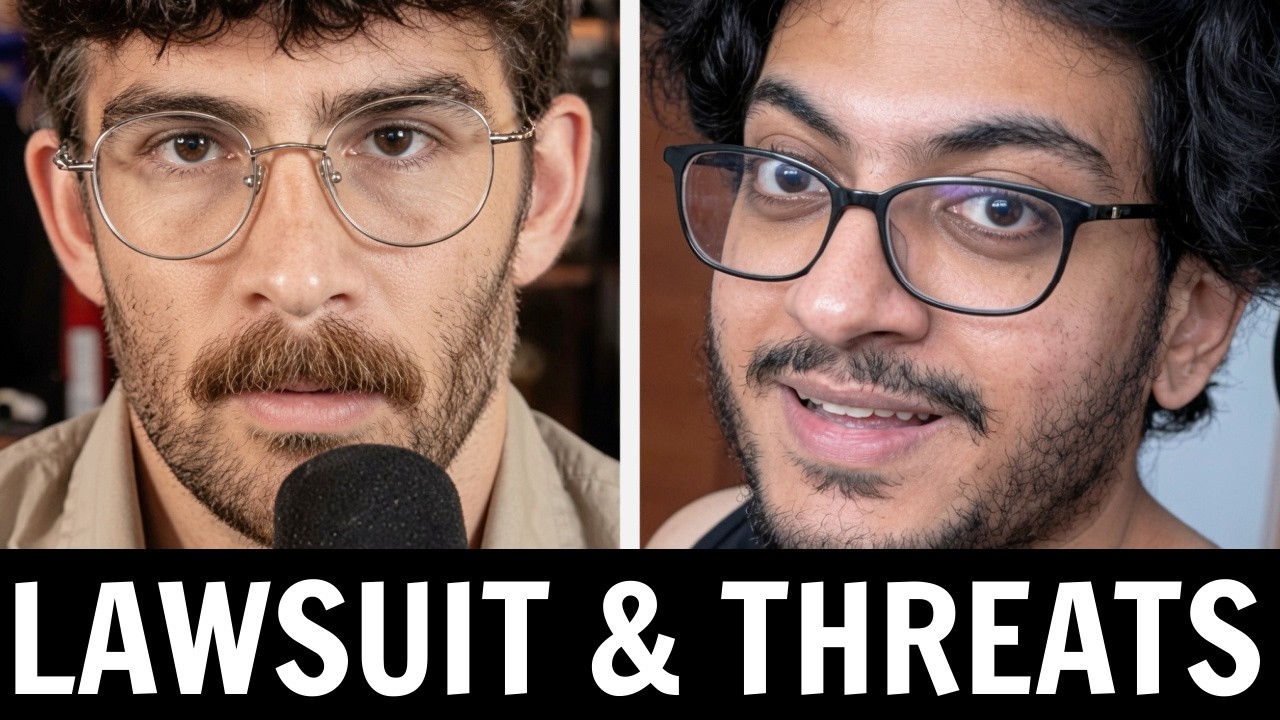
This segment examines the legal criteria for establishing harassment and defamation. For harassment to be actionable, the accused must either intend to cause distress or know their actions are likely to cause it. The video discusses how publishing identity information of the victim or related persons constitutes prohibited conduct. Unintentional defamation occurs when communications relate to the victim without intent to harm. The segment also explores how individuals can pursue litigation to recover damages from slander and harassment, and how the Protection from Harassment Act of 2014 provides legal recourse for victims of ongoing digital harassment.
Click to watch →
Deep Dive
The Concept of Personal Jurisdiction: How courts establish authority over specific individuals to make legally binding rulings.

1L Mastery | Civ Pro lecture by Professor Richard Freer
115.6K
Personal jurisdiction centers on whether a plaintiff can sue a defendant in a particular state, applying identically in both federal and state courts. Jurisdiction derives from two sources: power over the defendant personally (in personam) or power over the defendant's property (in rem or quasi in rem). The constitutional boundary is due process, which defines the 'due process circle'—cases inside produce valid judgments enforceable nationwide, while those outside result in void judgments. States must have specific statutes authorizing jurisdiction; constitutional compliance alone is insufficient. The analysis follows a two-step process: first check statutory authority, then verify constitutional compliance. In personam jurisdiction further divides into general (any claim worldwide) and specific (claims arising from forum activities), with relatedness determining applicability.
Click to watch →

What is Personal Jurisdiction? | CivPro Basics | Civil Procedure
1.5K
Personal jurisdiction refers to a court's power to exercise jurisdiction over a defendant or property. It evolved through landmark cases like Pennoyer v. Neff and International Shoe Co. v. Washington. Courts can exercise jurisdiction over persons (in personam) or property (in rem), with quasi in rem used when property owners aren't in the forum state. Two limitation categories exist: statutory (state-specific) and constitutional. Federal courts examine PJ as if they were state courts due to FRCP Rule 4(k). Four traditional bases support PJ: physical presence with proper service, domicile in the forum state, defendant consent, and long-arm statutes when other bases fail.
Click to watch →

Personal Jurisdiction — SIMPLIFIED
26.3K
Personal jurisdiction refers to a court's power to compel a party to appear in court, and it is determined through two main frameworks: traditional bases (such as forum residency, service within the state, general court appearances, or prior consent) which automatically establish jurisdiction, and the minimum contacts doctrine under constitutional due process, which requires that defendants have purposefully availed themselves of the forum state's benefits, creating sufficient contacts such that haling them into court does not offend traditional notions of fair play and substantial justice; this doctrine distinguishes between general jurisdiction (arising from continuous and systematic contacts allowing suits for any claim) and specific jurisdiction (limited to claims arising from the particular contacts).
Click to watch →
The Life of a Case (2018)
132.1K
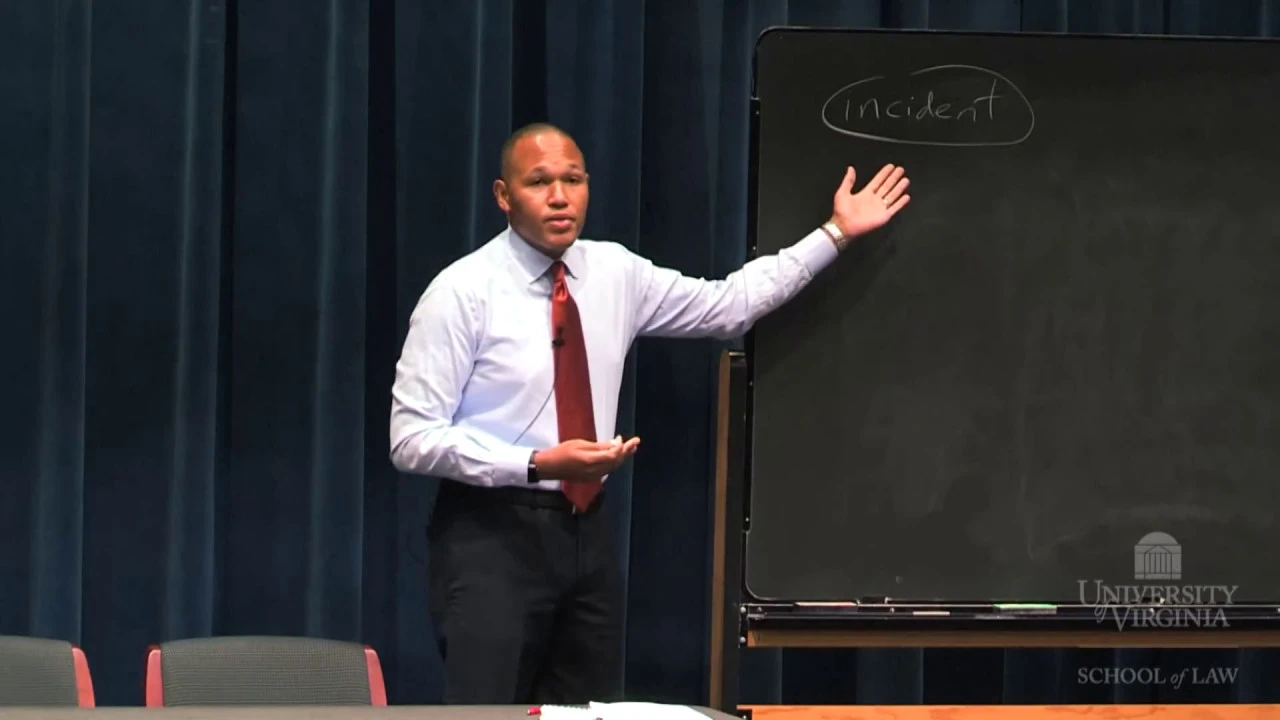
Personal jurisdiction refers to a court's authority over the defendant in a lawsuit. A court can exercise personal jurisdiction over a defendant if the defendant is a citizen of that state, if the incident occurred in that state, or if the defendant has sufficient minimum contacts with the state such that maintaining the suit there does not offend traditional notions of fair play and substantial justice. Personal jurisdiction is essential because a court cannot adjudicate a case involving a defendant who lacks sufficient connection to the forum.
Click to watch →
Civil Procedure Overview: What is Personal Jurisdiction?
74.8K
Personal jurisdiction is a fundamental principle in civil procedure that requires a court to have authority over a defendant before it can hear a case; this authority exists only when the defendant has sufficient minimum contacts with the forum state, preventing plaintiffs from forum shopping by suing defendants in any convenient jurisdiction regardless of the defendant's actual connection to that location.
Click to watch →
Deep Dive
First Amendment Protections: A basic understanding of the constitutional right to free speech and the historical protection of anonymous expression.

LIVE: Trump HAUNTED by LAWSUIT with NIGHTMARE DISCOVERY | Legal AF
51.1K
James Comey's prosecution for writing '8647' on seashells raises significant First Amendment concerns. The prosecution argues the speech is not protected, but the First Amendment protects political speech, including speech critical of government officials. The motion to dismiss cites historical precedent from 14th century England, where laws made it illegal to 'compass or imagine the death of our Lord the King,' which was interpreted to include treason by words. The Founding Fathers repudiated this British practice, establishing that political speech, even when critical of government, is protected. A Vietnam War protester was convicted for saying he would target President Johnson if forced to go to Vietnam, but this conviction was overturned, establishing that even speech expressing violent intent toward government officials is protected.
Click to watch →
Lemon LIVE at 5 | Judge Refuses DOJ Case Against Don Lemon!
422.8K
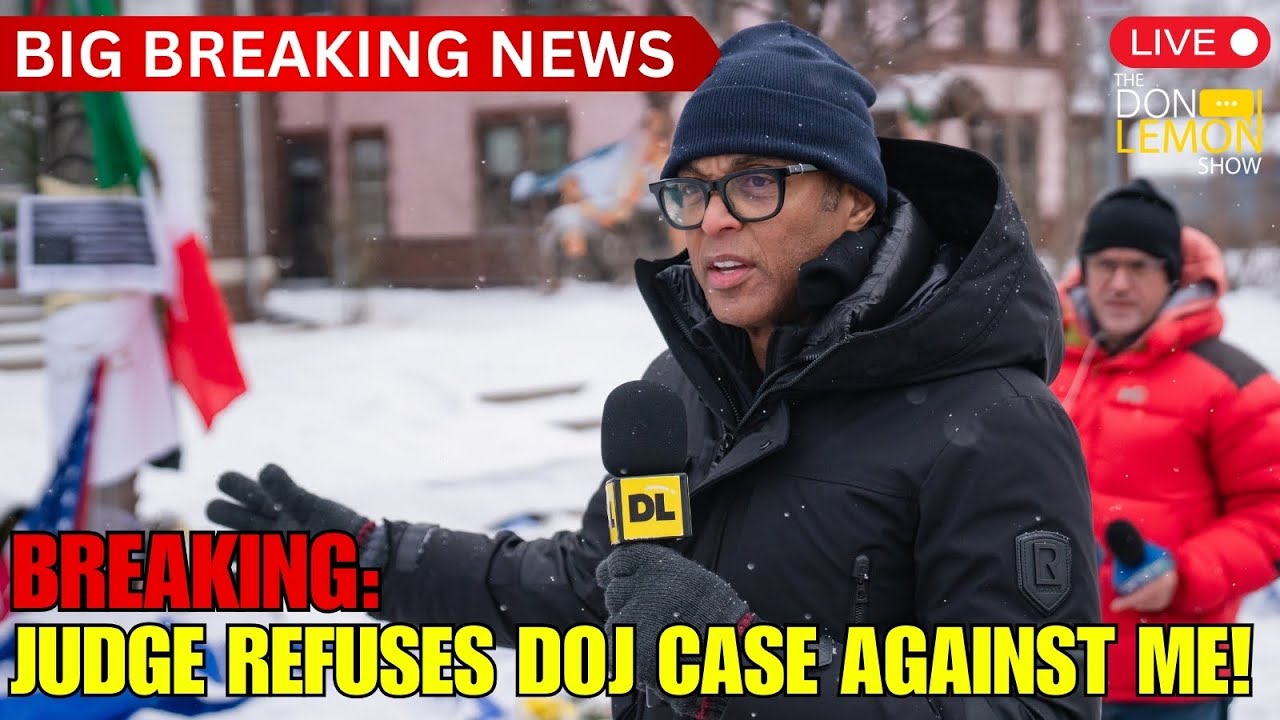
The First Amendment protects the right to protest, even when protests are loud, annoying, or inconvenient to people. Don Lemon remembers when people showed up to protest against President Obama, our first black president, with long guns, standing opposite the capital with long guns, and they were fully protected by the First Amendment. There was nothing that could be done until they broke into the capital. If MAGA supporters want to live in a world where the Department of Justice can prosecute them for protesting, they should ruin the day when there is a Trump on the other side who decides to wield the awesome power of the government against them.
Click to watch →
What the First Amendment Actually Protects | Explainer
68.1K
The First Amendment to the U.S. Constitution protects Americans by prohibiting the government from interfering with freedom of religion, speech, press, assembly, and the right to petition, but it does not grant individuals unlimited rights to speak freely in all contexts; instead, it limits governmental power to silence citizens, while private individuals and entities retain the right to restrict speech in non-governmental settings.
Click to watch →

BREAKING: Trump PANICS as MASSIVE New Epstein Investigation Launched and DOJ Suffers HUGE Loss
62.4K
The First Amendment provides strong constitutional protection against criminal prosecution for speech, including social media posts. The DOJ's attempt to indict James Comey for posting an image of a sea shell formation (8647) would likely be dismissed in court because such speech is highly protected. Comey's response clarified that '86' is common restaurant terminology for removing items from menus. This case illustrates how independent courts can reject government attempts to prosecute speech, while independent investigations by agencies like the GAO continue to hold administrations accountable for alleged misconduct in handling sensitive documents.
Click to watch →

URGENTE FLÁVIO NO SALÃO OVAL E XANDÃO RECEBE ALERTA DE TRUMP INDENIZAÇÃO SERÁ DE MILHÕES DE DÓLARES
71.5K
The First Amendment of the United States Constitution protects freedom of speech and expression. The video explains how American legal experts argued that Brazilian justice Alexandre de Moraes' requests to block content and users on American platforms violated this constitutional protection, as the content was posted by individuals physically located in the United States. The narrative emphasizes that such content is protected by American law, and any attempt to suppress it without proper legal authorization constitutes a violation of fundamental constitutional rights.
Click to watch →
Prerequisite Knowledge
- Concept 01Fundamentals of Civil Procedure: Understanding how a standard lawsuit is initiated, including the roles of the plaintiff and defendant, and the requirement of service of process.
- Concept 02The Legal Elements of Defamation: Familiarity with what constitutes libel and slander, including the requirements of a false statement, publication, fault, and damages.
- Concept 03The Concept of Personal Jurisdiction: How courts establish authority over specific individuals to make legally binding rulings.
- Concept 04First Amendment Protections: A basic understanding of the constitutional right to free speech and the historical protection of anonymous expression.
Subsequent Learning
- Step 01Third-Party Subpoenas and Discovery: Learning how to draft and serve subpoenas to Internet Service Providers (ISPs) or social media platforms to unmask IP addresses and account holders.
- Step 02Defending Against Unmasking (Motions to Quash): Analyzing the legal standards (such as the Dendrite or Cahill tests) used by courts to balance a plaintiff's right to sue against a defendant's right to anonymity.
- Step 03Anti-SLAPP Legislation: Exploring how Strategic Lawsuits Against Public Participation laws protect anonymous online critics from retaliatory defamation suits.
- Step 04Jurisdictional Challenges in Internet Law: Examining the legal complexities of suing anonymous defendants who reside in different states or foreign countries.
Suing Unknowns
Valid Cases
Subpoena Steps
Court Requests
Default Orders
Suing Unknowns
0:00Playing Section
- 1
You can file a John Doe lawsuit when a defendant's identity is unknown.
- 2
This legal action is possible in cases like anonymous defamation or harassment.
First Amendment Protection of Anonymous Speech and Abuse of Subpoena Power
While Jane/John Doe lawsuits are important tools for addressing genuine online defamation, civil liberties advocates and legal scholars warn they can be abused to silence legitimate criticism, whistleblowing, and free expression. Opponents highlight that powerful plaintiffs often file these suits as Strategic Lawsuits Against Public Participation (SLAPPs), exploiting the discovery process to unmask and intimidate critics rather than to litigate a meritorious claim. To prevent this chilling effect on free speech, courts have established strict balancing tests, such as the Dendrite and Cahill standards. These legal frameworks require plaintiffs to present a prima facie case of actual harm before a court will compel an ISP or platform to reveal a user's identity, ensuring that the constitutional right to anonymous speech is protected against retaliatory litigation.
Deep Dive
Third-Party Subpoenas and Discovery: Learning how to draft and serve subpoenas to Internet Service Providers (ISPs) or social media platforms to unmask IP addresses and account holders.
I Am Taking On Blake Lively’s Judge! Fighting Back!!! I Have Just... | Perez Hilton
42.6K
A third-party subpoena is a legal document issued by one party in a lawsuit to a third party (not a party to the lawsuit) demanding the production of documents or information. In this case, the subpoena demanded private communications, unpublished materials, and internal records based solely on the fact that the speaker publicly discussed the case as part of their work as a journalist and media commentator.
Click to watch →

Live! Read Removal to Federal Court + Forcing Proctora's Box Open by Subpoena
142.9K
This extensive segment covers the discovery process in civil litigation. Key elements include: (1) Third-party subpoenas allow parties to obtain information from non-parties who possess relevant documents; (2) Parties must persistently follow up on discovery requests and document all communications with opposing counsel; (3) When a party repeatedly refuses to comply with discovery requests, the requesting party can file a motion to compel production; (4) Witnesses cannot hide behind claims of representation to avoid discovery obligations; (5) When plaintiffs allege false narratives, this opens the door for extensive discovery into the truth of those allegations; (6) Judges expect parties to actively pursue discovery rather than passively wait for responses.
Click to watch →

Frogan, Denims, Reddit and Discord Mods in Legal TROUBLE (Fast Facts)
286.5K
Third party subpoenas are legal documents that allow a party to obtain information from entities that are not directly involved in the lawsuit. In this case, the court granted permission to serve subpoenas on Reddit and Discord to obtain their data and information related to the case.
Click to watch →

LAWYER PREDICTS HASANS ORBITERS ARE F*CKED
149.2K
Courts can grant stipulations allowing plaintiffs to serve third-party subpoenas before rule 26F conferences, compelling platforms like Reddit and Discord to produce documents and information. The court has authority to issue such subpoenas when good cause is shown. Attempting to erase or destroy evidence constitutes obstruction of justice or spoliation of evidence. Companies like Discord and Reddit retain copies of data even if users delete messages. The court can still obtain this information, and those attempting to destroy evidence will face legal consequences.
Click to watch →

Asmongold Gets It (Reaction to Ethan Klein Lawsuit)
185.1K
Third party subpoenas are court orders that allow parties to obtain information from third parties who are not directly involved in the lawsuit. In this case, the court granted leave to serve subpoenas on third parties (Reddit and Discord) prior to the Rule 26F conference. This allows the plaintiff to gather evidence from platforms where communications may have occurred.
Click to watch →
Deep Dive
Defending Against Unmasking (Motions to Quash): Analyzing the legal standards (such as the Dendrite or Cahill tests) used by courts to balance a plaintiff's right to sue against a defendant's right to anonymity.

DECIDED! Jehovah's Witness Subpoena for Redditor's Identity
60.4K
A motion to quash is a legal request filed with the court asking to cancel, negate, or vacate a subpoena. In this case, the Electronic Frontier Foundation filed a motion to quash on behalf of darkspilver to prevent the disclosure of his identity in response to the Watchtower's DMCA subpoena. The magistrate judge initially denied the motion but qualified it by allowing production of identifying information on an attorneys' eyes only basis, meaning only lawyers could see the information, not the religious organization itself.
Click to watch →

Lilet Matias, Attorney-At-Law: Patricia can’t escape justice! (Full Episode 254) February 4, 2025
192.9K
In criminal proceedings, a motion to quash is a procedural mechanism that challenges the legal sufficiency of charges based on insufficient evidence or lack of probable cause, but it does not determine guilt or innocence; if granted, the prosecution may still file new information, and the court can still file new charges if new evidence emerges.
Click to watch →

H3Snark Mods vs Ethan Klein | 500+ Pages of Pure Snark Motion to Quash
5K
The First Amendment protects freedom of speech, including the right to speak anonymously. When courts consider unmasking anonymous speakers, they apply a legal standard requiring the party seeking information to demonstrate a compelling need that outweighs the speaker's right to anonymity. This standard is particularly relevant in online cases involving platforms like Reddit and Discord. The motion argues that the defendants' actions constitute bad faith and that the subpoena would silence legitimate criticism. The motion also addresses the practical limitations of IP tracking, noting that users may have shared IP addresses or use masking tools, making identification difficult.
Click to watch →
ROOM GOES COLD!! Sen. Kennedy Reveals Epstein BLACKMAIL FILES—Bondi SHRIEKS as Truth Comes Out!
20K
A motion to quash is a legal procedure where parties can request a judge to stop a subpoena they believe is wrong or improper. It serves as a safety valve allowing companies to say 'no' until someone double-checks the request. If a reasonable person would have filed a motion to quash for something as serious as a sitting US senator's records and didn't, the company may incur civil liability for not challenging the request.
Click to watch →
Breaking: Wendi Adelson Files NEW Motion to Quash Defense Subpoena
68.5K
A motion to quash is a legal request asking the court to cancel or invalidate a subpoena. In this case, Wendy Adelson's attorneys filed a motion to quash her mother's defense subpoena, arguing that without state immunity, Wendy would be forced to invoke her Fifth Amendment rights on every relevant question. The motion asked the court to formally acknowledge Wendy's Fifth Amendment rights and to completely quash the defense subpoena so Wendy would never be in a position to incriminate herself.
Click to watch →
Deep Dive
Anti-SLAPP Legislation: Exploring how Strategic Lawsuits Against Public Participation laws protect anonymous online critics from retaliatory defamation suits.
“I was threatened, intimidated and hacked” EPSTEIN EXPOSED! | Lucia Osborne-Crowley
207K
A proposed solution to defamation abuse is anti-SLAPP (Strategic Lawsuit Against Public Participation) legislation that would require judges to assess whether defamation cases have merit before formal filing. Judges could throw out cases early if they determine the claim lacks merit or if the defendant is attempting to silence a victim using their financial resources. This would prevent wealthy perpetrators from using the justice system to suppress truth-telling.
Click to watch →

The rich might be able to ruin you financially if you criticize them. Here's how we stop that
766
SLAPPs (Strategic Lawsuits Against Public Participation) are lawsuits used by wealthy individuals or corporations to intimidate and silence critics through costly, time-consuming legal battles, effectively suppressing public interest speech; anti-SLAPP legislation provides a legal mechanism to dismiss such lawsuits early by assessing their merits and motives, protecting journalists and citizens from financial ruin when exercising their right to speak on matters of public concern.
Click to watch →

Why Alberta Needs Anti-SLAPP Legislation
1.2K
This segment addresses concerns about safeguards in anti-SLAPP legislation and presents the case for reform. Lebrun explains that the existing legislation in Ontario, BC, and Manitoba deals with abuse effectively—defendants must convince a judge that the lawsuit was frivolous, abusive, or politically motivated, and must demonstrate they have a valid defense. The legislation acts as a deterrent, making potential plaintiffs think twice about bringing weak cases, while still allowing legitimate defamation claims to proceed. The segment provides a detailed explanation of Ontario's anti-SLAPP legislation, which is considered the strongest in the world. Lebrun explains that defendants can bring a motion to dismiss a lawsuit at the earliest stages. To succeed, defendants must prove the proceeding arises from an expression relating to a matter of public interest. If proven, the original action must be dismissed unless the plaintiff shows the proceeding has substantial merit, the defendant has no valid defense, and the plaintiff has suffered harm. If the plaintiff cannot clear these hurdles, the lawsuit is immediately dismissed. The segment also explains cost recovery—defendants are eligible for full recovery of legal costs, and if the plaintiff brought the lawsuit in bad faith, the judge may award costs on a full indemnity basis plus damages. The segment concludes that this legislation is needed to protect the fourth estate and the right to speak freely.
Click to watch →

Tenant Sued for $112,000 for 1 star review to Roofing Company | Streisand Effect
23.7K
This segment covers Washington state's new anti-SLAPP legislation called the Uniform Public Expression Protection Act, which takes effect on July 25th. The law protects consumers' rights to speak out, whether in person or online, as long as their statements are truthful. The video explains that this legislation was passed virtually unanimously by the state legislature to address the problem of wealthy entities using lawsuits to silence legitimate criticism. The segment also discusses how the couple raised money through GoFundMe for legal defense and faced additional challenges when the roofing company sent cease and desist letters about their fundraising efforts.
Click to watch →
Melania PANICS As FBI Document Proves WOLFF Right
18.3K
Anti-SLAPP (Strategic Lawsuit Against Public Participation) legislation is designed to protect journalists and whistleblowers from weaponized litigation. Michael Wolff sued Melania Trump first in New York Supreme Court, anchored in the state's anti-SLAPP legislation. By filing first in a jurisdiction with robust anti-SLAPP protections, Wolff executed what is described as a 'legal judo throw' - converting Melania's billion-dollar threat into a judicial proceeding, transforming her intimidation into evidence, and formally informing her that he would not be silenced, bankrupted, or stopped from asking questions.
Click to watch →
Deep Dive
Jurisdictional Challenges in Internet Law: Examining the legal complexities of suing anonymous defendants who reside in different states or foreign countries.
Workshop: Jurisdição e cooperação jurídica internacional nos conflitos da internet - Parte 3
103
The virtual nature of the internet creates fundamental challenges for traditional jurisdictional frameworks, as information can be accessed from anywhere in the world. This creates potential for multiple jurisdictions to claim authority over the same online activity. Brazil has adopted a broad approach considering any connection to Brazil as sufficient for jurisdiction. A fundamental challenge is ensuring judicial decisions have extraterritorial effect, requiring cooperation between judicial systems and often depending on international agreements. The Marco Civil da Internet establishes that connection providers are not responsible for user content, but application providers may be responsible if they fail to remove content after court orders.
Click to watch →
Uitgangspunten voor internetjurist: tien geboden van het internetrecht
1.5K
A fundamental challenge in internet law is establishing jurisdiction and linking applicable legal rules to online activities. Two competing theories exist: the 'harbor' approach (computer location determines applicable law) and the 'open sea' approach (internet as separate space). The reality is more complex, as devices can be physically in one country while connecting to global infrastructure. Creative legal solutions are needed, as demonstrated by a 2007 Haarlem court case where a judge ruled that electronic presentation of terms should be treated equivalently to physical delivery, extending existing legal principles to new technological contexts.
Click to watch →

BOAH JAYSUS... BITTE... HALT DEIN MAUL...
13.7K
Internet content creates jurisdictional challenges because content can be accessed globally while legal proceedings must occur in specific locations. When content is created, published, and accessed in one location but legal proceedings occur in another, this creates logistical and financial burdens. The principle that 'the internet is everywhere' conflicts with the practical reality that legal proceedings must occur in specific jurisdictions. Additionally, legal proceedings can impose significant financial burdens including costs for legal representation, travel expenses, and accommodation, potentially reaching tens of thousands of euros.
Click to watch →

Data protection laws, Internet law, Social Media and Privacy | BlackBeltBarrister
4.6K
The internet's worldwide availability creates significant jurisdictional challenges. As noted by the US Supreme Court, cyberspace is located in no particular geographical location but is available to anyone anywhere in the world. This makes it difficult to determine which laws apply to online activities.
Click to watch →
Internet Fundamentals, Christian Sandvig
810
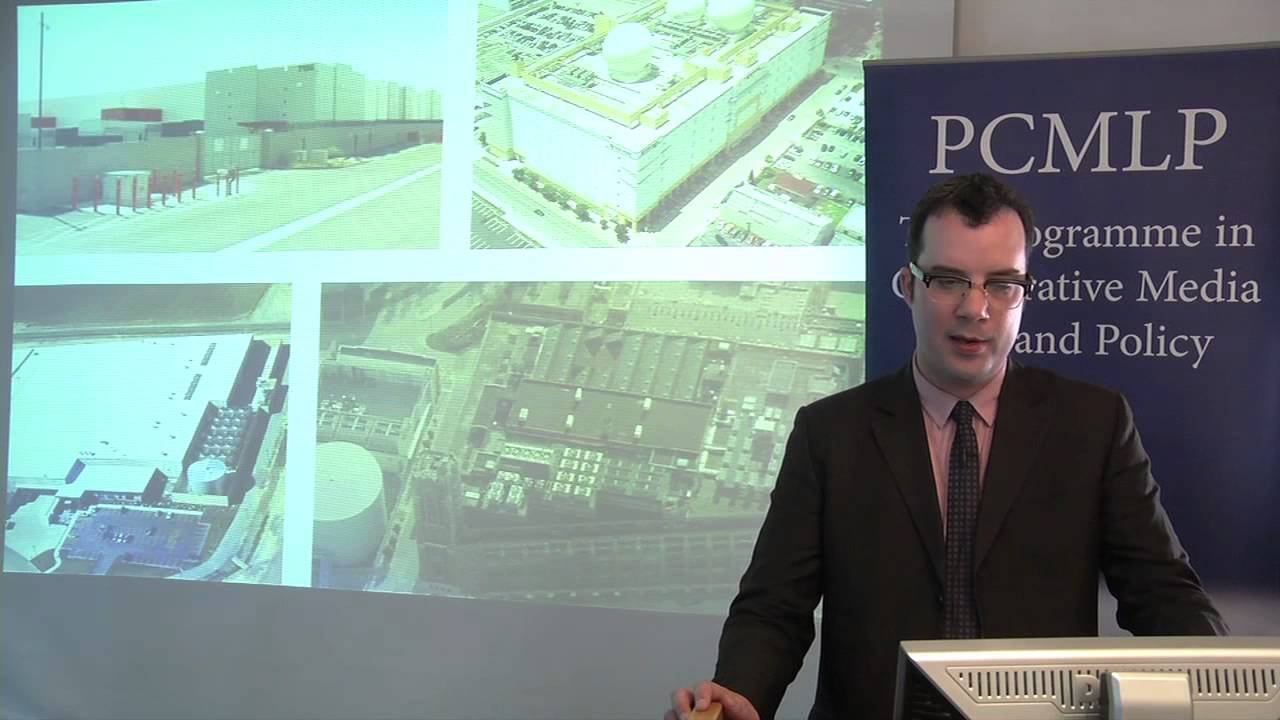
The first basic problem in internet law is sovereignty and jurisdiction, which refers to the challenge of determining which laws apply when internet communications travel through multiple countries. This is called the 'problem of competing sovereigns on the internet.' Internet traffic flows through servers in various countries, and it's often difficult to determine exactly where communications are located. Companies strategically locate data centers in jurisdictions with favorable laws, such as those with lower costs or more permissive regulations. This creates ongoing debates about which jurisdiction's laws should govern internet communications, as different countries may have different interpretations of the same laws.
Click to watch →
Suing Unknowns
Valid Cases
Subpoena Steps
Court Requests
Default Orders
Suing Unknowns
0:00- 1
You can file a John Doe lawsuit when a defendant's identity is unknown.
- 2
This legal action is possible in cases like anonymous defamation or harassment.
First Amendment Protection of Anonymous Speech and Abuse of Subpoena Power
While Jane/John Doe lawsuits are important tools for addressing genuine online defamation, civil liberties advocates and legal scholars warn they can be abused to silence legitimate criticism, whistleblowing, and free expression. Opponents highlight that powerful plaintiffs often file these suits as Strategic Lawsuits Against Public Participation (SLAPPs), exploiting the discovery process to unmask and intimidate critics rather than to litigate a meritorious claim. To prevent this chilling effect on free speech, courts have established strict balancing tests, such as the Dendrite and Cahill standards. These legal frameworks require plaintiffs to present a prima facie case of actual harm before a court will compel an ISP or platform to reveal a user's identity, ensuring that the constitutional right to anonymous speech is protected against retaliatory litigation.
Fundamentals of Civil Procedure: Understanding how a standard lawsuit is initiated, including the roles of the plaintiff and defendant, and the requirement of service of process.
The Legal Elements of Defamation: Familiarity with what constitutes libel and slander, including the requirements of a false statement, publication, fault, and damages.
The Concept of Personal Jurisdiction: How courts establish authority over specific individuals to make legally binding rulings.
First Amendment Protections: A basic understanding of the constitutional right to free speech and the historical protection of anonymous expression.
Third-Party Subpoenas and Discovery: Learning how to draft and serve subpoenas to Internet Service Providers (ISPs) or social media platforms to unmask IP addresses and account holders.
Defending Against Unmasking (Motions to Quash): Analyzing the legal standards (such as the Dendrite or Cahill tests) used by courts to balance a plaintiff's right to sue against a defendant's right to anonymity.
Anti-SLAPP Legislation: Exploring how Strategic Lawsuits Against Public Participation laws protect anonymous online critics from retaliatory defamation suits.
Jurisdictional Challenges in Internet Law: Examining the legal complexities of suing anonymous defendants who reside in different states or foreign countries.
950 views13likes1:00@MincLawOriginal Release: 2025-03-10
can you really sue someone whose identity remains unknown to you the answer is yes you can file what is called a John do lawsuit now there are cases where it may be right to file a jondo lawsuit including an anonymous user posting false and defamatory statements you're the victim of anonymous online harassment threats or cyber bullying your copyrighted content is being stolen or infringed on by an anonymous user other confidential information is being leaked by an anonymous source so once the John do suit is filed we almost immediately subpoena the website or platform for user data now in many of these cases an anonymous user doesn't provide their true identity to create these online accounts now we'll go back to the court and ask the Court's permission to subpoena these internet service providers who may have information on these users true identities to unmask the Anonymous speaker even if an unknown speaker is never unmasked filing a lawsuit may help you obtain a default order from Mt which can be leveraged to help remove problematic content from online platforms and other websites
Up Next

21:38
SLAPP Suits and Anti-SLAPP Laws: A Legal Analysis of John Oliver vs. Bob Murray
@LegalEagle
4.8M views•2019-11-16

4:27
US Secondary Sanctions Impact on EU Businesses and Blocking Legislation
@Bureauvandijk
1.6K views•2019-03-20

5:27
Forensic Phonetics: Speaker Identification in Legal Cases
@nptel-nociitm9240
539 views•2025-03-19

24:42
Police Interrogation Tactics: False Confessions & Legal Reform
@LastWeekTonight
7M views•2022-04-18
Related Study Plans & Knowledge Roadmaps
Structured learning paths in Law
law
Self-Defense Law: Imminence & Castle Doctrine
01Foundations of Self-Defense Law
02Imminent Threat & Reasonable Belief
03The Principle of Proportionality
+ 3 more learning modules
12h6 modules
Explore Roadmap
law
Defamation Law: First Amendment & Actual Malice
01Introduction to civil torts and the First Amendment
02Elements of Defamation: Libel and Slander
03Public Figures vs. Private Individuals
+ 2 more learning modules
8h5 modules
Explore Roadmap
law
Hearsay Rule: Trial Evidence & Exceptions
01Introduction to Trial Evidence & Courtroom Basics
02Demystifying Hearsay: The Core Definition
03Non-Hearsay: Exclusions Under FRE 801(d)
+ 3 more learning modules
14h6 modules
Explore Roadmap
law
Medical Malpractice: Law, Liability & Care
01Foundations of Tort Law and Civil Liability
02The Four Elements of Medical Malpractice
03Defining and Proving the Standard of Care
+ 2 more learning modules
12h5 modules
Explore Roadmap