









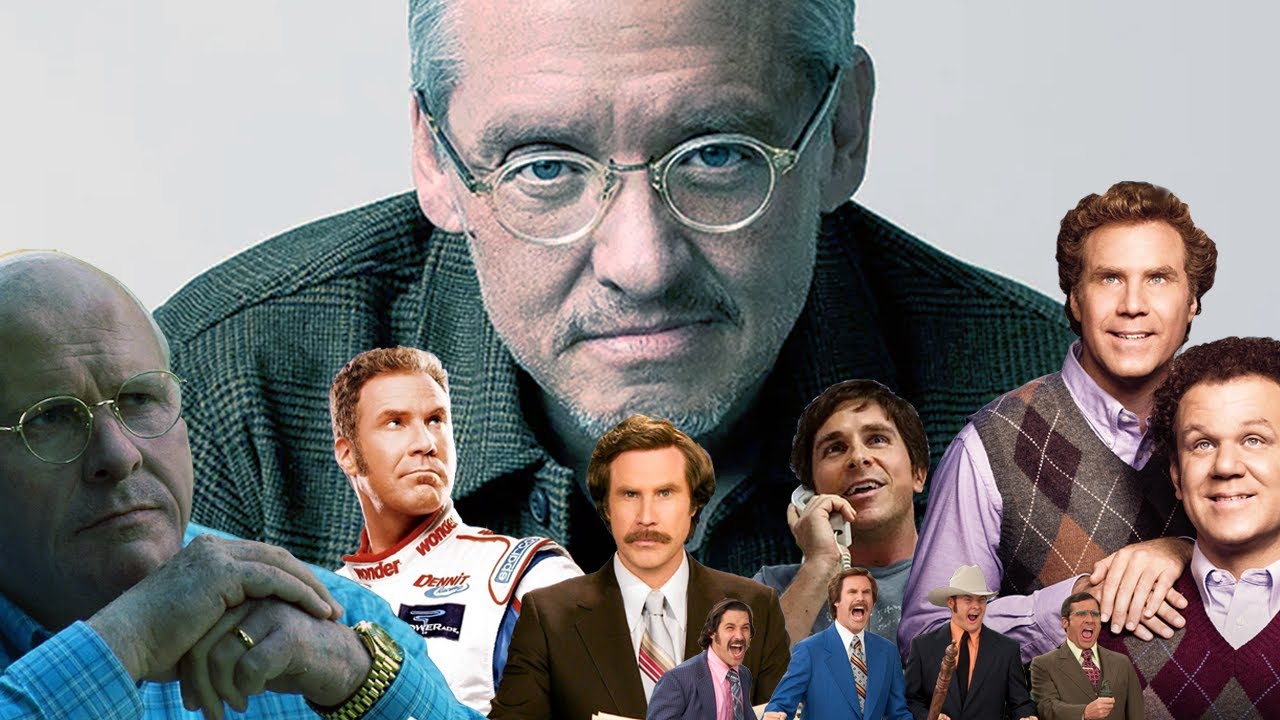
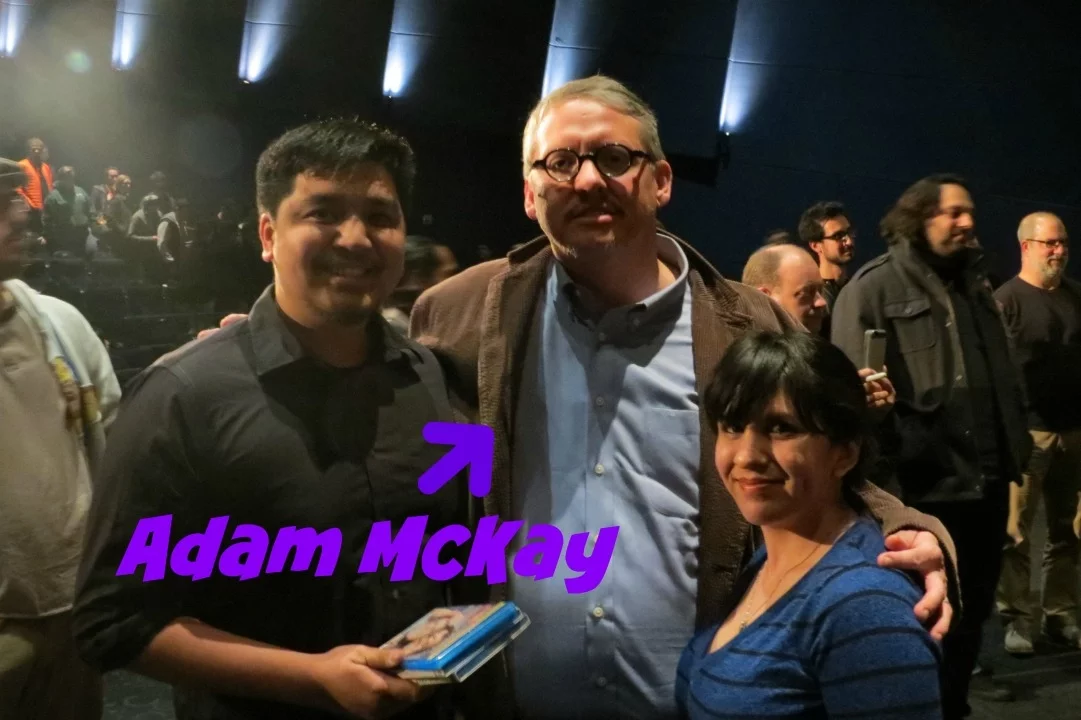











The encyclopedic film is a genre characterized by filmmakers who employ an extraordinarily diverse range of cinematic techniques—including complex narratives, multiple perspectives, innovative camera work, and varied audiovisual styles—to comprehensively explore themes, systems, and cultural contexts; this genre evolved through pioneering directors such as D.W. Griffith (The Birth of a Nation), Abel Gance (Napoleon), Orson Welles (Citizen Kane), Martin Scorsese (Goodfellas), Oliver Stone (JFK), and Adam McKay (The Big Short), each pushing the boundaries of what cinema could achieve by synthesizing existing techniques into groundbreaking works that educated audiences about entire worlds within single films.
Encyclopedic Cinema: Scorsese, Stone, and the Genre's Evolution
Added:Familiarity with the foundational film history of D.W. Griffith, specifically his pioneering work in parallel editing and grand historical narratives (e.g., 'Intolerance').
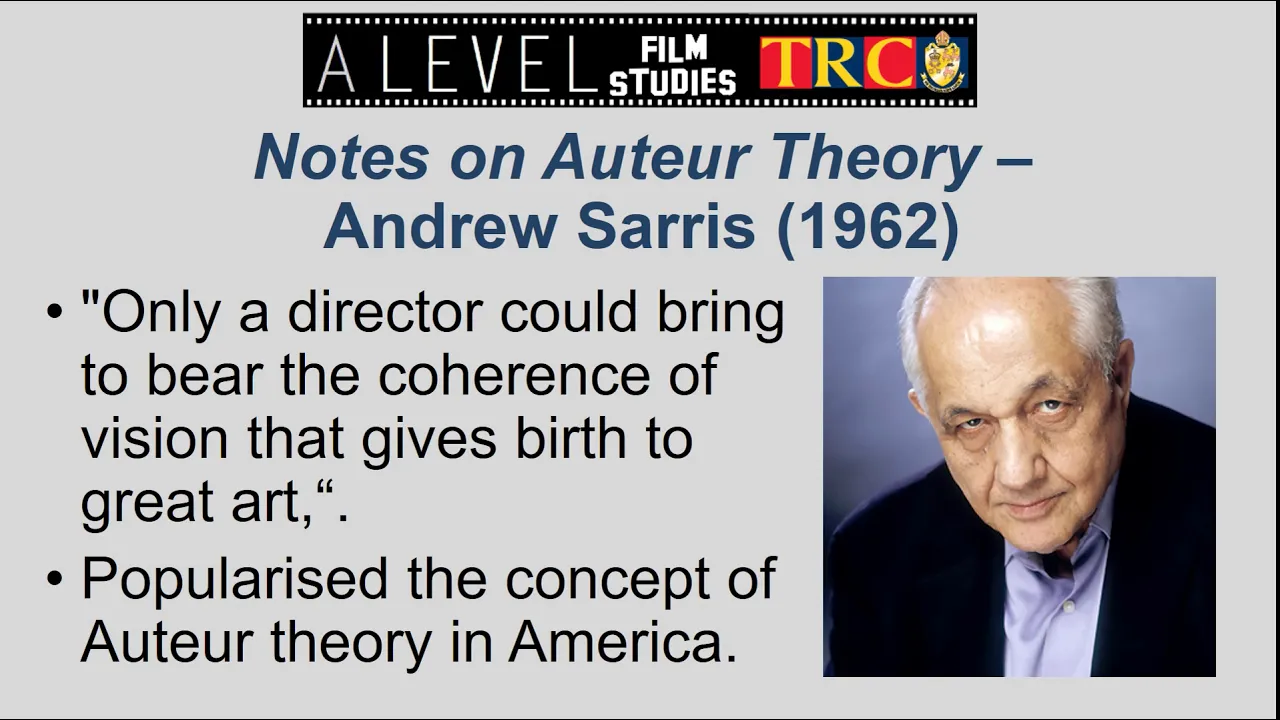
An understanding of Auteur Theory and the distinct stylistic signatures of directors Martin Scorsese (maximalist editing, voiceover) and Oliver Stone (multi-format collage, political critique).
Knowledge of literary 'encyclopedic' form—works that attempt to map and synthesize an entire social, political, or economic system within a single narrative framework.
Basic comprehension of advanced film editing techniques, such as montage, rapid cutting, and the use of non-diegetic inserts to convey complex thematic information.
Analysis of Adam McKay's contemporary pedagogical filmmaking, exploring how 'The Big Short' and 'Vice' use breaking of the fourth wall and pop-culture cameos to explain complex systemic concepts.
Investigation into Historiophoty—the representation of history and our images of it through visual media—particularly how 'encyclopedic' films shape public historical memory.
Study of Cognitive Film Theory, specifically looking at how audiences process hyper-edited, information-dense 'maximalist' cinema without experiencing narrative fatigue.
An exploration of serial television (such as 'The Wire') as the modern successor or competitor to the feature-length encyclopedic film in mapping complex social systems.
124.8K views4.2Klikes17:03Original Release: 2022-05-06
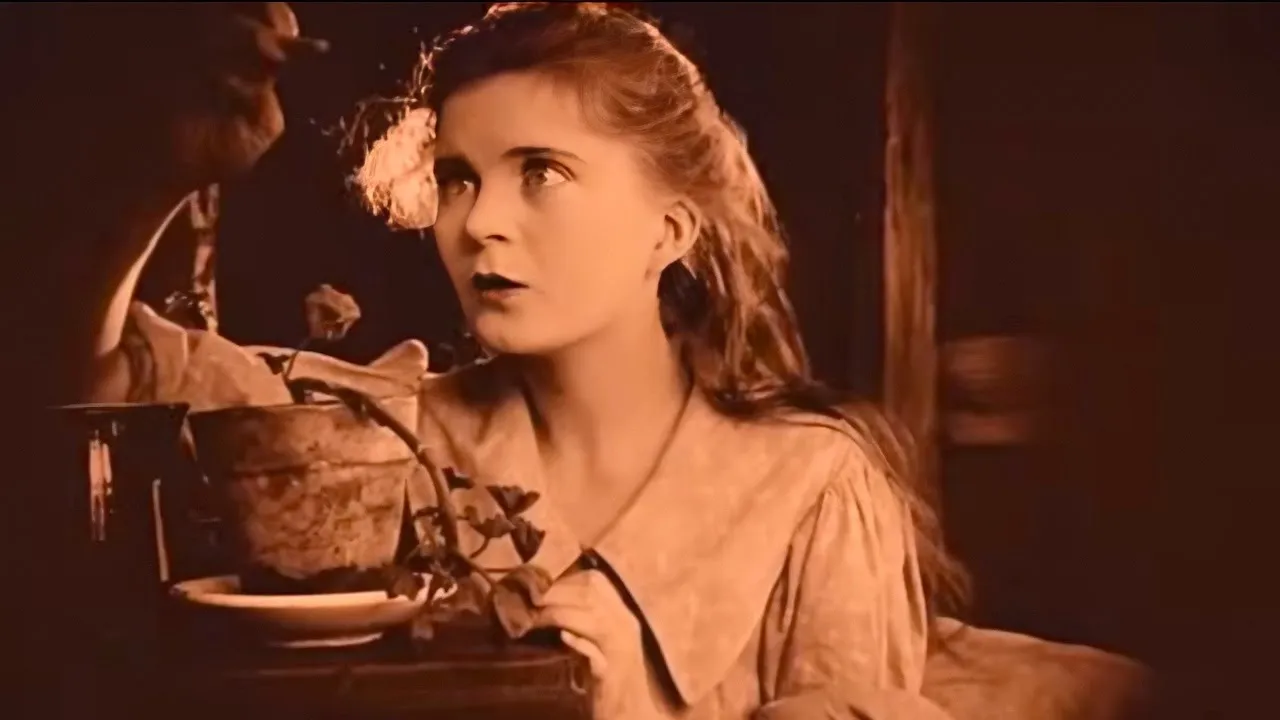
answer this question why is The Wolf of Wall Street so damn good besides that and that okay I'll tell you the Wolf of Wall Street makes use of just about every conceivable cinematic technique to tell its story like Martin cress's similar films we'll get to them when we get to them it is led by the protagonist's first person narration which dumps exorbitant amounts of information on you to tell a complex story about a time a place and its people now a rat hole is a friend like Brad here who held stock in his name from me the qualude or lud as it is commonly referred to was first synthesized in 1951 an IPO is an initial public offering it's the first time a stock is offered for sale to the general population and what's the only way to make you pay attention to so much content not only that but through an audio visual style that is as busy and informative as the story requires the Wolf of Wall Street uses photos eventually Ben married her which was pretty amazing considering she blew every single guy in the office commercials for millionaires whose ships have come in pricey pleasure boats offer the most fun of flat it's no coincidence that it's 150 ft of green Hull is the color of cash arive footage I Own a Mansion private jet six cars three horses two vacation homes and 170 foot yacht video remember what I told you it involves your penis and her vagina and you know you know what you can do TV shows cinematically it has montages oh thank you and here welcome welcome tracking shots your mom she calling you man slow motion someone figured out that if you resisted the urge to sleep for just 15 minutes you got a pretty kickass high from it free frames my name is Jordan Belford not him me every imaginable musical choice [Music] and my favorite directing touch in the whole movie will always be how Marty shoots Jordan's conversation with his Suave asand Jan always is Swiss Banker soell Jordan thinks a Swiss bank will save his life and more importantly if there's a difference is money so he believes the place is Paradise and that's how Marty frames him but and that's a big butt this decision will only lead to trouble later on so this is how Marty frams the banker soell you are now in heaven this deal isn't the endless Waters of the beautiful ocean Jordan it's an aquarium you'll be forever trapped swimming in circles Bound in a nutshell and Counting yourself a king of Infinite Space as Hamlet would put it I could be bounded in a nutshell and count myself a king of Infinite Space in in case you didn't notice the setup during the dialogue here's Jordan framed inside the fish tank a brilliant Choice as Mike Nichols showed us in The Graduate hello later Jordan thinks he might lose $20 million he put in the bank so he calls soel who tells him how to retrieve the money through symmetrical camera movements coresi frames Jordan once again in his imaginary paradise and soel in front of the aquarium that will trap his client fantastic well that's good news well moving on this entire cinematic abundance places the W of Wall Street in the extremely exclusive genre that I call the encyclopedic film and what constitutes an encyclopedic film I borrow and adapt the term from literature Professor Edward Mendelson's concept of the encyclopedic narrative an encyclopedic film can be so through the writing and through the directing so let's talk about encyclopedic scripts first cuz the second one I'll get carried away on the second one the encyclopedic screenplay was born with Martin scess Good Fellas as far back as I can remember I always wanted to be a gangster alongside its story it is concerned with explaining to the audience about Sciences systems patterns customs and cultures and he had this wonderful system for doing the garlic he used a razor and he used to slice it so thin that it used to liquefy in the pan with just a little oil that Pit Bosses are watching the floor men the shift bosses are watching The Pit Bosses the casino manager is watching the shift bosses I'm watching the casino manager now this is a classic error in basketball it's called the hot hand fallacy a player makes a bunch of shots in a row people are sure they're going to make the next one and once you conclude the Magic Bullet could not create all seven of those wounds you have to conclude that there was a four shot and a second rifle the only hand left that can beat a queen Full House is a king full house within months after meeting cockroach Pablo was establishing the first dedicated Narco routes from Columbia to America Grover norquist ran the anti-tax group with huge funding from the coch brothers Network big oil and big tobacco there are two different types of dick pick solicited and unsolicited now let's talk about the encyclopedic style of directing but to get there we need to rewind all the way back to not so much to the dawn of Cinema early silent films were shot like stage plays in unbroken wide shots close-ups and medium shots came along but directors did not much vary types of angles within scenes then in 1915 thew Griffith made The Birth of a Nation taking just about every technique early films had developed and using them all in a single 3-hour Epic [Music] take a look at this moment of a man recognizing his friend on the opposite side of the Civil War it cuts from a wide angle to a closer shot of him to his friend's reaction and back an impressive right if it doesn't seem like much it's because every movie made ever since has Griffith to thank for such conventional editing techniques look at this cut from a wide shot to a detail on John wil's Booth's gun such dramatic angles were not common within a scene so Griffith used used VAR types of shots camera movement yeah there's that and editing techniques so Innovative they soon became a pattern and it is through Griffith's assembly of everything Cinema up until then could do that makes me give him the title of the first encyclopedic director his Reign though was shortlived because his Innovative style was so impressive everyone started using it and what was once encyclopedic soon became the norm the 1920s was the most creative decade in movie history there were landmarks in editing special effects production design how could someone gather so much to become a new encyclopedic director enter Abel guns in 1927 he released Napoleon which not only gathered everything silent Cinema could do until then but also invented new techniques guns never saw a movement he didn't want for his camera all might be getting dizzy he also used strong symbolism and shots inspired by paintings but his greatest achievement of all was the invention of the WID screen 26 years before it became common for all this Abel guns takes the title of our second encyclopedic director then came sound film and a whole new world of possibilities arrived I you was shot five times in the tabloids it's not true he didn't come anywhere near my tabloids and the first film to make use of all of them was of course the much talked about the much beloved citizen Kan by Orson Wells and there's the cane from Citizen Kane wait a minute there was no cane and Citizen Kane what the is that then Lisa what the [ __ ] is that here is how Citizen Kane is set in Motion News on the March Wells used the news reel a type of media common at the time 100,000 trees 20,000 tons of marble are the ingredients of zanadu mountain paintings pictures statues the very stones of many another Palace the foul of the air the fish of the sea the Beast of the field and jungle Kan built Chicago's Municipal Opera House cost $3 million it's a first step that would lead scorsi and McKay to use pop media decades later like his encyclopedic predecessor Citizen Kane is famous for its assembly of techniques that already existed but were never used all at once to tell a single story I just try everything I can think of expressionistic sets and compositions I didn't know we were speak sure we're speaking jedah you're fired montages trust pleas by trust smash by Inquirer landlords Rus match Cuts I looked at a picture of the world's greatest newspaper men I felt like a kid in front of a candy store it uses every conceivable technique to skip in time but what made the film truly unique was its boasting depth of field The Cinematic technique of keeping all elements of the composition in Focus was used many times before but it was Citizen Cane that made it famous so disruptive was Orson wells's style that there came no other encyclopedic director for decades Orson Wells continued making creative compositions and varying between long shots and fast editing but no single other film of his matched citizen kan's technical excess the director who came the closest was Sergey bondar chuk in his jaw dropping 7-hour Epic War and Peace it has extremely complex shot camera movements out of this world and makes use of both narration and character's thoughts [Music] bondarchuk's War and Peace is the closest any film has ever gotten to Abel gun's Napoleon hey it has Napoleon too maybe the emperor awakens the best inside us all but besides its use of multiple narrations war in peace doesn't use new audio visual possibilities from its day the rebirth came when in his 12 feature Martin scorsi not only brought back the encyclopedic film but alongside his Co writer Nicholas pagi invented the encyclopedic screenplay a great inspiration came from the narration and style of True Falls jwes and Jim [Music] and a mere two years after Good Fellas another director Advanced the genre even further the best encyclopedic film came not from scorsi but from his student Oliver Stone boss of pres has been shot in Dallas 5 minutes ago with JFK Stone presents the conspiracies that follow Kennedy's assassination as an avalanche of narrations the peace Sumit between Cru CHF and Eisenhower failed I can't help thinking maybe someone in our military didn't want the peace conference to happen their papers had the entire history of this unknown 2 24-year-old Man oswal Studio picture detailed biographical data Russian information and if there was a second Rifleman and by definition there had to be a conspiracy flashbacks Dave was drunk now really drunk he started in on Kennedy again weak nose cuz I will kill right in the White House flashbacks within flashbacks I just am unable to describe a flash of light or smoke something archive footage Castro is a successful revolutionary frightening to American business interests in Latin America Sings of all shapes and styles shot in 35 mm 16 mm 8 mm video Academy ratio scope color and black and white it is truly an encyclopedia of film that has never been matched while scares films approach informative documentaries Stones JFK is closer to a paranoic mind overfed with stimuli trying to find pattern in the chaos look at the way the Shadows on the nose fall in a straight line like it's high no but Shadow down here on the ground reads more like late afternoon or early morning never would have allowed that limousine to slow down to 10 m hour much less take that unusual curve at Houston and Elm they wait they wait till it gets to The Killing Zone between three rifles and remember these words by Paul clell Stone's Natural Born Killers also mixed different colors songs and styles add in horror animation and a sitcom sequence few pounds lighter you'll be Miss theop but it wasn't as much in cyclopedic as it just played with this style many complain the film was too much like a video clip but that's what makes it so appropriate to its Age We respect human life and all but if I was a mass murderer I'd be Mickey and mallerie it's Stone second time using what the audiovisual language had to offer but after it only his Nixon approached the encyclopedic genre a small town lawyer like Lincoln Nixon became a representative at 33 and a senator at 35 is Adam McKay the new encyclopedic fuel maker then as a screenwriter yes thou shared th torches flame with mine revealing halls and spires of long faded Empires we're also offering an extraordinary rendition where suspects are abducted without record on foreign soil and taken to foreign prisons in countries that still torture oh that sounds delicious but not as a director both his films The Big Short and vice fit the requirements to a tea and America barely noticed as its number one industry tree became boring old Banking and like sc's films they use busy soundtracks freeze frames photos and pop culture products to place you in a specific time and place here's Margo Robbie in a bubble bath to explain but ultimately that's that he does the same scor he does look I know you're not following what I'm saying anyway right that's that's okay that doesn't matter no since coresi and stone we haven't had a new Innovative encyclopedic stylist and it's a shame because because audio visual technology has never been greater which you could say at any age but bear with me there has never been so much playing around with aspect ratio image correction and visual effects New Media arrives every day be it good or bad films already imitate computer and cell phone screens film editing has never been easier or offered so many choices anyone can do anything and it's only a matter of time until a filmmaker decides to take it all they call this world of possibilities and make an earth shattering movie that will change the audio visual world forever but until then I'm fine with vines there is only one thing worse than a rapist boom a child no thank you for watching if you enjoyed this video please like subscribe and share it and tell me what you think of the encyclopedic film can you think of another beiting film or director I didn't mention leave a comment I will see you next time and this is movie wise
Up Next
28:58
Christmas with the Kranks as a Case Study in Cult Dynamics
@LackingSaint
221.4K views•2019-12-19

23:14
Visual Analysis Essay: How to Analyze Graphic Novels in College Writing
@nataliepleimann5941
1K views•2020-10-14
4:55
Film Blocking Techniques for Directors: Space, Shapes, Lines
@StudioBinder
1.9M views•2018-07-23

4:00
Evolution of Darth Vader: Anakin Skywalker's Animated Journey Across Star Wars Films
@TellItAnimated
13.4M views•2019-03-30
Related Study Plans & Knowledge Roadmaps
Structured learning paths in Film Analysis
film-analysis
Sensory Cinema: Foley, Haptic Sound & Texture
01Introduction to Film Sound and Foley Artistry
02Micro-Sounds, Textures, and Extreme Amplification
03Haptic Audition and Film Phenomenology
+ 1 more learning modules
12h4 modules
Explore Roadmap
film-analysis
Breaking the Fourth Wall: Mockumentary & Satire
01The Invisible Wall: Basics of Cinematic Illusion
02Looking at the Lens: Direct Address & Character Glances
03The Mockumentary: Satire, Realism, and Complicity
+ 2 more learning modules
12h5 modules
Explore Roadmap
film-analysis
Analyzing the Long Take: Cinema, Space & Ethics
01Foundations of Film Grammar: Montage vs. The Long Take
02Choreography and Mechanics of the Simulated One-Shot
03Phenomenology of Film: Real-Time Spatial Continuity
+ 1 more learning modules
14h4 modules
Explore Roadmap
film-analysis
Anachronistic Music: Period Drama & Subversion
01Foundations of Film Sound and the 'Needle Drop'
02Traditional Authenticity vs. Revisionist History
03The Rise of the Anachronistic Soundtrack
+ 2 more learning modules
12h5 modules
Explore Roadmap