











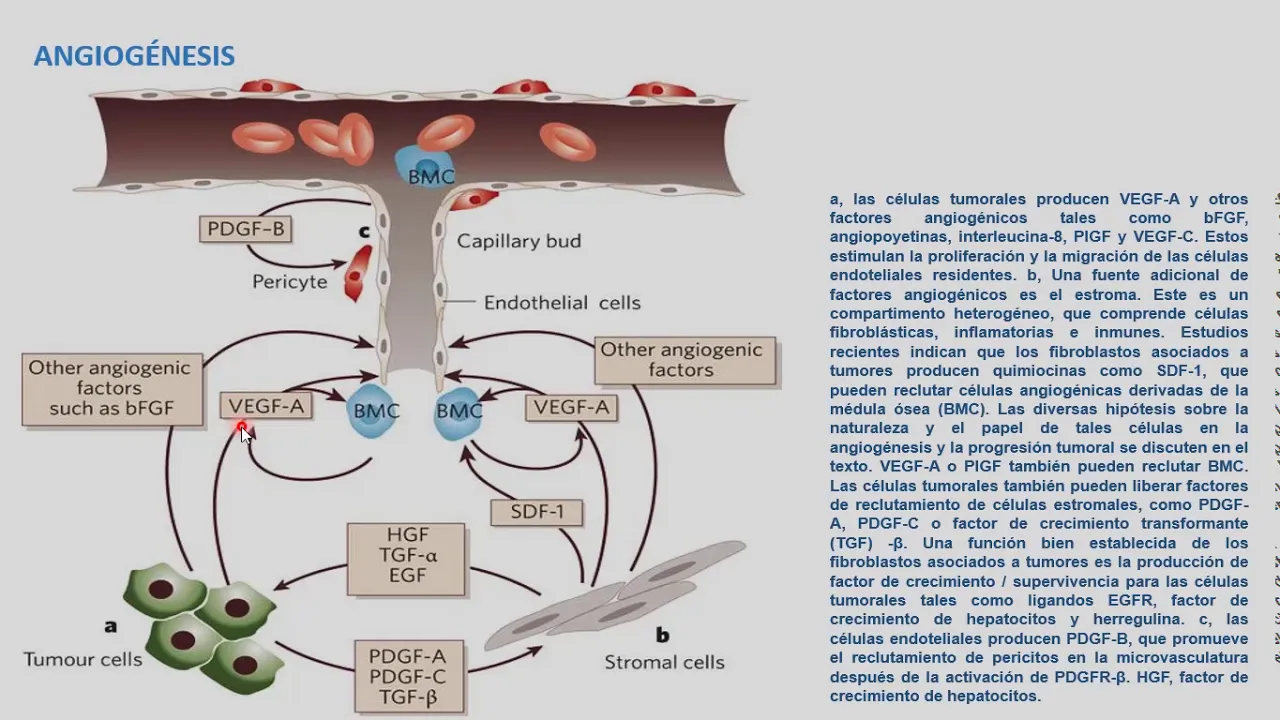




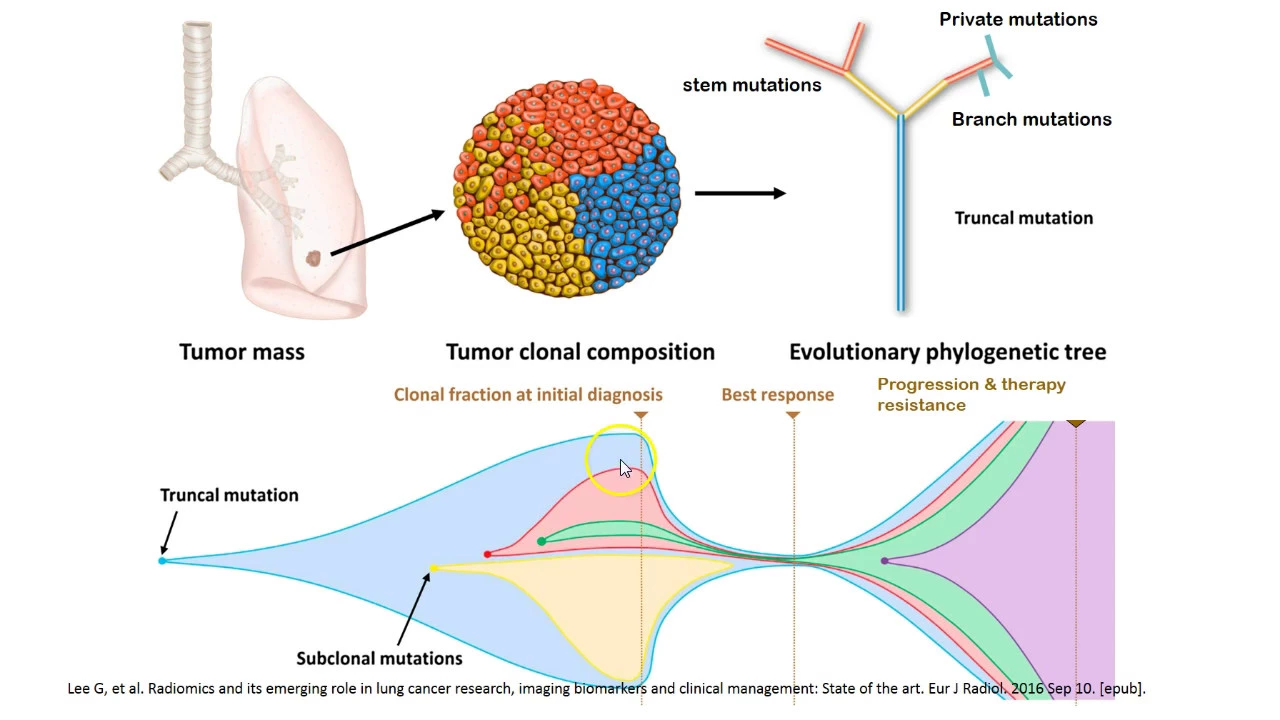
Tumor angiogenesis is the process by which tumors signal existing blood vessels to form new sprouts, primarily through the release of VEGF (Vascular Endothelial Growth Factor) by hypoxic tumor tissue; VEGF binds to receptors on endothelial cells, activating proteases that degrade the basement membrane and enabling tip cells to migrate toward the tumor, thereby supplying it with oxygen and glucose and facilitating potential metastasis.
Tumor Angiogenesis: How Cancer Hijacks Blood Vessel Formation
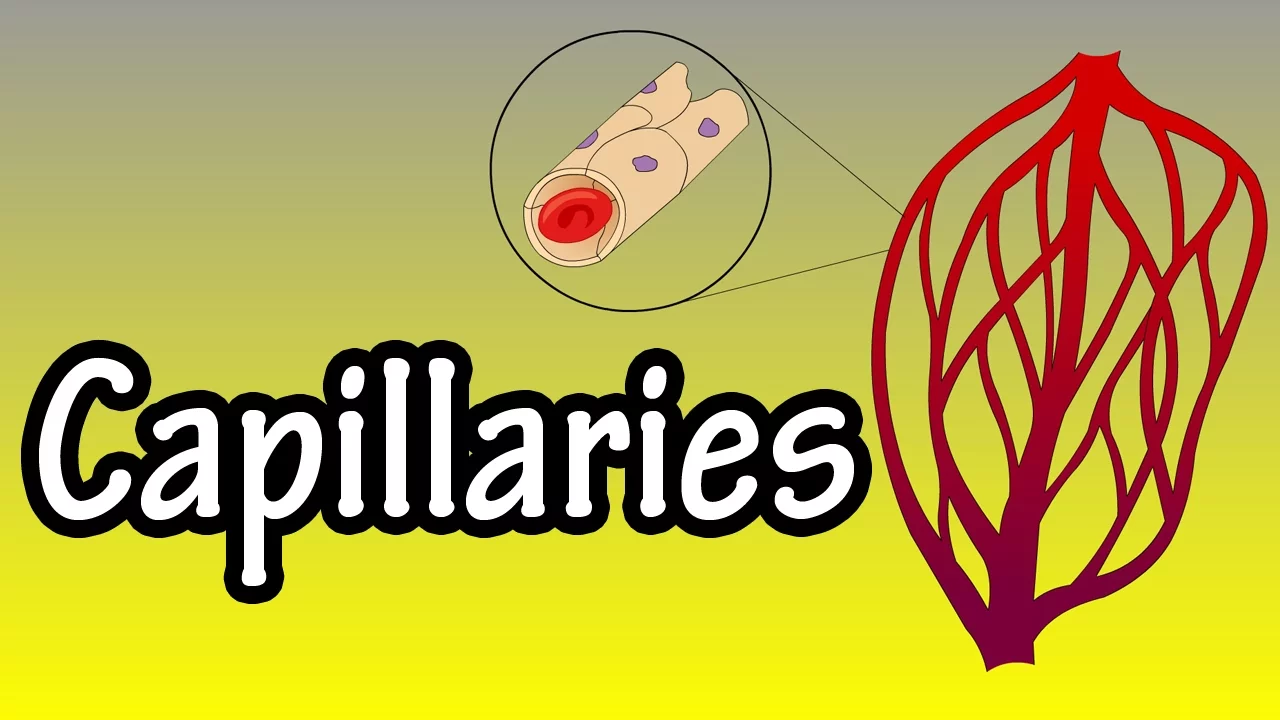
Added:Basic structure and function of the circulatory system, specifically endothelial cells, capillaries, and their role in oxygen delivery.
Fundamentals of cancer biology, including uncontrolled cell division, primary tumor growth, and the general concept of metastasis.
Principles of cellular signaling, particularly how ligands bind to cell-surface receptors to trigger intracellular responses.
The concept of cellular hypoxia (oxygen deprivation) and how normal tissues respond to metabolic stress.
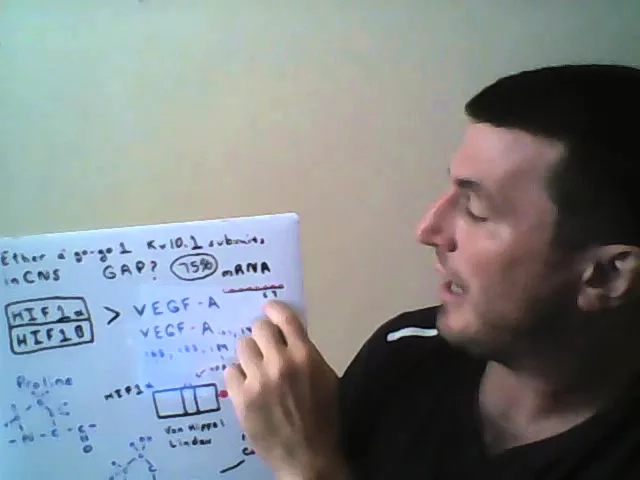
The molecular signaling cascade of HIF-1 (Hypoxia-Inducible Factor 1) and its transcriptional regulation of VEGF.
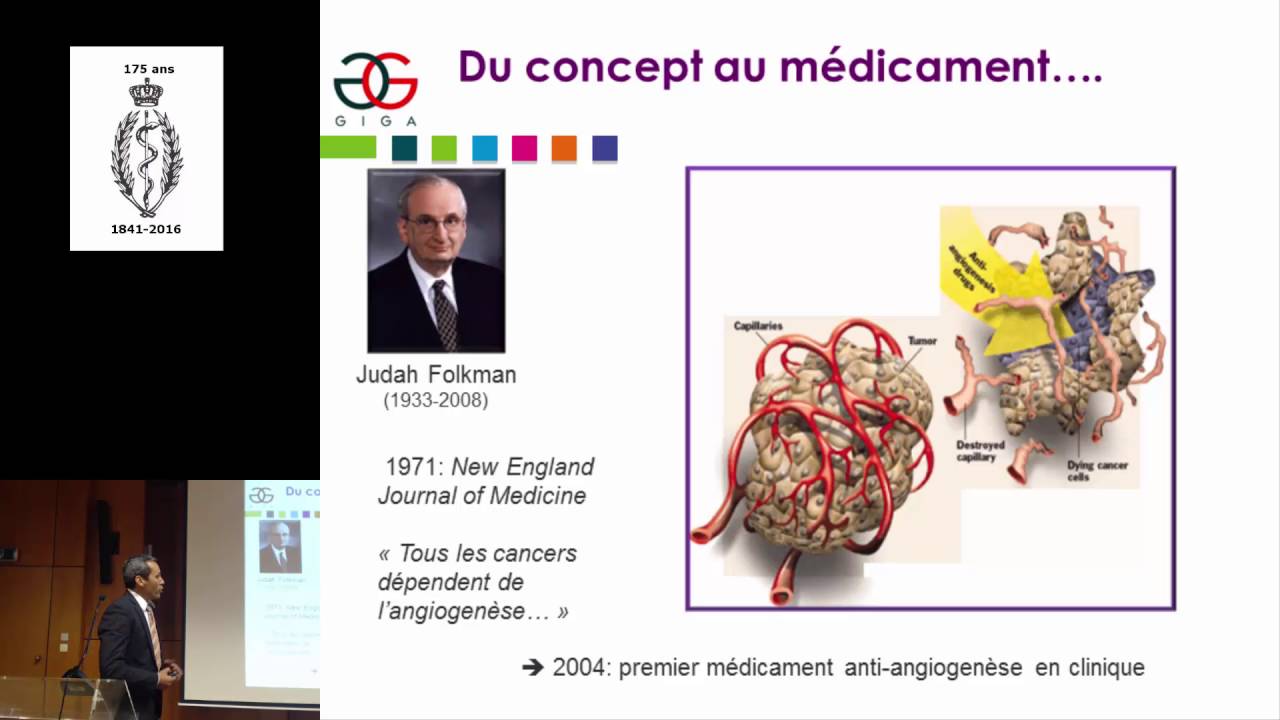
Mechanisms of anti-angiogenic cancer therapies (such as monoclonal antibodies like Bevacizumab) and the clinical challenges of drug resistance.
Alternative tumor vascularization pathways, including vessel co-option, intussusceptive angiogenesis, and vasculogenic mimicry.
Clinical imaging techniques (like functional MRI and PET scans) used to monitor tumor perfusion and the efficacy of anti-angiogenic drugs.
41.3K views959likes4:50Original Release: 2020-05-04
hey friends and welcome to today's talk about the two more anger jealousy so anger Genesis in general is the formation of new blood vessels from pre-existing ones lots of diseases are associated with the formation of new blood vessels however today we will look into cancer how does a tumor make sure to get enough blood and oxygen supply here we have a pre-existing blood vessel one out of several characteristics of a blood vessel is that due to the hemoglobin in the blood it is possible to transport and also supply cells with oxygen so this blood vessel here has a basement membrane on the outside and in the inside it is protected by elongated endothelial cells so let's define what is anger Genesis and your Genesis is the formation of a new blood vessel from pre-existing vasculature so there already is a blood vessel and your Genesis describes the sprouting procedure if we talk about two more angiogenesis we should introduce with the oxygen supply so here we have cells which are in close range to the blood vessel so the cells can take up oxygen which can diffuse from the blood stream into the cell area however as you can see here there is a gradient so cells which are in close proximity to the blood vessel receive higher oxygen whereas cells from greater distance to the blood vessel are supplied with less oxygen we have to keep in mind that the oxygen diffusion through tissue is limited there is a certain range which oxygen can travel here we have a tumor which is in medium distance to the blood vessel this tumor will grow but just to a certain size you can imagine if the tumor would grow more cells in the inside which are somehow covered by proliferating cells on the outside will not get enough oxygen anymore the tumor has reached a limited size without oxygen it can't grow any more and you can already see here the environment is considered to be hypoxic that means that in this tumor microenvironment here there is not enough oxygen for the tumor to grow more now the tumor has to react the so called angiogenic switch has to be activated and this is done by releasing pro angiogenic growth factors and one of the key players here is VEGF or veg F and this is the vascular endothelial growth factor the endothelial cells have veg F receptors in the inside there is a tyrosine kinase domain and on the outside there is a ligand binding site so these receptors can bind reg F these veg F receptors are exclusively expressed on endothelial cells they are somehow essential for pathophysiological angiogenesis let's make more simple so we just take one veg F molecule here so in response to the veg F binding on the veg F receptors Proteus are released and these can degrade the basement membrane so they can make it leaky now the sprouting procedure can start these endothelial cells especially the tip cells will lead the way to the hypoxic environment so in the end due to these hypoxic factors released by the tumor tissue a new blood vessels formed and the vascular ization of the tumor tissue will supply the tumor of oxygen and glucose the environment is now not hypoxic anymore and that means unfortunately the tumor can grow even worse the anger genesis makes it also possible for a tumor to metastasize to travel through the bloodstream to discover new places for growing so this is the system how a tumor basically tricks the blood vessel to form sprouts towards the tumor direction the release of pro and eugenic factors makes it possible at the tumors in the end supplied with enough nutrient there are plenty of treatments against veg F or the veg F receptor for example there are antibodies against veg F and there are also charging kinase inhibitors for the receptor however that is it I hope the video was helpful I thank you very much for watching and really hope to see all of you in the next video have a nice one
Up Next

2:00
Recombinant Protein Expression in Pichia pastoris | Protocol Preview
@JoVEJournal
9.3K views•2022-06-02
50:12
Bacterial Communication: Quorum Sensing and Biofilm Formation Explained
@JHUAAP
12.6K views•2011-06-28

5:35
Enteric Nervous System Explained: The Gut's Brain | Neurobiology Lecture
@alumniu6029
438 views•2018-09-12
7:08
Bacteriophages: Earth's Deadliest Killers and Future Antibiotics
@kurzgesagt
34.6M views•2018-05-13
Related Study Plans & Knowledge Roadmaps
Structured learning paths in Biology
biology
RNAi: Biogenesis, RISC & Gene Silencing
01Molecular Biology Foundations: DNA to Protein
02Introduction to RNA Interference (RNAi)
03Molecular Biogenesis of miRNA and siRNA
+ 2 more learning modules
10h5 modules
Explore Roadmap
biology
Mycorrhizae: Signaling, Biophysics & Ecology
01Foundations of Mycorrhizal Symbiosis
02Molecular Signaling and Root Colonization
03Biophysics and Bioenergetics of Nutrient Exchange
+ 1 more learning modules
11h4 modules
Explore Roadmap
biology
Circadian Clocks: TTFL, SCN & Periphery
01Foundations of Molecular Biology & Gene Expression
02Introduction to Chronobiology and Actograms
03The Core TTFL: Molecular Architecture of the Clock
+ 3 more learning modules
14h6 modules
Explore Roadmap
biology
Population Genetics: Math, Drift & Selection
01Genetic & Probability Foundations
02The Hardy-Weinberg Principle and Baseline Models
03Mathematical Modeling of Natural Selection
+ 3 more learning modules
18h6 modules
Explore Roadmap