This video demonstrates a complete protocol for expressing recombinant proteins in the methylotrophic yeast Pichia pastoris, including preparation of electrocompetent cells, transformation of the pPICZ alpha A vector containing the gene of interest, yeast DNA purification to verify genomic integration, and recombinant protein expression using the AOX1 promoter for methanol-inducible expression with alpha factor secretion signal and polyhistidine tag for purification.
Recombinant Protein Expression in Pichia pastoris | Protocol Preview
Added:Deep Dive
Fundamentals of recombinant DNA technology, including plasmid vectors, restriction cloning, and gene expression cassettes.

Recombinant DNA technology | NMDCAT 2021
42.7K
Recombinant DNA technology requires four essential components: gene of interest, molecular scissors (restriction enzymes), molecular carrier/vector, and expression system. Three methods obtain genes: chromosome isolation, chemical synthesis, and reverse transcription from mRNA using reverse transcriptase. Restriction enzymes, discovered by Hamilton O. Smith in 1970, recognize palindromic DNA sequences and create sticky ends enabling DNA joining. Plasmids serve as natural vectors - circular extrachromosomal DNA molecules in bacteria that can replicate independently. Common plasmids like pSC101 and pBR322 contain antibiotic resistance genes as selectable markers. The cloning process involves cutting gene and vector with same restriction enzyme, annealing sticky ends, and sealing with DNA ligase to create recombinant DNA molecules.
Click to watch →

Plasmids and Recombinant DNA Technology
467.3K
Recombinant DNA technology involves manipulating pre-existing genes to create novel recombinant genes. To amplify these genes, scientists use vectors—carriers that transport DNA into cells without being destroyed. Bacterial plasmids serve as ideal vectors because they are naturally occurring circular double-stranded DNA molecules that replicate independently of the main genome. These plasmids can contain special genes providing cells with unique abilities such as antibiotic resistance or toxin production. The pBR322 plasmid exemplifies early cloning vectors, containing antibiotic resistance genes (ampicillin and tetracycline), an origin of replication for autonomous DNA replication, and non-coding regions. This foundational understanding enables the creation and amplification of custom genetic material in laboratory settings.
Click to watch →

क्लोनिंग संवाहक | Cloning Vectors | Biotechnology Principles and Processes | Class 12 Biology L 4
58.2K
This comprehensive lesson covers the essential principles of cloning vectors and recombinant DNA technology. Cloning vectors are tools for transferring DNA between organisms, requiring four components: restriction enzymes, vectors, host organisms, and transfer methods. The first restriction enzyme, EcoRI, was isolated from E. coli and cuts DNA at palindromic sequences—DNA sequences that read the same forwards and backwards on both strands. Restriction enzymes cut at positions slightly offset from the center, creating sticky ends with complementary overhangs that base-pair through hydrogen bonds. DNA ligase then seals the backbone, creating recombinant DNA molecules. Plasmids are circular DNA molecules that replicate independently and can produce 15-100 copies per cell, amplifying inserted DNA. Effective cloning vectors require three essential properties: an origin of replication (ori) for independent replication, cloning sites where restriction enzymes cut to insert foreign DNA, and selectable markers like antibiotic resistance genes (ampR, tetR) that allow identification of cells with successful vector uptake. The first artificial cloning vector, pBR322, was developed by Bolivar and Rodriguez.
Click to watch →

Biotechnology 02 | NEET 2024 Biology
39.8K
Recombinant DNA technology involves creating new genetic combinations by extracting genes from one organism and inserting them into another. Plasmids serve as vectors for gene transfer. Restriction endonucleases cut DNA at specific recognition sequences, while DNA ligase joins fragments. Cloning vectors require origin of replication, selectable markers (antibiotic resistance genes), and cloning sites. The pBR322 plasmid contains ampicillin and tetracycline resistance genes. Insertional inactivation disrupts resistance genes when foreign DNA is inserted, allowing selection of recombinant cells.
Click to watch →

Plus Two Public Exam Biology | Biotechnology : Principles And Processes | Eduport Plus Two
76.6K
This section covers PCR and recombinant DNA technology: PCR involves three steps—denaturation (separating double-stranded DNA), annealing (primers binding to templates), and extension (Taq polymerase synthesizing new strands). Primers are short oligonucleotides complementary to specific DNA regions. Plasmid vectors like pBR322 contain selectable markers (ampicillin and tetracycline resistance genes) and an Origin of Replication (ORF) that controls plasmid copy number. The complete workflow of recombinant DNA technology involves: isolation of complete DNA, fragmentation using restriction enzymes, isolation of desired fragments via gel electrophoresis, amplification (often by PCR), ligation into vectors using DNA ligase, transfer into host cells, culturing host cells, and isolation of the final product.
Click to watch →
Deep Dive
The basic biology of eukaryotic host systems compared to prokaryotes, specifically focusing on post-translational modifications like glycosylation and disulfide bond formation.
![Protein Expression Vectors - Expression Host and Recombinant Proteins [Part 1]](https://i.ytimg.com/vi_webp/3_WnvVgIkYo/maxresdefault.webp)
Protein Expression Vectors - Expression Host and Recombinant Proteins [Part 1]
4.7K
Protein expression vectors are designed to produce recombinant proteins by cloning template DNA into vectors that enable transcription and translation; the choice between prokaryotic (like E. coli) and eukaryotic (yeast, insect, mammalian cells) hosts depends on protein complexity, as eukaryotic systems handle larger proteins (>100 kDa), disulfide bonds, and complex post-translational modifications like glycosylation better than bacterial systems, while bacterial hosts offer simpler, faster protein production with fewer complications from proteolytic processing and immune-reactive lipopolysaccharides.
Click to watch →

Post-Translational Modifications in prokaryotes and eukaryotes - Types, Functions, and Examples
79.1K
Four major PTMs regulate cellular processes through distinct mechanisms. Phosphorylation (33% of eukaryotic proteins) adds phosphate groups via kinases, controlling signaling cascades like EGFR pathways where phosphorylated ERK enters nuclei to activate transcription factors. Methylation and acetylation modify histones: methylation tightens chromatin (repressing transcription), while acetylation loosens it (activating transcription), using SAM and acetyl-CoA respectively. Glycosylation adds sugars affecting protein folding, stability, and distribution; ABO blood types result from specific glycan patterns on membrane glycoproteins. Together, these modifications create diverse protein functions from single gene products, demonstrating how PTMs expand cellular functional capacity beyond genetic coding limitations.
Click to watch →

Glicosilación y otras modificaciones post-traduccionales de proteínas en los medicamentos biológicos
1K
Proteins undergo post-translational modifications (PTMs) after ribosomal synthesis, with glycosylation and disulfide bond formation being most important for biofármacos. Disulfide bonds form between cysteine residues through oxidation, reinforcing protein structure. In eukaryotic cells (CHO, hamster, mouse, human), disulfide bond formation occurs naturally in the ER. In bacterial systems (E. coli), the reducing cytoplasm prevents disulfide bond formation, though insulin forms bonds through oxidation during cell lysis. For proteins with multiple disulfide bonds, incorrect bonds form between different molecules, creating aggregates. Alternatives include periplasmic expression (oxidizing environment) or genetically modified E. coli strains. Glycosylation is highly complex, involving addition of carbohydrate structures to proteins. The secretory pathway (ER, Golgi, secretory vesicles) is where glycosylation occurs naturally for secreted proteins.
Click to watch →

Кисурина О.П. - Клеточная биология - 9. Модификация белков в гр. ЭПР. Везикулярный транспорт
484
After translocation, signal peptidase cleaves the signal sequence. Primary N-linked glycosylation attaches a pre-formed oligosaccharide (2 N-acetylglucosamines, 9 mannoses, 3 glucoses) to asparagine residues via oligosaccharyltransferase. The oligosaccharide assembles on dolichol phosphate on the cytoplasmic side, then flips to the luminal side via scramblase using calcium energy. Disulfide bonds form between cysteines with help from protein disulfide isomerase (PDI), which transfers its own disulfide bonds. PDI is regenerated by Ero1 oxidoreductase.
Click to watch →

IIT JAM/CUET PG 2026 | Molecular Biology - 2 | IIT JAM Biotechnology | IIT JAM Score Booster | PW
4.5K
This segment covers protein modification and mRNA processing. N-linked glycosylation occurs in the ER (adding glucose to asparagine in Asn-X-Ser/Thr tripeptide), O-linked glycosylation occurs in the Golgi (adding sugars to serine/threonine), and disulfide bond formation occurs in the ER using disulfide isomerase. The 5' cap in eukaryotic mRNA is 7-methylguanosine attached via a 5' to 5' triphosphate bridge, protecting mRNA and facilitating translation initiation.
Click to watch →
Deep Dive
The physical and chemical principles of transformation, particularly the role of electroporation in preparing and using electrocompetent cells.
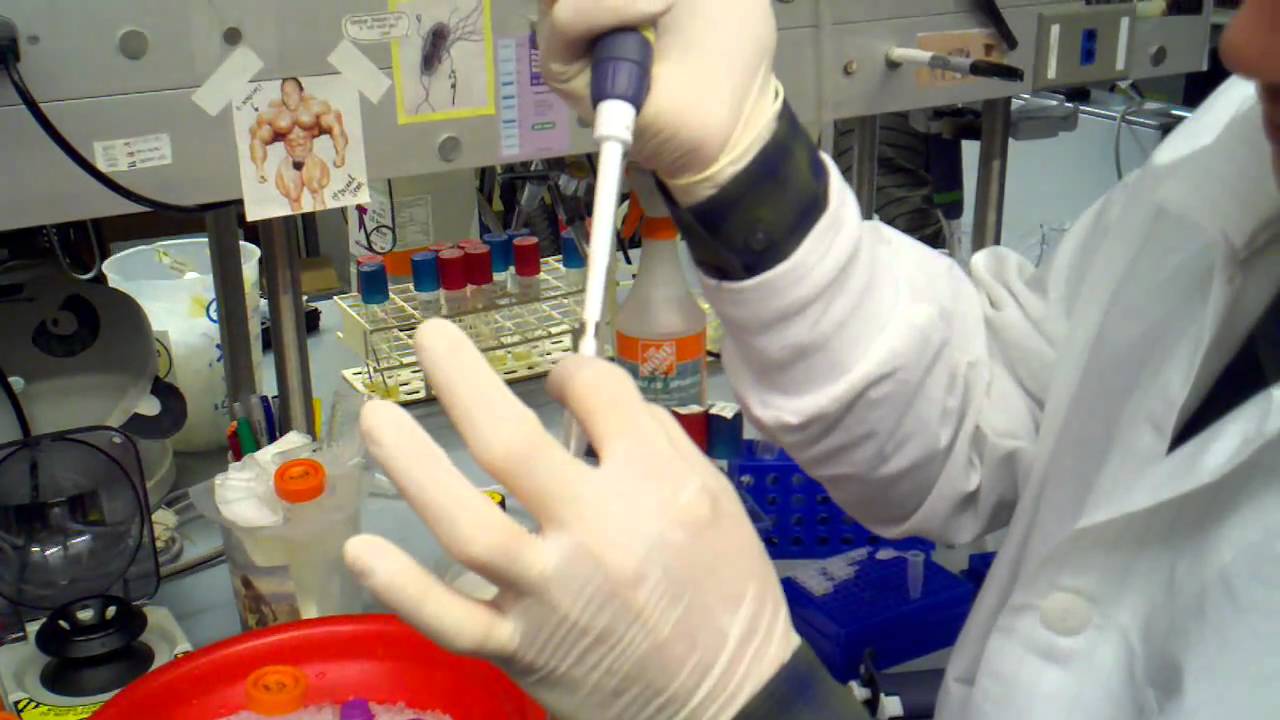
electroporation the actual transformation - performed a second time
37.3K
Successful electroporation begins with proper competent cell preparation. Cells must be spun down and rinsed multiple times to remove contaminants, as dirty preparations yield significantly fewer clones. For large DNA fragments (6 KB), mid-scale preparations (50 μL) are necessary rather than small-scale attempts. Each transformation requires 100 μL of competent cells plus DNA. Three volumes of 10% glycerol are added per transformation as cryoprotectant. Multiple transformations per sample increase success probability, with extra transformations accounting for potential electrical arcs caused by high salt content that can kill cells.
Click to watch →

Comp. Cell Transformation: Electroporation vs Chemical Transformation (Heat Shock)
718
This video compares two common cell transformation methods: electroporation (using electric pulses to increase cell permeability) and chemical/heat shock transformation (using chemicals and temperature changes). Heat shock transformation is more accessible, requires less expensive equipment, and is suitable for routine cloning with established protocols, though it offers lower transformation efficiency and requires more DNA. Electroporation provides higher transformation efficiency, works with a broader range of bacterial species including those with cell walls, requires less DNA, and is faster, but needs specialized equipment (electroporator) and electrocompetent cells that cost more. The choice between methods depends on experimental needs, available resources, and required transformation efficiency.
Click to watch →

The Mechanism of Transformation with Competent Cells
411.8K
Bacterial transformation is the process of introducing exogenous DNA into bacteria through two primary methods: chemical transformation, which uses divalent cations to increase cell wall permeability and often includes a heat shock step, and electroporation, which applies an electrical field to create temporary pores in the cell membrane; after transformation, cells undergo outgrowth in liquid medium without antibiotic selection before being plated on selective media to isolate transformants containing the newly acquired DNA.
Click to watch →

Electroporation
119.6K
Electroporation (electropermeabilization) is a molecular biology technique that applies a controlled electrical field (typically 100-300 volts across a 5mm region) to cell membranes, causing phospholipid molecules to realign and form temporary pores that allow genetic material or drugs to enter the cell cytosol; this method is widely used in genetic transformation, plant breeding, and tissue culture due to its simplicity and efficiency.
Click to watch →
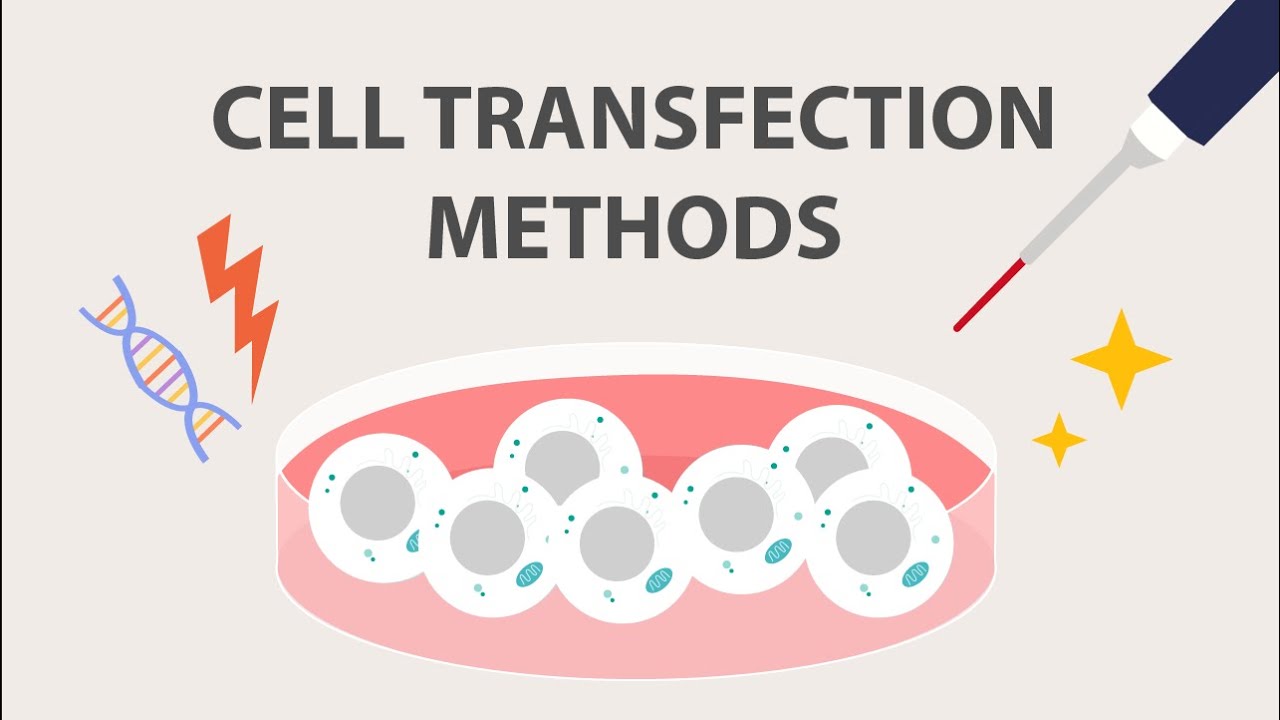
Introduction to Cell Transfection: Part 2
7K
Electroporation is a physical transfection method using high voltage electrical pulses to create temporary pores in cell membranes, enabling nucleic acid entry. Unlike chemical methods, it works for both adherent and suspension cells with high efficiency once optimized. The technique allows nucleic acids to enter nuclei and integrate into host genomes, yielding higher stable transfection frequencies. Protocol steps include: preparing cells at ~1x10^7/ml in ice-cold electroporation buffer, mixing with DNA, applying electrical pulses at appropriate voltage settings, chilling on ice, and diluting into complete growth media. Advantages include versatility across cell types, increased efficiency for difficult cells, minimal DNA requirements, enhanced stable transfection, and potential in vivo applications. Disadvantages include cell damage from electrical pulses causing nonspecific molecule transport, requirement for extensive optimization of voltage, pulse parameters, buffers, and reagents, and higher costs compared to chemical methods.
Click to watch →
Deep Dive
The metabolic pathway of methylotrophic yeast, specifically how Pichia pastoris utilizes methanol and the regulation of the AOX1 promoter.

Unidad 5. Tema 5.3. Sistemas procariotas de expresión heteróloga de proteínas. (CLASE 2)
252
Pichia pastoris is a yeast host for protein expression that uses methanol as an inducer. The AOX1 promoter (alcohol oxidase 1) is methanol-inducible and drives high-level gene expression. The plasmid contains: (1) the AOX1 promoter, (2) a selectable marker (such as antibiotic resistance), (3) a terminator, and (4) a multiple cloning site for gene insertion. The system allows tight control of gene expression, as expression only occurs in the presence of methanol. The plasmid also contains a signal peptide that directs the protein to the extracellular space for secretion. This system is particularly useful for producing proteins that require proper folding or post-translational modifications.
Click to watch →
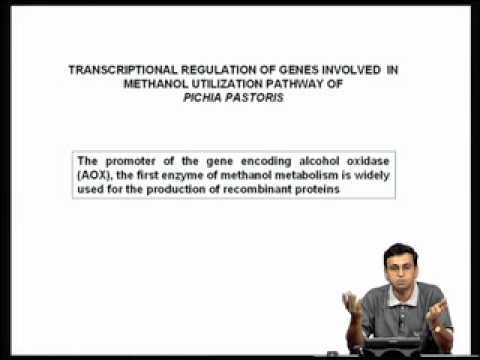
Mod-02 Lec-05 Transcription factors : DNA binding domains
10.8K
Methylotrophic yeasts (Pichia pastoris, Hansenula polymorpha, Candida utilis, Torulaspora delbrueckii) can utilize methanol as a carbon source through a metabolic pathway converting methanol to formaldehyde and then to formic acid, generating ATP. Genes encoding these metabolic enzymes are normally silent on glucose but become highly activated upon switching to methanol. Mxr1p serves as the master regulator transcription factor controlling this pathway. Although constitutively expressed, Mxr1p remains cytoplasmic on glucose/glycerol but translocates to the nucleus upon methanol induction. Researchers identified Mxr1p's DNA binding sites using electrophoretic mobility shift assays and DNase I footprinting, revealing six distinct binding sites in the alcohol oxidase promoter containing conserved CTCC or CCCG motifs. Deletion analysis confirmed these sites are functional response elements, demonstrating how transcription factors serve as global regulators by binding conserved sequence elements across multiple target genes to coordinately regulate entire metabolic pathways.
Click to watch →

Mod-08 Lec-30 Eukaryotic protein expression systems - I
7.6K
Pichia pastoris represents an advanced methylotropic yeast platform offering superior expression capabilities compared to Saccharomyces cerevisiae. Unlike S. cerevisiae, P. pastoris can utilize methanol as a sole carbon source through a dedicated metabolic pathway involving alcohol oxidase, formaldehyde dehydrogenase, and formate dehydrogenase. The alcohol oxidase promoter drives extraordinary expression levels, accounting for approximately 30% of total cellular protein when induced by methanol. Additionally, P. pastoris achieves cell densities approximately ten times higher than S. cerevisiae under identical conditions, dramatically increasing recombinant protein production per liter of culture. Integration strategies involve replacing or disrupting the endogenous alcohol oxidase locus, creating either methanol-utilizing (mutS) or methanol-sensitive (mut+) strains. A major technological advancement involves glycoengineered yeast strains developed by companies like GlycoFi, which produce human-like glycosylation patterns essential for therapeutic proteins requiring precise post-translational modifications.
Click to watch →
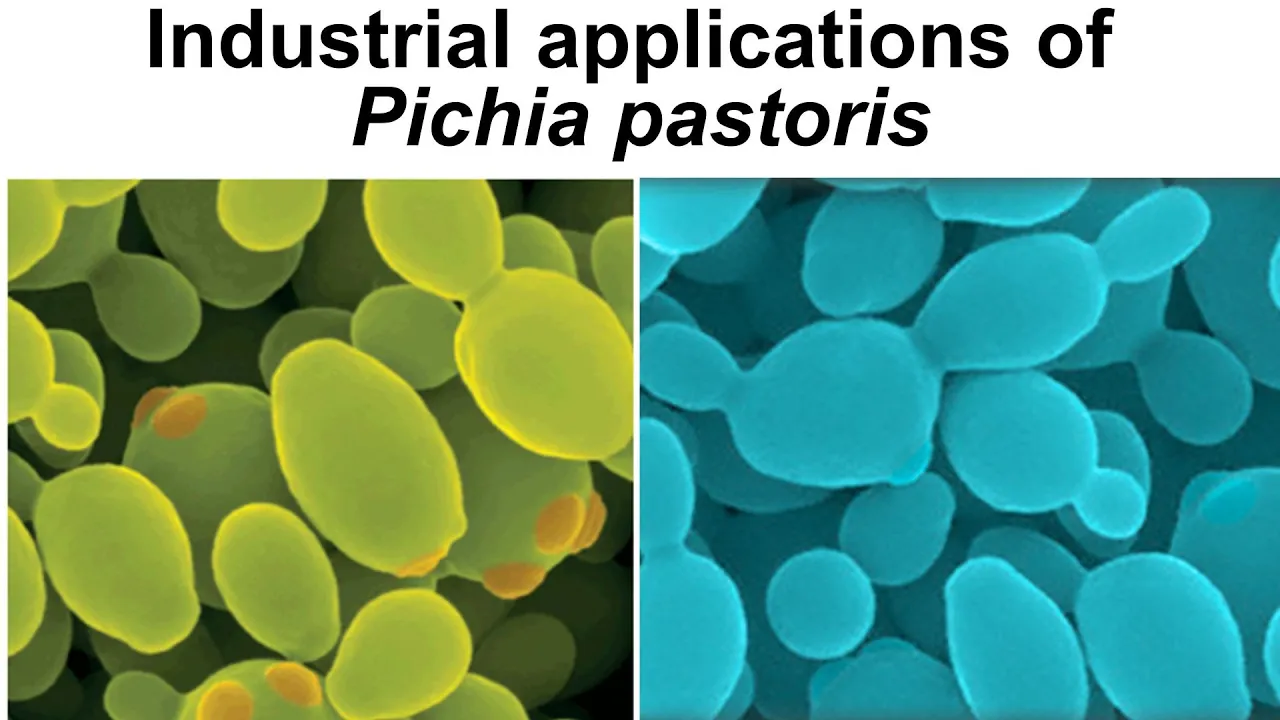
Pichia Pastoris: Biotech's Breakthrough Yeast, Pichia pastoris in Industrial Biotechnology
1.7K
Pichia pastoris (also known as Komagataella pastoris) is a methylotrophic yeast widely used in industrial biotechnology for producing recombinant proteins, enzymes, and pharmaceuticals due to its ability to perform post-translational modifications like glycosylation, secrete proteins into the culture medium, and tolerate high cell densities; its methanol-inducible AOX1 promoter enables controlled protein expression, making it suitable for applications ranging from vaccine production (such as Hepatitis B vaccine) to biofuel production and industrial enzyme manufacturing.
Click to watch →

Production of recombinant proteins in the methylotrophic yeast Pichia pastoris is being investigated
2.3K
This video demonstrates the complete workflow for expressing recombinant proteins in the methylotrophic yeast Pichia pastoris, including: (1) cloning the gene of interest into a pPZ Alpha A vector containing the AOX1 promoter for methanol-inducible expression, alpha factor secretion signal, and selection markers; (2) preparing electrocompetent yeast cells through sequential washing in sorbitol solutions; (3) performing electroporation with optimized parameters (1500 V, 25 μF, 200 Ω); (4) selecting transformants on Zeocin-containing plates; (5) verifying genomic integration via PCR; (6) inducing protein expression by switching to BMMY medium and adding methanol; and (7) analyzing expression through Western blotting. Key considerations include ensuring sufficient linearized plasmid DNA for high transformation efficiency, washing cells thoroughly to remove glycerol before induction, and using baffled flasks for adequate oxygen supply during methanol induction.
Click to watch →
Prerequisite Knowledge
- Concept 01Fundamentals of recombinant DNA technology, including plasmid vectors, restriction cloning, and gene expression cassettes.
- Concept 02The basic biology of eukaryotic host systems compared to prokaryotes, specifically focusing on post-translational modifications like glycosylation and disulfide bond formation.
- Concept 03The physical and chemical principles of transformation, particularly the role of electroporation in preparing and using electrocompetent cells.
- Concept 04The metabolic pathway of methylotrophic yeast, specifically how Pichia pastoris utilizes methanol and the regulation of the AOX1 promoter.
Subsequent Learning
- Step 01Optimization strategies for protein yield, including fine-tuning methanol induction, temperature, pH, and media composition (e.g., BMGY/BMMY).
- Step 02Downstream processing methods to harvest and purify the expressed protein, differentiating between intracellular accumulation and secretory pathway isolation.
- Step 03Industrial scale-up protocols using bioreactors, focusing on oxygenation, feed-batch fermentation, and biomass control.
- Step 04Analytical characterization of the purified recombinant protein using SDS-PAGE, Western blotting, mass spectrometry, and activity assays.
Protocol Overview
Protocol Overview
0:00Playing Section
- 1
Demonstrates protein expression workflow using P. pastoris yeast system.
- 2
Includes cell prep, transformation, DNA verification, and protein production.
- 3
Method applies to studying proteins from uncultivated microorganisms via metagenomics.
Limitations of Yeast Glycosylation and the Case for Mammalian Expression Systems
While Pichia pastoris is highly valued for its high-yield protein production and cost-effectiveness, it possesses a major limitation: its non-human glycosylation patterns. Yeast cells perform hyper-mannosylation, adding high-mannose glycan structures to recombinant proteins. For therapeutic proteins destined for human use, these yeast-specific glycans can cause rapid clearance from the bloodstream or trigger immunogenic reactions. Consequently, many researchers and industry experts advocate for mammalian expression systems, such as Chinese Hamster Ovary (CHO) cells, as the superior choice for complex biopharmaceuticals. Despite being more expensive, slower, and technically demanding than Pichia pastoris, mammalian systems perform precise, human-compatible post-translational modifications. This ensures the correct folding, biological activity, and safety of therapeutic glycoproteins, making mammalian hosts indispensable despite the higher yields offered by yeast.
Deep Dive
Optimization strategies for protein yield, including fine-tuning methanol induction, temperature, pH, and media composition (e.g., BMGY/BMMY).
Production of recombinant proteins in the methylotrophic yeast Pichia pastoris is being investigated
2.3K
The complete protein expression workflow includes: (1) Growing purified colonies in BMGY medium to OD600 of 2-6, preparing glycerol stocks for storage at -80°C, and harvesting cells for DNA purification; (2) Verifying genomic integration by PCR with insert-specific primers on agarose gel; (3) Inducing expression by transferring cells to baffled flasks containing BMMY medium, washing cells to remove glycerol traces, and adding methanol to 5% final concentration every 24 hours while maintaining temperature at 30°C (or 28°C); (4) Collecting samples at various time points by centrifuging cultures, storing supernatants and pellets at -80°C; (5) Analyzing expression using Western blot with semic-HRP antibody, comparing experimental lanes against negative controls transformed with empty vector to confirm specific recombinant protein production.
Click to watch →

Webinar By Dr. Ashish on Process development of recombinant human interferon gamma using P. pastoris
261
Beyond translocation, translational efficiency significantly impacts recombinant protein yields. Codon optimization addressing codon bias between species increased interferon gamma production from 1.8 mg/L to 2.5 mg/L. The Codon Adaptation Index improved from 0.6 (native) to 0.8, while GC content adjusted from 38% to 42.9%, improving mRNA secondary structure stability by 20%. Fermentation condition optimization further enhanced yields: lower cultivation temperatures (25°C vs 30°C) reduced protease degradation and provided more translation time; pH optimization around 7.0; methanol induction at 1% concentration avoiding toxicity; and higher agitation rates (250 rpm) improving oxygen transfer for methanol oxidation. Combined optimization achieved 2.5 mg/L, representing 10-12 fold improvement over initial yields.
Click to watch →

Overview of a "typical" recombinant protein expression & purification workflow
2.7K
Bacteria grow exponentially (log phase) where they double rapidly every 20 minutes. For optimal protein expression, induction occurs during mid-log phase when there are sufficient cells but resources remain abundant. Cell density is monitored using optical density measurements (OD600). IPTG induces expression by mimicking lactose and removing the repressor. Lower temperatures (16°C overnight) slow bacterial growth, giving proteins more time to fold properly and remain soluble. High temperature (37°C) produces faster but potentially misfolded proteins that aggregate into insoluble inclusion bodies. SDS-PAGE analysis before and after induction verifies successful expression.
Click to watch →

concentración de metanol en la expresión de L-asparaginasa II de Saccharomyces cerevisiae
384
The study optimized L-asparaginase production using Pichia pastoris recombinant system with pPIC9 plasmid containing AOX1 promoter and ASP3 gene. Electroporation enabled plasmid integration into the yeast genome. The methodology used BMY medium for 24 hours at 30°C for growth, then transferred to methanol-containing medium at 20°C for 120 hours. Periplasmic activity was measured using asparagine and hydroxylamine substrates, with ferric chloride quantification. The logarithmic growth phase (12-20 hours) was optimal for protein expression. Results showed 1% methanol concentration produced the highest cell growth and enzyme activity, with activity plateauing at 48 hours. Optimal conditions were determined as 48 hours induction with 1% methanol concentration.
Click to watch →
BPT 4.10 Media Optimization part 1
6.6K
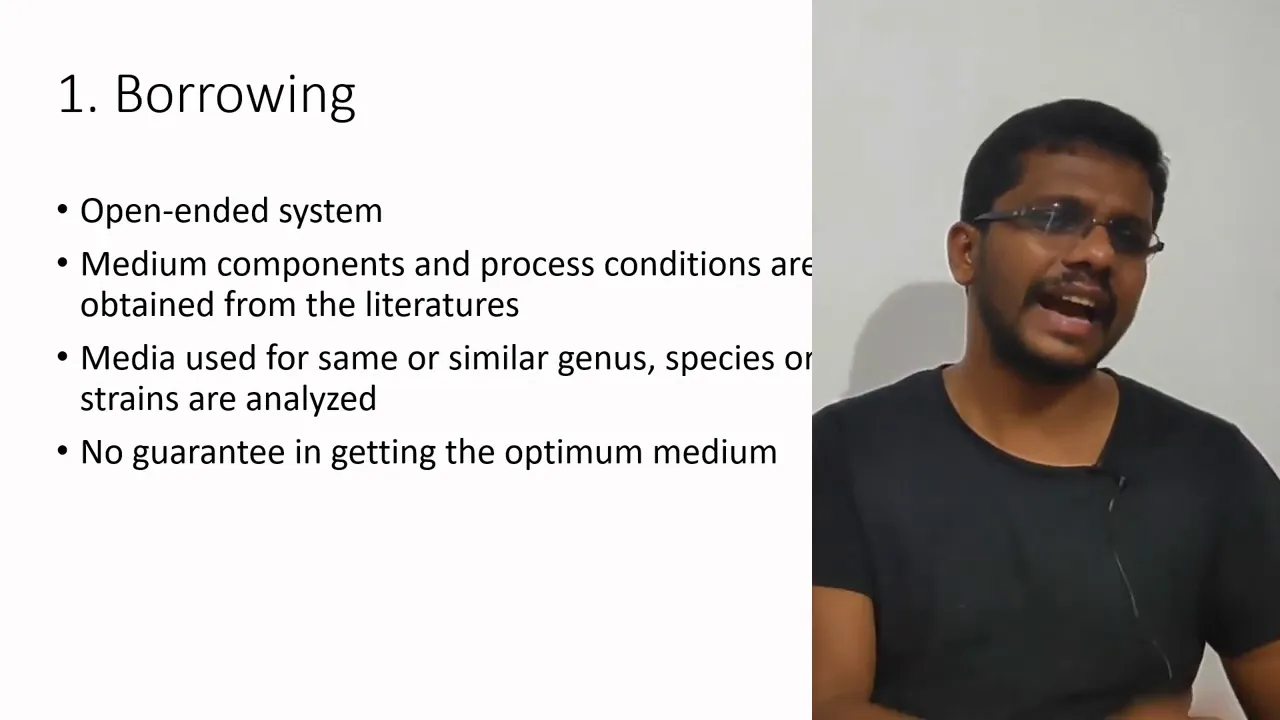
Media optimization is the systematic process of determining the optimal composition of fermentation media and physical conditions (such as temperature, pH, and aeration) to maximize product yield, involving two main approaches: open-ended systems that analyze all possible parameters and closed-ended systems that focus on critical parameters, with various methods including borrowing from literature, component replacement, biological mimicry, one-factor-at-a-time experiments, factorial design, and response surface methodology.
Click to watch →
Deep Dive
Downstream processing methods to harvest and purify the expressed protein, differentiating between intracellular accumulation and secretory pathway isolation.

B.Sc Zoology |Bioreactor
4.1K
Downstream processing is defined as the purification of the desired product, involving a series of processes to isolate one or a few proteins from a complex mixture. Recombinant DNA can produce secreted proteins (released outside the cell, collected directly from effluent) or intracellular proteins (retained inside the cell, requiring cell disruption for release). The four-step process includes: (1) removal of insolubles like cell debris, (2) product isolation, (3) product purification, and (4) product polishing. Cell disruption releases intracellular proteins along with cellular debris that must be removed during processing.
Click to watch →

Biotechnology - Principles & Processes | L2 | Fast Track Revision | NEET 2021 | Seep Pahuja
27.1K
After the host cells have produced the desired product, the product must be isolated and purified. This process is called downstream processing. It involves several steps: cell harvesting, cell disruption (if the product is intracellular), and purification of the target molecule.
Click to watch →
Bio-processing overview (Upstream and downstream process)
239.7K
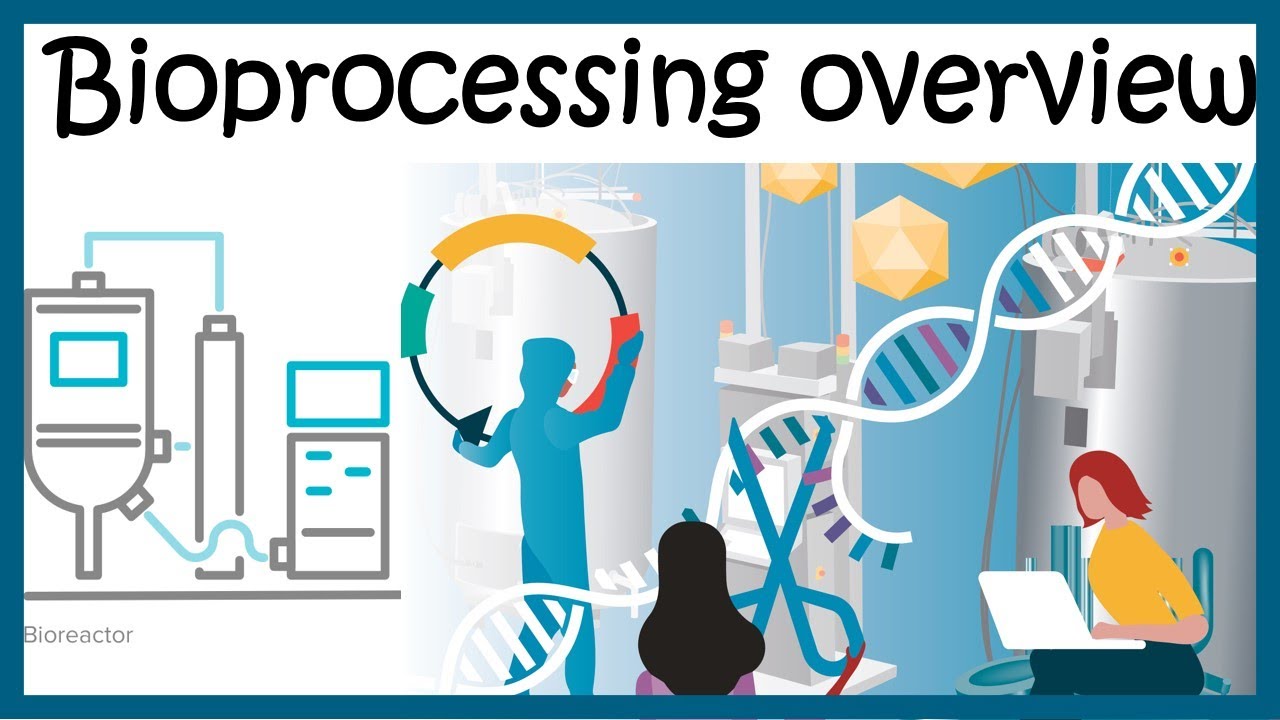
Downstream processing encompasses recovery, purification, polishing, quality control, and packaging. For extracellular products, centrifugation separates cells, followed by filtration and column chromatography. For intracellular products, mechanical disruption releases contents before purification. Due to large broth volumes, concentration via vacuum drying reduces processing burden. High-throughput chromatographic methods including HPLC, hydrophobic interaction, and ion exchange columns achieve initial purification. Final polishing ensures 98-100% purity, and inert additives enhance stability. Rigorous quality control verifies product functionality and safety before market release and distribution.
Click to watch →

Downstream Lec 1
5.9K
Downstream processing refers to the recovery and purification of biosynthetic products from biological operations including fermentation, biotransformation, or cell culture. The process handles products from pharmaceuticals, food, chemicals, healthcare, and medical biotechnology. The main challenge is economical recovery while maximizing yield and minimizing losses to waste. Products may be intracellular (inside cells) or extracellular (in the medium), with intracellular products requiring cell disruption and more process steps. A typical bioprocess manufacturing plant consists of upstream (raw material preparation, biocatalyst preparation), reactor/fermentor (biotransformation), and downstream (product recovery, isolation, purification) sections. Downstream processing typically involves four main stages: removal of insolubles, product isolation, product purification, and product polishing. Product isolation involves extraction using precipitation, solvent extraction, or supercritical extraction. Product purification uses chromatography techniques including affinity chromatography, ion exchange chromatography, and reverse phase chromatography. Polishing involves crystallization, lyophilization, or spray drying. For proteins, techniques involve extraction and precipitation; for metabolites, distillation is suitable.
Click to watch →

DOWNSTREAM PROCESS or PRODUCT RECOVERY in Fermentation
347
The downstream process extracts and purifies biotechnological products from fermented broth containing microorganisms, metabolites, and substrates. Products are classified as intracellular (vitamins, enzymes) or extracellular (antibiotics, amino acids). Process design depends on product nature, concentration, stability, and purification requirements, with fewer steps maximizing yield. Four fundamental steps include solid-liquid separation, intracellular product release, concentration, and purification. Solid-liquid separation methods include flotation (gas bubbles with collectors), flocculation (aggregation agents), filtration (size-based separation), and centrifugation. Intracellular release employs physical methods (ultrasonication, osmotic shock, heat shock, high-pressure homogenization), chemical methods (alkalis, organic solvents, detergents), and enzymatic methods (lysozyme).
Click to watch →
Deep Dive
Industrial scale-up protocols using bioreactors, focusing on oxygenation, feed-batch fermentation, and biomass control.

The Feed Logic: Mastering Industrial Fermentation
126
Once fed-batch is selected, choosing the appropriate control philosophy determines process success. Level-one predefined feeds (constant or linear) work only for forgiving organisms or operations far below system limits. Level-one exponential feed maintains constant μ and QS mathematically but fails at scale because exponential feed rate growth inevitably exceeds vessel OUR capacity, guaranteeing batch crashes without careful derating. Level-two feedback strategies use the culture itself as sensor: DO-stat adjusts feed based on dissolved oxygen levels, automatically throttling when cells increase metabolic activity; pH-stat tracks acid/base addition indicating fermentation; RQ-stat monitors respiratory quotient from off-gas. Level-three advanced strategies (MustAT, MPC) require real-time biomass sensors and predictive models to simultaneously constrain multiple variables, reserved for high-value processes justifying massive investment. The critical rule: always build safety margins 20-30% below maximum limits, as local DO variations can mask true conditions.
Click to watch →
Wie wird Backhefe hergestellt? Besuch bei der Hefe Schweiz AG
150.2K
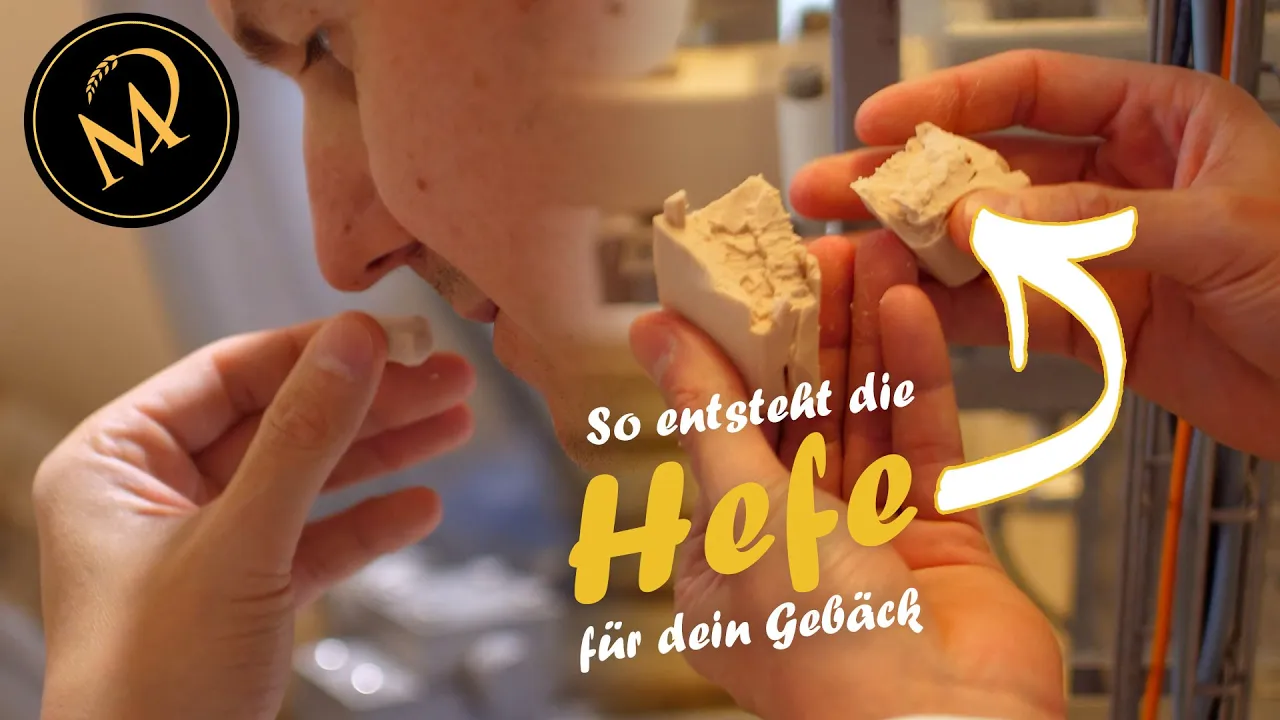
Industrial fermentation progresses through multiple stages: from the 2000L Carlsberg fermenter to GT2 (2000L), G4 (10,000L producing 300kg yeast), and G7 (25,000L). Each stage represents approximately ten-fold increase in yeast quantity. The nutrient solution (würze) contains 350g sugar per liter. Oxygen is critical: 6,000 cubic feet of air passes through the fermenter hourly, with yeast utilizing about 4% of the 21% oxygen in air. One gram of oxygen produces approximately 1 gram of yeast. This oxygen limitation creates a maximum growth capacity. Under aerobic conditions, yeast produces three times more CO2 than alcohol, which is essential for baking since bakers want CO2 for dough rising, not alcohol.
Click to watch →

Reactor Scale-Up and Scale-Down Explained | Bioprocess Engineering
8.6K
Bioreactor scale-up requires maintaining geometric and hydrodynamic parameters. The height-to-diameter ratio (2:1 or 3:1) must remain constant while surface-to-volume ratio decreases, affecting oxygen supply and CO2 removal. Cell adherence to walls alters metabolism and causes mass transfer limitations. Four key parameters must be maintained: constant power input per volume (P₀/V), constant liquid circulation rate per volume (Q/V), constant shear at impeller tip (N·D), and constant Reynolds number (N·D²·ρ/μ). Common scale-up rules include constant power-to-volume ratio, constant KLa, constant tip speed, mixing time-Reynolds number combination, and maintaining substrate/product levels. Dissolved oxygen should be maintained at minimal values.
Click to watch →
The Metabolic Architect: Mastering the Evolution of Fed-Batch Control
124
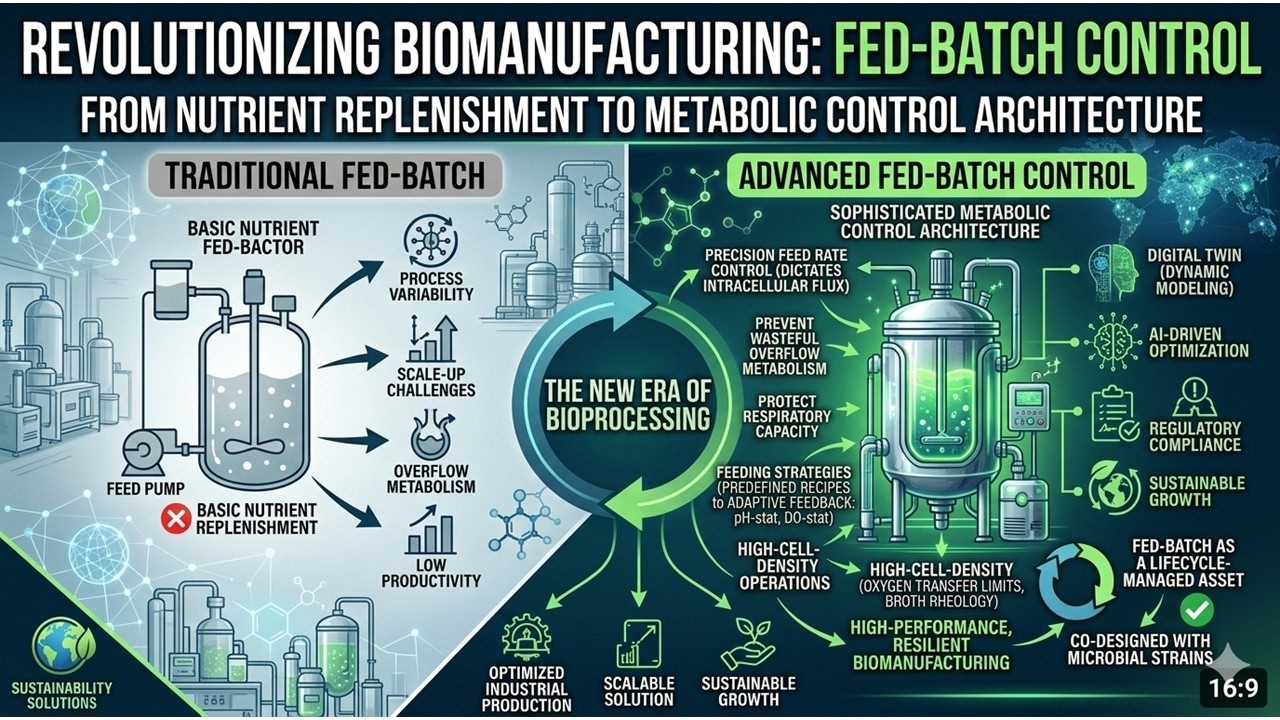
Industrial fed-batch success is constrained by engineering limits beyond biological considerations. High cell density cultures (50-150 g/L) demand massive oxygen supply, limited by the mass transfer coefficient (k_La). As biomass increases, broth viscosity rises dramatically, suppressing k_La and creating oxygen gradients. Poor mixing generates localized substrate accumulation zones triggering overflow metabolism. A fundamental trade-off exists between specific productivity and cell density—pushing for maximal biomass often reduces efficiency due to stress gradients. Optimal design targets plateau regions where productivity is maximized while maintaining stability. The ultimate operational limit is engineering: heat removal and oxygen transfer constrained by scaling physics, requiring engineers to balance biological potential against physical and economic realities.
Click to watch →

DBT-BET 2025 | FREE Crash Course | Bioprocess Engineering & Industrial Biotech.| Sounak Sinhababu |
5.1K
This extensive segment covers bioreactor operations, scale-up principles, and industrial fermentation applications. Chemostat steady-state operation requires specific growth rate to equal dilution rate (μ = D). Using Monod kinetics (μ = μ_max × S/(K_s + S)), with μ_max = 0.2 h⁻¹, K_s = 0.2 g/L, and S = 0.2 g/L, the dilution rate is 0.1 h⁻¹. For a 60 L fermenter, flow rate = 6 L/h. Zymomonas mobilis is preferred for lignocellulosic biomass because it utilizes both hexose and pentose sugars, unlike Saccharomyces cerevisiae. In mycelial filtration, filter cake resistance is not constant because compressible biomass builds up on filter surfaces, increasing resistance over time. For scale-up, Reynolds number is proportional to N × D². For constant tip speed scaling, N × D = constant, so 10-fold diameter increase requires 10-fold rate decrease. Anaerobic lactic acid fermentation maintains redox balance by reducing pyruvate to lactate, regenerating NAD+ for continued glycolysis.
Click to watch →
Deep Dive
Analytical characterization of the purified recombinant protein using SDS-PAGE, Western blotting, mass spectrometry, and activity assays.
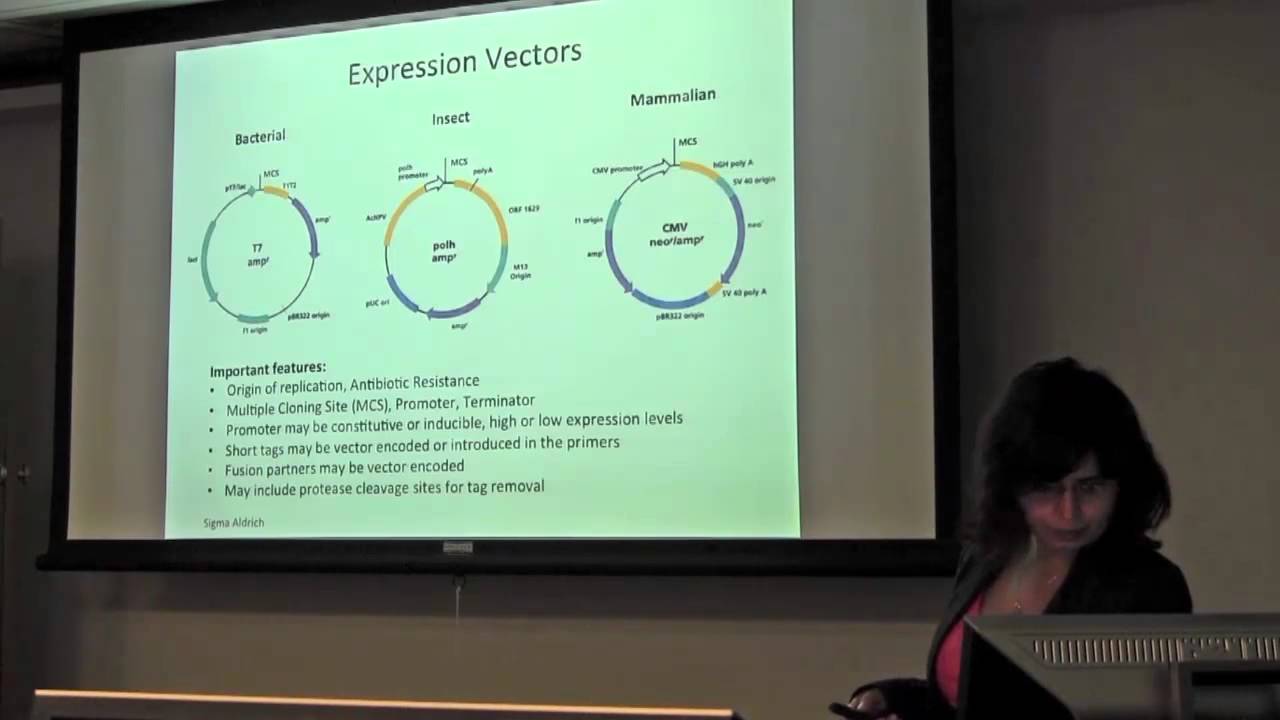
How to Purify Recombinant Proteins: Methods and Techniques
40.1K
Recombinant protein purification involves a systematic workflow: first, selecting an appropriate host organism (bacteria, insect cells, or mammalian cells) based on protein type, required posttranslational modifications, yield needs, and available resources; second, designing expression vectors with suitable promoters (constitutive or inducible) and affinity tags (such as His-tags or GST fusion partners) for purification; third, optimizing expression conditions including induction timing and temperature; fourth, lysing cells using methods ranging from gentle (osmotic shock) to vigorous (ultrasonication); fifth, applying chromatographic techniques including affinity chromatography (for initial purification), ion-exchange chromatography (for charge-based separation), and size-exclusion chromatography (for size-based separation); and finally, verifying protein concentration through absorbance measurements or densitometry and confirming purity and identity via SDS-PAGE, immunoblotting, or mass spectrometry.
Click to watch →

SDS-page characterization of bai-I purification products
114
SDS-PAGE (Sodium Dodecyl Sulfate Polyacrylamide Gel Electrophoresis) is a fundamental biochemical technique that separates proteins based on their mass-to-charge ratio by giving them a uniform negative charge through SDS treatment; this method enables researchers to characterize protein samples collected at various stages of purification (such as crude lysate, clarified lysate, flow-through, and eluted fractions) by loading 30μL samples mixed with 5x loading dye, heating at 95°C for 5 minutes, and running at 180V for 45-60 minutes, followed by Coomassie blue staining to visualize and identify the desired protein band.
Click to watch →

Expresión de proteínas recombinantes: electroforesis SDS-PAGE
4.5K
SDS-PAGE (Sodium Dodecyl Sulfate Polyacrylamide Gel Electrophoresis) is a fundamental technique for detecting and analyzing recombinant proteins by separating them based on molecular weight. The method uses SDS buffer containing beta-mercaptoethanol (to break disulfide bonds) and SDS (to neutralize protein charges and give uniform negative charge), allowing proteins to migrate toward the positive electrode through a polyacrylamide gel matrix. The gel percentage determines pore size: higher percentages (tighter gels) better separate smaller proteins, while lower percentages (looser gels) better separate larger proteins. For a 47 kDa protein, a 10% gel is optimal. After electrophoresis, proteins are visualized by staining, and their molecular weights are determined by comparing migration distances to a molecular weight marker.
Click to watch →

Mehmet Çalıseki | Çalıştay - E. coli Bakterisinde Rekombinant Protein Üretimi ve Saflaştırılması
1.7K
Size exclusion chromatography separates proteins based on molecular size using porous beads. Larger proteins pass through beads more quickly and elute first, while smaller proteins enter pores and elute later. This method is used as a final polishing step to remove aggregates and exchange buffers. Protein characterization requires multiple complementary methods. SDS-PAGE separates proteins by molecular weight using SDS to denature proteins and impart negative charge. Western blotting uses antibodies for specific identification. Mass spectrometry provides definitive protein identification by measuring mass-to-charge ratios. Enzyme activity assays confirm functional integrity. For structural biology, cryo-EM determines protein structures by freezing samples in vitreous ice and imaging with transmission electron microscopy. The sample is prepared by applying it to a grid and rapidly freezing in liquid ethane, preserving the protein in its native conformation.
Click to watch →
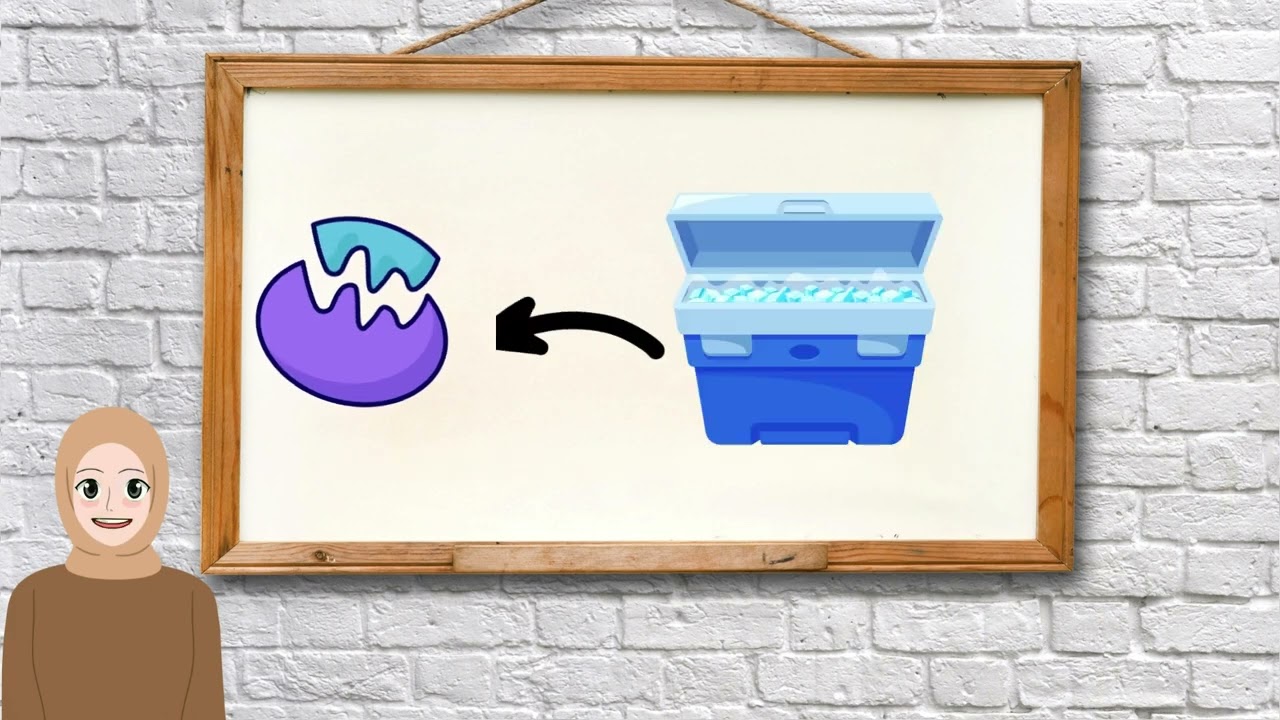
Kloning, Ekspresi, dan Pemurnian Hipertermofil α-Amilase dari Pyrococcus woesei - Kelompok 4 GR
203
This section covers the complete purification and characterization of recombinant alpha amylase. The process includes cell culture with IPTG induction, sonication for protein extraction, and centrifugation for separation. Protein activity is determined using starch-iodine assay in acetate buffer. SDS-PAGE analysis at 12% concentration with starch staining reveals amylolytic activity as clear bands. Western blot using anti-intein antibodies confirms protein expression. Heat treatment at 85°C with thiol compounds separates intein from the fusion protein. The analysis demonstrates that while heat treatment cannot separate intein from alpha amylase, it effectively removes other proteins, providing an efficient purification strategy.
Click to watch →
Protocol Overview
Protocol Overview
0:00- 1
Demonstrates protein expression workflow using P. pastoris yeast system.
- 2
Includes cell prep, transformation, DNA verification, and protein production.
- 3
Method applies to studying proteins from uncultivated microorganisms via metagenomics.
Limitations of Yeast Glycosylation and the Case for Mammalian Expression Systems
While Pichia pastoris is highly valued for its high-yield protein production and cost-effectiveness, it possesses a major limitation: its non-human glycosylation patterns. Yeast cells perform hyper-mannosylation, adding high-mannose glycan structures to recombinant proteins. For therapeutic proteins destined for human use, these yeast-specific glycans can cause rapid clearance from the bloodstream or trigger immunogenic reactions. Consequently, many researchers and industry experts advocate for mammalian expression systems, such as Chinese Hamster Ovary (CHO) cells, as the superior choice for complex biopharmaceuticals. Despite being more expensive, slower, and technically demanding than Pichia pastoris, mammalian systems perform precise, human-compatible post-translational modifications. This ensures the correct folding, biological activity, and safety of therapeutic glycoproteins, making mammalian hosts indispensable despite the higher yields offered by yeast.
Fundamentals of recombinant DNA technology, including plasmid vectors, restriction cloning, and gene expression cassettes.
The basic biology of eukaryotic host systems compared to prokaryotes, specifically focusing on post-translational modifications like glycosylation and disulfide bond formation.
The physical and chemical principles of transformation, particularly the role of electroporation in preparing and using electrocompetent cells.
The metabolic pathway of methylotrophic yeast, specifically how Pichia pastoris utilizes methanol and the regulation of the AOX1 promoter.
Optimization strategies for protein yield, including fine-tuning methanol induction, temperature, pH, and media composition (e.g., BMGY/BMMY).
Downstream processing methods to harvest and purify the expressed protein, differentiating between intracellular accumulation and secretory pathway isolation.
Industrial scale-up protocols using bioreactors, focusing on oxygenation, feed-batch fermentation, and biomass control.
Analytical characterization of the purified recombinant protein using SDS-PAGE, Western blotting, mass spectrometry, and activity assays.
9.3K views56likes2:00@JoVEJournalOriginal Release: 2022-06-02
[Music] the following protocol describes protein expression using the methylotrophic yeast picapastoris the preparation of electrocompetent e cells and transformation of the vector with the gene of interest into p pastorus are shown followed by a yeast dna purification step to check for proper integration of your gene of interest into the yeast genome at the end we will perform the expression of the recombinant protein hi i'm maria from the laboratory of stephen hellum at the department of microbiology and immunology at the university of british columbia i'm marcus also from the helm lab today we will show you a procedure to express recombinant proteins in the methylotrophic yeast p chiapas stories we used this procedure in our laboratory to study proteins from uncultivated microorganisms where environmental dna has been extracted and archived in metagenomic libraries so let's get started the expression of recombinant proteins in the methylotrophic yeast piceapastorus requires cloning your gene of interest in frame in a p pastor's parent vector in our experiment we use the vector p pick z alpha a this vector contains the aox1 promoter for tightly regulated methanol-induced expression of the gene of interest the alpha factor secretion signal for secretion of the recombinant protein azaleas and resistance gene for selection in both e coli and picaya a c terminal peptide containing a cemic epitope and a polyhistidine tag for detection and purification of the recombinant protein prior to transformation linearize the vector containing your gene of interest by restriction digest we use the enzyme pme1 but other restriction sites are possible as long as your insert does not contain that restriction site to obtain sufficient linearized vector dna set up three to four fifty microliter restriction digest reactions in separate tubes after the digest
Up Next
4:22
Central Dogma of Molecular Biology: DNA to RNA to Protein
@khanacademymedicine
885.7K views•2013-12-28
50:12
Bacterial Communication: Quorum Sensing and Biofilm Formation Explained
@JHUAAP
12.6K views•2011-06-28

5:35
Enteric Nervous System Explained: The Gut's Brain | Neurobiology Lecture
@alumniu6029
438 views•2018-09-12

7:08
Bacteriophages: Earth's Deadliest Killers and Future Antibiotics
@kurzgesagt
34.6M views•2018-05-13
Related Study Plans & Knowledge Roadmaps
Structured learning paths in Biology
biology
RNAi: Biogenesis, RISC & Gene Silencing
01Molecular Biology Foundations: DNA to Protein
02Introduction to RNA Interference (RNAi)
03Molecular Biogenesis of miRNA and siRNA
+ 2 more learning modules
10h5 modules
Explore Roadmap
biology
Mycorrhizae: Signaling, Biophysics & Ecology
01Foundations of Mycorrhizal Symbiosis
02Molecular Signaling and Root Colonization
03Biophysics and Bioenergetics of Nutrient Exchange
+ 1 more learning modules
11h4 modules
Explore Roadmap
biology
Circadian Clocks: TTFL, SCN & Periphery
01Foundations of Molecular Biology & Gene Expression
02Introduction to Chronobiology and Actograms
03The Core TTFL: Molecular Architecture of the Clock
+ 3 more learning modules
14h6 modules
Explore Roadmap
biology
Population Genetics: Math, Drift & Selection
01Genetic & Probability Foundations
02The Hardy-Weinberg Principle and Baseline Models
03Mathematical Modeling of Natural Selection
+ 3 more learning modules
18h6 modules
Explore Roadmap