


















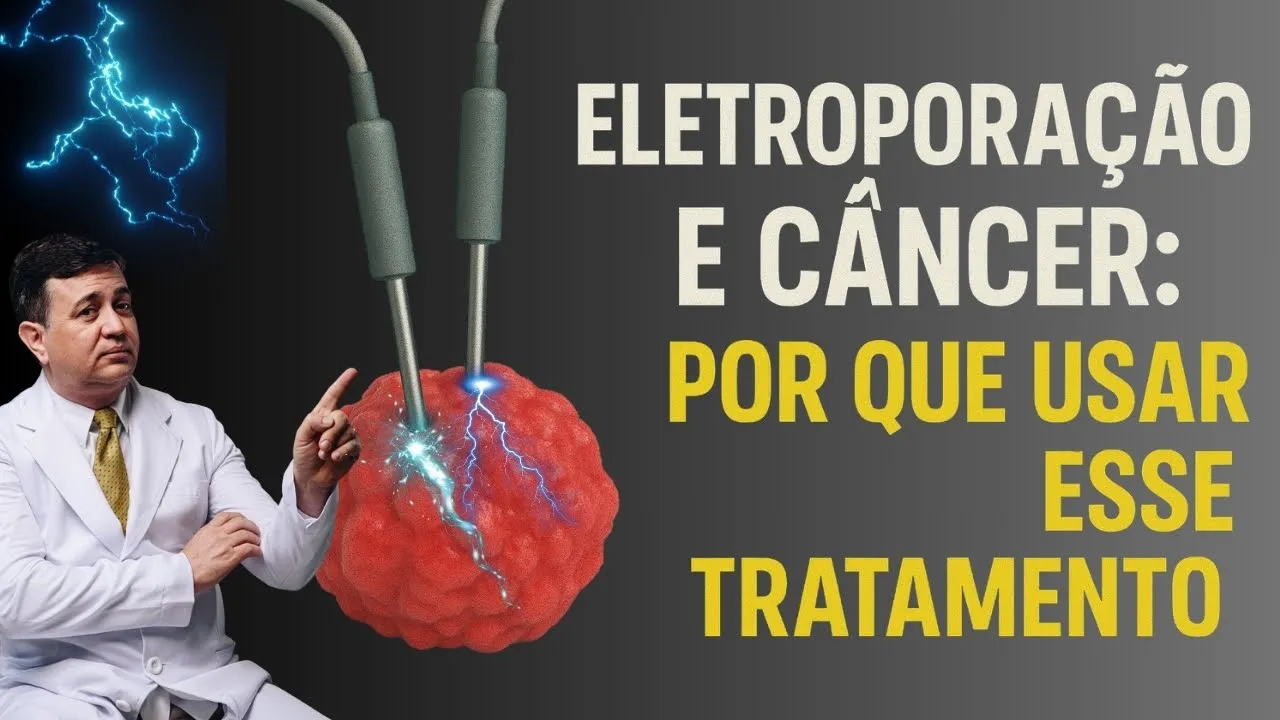


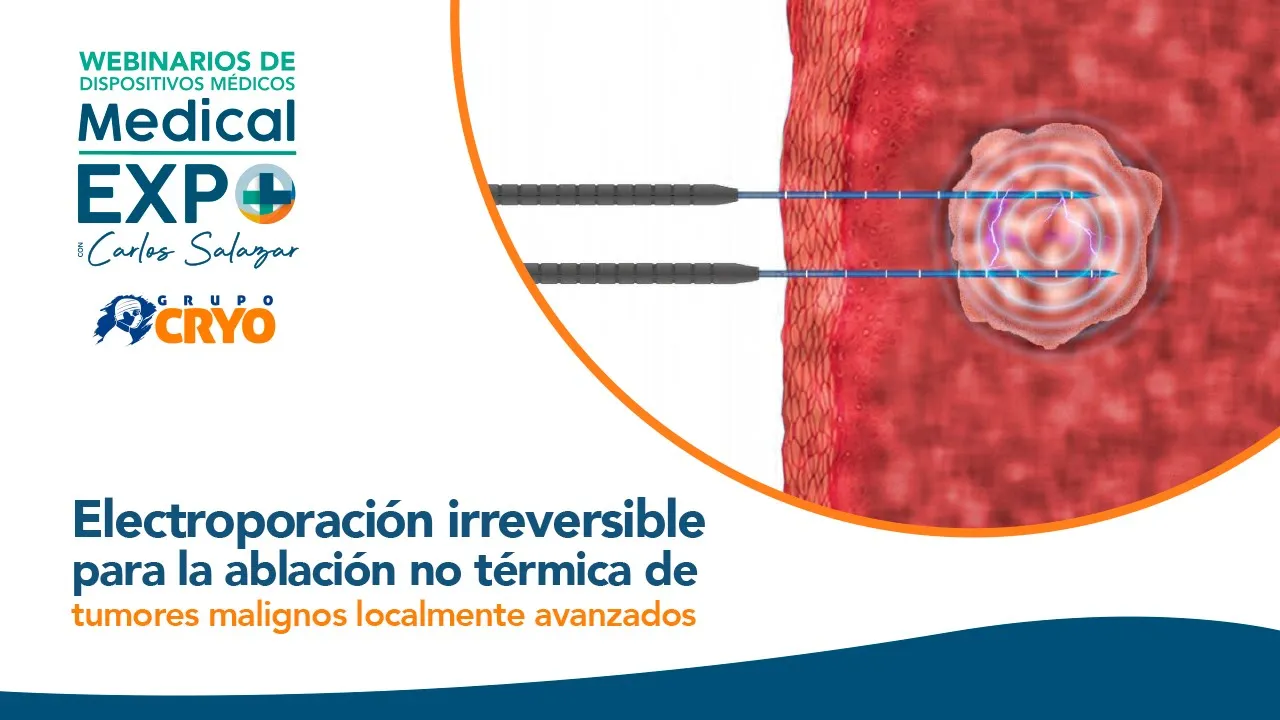


Electroporation (electropermeabilization) is a molecular biology technique that applies a controlled electrical field (typically 100-300 volts across a 5mm region) to cell membranes, causing phospholipid molecules to realign and form temporary pores that allow genetic material or drugs to enter the cell cytosol; this method is widely used in genetic transformation, plant breeding, and tissue culture due to its simplicity and efficiency.
Electroporation Explained: Mechanism & Applications in Cell Transformation
Added:The structure and biophysical properties of the cell membrane, particularly the phospholipid bilayer and its selective permeability.
Basic principles of electromagnetism, specifically electric fields, voltage, and electrical potential difference across a barrier.
The chemical structure of DNA, RNA, and therapeutic drugs, including how their size and negative charge prevent passive diffusion through membranes.
Fundamental concepts of genetic transformation, transfection, and why cells need to be made 'competent' to uptake foreign genetic material.
Optimization protocols for electroporation, including adjusting parameters like voltage, pulse duration, and cuvette path length for specific cell types (mammalian vs. bacterial).
A comparative analysis of alternative transfection methods, such as lipofection, chemical transformation (calcium chloride), and viral vectors.
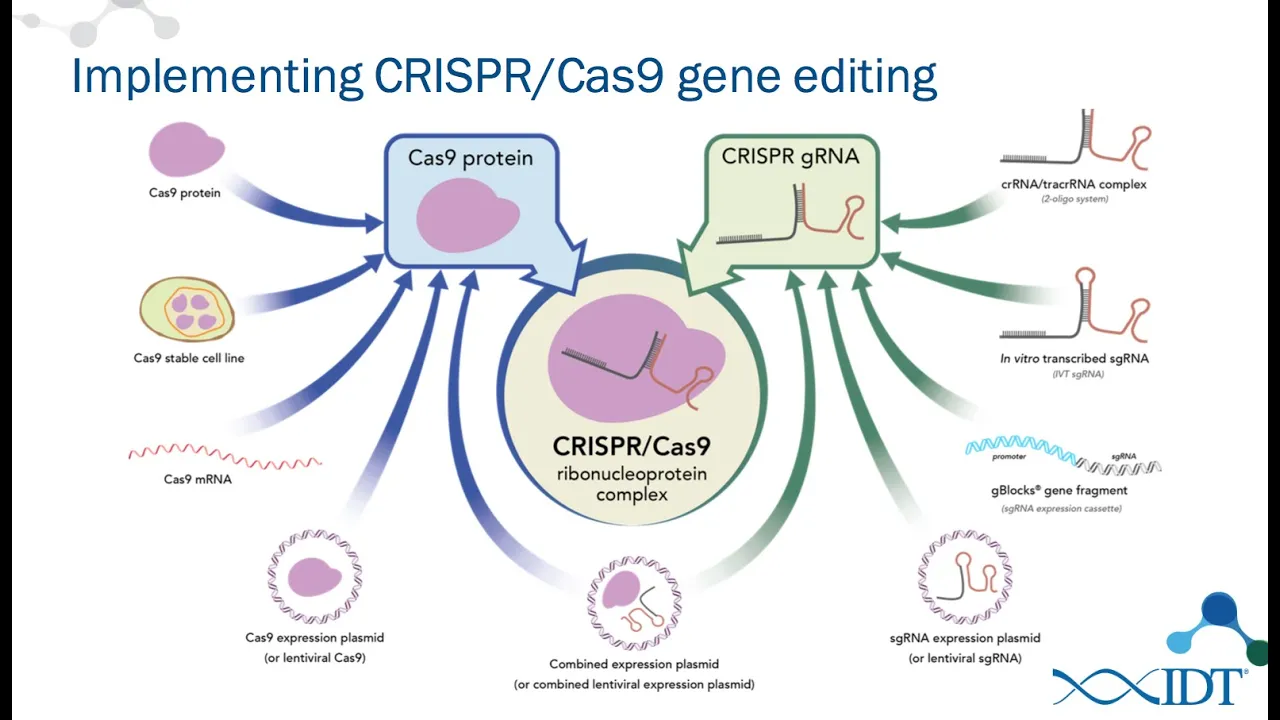
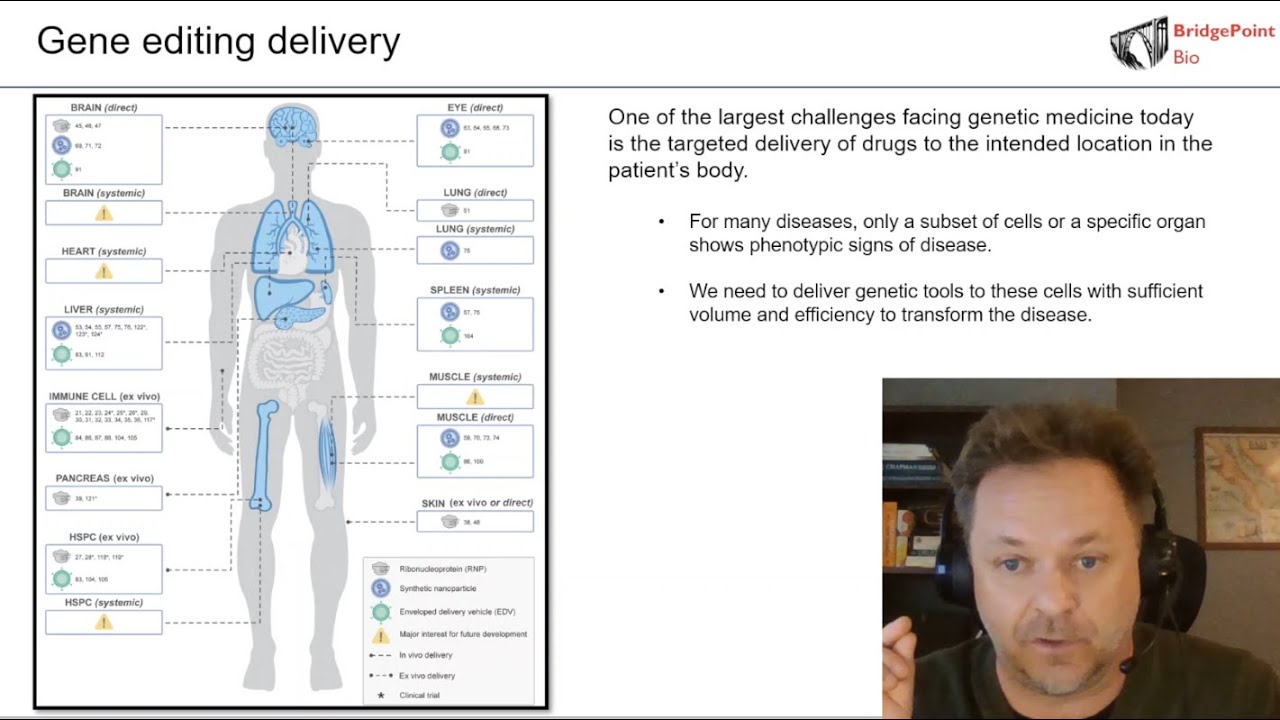
Advanced gene-editing workflows, such as utilizing electroporation to deliver CRISPR-Cas9 ribonucleoprotein (RNP) complexes into primary cells.
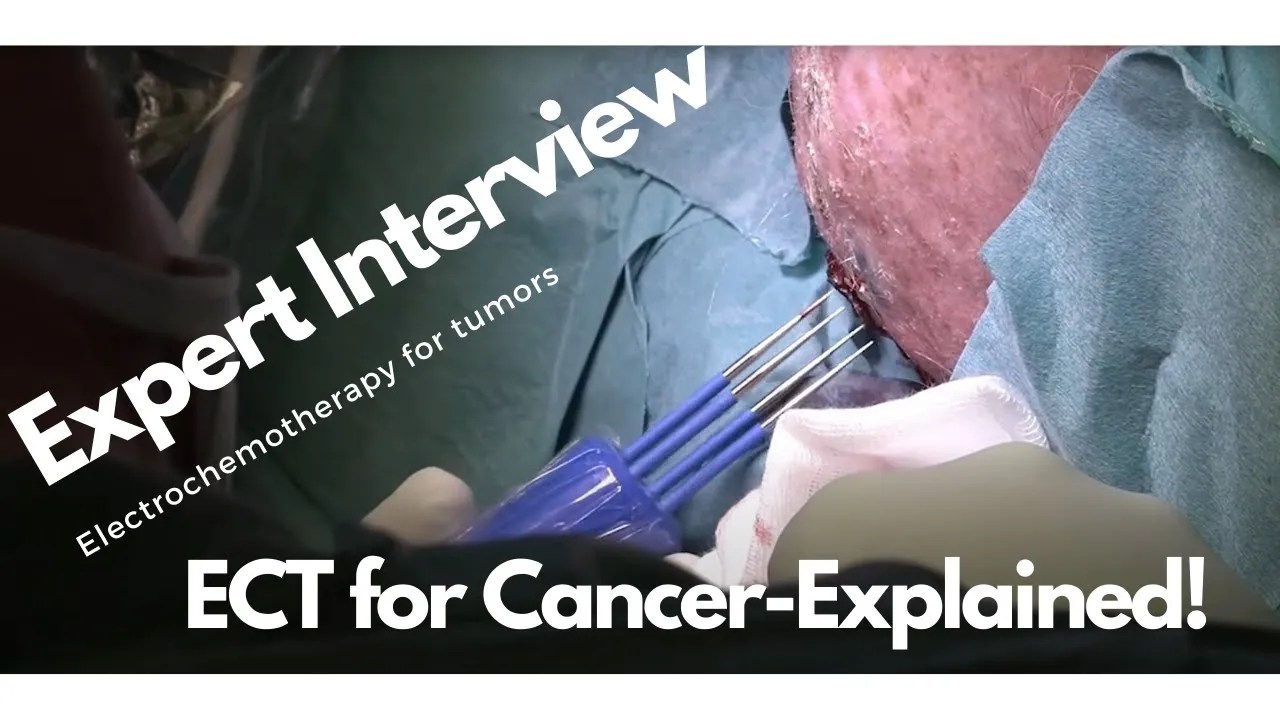
Clinical applications of electroporation, including electrochemotherapy to enhance drug uptake in tumors and CAR-T cell manufacturing.
The concept of Irreversible Electroporation (IRE) and its application as a non-thermal tissue ablation technique in surgical oncology.
119.6K views3.5Klikes7:07Original Release: 2015-07-07
Welcome back guys. In this video lecture, we'll be talking about electroporation which is also known as electropermeabilization.
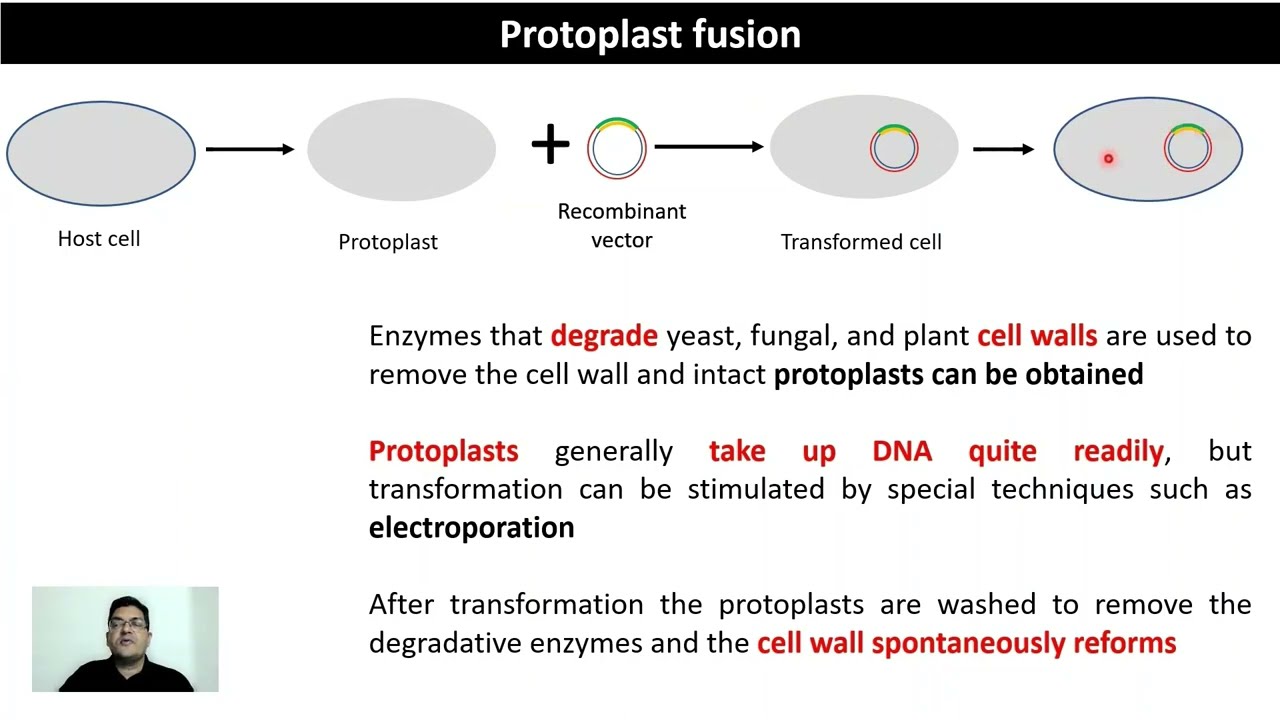
Right? So electroporation or electropermeabilization is a process where we use electricity or small amount of voltage and applying to the cell surface applying to the cell membrane so that pores start to form in cell membrane and we can deliver either genetic material or drug directly inside a cell in the cytool of the cell. Now remember for any kind of processes to insert a genetic material or any other particle like drugs directly inside the cell we need to evade the cell membrane because this is the ultimate layer that is protecting the whole cell. So they say this is the nucleus and all these things. This is the cell membrane and the cytosol. By any means if we need to insert that drug or genetic material directly into the cytosol or in the nucleus wherever right we require to invade this cell membrane first right and even in going inside the nucleus we require further stages but mainly first thing we need to evade this cell membrane right. So how could we insert such a particle say a foreign particle like a drug particle inside this cell?
The easiest way is to create a pore in cell membrane and insert it directly into the cell. And for doing that so we need to form a pore. So how can we form the pore? For the formation of the pore we apply voltage electricity. we apply electricity and the electricity we apply in this case is 100 volts or some kind of 100 to 200 300 very milder volt as you can see 100 volt is not very much uh high electricity very low electricity across the region where we want to create the pore right so we apply that amount of voltage generally in some let's say 5 mm distance of a region so let's say this is the section which is only 5 mm 5 mm long section. Let's say this is a 5 mm long section and we apply this voltage this milder voltage let's say 100 volts here with the help of electrodes placing inside the cell membrane and then it creates the pole.
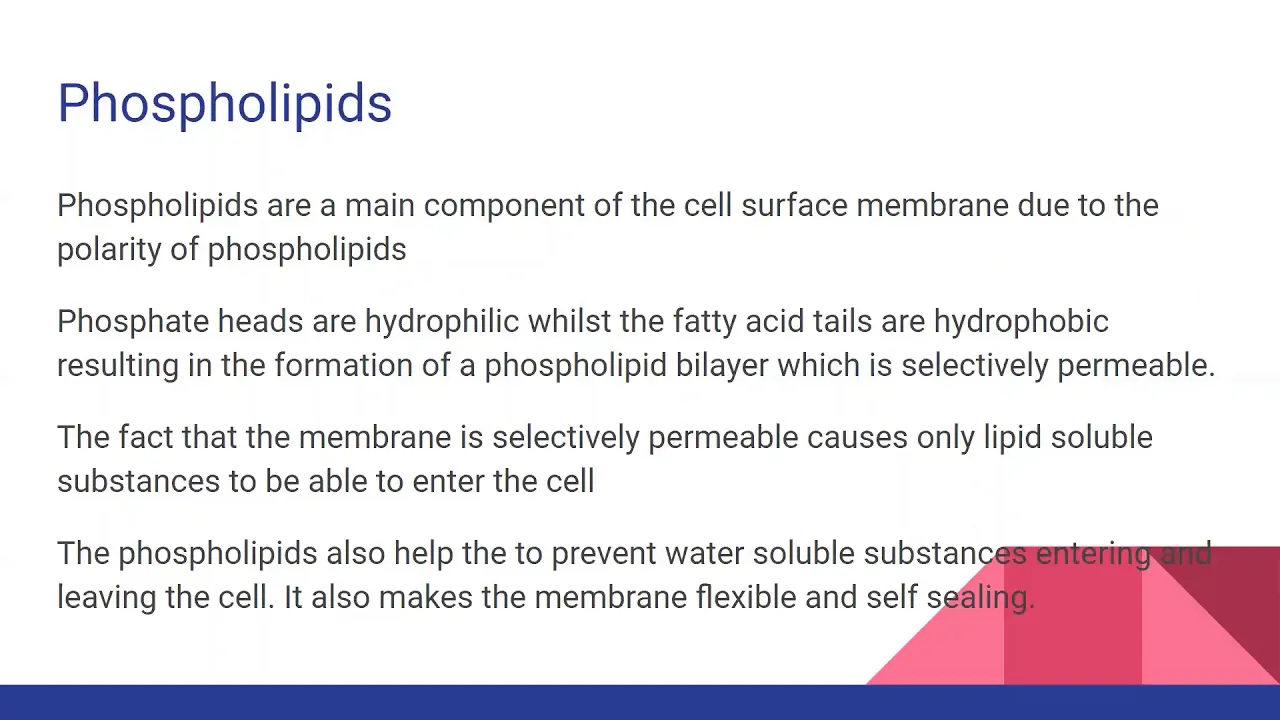
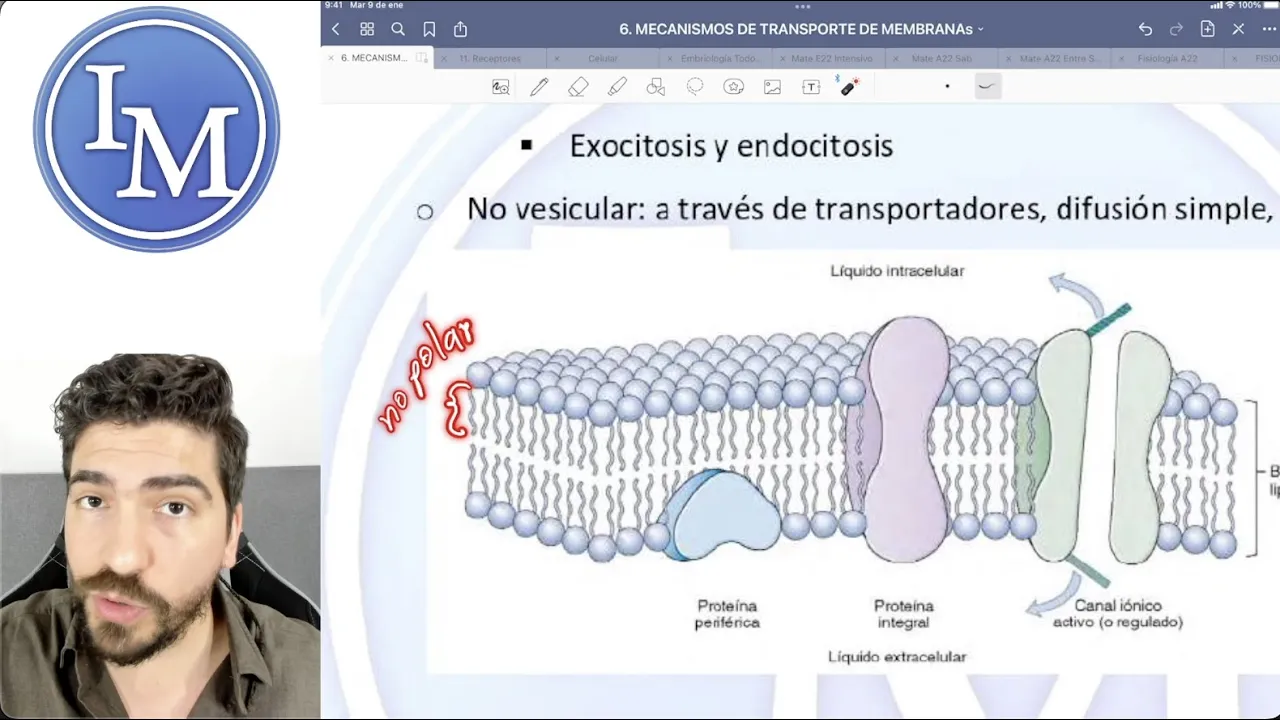
Now how it creates the pole that's the question. The idea here it was discussed and discovered early that when we apply the small amount of electricity in the very tiny region like few centimeters like 3 or 4 cm or 5 cm what it does actually it it make all those phospholippids to realign right because in a cell membrane those phospholipids are aligned in a billayer fashion right where the heads are aggregated at the same region tails which are hydrophobic are aggregated on other side. So if you look at here normally how they are organized these are the head and these are the tail groups remember and this is another set of so this is a lipid billayer these are the two different layer this is layer one layer two right they are organized in this way hydro hydrophobic tails interact with each other to form the membrane medial region. Now the problem is when we apply this voltage right when we apply the voltage that electricity provides them I mean they re they help them to rearrange properly and in this case they are rearranged in an orientation like this.
something like this.
Similarly, if you look at here, those let's say this is the section or this is the section where we apply that voltage. Remember this voltage is applied and during those small stretch of section all those phospholipids those heads start to cover up the region and those those tail regions are again interacting with the hydrophobic portion. So they just start to create a separation line here. But what it does actually remember these heads are of hydrophilic nature right that means water any other particle can pass through that. So you can see it now.
Previously the middle portion completely made up with hydrophobic but in this case due to this rearrangement as you can see all these sections are hydrophilic and it forms this pore. So through this pore now particles can entry right?
That's how the whole process works. This voltage makes these phospholipid molecules to rearrange in a way. It creates that poor structure like this and then molecules can pass through it.
Right? I've drawn this picture in a cross-section way. If you look at the cross-section in the 3D view, you can view it in a better orientation. So if you want to view it in 3D, you can see in the Wikipedia, they have an image of this 3D construction of how this process actually looks like. But I can't draw it directly here in this case. It's kind of complicated. So that's the basic way of how electroporation work. It's called electropermeabilization because it makes a cell membrane permeable to certain components due to the application of electric field.
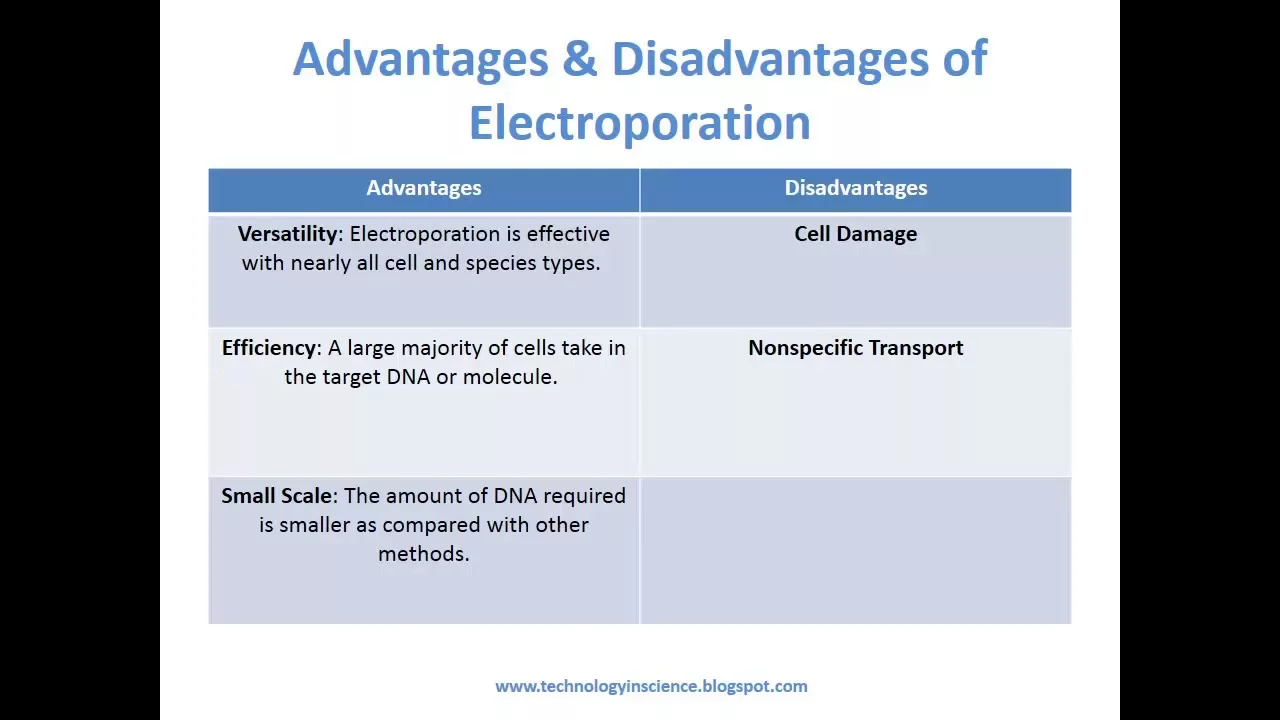
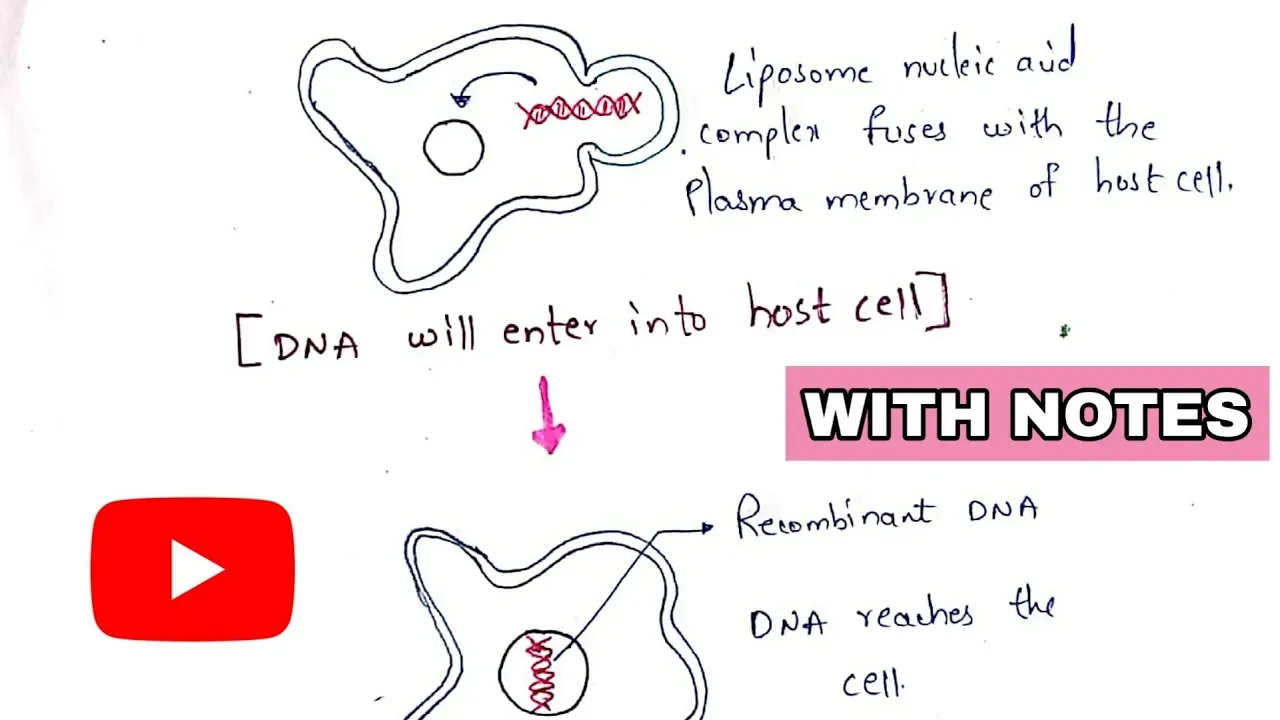
Right? So that's why this process is called and this process is extremely important for delivering genetic material like DNA sometimes other particles like drugs in most of the cases inside the cell directly and also some other type most of the cases in during the transformation of cells as well as during the plant breeding processes and also plant tissue culture processes with using the TI plasmid recombination processes we need to deliver some genetic particle inside the cell and we use this approach to deliver it inside the cell. Why is this approach? Because this approach requires less uh expense as well as less laboring conditions because slight voltage across the membrane do the trick. Right? So let's say we have a DNA to enter. So obviously we need to put the DNA in the surrounding mixture. Let's say these are the DNA fragments that we need to put it inside and then we need to apply this voltage and the DNA will pass through that pore. Something happens like that.
So this is the way of dealing with it.
So that's it guys. If you like this video, hit the like button. Share this video with your friends in all social networking site as well as subscribe to my channel to get more videos like this.
Subscribe button here down. Hit this.
Thank you.
Up Next

272:49
Plus Two Biology: Inheritance, Biotechnology, Human Health | Exam Winner
@ExamWinnerPlusTwo
43.1K views•2023-12-16

50:12
Bacterial Communication: Quorum Sensing and Biofilm Formation Explained
@JHUAAP
12.6K views•2011-06-28

14:34
RNA Interference Mechanism: siRNA and shRNA Pathways Explained
@shomusbiologyofficial
379.7K views•2015-02-21
7:08
Bacteriophages: Earth's Deadliest Killers and Future Antibiotics
@kurzgesagt
34.6M views•2018-05-13
Related Study Plans & Knowledge Roadmaps
Structured learning paths in Biology
biology
RNAi: Biogenesis, RISC & Gene Silencing
01Molecular Biology Foundations: DNA to Protein
02Introduction to RNA Interference (RNAi)
03Molecular Biogenesis of miRNA and siRNA
+ 2 more learning modules
10h5 modules
Explore Roadmap
biology
Mycorrhizae: Signaling, Biophysics & Ecology
01Foundations of Mycorrhizal Symbiosis
02Molecular Signaling and Root Colonization
03Biophysics and Bioenergetics of Nutrient Exchange
+ 1 more learning modules
11h4 modules
Explore Roadmap
biology
Circadian Clocks: TTFL, SCN & Periphery
01Foundations of Molecular Biology & Gene Expression
02Introduction to Chronobiology and Actograms
03The Core TTFL: Molecular Architecture of the Clock
+ 3 more learning modules
14h6 modules
Explore Roadmap
biology
Population Genetics: Math, Drift & Selection
01Genetic & Probability Foundations
02The Hardy-Weinberg Principle and Baseline Models
03Mathematical Modeling of Natural Selection
+ 3 more learning modules
18h6 modules
Explore Roadmap