































Economic research reveals that migration involves positive selection, where migrants are typically more educated and skilled than those who stay behind, and empirical evidence shows that immigration generally benefits destination economies through complementarities with native workers, increased innovation, and net positive contributions to government budgets, though refugees face additional integration challenges due to legal restrictions and traumatic displacement experiences.
The Economics of Refugee Migration: Labor Market Impacts
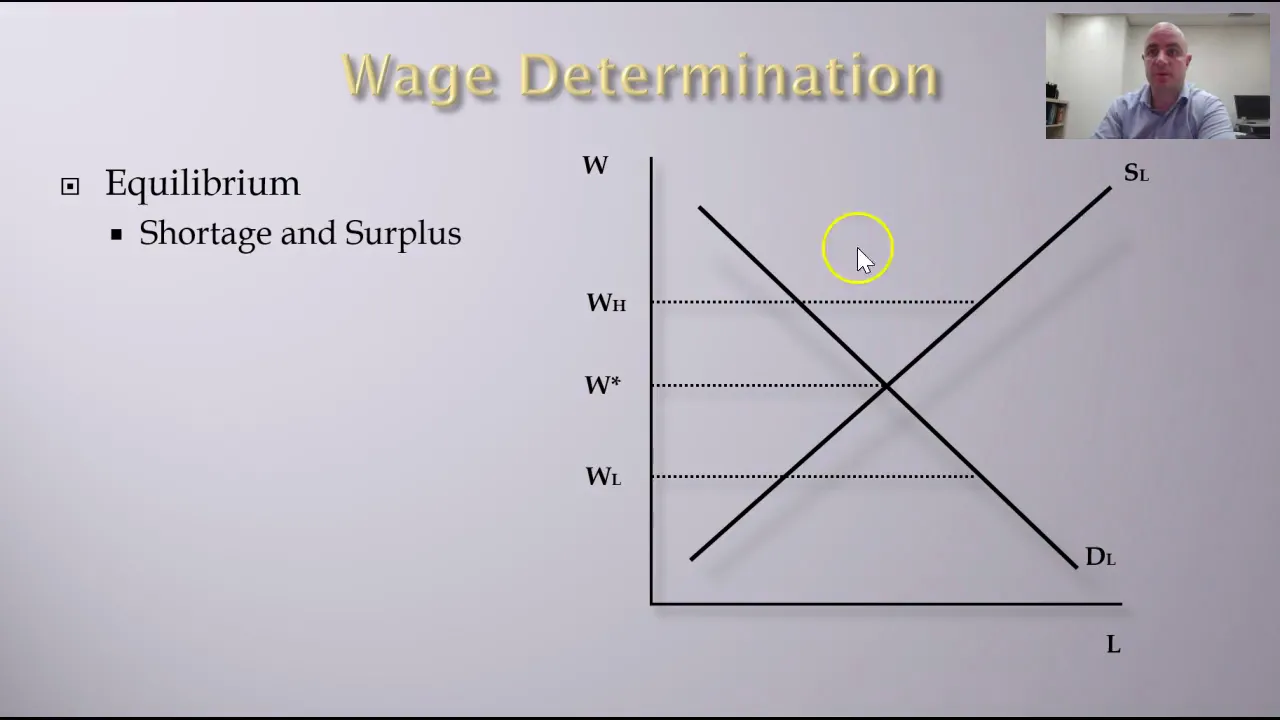
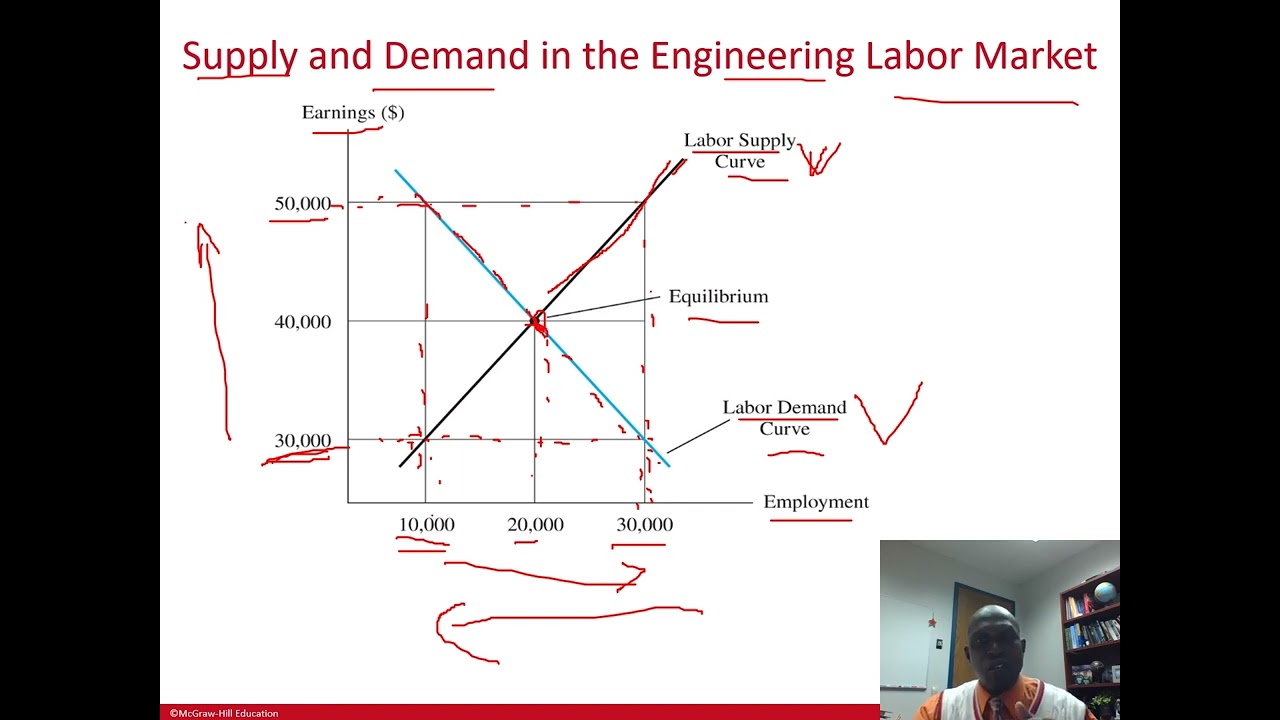
Added:Basic labor economics principles, including labor supply and demand curves, wage determination, and market equilibrium.
The conceptual distinction between voluntary economic migrants and forced migrants (refugees and asylum seekers).
The concept of human capital theory, particularly how skills, language proficiency, and education transfer across international borders.
The fundamentals of fiscal policy, specifically how government spending on public goods and social services interacts with tax revenues.
Advanced policy analysis of targeted integration programs, such as language training, job placement services, and credential recognition.
The long-term fiscal and macroeconomic impacts of refugees on host country GDP, welfare systems, and demographic shifts.
The study of spatial economics and regional concentration, exploring how geographic distribution of refugees affects local housing markets and public infrastructure.
Comparative international studies examining the efficacy of different national frameworks (e.g., European vs. North American models of resettlement).
955 views9likes56:01Original Release: 2024-05-21
hello and welcome to the final installment um of this year's uh series of lectures as part of what economists really do U my name's Abby Adams uh I'm a professor in the economics department at Oxford and in charge of external um engagement more broadly um today I am absolutely delighted to welcome uh Dennis Edgar who is an associate professor in the department um Dennis is a development economist who uses a creative mix of experiments and big data sets uh to research migration and networks in a variety of different contexts including work in Kenya in Ethiopia in China um and also in Switzerland um he also I'm going to give you a bit of a plug Dennis he recently won the very prestigious frish prize for his amazing work on the impacts um of Crash trans of cash transfer programs um so today Dennis is going to be giving us an overview um the economic literature on migration as it relates uh to to refugees Dennis will be speaking for about 35 to 40 minutes um throughout which if you can just put your questions um in the Q&A um I'll collect them uh so then we'll have about 15 to 20 minutes at the end um of Q&A before wrapping up um but with that over to you Dennis and thanks again for doing this thanks thanks very much Abby for the for the introduction and and and welcome everybody um so let's start with some facts so so migration has increased rapidly since the 1970s uh more than doubling over this time and sort of has reached levels that we've seen before but not for a long time sort of back to back to where it was just before World War I this is a similar pattern that we also see in trade which was very globalized at the time now even though sort of this is an age of migration and people living outside they're they they um country of Origins the share of those has increased rapidly it is still relatively small so so globally even now 96.4% of people still live in the country of birth and so just to sort of even though this is a very sort of important political topic worldwide is still a relatively small phenomenon you see here on the right that most of this migration is going towards High income countries such as the oecd countries and including the UK here uh in those and and you see here that sort of the the the share of migrants as as a as a share of the total population in these high income countries has sort of doubled almost from seven to about 14% so it's so it's much larger as as a phenomenon in in high income countries now this is not sort of predominant because countries have sort of opened up their immigration systems although that has that has happened too but the sort of drivers under underlying this is are are sort of sort of more Global in the sense that there's a developing world with with with higher and higher incomes and more and more sort of open sharing of of of information and aspirations and educational policies that that sort of allow people to access these avenues for migration now I've plotted here the UK because we because because you know many of you will be in the UK um uh where you sort of see that since the 70s the the share of immigrants as a as a share of the total UK population has increased even more than sort of for high income countries in general um for the sort of working age population this is the red line here it's gone from sort of 78% in in the 70s to to almost 20% um today now this is just another way again to show you that immigration is concentrated in high income countries uh this plots sort of the stock or the share of immigrants as as a share of the population um against sort of GDP per capita the UK is somewhere up here the high income countries and you sort of see that you know basically the lowest income countries here don't see um don't see very much in terms of of of immigration whereas the highest income countries see see the bulk of this now let's just sort of step back for a moment and sort of think about what what migration is and and sort of try to sort of capture all the different things that people have worked in in this space so migration is sort of a movement of people from An Origin to a destination and there's a bunch of questions that you could ask around that so the first of course is like who migrates right this is what we call selection in in in economics sort of who decides to go and and and typically we'll model this as as economists do is so of some decision that involves both benefits of migration and and the costs uh of doing so and there's of course a bunch of different types of migration here to think about so is this within borders versus across International borders and and and and sort of the vast majority of migration of course is within within borders as as I've showed you the international migration part is still relatively there's also this question of temporary versus permanent you know are people migrating temporarily to you know make use of seasonal opportunities or of educational opportunities and then going back or is this something that they think about doing permanently and then and this is something that we will get to when we talk about refugees at the end there's also this big question around you know is this voluntary versus forc is there different types of selection or decisions going on when for example migration is driven by climate change or war or or or other things much less in the control of of individuals and then how is the sort of legal environment set up to to deal with these different types of of migration now economists have worked on all kinds of questions surrounding selection so just to to sort of put here a few pictograms of of types of reasons that people may have for migrating which is obviously to take advantage of economic or financial opportun unities to get education to get networks and and and and and and and sort of cultural exposure for relationships um or or also you know to avoid prosecution for example as we'll see with with refugees in the end now economists have studied a wide range of potential effects of migration at the destination and the one that sort of maybe comes to mind um at least to many of you would be on on local labor markets so you have an flow of of of immigrants into a labor market how does that shave local wages does this displace local workers and so on but that of course isn't everything right migrants also are not just workers they're also people who demand goods and services and this is going to be sort of a key a key point that I'd like to make here is that you know often immigrants and the media are sort of portrayed as as workers who who take jobs or or sort of compete with local workers but they're also demanding Goods they're also growing theand in in the in the economy and it's not the case that sort of larger countries have you know fewer jobs quite quite the contrary so we'll have to sort of think about all the aspects of immigrants integration or a role that they play they play in society um there's a vast literature on how uh immigrants May boost Innovation they may kep a prop a disproportionate share of innovators of of of of of people founding companies um how immigrants give access to trade and and and new networks and potential destination markets for local firms how they sort of change and shape the local distribution of skills and education um of course uh uh similarly in in the realm of of sort of culture social norms and political institutions and sort of voting voting behavior I like this sort of quote from from from the Swiss author Max FR who sort of said that um we wanted workers but we got people instead um and so sort of increasingly particular in the last s decades economics has thought of all these different aspects of immigrants and and the roles they play in society much much Beyond uh uh the idea of them just being workers uh that that come in to sort of contribute in that way now there's of course the reverse of all of this uh and sort of you know economists have also studied how that now impacts people or where people uh places where people immigrate from um you know immigrants may send back remittances money they they may again sort of provide access to trade and networks they may go back and start Farms they they may sort of sort of transmit information of potential opportunities at the at the destination and and therefore changing sort of people in their home countries aspirations or or or or investments into education and potential future migration there's sort of a debate here that unfortunately we won't we won't get to touch on very much but we will of of sort of brain drain versus brain gain you know is immigration something that benefits countries where lots of people are leaving or is this something that hurts them because as we'll see typically it's the most educated people that tend that tend to leave so like I said we can't really touch touch on all of these um but I I just sort of wanted to put this out there just to sort of give you a sense of all the different aspects that people have worked on and and the sort of vast vast literature that's that's underpinning all of these questions so what are we going to do today then so so we're going to talk first a little bit about this middle part of selection sort of who um migrates and and and and sort of resulting from this we'll sort of discuss why that leads to a challenge for estimating the impacts of migration both on migrants themselves but also at the destination or at the origin because when people are selected that is when you know the people who tend to migrate are different from the ones that either are already there or that stay that's going to tend to confound our empirical estimates of these impacts and I'm going to discuss a few things of how to address that then we're going to sort of talk a little bit about the impact of migration at the destination on label markets but also local firms and workers this is because as we are in the UK this being one of the predominant immigration countries I hope this is of particular interest um and then we'll sort of touch at the very end a little bit on on on the role that refugees play and how they how they might be potentially different from other types of migrants all right so as long as we're sort of in the realm of voluntary or at least partial parti partially voluntary migration migrants choose whether to migrate and economists invariably have a pretty simple model of this where you know the benef way the costs that we call revealed preference so by migrating refugees have revealed a preference um to to migrate and therefore that they prefer this option over over all other options um now of course they may migrate for different reasons there's sort of what we call Pool factors such as demand for labor higher wages economic growth destination schooling and Technology all kinds of different potential things that could pull migrants to a destination but also push factors such as you know things that typically might not be as good in in in in the origin um one thing I want to mention here is that it's really important to think of migration not just as a sort of one-time thing but as a sort of idea of an investment intert temporarily many people migrate and this has been shown in in lot of papers to invest into their future or their kids future Futures and even if temporarily they might sort of take a cut or or find it really hard to integrate they sort of at least anticipate in the longer term that this may be may be beneficial for them and and their children and so on all right so let's sort of think about this in terms of a sort of graphic model so what I'm plotting here is sort of different people each dot is is is a different person and let's for a moment and this is definitely not what what we do in economics always just a assume that all they care about is the wage and on the x-axis the horizontal axis um is the wage at the origin and at the vertical axis is the wage at the destination so people to the right on this graph here have sort of relatively High wages at the origin people to the at the top of the graph have relatively High wages at the destination now if there weren't any costs to migrating if you could migrate freely you would migrate if the wage at the destination is higher than at the origin so if you're above the 45 degree line which means you know you sort of at the destination you'd get paid more than at the origin now in reality you know migration is costly and this cost may have many different components it may be the you know the airfare but also the adjustment cost the feeling of loneliness or disconnection that you might feel the sort of getting visa requirements and so on and so on and so on there's there's many many different costs and what I denote them here is is with this this sort of Greek letter to and what this means is um that there's the the only people who sort of for which the benefits are not just the wage of the destination is not just bigger than at the origin but also bigger than uh bigger enough or bigger by enough of a margin to cover these additional costs will will actually migrate and so in a sort of economic model these types of costs are in a sense inefficient you know there are people such as the ones that I've plotted here in in Orange who would benefit from migrating to a destination um but who cannot go there because they're prevented through through some of these costs and if these costs could be reduced relatively cheaply then that would sort of unlock additional benefits for future potential migrants and lead to a more what we would call sort of optimal allocation now not all costs can be reduced very easily right potentially Road building is very expensive flights uh uh you know uh are very are very are very um very hard to to to reduce the prices for but others such as you know legal restrictions may be removed quite easily one point here that that I sort of want to make and that comes out of this model is that when you start to lower these migration costs even further from what they are now the potential benefits of future migrants from doing that are likely going to be small smaller than the benefits the previous migrants have already experienced because already at the costs as they are now the people who benefited the most those who before were blue up here um they've already migrated despite the very high costs and so the idea is that you know maybe potential future gains might be a little bit smaller from from reducing these costs now you know maybe the picture in reality doesn't quite look like this maybe people wages at the origin and at the destination are sort of correlated so here I've sort of drawn a picture where people who earn relatively a lot at the origin are also those who earn a lot at the destination and this is maybe because you know for example High educated people earn more wherever they are right and so if you now just compare wages of people who migrated to wages who did not migrate right what you're going to find is that the wages of those who migrated are very very high and the wages of those who did not migrate are very low now of course you never observe both these wages either you stayed and then you observe the wage at the origin those are this this is the gr ODS or you migrated and then you observe the wage at the destination and what we sort of called this problem is is a problem of selection bias so now you're going to see that migrants have much higher wages than people who stayed behind and you want to conclude well therefore migration must be very effective and must have very high returns but maybe you're confounding this wage differential with the fact that you know those people who migrated would have had higher wages even in the origin anyway because they were what we call positively selected and so when people choose whether to migrate or not you can't just sort of you know look at observationally migrants versus non-migrants compare them and sort of say that you know maybe you know that's reflective of the true causal causal effect of migration and we're going to see this sort of issue of selection everywhere not just when we try to estimate the impacts of migration on migrants themselves but you know migrants may tend to go to particular places for example places that offer the best opportunities for them and these places may have been different anyway whether they had migration or not and if you just go and compare places with lots of migrants to to places without migrants you're going to sort of confound the true effect of immigration from these sort of underlying differences that would have been there anyway this is the same when you look across firms firms that have a lot of migrants to firms that don't you can't just compare them because you sort of don't know what the counterfactual would have been and this is sort of driven by migrants selecting into particular labor markets firms uh destinations and so on now of course this could be the other way around it could be that those who who have the lowest wage at the origin are uh the ones that benefit the most from migration you know presumably or potentially because um because the skills are sort of inversely correlated maybe you know uh uh whatever the economies at the origin is not very well suited to to these types of people but the origin at the economy at the destinations may be different it better suited to them and in that case you would you would get negative selection now how does the empirical evidence look like does it look like migrants who move across International borders are positively or negatively selected so would they have had higher wages even in the origin or not and the evidence here is pretty clear in favor of positive selection so what this graph here shows is that the probability on the horizontal axis of people migrating when the the maximum or the highest level of education is primary school um versus the probability of migrating on the on the horizont on the vertical axis for people who who are tertiary educated or have some sort of college degree and across virtually all countries you see the probability of migration is much much higher for high educated people um another way to to show this and this is this is here for the UK is that um uh is that you know basically the share of people with a college degree among immigrants is much much much higher than even the share of of of of people with a with a college degree in the native porn population in a very high inome country so even in high income countries like the UK immigrants are more positively selected than locals on average much higher much higher um education levels um another way to look at this is not just in terms of education but in terms of sort of household income so what you see here in in Orange is the distribution of household income in low and middle inome countries and then in blue is the probability that in a random uh randomly selected sample of people they would say that they're actively preparing to migrate to another country um and you see that the concentration of the vast amount of migrants or at least people thinking about migration are concentrated and this is a very right tail in the upper upper level of the household income distribution now just to touch briefly in some of the poorest countries this selection is very very severe so you see for example in the in in in the red box here some of the very poorest countries in the world according to GDP per capita and very very high shares of the high educated people in these countries um leave the country at some point during their life and this is sort of led to worries about potential brain drain so you know um if if all the most educated people leave you know who's left behind and and what's the country to do with that now this sort of pattern doesn't sort of persist throughout the the income distribution of countries in fact what you see is a sort of inverse u-shaped a sort of Hump shaped uh uh uh distribution where in the very poorest countries here here on the left very few people immigrate then in the sort of middle- inome countries across all the different decades people start to immigrate more and then in the highest income countries people again tend to stay and there's various reasons for why this might be the case many of them have to do with you know the lowest income countries just not having the resources to even pay the cost or the access in terms of visa and other types of restrictions to to leave whereas the highest income countries they're pretty happy where they are already but then in the middle that's sort of that's sort of where a lot of the the the migration action takes place all right so now you know given that we know that migrant are selected it's sort of tricky to to sort of say how do we get back from just you know looking at observed wages or or incomes from migrants and non-migrants how do we get back the impact that this migration had on them and clearly we cannot just compare those who migrate to those who didn't because they are very very different to start with and what people have have done here is is is be very clever they sort of used um Visa lotteries uh and compare people who by chance won a lottery uh to people who you know exan looked relatively similar but didn't win and then they sort of compare what happens throughout the future of of of of of their life and and follow up with both the winners and the losers and that's in itself is is a difficult task data wise and then they sort of see what happens and what you see across many many different places there's there's us H1B Lottery there's a Visa lottery for Bangladesh's to go to Malaysia and this mbarak paper or sort of a guest worker program of Indian workers going to the UAE across these settings you see very very large returns to to randomly being selected for migration ranging from sort of 100% to 600% and even more in some papers increases in in incomes so it seems like migration has massive benefits to to potential migrants and and and and and this this work by Clemens for example calls that migration restrictions are therefore the sort of trillion dollar bill on the sidewalk the most effective potential development intervention that we could think of if we could just move more people we could you know massively benefit a lot of a lot of people um moving to higher income countries um there's of course a flip side you know wages aren't aren't everything um people have looked at other at other types of of of um outcomes and in particular they're sort of this concern that yes maybe you earn a higher wage but you lose access to your networks and maybe you feel lonely uh or sort of you know alienated from your culture and and and in particular there's sort of two papers I know one is again for these Indian workers who go uh to the to the UAE as as guest workers um and and they do they do actually support lower uh report lower subjective subjective well-being tongin moving to the US report higher stress though though they do increase higher subjective while being so so there may be a sort of you know nonmonetary cost to migration that that that we might be underestimating if we just look at look at wages one thing that's sort of been documented throughout and this is this is here data for the UK on the right is that when immigrants move there's a substantial level of skill downgrading so this is the sort of story of the engineer who ends up driving Uber what what what this shows is sort of in blue the predicted distribution of wages that immigrants should have in the UK If you look at you know their education levels their age and experience level versus the sort of actual distribution and what you see here is that in the actual distribution immigrants conditional on their education and experience levels are much much more over represented in the lower part of the income distribution and this is true not just for the UK it's sort of all over when people migrate they sort of have to accept or have to sort of phase this downgrade of their skills and education and so on um in in the destination l so looks like at least by revealed preferences or some of these Lottery measures that there's potentially large gains to migrations for migrants but how does that now impact uh labor markets at the destination and and sort of local firms and employees so the first sort of thing maybe that comes to mind and this is often how sort of political debates or or sort of articles are phrase is that well you know immigrants increase local labor Supply they flaw the local labor market with additional uh supply of workers and that should lead to a decrease in local W wages because you know labor demand is downward sloping and this is this is of the classical economic story but this again is really not necessarily true because you know migrants also are consumers they're taxpayers they're innovators and so this sort of lead to not just this sort of localized impact on the local labor market but a sort of what we call a general equilibrium impact on the economy as a whole and basically the way we sort of tend to model this is the impact of immigrants on local workers and local wages depends to a large degree on whether immigrants are substitutes for local workers that is you know can they do the same types of jobs jobs and and and and enter the same types of of work as as natives or are they what we would call compliments such that you know an additional immigrant actually increases the productivity of local workers um and therefore sort of increases increases their wages now how do you uh so sorry just before we get there one one additional Point here is that for example what's been documented is this sort of the converse of the skill downgrading of of immigrants as they come they sort of enter positions much below their sort of levels of Education there is conversely the skill upgrading of natives that when immigrants locally enter a Lo a local firm or labor market you see that natives already working in this firm or in this labor market tend to sort of work above their sort of expected position conditional on their educ that might benefit them in turn now this is sort of you know the sort of General equilibrium in labor market but there's sort of even broader General equilibrium effects migrants may increase overall productivity through through different types of effects so just as as I've argued before migrants are in in in in almost every country disproportionately represented among innovators among entrepreneurs and and there's been a bunch of work showing that an increase in Immigration tends to increase local patenting and Innovation there's also evidence that uh immigrants open up new trade route that's an access to invest ment often from their places of origin and people have been very very creative here at using migrants existing networks and connections to to places of their origin to sort of document very clearly that you know the the driving force of this increased trade and Innovation is is is coming through the immigration Channel and then lastly uh certainly for the UK and the US and many other countries there's similar studies immigrants are net contributors to the government budget so they pay in more in terms of taxes than they get out of in terms of Social Security and support and you know if we think government spending is is productive and and increases the sort of output of an economy then again immigration is is one part in which this can help and this is certainly something that's on everybody's mind as the sort of demographic transition in Europe is happening and with an aging population and and and a low sort of birth rate maybe immigration is one way to sort of you know deal with with the big fiscal burden fiscal burden of that now let's turn to sort of empirical empirical evidence a little bit so this is one of the big debates in economics and and I put it here as card versus boras these just two big figures but there's a bunch of people uh making playing a a part in this debate and the debate is you know is it really true that when immigrants flow into local labor market that there is a decrease in wages for natives from from their jobs and of course the big question or the big problem in this debate and this is why it's a debate is that it's not an easy question to answer you know places where immigrants go tend to be very differently selected from places where they don't go and so you can't just compare places with a lot of immigrants to places without a lot of immigrants because they might tend to be more urban better suited for immigrants and so on and so on and so is the difference That You observe really because of immigration or because of all these underlying differences and so the way to sort of get around this is to use what we would call exogenous or sort of unanticipated unexpected shocks often through sort of refugee waves or unanticipated policy changes so I'm going to give you three examples of how people have used to have done that the the one famous example is is the one from from David card who who recently run the the Nobel Prize for this work and others using the marial boat lift in in Miami where uh over the span of six months because of a sort of um economic crisis in Cuba and an opening of borders in the US sort of 125,000 Cubans reached the city of Miami within six months which represented a big local increase seven 7% increase in the local labor force and cson documented actually no effect at all on local employment or or or or local wages and so the conclusion was actually you know the the impact of immigrants on local wages is very small and there isn't really any any evidence for for this displacement there's there's two other papers that sort of use uh border policy changes uh in in in Europe to sort of try to get at that and the idea is you know countries open their borders because of some crossb treaty which allows now immigrants access to to to labor markets around the border which should then be more affected than places further away from the border and and and I'm just putting here two two examples with with sort of slightly different uh results there's the dman at all paper uh finding uh that people uh immigrating from from the Czech Republic into Germany do lead to to a small it's very small decline in wages and some reduction in local employment particularly of of of older natives whereas in Switzerland they find the opposite is that in you know Germans moving into the swis labor market increased the local productivity of firms increase the number of firms increase local employment and local wages the idea here is that there's sort of an underlying skills shortage and that immigration is allowing local firms to to fill these skills shortage the shortage of skills and therefore increase their productivity this is sort of like the way the literature has moved is sort of because you know these labor markets so are so different and that and and selection is such a big issue people have have sort of tended to zoom in on local firms and sort of see you know what happens to within the particular firm once they start getting access to to more migrants and one really really neat idea here again to overcome selection is to use Visa lotteries in the US the idea here is that lots of different firms apply for a worker visa but only some of them then get their their their visas granted at random and so now you can compare two firms in the same labor market one just got access to to to one more immigrant worker the other don't and and and and the results here are are are pretty unequivocally positive local firms benefit from having these add workers there's no crowding out of of of native workers and in fact in in many places you see positive increase in wages for local workers suggesting that at least within the firm there is this complimentarity that additional migrants actually make the existing workers more productive I have some similar work on this in Switzerland I find exactly the same thing here I use sort of U the random placement of Asylum Seekers uh into different labor markets in Switzerland and sort of see what there firms who by chance get one more uh sort of immigrant of you know the the origin that they already have local workers from so firms hiring lots of errans versus firms hiring lots of syrians by chance one firm gets more syrians into its local labor market again I show that benefits that benefits the firm and doesn't crowd out any sort of local employment in fact at least increases in in in in local in local wages so what what's a sort of my take or the the net take that I have on this literature is that immigration seems to benefit local firms through sort of primarily this complimentarity channel you know you can hire highly skilled often in a in a situation of skill shortage skilled immigrants uh at lower cost you know addressing skill short shortages increasing access to trade and increasing productivity of local workers there's very limited evidence the very few studies that do show negative impact show that these are very small on local workers and and their wages all right so uh in the last sort of five minutes I'm now sort of try gonna gonna switch a little bit and and sort of just touch it touch on refugees and and and and the sort of role they play in this in this entire literature so just like migration overall Refugee migration has increased massively there's there's aund over 100 million forcibly displaced people in in in 20 22 now importantly very very very few of them end up as refugees in high-income countries such as the the such as what you might see written about in in in in UK newspapers so the vast majority of these are internally displaced they stay in their country of origin um and and most of them stay in in in neighboring countries if you sort of look at look at um the the uh Refugee flow between different regions very very few refugees come from regions other than Europe to Europe um and and in fact 80% of refugees are hosted in other developing countries and and this is some of the work that I that I work on and and that unfortunately there isn't there isn't enough work on but what we're sort of going to focus on here because we're in the UK is is is the very very small share of these people who who come up in who come to Europe or to the UK or to high income in high income countries and ask for IAL Asylum uh in in these countries now of course these people or refugees people come as refugees are different from other migrants in many in many ways so they're differently selected you know people who are forcibly displaced are may not be the ones who have chosen to migrate to make the most of of these opportunities the displacement experience itself is different and may often be traumatic and and and that may may sort of impact people going through it in the in the longer term there's also no sort of planning Horizon often often these events happen unexpectedly and there's large waves of immigration without much preparation a lot of assets have to be left behind um again that obviously changes the type of um experience that you have at destination and importantly and we'll talk about this very very briefly at the end is that refugees have a very different legal status from other immigrants often there's restrictions for them on where they can be there's restrictions on where they can work whether they can work what kind of access to to government programs they have and that as as we'll see has a lot of impact on how how they're able to make use of the of of the destination labor market opportunities all of this together you see that you know refugees have a much much harder time integrating in in in the destination labor market this is data from across Europe and you sort of see the Gap in employment probability between immigrants overall and natives which is very small immigrants overall tend to look quite similar in terms of employment to natives refugees look very different at least initially very few of them are employed and it takes a long time here you know 10 to 20 years for them to look like other immigrants but the sort of upside of that picture also is that in the long run you know they do actually look quite similar and they do assimilate it just takes them a longer time and the question is oh and and and the interesting thing is that you see this in Europe but you don't see this in the US so in the US refugees other immigrants have the same sort of integration trajectory in terms of employment at least um as as other migrants and so the question is you know what are the underlying drivers of this what does this have to do with the different approaches and different policy uh takes that that the US and and Europe may do may be taking and and what can we learn from sort of Economics research about this so I'm just going to give you here a list of of papers that have tried to look at this and in various European countries um this is a little bit unsatisfactory of course because I cannot talk about all papers but I just want to sort of give you a range and a bit of a flavor of what people have worked on here so the first set of papers looks at you know how is the Asylum process governed and how that impacts long-term integration and so in many countries including the UK refugees are sort of randomly or or or or dispersed across the country to avoid a sort of local agglomeration or a concentration of refugees and what all of these papers basically have found that this is detrimental to to to refugees because they're often sent to labor markets with low opportunities to places where you know they're the first Syrian that's ever been there and they find it very hard to make local connections and find a social support that they need and and they sort of show that if you let refugees choose a bit more where they want to settle that that would have potentially quite large gains there's also evidence that the quicker the Asylum request is processed the faster or the better this is for migrants this is going to shine throughout the whole literature is that the more clarity and the more planning Horizon you can give people in terms of when they're going to get legal status when they can work where they can work what's the process for naturalization the better the better they do um this is the same on the on on on on um labor market uh uh opportunities so often refugees are banned from working or can only work in certain sectors for three months or six months and this paper shows that these early employment bands actually are very detrimental not just in the short run for employment but in the sort of long run and this is a very very different type of setting from the US where in the US basically refugees can work uh as as as as as early as as when they arrive uh there's there's work on employment support uh in particular wage subsidies to ease the the entry into the labor market have have have been shown to work and benefit benefit refugees a big one is language courses so there's these two papers that show language matters a lot and and and that's presumably quite unsurprising but you know given how cheap language courses are the benefits here are really quite large um one thing that's sort of been tried across the board is like what happens if you just reduce benefits um to refugees and you sort of see do that encourage them to take up more employment for example sort of to mimic a little bit the the US take and what this paper by dusman here finds that yes this actually works you know if you reduce um if you reduce benefits the refugees take up more work but it only works in the short up to four years in the long run actually it increases crime and poverty and and lowers the long-term integration so so this may be a little bit of a double-edged sword and then lastly um as I was sort of already alluding to there's this these questions around sort of a long-term perspective uh to permanent resident citizenship and both of these papers show that uh when you make the path clearer that is when you ease uh access to long-term permanent residency uh migrants or refugees in particular respond by investing more into local language skills investing more into local locally suitable skills in education and actually sort of uh in the longer term integrate much better sorry for having to give you of sort of overview without being able to go into the details but maybe some of the questions can can touch on this and I'm going to leave you all with with a list of references and papers that you can all look up and that I've that I've mentioned here and so with this thank you thank you very much I'm looking forward to the discussion and uh and we'll take it from here brilliant well thank you so much Dennis that was completely fascinating and also the fact that you're able to like take the Roy model and make it sort of accessible was fantastic um so I'm going to start with the the first question um here from diar which I I'm going to add something to so they're asking about like um you know it's a little bit more context for how economists have thought about the slow integration of refugees into European labor markets and and and kind of related to that is like the the figure that you showed over time where you see that kind of refugees and sort of catching up is there anything there about out kind of selection in out migration as well um in terms of other the same group of people who stay uh so long yeah I mean this is this is great of course of course this figure Heights all kinds of differences that I've sort of tried to sort of at least allude to in the first couple of bullets um refugees are differently selected they come from different places with different types of Education they they have these different um displacement experiences and so you know all of that is is is wrapped up in this figure now you're adding a a sort of fifth difference which is you know potentially you know people who um stay longer are the ones who you know benefited or or or found a footing and are therefore staying and everybody who's not doing so well actually leaves and and and goes back and this is really not something we see all all that much with refugees it's sort of I know the data for Switzerland quite well but this is sort of similar I think across European countries that people who make it past the Asylum process that's usually a year sometimes takes two years unfortunately it's very slow processes sometimes but the ones who sort of make it um stay forever so I give you an example in Switzerland of the people who arrive about 40% leave within the first year because they get their their Refugee status not granted they get deported they get sent back because they don't fulfill the criteria but all of those who stay at least a year 90% 10 years later live actually not just within Switzerland but within the same uh location or Canton within Switzerland so sort of once there here once they've been accepted they they tend to stay so so my suspicion here is that not all that much here is driven by selection and a lot of this is actually driven by people integrating achieving the the skills and the language requirements and finding jobs slowly and the question is really how can we how can we speed that up and and how can we make it so that they they're able to do so quicker that's great thank you um another uh Point that's come up in the Q&A um is related to the figures that you were showing around um origin and destinations for for refugees in terms of that a lot of um a lot of those flows are within if you like kind of lower inome countries and especially to neighboring countries just uh kind of wondering is there any differences that you know of in terms of the impact you know how how the impacts differ between what we know about what happens for example in high income countries versus low-income countries I mean this is this is a really sort of under researched area the impacts of refugees in in low-income countries and this is because data is is hard to come by um it's it's also hard to do sort of rigorous research in these settings because they're often fragile they're unstable they're fast moving um and and and so it's it's under research but what we what we do know is that um the way refugees are handled is very very different in these settings from from from sort of high- income countries like Europe the predominant so the vast majority of these live often in sort of camps that were set up to be temporary um while crisis is going on for example and then invariably what happens is the camps become permanent they become like cities uh because you know displacement situations are often protracted and and take years I'll give you some examples from Ethiopia where I work um in in different refugee camps across across the country some from conflicts in Sudan and South Sudan some from Eritrea a conflict that's been going on for 20 30 years some some from Somalia um the the average person in the camp has lived there for 15 to 20 years in every Camp about half of the population is born in the camp and and and even though everybody says eventually they want to go back there isn't really a way to go back and then about less than 0.1% of people found a way to a high income country destination through unhcr every year so it's really sort of a situation where these people are in these camps they've been there forever there's no perspective of either going back or moving forward and there sort of been an approach um where these camps initially set up by un un agencies and humanitarian actors that sort of go in and are able to respond quite quickly but in the long term then get super underfunded um so you food rations are being cut across the board now because all the money is going to to to the Middle East with with with the new conflict and to Ukraine and so there sort of the money is starts chasing around these long-term protracted situations get forgotten um yet at the same time local countries aren't really having the incentives to integrate to integrate these people because they also are strapped for government resources and and don't really have the the resources to sort of cater for for this big inflow and so what the move is currently in this in this literature is a little bit to towards trying to get them to integrate uh refugees in the longer term to integrate them into local schools and hospitals and and sort of not have just the humanitarian actors do all of that parallel system building and try to try to move more towards integration but it's politically of course It's tricky in in countries where government resources are are are strapped where there's often animosities and and and different sort of political religious ethnic uh uh makeup of of refugees and locals but that's certainly where it's going and where where a lot of my work is trying to focus and try to sort of improve a little bit how how we're doing this and and what we can learn from that that's devastating some of those statistics thank you for doing that work in the future um so I'm gonna because you don't have that much time I'm going to ask you two questions in one you can sort of like decide how you want to split your time um so there are a couple of questions which have come up um around um the uh kind of statistics on skill downgrading um that you came up with kind of more towards the beginning um of your talk um so both in terms of um you know your thoughts on any studies that have uh kind of thought about different mechanisms to reduce the extent to which actually people aren't using their the skills that they've developed elsewhere uh to the right extent especially um some people are interested in the healthc care issue um the other was um so there are some other questions around um is partly as well because of different forms of discrimination and kind of these different if you like non-legal barriers that migrants and refugees might face that's kind of one thing around school shortages the other is of course given that um you know this is an incredibly hot topic um in the UK at the moment in terms of how do we think about our migration and Refugee policy um the picture especially at the beginning that you painted of was one of um positive selection in terms of people who want to to come obviously it's a little bit different with refugees but nonetheless that they're these are often very highly skilled people um and they have a positive impact um on firms um what's going on and um so to what extent is uh that how do we think about this disjuncture between the economic literature and then the kind of media and political narrative so you could both big questions for just a couple of minutes yeah let's try um okay so the first one so so okay so so so here this is sort of the question of you know why are immigrants so underpaid relative to their observable characteristics such as education and experience and so on and and and partly clearly this is that we just cannot measure or observe all the all the aspects so it may just be that you know language skills play a big role it may be the other types of sort of non-education skills that are not as trans transferable between places may play a role here not just language but this could be cultural communication could be knowing the local legal framework within Healthcare knowing the local procedures things like that all of that might take time and you need this sort of adjustment period and and I'm certainly not saying all of this has to be discrimination it may it may certainly be other types of skills that we're not observing here and modeling that that are much harder to transfer and there's lots of papers showing that those are the ones that sort of also tend to change over time and actually you know to tend to bring people closer to their sort of earnings potential that said there is also Mass literature and discrimination like there's these sort of um audit studies where you send out CVS who look exactly the same but randomly you choose a forign sounding name or or or a local sounding name and you know locals and get up to like three times more call backs and so on for exactly the same CV um and so so clearly it's a mix of both I can't give you an exact figure of you know which one is it um but but but probably it's it's it's both um I'll leave it that I'll leave it at that I I I know there's like so so much else so much else to say here but um but I'll leave it here the question is the second one was about the disconnect between positively selected migrants who are actually quite highly skilled much more highly skilled than the local population on average at least given the existing immigration systems and and why is it this and the media is so different and so I mean my take is is really that the economics literature has I think over many many years and and again there is some debate there but but but only at the frenches shown the immigration overall is beneficial to migrants it's probably beneficial to destination countries at least at the levels that we see we're not we're not going to say well whatever we saw is also going to be true when when we have you know 100 millon million people coming to the UK no at some point you know presumably these findings don't hold but at least at the levels that we've seen is probably beneficial to destination countries certainly to destination firms presumably will be even more beneficial now that we have fewer younger PE fewer young people in Europe with an aging population and and and so so the economics here is fairly clear but but my take is that economics isn't everything right people people are worried about about culture about political changes and in institutions about Norms uh all all of these other things and there's there's really cool Economics work too I cited a few in in the references that look at to what degree do migrant flows change local culture and institutions and to what degree do they also transmit local culture and institutions back home in terms of changing aspirations or Norms around uh around gender for example or or other types of things and that certainly happens but they're much slower much more diffused cont ceps they take longer to adjust and also potentially a bit harder and a bit understudied and so so maybe that's where the disconnect comes from I think the economic case for migration is is relatively clear the the cultural one is one that maybe is not at the center of our expertise and where at least we haven't done enough work on and we should do much more that's great thank you uh for navigating some of those slightly tricky kind of big questions um that was a fantastic presentation um and and yeah again thank you for the discussion um we will be uh the recording of This will be made available on the Department's YouTube um Channel um and I believe that as well the the slides with all the references will be circulated to those who signed up but again thank you Dennis for for a great presentation and for joining it and um yeah there'll be another series of what economists really do which we've already kind of planned for for next year um and yes so do do keep in touch okay thanks again everyone than everyone bye
Up Next

27:24
IMF vs World Bank: Structure, Functions & Key Differences | UPSC Economics
@MKYadav
32K views•2017-05-28

5:07
Impact of Yuan in Indo-Russian Trade Amid Sanctions
@WION
261.9K views•2022-07-01

10:33
Behavioral Economics Explained: Rationality, Nudges, and Risk
@crashcourse
1.1M views•2016-03-12

113:18
The Age of Easy Money: Fed & Inflation | Full Documentary
@frontline
21.2M views•2023-03-15
Related Study Plans & Knowledge Roadmaps
Structured learning paths in Economics
economics
Sovereign Debt: Defaults, IMF & Restructuring
01Introduction to Sovereign Debt & Government Bonds
02Debt Sustainability & Credit Ratings
03Anatomy and History of Debt Crises
+ 2 more learning modules
12h5 modules
Explore Roadmap
economics
Market Design: Matching Theory & Gale-Shapley
01Introduction to Market Design and Price-Free Markets
02Two-Sided Matching & The Gale-Shapley Algorithm
03School Choice Systems and Mechanism Design
+ 2 more learning modules
10h5 modules
Explore Roadmap
economics
Impossible Trinity: Forex, Capital & Policy
01Introduction to Monetary Policy and Central Banking
02Exchange Rates and International Capital Flows
03The Mundell-Fleming Model
+ 2 more learning modules
8h5 modules
Explore Roadmap
economics
Healthcare Economics: Market Failures & Systems
01Introduction to Healthcare Markets and Market Failure
02Asymmetric Information and Adverse Selection
03Moral Hazard and Insurance Design
+ 2 more learning modules
12h5 modules
Explore Roadmap