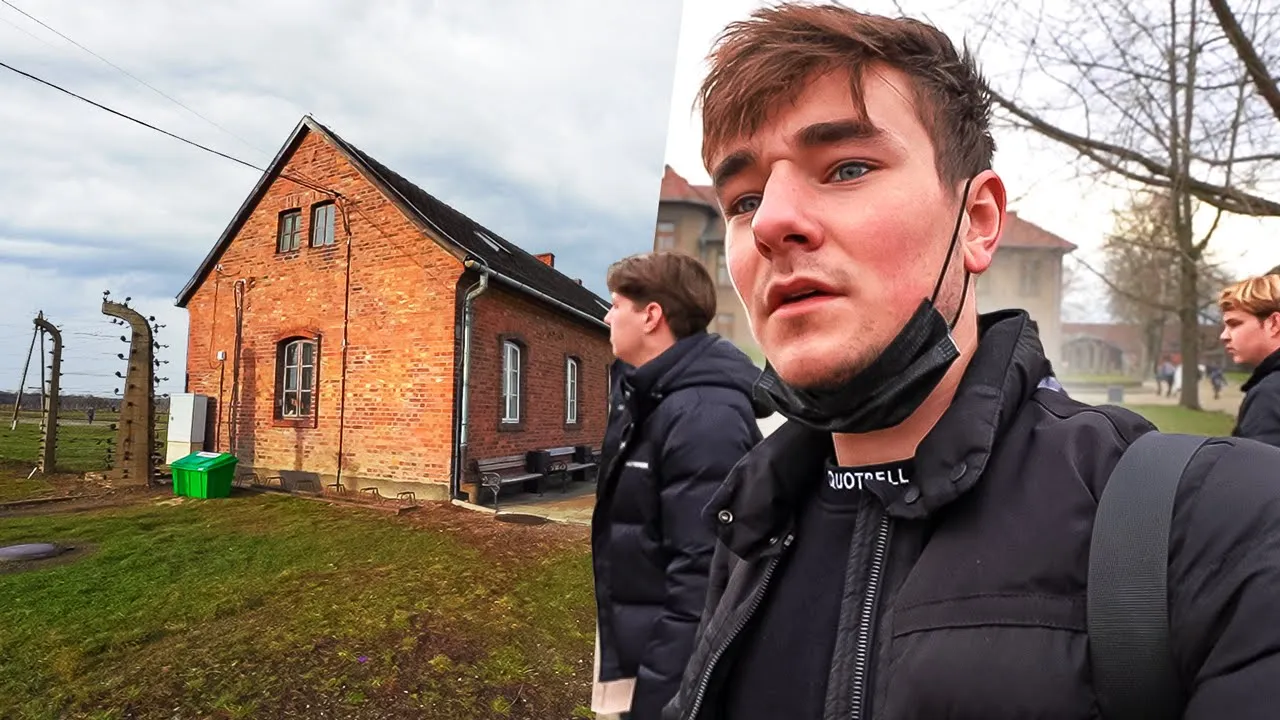
![AUSCHWITZ [CENAS FORTES] Como é AUSCHWITZ hoje? O lugar mais famoso da Polônia](https://i.ytimg.com/vi/LQPpsZPiLeU/maxresdefault.jpg)














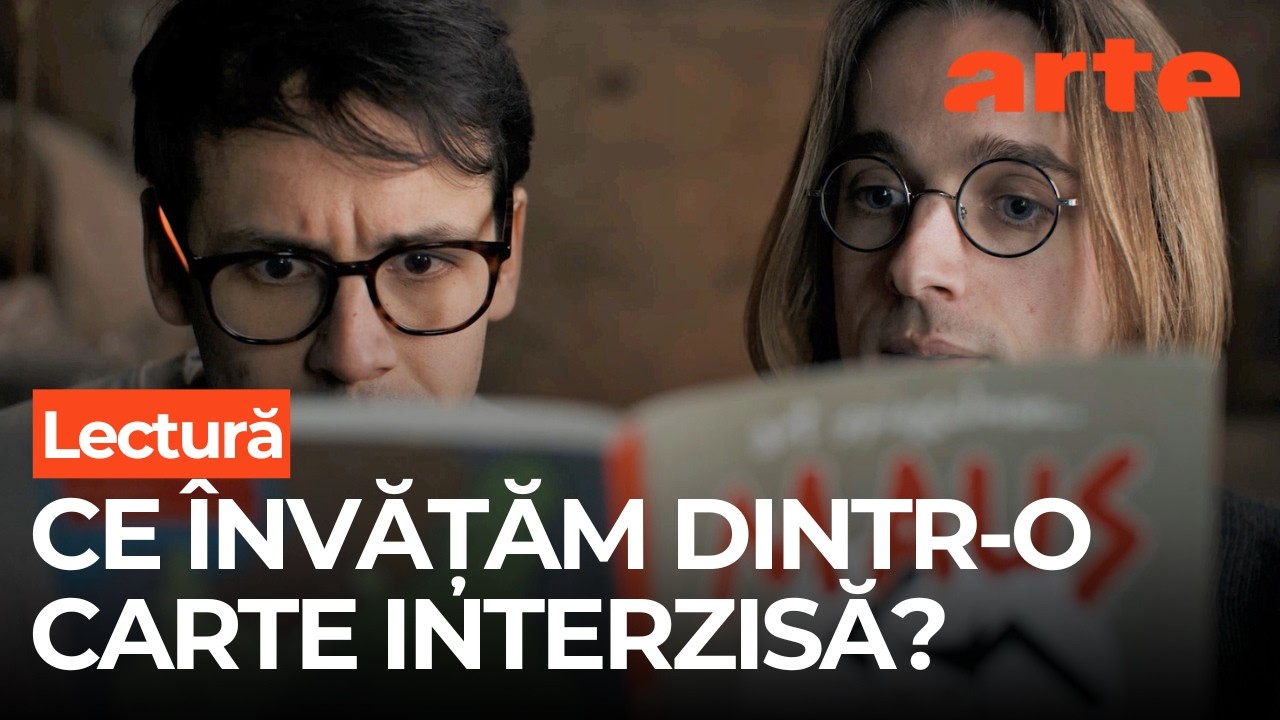


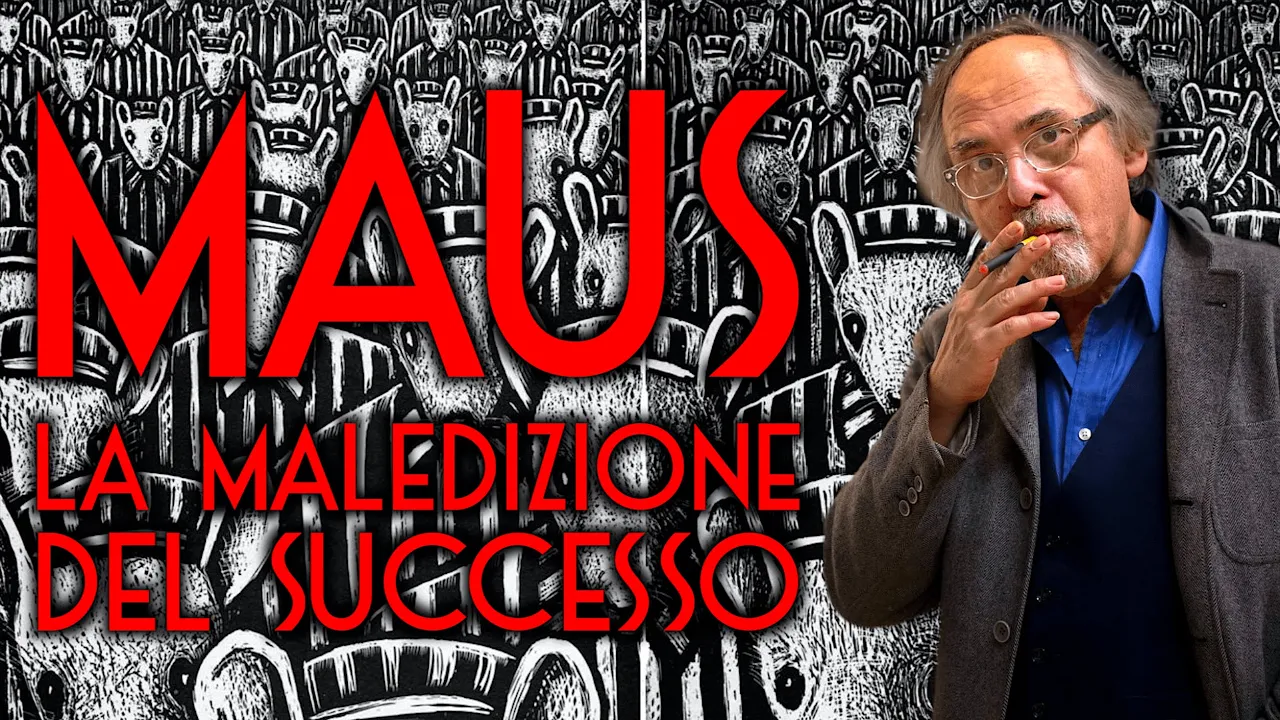

Art Spiegelman's Pulitzer Prize-winning graphic novel MAUS uses anthropomorphic animals (Jews as mice, Nazis as cats) to tell the story of his father's Holocaust survival, employing a sophisticated cross-cutting narrative between past and present that explores intergenerational trauma, with Spiegelman drawing inspiration from WWII-era propaganda comics that similarly used animal metaphors to dehumanize Jewish people.
Maus by Art Spiegelman: Holocaust Graphic Novel Analysis
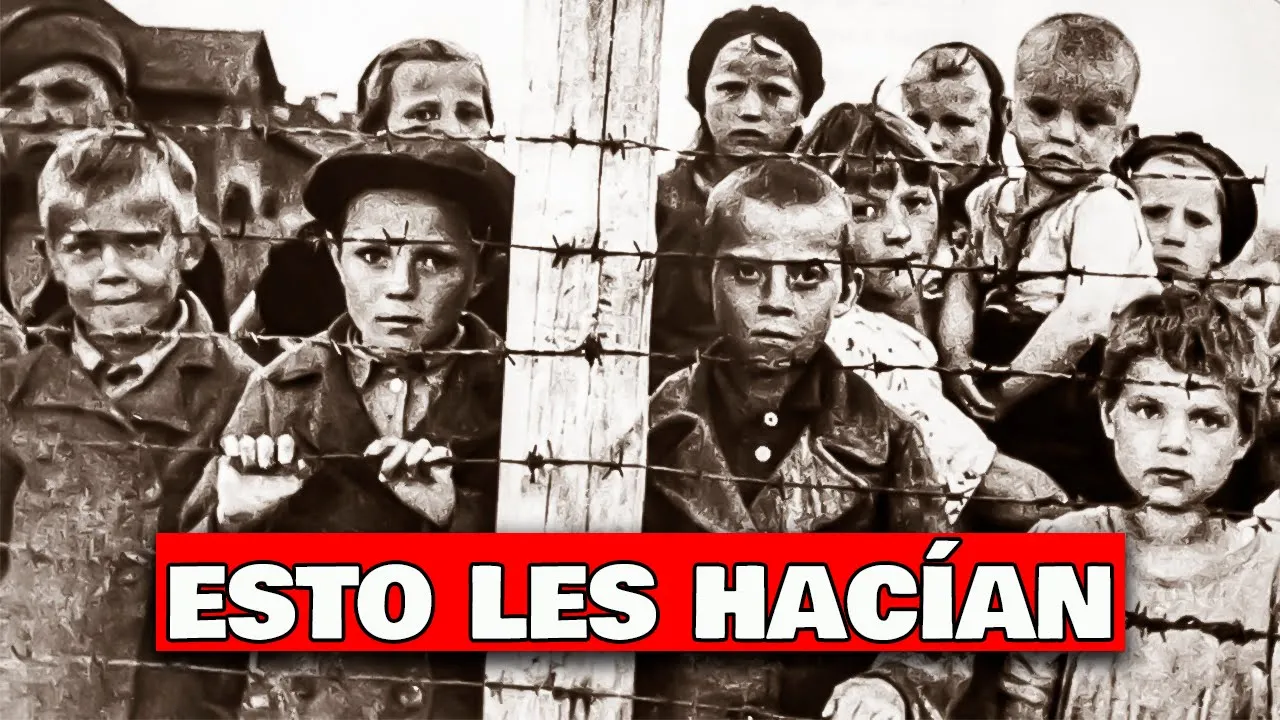
Added:Historical context of the Holocaust, including the Nazi regime's systematic persecution of Jewish people and the structure of concentration camps like Auschwitz.
The literary definition and function of anthropomorphism and allegory, particularly how animals can be used to represent human social, racial, or national groups.
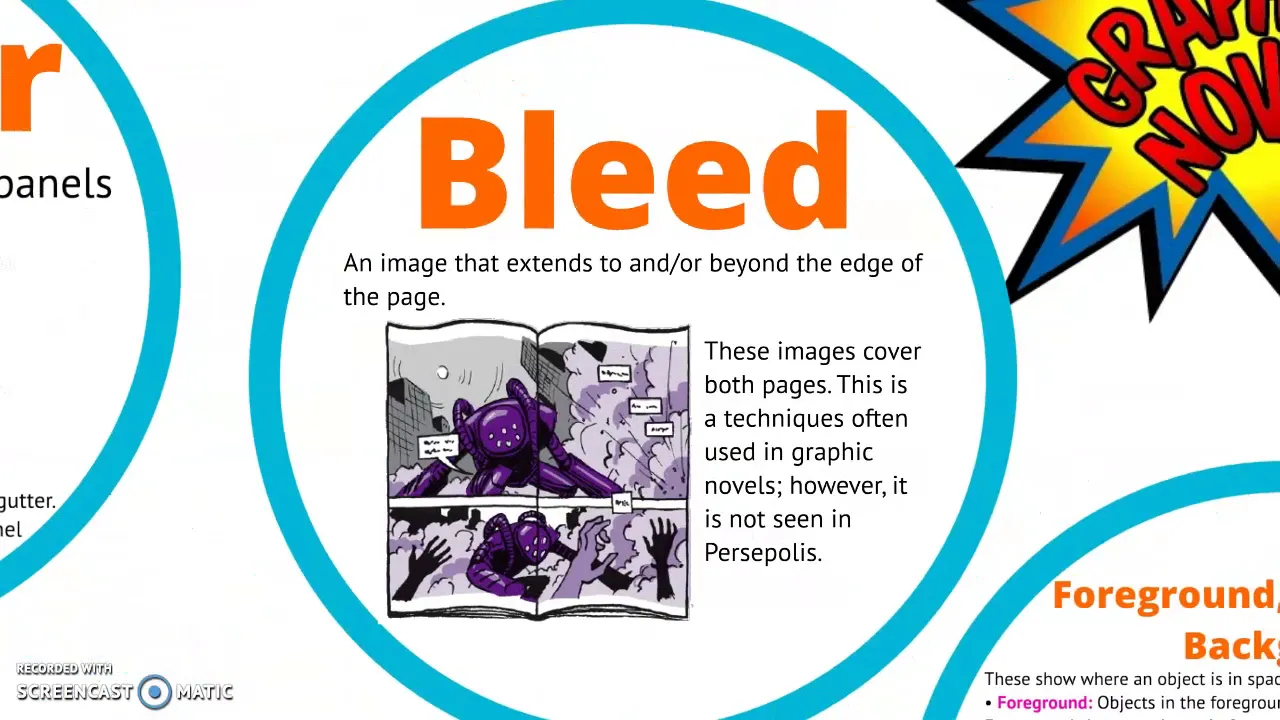
An introduction to graphic novel theory, specifically how panel layouts, gutters, and visual pacing function as a narrative medium.
The psychological concept of intergenerational trauma, which describes the transfer of trauma from historical survivors to their children.
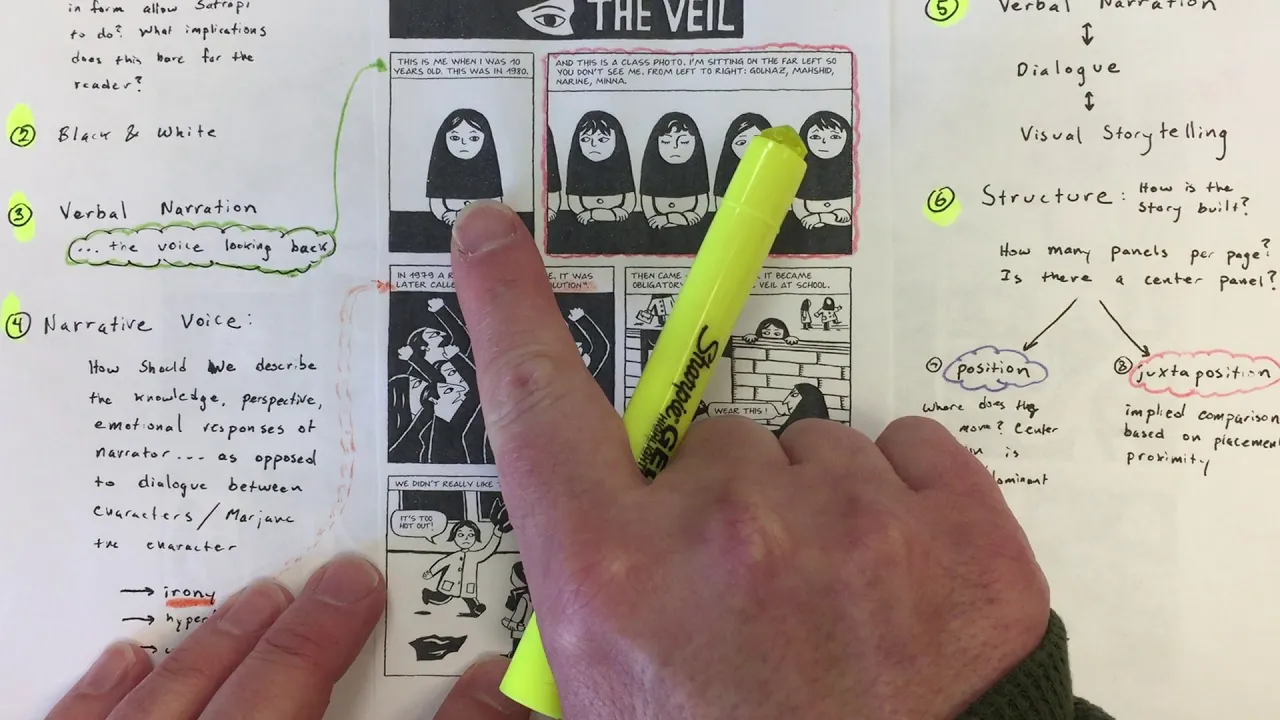
Comparative analysis of other seminal graphic memoirs addressing historical trauma, such as Marjane Satrapi's 'Persepolis' or Alison Bechdel's 'Fun Home'.
The ethical debates surrounding Holocaust representation in art, examining the limits of creative license when depicting real-world atrocities.
The study of metafiction and self-reflexivity, analyzing how Art Spiegelman addresses the process and burden of creating 'Maus' within the narrative itself.
The reception history and censorship of 'Maus', focusing on its milestone Pulitzer Prize win and its ongoing challenges in modern school curricula.
22.5K views0likes1:15:50Original Release: 2021-08-29
[Music] welcome to cartoonist cafe my name is ed pisgore i'm jim rugg i'm tom sholey we're going to take a look at mouse of volume 1 by art spiegelman but first jimmy what do you have patreon.com gymrug is where you can join me to see all of the comics that i make original art scripts the process behind it as well as downloading about a dozen out of print scenes and uh mini comics there i'm showing off octobrionna the world's first blacklight comic because stuart ing books is now selling these it's probably one of the last places where you can find these things so uh available in a very limited quantity they bought out what was left at house and uh available now through stuart ing so if you missed it the first time around pick it up now otherwise join me on patreon.comrug and you say that like people are going to be able to spell that that's like stuart s t u a r t n g n g dot com right okay tom what do you have i have jack kirby the epic life of the king of comics it's uh the whole story of jack kirby's life and and you know everything he created and every experience he had i also have a companion work called fantastic four grand design it's marvel's answer to watchmen it's the the complete story of the fantastic four uh you know start to finish everything you need to know and i also have uh my own youtube channel called total recall show and uh you can check out my patreon go to patreon.com search tom sholey to see comics i'm currently working on uncle artie i'm so sorry man my comics just my comics celebrate vulgarity uh red room comics are in the wild uh three four issues out in the wild as we speak issue four of the anti-social network hit the stands uh first week first wednesday of september murder on the dark web for fun and profit is the name of the game in the red room universe every issue that you get your hands on is completely self-contained a complete story in each issue and uh you can get these at your local comic shop order them through phantom graphics or if you want to check them out before they hit paper go to my patreon patreon.com slash ed piscore three bucks for the archive there we're working on the sixth issue on patreon as we speak the rat queens issue uh my link tree in the description below this video will take you to all the places where you can get red room comics but fellas we have to take a look at mouse volume one a long time come and this is one of the the kind of like 1986 holy trinity between uh dark knight returns watchmen mouse would be uh included in that conversation and you know what man it would be nice if we had a little bit more context to to give this comic if only um let me help you out uncle warren's in the house for the next week ladies and gentlemen uh you heard them on the radio you see them on the tv show uh happy to be here i wanted to just give a little background on the history of world war ii through funny animals um real quick in france they had a double volume set of uh by calvo and dan set and these are to say their disney-esque is an understatement wow they are gorgeous this is these are the first original printings wow warren when did you say these come out these came in 19 late 1945. oh wow so and and this is in the tradition of aesop's fables you go all the way back to asos fables metaphors for um human foibles as the case may be this is uh and and i know that that spiegelman has seen this um so this was the the greatest piece done along these lines but we also have to take into account um what the germans were doing at the time and this was a piece of propaganda that was put out in the netherlands and it's all about the german shepherd against guess what the british bulldog matilda and in here you see all of the members of the barnyard and the rat is this big jewish-nosed rat and the whole the booklet is about how herder the dog defends the uh barnyard from the british from the russian bear which is the bear in the background uh you can see the bear and the french hen trying to go ahead and get into and the british bulldog trying to get into the you know in into his little doggy thing and then the bulldog comes out and guess what all those jewish rats are coming in trying to steal all the food and this image of the jews as rats was used extensively in uh world war ii propaganda throughout occupied um europe so it wasn't just germany as you can see here this was done in the netherlands under german occupation so there's this already a history of showing the jews is vermin mice rats you know they're bigger as the case may be uh that spiegelman is responding to and and absorbing some of this other other material so i wanted to give let people know that it's it's not exactly unprecedented to have this kind of a metaphor in terms of using animals in this kind of a geopolitical social circumstance if people dig a mouse uh i would definitely encourage everybody to check out the meta mouse book as well that's not just a cash grab it's a very rich resource to give a lot of context for what spiegelman pulled from in terms of aesthetics in terms of metaphor um you know you discover some of the german propaganda films that were that were around before before the war to just amp people up and get them excited about doing and there's a famous scene of jews in one of the ghettos all right and you know all packed together and then they then they had a pile of rats as cut out super impressive superimposed yeah on top of them right right but we should you know it's a comic podcast man and we should get into a mouse but well one thing that's super important to realize is that you know comics uh they just they just don't come out of thin air and good ideas percolate for some time right and so here's an example of that long time percolation so this is funny animals from apex and in here is his first go-around for mouse in 1972 so this is what about eight or nine years before he shows up he has a show up in royal magazine which we'll show in a second and it's it's a little different it's clear he's trying a lot of stuff out this is a little more of his cartoony style as the case may be of course the story is not complete because you can't do it in like six pages in an underground comic book so this as you can tell it's only for four pages yeah and um so it percolated for a long time yeah for sure he starts up raw magazine with francois francois molly and it was in issue 2 when the mouse comic began we did a video on that so i thought that why not just like crack open a quick glance at raw magazine volume 3 to show you kind of how mouse was disseminated in the 80s before the collection you see oversized magazine it would fit right next to the warhol interview mags that were out uh on the stance and this little tipped in comic love it's a mini cup would uh be in every issue from two to two i believe eight i'm gonna hold the book if you open up that page yet i just thought to show comparison in terms of size it's an interesting you know we'll get into a lot of these details as we go through the book but i'm sure it will come up that he drew this i think this is about actual size of the original art and then printed it in you know even slightly smaller in the original raw printings and then take a look at the difference between his first attempt sure yeah this is like underground underground comics aesthetic yeah yeah so he he redid this he he was going off in a different artistic direction when he did undertake the whole project but early on this is this is what it looked like and you can see the radical change i love doing doing the comparison between the original and 10 years later what he settles on when you think of this as being such an iconic work uh such interesting choices in this final version versus you know the initial idea and his first approach and just just looking at that like propaganda pamphlet you can see like the choice of of of this little tipped in thing it is it looks like an old pamphlet and i wouldn't be surprised if there's you know some other pamphlet that's maybe an even closer one to one comparison to this i know some of the sort of like poster like imagery that's on the cover and is in some of the chapter breaks is sort of like you know comes from those kind of kind of pamphlets i think that's good for context gentlemen we can give a little more as it goes on too well you know we talk about our personal connection to this work this was one of the first things i ordered through the direct market would have been in the 90s i was probably 16 or 17. i just found a comic book store in advanced comics you know the the monthly catalog that you could pre-order from so i ordered the box set of book one and two from pantheon and you know read this in high school whenever i did not have much exposure to any underground comics or even very many alternative comics i probably first heard about this in wizards uh palmer's picks column you know it's probably what put it on my radar but i would see it mentioned as we said with dark knight and watchmen and uh whenever the chance came up when i saw it in the catalog i ordered it i read it in high school without any uh you know not for a class or any direction and was blown away by it i'm often intimidated at least back then with these kind of comics i would look at them you know you see a couple of a page maybe in an article and it felt like wow this could be way over my head and it isn't it's extremely readable um you know so i was able to uh it left a mark on me you know at age say 16 where it was like what is this i love comics and this is a whole nother level of what a comic can be so and before that i i started with raw number seven it's first one that i saw and there was this insert and was like oh my god this is amazing and then it continued because pantheon put out three issues of raw that were more of a digest size or a little bit smaller than this yeah that was a book two it gets disseminated in uh in uh those small editions of small additional raw yeah so so for me it was a very different experience because i i was already familiar with a lot of the underground stuff and when when i found my first issue of rolex at number seven that blew my mind i had never seen anything quite like that before and couldn't wait for the subsequent chapters to come out be like when's that coming out this uh this comic was highlighted in comic book confidential uh that that very important documentary in the 1980s and uh this comic was in walden books you know i recognize it from the documentary scoop this up at the walden books of course this was alongside uh stuff like elfquest and and dungeons and dragons modules i'm telling you at that uh at that walden books in 1991 1992 there wasn't even watchmen or dark knight like that 1986 thing came and went yes and uh this the comic stuff that would be in there would just be super super weird stuff so i actually completed the set in fifth grade in those like homeroom reading is fundamental check the box get your mom to pay you know cut a check you get your stuff so i have a volume one of pantheon that i got at the walden books volume two is uh scholastic it's amazing to think of that being sold in elementary schools yeah you know i think that'd be a hard sell in today's world absolutely yeah absolutely i mean we're dealing with suicide we're doing i mean it's the holocaust very hardcore stuff can we crack this open man 11 minutes into the video volume one my father a 15-minute video my father bleeds history uh we have this opening sequence and it's kind of prelude sequence and this is the prelude this is like every howard stern conversation on the radio about his mother uh how you know she relates everything back to that moment no matter like whatever problem he was dealing with as a kid nothing is as bad as what they endured during world war ii of course but he would always be reminded of such and it looks like art had that same kind of uh upbringing as per this two-pager yeah great context you look at like the choices he makes of how to tell this story and they're so smart and the bouncing back and forward in time it kind of you know has like a very conversational thing and even the the sort of meta textual stuff of like oh don't tell that story in your book i promise dad yeah that stuff is great so so this this volume is called my father bleeds history when you crack open chapter one and you go to like panel one i went out to see my father in rego park rego park however you say that i hadn't seen him in a long time we weren't that close like this struck me so powerfully because i can't think of art speaking but because of this book i can't think of art spiegelman without thinking about his father so like it's like the this book the function of this book for him personally is like to build a bond bond or some kind of connection and man i don't know if if he feels successful but i can't associate uh i can't associate spiegelman without his dad uh an interesting thing this jacket he's wearing uh later he gives it to art and i'm only noticing that now and an art watch you know he comes in with this trench coat and leaves wearing this kind of you know george costanza jacket he builds a heck of a character in his head and uh you see some of the turmoil that he goes through in building that character because it does kind of inflect upon some of the like cruder stereotypes of uh he notes that he does exactly exactly you know speaking more to that meta textual stuff because it's almost like that's spiegelman um you know putting it out there because he just imagine like like the critics are going to say something so it's like he's he's exploring that in the in the text kind of still the thunder moment i think that's the thing that artists often do you know if they know there's going to be something that will be addressed by the critics you address it yourself that way you can sort of answer that the critics before they have a chance to come into it uh so pretty well done there the stuff with the characterization of his dad a lot of it i find through the dialogue yeah you know because you can it reads very clearly but it also is such a rhythm of english as a second language for his father and it really does create a good character and it's part of what makes this such an easy read there's never confusion over who's speaking you know these relatively simple characters that you could possibly get confused by but you never do and i think the dialogue and uh spiegelman's ability to capture his father's voice maybe even care catcher it a little bit for you know clarity's sake sure really helps in the reading experience i with with that kind of patois of the english as second language you're dealing with these mouse characters we're dealing with this very kind of like golden age platinum age kind of comic strip style in a way a hairman kind of style so you could even think in terms of of of harriman crazy cat kind of dialogue certainly dialed back so that you could relate to it and read it as part of a greater narrative uh but the art that definitely strikes me as you know old school 1900s comic strip artwork and and also if if you notice a lot of a crazy cat she actually sounds like she's yiddish all right when you when you read the way she speaks so there's a there's a definite parallel there and he he talked about like how useful it was like once he'd settled on this um conceit of like the different animals and stuff he said now he doesn't have to worry about drawing a likeness of his father at different ages panel after panel and then make sure he looks different from his cousin and you know it's it's it saves you a lot of headaches um you know as an artist you say that and i look at these pages i'm just like i just imagine so much toil sure he can focus on other stuff and attention happen to go in full detail it doesn't really look like my dad oh it doesn't quite look like rudolph valentino there yeah so we just projected back in time and this is a time before uh before uh art's dad met art's mother we're establishing uh vladic as kind of a a dude in society man handsome guy has some girlfriends uh he's not necessarily feeling this one lady because uh her parents her parents couldn't uh didn't have money for dowry well in um like there's again it's like what do you think of comics it's kind of like you know jokes or whatever so it's like he's telling the story of his of his mother and he's like wait that's not mom's name now of course you know it didn't really go down that way but that is like like a comic bit you know to kind of get you into the into the rhythm of things yeah he does a great job of simplifying probably all of these interactions and stories uh you know and it comes across very quickly and easily again uh making the reading experience simple for anyone but i think he does condense and simplify to do that and you do get some moments of humor as a result the whole choice to cross cut to have the autobio elements uh such a major part of it it makes total sense it's hard to imagine this work without that yeah but also that's not a given whenever you sit down and think i'm going to tell my parents story or my father's story you could easily just tell that without art being a major character in this i think that cross-cutting is a great choice because again it's one more entry way in and it does help to offset some of the horrific parts of the story that would just be man it'd be tough to read if you didn't have some of that levity yeah because you're reading this story and it is kind of it's like you know interesting and you're getting caught up in everybody's struggles but then every so often you're kind of reminded like uh-oh i know what's coming you know you know some deep the other part with his father's characterization is how resourceful he is you know he's building himself up as a businessman early on before there's trouble but as we progress through the story and that trouble escalates you get to see again and again just how resourceful his father is it's both strong and you know intelligent and able to kind of like navigate those waters going you know keep pushing forward and using what he has to stay ahead and the other thing is it's really two stories it's the story of his parents going through the holocaust and it's a story of his relationship with his parents and getting that story out so one of the one of the purposes of the cross-cutting is to explain their relationship because as as you read through mouse it's clear the opening thing is like i hadn't seen my parents in some time and so there's this other story going on there that's all about spiegelman and his holocaust survivor parents and anybody who came to the holocaust i mean there's lots of literature about this understandably they were all damaged and the relationships they had with subsequent generations were also damaged so there's that story being told also yeah this sort of trauma is so deep it it can take a few generations to kind of process just speaking to the artwork i you know using thick bold lines you have a little hatching here but he gets a lot of mileage out of different textures and things like we'll see patterns on on clothes like like the flannel stuff these wood slats the wallpaper it's all it's all very considered stuff and it really creates a nice holistic looking page he has more to his palette than you think on the surface yeah great uses of uh you know black white and gray yeah for these pages and then this is like a call back to that title card of the chic where we saw sort of a more stylized version of this moment yeah the more we learn about the parents up front we know that that arts mom is no longer with us at the start of this thing that she committed suicide so when you start to see the young version of her uh with that in mind um there's a there's a big sadness to it because we just know how that part's gonna end yes and there's a lot of emphasis on her family and you know they welcome art into that family but we're gonna see that family whittled down and and and he's throughout this chapter and except this first book right and it's a big family and and we regularly see the establishment of that family with with lots of people and then sort of in pairs it's not even one by one it's like take a couple of these ones out at this moment take those ones out at that moment you're like watching a society completely unravel and then people who think that they're insulated from this tragedy because you know of you know wealth and and and comfort realize that that no there's really nothing to protect you when this you know sort of thing like rips through your your civilization there's even examples of sellouts who who are hip hip in the the germans to uh to uh people who are hiding and they they think that you know they're they're gonna get by with that they end up dead a page or two later there's several examples of that because there are even like you know the jewish police that are working with germans and yeah it's harrowing stuff it's interesting with the family contrast too because we start out and you see four generations including arts arts brother uh you know in that generation in here and i don't know there's a dozen family members that we get to meet a little bit and by the end you know it's art and his dad uh it's a real contrast you know from this beginning family portrait to that final what we're left with in the present yeah in a different historical context it could be like maybe the beginning of some kind of like drawing room comedy you know where it's just like the the adventures of this like big family with a lot of personalities but but then you know it sort of you know crosses paths with history worth noting that his father-in-law is a millionaire uh you know in this story too to give some idea or context to even the money can't insulate them from what's going to happen right i mean they have to when he marries how how do you say anja anya yes uh when he marries anya the father-in-law you know gives them a factory and stakes them a whole bunch of credit to to keep that factory running that factory gets taken away like once or twice and then he builds it they build it right back up several times over this is i think the first time that we i don't know if it's the first time we see the swastika but it's sort of the first time everybody's character very conscious of it and that's a moment like rereading this this past week it's a really big you see it right in the middle of the page you see everyone's reaction to it almost around it you know panels before and after it's a pretty powerful moment of like this is a symbol you know and we recognize what this symbol means and if you look at like film and literature like about this period there's usually an equivalent moment in like you think of like sound of music or whatever the first time like they asked him to like hang up a swastika flag in front of his house like it is kind of like you're sort of confronted with this like uh you know art or spiegelman consummate cartoonist though man it's on the page flip well and and also over here very subtly he brings in what what was being painted on the storefronts to keep people from buying from the jewish merchants it's interesting that he never you know in this two-page spread where it really becomes prominent we still don't see it without it being partially obscured everywhere even in the fold on the flag and notice it's it's like the moon in the sky or the sun in the sky it's it just like shadows everything taking his wife to the kind of a sanitarium which again like at first i was thinking like oh this is like kind of like in the olden days how they you know sort of stigmatized mental illness and stuff they're gonna put you away but actually it seems more like oh no you're going through a thing and we're going to send you to a nice place where you can kind of you know chill out for a little and work it through and then kind of come back it's a little more that's if you got a couple of dollars well i see i'm thinking it's like a european thing where like you know you could do this now too you know you could definitely do it now but you know and and pay for it you know if you're living in uh you know denmark or something i wonder what the moose is in uh and i think it was like swedish where the moose yeah and in volume two he kind of talks about trying to figure out what kind of animal to assign to different and gets in a fight with with his wife about how to portray the french and of course like his solution super obvious the propaganda and everything is already set at at this stage so there's like a suspicion and there's a suspicious energy like amongst uh the jewish people of of of this town uh anya saying something about the uh the the the polish people you know they they don't like jews blah blah but the pigs are the pools and this guy's like i think of you as my family she's like oh i'm not sorry i didn't mean you blah blah but we're slowly seeing the paranoia increase more and more and obviously very rightly so it is a nuanced depiction of racism that could you know still stands today where it's like it's one thing to say something about a group but then you know exceptions right you know the people you work with or your neighbors or whoever you know and it's like well not that person well i think that that woman who's like their governess who she says hey not me i think later on she kind of like you know bites bites them in the ass and and shows her true colors well and that's what happened in poland show you how bad it was after the war they still had anti-semitic pogroms post world war ii they were out of 3 million there were maybe 200 000 left and they still wanted to get rid of whoever was there and in in this story like early on they talk about there's a pogrom coming through germany there's a pogrom coming through and so it's not like oh this is the first time this is happening like this this had been like you know an on you know an ongoing thing that happened maybe like 20 years prior and then maybe 20 years before that well maybe throughout history right yeah and uh just for for the noobs out there uh the modern day sequence is kind of bookend the chapters uh more often than not i think every time but i'm just hedging my bets in real time here it's amazing how dense these pages are too again keeping in mind that i find this very readable yeah you know usually the density is something that turns me off especially if there's a lot of words uh not so with this easy to read you know like this is where like where dialogue becomes very important and you think about dialogue as opposed to the spoken word and the rhythm of dialogue and then even you know iambic pentameter and just that flow spiegelman has that he has a really nice rhythm and flow to the stuff that makes it that readable that sort of um you're rewarded as you read you're never you're never going back even with the broken english of his dad it's still very very clear yes this is a nice sequence having dinner together and and uh art you know not liking the food or what not eating at all or whatever uh i feel like this is a conversation that that people have heard a million times in a variety of contexts you know uh when i was a kid it'd be like think about the starving children that would be happy to have this food that kind of thing um and you know i had like my grandparents lived through the great depression right so this kind of preservation and saving things and not throwing things out or waste was a big thing from their their point of view too and it just it passes down you know at some point you lose that original source maybe but it's been you know told to your parents and told to you and told your children uh it's it's kind of a neat context i think the conversations that they have like this it builds the vladic character for the ultimate climax that we're going to see uh in the past in the last like two or three pages the other contrast between say this scene and many scenes that unfold in this book is just the sense of starvation that especially the the jews that are in hiding and they're going days without food and you know go sneaking out at night to try to find anything to eat it really uh you know creates that a contrast that is a reader who has not experienced that pretty uh easy to segue in and understand you know how good we have it and for for art like all his life probably all his struggles any any any anguish anything he had there was probably also some guilt of like how can i be so bothered by this and that when i think of what my parents had to go through you know so then you know this is a great comic book piece i'll go ahead warren well i was gonna say talking about dialogue but one of the other interesting things about this is is how much spiegelman is able to go ahead and insert personalities yeah um with all of the different people in there so it's not like one it's not like one voice going through all these word balloons there are legitimately different voices different perspectives different emotions going through each one of the characters he taps into it really well i think that the uh i want to point out this panel before we go on but i want to come back to that personality piece these trees are so well drawn the different barks and stuff on them and it relates to the personality piece i think that often spiegelman's the quality of cartooning is overlooked in this book because the subject matter is so big but the quality of cartooning is what makes this book readable and multiple printings and always in print because it is it just works all of the details of the cartooning works so well absolutely i mean you see these these money grab kind of uh graphic novels and stuff out there man where they're they're clearly jumping on a subject and these things are dashed out you forget about them in you know one one season this thing stands the test of time uh on the strength of of the cartooning and we're looking at something on this spread that is not to be taken lately uh this flat this is a flashback sequence back to vladic in the war just soften the focus of your eyes man and you could clearly see the modern day pieces they're kind of lighter there's like sort of like less black or something much more controlled lines in the modern day pieces absolutely and we're going to see a cool comic book thing here where we have the modern day conversation vladic is projecting back in time but but art's like hold up hold up hold up like we need to keep things in a little bit of an order it jumps back to modern day so keep your eyes on this panel because after they figure everything out and then we're back to that pattern we're going to get back to that panel man that's great think about think about vladic's life like all the things he went through and then put on top of that he's also a veteran he also like you know faced down like the nazis in like a battlefield and you know and shot and stuff be you know before you know he gets caught up in in any of this other stuff you get a glimpse of vladic's father too and their relationship in the sequence because he's trying to keep his sons out of military service and that involves starving them and making them sick so when they go for their exam their physical exam they're rejected from the army uh again giving that context who's vladic well his father's you know certainly has an influence on who he is and in a very major contrast between that and vladic as father to art spiegelman there was like a similar moment in like a will eisner uh semi-biographical comic where it was like trying to like trying to avoid war and it's like you go to a guy who's gonna poke you in an eye in the eye with a needle and so like this these are like the extreme uh things like people were willing to go for it to avoid being kind of like fed into the meat grinder really good kind of comic book moment here that sort of works well on the page vladix in the trenches uh his his superior grabs the the barrel of the gun is like your gun your gun is cold you haven't been shooting vladic's like i i don't see anybody to shoot and i guess you're just supposed to shoot in the trees man anything that's moving and there are dudes with ghillie suits man running around out there shoots one shoots one that he discovers that he killed right when a nazis uh pounce on him they feel that gun muzzle and realize that he's been shooting at them can't win for losing man yeah that's structured almost like like a fable or something you know and then when he gets marked marched away man he's like march past the guy that he definitely killed man so so it's like you know you killed somebody one more of those traumas that you're just gonna carry yeah and actually he was really lucky because there were a lot there's there was a large number of polar soldiers that were just killed outright uh cathy and forest they literally took 50 000 officers of the polish army and shot them all okay these are the soviets when they came in so the mere fact that he got as far as he did after being in combat against the germans is a miracle in and of itself yeah this kind of story like it's got all these moments where like he was this close to dying and it's like you only get this story because somebody like didn't die somewhere along like like you know the stories of all the people who were like lost along the way so he's gonna have that and he's like the last man standing there's multiple moments in this story where like a ghetto gets cleaned out or some area gets completely you know everybody's murdered and he's like the one guy and then he comes back and it's completely empty so he's like you know among like the handful who can who can tell this story have you ever seen more evil looking cats man well yeah that's what i was thinking like with the cartooning of the different animals and stuff and it's like you think about cats like everybody loves cats they're so cute and cuddly but but but in the context of sort of like a tom and jerry kind of thing you know the cat is is the thing that's looking to kill the mouse jewish prisoners have to stay out in the elements men polish prisoners get to stay in bunkers cabins there was a fear amongst american soldiers when they went over about being captured and being discovered that they were jewish and a lot of them would lose their dog tags because it said on there that they were jewish they would just go and if they were asked to be like oh no not me because they that was a very real thing that the germans did regardless of which army you were in they were like okay any jews here and yeah jack kirby was famously in like that kind of situation where like you know some nazis had him like dead to rights and they're like looking at his dog tags and they're making fun of his mother and stuff you know and we'll see art we'll see vladik uh you know pat trying to pass a couple of times in this book and in here like the conceit they add like little masks right you know to to kind of like okay yeah it's a great visual and there's some cool storytelling uh pieces to go along with that because you'll see a face cropped when art is i mean when vladik is suspicious of the guy and then uh the character steps more into frame and then you see the mask uh i might not pick that out uh as we go through but you know it'll show up it's neat the conflict between him and his father in terms of the storytelling whenever his dad jumps around and art tries to keep him on on like a linear frog progression it reminds me of uh you know a little bit of how to make comics how to tell a story and it's one more of those conflicts between father and son sure and um you know the comics seem like such a perfect medium to communicate this kind of like big you know you know thing that you're trying you're trying to get you know describe the holocaust and like comics seem kind of perfect because you got diagrams you got like a you know like i i could imagine like the challenge of communicating this kind of information in in a different in a different form this is one of those choices you know whether to go to a different work assignment or stay where you're at yeah and that speaks to that uh what you said a minute ago tom about you know several times he kind of makes the right choice or he you know one one group that he chooses not to stay with or two go with and you know the other group gets wiped out and he talks about i don't know what happened to those guys and it reminds me of that over and over in this story as he gets separated from loved ones or from people that he's with for a few pages or a scene and then it's like who knows what happened to those people and sometimes he makes the wrong choice sometimes you know like he has to make a million choices and and he regrets you know some of them too here he's getting released from the from the pow work camp well and also look at all sudden silhouettes come in that weren't there before there's there's this darkness to what it is that's going on that is there on the page because he's elected not to give any detail it's just blackness and these are the guys that he doesn't know right you know what's what's happening to those fellas we've seen this composition in that very first funny animal's mouse uh image and i think i guess it's probably in volume two where we see them behind the barbed wire that's reminiscent to that funny aminos uh comic and here he's on a train where he doesn't know where he's going so that blackness is kind of emphasizing the uncertainty of the circumstance this whole book does a good job of that unknown part because essentially every page turn is unknown you know what their future is and it's it certainly adds to the dread uh to the atmosphere of this whole story that unknown future is just it's brutal the the one thing that we do know about the character is that is that he makes it and that's the only thing we have to sort of hang our hats on as we go through this stuff like we flip the page this guy's supposed to be heading home guess what he's in the train and that train did not stop in the town that he was supposed to stop that and it was this real kind of catch-22 you know gross thing that was done where that train's going to let them out in a place where some sort of like red cross like some sort of geneva convention type [ __ ] doesn't apply so well he says that this last panel says it all yeah polls polish army people were treated one way jews regardless if you were in the polish army were treated another yeah and that specific piece about you could just be killed in the street we'll see it too you know it's like show ant out you know you're seeing it seeing it here there'll be a couple of examples of uh either germans or pools who they almost just killed the jews as like a daily action i think there's one character in particular that they describe that way every day tries to kill a jew getting getting on to the microscopic level some of the details just explains like the horrid kind of conditions all he did was step outside to relieve himself and they shot at him so now he has to basically you know shits where he sleeps kind of thing yeah there's your contrast too between the light color of the present day and that dark flashback yeah yeah he seems to amp that up whenever whenever uh those kind of situations happen in the comic uh speaking to his resourcefulness man he made a couple of deals did a couple of things was able to bring uh some some goodies home to his wife like consummate like provider man no matter what that's that's some real man stuff right there here goes our our uh disguises panels within panels and we're going to see a really cool example of that when we see uh the family together that's art spiegelman's big brother that he never got to meet we're going to find out his fate that's like just you know such a tragic you know tragedy on top of tragedy but but yeah that that sort of like he calls him like his ghost brother yeah and here's that jet jacket coming back yeah and you know that's a that's a perfect father-son moment to like describe the dynamic where art is there just kind of chilling eating eating dinner with them he's getting up to leave and it's like i don't know where my jacket is and his dad's like i i i threw it in the garbage like then he's looking in the trash the garbage man you know this this this book is like one gut punch after another and it would probably be completely unbearable and unreadable if you didn't have these moments of like uh comic relief it's a real odd couple yeah i mean it's it sells the dad as as a character and i think the culmination of all of that is so important for like that last little [ __ ] gut punch that that art leaves us with yeah no i i didn't think of it that way in terms of like the structure and that being kind of like the payoff but yeah you're absolutely right it i mean we would have to ask or but it seems like that that when you're coming on that ending yeah yeah that ending might have been in his mind for most of the the piece like this is how you end that and you know it's an epic ending yeah each chapter has a good ending like it doesn't just stop you know when we get into like volume two uh which we won't do this round the establishment of his health problems and stuff sort of come into play in that in that volume in a major way it's certainly hinted at you know we do see him like have a heart trouble on the street we see him exercising constantly and you know not constantly but a lot of times he's exercising when they're interacting this is such a this is such a fantastic page of comics right here men we got that we got the exterior shot of the house minute we see the dinner table and we see the panels within panels and then let's just break it down into panels and you see the exact kind of breakdown that's really genius cartoon yeah yeah and this feels like the sort of like silent movie expressionism that you'd see in like the movies of the day and coming out of europe one of the uh one of the stories that happens in present is vladic has remarried tamala and she complains all the time about how his miserly ways but frequently we will see these flashbacks where he's able to do a deal where he's able to help somebody out and get some chocolate or get whatever and be very generous whenever he he's able to see his wife then you know he's very quick to share that stuff um so again you know it's it's a multi-faceted character it's not as there's not a lot of stereotype overall you read this and you get a pretty rounded picture of these characters oh there's also a family too look at that and also you see how much on exactly that point how much he changed from before and during the war to after the war that that a switch was was flipped in his head that a lot of the holocaust fibers did i mean they saved everything it was it was very obsessive when you see him like counting those nails and counting his pills that's like obsessive like post trauma ptsd behavior yeah they won't have ptsd it's a holocaust survivor yeah it's hard to imagine how how you could avoid it like just reading this book makes me feel anxious it's also very interesting how little he uses the jewish star yeah used here as almost like panel device spotlight here's a jew out in public and this is the spotlight shape to let you know that we we recognize him and and this is only the second jewish star we've seen the first one being the painted on the painted on the side on the on the uh the stored store right business this is a another i mean every page is kind of a brutal scene but this is well and you can see they all have their two or stars right there left up there for like a week or something uh this would this would be very hard to take too if you were drawing human beings yeah yeah the the sort of cartooning is almost like a mercy for the reader the the sort of animal convictions of just having that linger you know again a generation later i i saw a dude get his leg broken once and that freaked me out man i can't imagine seeing something like that all this stuff with like building in yeah those diagrams and things yeah and it's like like those loom panic books how to hide contraband in your house like hollow this out like how do you even think about doing that kind of stuff and and when i see this it's like i think like how how do they get fooled you know like if you see a roof this long and then you see a room this big like there's no two and two yeah we'll see a few of those diagrams and some of them do seem convincing you know there's one that's going to be in a coal bin and that's that's kind of perfect and you know compared to some of the others that we see well in frank house upstairs yeah anne frank and they they got very creative about where they were going to be and yet that whole time they all i could do is sit there right there was really nothing that they could do they couldn't go out there was like another another one of these that's going to come up where they sort of like hold like they cut around the chandelier and sort of just hide up in the rafters of the roof nazis are by definition [ __ ] idiots so a friend of mine his father um they came to go ahead and get all of the able-bodied men in the netherlands to bring him into nazi germany to work in the factories and he spent a year and a half in the loft of a barn because he didn't want to go and of course if they found him after that that was it so he was lucky to survive that there's lots of stories like that not just from the jews yeah when we left the chapter for there was like like mala vladimir's current wife at her wit's end you could uh art art bears the brunt of all of it but he's that consummate cartoonist that isn't going to be getting involved in anybody's [ __ ] yeah i gotta go home and draw let that vent let mal event completely stay out of it but we're establishing like how nuts vladic makes her so that when we start off chapter five man right seven a.m phone call and one of the subplots for the present day is he's looking for his mother's diaries yes uh and you know part of the uh conversation with mala there you know is just trying to find him because his dad's not producing them that coffee looks really good yes like in a story where you're seeing deprivation and starvation and stuff and then this like nice little breakfast in bed kind of situation yeah the thing with with vladic in those diaries like for the for like three chapters he's he talks oh i don't know where they are like uh yeah i don't know look around uh and then obviously the ultimate gut punch will commence at the end yeah here's him counting out their nails yeah being quiet being a little bit yeah and so his um you know he's he's extra heightened because he's just been sort of like you know triggered by finding this so like his ptsd stuff is is like out of 10 now you know yeah and finding this is a an early art spiegelman strip about his yeah interesting inclusion in the like like so great you know really a genius thing and then the having photos it's another piece of that just exceptional cartooning yeah and a harrowing story you know this is his mother's suicide being being told uh in in comics which again keep in mind for those missing diaries all right yeah so it's all in the service of i meant to take note in the beginning you know this book is dedicated to anya to art's mother and it's just like every single page of this book is important to the effect that you get reading it yeah and they're like he has like his ghost brother and then there's almost like a ghost book there's a companion book to this which would be anya's side of the story which just didn't survive a lot of cross-cutting back and forth this is a vladic in an art in route to the uh the bank to get a key to a safety deposit box the art is dead there there's always action there's always stuff happening to whenever you see those sequences it's not talking heads this is this is a super memorable panel for me because this is in uh this is in comic book confidential and what he's doing is swinging little kids and and smashing them into walls that's kind of an unforgettable piece here's your cool cellar hiding place gimmick yeah again this stuff it's like it's this is so effective in comics like i can't imagine like the movie version of that or something i would like to see because like vladik drew an initial sketch i wonder if in metamouse we'd see the actual scene you see vladimir's piece yeah and again speaking of vladix uh you know his resourcefulness and what he's able to do he can he can go out in the middle of the night and conduct deals in the black market and then he can come back and construct a bunker that's pretty good looking you can see how the coal on either side would conceal where the walls are and the smell and that have that hidden spot throw the dogs off more constantly cartooning right here man you have this like this panel this l-shaped panel give you an idea of like the outside and sort of the basement area and then you have these various panels this is what this would be like the floor level this gutter so you see the first floor the coal stove the bin and they can't figure anything out man the dogs are definitely smelling people they go to the basement nothing and and look at how constricted that little area is looks much bigger right there man but you got a lot of bodies in there this is uh probably a dumb comment but these dogs remind me a lot of brian ralph's cave-in with some of the mark making another another diagram of another hiding spot that they constructed and that's one of those false walls warren that feels like you could figure that out you think sometimes they did yeah sure and this is one of those sell out guys man you know some dudes floating around in their house probably i mean who knows what the heck the guy's looking for but they pounce on them and one of the family members has the right idea we got it we gotta we gotta [ __ ] kill this guy yeah we gotta waste this dude man but uh so sad to think that that's right that's the correct decision if we would have saved some of them yeah and and don't you just when you see this you just wanna [ __ ] kick that dude in the head oh like this this is a brutal panel to me man and there are examples of that throughout history too oh yeah and as we are going like the the the body count is just increasing the family is getting whittled down more and more and more uh i don't know if we hit the piece yet where we found the fate of his of art's big brother that never made it out of there where they sent the boy off to uh to live with uh like relatives and that mom that was like warehousing the kid just carried poison around her necklace man yes in the event that like they they got pounced on by the nazis so that's the kind of life you had to live man where you had like poison pills ready to to take yourself out of the game you know the i think the date they have like the date like towards the end of the book of like when he finally gets caught and i think it's like 19 is it like 1944 and it's like wow like he survived like pretty much the whole war like like that sounds almost like an impossible feat like that is that is insane you know and and it is like a tribute to his like um you know just luck combined with his like uh you know intelligence and here's the fate of that snitch right there man uh based on like there's that dude haskell who's like a jewish cop i think yeah i think a cousin too maybe of of uh or atlantic yeah but but he's he does shady [ __ ] too everyone does they do a good job of showing the fate of the guys who are i don't want to say sympathizers but you know working both both sides are working for the enemy uh they don't get out either well they did that purposely they they put they put the jews in the responsible positions in the ghettos so that they wouldn't have to do it and they force that on these people so there's all these moral choices you have to make because it's like well if i don't do this this guy's over here is going to kill me or whatever my family yeah so it's a it's a tough position to be in uh and i'm not trying to be sympathetic towards because some of these guys were really bad but the circumstance they were in was like you've got to be kidding me it's i mean it's it's very true it's the story you hear again and again where it's like they they make you dig your own grave yes right now another hiding spot this time in the factory and he's it happens a couple times again where he is part of a workforce or something like that and then eventually that workforce gets shipped out to uh to a camp or or killed on the streets in some of these cases and a few of these workers including like the leaders again i think this is his cousin um there's a couple of these cousins that are sort of maybe the the shady you know morally shady but eventually they do get grouped in with the jews you know they're still jews and can't escape it and uh he's pretty quick to forgive you know like let's go hide out or if i found some stuff let's share he takes advantage of it sometimes man here's a sequence right here hold you uh oh you're with the famous you know spiegelman family uh give haskell my regards so you know it works in favor sometimes talk about haskell playing cards with these guys yeah how about that mouse metaphor when you see these like little mouse holes on the side of the walls man it works a little extra there the sort of end of schindler's list kind of piece right there i mean even though we're just we're just getting a diaspora but uh you know that swastika trail smart cartooning almost like editorial illustration-esque yes some of these images are like evoke posters yeah i wonder if spielberg's ever talked about mouse uh publicly i i i can't imagine making schindler's list without this being like like i mean the first time i saw mouse was at the holocaust museum they had like a big display i mean i can't imagine those filmmakers aren't conscious of this book yeah so i'd be curious to hear their takeaways their insights cut to a modern day piece we we just did the uh safety deposit box see what's in there uh vladik wants art to have a key because maul is just gonna clean him out and he doesn't want that uh and he's complaining about mala how she's so money conscious uh and vladic is mourning you know the loss of his his true love what happens to mala when she reads this book you know what i'm saying man i went like was vladic alive when this saw print i have no idea i don't know i mean they talk about like if you have a novelist in the family or if you have a writer in the family it's like it's like having like you know a double agent or something like they're spilling all the beans you know and from allah's point of view it's not like vladix painted as a saint you know there's there are definitely some warts on his character yeah he seems like he probably would be difficult to live with and and these i mean these seem like pretty normal you know couples who've been around been together forever kind of they usually end up in this kind of like well in stalemate lot of like my grandparents generation okay the same age as as these people that even though it was clear by the time my grandparents were in their 60s they shouldn't have been together they they stayed together and so there was this this animosity grows over the years in those kinds of relationships a lot of four-tier like sort of eight panel grid something that we didn't mention make mention of uh through most of the thing but you're able to get a lot of story uh in there and create like a lot of rhythmic beats um with that sort of structure and mala's got ptsd too she she had her version of these experiences too so you know they knew each other before the war right yeah yes wow yeah i mean you could have done a version of this story from her point of view and so whatever your like personal gripes with each other might be in your relationship you have this like deep shared bond of of this sort of like common tragedy this common trauma do you guys know what he drew this with he describes it as a stationary supply yeah drawn on typing paper with like a pen or something okay i was thinking like a fountain pen maybe um every now and then you'll see sort of like these little extra at the ends and it that's what i was thinking of but you see other stuff there too with that little like dot at the tip that makes it feel like just like a cheap flare pen or something we should know the answer but yeah like i just yeah remember the quote that that spiegelman gives of like stationary supply and he's using like white out and and typing paper and i always pictured a bic pen you know just whatever pen you have handy and drawn at size like this is the size it's it's drawn at pretty much this is the sequence where we're uh where vladik is saving wires and all kinds of uh you know as arts looking around for for these for these diaries he's finding like menus to chinese restaurants that aren't open anymore and and old calendars and [ __ ] like that that whole hoarding thing that got beaten into you because what what it is you just went through yeah yeah that's how my grandparents were showing him a few of the early pages here uh you know what he's starting to put together with this and he says that that this is a great people will be interested in this you'll be walt disney yeah and and walt's just like where is it what cartoonist could you know yes like walt disney yes walt disney yeah another famous mouse i wonder if he's showing them the sketches for like the 1972 or whatever you know that that um funny animals magazine version yeah well it would now it would be like oh what famous cartoonist do you know stan lee you'll be like stanley [Laughter] spent a lot of time with art and his dad in this last chapter as opposed to that the flashback sequence a little different than the previous chapters we've been checking out well setting things up right that's goddamn right but you know we'll go back before long you know you get the sense as you read this as it seems like the numbers of jews are just shrinking and shrinking and shrinking you know the people that are still free that number is just declining and it seems like it's getting harder to hide and so here we have him you know one of his last effective hiding places and bouncing from a couple of from a barn to a woman's cellar and it just it just feels more and more like the space has shrunk the hiding spaces are fewer and far further between well and also remember it wasn't just the nazis coming after you it was the local population coming after you yeah we see this piece right here with this like little old lady oh there's a jewish in the backyard police police so you got narcs in the streets man yeah there's one i don't know if we've seen it yet but little kids rat see him in the street that's right call out to him okay here's that one sequence man where uh is out there and there's this guy and you see the guy it's like cropped at the panel questioning him i thought you were a jew and then you see that he has a mask on as well really well laid out sequence right there and and as we push the camera back like he'll add hatching he won't have hatching there i guess maybe it would confuse with the background but uh you know you could sell that mask idea in several different ways man we're getting closer and closer to the inevitable was there like a gap like what was the gap like between volume one and volume two a while yeah i think 92 or 91 is when volume two is published oh okay but i think you know it's serialized in those uh later raw right so that would think i don't think they don't don't start until the 90s okay yeah though those three pantheons because there were the three panthers yeah what's what's the date uh oh yeah this is this thing is cut weird is that that way or is that your copy it's it's published in 1990. uh it's it's my copy but i but i bought it this way it was like the straight guy i have no idea how that happened because yeah i'm just thinking like the way this ends like could be the end it's like you know okay really it's over you know it would be awful if you picked this up in like 1987 and read it because i mean it it's it's tough ending and then here's like the moments where like the metaphor you got to kind of break out of and he does it in like a really effective way i think that probably took a lot of thought to depict okay i have a world of talking mice how do i show an actual mouse and remember how what the germans did showing uh the jews is vermin as rats it's a great character moment as well to sell us on on the love vladic has for anya because she's freaking out rightfully so and he's combing her down by just saying look look how small it is it's just a mouse it's no big deal man don't worry about it and he knows it's a rat of course it was really rats but i wanted anya to feel more easy you know one of the things i got out of this read was like thinking of like art spiegelman as kind of you know the product of his mom and his dad so he's got sort of his sensitive artistic uh neurotic side but then he's also you know kind of like you know can get busy get down to business and no nonsense and can like speak in front of a crowd and have some confidence too so it's like you know kind of interesting seeing like you know how he you know this is his origin story too you know there's a little sequence with the kind of nazi youth kids calling out a jewish guy in the streets and faced with that conundrum what do i do do i run do i chill goes right up to them [ __ ] bites his tongue and says hell hitler and just talks with the family oh they're just kids you know how kids are blah blah is this the train at one point he's riding a train and he can pick between the like riding with the poles or riding with the gym yeah that was a couple people to ride with the germans that the pools would would you know be able to recognize the distance or the difference and that seems like another one of those it's just the lesser of two evils these awful choices to make imagine getting on either of those trains and you're choosing you just think it's a better choice to get on the not with the nazis like it's all this psychological stuff psychological warfare you have to play and just like trying to imagine what the other people are thinking and you know he's like you know they wouldn't dare suspect that a jewish guy would just walk right up on a train with a bunch of nazis just sit there they won't they wouldn't even think that that was possible you're exactly right it's almost uh like con man psychology or something you know coming straight out straight at it and so here he's negotiating with smugglers to try to get to hungary and and and by the way some of this stuff has to be done with [ __ ] letters in the mail jesus like how you're very exposed yeah yeah and they're speaking yiddish and they're writing in yiddish to try to get around like some sort of forgery or you know be able to discuss these things without the the polish smugglers being able to know exactly what they're discussing and uh this is a part that really stuck with me this is i think is it malik um it's a cousin i believe okay milo they're hiding out in like the garbage disposal spot and uh this is another one of those weird contacts but i always think of like jim thompson's um getaway where like these characters are hiding out you know after this crime and it's in some very surreal kind of places in like piles of manure that have been hollowed out stuff like that that's essentially what they're doing and it's it's uh mylock his wife and their child hiding in this little tiny space you know we talked about some of these other hiding spots where you're just there for days six square feet or something that a couple people are occupying and this is in a garbage like a you know compost kind of pile and he says well at least the compost of the garbage provides a little bit of warmth but talk about just the most brutal conditions you can imagine what would be worse than that yeah with your family well something we've we've seen depicted like elsewhere is like hiding in a in a [ __ ] house like hiding in the you know like under the the the outhouse or whatever well that was i'm sure that's what they're dumping it yeah the little kid and then it's time to get on the train well there's another thing they send one person away and he writes back after a week in yiddish and says you know i made it and so that's then there's debate of do we do this or not and anya does not want to go she doesn't she thinks that the letter is even a trick and uh and so one of the last things that vladick does is goes to mylock and says you can stay where we were staying it's a little bit of an improvement and we're going to try to make this run and uh makes a note that you know mylock and his family sat out the rest of the yeah they survived so if they had stayed in that spot they probably would have to now like throughout this you know we see trains and we see them in silhouette we see trains and stuff and like you're reading something about the holocaust and you see a train your only thought is like is this the train to auschwitz you know like like at any point when they get on a train so you know i was reading about how how that stuff worked too like like how do you convince you know tens of thousands hundreds of thousands of people to like get on this train to go there and all these promises were made about like you're gonna go here you're gonna be with your family like this is gonna happen that's going to happen and of course those tracks led straight here and uh you know that's the end of the road for for for lots and lots of people well also what they did was is they would round people up like midnight or two in the morning and so they're disoriented all right and so they would take them straight to this you know they'd gather them in the town square take them to the train station and you know these people sleep deprived and they and they did they did that purposely so this is the last kind of piece we see from the flashback sequence man with the famous uh front gates of auschwitz i hate to point it out but i'm always impressed by spiegelman's art making and if he is using you know regular pens and crappy paper and stuff it's all the more impressive to me that he's able to get the range of textures and values that he does throughout this book and as horrible as this moment is he certainly renders it nicely when you see this like you could see how like joe sacco would be an evolution of uh of this kind of style like just like a more measured and and uh you know kind of compulsive version of like putting grays down on the page well it's like it's 1986 and it's like do you want to be the guy doing batman do you want to be the guy doing watchmen or do you want to be you know the guy doing mouse like you're choosing your your career going forward looking at like what's shown as like the high art and it's like those other two seem pretty silly you know in comparison they certainly do there's another component to consider there when you think of how alan moore ends with dc right like he does this perennial seller and yet doesn't have control over it uh and you know frank miller's back there doing batman dark knight 27 with you know other people ghost writing it and stuff today yeah you know you you you showed raw magazine with the tipped in mini comic and the one thing that came to mind was frank miller's batman the master race with tipped in mini comics you know like like talk about uh goofus and gallon here's the climax of of uh of this book ma'am probably uh of a book full of heartbreaking things here's one of the most heartbreaking pieces man uh as art is just tearing his dad's house apart looking for these damn diaries finally the dead vladic just matter-of-factly is talking it just says that oh yeah i destroyed those things right burn them yeah it's a shame that nobody came looking for them before he said almost like puts the onus on the boy like it's it's your fault that i burnt these things man yeah it's it's really painful and like you know read this a bunch of times and like this time like i really identified with vladic throwing them away because it's like of course he threw them away it's this like painful painful painful thing he has in his house and like you know in in like a bad moment he just he just had to get it out of there you know on the director's commentary track uh criterion collection version of um of uh the crumb documentary it's terry zygoth and roger ebert uh doing the commentary track and zweigoff mentions like at the very end of the movie when you see the kind of where are they now pieces man charles charles chrome commits suicide uh throughout the documentary beforehand you just see like dozens and dozens of those arcade comics they drew as kids those funny animal things just stacks of them and crum has a bunch and he's showing them off well crumb just borrowed those from charles when they went to go visit him had to give those back okay and as wyogoff mentions like during that part of mentioning the suicide that when uh when charles died and robert got word that he died he sort of ran to philadelphia to try to get his hands on those things by the time he got to philly the mother destroyed all of those arcade comics you know like um vladik is such a cool cool cool customer through all like you know really keeps his head together but then you see that like the hell planet comic and you see him completely melt completely break down so you know it's uh note on the hell planet story is that his mother commits suicide i think it's about 25 years after surviving the holocaust and no note you know they say that a couple of times and that's what those diaries might have been you know there might have been some insight into what she was going through and thinking and stuff uh well and it's so he calls him like a murderer and so like you know we're sort of left to make a connection between you know these nazis who you know like incinerated human beings and then he sort of in center like also you know all sorts of people were lost all sorts of things were lost and this was like you know this book was one of the casualties yeah there's a kind of a i'm not going to use any wrestling metaphors but basically basically he he in the in the prisoner on hill planet comic he calls his mother a murderer at the very end yeah you murdered me and pinned me to take the the blame yeah yeah and then the last word is him he's calling his dad a murderer so you know there's some duality there you know like a cartoonist whatever like you're a bibliophile and bibliophiles seem to impart a lot of like love and books are your friends and you know things like that you know this love of books so he's kind of you know yeah and just a record of that mom man great comic tough one to read oh yes pretty brutal but extremely well executed tough to read emotionally yeah but i would encourage anybody watching that hasn't read this to give it a read yeah you have to it's required you're not going to understand anything if you don't read this and just on the back man jules fight for quote esquire washington post newsweek man just to sell you on the fact that uh you know yeah it made me think whenever you say this first volume was published in 86 you think about the black and white explosion you think about the turtles being sort of the funny animal comics of the 80s and weirdly like there are aesthetic similarities here you know we have cartoon animal characters we have the black and white comics uh the miles uh in between these two things but uh what a weird time for comics the 80s oh yes a lot of range ah well fellas there's no final words man we'll get to getting okay favors like follow subscribe to the youtube channel hit the bell will notify you when new vids are available jimmy what's out there join me on patreon.com jimrug where you can download out of print zines and mini comics you can see my original art scripts process of how i make the comics that i make on patreon.comrug you know art spiegelman pretty clearly like has stated he is not a jack kirby fan but in spite of that check out jack kirby the epic life of the king of comics and i'm sure he's not you wouldn't like my comic red room murder on the dark web for fun and profit uh check out the comics by way of uh the links in my link tree you can go to the phantom graphics website to scoop them up go to your local comic shop scoop them up man they come out every month issue four coming out beginning of september uh or you can hit up my patreon uh for three bucks to read the comics before they hit paper and we're into the sixth issue of red room on on the patreon as we speak uh warren do you have uh anything you want to promote uh yes uh small press expo is coming up september 18th all virtual www.smallpressexpo.com we have programming and the ignatz awards will be done virtually what else we have jimmy subscribe to the cartoonist kfabe newsletter at the links below this video you can also find cartoonists cafe t-shirts and merchandise at the links below this video give them those marching orders man we're going to be on our way read more comics
Up Next

44:50
Art Spiegelman's Maus: A Holocaust Graphic Novel Documentary (1987) | BBC
@kameralibre1827
130.7K views•2014-05-12

13:43
Formalism in Literary Criticism: An Academic Lecture Overview
@mattalberhasky9952
39.1K views•2015-08-05

6:08
Point of View in Fiction: First Person vs. Third Person
@magicalthriftyteacher
153.8K views•2014-03-31

15:25
1984: Orwell's Dystopian World and the Mechanisms of Totalitarianism
@AlternateHistoryHub
7M views•2017-03-04
Related Study Plans & Knowledge Roadmaps
Structured learning paths in Literature
literature
Graphic Memoirs: Visual Art, Trauma & History
01Foundations of Sequential Art and Visual Language
02Autographics and Processing Historical Trauma
03Visualizing Personal Trauma, Grief, and Graphic Medicine
+ 2 more learning modules
14h5 modules
Explore Roadmap
literature
Campus Novels: Evolution, Themes & Critique
01Introduction to the Campus Novel Genre
02Mid-Century Satire and the Post-War Academy
03Dark Academia and the Critique of Privilege
+ 2 more learning modules
14h5 modules
Explore Roadmap
literature
Theater of the Absurd: Philosophy & Plays
01Postwar Existentialism & Historical Roots
02Dismantling Narrative: Esslin & Absurdist Conventions
03Samuel Beckett and Tragicomic Existentialism
+ 2 more learning modules
12h5 modules
Explore Roadmap
literature
Revenge Tragedy: Justice, Madness & State
01Foundations of Early Modern English Theatre
02Anatomy of Revenge: Structural Conventions
03Psychological Complexity: Madness and Melancholy
+ 2 more learning modules
15h5 modules
Explore Roadmap