














![[의사소통] AAC 전자적 하이테크 기기](https://i.ytimg.com/vi_webp/1Dnluvkf9hE/maxresdefault.webp)


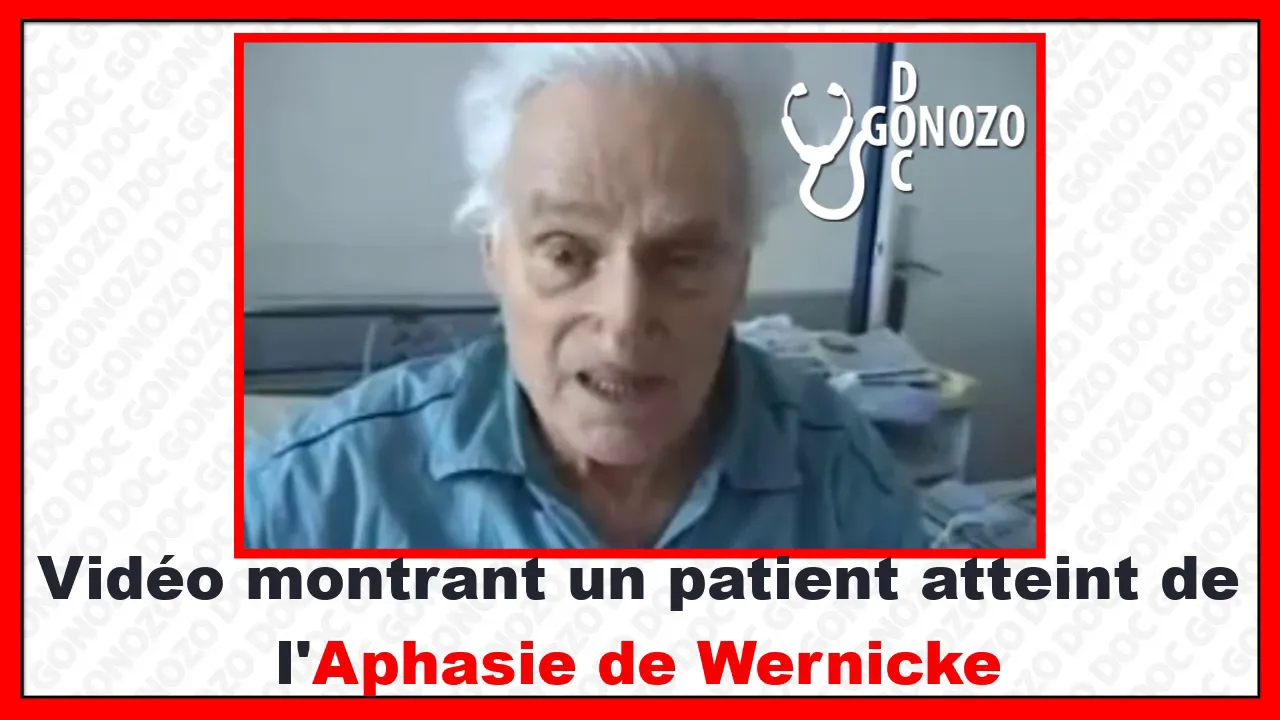
Speech-language pathologists working with patients who have fluent aphasia employ structured therapeutic strategies including word repetition exercises, phrase construction, copying tasks, and category-based vocabulary work to improve communication abilities; these interventions focus on building foundational word skills before progressing to more complex language structures, while addressing common challenges such as word perseveration and articulatory difficulties through guided practice and patient engagement.
Speech Therapy for Fluent Aphasia: Strategies & Techniques
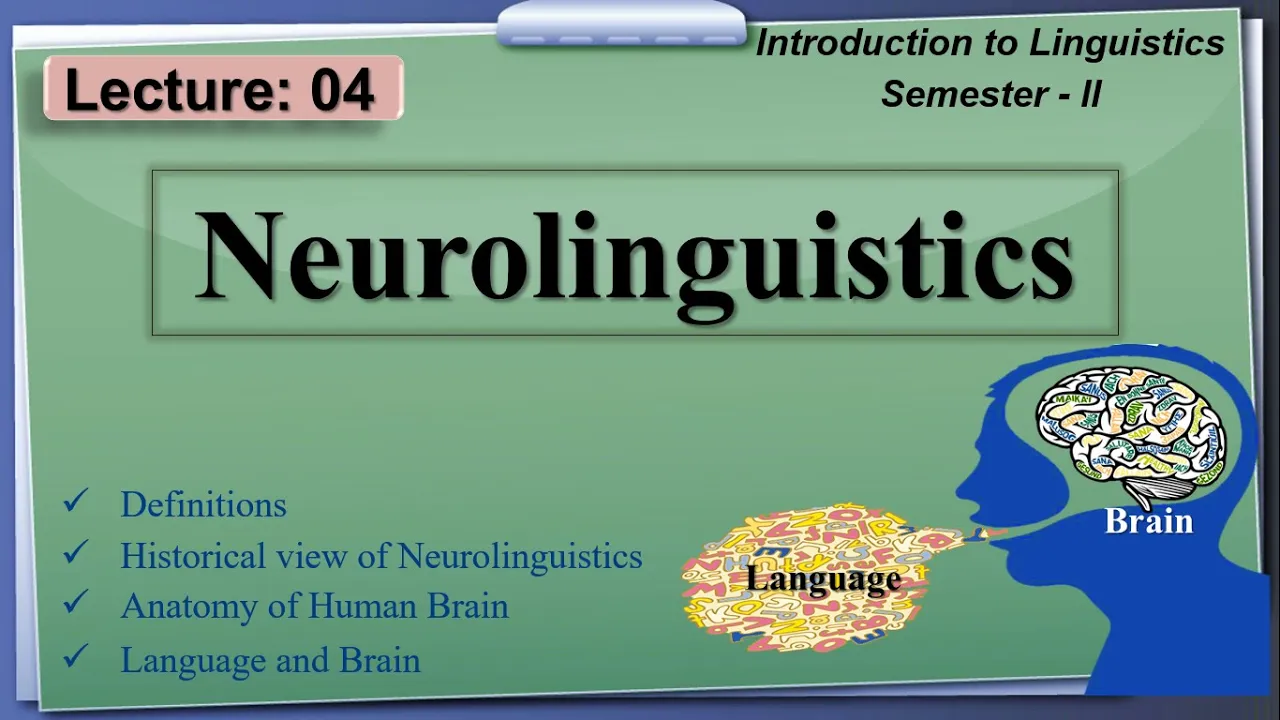
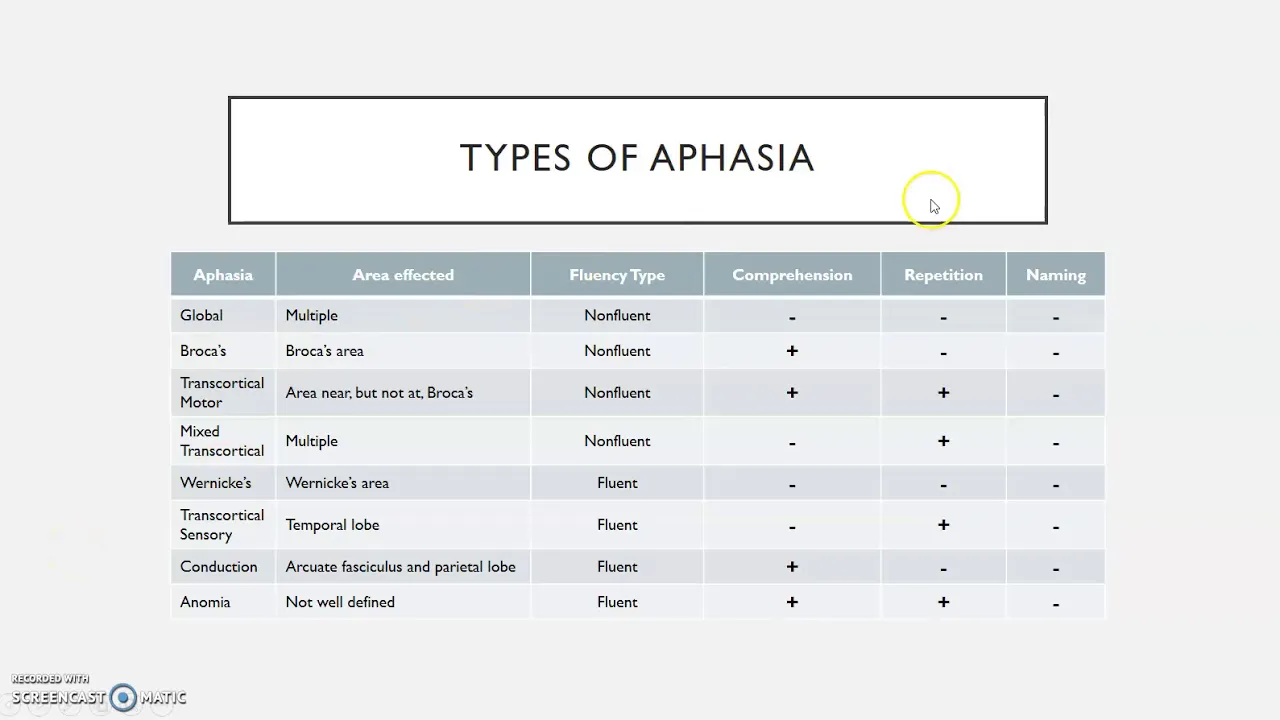
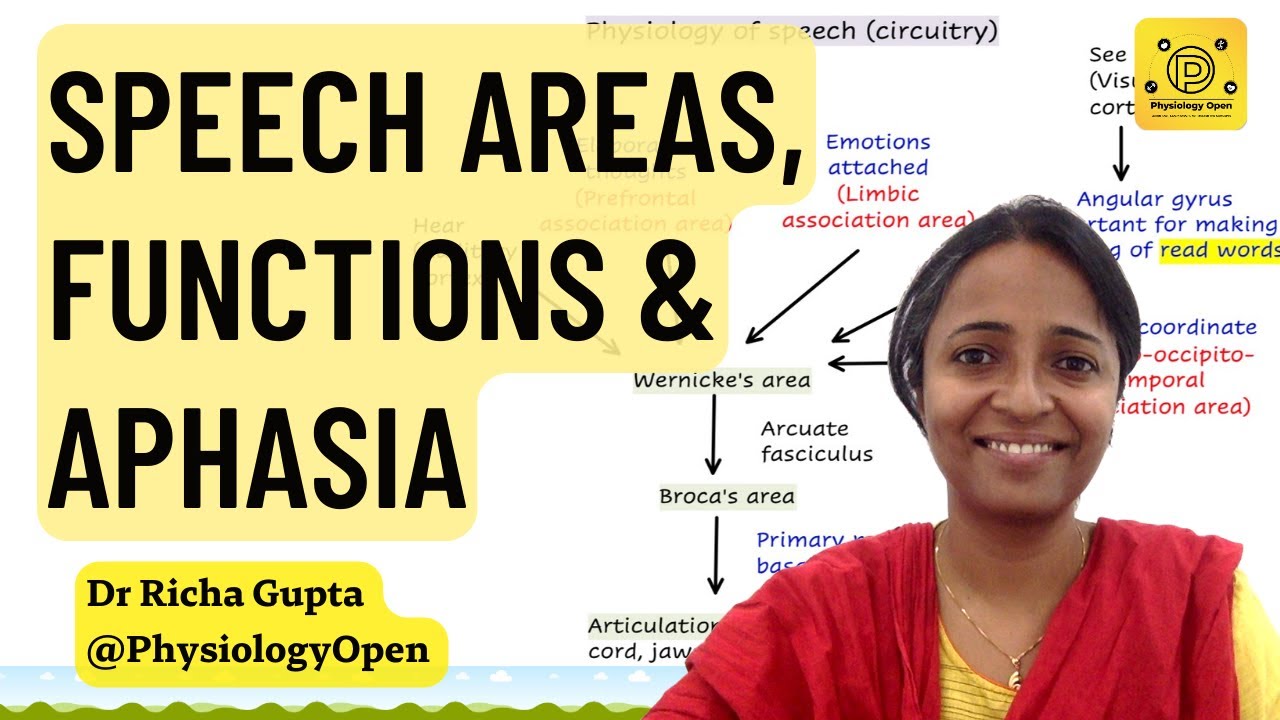
Added:Understanding the neuroanatomy of language, specifically the functions of Wernicke's area and the arcuate fasciculus.
The fundamental distinction between fluent aphasia (receptive/sensory) and non-fluent aphasia (expressive/motor) regarding speech output and comprehension.
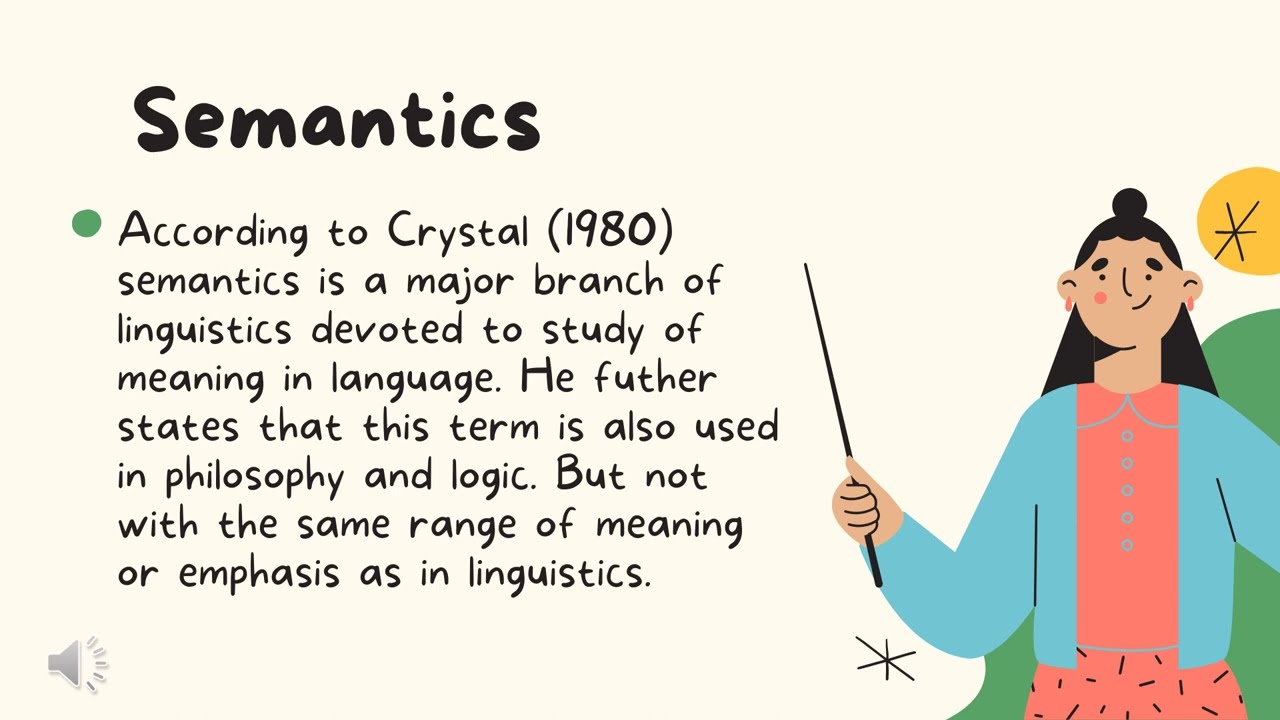
Basic terminology of language deficits, including anomia (word-retrieval difficulties), neologisms, and jargon aphasia.
The role of a Speech-Language Pathologist (SLP) in neurological rehabilitation and the general goals of speech therapy.
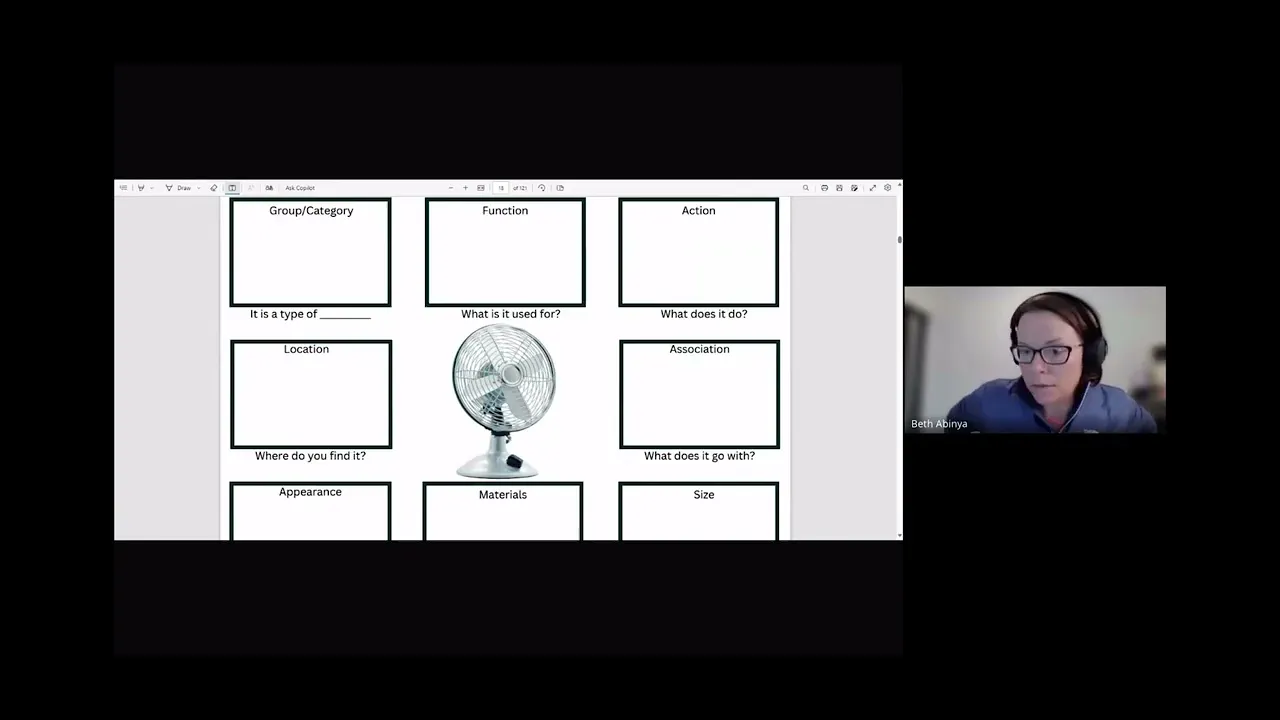
Advanced therapeutic protocols for fluent aphasia, such as Semantic Feature Analysis (SFA) and Constraint-Induced Language Therapy (CILT).
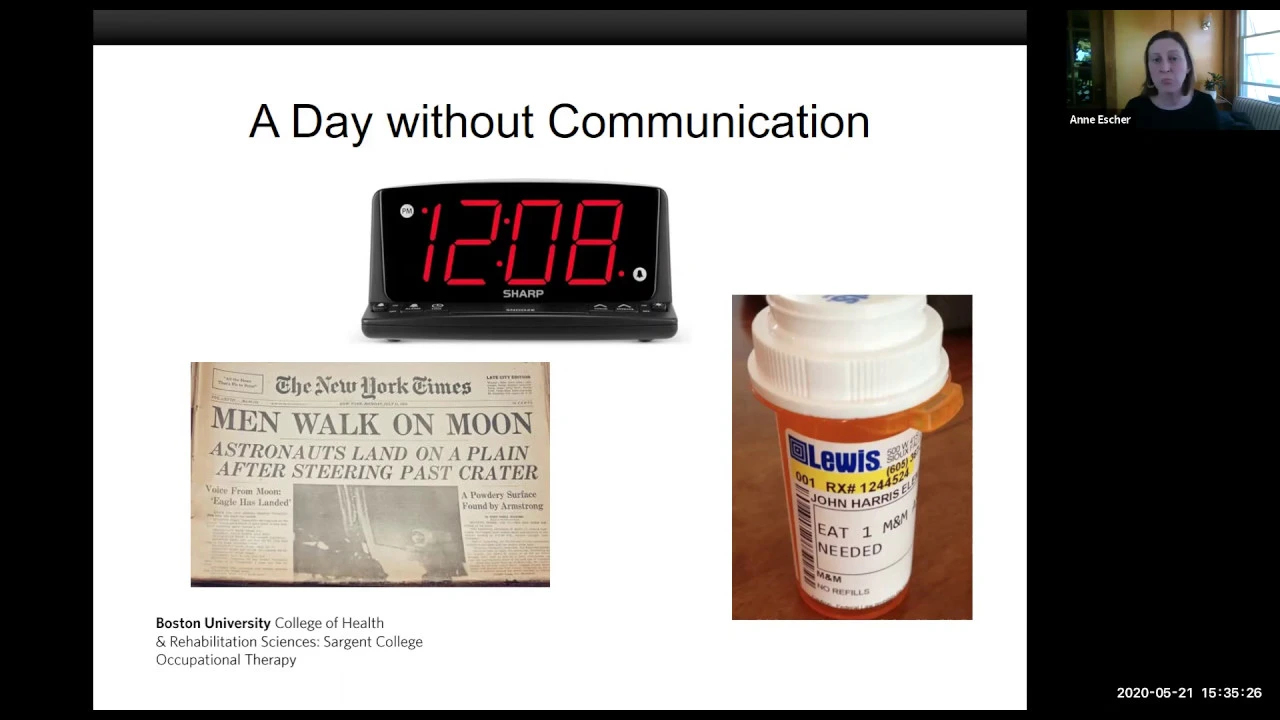
Strategies for training communication partners (family members and caregivers) to facilitate successful interactions and reduce frustration.
The integration of Augmentative and Alternative Communication (AAC) devices and high-tech tools for individuals with persistent word-retrieval deficits.
The impact of neuroplasticity on long-term stroke rehabilitation and the design of personalized, functional maintenance programs.
339.4K views2.3Klikes10:06Original Release: 2013-11-26
[Music] a little bit about yourself before we start go ahead we're trying to collect the Val charges MH and he charges the file that we cut off that week it's hard to say you you feel like you're making progress since you've been here I will try yeah you're trying very hard I I know so we've been working on some strategies and what I'm going to do right now is start with saying words and having you repeat the words then we're going to put the words in phrases okay okay here we go repeat after me tour tour on tour on Force let me do it first on don't move on tour on tour very good come on let's do the next one we'll come back to this it is hard we're going to come back to this word okay the next word is hotel hotel watch me relax your jaw watch me hotel hotel you're giving me a in the middle watch me relax Hotel C you hear that you're giving me in the middle I C she do let's try just throwing it away okay watch me hotel hotel better that was better that was better let's put it in a phrase okay car car rented a car rented a car watch me watch me rented a car rented a car relax your tongue do this for me love just relax your tongue that's it let your tongue just hang out let that tongue relax car Carl Carl car car car good all right let's now move on to the next exercise that was good we went on a guided tour we went on a guided tour very good did you reserve a car did you reserve a car good I'm going to take just one of these words we're just going to focus on one for right now and what I want you to do is copy the word for me can you copy the word good what word did you just write right you're starting you're doing it backwards start over here right look at me look up up at me I can't pronounce it yes you can look up at me t t yeah so what do you mean you can't pronounce it you just did it write it again for me beautiful what word did you write you're doing it backwards again Ro Roar Look At Me tour tour bus yeah tour not tour bus I no you're making it longer than it was all of the words that we've been working on today look up at me for a second all of the words that we've been working on today have to do with travel words like tour and suitcase I want you to look at these words and I want you to find for me look at me all of the travel words words having to do with travel okay yeah do you know what word that is RO look look up at me Airline look up at me look at me yeah I know all I don't want you to move Airline Airline much better line Airline Airline yeah yeah very good what is that word a airline did Airline what's the one underneath it that you just pointed to Airline look up at me you pointed to Hotel oh H Li Hine sometimes what happens is you get stuck on the previous word right so you gave me I know it happens all the time so you gave me a little bit of Airline and a little bit of Hotel all combined look up at me hotel hotel yeah much better okay we're going to move on normally again we would spend more time reading and looking for the travel words we're going to do another exercise using some of these travel words we went to Europe on a 3 week look up at me to toour tour yeah very good let's do another one I'm going to skip around a little bit all right I am going to ask you some questions now having to do with travel and I want you to answer yes or no I'm going to write this down yes or no all right here's the first question all of them have to do with our category travel okay first question is a tour guide always wonderful yes or no a tour guide is always wonderful every tour guide no no not every tour guide is wonderful we hope that they're wonderful right do you understand yes okay let's do another one are plane tickets expensive yes or no yes yes right traveling is expensive right okay can you get a rental car at the airport well well it's got to be R de yes you can get a rental car at the airport you can use what Herz or what are some of the other companies SAR and travel do you rent a car when you travel I love it you love them yes why do you love them because you far and you par and are the Renta car uh-huh the rental car right and the paron and Rosel and the hotel so you I used to F you used to a regular Park a regular parking space no a parking in the lover in the hotel yes you'd park your car at the hotel yes ah okay very very good a second so we have a three star hotel right and then we have a fourstar hotel hang on which is more which is more which is more this one or this one which one's going to be more expensive yes yes yeah the fourstar hotel is more than a three-star hotel it has one more star you've stayed in a six-star hotel yeah you have no what where were you in a six-star hotel I didn't even no hotels had six stars oh jeez I want to find out where this hotel is it sounds very nice hang on oh you're going to get them oh yeah hang on a second okay I'm going to stop you there I'm going to stop you there because I want to make sure I understand okay here's a cup here's Florida two I spent two when the go t in summer are you in the summer Australia you went to Australia in called you and are you talking are you talking about going to a camp camping yes ah but the own she has an owner look at me for a second do you go camping yes you go camping no kidding so no fourar hotels they own they own Camp cells you go camping well yes but the anelo is cell it's sell there's a camper a camper dad Camp C okay A a no no not a let's let's stop here we're going to continue put the camper sleep over sleep over okay sleep over that's it and he sleeps in here I know yes they can sleep for a cop a cop up in a sleeper he sleeps C over where are you talking about like a camper that you drive yes oh you travel in a camper but not a cabin not a cabin but a camper a camper I travel in a camper right wa
Up Next
29:43
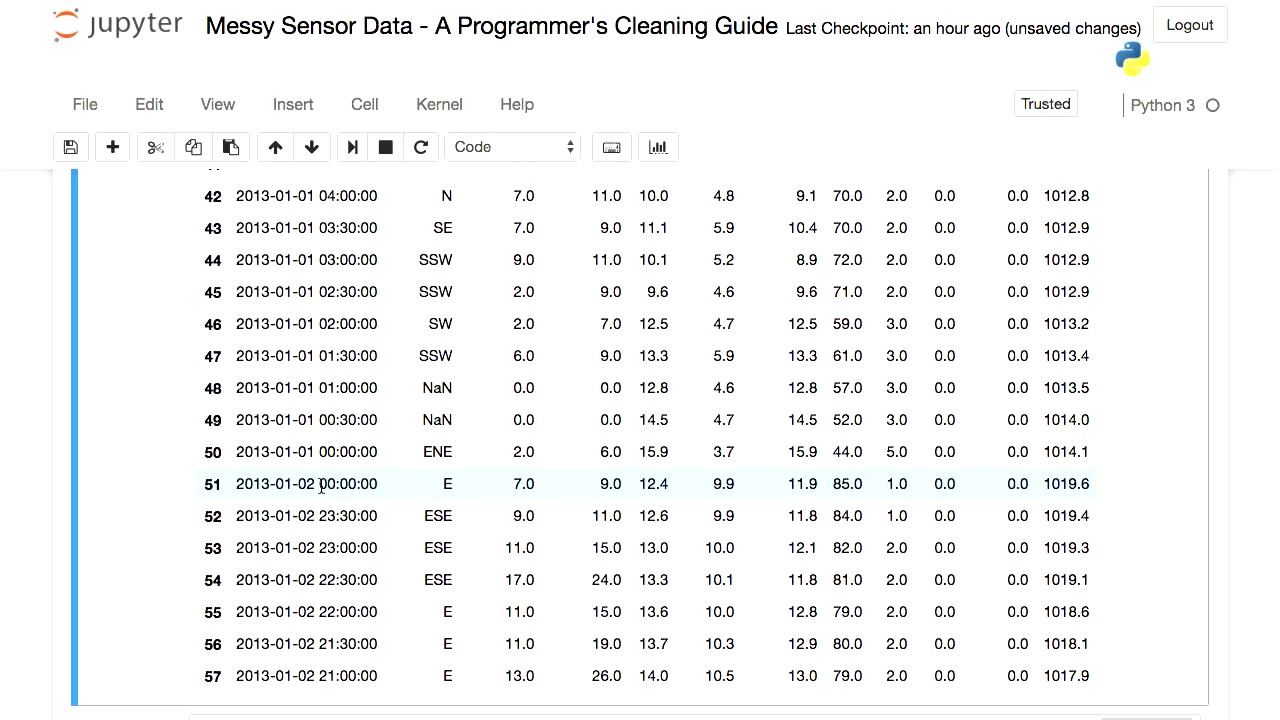
Cleaning Messy Sensor Data with Pandas | PyCon AU 2017
@PyConAU
4.5K views•2017-08-07

12:54
Triumph of Orthodoxy Icon: Byzantine Art & History Explained
@BenCallan
2.1K views•2024-08-06

9:49
FastAPI vs Flask vs Django: Choosing the Right Python Web Framework
@TechWithTim
302.5K views•2024-05-26

1:42
Game of Thrones Opening Credits: A Cinematic Analysis
@gameofthrones
46.3M views•2011-04-18
Related Study Plans & Knowledge Roadmaps
Structured learning paths in General & Interdisciplinary Studies
general-studies
Elevator Engineering: History, Physics & Cities
01From Hoists to Safety Brakes: The Dawn of Vertical Lift
02Hydraulic vs. Traction: The Engineering Physics of Elevators
03Modern Speed, Safety, and Algorithms
+ 2 more learning modules
12h5 modules
Explore Roadmap
general-studies
Rubber: Material Science, History & Geopolitics
01Origins of Natural Rubber & Mesoamerican History
02The Chemistry of Natural Rubber & Vulcanization
03The Geopolitics of the Rubber Boom & Colonization
+ 2 more learning modules
12h5 modules
Explore Roadmap
general-studies
Containerization: Evolution, Logistics & Trade
01Ancient Trade & Bulk Cargo: Amphorae to Barrels
02The Industrial Revolution & Cardboard Packaging
03The Containerization Revolution: Malcom McLean
+ 2 more learning modules
12h5 modules
Explore Roadmap
general-studies
Textile Tech: Evolution, Labor & Global Impact
01Pre-Industrial Textiles: Handloom & Cottage Industry
02Mechanization: The Spinning Jenny to the Power Loom
03The Factory System & Global Labor Transformation
+ 2 more learning modules
10h5 modules
Explore Roadmap