![Dystopie - Imaginarium #05 S1 [Création d'univers]](https://i.ytimg.com/vi_webp/cWYtjyaCvws/maxresdefault.webp)










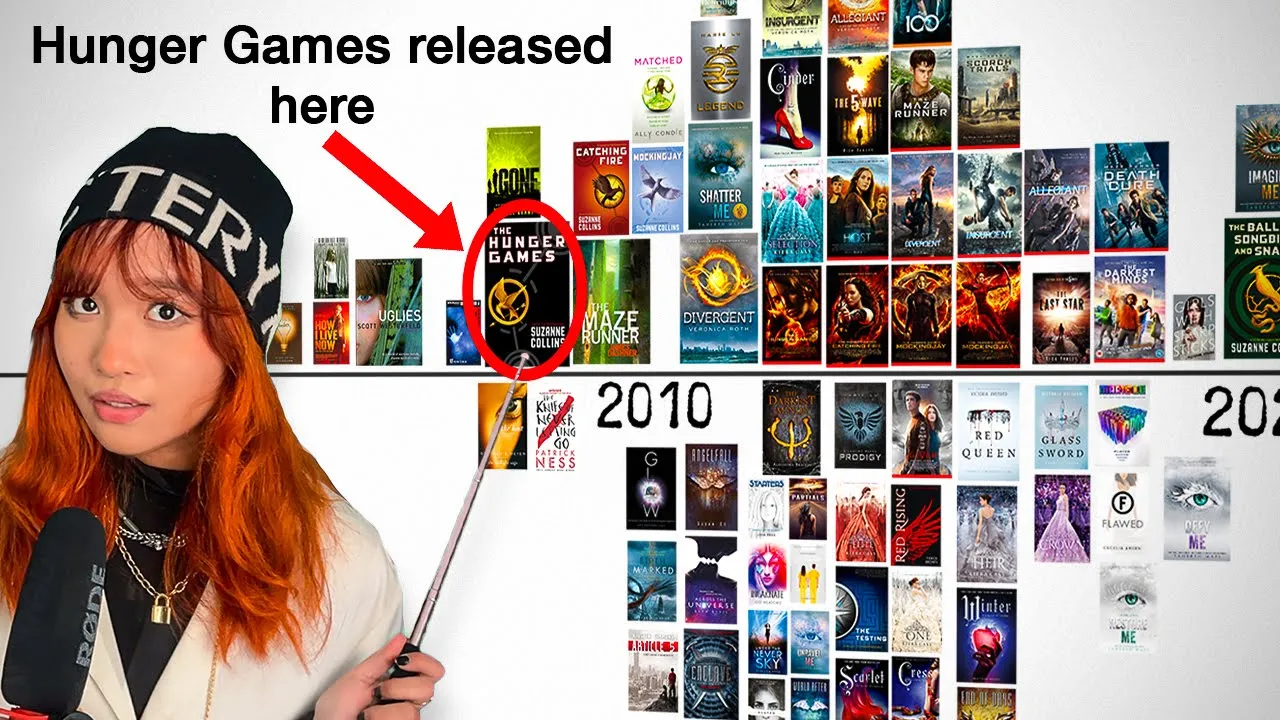




The YA dystopian genre experienced a major surge in popularity following The Hunger Games (2008), peaking around 2011 with numerous derivative works, but ultimately declined because critics judged these books against the standards of classic adult dystopias like 1984, failing to recognize that YA dystopians serve a fundamentally different purpose—they use dystopian settings as metaphors for teenage identity struggles, rebellion against authority, and self-discovery, rather than as warnings about future society.
The Rise and Fall of YA Dystopian Literature | Retrospective Analysis
Added:Understanding the core definition and historical roots of dystopian fiction (e.g., Orwell's '1984' or Huxley's 'Brave New World') as a literary genre of social critique.
Familiarity with the defining characteristics of Young Adult (YA) literature, particularly themes of identity, agency, coming-of-age, and rebellion against authority.
Basic knowledge of common narrative tropes such as 'The Chosen One,' the love triangle, and the classic structures of 'The Hero's Journey.'
Awareness of the geopolitical and cultural anxieties of the post-9/11 era, which heavily influenced the thematic focus on surveillance, security, and government overreach in 2000s media.
Analyzing the economic life cycle of literary genres, specifically how publisher market oversaturation and Hollywood movie adaptations affect the rise and fall of writing trends.
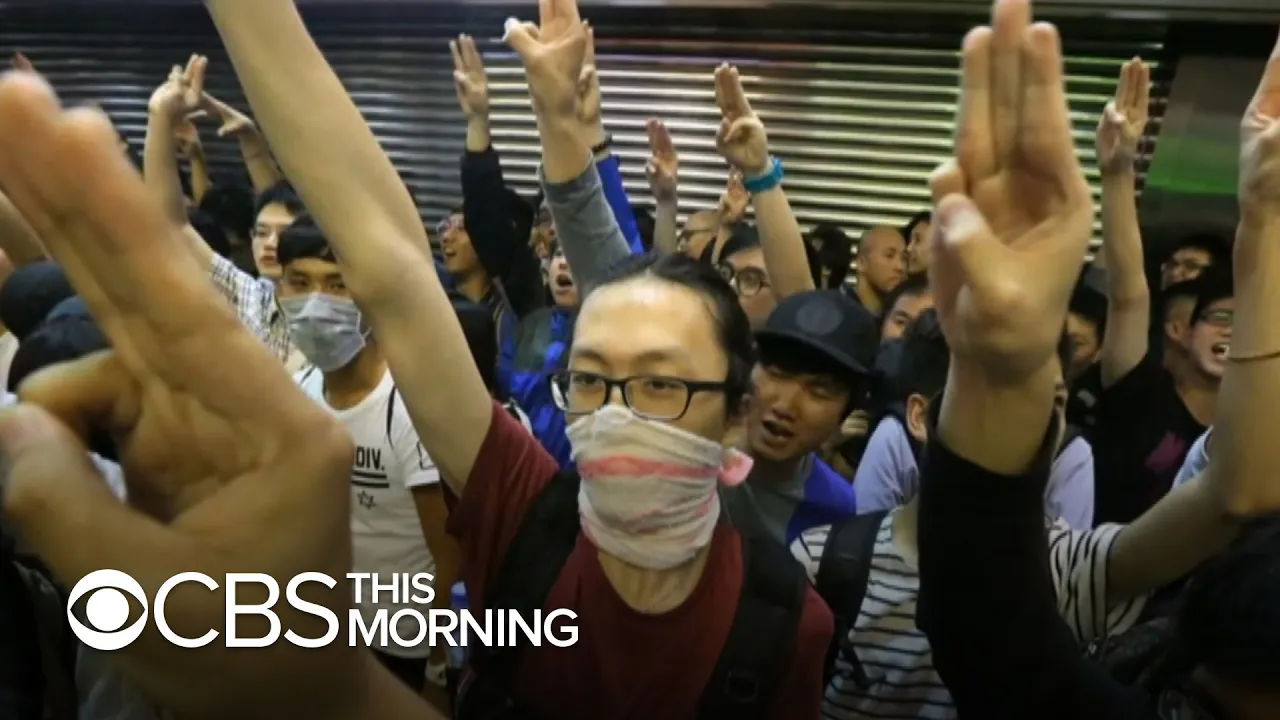
Investigating how YA dystopian iconography and themes have translated into real-world political activism (e.g., the use of the Hunger Games' three-finger salute in real-world pro-democracy protests).
Comparing the decline of YA dystopia to the rise of succeeding literary trends, such as contemporary fantasy, 'dark academia,' and 'romantasy' to understand current reader demands.
Applying critical theory—such as Marxist, feminist, or post-structuralist lenses—to evaluate the underlying socio-economic and gender critiques embedded within these commercial texts.
537.2K views24.6Klikes46:24Original Release: 2023-05-14
hello today we are going back in time the time of I'm not a girl I'm a storm with skin mirror mirror on the wall who is the most broken of us all I fondly look back at the time where every young adult novel published was a dystopian it was just a great time for me I mean it wasn't because I was in high school that actually was not that that's not a great time for anyone but let's just say this was my coping mechanism now because the Hunger Games prequel movie The Ballad of songbirds and snake is coming out in about half a year I noticed that there's some kind of Hunger Games a Renaissance happening where we are all just collectively regressing back to the time that we were obsessed with young adult dystopians and I love it so I thought wouldn't it be fun to do a little bit of a retrospective of all of those books that were published around Hunger Games times and just create a nice little overview a little timeline of all those books and just look back at that little fever dream in our teenage years a little bit of background so books targeted at teenagers haven't always been a thing I would say around 2005 with the publication of Twilight and also John Green's first hits is when a lot of people especially young girls realize that reading can be super fun and this part just this entire flood of Publications targeted at young teenage girls the teenagers were reading again and they were on Tumblr a lot this of course came with its own Trend cycle I would say the why a speculative fiction time period of 2005 to 2015 has three major Trend phases first when Twilight came out in 2005 there was a whole paranormal romance phase around 2009 when Hunger Games came out in 2008 this sparked a whole why dystopian phase in 2011 the face that we will focus on today and then I would say with the publication of Throne of Glass and Shadow and bone in 2012 there was a new fantasy phase within ya that peaked in 2015. there were definitely more micro trends like fairy retail retailings and mermaids but I would say these are definitely the three main phases and now you may have noticed because you're smart that there's often three to four years between the publication of the first book that sparked the trend and the actual Trend happening this probably has to do with the publishing cycle and the slowness of the publishing industry when you go from having a manuscript and being able to query that manuscript to agents to a book hitting the shelves that could take between like two and three years and of course you also have to factor in the time that it takes to actually write your manuscript which can take for like a few months two years so given this publishing cycle it makes sense that there is often three or four years between an initial trendy book and then all the copies rolling in and hitting the shelves it's been a while since I've seen such a big Trend going on I do think that now in like the 2020s the market has become so big for young adult novels and there's so many things being published all the time there isn't really space for just one major Trend and then there's also Tick Tock which just makes the trend cycle go way too fast for publishing to be able to keep up at all having one thing be the main trend for three years straight is kind of Unthinkable right now but that is what it was like back in the day back in my day in this video we are going to be looking at the why a dystopian and I would say that at the core of the wire dystopian is The Hunger Games which came out in September 2008 and we will be making a little timeline on here if you're wondering why is why is your wall so dirty it's because I make these videos more often also I often have like posters hanging here so this is just a little like weird poster gummy that you use to put things on the wall and I don't know how to get it off so if you have any tips you are my hero let's begin with the question what actually is a dystopian the Merriam-Webster Dictionary defines it as an imagined world or society in which people lead wretched dehumanized and fearful lives it is the opposite of a Utopia so for example in the Hunger Games it was a world divided by class where America has been split up into 12 districts that all make resources for the one rich Capital full of people who are living blissfully unaware of the horrors that are going on in the districts so this means that on the one hand The Hunger Games uses the dystopian setting to give a warning story about the dangers of class Division and War and on the other hand uses the dystopian setting to tell kind of a coming-of-age story of 16 year olds 17 year old Katniss Everdeen no 60 I I think she was 16 year old because I remember when I was young I really wanted to be 16 because then I would be like why a dystopian main character age that that is genuinely how I looked at it in my life like my sweet 16 was just the fact that I was like oh my God I am book age right now I could be the chosen one yeah so the Hunger Games also uses the dystopian setting to tell a kind of coming of age story of Katniss Everdeen who is dealing with questions of how to present yourself towards the world first love and standing up against authorities now you may think I'm kind of reducing the greatness of The Hunger Games by calling it like a coming-of-age story but there's a reason that this book resonated so much with teenagers specifically and I will come back to that we will talk about that later so the dystopian phase the whole and it all started with The Hunger Games right well not entirely so before we go look at the whole like all of The Hunger Games copies that came out we have to go back in time I made a little timeline and take a look at all the wire dystopians that were published before the Hunger Games so the earliest one that I could think of that was still very popular around Hunger Games time uh the first dystopian Target a teens specifically is The Giver by Lois Lowry which came out in 1993. this is in a time where young adult really wasn't the thing at all I made this line this line denotes when Twilight came out this is the only correct way of looking at history before Twilight and after Twilight but this is like an important moment because this is kind of the spark of like the young adults as a category in itself this was a dystopian story about a world that has resorted to sameness so everyone dresses the same there is no pain but because of that also no emotions and no colors and we follow I think a 13 year old boy who is kind of burdened with the task of getting all of the memories from before sameness and he has to carry that burden I haven't read this but I do know that this is like widely loved it was often recommended by libraries for children and especially teenagers to read but I didn't like spark a big like hype of dystopian stories targeted at teenagers at that time um probably because Twilight hadn't come out yet this was before the publishing industry realized that they could make millions if they marketed to teenage girls then in 1999 we have another important player and that is betel Royale this is a Japanese novel that is eerily similar to The Hunger Games it follows a class of junior high school students that are taken to a deserted island where because of the authoritarian government they are tasked to kill each other until only one of them is standing sounds very familiar although this was critiqued for its gratuitous violence and Gore it did become an instant bestseller I'm not sure if you could call this target at teens I haven't read it it was deemed so gory and violent for 19.99 Japan I'm not sure if this was written with teenagers in mind but it was about teenagers and it was very popular this book also sparked the concept of the Battle Royale so we have to thank this book for the existence of fortnight then in upcoming years there's a few more popular dystopian novels city of emmers in 2003 which is about a world and that has gone underground to survive and you follow a boy and a girl in 2005 we had uglies by Scott westerfeld where you follow a girl who lives in a world where everyone is giving surgery to become pretty the moment that they turn 16 years old in 2007 we have unwind by Neil Shusterman this dystopian world is inspired by Reproductive Rights and it's a world where when you turn 13 years old your parents can choose to have you Unwound which means that all your organs will be harvested and donated to other children and you follow a bunch of kids trying to deal with that and then May 28th right before the publication of The Hunger Games we have the knife of Never Letting Go by Patrick Ness which is about a dystopian world where um what is it a parasite yeah a germ has eradicated all women and it's causing the main character a boy to read minds and then he meets like the one girl that seems to be left so these were all popular dystopian stories for or about young people but none of them really had like what the Hunger Games had obviously the Hunger Games also just a really good story I definitely see that there is one thing that all of these books lack that the Hunger Games does have that Twilight does have and that a lot of like the other Wyatt disturbans that come after this also had and that is a first person female point of view only one of these books has like a singular female main character and that is uglies and it's written in third person point of view a lot of the young adult readers at this time were women or girls because Twilight very important Twilight it all comes back to Twilight eventually a lot of girls were reading and I think you know as teenagers you're just more drawn or tend to enjoy stories more if you can see yourself in them and having a story about a girl in first person point of view I think just really gives it that extra kick and I'm not trying to imply that the only reason the Hunger Games became popular is because it was a female first person point of view obviously it's also just a really good book but I do think not having a female first person main character is what made these books not like huge then we reached 2008 September the Hunger Games is published it becomes an instant bestseller and stays on the bestseller list for a hundred consecutive weeks I do kind of want to paint a picture of the culture among why a readers when the Hunger Games was published so Twilight was published three years before that 2005 and in August of 2008 one month before the Hunger Games it was Breaking Dawn that came out so you have to understand like when the Hunger Games came out is when people were reading about Bella Swan giving birth Like A Parasite vampire for the first time we were right in the middle of the vampire craze like one month after the Hunger Games came out the first Twilight movie hit the theaters and this introduced a whole new wash of people being interested in reading the Twilight books and reading other like Paranormal romance books so what you have to realize is that the Hunger Games was published in the middle of the whole like Paranormal romance craze there we go vampires were in at this point the Twilight Saga was still hitting the number one spot on the bestseller list for children's series um and a year after the Hunger Games came out 2009 there no one was thinking about dystopian books like 2009 was the year for paranormal romances it was the year that authors realized okay maybe vampires are a little overdone and so every single love interest was either a vampire an angel or some other nondescript Immortal magical being never fairies though for some reason fairies really didn't catch on in like the Paranormal romance phase fairies weren't cool until like akatar in 2015.
which is interesting I will make a video about that one day too maybe just to paint a picture remember that 2009 was the year of Fallen Beautiful Creatures Hush Hush shiver and Evermore the why a paranormal craze stretching even all the way to 2011 with the publication of obsidian by Jennifer armentrout which was an alien romance gen Z has ice planted barbarians but we had obsidian and amidst all of these books The Hunger Games Catching Fire and Mockingjay were published so these books were kind of standing out amidst all the werewolf re and I think this definitely worked in the Hunger Games Advantage you know people were maybe looking for something different amidst all of the same stories of like a young girl falling in love with the magical being that is nice and then another magical being that is slightly more of a bad boy and probably has dark hair why a paranormal romances are more likely to be characterized by kind of Meek main characters that were always being saved by their magical boyfriends why dystopians on the other hand were more likely to be characterized by badass main characters fighting for themselves yes they do always end up with a boyfriend as well we'll get to that sooner later in the video as well but at least the main character the female main character was the hero in the Y dystopians whereas in why a paranormals you could say the hero character was more likely to be the love interest and I think people were slowly starting to get over these like Damsel in distresses so the Hunger Games really was just a breath of fresh air with Katniss Everdeen being able to shoot bow and arrow and survive all by herself so after the popularity of The Hunger Games there were definitely more dystopians slowly starting to trickle in so before we get to like the peak there were two other like first why dystopians after the Hunger Games in 2009 we have the Maze Runner by James Dashner it's about a boy who wakes up in this huge maze full of children who are trying to get out of it and they don't know what's outside of the maze keep in mind that James Dashner was already signed with a publisher which means that publishing his book was probably going to be a lot faster than for example a debut author like Suzanne Collins or Veronica Roth which could explain why this book came out so like as one of the quickest ones um but also James Dashner himself says that he started writing The Maze Runner at the end of 2005 and I swear on my kids I had no idea what the word dystopia meant I was just trying to write a cool story so it does seem like this was just two people at around the same time thinking of writing a dystopian story now aside from the Hunger Games and the Maze Runner there was one other book that came out before the big peak and you're probably thinking I'm going to say Divergent um but no a book that came out in 2010 was actually matched by Ali Conde I haven't read this the only thing I know about matches and every time I talk to someone about the why a dystopian phase and they mentioned matched it's always in the context of oh yeah that was a really bad one that was one of the worst ones it also doesn't really have a high rating on Goodreads so I always thought that this was like one of the later copycats you know maybe at the tail end of the peak but no it was one of the firsts this takes place in a world where everything is decided for you where you live when you die and who you love and our main character kind of ends up having to choose between like her perfectly government provided match and another boy who seems to be more of a glitch in the system the author stated that she started writing this in Autumn of 2008 which I think explains why this is what you could call the first Hunger Games copy but again I also don't want to accuse anyone of anything of course again it could just be two people having a similar idea at the same time now we get to the big part okay 2011 the peak of why a dystopia if you're ever doing a pop quiz and there's like a question of like oh when was this why a dystopian being published and you don't know the year your best bet is to just say 2011 because that's when all of them were published there's a lot there's a lot again coming back to the fact that publishing takes about two to three years it makes sense that 2011 being three years after the publication of The Hunger Games is the year where all of the other Y.A dystopians came out now I know there is often kind of this idea that Looking Back The Hunger Games was good but all the other dystopians were really trash so let's look at that is that correct I have some opinions about that um so we're just gonna take a look at them one by one I may end up defending Divergent we'll get there now as we do that let's play a little game um and tag these titles with certain common tropes that I found we have read for the love triangle green if the story has been set into motion because the main character is trying to save a sibling or a parent and then we have blue for the very specific Trope of a female main character falling in love with the lower class boy who is from outside of the system and shows are kind of like Elites main character to look outside of her little Rich bubble this one's more common than you think as we're gonna go through this you may notice that I have already tagged everything that is because I'm actually filming this video for the second time when I first filmed this video something I I did something wrong with the audio so I've I'm currently doing the whole thing again so that that's why I actually already tacked them with the colors just so you know okay let's begin with divergent This is a story of a world divided into five factions enmity Candor application dauntless and eurodite got them all right cool and our main character is forced to make a choice if you don't make the right choice you will be homeless for the rest of your life surprisingly enough Divergent doesn't have any of the tropes that I just mentioned then we have delirium by Lauren Oliver this is about a world where love is seen as a disease and everyone is cured when they turn 16 years old it's always 16. see do you understand why I want it to be 16. oh no it's when you're 18. never mind it's when you're 18 you are cured of love but then our main character meets a boy from The Wilds and what if they fall in love now we have Wither by Lauren Stefano this is a dystopian world where everyone dies at the age of 20 or 25 depending on your gender so basically no one has a future and women are being kidnapped to be married off to men to make babies so that the human race doesn't die out very fun stuff and we follow one girl who is married off to a man but then she falls in love with her husband's servants I vividly remember writing a story when I was 16 that was just very clearly inspired by this book and I recently found an old laptop with like old stories that I wrote and I swear these why dystopians did something weird to our little teenage brains because the stories that I wrote were so unnecessarily gruesome and horrible and they were just horrible things happening to the characters that I created because that's just what I was used I was like oh it's gritty it's dark it's why a dystopian it really did something weird to our brains where we were just reading about all these pretty horrible things happening to these young people all the time another famous one this one's still very popular we have Shatter Me My Tahira Mafi this one takes place in a dystopian world where the world is uh there's a war things are bad things have been taking over by the capital r re-establishment and it's a dystopian bad world but the whole thing is that the main character if she touches someone they die story about a meat girl learning to be a girl boss and kill everyone that's every 15 year old girl's dream another classic one was under the Never Sky by Veronica Rossi this one is a better world in which the people are divided into those lucky enough to live under the dome where there's like technological advancements and people are living a good life and then all the people outside of the Dome the main character goes outside of the Dome to find her missing mother and there she finds a boy who lives outside and you know of course he learns he teaches her stuff about the real world then another one that has recently become popular again on tiktok is a Legend by Marie Lu this one also takes place in a dystopian world where there's war and it's the government is bad and the story is about this like Elite military girl who falls in love with like a poor lower class boy and the story is set in motion because our main girls trying to find her brother's killer we're just collecting all the tropes here then there's a kind of a still in the Y dystopian peak in 2011 there's kind of like a second category like a little subcategory of books that fell under the dystopian umbrella but I would say are practically just post-apocalyptic stories like there's a dystopian world but it's more like post dystopian it's more like a wasteland everything's going wrong main character is trying to survive kind of thing for example anyone remember Blood Red Road by Maura young this takes place in like a Sandy Dusty Wasteland and it's about a girl that goes on a quest to say with me find her kidnapped brother and then another post-apocalyptic novel my personal favorite out of all the ones this book was my favorite book during my entire teenage years out of all of the dystopians we're going to talk about this one is my favorite next to the Hunger Games and that is Angel Fall by Susan e oh my gosh I want this book to blow up on Tick Tock right now so that the new generation can just experience the glory that is this book it is post-apocalyptic where the religious apocalypse is currently happening angels are coming down from the Heavens to just wreak havoc on Earth and humans are trying to survive including our main character who is trying to find her missing sister and then kind of starts working together with this kind of banished Angel who has lost his wings and they go on this little Quest together and it's so good there's so much action oh my God that I love this book great chemistry between the angel and our main character this book also I would say is one of the more like daring on the Gora department and the slightly horror aspects Department this book really did not stray away from like mutated little kids with pointy teeth oh I completely forgot I forgot this the first time that I filmed it and I'm forgetting it again I also made a little picture to show when the Twilight movie came out which was like here just again as a reminder of the culture when the Hunger Games came out and then more on kind of like the tail end of the Wyatt dystopian Peak we really got to a phase where a lot of books were basically just sci-fi but they were marketed as dystopian novels there was across the universe which was about a girl who woke up uh too early from her uh cryo her cryo chamber thing and then she has to navigate this spaceship and then she falls in love with the son of the general of the spaceship this was just I mean there was probably a reason like a dystopian reason for the spaceship to appear but it was really just this was a Space Opera I would say a similar thing happened in 2012 with cinder I almost didn't include The Lunar Chronicles which is the series that this is book one for in this video because I forgot that it's technically a dystopian like the first book really kind of goes in on the fact that this is a dystopian world where where plagues are plaguing the world and we follow cindar our little half cyborg girl into Cinderella retelling this book really sparked the fairy tale retellings Trend and it really is like if you look at the entire Series this is a space Oprah it's an Intergalactic Adventure but it technically started out as a dystopian probably because that was trendy at the time and then all the way in 2013 really really at the end pushing the trend we had the fifth wave this was a story about aliens invading Earth that looked like humans and our main characters trying to survive so I remember this one being you know of the ones that appeared like at the tail end of the why dystopian Peak I remember this one being pretty well received I haven't read it though and then the last book in kind of this area that I want to talk about is to me like the perfect example of a book that really did not need to be dystopian but was just dystopian because that was trendy at the time it's the selection by Caracas where do I put this just gonna put it here this is just the bachelor in a fantasy setting a world where girls can fight for the crown and the love of the prince because becoming the princess is like the easiest and best way to escape you know the not so great dystopian life that people are living and the dystopian thing in this book according to the reviews that I've read is that China invaded the United States because the United States were so much in debt that China just decided to invade the country which is a ridiculous concept again I will say I haven't read these books but from what I heard about them it really really very strongly sounds like this was just dystopian for the sake of being dystopian but really the whole point of this is that it's just fantasy Bachelor and I think that if Cara Cass wrote these books right now they wouldn't be a dystopian but instead it will be fantasy The Bachelor with fairies because that's what's popular right now so this is kind of the peak of the Wyatt dystopian around 2011 and keep in mind that in 2012 oh this is outside of the screen slightly it says 2012 here keep in mind that in 2012 The Hunger Games movie came out which brought a whole new wash of people into the dystopian genre started reading these books and and a lot of these books became popular even more I personally am one of those people who definitely did not read these books when they came out but in 2012 because that's when I was like 15 so I was the target audience I heard about The Hunger Games and that's when I started reading The Hunger Games and like a lot of these books as well before we continue to the downfall of the wire dystopian let's just take a look at the trends that are appearing in the why dystopian Peak first of all a lot of them follow a very similar story structure specifically so many books started out on the prompt that the main character was just sending out on a quest to save one of their family members it was everywhere and it was always a sister and this was 100 just as a copy from The Hunger Games and Katniss Everdeen going through the Hunger Games to save her sister Prim the second thing is love triangles and romance now I do notice that love triangles weren't like a huge thing anymore that was more this paranormal phase with The Hunger Games still having a love triangle but other than that yeah I'm seeing two two that have a love triangle it could be that some of these will get a love triangle later in the series but just going off the first book only matched and Shatter Me have a lot of trying on honestly does Shadow me have a love triangle like did Adam really ever stand a chance so maybe not really love triangles but still it's very clear that a lot of these dystopian settings were made specifically to create like the most angsty romantic situations possible that come out a world where love is prohibited like you're just writing that so you can write a Forbidden Love Story right but instead of the love triangle we got this new trend that I noticed where so many of these books feature a female main character in like an elite Rich situation meeting a boy from like outside of the system that shows her what the real world is like very like kind of leaning into this idea that you know you need a man to show you what the world is really like to to show you uh the truth and look through all the silly little illusions that you have I think it's interesting to kind of like look back on what I said about how why dystopians tended to have the image of being more you know having more stronger character that didn't care too much about romance but still a lot of these all of these books had very strong romantic um subplots and I kind of talked about this in my not like other girls in ya video already you can really see this thing happening where having characters female main characters actively talking about how much they want love and how much they want like a story about boys that's not cool like people were in this time people were looking down on like the Paranormal romance and Twilight girlies that was bad you just cared about Romance what a stupid girly Thing something that I noticed while I was kind of going through like Pinterest pictures of this period of time you can very clearly see that there are a lot of pictures of people being like I'm a tribute I'm Divergent I'm a wizard I'm a Shadowhunter like something related to Percy Jackson those fandoms were always coming together but it was never Twilight even though they did kind of exist around the same time like during this time all the Twilight movies were coming out so they did exist kind of simultaneously but it was very clear that there was a kind of disdain for Twilight fans you know if you are into this then you were cool you didn't like those like love stories from Twilight there were definitely a lot of people who read both I was in both camps but online you can kind of see that there was also a little bit of opposition between like the Twilight paranormal girlies and then the people who were cooler than that specifically with the idea of like oh if you're into Twilight and all the all those paranormal Romans that's like stupid and girly and you only care about love instead what the cool girls do is they're really into the dystopian books which give them the illusion of not caring about romance but in reality you still get an elaborate romance story anyway which makes sense you know you're a teenage girl you're interested in Romance but at least you could pretend you didn't care and the last thing that's very striking when we look at all of these books is that they're all just extremely white all of the main characters are white young girls there really wasn't a lot of diversity in publishing or at least maybe there were but they were not given the marketing budget to make them as big as all these other books there definitely were authors of color like Susan E Marie Lu and Tara Mafi but that did not lead to main characters being girls of color it was always just white girls okay and then last but not least towards the tale and the wine dystopian phase was kind of going downhill I have I mean there's probably going to be different opinions on where goes downhill I have like three examples that I personally found to be where kind of all went off first we have the 100 I cannot continue the timeline so I'm just going to put them here this was published in September 2013. yes this is the book that the TV show was based on the 100 I read out these like 100 teen delinquents that were sent to Earth because Earth has been destroyed by like nuclear war and they have to check if they can still survive there weirdly enough like the show came out six months after the publication of this book that I'm pretty sure you cannot create an entire show within six months which leads me to believe that the rights for the show have been sold even before this book came out which was probably a good idea because this book kind of flopped I read it it was really bad and the show is also very different from the book and the show became a hit but this one was just kind of an example of just another dystopian book that really just had nothing interesting to say and a lot of the dystopians that came out were just kind of a rehash of what we'd already seen before just blatant copies like the testing which was about like these people that had to go through a test and that was like the dystopian World extremely reminiscent of Divergence and also fire and flood came out in like 2013 oh 2014. that was really late like we were already doing the fantasy thing at that point which was basically just the Hunger Games except people had like Elemental Pets how I remember the downfall of Y A was people just really being tired of having the same like resistance Rebellion against the government story being rehashed over and over again without really adding anything of interest to it when people talk about why dystopian nowadays I noticed that people are often kind of extending that critique to why a dystopian as a whole that except for the Hunger Games all of the other why dystopians were just really dumb World building not good executions of the dystopian genre and that's something I want to talk about I just want to end this video on why I think people are wrong when they're saying why dystopians are bad because they're not doing what 1984 and Brave New World were doing the argument usually goes is that a good dystopian creates a plausible warning about the future and creates this dystopian setting about a probable future that we could be heading towards and it used is this to critique modern society the way that like 1984 Brave New World Fahrenheit 451 do the Hunger Games is often brought up as the only good example of a why a dystopian because the Hunger Games does indeed use its dytopian setting to critique things like War reality spectacles and human nature when people hate on the Y dystopian they always immediately go for Divergence saying well look at this Divergent world where the world is divided into these five factions that would never happen that is like a ridiculous futuristic idea about the world there's no way that our current modern society would ever resort to dividing Society based on their personality so that means that it's a bad dystopian the same argument goes for almost every single why a dystopian novel and here's where I'm going to be a little controversial because I'm going to be defending Divergent not something I ever thought I would ever do but I am gonna do it there's one mistake that I see everyone making and that is assuming that why dystopians are trying to do the same thing that adult classic dystopians try to do that's not the case what I'm trying to argue here is that dystopians can be perfect settings to symbolize what teenagers are going through when they're being teenagers remember when I said that the Hunger Games is not only popular because it's you know a good book and like a great dystopian world but also because the problems that arise in this dystopian World specifically appeal to teenagers for example it heavily deals with Katniss trying to figure out how to present herself towards the rest of the world and the adults in our life she constantly deals with questions of who am I to the rest of the world and who am I really who am I around the people that I love it deals with her first romance experiences it deals with her being put into the spotlight being put into positions by adults that she doesn't maybe really want to be in at all all the tribute interactions before the actual hunger games start were very reminiscent of like classroom social interactions and most importantly it's a story about going against Authority and learning to resist one of the Hallmarks of puberty is learning to question authority for the first time in your life getting a little bit looser from your parents it is the time during your development where you learn to resist for the first time so it's no wonder that dystopian books that are literally just about resisting against some kind of authority are perfect for teenagers that's why these stories work so well not be because they're trying to use the dystopian world to like paint a realistic picture about the future it's because they're really dealing specifically with this emotion of what it is like to resist and if you look at divergent not through the lens of like how classic dystopians do their World building but through the lens of like what teenagers like you will suddenly see that Divergence is actually a perfect why a dystopian setting like the whole point of the Divergent story is that it's about a main character dealing with the question who am I there's this one question that will Define your entire life otherwise you will literally become homeless and not have a future the whole faction system is a perfect metaphor for how teenagers see the world like what major do I choose what Clique do I want to belong to who am I what kind of person am I to the world if you think the faction system is a dumb and unrealistic dystopian idea then you've clearly never seen teenagers on Tick Tock worrying about what their aesthetic is and whether they are dark Academia or Cottage core or vanilla girl or whatnot the faction system may not be a probable future for our modern world but it's a pretty accurate representation of what the modern world feels like when you're young and trying to figure out who you are and a lot of these other dystopians also use the dystopian setting to materialize worries that teenagers deal with like a world where literally not a single teenager has a future because you just die at 20 years old and yes a lot of these dystopians are just there to facilitate the most angsty romance story possible which is something teenagers deal with like what if love was just prohibited what if you would literally die if I touched you let's go back for a second to the official dystopian definition that I shared an imagined world or society in which people lead wretched dehumanized and fearful lives whatever is wretched and fearful is going to be very different whether you ask an adult or a teenager so yeah I'm not saying that all of these dystopians old dystopians are good I just think it's unfair to criticize them for something they never set out to do don't judge apples for not being peers I think a lot of classic dystopian books used the dystopian setting to yes indeed give like a warning about the future like a little thought experiment and critiquing modern society but why dystopians tend to use the dystopian setting more as a representation of fears that teenagers have and I actually think it's pretty cool that this whole discussion around why dystopians has actually shown us that you can use you know an often singularly use the genre in a different way and I actually think it's interesting to think about how we sometimes judge books based on the expectations that we have of the book because of their genre that we expect something from these books simply because they're a dystopian therefore we expect them to do something similar as classic dystopians even though they never wanted to do that in the first place and they're actually doing something else that's interesting that we're missing because we're so focused on saying well it's not like 1984. again I'm not saying that any of these books are like perfect and great I just really wanted to bring up the fact that I think that there's very good reasons for why dystopians were specifically so interesting for teenagers and I'm sure there's also like other historical contexts for why the why dystopian became so popular around 2008 but I'm not a historian I don't know I just can't really think of anything that could have happened around 2008 that would make a lot of teenagers feel like they don't really have a future like yeah I don't know I can't really think of anything I loved making this video it was so fun to look back on all of these books please continue the discussion in the comments I would love to know your takes especially because I definitely have not read all of these books if you like videos about books I would like to see more definitely subscribe I want to end this video by giving a huge thank you to all of my patrons I'm so glad you've all joined with a very special thanks to all of my Elite hidden Library members and I'm just gonna give a shout out to all of the newest members Mary neugebauer Michael Summers Sherry Maria sadaka Loch Ness VHS Catalina Dorothy Olivia culk Dora borcholdt Anna rustamova olvivia Ella Mega janavi Sarah Nicole Bremer Fallen desterno bison Hider lose Ariana Lucio Amanda slates Stevie May Leila B Lauren West Anika com and Jay Nera author of the Ravens dream and Lola Adams thank you so much and for everyone watching I hope you really enjoyed this video I hope you have a wonderful rest of your day and I will see you soon in another video very soon goodbye foreign [Music]
Up Next

6:22
Hugo Ball and Dada: Karawane Sound Poetry at Cabaret Voltaire, 1916
@vaza77
214.1K views•2010-05-13

13:43
Formalism in Literary Criticism: An Academic Lecture Overview
@mattalberhasky9952
39.1K views•2015-08-05

6:08
Point of View in Fiction: First Person vs. Third Person
@magicalthriftyteacher
153.8K views•2014-03-31

15:25
1984: Orwell's Dystopian World and the Mechanisms of Totalitarianism
@AlternateHistoryHub
7M views•2017-03-04
Related Study Plans & Knowledge Roadmaps
Structured learning paths in Literature
literature
Graphic Memoirs: Visual Art, Trauma & History
01Foundations of Sequential Art and Visual Language
02Autographics and Processing Historical Trauma
03Visualizing Personal Trauma, Grief, and Graphic Medicine
+ 2 more learning modules
14h5 modules
Explore Roadmap
literature
Campus Novels: Evolution, Themes & Critique
01Introduction to the Campus Novel Genre
02Mid-Century Satire and the Post-War Academy
03Dark Academia and the Critique of Privilege
+ 2 more learning modules
14h5 modules
Explore Roadmap
literature
Theater of the Absurd: Philosophy & Plays
01Postwar Existentialism & Historical Roots
02Dismantling Narrative: Esslin & Absurdist Conventions
03Samuel Beckett and Tragicomic Existentialism
+ 2 more learning modules
12h5 modules
Explore Roadmap
literature
Revenge Tragedy: Justice, Madness & State
01Foundations of Early Modern English Theatre
02Anatomy of Revenge: Structural Conventions
03Psychological Complexity: Madness and Melancholy
+ 2 more learning modules
15h5 modules
Explore Roadmap