




![[통합과학2] 지질 시대의 환경과 생물 l 화석으로 알아낸 지질 시대, 시상 화석, 표준 화석](https://i.ytimg.com/vi/v-fC8fxwSM0/maxresdefault.jpg)

![2022개정 [오투 통합과학2] 1-1-01 지구환경 변화](https://i.ytimg.com/vi/GWPc7LIB3Ys/maxresdefault.jpg)
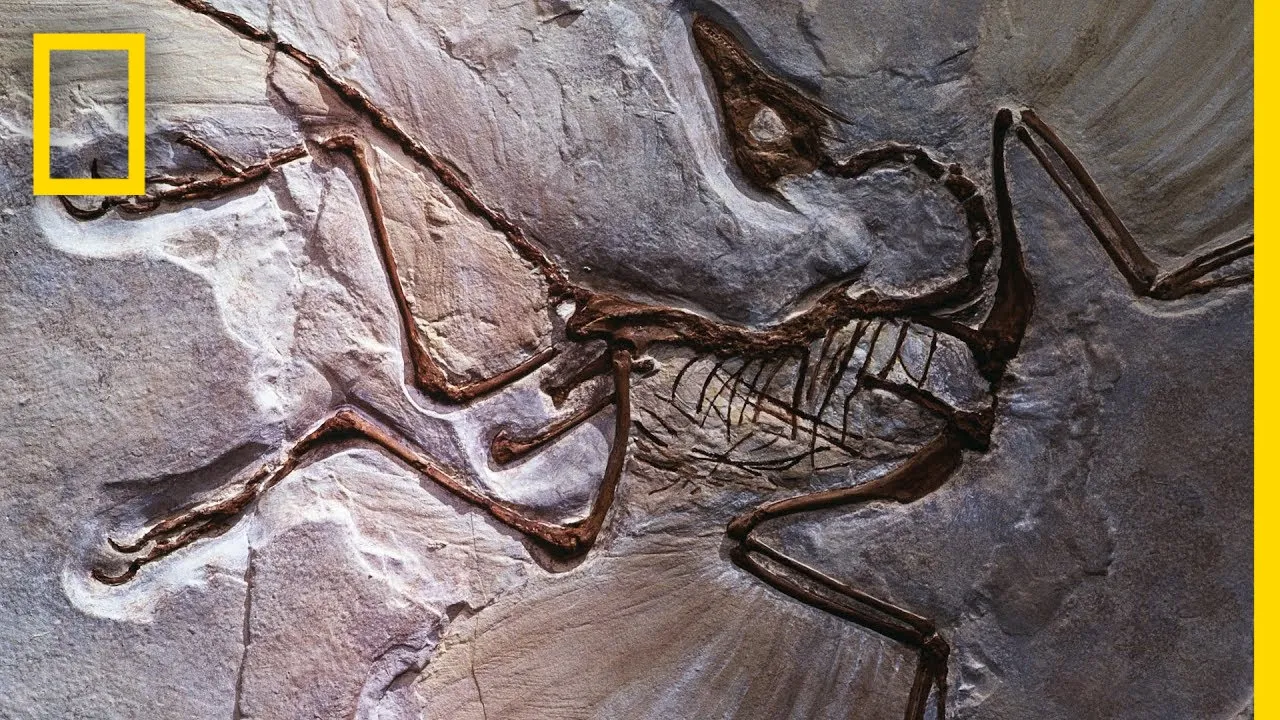















Evolution is supported by four key lines of evidence: fossil records showing transitional forms like horse and whale evolution; comparative anatomy revealing homologous structures (same origin, different functions) indicating common ancestry, analogous structures (same function, different origins) showing convergent evolution, and vestigial structures (reduced remnants from ancestors); embryonic development demonstrating similar early stages across species; and genetic information showing DNA similarities between species, such as humans sharing 98.8% DNA with chimpanzees.
Grade 10 Science: Evidences of Evolution | Fossil Records & DNA
Added:The basic concept of evolution and Charles Darwin's theory of natural selection.
The fundamental structure and function of DNA, genes, and how genetic inheritance works.
How fossils are formed (fossilization) and a general understanding of the geologic time scale.
Basic concepts of anatomy and taxonomy, including how organisms are classified into species.
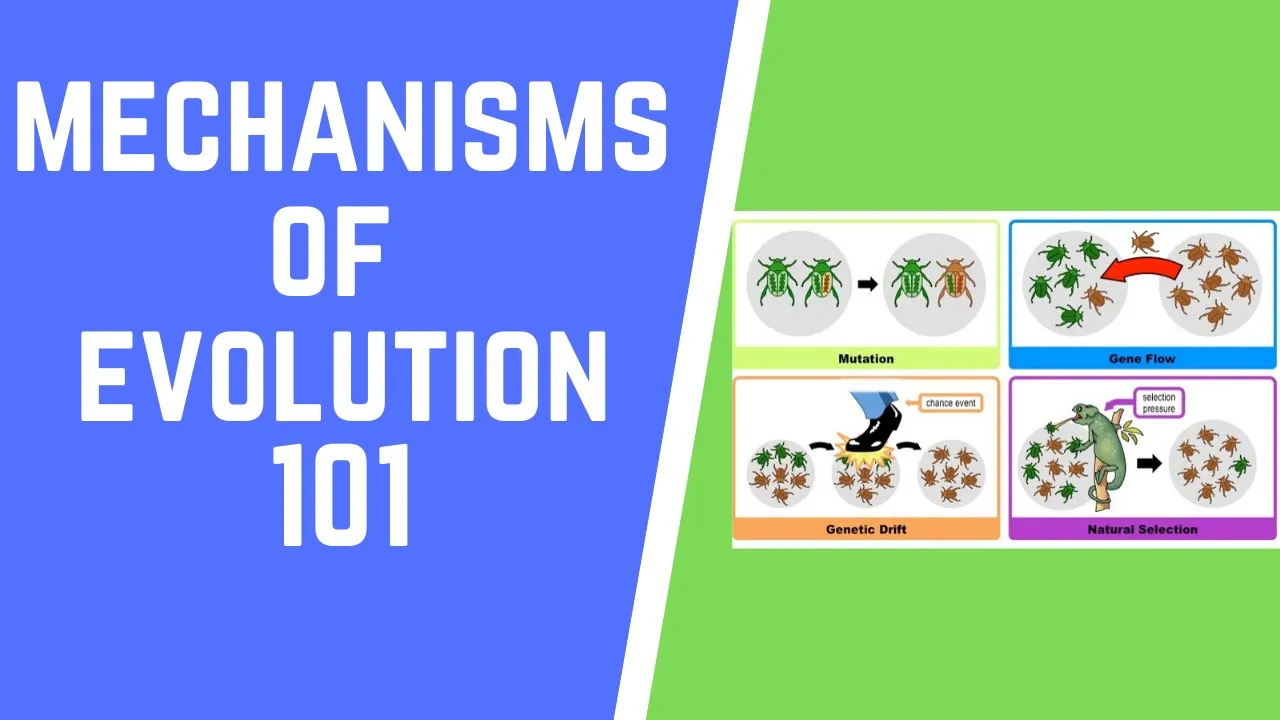
The specific mechanisms of evolutionary change, such as genetic drift, gene flow, and mutations.
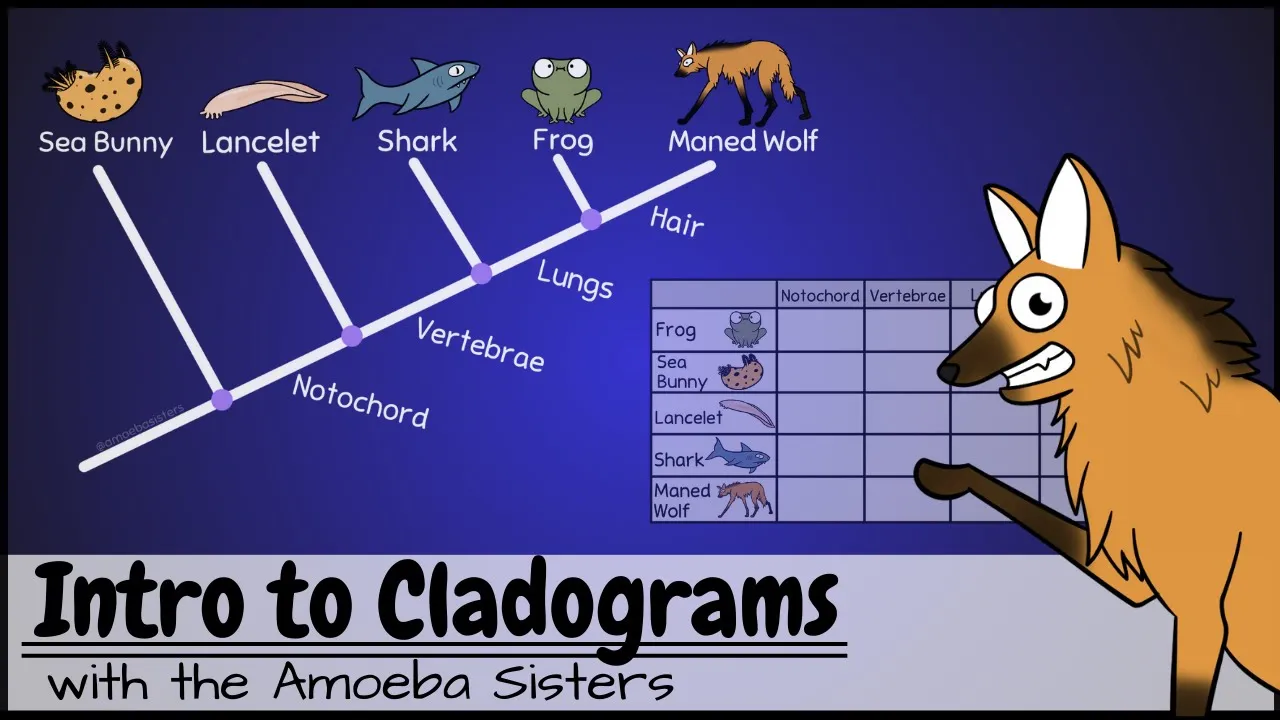
How to read, interpret, and construct phylogenetic trees and cladograms to map evolutionary relationships.
The process of speciation, exploring how geographic and reproductive isolation lead to the rise of new species.
Real-world applications of evolutionary biology, such as tracking antibiotic resistance in medicine and understanding biodiversity conservation.
277K views3.5Klikes23:05Original Release: 2021-04-25
Hi students, welcome back to my channel.
For today, our lesson is all about the evidences of evolution.
[Music] This is module 5 of grade 10 science and our most essential learning competency is to explain how fossil records, comparative anatomy, and genetic information provide evidence for evolution.
What is evolution in the first place?
Evolution is the change in inherited traits over successive generations in populations of organisms.
This change allowed organisms to adapt and survive in their environment.
organism throughout the years organism.
We will be discussing four evidences of evolution. First we have fossil records.
Second comparative anatomy. Third embryionic development. And fourth genetic information.
Let's start with fossil records.
What are fossils or fossil records?
Fossil records are traces of organisms that lived in the past and were preserved by natural process or catastrophic events.
Fossils document the existence of now extinct past species that are related to present day species.
Fossils are usually found in sedimentary rocks just like what is shown in the picture on the screen.
There are six main types of fossils.
However, we will be focusing on two.
Those are imprints and compressions.
What is the difference between the two?
Imprints are shallow external molds left by animal or plant tissues with little or no organic materials present.
type of rock where the fossil is found.
That's why it's called imprint.
On the other hand, compressions are animal or plant tissues preserved in sedimentary rocks and is formed with more organic material. So possible plant or animal sedimentary rock organic materials.
The next question is how are the ages of fossils determined? Scientists have two methods.
First is relative dating.
When we say relative dating, the age of rock is compared to the other rock layers. Relative we relate the age of rocks. So usually layer layer. Dark green after millions of years.
layer organism organism.
radiometric dating or radioactive dating isotope carbon carbon 14.
living isotopes, radioactive isotopes and one of them is carbon 14. That's why this method is one of the best known methods of dating fossils.
Now what is an example of fossil records that we can use in this discussion?
The picture shown on your screen is the evolution of a horse.
Aside from that, if we examine the hooves or the forefoot of these horses, we can see differences.
In the modern horse, we can see that the bone is like a single bone. Whereas, as you go back in time, extra parts.
After millions of years, after millions of years again until now and that is found in fossils of these horses.
Another thing is fossil record of whale evolution.
The one on the uppermost left is a pakisetus which lived about 56 to 41 million years ago. It was believed to be the ancestor of the whaleita limbs. On the second picture, we have the rodetus mega limbs and these lived 47 million years ago.
[Music] The third picture shows the fossil remains of a Dorodon which lived around 40 to 33 million years ago. And this is a fully aquatic animal already.
May limbs perpet.
And then we have the balena bala.
It is the most recent whale ancestor and we can see that it is quite similar to the dorodon except now part.
So you see that these four species are believed to be the ancestors of the whale. And we can see that up to present me pelvis whaleagamit.
Also, if we look at the head of the whale based on fossil records, we can see that the nostrils seem to be located nearer the end of the nose.
Okay.
As years went by, until such time We call them blow holes.
So therefore we can say that fossil records serve as strong evidences for evolution because we can actually compare or visualize what is the appearance of a specy millions of years ago or for different eras.
Next, the next evidence is comparative anatomy. Comparative anatomy is the study of the similarities and differences in the structures of different species. And here we will be discussing three types of structures. We have homologous structures, analogous structures and vestigial structures.
What is the difference among the three?
Let's start with homologous structures.
Homologous structures are body parts of organisms that may perform different functions but are of the same origin.
segments paraso tong upper arm lower arm tong wrist me palm tong fingers cats whales and bats have similar features although the limbs of cats whales and bats have different functions the presence of homologous structures is a strong indicator that the organisms evolved from common ancestors so these Similar parts are colored the same. For example, humorus cat whale to sabat. Same with the radius, the ulna, carpals, metacarpals and the fallenes.
Homologous structures is related to a concept we call divergent evolution.
Divergent evolution simply tells us that although specific species have common ancestors, they adapt different trait. For example, on the left side of the screen, we can say that all dog species came from wolves. But then we have different dog breeds. We have different dog species. Similarly, zebras, donkeys, and horses are related. But they come from only one ancestor.
Up next is analogous structures. So how is this different from homologous structures?
Analogous structures are body parts of organisms that may perform the same function but are of different origins.
For example, we can compare bird wings, insect wings, and bat wings.
All these three organisms come from kingdom animalia. However, they are from different classes. Birds came from class a butterflies come from class insecta and bats are of course class mamalia.
So although they have different classes, they are all able to fly. So all of these structures are used for the same function for flying. However, each organism has a distinct ancestor.
Analogous structure k homologous structure.
And if homologous structures are related to divergent evolution, analogous structures are related to convergent evolution. This means that two or different species evolve similar traits in spite of having distinct ancestors.
Just like bats and whales, they both are capable of what we call echolocation or they can find something by just releasing sound and that sound helps them find food or helps them in their hunting.
The next type of structures is vestigial structures.
Vestigial structures are body parts that are useless or left over from a previous ancestor in which they were useful.
If you remember, we have discussed about the fossil records of whales.
Modern whales are found to still have pelvic bones. Pelvic bones. Pelvic bones are like hipbones.
hipbones and this is related to the ancient whales limbs. They can walk on land. So up to now we regard this pelvic bones as vestigial structures.
The wings of ostriches are also regarded as vestigial structures.
Ostrich, the wings of an ostrich are too small to allow them to fly. Also, we have cave fish. If you compare a cave with a surface fish, caveat is cave fish. This means that these eyes are considered as vestigial structures.
For humans, we have a few vestigial structures. First of them is the appendix.
Maybe you have heard of some people who were treated with appendicitis.
It's a possible cause of appendicitis.
However, the appendix itself is a vestigial structure.
The next one is the wisdom tooth.
extra set of teeth.
That's why it is considered as a vestigial structure.
Um, wisdom.
Another vestigial structure of humans are the bones found in the external ear.
According to scientists, um there are bones in the external ear that allow our ancestors to move the ears.
That is a previous function of our ancestors. But now we do not need it.
That's why it's considered vestigial.
Finally, we also have tailbones. If we examine our skeletal system, we will notice that at the end of the vertebrae, we have a bone there which is like a tail. So, possible now millions of years ago, humans have tails.
evolve from chimpanzees.
Separate discussion about chimpanzees.
Let's go now to the third evidence of evolution and that is embryionic development.
Embryionic development is the portion of the life cycle that begins just after fertilization.
Many organisms have similar embryos supporting the idea of common ancestors.
Prepare to embryo nto.
On the first column we have the embryo of a lizard. Second column the embryo of a tortoise or a turtle. Third column the embryo of a pig. And then finally the embryo of a human. So early stages embryo organism.
Therefore we can say that these organisms are somehow related. Also the early stages of the embryos have gills leads even the humans.
Our early stage embryo have gills. We also have tail.
Here we can say that the appearance of the early stage embryos of different organisms look alike but then the differences come when they reach the middle stage and of course the mature stage. Finally, let's go to the last evidence of evolution. We have genetic information.
This is related to our previous lesson about mutations in module 4. Here we can say that small mutations or changes in the DNA eventually lead to the evolution of new species. If in our previous discussion we said that a single insertion or a single deletion or a single substitution could lead to a major change in appearance down syndrome Kleinfelter syndrome cell anemia cystic fibrosis DNA A nitrogenous base chromosome. These small changes over time can lead to evolution.
Here at the bottom part of the slide, we can see different organisms. We have the human. Okay, we have the macak which is an oldworld monkey. And then we have the dog, the bird, then the frog. And then the lampre which is an aquatic vertebrate amino acid differences organism closest relative.
If your answer is the monkey, your answer is correct.
However, there is a specific breed or species of a monkey that is the closest to us and that is the chimpanzeee.
Here I am showing you the chromosomes of humans and chimpanzees placed side by side. If you remember, I have told you in my previous videos that humans have 46 chromosomes or 23 pairs of chromosomes. On the other hand, chimpanzees have 48 chromosomes.
Chromosome number two instead.
Statistically, humans and chimpanzees have 98.8% similar DNA. So 1.2% 2% difference account differences differences um traits between the human and the chimpanzeee. And here I have an example of amino acid sequences of different animals. This is only for hemoglobin because we have different types of molecules. We can see here that the human and chimpanze exactly the same sequence of amino acids but the horse, the gorilla and then the zebra they are different.
is the chimpanzeee. So again quick recap of what we have discussed today. Today we have discussed the four evidences of evolution. We have fossil records.
We have comparative anatomy and then we discussed the embryionic development and finally we discussed genetic information.
That's all for today's discussion. I hope you learned something from me in this lesson. So, if you learned something, please don't forget to like this video and if you are new to this channel, don't forget to subscribe. See you next video lesson. Bye.
Up Next
3:27
Human Evolution Timeline: From Primordial Life to Homo Sapiens
@InsiderTech
5.7M views•2018-03-25
50:12
Bacterial Communication: Quorum Sensing and Biofilm Formation Explained
@JHUAAP
12.6K views•2011-06-28

5:35
Enteric Nervous System Explained: The Gut's Brain | Neurobiology Lecture
@alumniu6029
438 views•2018-09-12
7:08
Bacteriophages: Earth's Deadliest Killers and Future Antibiotics
@kurzgesagt
34.6M views•2018-05-13
Related Study Plans & Knowledge Roadmaps
Structured learning paths in Biology
biology
RNAi: Biogenesis, RISC & Gene Silencing
01Molecular Biology Foundations: DNA to Protein
02Introduction to RNA Interference (RNAi)
03Molecular Biogenesis of miRNA and siRNA
+ 2 more learning modules
10h5 modules
Explore Roadmap
biology
Mycorrhizae: Signaling, Biophysics & Ecology
01Foundations of Mycorrhizal Symbiosis
02Molecular Signaling and Root Colonization
03Biophysics and Bioenergetics of Nutrient Exchange
+ 1 more learning modules
11h4 modules
Explore Roadmap
biology
Circadian Clocks: TTFL, SCN & Periphery
01Foundations of Molecular Biology & Gene Expression
02Introduction to Chronobiology and Actograms
03The Core TTFL: Molecular Architecture of the Clock
+ 3 more learning modules
14h6 modules
Explore Roadmap
biology
Population Genetics: Math, Drift & Selection
01Genetic & Probability Foundations
02The Hardy-Weinberg Principle and Baseline Models
03Mathematical Modeling of Natural Selection
+ 3 more learning modules
18h6 modules
Explore Roadmap