







![ONE SHOT- BODY FLUIDS AND CIRCULATION [NEET 2024]](https://i.ytimg.com/vi/U1HWN65abEg/maxresdefault.jpg)


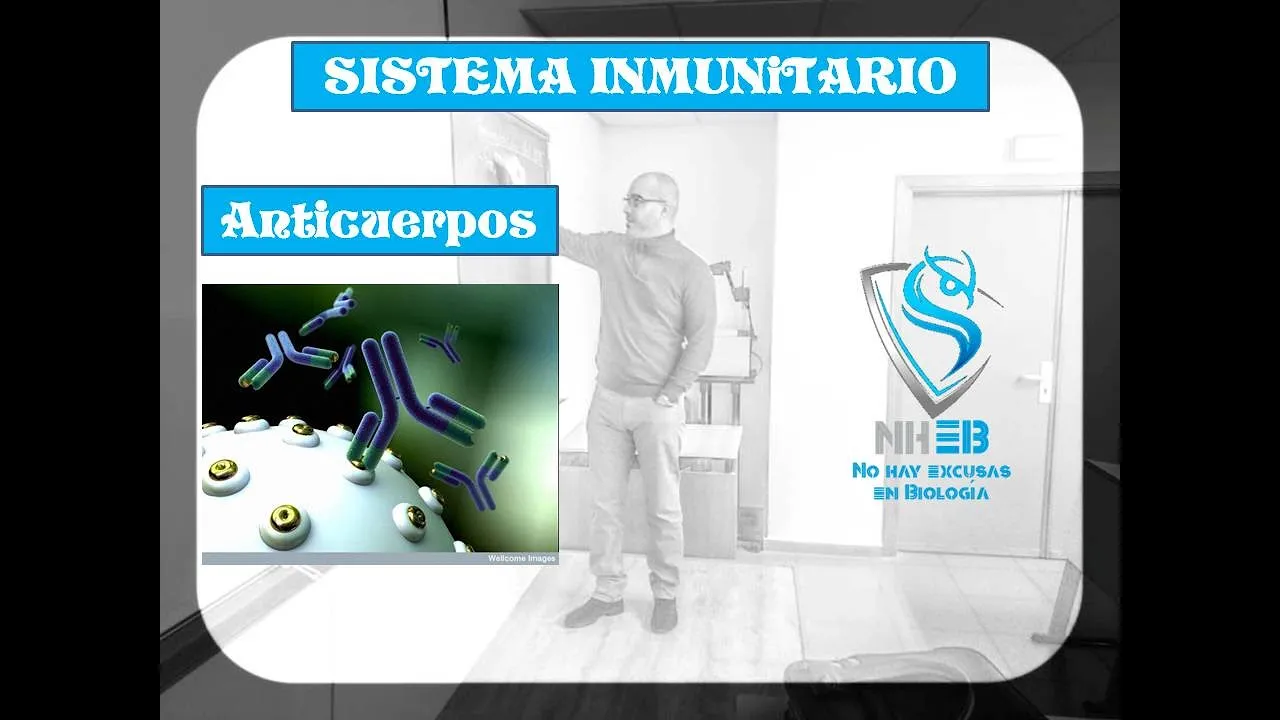






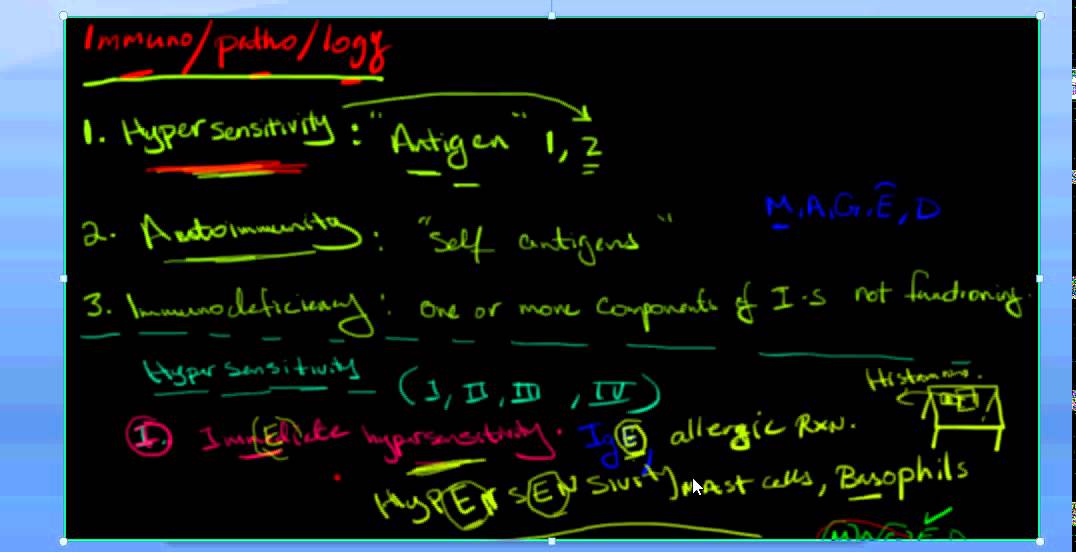

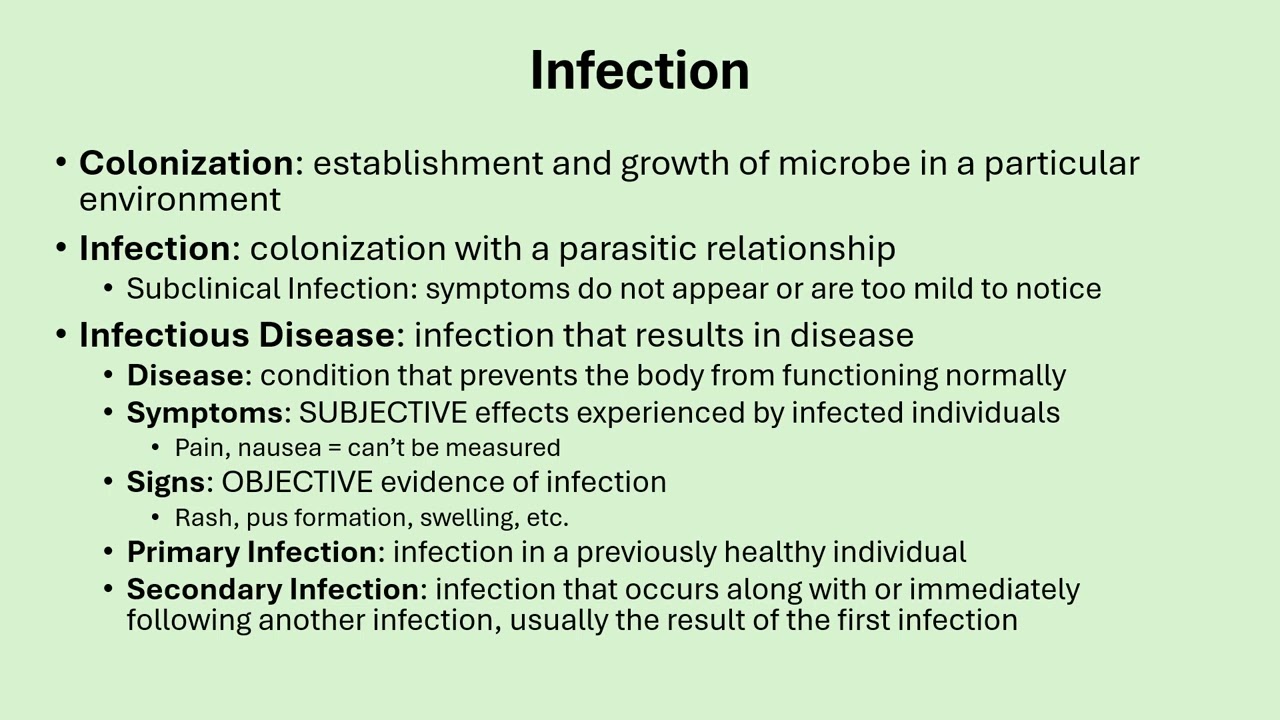


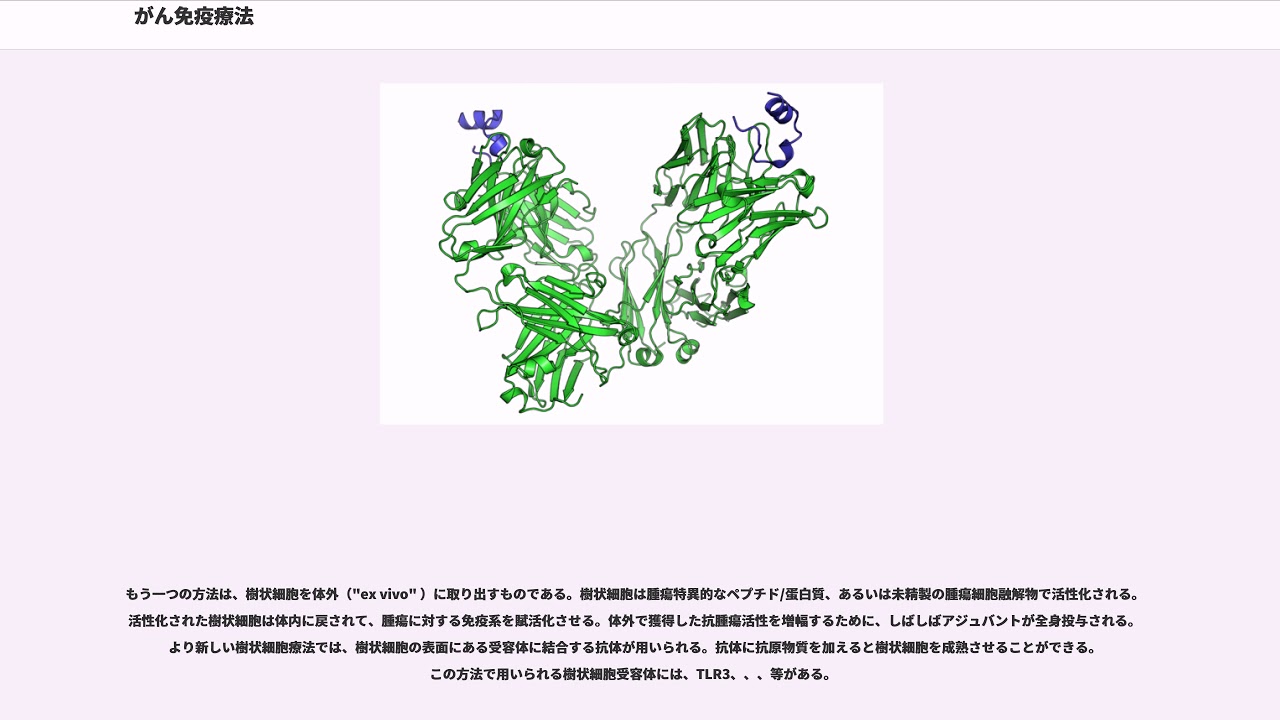
The human immune system employs two complementary defense strategies: the innate (non-specific) immune system, which provides immediate protection through physical barriers like skin and mucous membranes, inflammatory responses involving mast cells and histamine, and specialized cells such as phagocytes (neutrophils and macrophages), natural killer cells that detect stressed cells by recognizing absent MHC I proteins, and dendritic cells that bridge innate and adaptive immunity; and the acquired (adaptive) immune system, which develops more slowly but provides targeted, long-lasting protection through lymphocytes (T cells maturing in the thymus and B cells maturing in bone marrow), where helper T cells coordinate immune responses by releasing interleukins, cytotoxic T cells kill infected cells, and B cells produce antibodies that mark pathogens for destruction while generating memory cells for future immunity.
Understanding the Immune System: Innate and Adaptive Defenses Explained
Added:Sex and not dying.
That's what biology is all about.
And while the sex part is, I'll grant you, a little bit sexier, not dying is also really fantastic... something that I, personally, like to do every single day.
I, personally, like to not die in all sorts of ways.
Like, I don't jump out of planes, I don't go into active combat zones, I don't do heroin, but I can, however, spend time wallowing in filth with my cute bacon-producing friends here and not have to worry about dying.
Because, somehow, my body can handle a lot of little devils on my hands, in my air, in my food, little things that literally want to kill me.
There are more potential human killers in this pig pen than there are in all of the world's prisons, but I don't have to worry about it because of the elite team of microscopic assassins that live inside my body.
My immune system.
Ahh! That was really close to my hand!
You've heard of some of these little ninjas, others maybe not, but everyone knows the work they do by the trail of dead that they leave behind.
Pus, being the most disgusting example.
And the work these guys do is pretty hardcore.
They not only identify incoming enemies, they eliminate them, and then they keep files on them, in case their kind ever comes back.
I don't want to freak you out, but you, and I, are covered in pathogens right now.
And you really can't blame them for wanting to get a piece of your action.
Your warm, high-energy, nutrient- rich, salty, watery action.
Your body is a theme park for these guys, and although the majority of organisms living inside you actually make your life more comfy, there are some less-helpful viruses and organisms, from here on out referred to as pathogens, that will want to turn your body into a factory for their children.
So let's avoid that!
We have two basic ways of doing it: innate, or non-specific, immunity that responds to all kinds of pathogens the same way and very quickly, whether your body has seen that pathogen before or not.
And your acquired, or adaptive, immunity which develops more slowly and requires your body to learn the wily ways of the pathogen before it defeats it.
Every animal has an innate immune system, even sponges!
But only vertebrates have the acquired kind.
You were born with your innate immune system.
And from the second you wriggled your way out of the sterile environment of your Mom and into this germy, disgusting world, that system has been protecting you.
The thing about the innate immune system is that it doesn't care what it's killing.
It doesn't worry about whether it's offing a virus or bacteria or fungus.
Its job is to just keep the enemy from getting in, or once it's in, to sneak up behind it and break its neck, ninja style.
The first line of defense in keeping sketchy characters out are the skin and mucous membranes.
The skin has so many excellent functions, like keeping your organs in, that it's easy to forget that its primary purpose is to keep things out.
It's oily and kind of acidic, and really not easy to penetrate.
And I'm about to rock your world with this, but your digestive tract is also technically the outside of you.
Remember how our whole bodies are basically just a built around a tube, right?
Well, the inside of that tube is exposed to as much weird, grody stuff as the outside of the tube.
So, your body treats the digestive tract like the front lines of this war, which is one of the reasons why your stomach takes no prisoners with the whole stomach acid situation.
In addition to things like skin, we've also got mucous membranes providing another barrier to microbes trying to sneak in.
Mucus membranes line all of your internal surfaces that are exposed to the outside like your lungs and the inside of your nose, as well as some other parts of your body like the inside of your mouth, and your eyelids and your sex organs.
Mucous membranes unsurprisingly produce mucus, which is a viscous fluid, you've probably heard of it, and it traps microbes and helps sweep them away.
This is why illness is so often associated with such awe-inspiring amounts of goop.
Your second line of defense is your inflammatory response.
The honchos here are specialized cells in your connective tissue called mast cells that constantly search for suspicious objects, usually unknown proteins, and then release signaling molecules, like histamine when they find them.
Histamine makes your blood vessels more permeable, which allows a whole bunch of fluid to flow to the affected area.
And that is what causes inflammation, but it also brings in a crap-ton of white-blood cells, infection-fighters, to go all Balrog on whatever's trying to make its way in.
Now, this is great if you get a splinter in your toe or a bunch of viruses in your face, but sometimes something gets into you that's not actually dangerous like pollen or dust or, like, a peanut and your innate immune system triggers an inflammatory response anyway, even though it's not a big deal.
This is what we call an allergic reaction, and you know what those are like with the swelling, redness, mucus production, itching, and occasionally a little bit of death.
So that is why we take antihistamines to suppress the histamine trigger so our immune systems stop freaking out about nothing, also, that is why you should always tell people when there are peanuts in your cookies.
Most of the immune system activity that happens inside your body's fortress is done by white blood cells, or leukocytes.
Leukocytes are awesome for a lot of reasons, but one reason is they've got full VIP access to anywhere in the body that they want to go, with the exception of the central nervous system: the brain and spinal cord, which are, for obvious reasons, super high security areas.
Leukocytes can move through the circulatory system and when they get to a place where they're needed, they can basically send a signal to ask the capillary to open a gap between it's cells and then it oozes through that gap to the site of the infection, this is called, get ready for it, diapedesis.
From the greek for "oozing through."
There are lot of different kinds of leukocytes, like different branches of your own personal microscopic army.
The kind specific to the innate immune system are phagocytes, more greek, this time Phago, meaning eating.
And they're just any cells that ingest microorganisms through the process of phagocytosis.
Phagocytes are pretty cool.
They can literally chase down the invading cells, grab them and then completely engulf them.
And some, like the super-abundant neutrophils, move around the bloodstream, and can quickly get to where the action is.
Once a neutrophil kills an invading microbe, they basically just roll over and die.
Dead neutrophils collect together into what we lovingly call pus.
The biggest and baddest of the phagocytes are the macrophages, the "big eaters," which don't generally travel a lot, but instead hang out like bodyguards in your various organs.
Not only do they kill outside invaders, they can also detect when one of your cells has gone rogue, like a cancer cell, and kill those, too.
And they, unlike the neutrophils, don't die once they've killed a bacterium.
They can eat up to 100 before they die.
BIG EATER!
Of all the grisly stuff that goes on in the never-ending street war that is your immune system, some of the most gruesome stuff is done by a kind of cell called "Natural Killer Cells" which reminds me, I think it's time for our very first Open Letter.
An open letter, to 1973.
Dear 1973, You had a lot going on, the Vietnam war ending, Roe v Wade, Watergate...it was a tumultuous time.
But part of me wishes that you, 1973, had an opportunity to name everything in biology because you got one chance to name a new type of immune cell, and you named it "The Natural Killer Cell" and I freaking love that.
I look around at today's script with all of it's dendritic cells and macrophages and dieapudeesises and I think, what if we let 1973 name all these things, would we have Spikey Death Cells, Devourerers, and Oozing Action instead?
I don't know...maybe you would have screwed it up, but I don't think you could have done any worse than all of this GD greek we have to deal with all the time.
Thanks for the Endangered Species Act! - Hank Ok! Natural Killer Cells, more than just a great name, also the only phagocyte in the innate immune system that destroys other human cells.
When your cells are healthy, they have a special protein on their surface called MHC I MHC for major histocompatability complex.
But when your cells are infected, say with a virus, or when they're cancerous, they stop producing that protein.
So the Natural Killers are always going around checking up on each of your cells, and when it finds one that's not normal, it pulls out it's AK47 and unloads.
Actually, it just binds with it and then secretes an enzyme that dissolves its membrane, but still. Killing.
Finally, dendritic cells are a type of phagocyte that hangs out on the surface of much of your body that comes in contact with the environment in your nose, on your skin, in your stomach and intestines.
They eat up pathogens and then carry information about them back to the spleen or lymph nodes, where it passes intelligence about what's going on on the war front to the acquired immune system.
I actually studied dendritic cells in my undergraduate thesis and I kinda fell in love with them.
They're lethal... but they're also intelligent, great heroes for any Robert Ludlum novel.
To be fair though, macrophages can do this too.
The activity of these cells give us a chance to transfer from the innate immune system to the acquired immune system, which is going to make things a little more complicated.
The acquired system has to learn as much as it can about every pathogen it interacts with, store that information, and then use it to invent defenses against them.
It's your super-elite, double-secret strike force delta.
You get to work building your acquired immune system immediately after you're born, harvesting bacteria and other stuff not just good bacteria that can help your guts out, but also harmful ones that your body learns from and stores information about.
That system keeps an eye out for any foreign substance: a toxin, a virus, a bacteria, even parts of those things that could be tell-tale signs of a bad guy.
We call those signs antigens, a word that comes from antibody generator.
An antigen is anything that causes your immune system to ID a pathogen and then create an antibody against it.
Now antibodies aren't cells, they're highly specialized proteins produced by B cells to recognize and help lay the smack-down on intruders.
But antibodies can't kill invaders themselves.
They're just little proteins after all.
The best that they can do by themselves is just swarm all over the invader, making it harder for it to move, and to excrete toxins, or otherwise infiltrate healthy cells.
But more often, antibodies serve as "tags," attaching themselves to the scumbags and then releasing chemical signals to nearby phagocytes, alerting them that it's dinner time.
Your acquired immune system also has its own type of white blood cells.
Not phagocytes, which go after everything that looks a little bit sketchy, but lymphocytes, which go after specific things that they already know about.
There are two major types of lymphocytes: the T cells, which form in your bone marrow and migrate and mature in the thymus gland, behind your breastbone, and B cells, which originate and mature in the bone marrow.
What T and B actually stand for is a long story, but if it helps you to remember: T's mature in the thymus, B's in the bone marrow.
We have two different types of lymphocytes because our bodies have two different types of acquired immunity, the cell-mediated response which is for when the cells are already infected, and the humoral response, for when the infection is just in the humors, the body's fluid, not in the cells.
First, let's look at the cell-mediated response.
This process mainly involves T cells, and there are quite a number of different types of them.
Helper T cells have a cute-sounding name, but in a lot of ways they call the shots for the whole immune system.
While they can't kill pathogens themselves, they activate and direct the cells that can.
If 1973 had named them, they might have been called "Admiral T Cells" or something more awesome.
Helper T cells get their information from other immune cells that are out cracking skulls.
Say, for instance, a macrophage finds a pathogen and destroys it.
After the deed has been done, it has the ability to shred up the proteins from an invader, and put a bit of that antigen on its membrane surface.
This is called antigen-presentation because the cell is... presenting antigens!
A helper T-cell can detect when this happens and it comes over to attach itself to the presented antigen.
The two cells talk to each other chemically.
The antigen presenting cell produces a chemical called Interleukin 1 which basically tells the Helper T cell, "Uh, boss, I found this guy over here and then I broke his neck and then I stuck his guts all over my cell wall."
And the Helper T cell gives it a look and then releases a chemical called Interleukin 2, which is like a bullhorn, an alarm that tells all the lymphocytes in the area, "THERE ARE PROBLEMS HERE!
WE'VE GOT A PROBLEM OVER HERE IN SECTOR 15!"
This alarm activates a couple of different things all at once: First, the Helper T cell starts making copies, tons of copies, of itself.
Most of those copies differentiate into effector T cells, which travel around secreting signaling proteins that stimulate other nearby lymphocytes to take action.
Most of the rest of them become memory T cells.
They're the ones that keep a record of the intruder and provide us with future immunity against it.
And now for the saddest story of the day.
What happens when a cell gets infected.
SO infected that it knows that it's a goner, that it, in fact, is being converted from a healthy, useful part of the body, to an evil zombie farm, pumping out viruses or bacteria, suddenly co-opted to help destroy everything it loves?
Well, with its last bit of strength, it'll start presenting antigens, not asking to be rescued, but instead asking for a mercy killing.
The cytotoxic T cell has the job of granting that request.
Once a cytotoxic T cell gets the message from the helper T cells that there's an infection to deal with, it starts patrolling the area for normal cells presenting antigens.
When it finds one, it latches onto it and releases enzymes that create holes in the cell's membrane and eventually breaks down the whole cell, killing the cell and the pathogen in the process.
A human cell killing another human cell.
Now for the Humoral Response.
The humoral response is designed to catch pathogens that are floating around in your body that haven't actually invaded any of your cells yet.
The primary players are B cells, which are constantly patrolling your bloodstream like cops walking the beat until they get a signal from a Helper T cell that something's wrong.
B cells are covered in antibodies that can detect and bind to a specific antigen.
A single B cell can be covered in a forest of up to 100,000 antibodies, say, for the virus that causes the common cold, and the B cell next to it will have just as many receptors for a different antigen, for chicken pox or something.
When a B cell bumps into a pathogen that it recognizes, it attaches to it and starts cloning itself like crazy.
Suddenly there are tons of that B cell with the same receptor but during the cloning process, the clones differentiate into new versions of the original just like the T Cells did.
Most turn into plasma or effector cells, which use the antibody as a blueprint to creating a crap-ton of antibodies for that specific pathogen like 200 antibodies per second!
Once these antibodies are released, they bind to the pathogens like crazy, marking them for death until a phagocyte can come along and do the dirty work.
The rest of the cloned B cells mostly become memory cells, which have the same receptor and stick around, providing future immunity from this invader.
And we are now very out of time, but I really love this stuff, so I didn't want to gloss over anything.
Mucus, natural killer cells, macrophages killing things, breaking them up and sticking them on their cell membranes, effector cells spewing out antibodies, and memory cells, making sure that our immune systems hold that grudge, all because my absolute favorite thing to do every single day is not die.
If you want to review anything we discussed in this episode there's a table of contents over there.
If you have any questions for us, we'll be down in the comments or on Facebook or Twitter.
And we'll see you next time.
Up Next
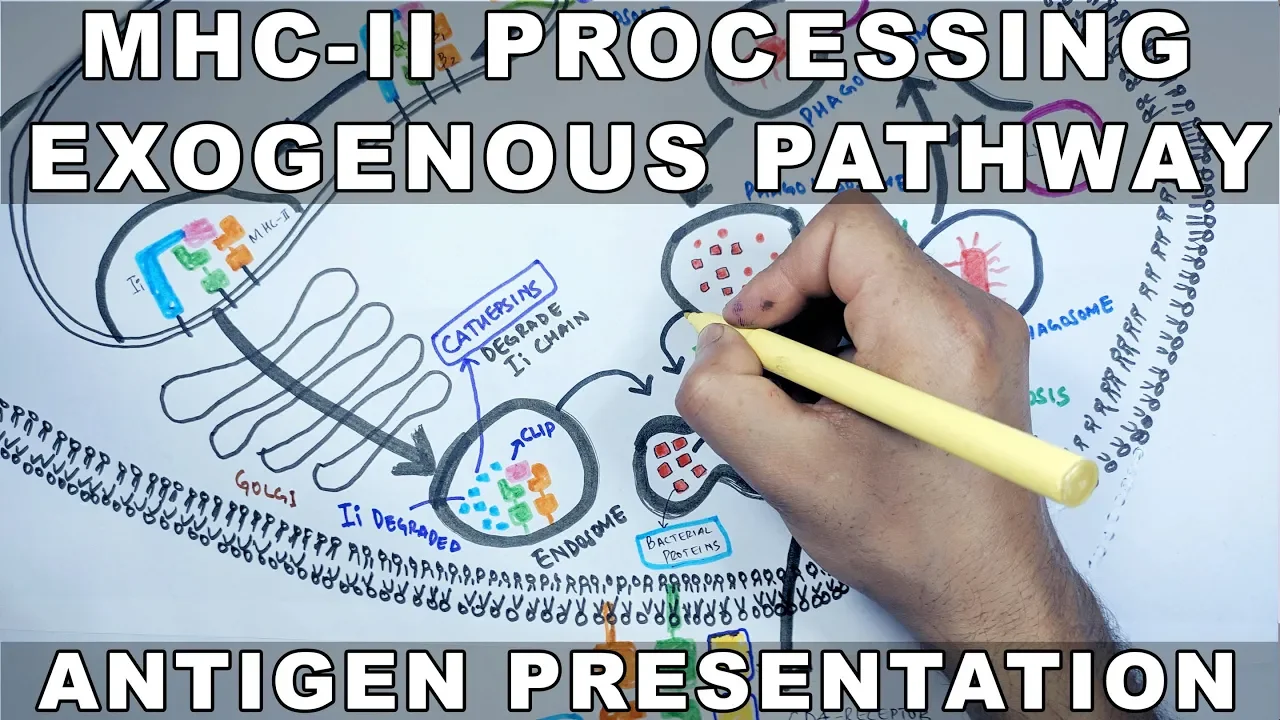
Exogenous Antigen Presentation Pathway via MHC II Processing
@hussainbiology
94.6K views•2019-07-23
Bacterial Communication: Quorum Sensing and Biofilm Formation Explained
@JHUAAP
12.6K views•2011-06-28

Population Genetics: Darwin Meets Mendel | HHMI BioInteractive
@crashcourse
1.8M views•2012-05-28
Bacteriophages: Earth's Deadliest Killers and Future Antibiotics
@kurzgesagt
34.6M views•2018-05-13
Related Study Plans & Knowledge Roadmaps
Structured learning paths in Biology