


![Genetyka - Pojecia - Allel - Homozygota - Genotyp - Fenotyp - Biologia [8 Klasa] - Dziedziczenie](https://i.ytimg.com/vi/UfQJV02MREU/maxresdefault.jpg)










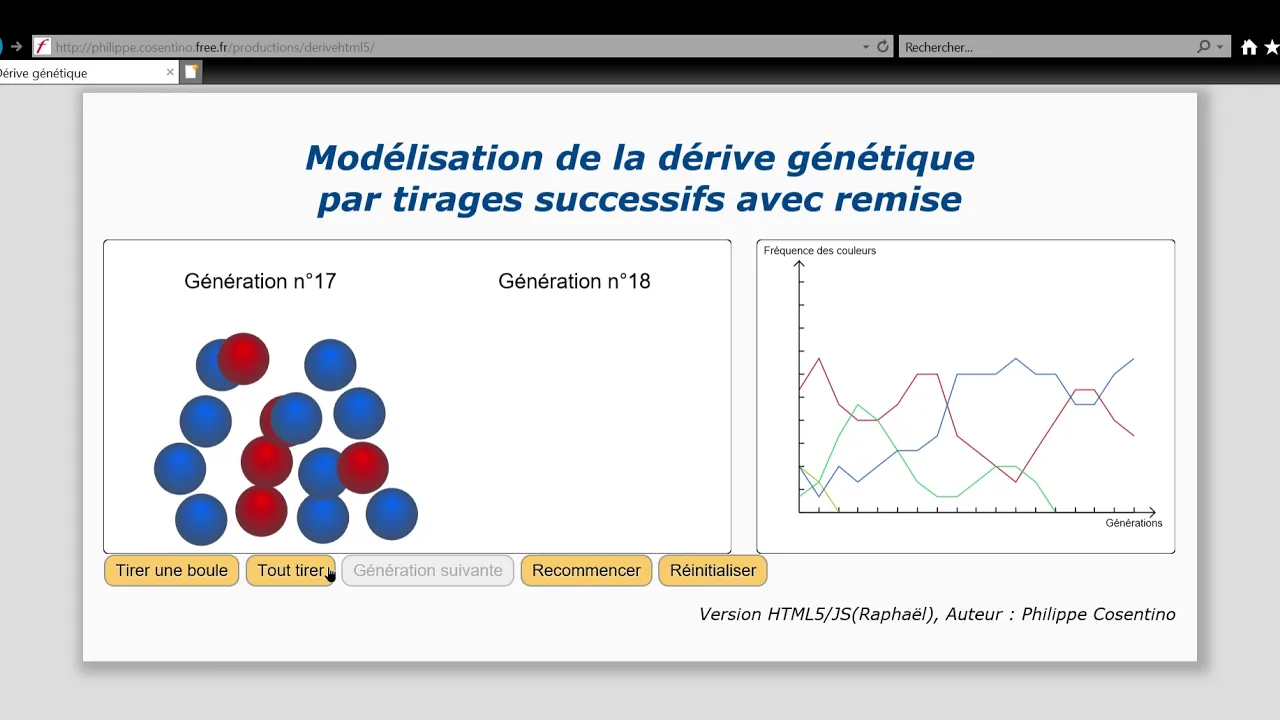


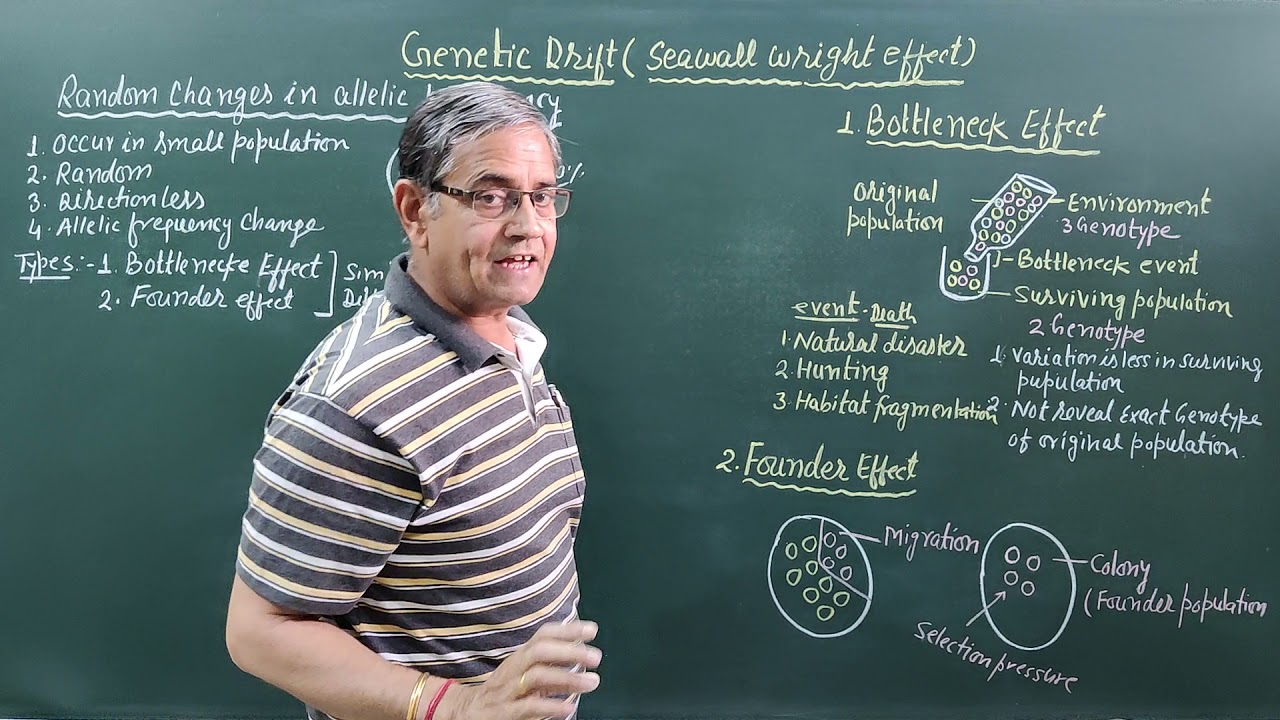






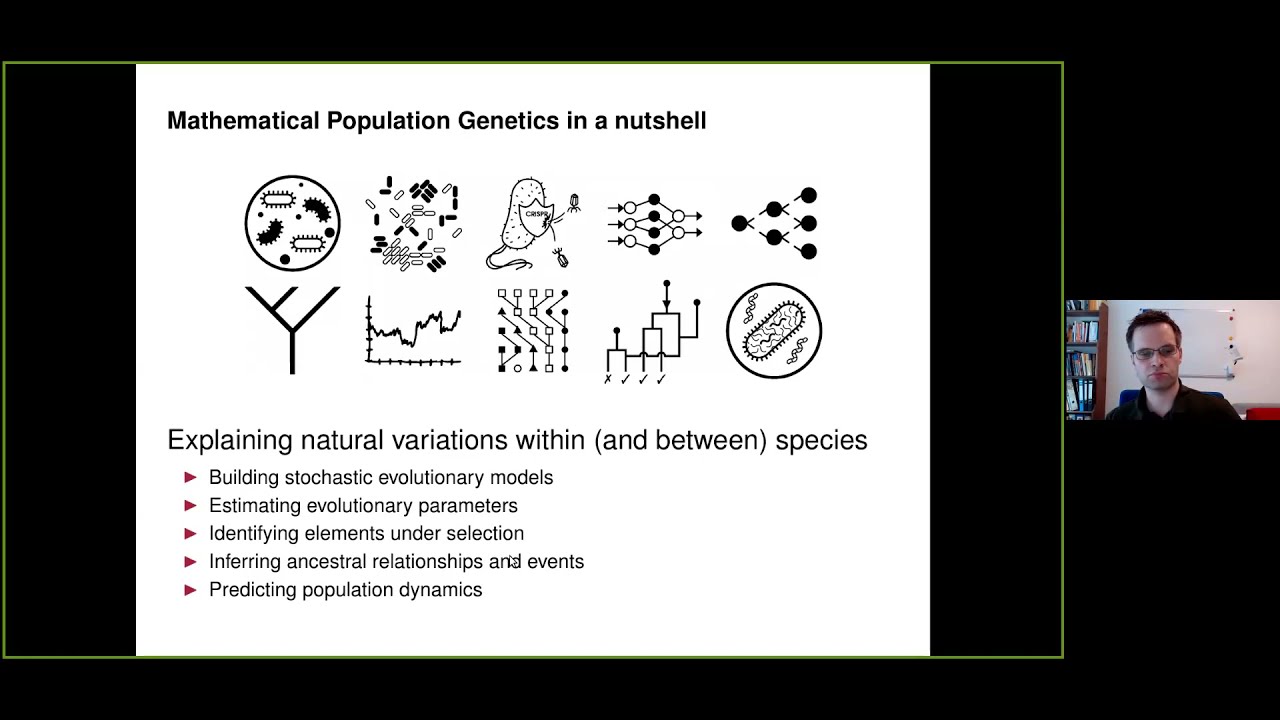
This video introduces DE 1.0, an Excel-based simulation software for studying population genetics, which overcomes limitations of physical classroom simulations by allowing users to manipulate five evolutionary forces (mutation, selection, immigration, genetic drift, and bottleneck effects) across 50 generations to observe how allele frequencies change over time.
Population Genetics Simulation with De 1.0: Evolutionary Forces
Added:Basic understanding of Mendelian genetics, including the concepts of alleles, genotypes, and phenotypes.
The Hardy-Weinberg Principle and the conditions required for a population to remain in evolutionary equilibrium.
Conceptual definitions of the core evolutionary forces: mutation, natural selection, gene flow, and genetic drift.
Fundamental navigation and data entry skills within spreadsheet software like Microsoft Excel.
Analyzing and graphing simulation data to track how allele frequencies change over generations.
Understanding the concept of genetic fixation and calculating the probability of allele loss due to genetic drift.
Exploring real-world applications in conservation biology, such as managing genetic diversity in small or fragmented endangered populations.
Transitioning to advanced computational tools and programming languages (like R or Python) for large-scale population genetics modeling.
542 views1likes6:21Original Release: 2015-08-27
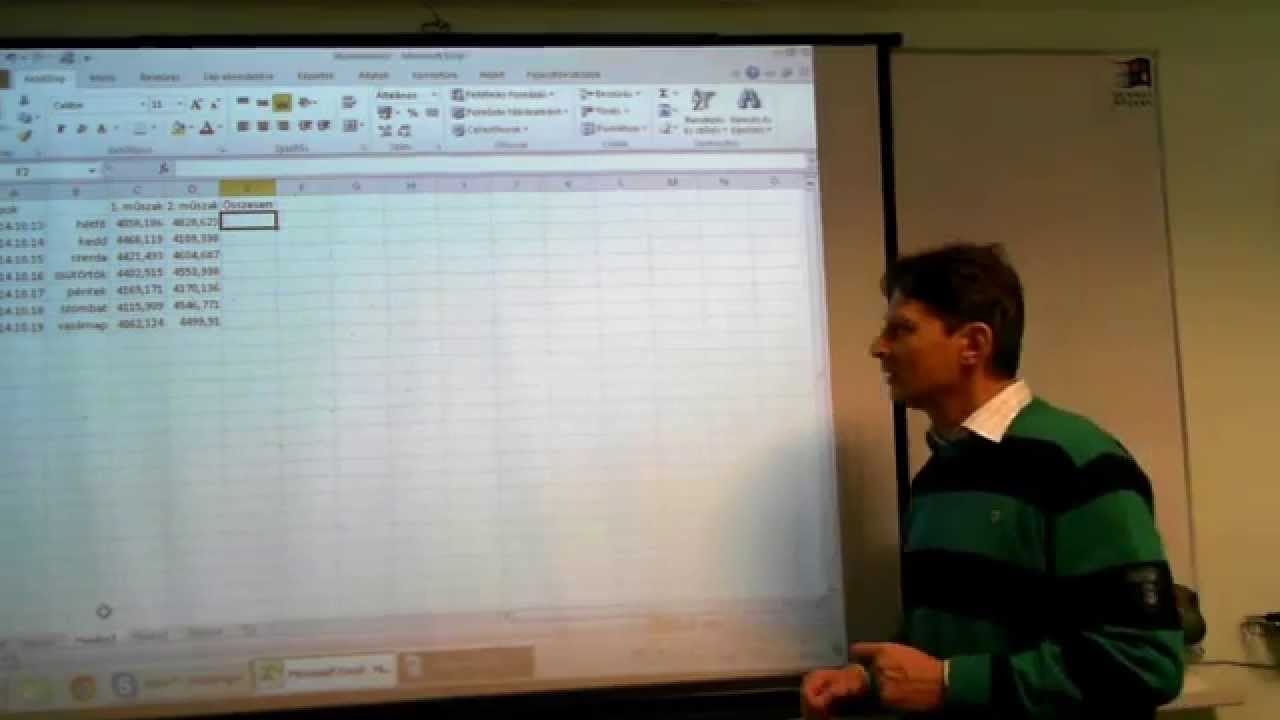
in class we simulated several population genetics experiments we had people act as people and we explored how different forces of evolution would affect Alo frequencies over several Generations but we saw that there were several limitations to doing physical simulations for population genetics first of all because the class was so small it was hard to avoid the effects of genetic drift additionally we couldn't accurate show all the different forces and we couldn't simulate very many generations because we ran out of time so in class tomorrow we're going to use a software program called de 1.0 and this software program is an Excel spreadsheet that will allow us to simulate various forces of evolution and conduct many generations of breeding so that we can get a more accurate picture of how Evolution works so this is what the spreadsheet looks like there are two main pages that you'll be working with the main page shows a graph of the alal frequencies the second page calculations shows the actual data from one generation to the next as you can see de will calculate 50 generations of breeding instantly we could never do this in class with a physical simulation and the calculations will show you from each generation what the frequencies of the genome types are along with Fitness and values of p and Q but for the most part you're going to be working in the main page so let's see what this has to show us the starting conditions show you the initial frequency of p and Q right now the initial frequency of p is 7 but we could change that to 0.5 and you'll see that Q will change automatically because P plus Q have to add up to one you won't be able to change Q all right that's a big no no but you can change p in order to change Q now you see the four different forces of evolution we have mutation rate so if you wanted to change the rate that the a alil mutates to the B version you could enter a number here now a quick note you might be wondering why the genotypes say a a a and BB that's a little bit of a glitch with this program un Al instead of showing a small recessive lowercase a the program shows you a b instead so anytime you see a b you need to think of it as a lowercase recessive a so this is actually the heterozygous genotype and this is the homozygous recessive genotype so going back to mutation this box would let us have a mutation rate of the dominant a to the recessive a and we could type in a number here now mutation rates in the real world are very very low so you wouldn't want to type in something like nine or your graph is going to be crazy the average mutation rate for any given Al is actually [Music] 0.00000000 to five very very small so if you're going to alter these make sure you pick a tiny number we can also change selection as you can see each of the genotypes has number attached to it one indicates that selection favors that genotype so in this case the homozygous dominant and the homozygous recessive genotypes are being favored but if we were to lower these numbers we would see different results immigration another word for gene flow shows how many of each genotype are entering the population we can't simulate immigration directly but you could always put in a negative number so if you put a five here that would mean that five individuals over a certain population size with this genotype are entering the population let's see what happens if we put a -10 in here again you can see that because 10 individuals with the heterozygous genotype are leaving the population it's changed our graph our final force drift is pretty simple to manipulate you can either turn it on or you can turn it off you can also change n n is the population size right now we're working with a population of 2,000 but we could make it as large as 9,000 and if you flip over to the calculations tab you'll see that now our population is 9,000 you could also simulate a bottleneck let's say that for a while you've got a large population but uh oh an earthquake to destroys most of the population reduces it to a th drag this all the way down and then if you go back to the main page you'll see that the alal frequencies have changed as a result finally you have this Legend This controls what your graph actually displays sometimes less is more if you just want to track what p and Q are doing uncheck everything but p and q and this will allow you to see very easily what the pattern and the dominant and recessive Al frequencies are if you're more interested in genotype frequencies then go ahead and click the homozygous dominant heterozygous and homozygous recessive and you'll see that the patterns are a little bit different because sometimes a genotype might protect your particular Alo and that in a nutshell is how this program works tomorrow in class you're going to going to have a chance to manipulate all of these factors and see how they affect the trends in a Leo frequency and if you check your email later today you should see that I have emailed you this document if you are super excited and want to get a head start in playing around with these numbers feel free
Up Next

6:37
Simulating Natural Selection in Python: Modeling Evolution with Code
@ninepointeightone-f9f
923 views•2022-10-17
50:12
Bacterial Communication: Quorum Sensing and Biofilm Formation Explained
@JHUAAP
12.6K views•2011-06-28

5:35
Enteric Nervous System Explained: The Gut's Brain | Neurobiology Lecture
@alumniu6029
438 views•2018-09-12

7:08
Bacteriophages: Earth's Deadliest Killers and Future Antibiotics
@kurzgesagt
34.6M views•2018-05-13
Related Study Plans & Knowledge Roadmaps
Structured learning paths in Biology
biology
RNAi: Biogenesis, RISC & Gene Silencing
01Molecular Biology Foundations: DNA to Protein
02Introduction to RNA Interference (RNAi)
03Molecular Biogenesis of miRNA and siRNA
+ 2 more learning modules
10h5 modules
Explore Roadmap
biology
Mycorrhizae: Signaling, Biophysics & Ecology
01Foundations of Mycorrhizal Symbiosis
02Molecular Signaling and Root Colonization
03Biophysics and Bioenergetics of Nutrient Exchange
+ 1 more learning modules
11h4 modules
Explore Roadmap
biology
Circadian Clocks: TTFL, SCN & Periphery
01Foundations of Molecular Biology & Gene Expression
02Introduction to Chronobiology and Actograms
03The Core TTFL: Molecular Architecture of the Clock
+ 3 more learning modules
14h6 modules
Explore Roadmap
biology
Population Genetics: Math, Drift & Selection
01Genetic & Probability Foundations
02The Hardy-Weinberg Principle and Baseline Models
03Mathematical Modeling of Natural Selection
+ 3 more learning modules
18h6 modules
Explore Roadmap