





![Sara Nikolić - Ethnography for Design [New Urban Living Rooms]](https://i.ytimg.com/vi/vVCoWwIcm3o/maxresdefault.jpg)


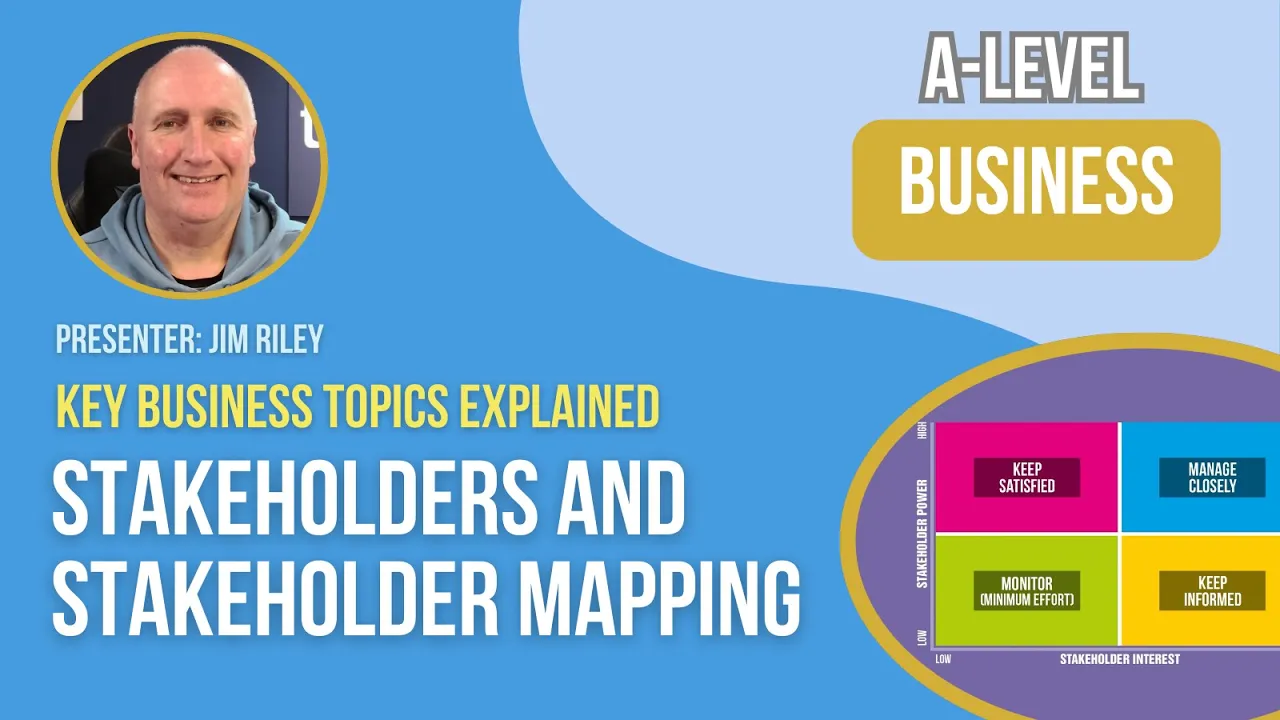








User ecosystem thinking challenges the traditional narrow definition of 'the user' by recognizing that products and services create interconnected experiences involving multiple people beyond the direct user, including auxiliary users, unintended users, and even AI agents; this systems thinking approach, rooted in anthropology, helps designers understand complex user relationships and avoid overlooking critical stakeholders in their designs.
Rethinking User Ecosystems in UX Design (with Anthropologists)
Added:Foundational UX Design Principles: Understanding core user-centered design methodologies, including standard user personas, user journeys, and basic usability.
Introduction to Qualitative Research Methods: Familiarity with basic UX research techniques such as interviews, thematic analysis, and direct observation.
Basic Systems Thinking: A conceptual understanding of how individual components, products, and actors interact within a larger operational system.
The Role of Ethnography in Design: Awareness of how anthropological concepts like cultural context and environmental factors influence human-computer interaction.
Advanced Ecosystem and Stakeholder Mapping: Practical methodologies for visually modeling complex networks of primary, secondary, and tertiary users alongside their resource flows.
Service Design Frameworks: Transitioning from single-touchpoint digital design to holistic, multi-actor service blueprints and end-to-end experiences.
Applied Design Anthropology: Developing field-research strategies, participant observation techniques, and deep contextual inquiry protocols for product development.
Systemic and Ethical Design: Evaluating the long-term, unintended consequences of product ecosystems on society, community dynamics, and the environment.
5.2K views75likes46:50Original Release: 2025-07-18
This is the Neielson Norman Group UX podcast.
[Music] I'm Theres Fessendon. In the experienced design industry, we talk a lot about designing for the user. But have we ever stopped to really think about who that includes or more importantly who it leaves out? In our efforts to simplify and focus, we often default to a very narrow view of the user. one person, one need, and one product or interaction.
But real world experiences are rarely that simple and are far more interconnected than you might think. In this episode, we dig into what it means to expand our understanding not just of users, but the complex ecosystems that they're part of. Today, I'm joined by two brilliant PhDs in cultural anthropology, Mike Youngblood and Ben Chesl. They are the co-authors of Rethinking users, a book and a toolkit that challenges the narrow lens that we often use when defining users in research and design. Mike has spent his career focusing on social impact design and systems thinking. His work explores how complex user ecosystems intersect with climate justice and large-scale social systems.
Ben has a background spanning lots of different industries including the research of healthcare systems, redeveloping time square, and he's taught alongside Mike at the Stanford D School. In this chat with Mike and Ben, you'll hear us discuss how anthropology and systems thinking enhance UX work, what user ecosystem thinking really entails, and how teams can use a mindset of curiosity and inquiry to build deeper, more meaningful relationships with the people that they're designing for. Whether you're early in your career or well seasoned, this conversation will challenge how you think about the user and why that matters now more than ever.
With that, here are Mike and Ben. Well, Mike and Ben, welcome to our show. I'm absolutely thrilled to have you here for a couple reasons. One, I am a longtime fan of your book, Rethinking Users, which we will definitely dive into and unpack. But before we do, I would love to have you share a bit about how you joined this journey into UX. And all of us, I know, have very interesting paths.
Every time I talk to someone on the show, I'm always fascinated by their origin story, if you will. So, um, Mike, uh, let's start with you. How did you get into this amazing field?
>> Sure. Um, I stumbled into it like many people do. Um, as a as a practicing anthropologist, I was all my work was in um, studying social movements in South Asia. So, I'm in India and I'm, you know, kind of on the side. I realized I'm taking sort of a strong interest in design because India is such a um innovative place and when I was back in the US uh looking for a academic job to teach I got a call from a big technology company that was hiring anthropologists and I thought that was the weirdest thing I'd ever heard of that they wanted people to study how people used things.
I was vaguely aware of like um human computer interaction and things like that but not really. Uh, and I thought I'd just go work in a corporation for six months, write a paper about it, and go back to the academy. But I got stuck.
I just real I just loved this um sort of short sprint way of approaching um anthropological research um which is how I still look at it as anthropological research um and looking at new products and services all the time. And so I just got I I stayed I stayed in the field.
>> Amazing. Yeah. Um Ben, I would love to hear your story as well. You know, what brought you to the field of research and design?
>> Oh, absolutely. Um so, uh like Mike, even when I was in kind of academic cultural anthropology, um research was drawing me to design. My my focus at that time was focusing on urban spaces and the official and unofficial ways people have to interact with space or change it around them. And uh I was lucky to get an opportunity to join a design research consulting firm um that specialized uh actually in medical device design especi especially surgical tools. So for me personally, my experience with learning about kind of how to apply anthropology practically came from standing around in operating rooms around the world kind of peering over surgeons shoulders um interviewing them under trying to understand what was going on in their surgeries, their tools, their patients, um the other people involved um all with the goal of trying to figure out how to make their tools better. And uh like Mike, I was really drawn to immediately to the kind of the collaborative and fast-paced aspects uh of the work that were just and the interdisiplinary aspects. The chance that all of these projects would involve collaborating with industrial designers and graphic designers and learning from them. Um I just got hooked.
>> That's incredible. I can just like picture like standing and watching a surgery happening. Like that's you've got to have a strong stomach for that. I can imagine.
>> You know, not to go too deep into it, but um you do I do not have a strong stomach. I even had trouble watching the videos that we would record, but when you're there in the room um nobody's reacting. Uh so it's actually easy to be kind of quite blasze about it. Although every once in a while you'd kind of like, oh right, this is somebody's knee I'm watching getting replaced or something like that. I think the other trick is you've got to have a very strong bladder.
>> That's more true than the stomach part.
>> There's a lot of standing, right?
Because these are hours at a time.
>> They can be. They can be.
>> Yeah. So, okay. You have we have two anthropological backgrounds. How did you two meet each other? How did your worlds collide?
>> Um, I I can dive in on that. uh we met via a professional connection and we started teaching together um doing these kind of collaborative uh workshops and pop-up classes at the dchool at Stanford and actually the the whole rethinking users project the user ecosystem thinking idea and that project emerged organically from things that we were experimenting with in those early uh classes and those conversations we were having.
>> Yeah. Yeah. Yeah. So, I guess this is kind of a good transition now, too.
Like, as we're talking about the book, Kelly, what inspired you to take this from pop-up workshops to being a book that you two decided to publish together?
>> So, you know, I had been tinkering with some some of these ideas of sort of like reframing the way we think about users and user experience. And um I tried it out in a couple of workshops at some conferences and with some clients. And I just happened to mention it to Ben at one point and he's like, "Oh yeah, I've been thinking about that too, you know, just immediately." Um, and you you think about an operating theater, right? I mean, there's so many users in that space um who are all sort of uh organically and and collaboratively sort of uh moving toward a an outcome with a patient. Um, and so Ben had been looking at these things through his own lens for a long time. And we thought, well, let's let's see if we can refine these ideas a little bit based on our our collective experience and um and try putting it in front of some graduate students and let's make a class out of it and and get some feedback. And we did and it worked really well. We got some great feedback.
And I think we ran the course about four times. And in the course of doing that, we were, you know, systematically refining a little bit and a little bit more. And one day we're looking at the the um the deck of slides that we were using as the as the the sort of the main body of the course and we thought you know I mean there's really sort of the outline of a book here and then we thought well maybe it's not long enough for a book but we didn't want to write an article. So then we started thinking about what if we just created a whole toolkit that's kind of like the class in a box. Um, and we'll, you know, we'll refine these these uh these cards we've been using in the class and we'll make a nice book and, you know, people can dive in either sort of visually and tactally or they can dive into the ideas first and then um and and mix and match uh the different tools in the in in the kit.
Um, and that was it. So, we just sat down and started doing it. And then co came along and we had a little little more time on our hands and we kept working on it. And then we brought uh Nadem Hadri, our our fantastic design collaborator in on the project and he just went to town on you, you know, applying a visual language to the to the to the ideas we were working on and and the theoretical theoretical framework and just made everything fantastic.
>> Yeah. Yeah. And and so for listeners who haven't encountered this book/toolkit and I think the word toolkit is actually a much more appropriate one um this book rethinking users is a book which talks well first of all one of the core aspects about this book is that you kind of challenge the whole idea and that's why the you know the title rethinking users is so apt right because we're basically challenging hey this traditional idea of system versus user is a bit outdated and is missing a lot of the key nuances that happen in real life usage of a product or a service.
And so there's the book side of that, but then you also have coupled with it a series of cards uh and activities that designers, teams, researchers, anybody who's interested in the creation of a user experience, right? Anybody can use these tools and these visuals as a way to think about their own respective offerings. Um but before we get into like that, let let's kind of take the first bit, right? the the rethinking even the term the user. Um Ben, could you elaborate a little bit and then Mike obviously we'd love your thoughts too.
What makes the idea of the user kind of an inappropriate or outdated notion?
>> Yeah, it's it's a really good question.
Uh so for us I mean and as we try to say in the book you know the idea of the user focus in design the idea of user centered design and you know meeting people where they're at understanding their values and their experiences is just monumentally important. It's incredibly important. Um and along with that, uh the field as it's evolved and as we experienced it as practitioners and talking with other people in research and design, um has a kind of a default mode somewhat understandably that people that that we gravitate to focusing on only one particular kind of user and one particular kind of relationship that a user can have with design. And it's visualized in the in the book and on one of these cards is this idea of the direct user, the person who's picking up and using something directly themselves intentionally, consciously to to accomplish a goal. I mean, in the case of that uh surgery research I mentioned, you know, that direct user was the surgeon for sure and that you know, we drove towards this incredible understanding of these individuals. Um, and it's important, but it's only a starting point because there's all of these other kinds of relationships that people can have with each other and with design that are all really important to understand. Um, and not just because the products and services that we're designing um, need to be able to support these relationships, but I if only because a lot of the times all of these different relationships need to work successfully for that direct user that we're kind of designing for, even if that's our default, um, to be successful. And you know the biggest example of this the the thing that I immediately thought of when Mike you know kind of asked me when we were talking in early days like you ever thought about this idea of like not users but user ecosystems were those surgical uh suites where you know there along with the surgeon there's just all of these people who had to be able to kind of hand the tools in and out of the surgical field. They had to calibrate them and prepare them and get them in the room and then take them away and clean them later or, you know, get rid of them. And it wasn't that frequent, but surgeries would break down. They would just come to a halt if one of those people hadn't been able to have that an effective relationship uh with that tool even though it wasn't designed for them. And the people designing it might not have ever really even thought about that role. Um, so that's why we kind of started to evolve this argument that you really need to look at the total range of user relationships that are possible and that do exist around the things that we're creating. Um if in order to really understand how design is really working in the real world, if only to make mindful choices about who we're focusing on uh when we think about, you know, who we're designing for >> Yeah.
>> Yeah.
>> Yeah. And I'll add to that, you know, I mean, so this this notion of the user, whether we feel it to be correct or not, the notion that's really sort of lodged in our heads as designers and design researchers is this sort of onetoone very intentional relationship um almost a hermetically sealed relationship. it exists in isolation of everything else around it between an acting subject, a human being and an inert object, you know, a thing, a design. And it just didn't fit with what we were seeing in the world around us. And there's there's an example I use in the that we use in the book, um, and I think it's it's maybe worth repeating, and that is I was riding on a train one time, sort of a commuter train, um, and everybody was, you know, doing a little work to get ready. laptop work to get ready for for work or they were taking a snooze or they were, you know, enjoying their thermos of coffee or whatever and there was one guy on the train just yammering away on his phone. He was having an argument with somebody and it occurred to me that that phone, decades of research had gone into making that phone sort of a a user experience for that guy. But we were all having an experience with that product, everybody on the train, and we were all uncomfortable with the experience. And so I it it sort of occurred to me that like if if that phone is the outcome of human- centered design and it's failing all but one of the humans on this train, what is then human- centered design and how do we how else can we think about user experience and who users are and what it means to use, right? And so Ben and I sort of opened up that concept of use and started thinking about use just in terms of engagement. I'm having an experience of of this thing. Let's call that use also. And now let's see if we open up the aperture a little bit wider to see more kinds of experience. What does that help us to see? And how does that help us to imagine differently and think about the possibilities of design in different ways?
>> Yeah. And and I'll say just to kind of follow up on that, I would know I know when Mike was kind of we were, you know, sharing that story, he he was coming off of saying that I had just worked on a bunch of cell phone related projects and kind of none of them had ever focused on that kind of relationship. And and similarly, you know, coming out of those operating rooms, I had really struggled to find a way to articulate why observing these all these different relationships was uh important. uh you know articulating it kind of coherently to myself or definitely to colleagues and clients just using the kind of language of these kind of frameworks of user centered design and so it was really sort of striving I think both of us striving for a way to make concrete and practical something that we'd found ourselves observing but not not done enough with.
>> Yeah, absolutely. And I I appreciate both of these different examples, right?
On on the one hand, you've got your primary user being a surgeon, but then all of these other sort of supplementary or auxiliary uh users who are essentially engaging with that particular, you know, tool, right? And maybe they're not the primary user, but inevitably the success of or failure that they encounter will affect everyone else's success and failure, right? And then Mike, your example of, you know, maybe there's an intended user and then there's all these other people who suddenly find themselves like thrust into an interaction they didn't even want to be part of, right? Um, and it's it's funny how there are so many different types of users and interactions that inevitably will happen. Um, and your book essentially proposes the shift toward ecosystem thinking. But before we go into that, there was one other example I thought I'd share here. Um, and actually what kind of triggered this whole me reaching out to you um was someone posted on LinkedIn a while back uh reflecting on interactions that people have with say um it could be familial relationships managing bank accounts or insurance where there might be you know two interested parties. Maybe one is a policy holder, one is a benefits recipient, right? And there are these interconnected relationships that um often we don't plan for in most at least for most digital experiences. And um there was this basically this plea like hey finance, banking, healthcare, like there are so many examples where the relationships that people have with each other, you know, play more than just some sort of oh well that's sort of their life outside of this application.
In many cases the relationship is precisely why they have access to a particular tool or a particular benefit or particular piece of value. So, uh, to see a book really explore this and explore all of the different ways relationships play a role in experiences, you know, was really really deeply refreshing. Um, so yeah, with that, let's let's talk a bit about, you know, user ecosystem thinking. What is that? Like can you describe like what that approach is about or like and how is it different? I mean obviously there's you know reflecting on more than one person but could you share a little bit more uh about that approach?
>> We were very deliberate about the what the name we gave it. So we you know we wanted to keep this word user because we thought it was useful. We just wanted to retool it a little bit. I know some you know some organizations and some designers are sort of dispensing with that idea of of the user but it's it's out there. It works. We just wanted to open it up a bit. um ecosystem was something we felt we really needed because we wanted to look at at at collections of experiences as well as sort of the the the meta experience that's being created at a systemic level, right? Because you think about that train car or the operating theater, there is an emergent experience at a systemic level that's sort of the whole as well as individual experiences.
So we wanted to keep that that have that idea of an ecosystem like a you know like the Brazilian rainforest or something where everything has its role and uh and creates the total and then thinking you know I suppose we were thinking about like systems thinking and design thinking. We just we wanted to to have an idea built into this that that suggested that it was a it was a way of seeing a way of approaching a way of analyzing um that was fresh and different or maybe enhanced in some way.
So we started calling it user ecosystem thinking. It's a little clunky but we think it sort of gets at the at the at the idea and we were borrowing a lot of ideas both consciously and unconsciously from from systems theory. So that idea of everything being interconnected, that idea of of there being sort of a synthesis of the parts and the parts work together and every part has a role and plays into the the the final total.
And that idea of emergence, that idea of that that together all of these um aspects of the systems are are collaborating um to create a an outcome to create a systemic uh outcome or to maintain a systemic outcome.
And um yeah, I I'm going to stop there because I I don't want to wander too much, but you look like you want to add something.
>> I do. I do. And so um what I would add to what Mike was saying is that um the way we try to user ecosystem thinking is about kind of operationalizing u that concept in the form of um a concrete framework of what we call user archetypes but or the the um concrete ways that people uh can have a relationship with design and with each other that go that start with a direct user but that go beyond into relationships that are, you know, indirect, unconscious, happening all at the same time. Um, all the different combinations um that that can exist. And so in the in in the book and in the cards uh we map out the kind of the framework of the kind of diversity of user types. Um and then have created a series of uh exercises. And these are a lot of what we were building on in those from those early workshops that put that framework into action where it kind of can start with going out into the environment and discovering um what archetypes in in action you can find and then thinking about what you know when you take a certain piece of design, a certain thing or a space or what have you. Um who's this been designed for and what user types are best or least supported by this? And then what would it look like to reframe that and you know have this focus on a user type that's currently being neglected.
So it's these system theories concepts combined with a concrete framework for defining the different kinds of user experiences that exist um and then activities for putting all that into practice really concretely in in research and design.
>> Yeah. Yeah. And actually um again big reason I appreciate this book so much is the the toolkit that accompanies. Um and so on that note too and this is back to the term you used archetype. Um often when I talk to uh folks who attend our workshops and clients of our various consulting projects a common thing that comes up is the idea of personas. And in some cases personas are great. uh they can really help to define user needs and goals and motivations. Other times people have trouble with them, right?
Because it feels more like, oh, I'm looking for weird, I don't know, personality traits or just odd criteria that seem a bit arbitrary. And archetypes are, you know, something I've started using too when I start describing different types of user segments because sometimes it's a lot more productive and constructive to think through relationships or think through well what role does this person play in this particular dynamic, right?
And and I feel like sometimes those conversations are much more meaningful.
Again, not to bash personas. I'm still a big advocate for them. Um, but in environments where personas don't feel appropriate, I still think there are ways to be a bit intentional and deliberate about how we're narrowing down our definition of users, right? So, um, so again, like just everything about what you've put together and how intentional your language is about this ecosystem and how you define these relationships. Um I found particularly I I use the term refreshing a lot but uh but really it is because there is such a common theme uh around this very traditional approach to design that uh to flip it on its head a bit is really um I think productive for our field. Uh so on that note actually um how did you envision teams kind of using these cards because for me I don't know I just love tangible cards so it was very easy for me to pick them up and leaf through them and and at least for me I found myself like reading the book flipping through the cards reading the book and like going back and forth because in in some ways it's almost like I needed a break from the really deep and challenging thoughts I was reading in the book and then I thought oh well let leaf through some more of these examples so I can bring them to life a little bit. And I don't know, I I'm just curious what your original intentions were, you know, with uh with this this toolkit that you've essentially put together.
I will say with that um just to kind of loop back to something that you were just mentioning about that archetype concept. It was actually a big part of our early conversations was thinking about being rigorous about defining things that were really different than personas and that we always kind of saw as complimentary to that approach but kind of stepping, you know, really intentionally saying like we're going to like have no personality.
um it's not about whether their use is good or bad or whether they're liking or disliking this or each other or anything like that and really just trying to you know distill down what are the kinds of relationships um that we envision. Um I would say uh uh the the kind of interplay between the cards and the ideas. Um it really became apparent as we started trying to kind of teach and work these things out uh in those dchool workshops that having this card deck of being able to go from ideas to concrete visualizations and activities was kind of crucial for us and for the learners.
Um, and that we've kind of envisioned this working um, I mean we I heard that it can work in a couple different ways. People can kind of steep themselves in the book and then pick up and use the cards, you know, based on that. Um, but also people can have that experience more like you're talking about where it's really more of a back and forth or even just sort of throw yourself into following the instructions for the activities uh that are on the cards themselves and kind of working backwards to that.
Working backwards from there.
you and other readers u can give us feedback on how successful we were with this. But we really worked hard to deacademicize uh the text so that it's hopefully engaging and interesting to people with a background in anthropology or design, but you it's really not necessary and that you could pick it up and read it and use it even if you're just somebody who's got a you know great idea for a you know education nonprofit startup.
Um, and that for teams, uh, I mean, if everybody wants to buy a copy of the book and read it, great. Uh but if you've got a team and you're interested in these ideas that you can pick up and use the cards and the activities and bring people along, you know, really without kind of worrying about whether everybody's done the required reading or anything like that where it's really um ideas with a framework to make that a practice.
>> Got it. Got it. Yeah, that's really helpful to know as well. Um, and I I would agree like I the everything about what you've put together feels very accessible and very approachable. Um, and perhaps that's why like even just the notion of flipping users on its head felt so much easier to do because it was so easy to visualize. And credit to Nadem Hyrie too for putting together that excellent visual language for all of it. Um, now I'm going to kind of pivot just a little bit here away from the book and a little bit more toward just how we can apply user ecosystem thinking. And what comes to mind is the thought about AI agents now and how that plays into this ecosystem thinking. Do either of you have any thoughts on that?
>> Well, yes. I mean this is something that we see coming and we you know even four years ago when we were writing this book that we we saw coming around the around the bend everything is getting so richly complex now I mean you think of a of a smart home right it's just there are no doorbells anymore there you know richly connected devices that tap into all other kinds of systems in your home and outside of your home and in big corporations and multiple, you know, when when somebody presses a doorbell, now there's there multiple users involved there. Um, and a lot of these things also sort of flip that, as you said, sort of flipping the idea of the user on its head. A lot of these new devices, AI enabled devices, robotics, um, some of these sort of smart products are actually sort of changing the role between who is the subject and who is the object. the devices now sort of use us in multiple ways. And we thought that was kind of a fascinating reversal and another way to sort of just sort of break apart this old model of the user and the used. Um it's not so clean anymore. So we think that's going to get more and more complicated. Um and we have tried to anticipate some of that additional complication with some of the the users that we've some of the archetypes that we've we've introduced.
So for example, there is one called the um the autonomic user and this is a a user who is the the the the technology and tools that the user supposedly uses are so Ben is holding up the card for that one right now are so deeply sort of intermingled with the the just the the very being of the user that it's hard to differentiate sort of user and object or subject and object. they're they're they're just a a single hole. Um, and we're going to we we think that sort of cyborgization of of of the user experience is going to be more and more common as as time goes. Um, a >> and just just to follow up on that, we did I you know, it's funny to think that we were even trying to think about this when we were creating all of this. It's it things have advanced so fast and so far even since then. But on a few of the exercises I'm hold up the card for um really uh whoops the last one if I can actually find it um that we ended up creating is this the exercise we called active artifacts which is really in trying to um envision ways that um the things that we're designing become themselves things that have active relationships that that are users in themselves. Um so and and this is progressed also with the work that again our colleague Nadim uh is doing in his work as an industrial designer in these kind of like ubiquitous AI assistance built into you know everything around us. So it's not I would say it's nothing that we're ourselves kind of particular expert in but it's it's it's a perspective we really tried to take into account when we were creating this that's only accelerated since.
>> Yeah. What does user centered design look like when the thing you design is actually the user?
>> Yeah. Right. Exactly. And there's certainly a lot of buzz right now about AI agents. And while you know half of the people you talk to say AGI is on the horizon or you know advanced general intelligence is on the horizon, many people don't think it's quite there. But that doesn't change the fact that people may still have these agents act on their behalf whether that's on smaller scale or larger scale. So um you know credit to you both for thinking about these sorts of relationships uh even in the infancy of these sorts of technologies.
Um, so you know, I guess one last question I have for you is, uh, at least kind of thorny one, um, would be thinking about like cultural anthropology in modern design environments because I think when people hear the term anthropology, right, they're often these like associations with either people going to um, you know, remote uh, cultures in different parts of the world to study them, Um, but I mean naturally you your roles in anthropology were kind of varied. Like Ben, you spent quite a bit of time looking at medical technologies and that was where your anthropological experiences primarily lied. So I'm curious what your thoughts are, you know, as we look at some of these modern design environments, how might these change over time? I'm imagining too that the role of anthropology is sort of changing. Um, just in particular, I know there's a lot of concern in the industry at the moment, a lot of contracting of budgets and operationalizing and efficiency. I think there's still some questions up in the air about what does, you know, what does anthropology look like? Um, when there are even tighter timelines than ever before. So, I'm just curious if you have any thoughts on that.
>> I think we have a lot of thoughts on that.
Um um and I'll I'll I'll start with with with a couple of thoughts and I'll let Ben then jump in with with some more because we we don't want to overdo it.
But um the first thing I'll say is that I I as an anthropologist sort of working in this um you know UX research design research space it I'm really aware that even when people who don't come from that sort of a social science background are doing some of this research the way they observe the environments they're in the the idea of sort of a um of studying uh how people interact with things in their own context in their own environment. Um the idea of the long- form interview um and and all these things that are sort of basic to design research. These are really anthropological methods and they are they're they're very sort of richly endowed with anthropological theory even if the people practicing those methods don't realize that there's theory there.
And I'll give you an example of of what I mean by that theory. One of the one of the core ideas of cultural anthropology is making the strange familiar and making the familiar strange.
So what we attempt to do is if we're going out into an environment or a human context where people are having experiences that we don't really understand, we try to understand them through that person's eyes. get ourselves into that that person's shoes and try to understand that sort of with their own frameworks and their own sort of values and all all of those things.
Likewise, if we're studying an environment that seems familiar because we've been in it so much ourselves and that could be a modern design studio or um you know a corporate assembly line or of you know whatever anything of a um an operating theater. We try to create some remoteness from that. We try to alienate ourselves from that environment and forget that we have um deeply sort of rooted thoughts and opinions about it and try to make it strange to us so that we can see it with an analytical eye. Um and that's what a lot of these methodologies that are being used in the design world are are actually trying to do even if if not everybody would articulate it that way.
And just to jump in on that, I I think that's really well put. Um that uh you know there's we see that there's kind of even potential and it's it's something we were this this whole project is kind of an experiment in you know anthropology is very much associated with a method of the method of ethnographic fieldwork. um which is crucial to the to the field but it's also comes from this like knowledge base of the diversity of human behavior and evolution and history. Um and out of that comes a perspective on understanding individuals through history context and relationships. Um, and we think that there's a lot of potential for anthropology to kind of keep promoting the methods of ethnographic fieldwork that we're that we're focused on and keep arguing for the value of those even though it is, you know, it takes time and like you said, people can be uh challenged budget-wise. It's certainly a reality.
but also to find ways to bring those insights about kind of systems and history to bear and make them practical.
Um to show that they're not just academic concerns, but that they're really um ways that are really concrete and helpful for understanding the problems that a you know the design team is facing, for example.
>> Yeah. And I I love that phrase, making the strange familiar and making the familiar strange. Uh because I do think that skill set is essential to I mean not just avoid bias in like the oh we're doing what's ethically right, but avoid bias that actually risks you know making bad decisions. Like what comes to mind is we just assume that everyone like oh all surgeons obviously know this because they're surgeons and they're well educated. I talked to so many people um both in healthcare and academic contexts and and not trying to you know say anything bad about people working in these spaces but because you're kind of surrounded by these very academic perspectives all the time it's easy to sort of make assumptions that ah this must be the kind of information people want or oh I better avoid like making these people feel you know like I'm dumbing things down or that I don't think they're smart because these are the smartest people I know like there's so many insecurities ities and biases that often impact the decisions we make or the type of information we decide to put out there or even who we decide a user is, right? Just even that core decision itself that it's it is such an important skill to be able to create the appropriate level of distance and I say appropriate level because in some ways it's distance yourself from what is familiar but also bring yourself closer to might what might be strange, right?
so that you can bridge any potential gaps of you know disregarding an entire group of people altogether. So that statement I think really hits home for me. Um and you know I think is something that really speaks to if we're trying to protect budgets and if we're trying to be you know mindful of the time we're spending on certain projects then the best way to do that is to have objective decision- making that calculates risk. And the best way to calculate risk is to not have that bias to begin with, right? Or to have that level-headed approach to all the projects we make. So I agree. I think there's a role for it whether someone decides, oh, do we need anthropology? I I don't think people necessarily need to take like a, you know, oh, we must have a replicable study that is, you know, this ginormous academic study. Like we don't have to do that in in a lot of cases. But if we are better about defining target users, right? Right? And when we say target users, being really mindful and intentional about those users and the interactions and relationships between people, right?
Then we can save a lot of money, right?
We can we can have better studies. Like >> we're not just saying, "Oh, we're looking for >> all of the, you know, 22 to 25 year old, you know, females in the world and trying to cater to them."
like that's sometimes those segmentation criteria are meaningless compared to hey maybe we want to target someone who is a new parent right and that's going to be much more not only inclusive but we're thinking of relationships we're thinking about representatives of users right or someone who is acting on behalf of a user um agents in that sort of regard too so anyway all this to say I I agree >> well and and I hope everybody's takeaway from what you just eloquently said is that everybody in design can save lots of money by hiring lots of anthropologists. That's that's definitely >> that's what I heard also.
>> Remarkable that we're have consensus on that.
>> Yes. Yes. Um, well, Ben, Mike, it has been so fun having you here, sharing your experiences, sharing, you know, the origins of this book and the message ultimately of thinking about user relationships and thinking bigger than just the user system, you know, model.
Um it's been so fun uh talking through these things and not just fun but hopefully uh our audience you know got something out of that and maybe are able to reflect on their own you know respective offerings. So, I guess if listeners were to take, you know, one core message from our conversation today other than hire more anthropologists, what would you say your takeaway would be? Mike, if if we'll start with you to put you on the spot.
I I I guess what we um the the main takeaway is I think it's helpful for for uh people working in a design context to just be constantly checking in with themselves about whose experience are we uh foregrounding here, whose experience are we centering? Um who's you know we talk about delight and satisfaction. Whose delight are we working on? Whose satisfaction? And why?
Let's, it doesn't mean we have to design for everybody, but let's be deliberate about who we're designing for and know why we're doing it rather than just um allowing ourselves to be sort of blind to all the other experiences that are out there.
>> And the one thing I would add to Mike is that if that sounds intimidating, um it can be easy and fun to do with the right framework which we're we've tried to provide.
>> Yeah. And and I think that approach of being intentional and also you know thinking both of unintentional users and unintentional uh users as well. uh you know having that and and again having archetypes having names like sometimes it can be intimidating to not have a name or to not have a category to put someone and not saying people need to be in categories but what I'm getting at is sometimes you know it's almost like analysis paralysis like there are just millions of people how do I go about doing this and and I think by starting with archetypes right and thinking about types of relationships that can certainly help make what is otherwise overwhelming, you know, much more approachable. And um you can always start small. And I would say that was maybe my takeaway from reading the book was there are small ways to build empathy and to think about the relationships people have. And and not only does that make better products, that makes that makes happier designers because we we kind of have a better sense of, you know, who not just who we're designing for, but who benefits and um and who matters to the people who are benefiting as well. So, so to close here, um if people would like to follow you or your work, where could you direct people to? Um if people want your book, where could you direct them? Um Mike, uh let's start with you. have a minimal social media presence. Um, uh, we do have a website for the book. Um, it's rethinkingusers.com.
Uh, there's more information about the book there. There's a there's some tips and tricks for for using the exercises and the cards. Um, especially for distanced teams because we see that so much more now um, rather than teams that are all huddled in the same space. Um, so that would be a good place to take a look and there are links to uh, some other work there as well, I think.
Yeah, rethinkingusers.com and BIS Publishers is our amazing uh publishing organization that puts the book out and makes it available.
>> Amazing. Well, Mike and Ben, thank you so much for your time today. It's been so much fun chatting with you today.
>> Thank you. Thank you. We've had fun as well.
>> That was Mike Young Bloodood and Ben Chesl, authors of the book Rethinking Users. If you want to learn more about where to get the book or maybe you want to incorporate some user ecosystem thinking into your own work, go to their website rethinkingusers.com.
Also remember that NNG has thousands of free articles and videos on things like user research, ethnography, archetypes, and broader topics like experience, design, strategy, and UX careers. You can find all of that at www.nroup.com.
That's ngr.com.
Finally, if you like this show, please leave a rating and hit subscribe on the podcast platform of your choice. It helps us out a lot. This show is hosted and produced by me, Theres Fessendon.
All editing and production is by the very talented Chrissy Richardson. That's it for today's show. Until next time, remember, keep it simple.
Up Next
14:35
Assessing Organizational Culture: Process, Models, and Tools
@Onlinepmcourses
4.7K views•2023-09-21
46:36
Retention Habits of Top DTC Ecommerce Brands Revealed
@SendItPodcast
44K views•2026-03-03

15:23
Decoy Effect: How Pricing Psychology Influences Consumer Spending
@bobinvestsUS
90K views•2026-01-05

17:30
The Planned Obsolescence of Light Bulbs and Tech
@veritasium
25.3M views•2021-03-26
Related Study Plans & Knowledge Roadmaps
Structured learning paths in Business
business
Pop-Up Retail: Strategy, Design & Execution
01Introduction to Pop-Up Retail & Strategic Goal Setting
02Budgeting, Site Selection, and Legal Essentials
03Experiential Retail Design & Visual Merchandising
+ 2 more learning modules
15h5 modules
Explore Roadmap
business
Reg CF: Startup Funding, Marketing & Launch
01Introduction to Equity Crowdfunding & Reg CF
02Platform Selection & Legal Preparation
03Crafting High-Converting Campaign Assets
+ 2 more learning modules
14h5 modules
Explore Roadmap
business
Productized Services: Scaling Solo Freelance
01Foundations of Productized Services
02Packaging and Scope Definition
03Pricing and Subscription Models
+ 2 more learning modules
15h5 modules
Explore Roadmap
business
Gov Procurement: Find, Bid & Win Contracts
01Introduction to Government Procurement & Business Setup
02Small Business Certifications & Set-Asides
03Finding and Analyzing Contract Opportunities
+ 2 more learning modules
14h5 modules
Explore Roadmap